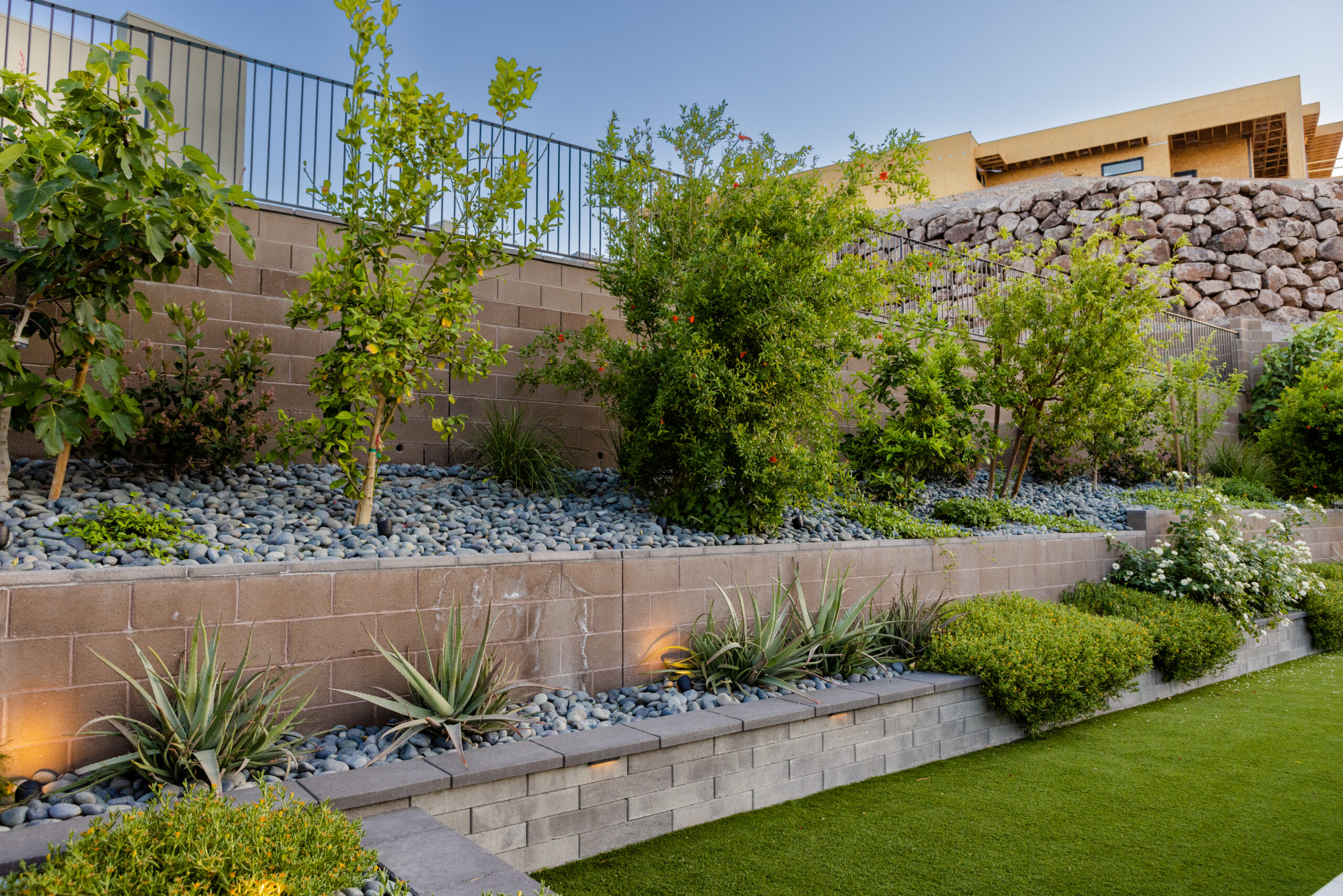
As we move further into the 21st century, the urgency for sustainable practices in all aspects of life has become increasingly apparent, and landscaping is no exception. With climate change, biodiversity loss, and urban sprawl asserting their influence on our natural environments, a shift towards sustainable DIY landscaping has become not just a choice, but a necessity. By the year 2026, homeowners and gardeners are expected to adopt more eco-friendly landscaping techniques that not only enhance the beauty of their properties but also contribute positively to the environment. This evolution in landscaping practices calls for an understanding of best practices that promote sustainability.
DIY landscaping offers the unique opportunity for individuals to transform their outdoor spaces while integrating environmentally responsible practices. By emphasizing native plants, water-efficient designs, and organic maintenance strategies, DIY landscapers can create vibrant gardens that support local ecosystems. Additionally, the incorporation of permaculture principles, such as composting and rainwater harvesting, allows for a more symbiotic relationship between cultivated spaces and natural systems. These methods not only reduce the need for chemical interventions but also promote soil health, biodiversity, and resilience against climate variability.
As more people seek to cultivate their own landscapes, it is essential to disseminate effective strategies that align with sustainability goals. This article explores a range of practical tips and techniques that guide DIY enthusiasts in their endeavors. From the selection of drought-resistant plants to the implementation of sustainable irrigation practices, these best practices for DIY landscaping serve as a roadmap for transforming personal gardens into green sanctuaries that foster ecological balance. By focusing on sustainability, DIY landscapers play a critical role in shaping a more environmentally-friendly future, making a positive impact one garden at a time.

Native Plant Selection
Native plant selection is a foundational aspect of sustainable landscaping, emphasizing the importance of incorporating flora that is indigenous to a particular region. Native plants are adapted to the local climate and soil types, making them more resilient to diseases, pests, and fluctuations in weather conditions. By choosing native species, homeowners can create landscapes that require less maintenance, water, and chemical inputs, promoting a healthier environment. These plants also provide crucial habitats for local wildlife, including birds, butterflies, and beneficial insects, thus supporting biodiversity in urban and suburban areas.
When selecting native plants, it’s essential to conduct thorough research on which species are native to your specific locale. Local extension services, botanic gardens, and native plant societies can offer valuable resources and guidance. Considerations should also be made regarding the maturity size of the plants, their growth habits, and seasonal interest. A well-planned native garden can showcase a variety of textures, colors, and forms, transforming the landscape into an ecological haven.
By 2026, best practices for DIY landscaping will increasingly focus on sustainability and resilience, driven in part by the need to combat climate change. The selection of native plants will be paramount, as they offer a low-maintenance alternative that aligns with water conservation efforts and reduces the need for chemical fertilizers and pesticides. Additionally, incorporating native plants into landscapes enables homeowners to create rain gardens, which naturally manage stormwater runoff and improve local infiltration rates.
To implement best practices in native plant selection, consider establishing a plant palette that includes a mix of perennials, shrubs, and trees, paying attention to pollinator needs and plant communities. Community workshops, educational programs, and online resources will play a vital role in encouraging the widespread adoption of native plants in DIY landscaping projects. As a result, by 2026, landscapes will not only be aesthetically pleasing but also ecologically beneficial and capable of adapting to the changing environment.
Water Conservation Techniques
Water conservation techniques are critical elements of sustainable landscaping, particularly as concerns regarding water scarcity and climate change continue to intensify. By implementing effective water management strategies, homeowners can significantly reduce their water consumption while maintaining a healthy and vibrant landscape. These techniques not only support environmental conservation but also lead to cost savings on water bills, making them practical as well as eco-friendly.
One of the most effective water conservation techniques is the use of rainwater harvesting. This involves collecting and storing rainwater from roofs, which can then be used for irrigation and other non-potable purposes. By redirecting rainwater into barrels or cisterns, homeowners can minimize their reliance on municipal water systems. Additionally, incorporating drought-resistant native plants into landscaping can reduce the need for supplemental irrigation, as these species are adapted to thrive in local climate conditions. Grouping plants with similar water needs together—known as hydrozoning—can also enhance water efficiency by ensuring that each plant receives the appropriate amount of moisture without waste.
Another key strategy is the implementation of efficient irrigation systems. Drip irrigation and soaker hoses deliver water directly to the root zones of plants, minimizing evaporation and runoff. Sensors that monitor soil moisture levels can help automate watering schedules, ensuring that plants receive just the right amount of water at the right time. Mulching around plants not only helps retain moisture in the soil but also suppresses weeds that compete for water and nutrients.
As we look toward sustainable landscaping practices by 2026, adopting best practices for water conservation will become even more essential. Integrating smart technology and practices such as using gray water for irrigation or xeriscaping—a landscape design that reduces the need for supplemental water—will gain popularity. Educating the community about the benefits and strategies for water conservation will enhance engagement and encourage collective action. Ultimately, by combining innovative methods with traditional techniques, we can create landscapes that are not only beautiful but also resilient and resource-efficient, ensuring a sustainable future for our environments.
Soil Health and Improvement
Soil health is a fundamental aspect of sustainable landscaping that plays a crucial role in the overall ecosystem of a garden or landscape. Healthy soil supports robust plant growth, improves water retention, reduces erosion, and promotes biodiversity by providing a thriving environment for earthworms, beneficial bacteria, and fungi. To improve soil health, it is essential to focus on aspects such as soil composition, structure, and nutrient content.
One effective way to enhance soil quality is through the addition of organic matter, which can be achieved by incorporating well-rotted compost, mulch, or aged manure. These materials not only enrich the soil with essential nutrients but also improve its structure, resulting in better aeration and drainage. Additionally, the practice of cover cropping can be beneficial for soil improvement. By planting specific cover crops during the off-season, individuals can prevent soil erosion, suppress weeds, and increase soil fertility naturally, as these plants contribute organic matter when tilled back into the soil.
Moreover, soil testing is a vital practice that allows gardeners and landscapers to understand the current nutrient levels and pH balance of their soil. By identifying deficiencies or imbalances, it becomes easier to amend the soil appropriately, whether that means adding specific fertilizers or adjusting the pH through lime or sulfur treatments. As we approach 2026, adopting such practices will be essential for promoting healthy landscapes that align with sustainable methods.
Best practices for DIY landscaping focused on sustainable soil health include minimizing soil disturbance through no-till or low-till gardening techniques. This helps preserve the soil structure and the complex ecosystem within it. Additionally, employing a diverse range of plants can enhance soil health by creating a resilient root network and lowering the risk of pest and disease spread. Encouraging natural processes, like peat-free mulching and the use of earthworms, enriches the soil while aligning with environmentally friendly practices. Hence, by focusing on soil health and improvement, landscapers can create robust ecosystems that thrive naturally while contributing to a sustainable future.
Composting and Organic Waste Management
Composting and organic waste management is a vital practice in sustainable landscaping that not only helps reduce landfill waste but also enriches the soil and encourages healthy plant growth. Composting involves the natural decomposition of organic materials, such as food scraps, yard waste, and other biodegradable materials, into nutrient-rich compost. This process not only diverts waste from landfills but also creates a valuable resource for gardeners and landscapers, providing essential nutrients to plants while improving soil structure and moisture retention.
Implementing composting in your landscaping routine can lead to significant environmental benefits. For instance, using compost reduces the need for chemical fertilizers, which can adversely affect local ecosystems and waterways. When compost is added to the soil, it contributes beneficial microorganisms and organic matter that help to maintain soil health, improve drainage, and suppress diseases and pests. Furthermore, composting at home is relatively straightforward; by maintaining a balance of “green” materials (nitrogen-rich items like fruit and vegetable scraps) and “brown” materials (carbon-rich items like dry leaves and cardboard), gardeners can create a nutrient-rich compost pile in their backyards.
Best practices for DIY landscaping in sustainable landscaping encompass several principles, starting with the understanding of local ecological conditions. The selection of native plants, which are well-adapted to the local climate and soil type, can greatly reduce the need for supplemental watering and chemical interventions, aligning with composting practices. Additionally, homeowners should consider using organic materials as mulch around plants to suppress weeds, retain moisture, and contribute organic matter as the mulch decomposes.
By 2026, it is projected that sustainable landscaping practices, including composting and organic waste management, will be integrated more deeply into both urban and suburban landscapes. This will involve community initiatives aimed at educating residents on composting methods, encouraging the establishment of local composting hubs, and promoting awareness regarding the importance of reducing single-use plastics and organic waste. By making composting a community effort, the principles of sustainability can be reinforced, ultimately leading to healthier ecosystems and more vibrant, resilient landscapes that support local biodiversity. Implementing these best practices not only benefits individual gardeners but also contributes to broader environmental health, making it a fundamental aspect of responsible landscaping in the coming years.
Eco-Friendly Pest Control Methods
Eco-friendly pest control methods are essential for maintaining a healthy and sustainable landscape. These practices aim to minimize the use of harmful chemicals and promote natural solutions to manage pests. By adopting organic and environmentally safe techniques, gardeners can not only protect the integrity of their gardens but also ensure the safety of beneficial insects, wildlife, and human inhabitants. This approach aligns well with the principles of sustainable landscaping, which prioritize ecological balance and biodiversity.
One effective method of eco-friendly pest control involves encouraging natural predators. For instance, ladybugs, lacewings, and birds can significantly reduce pest populations without the need for synthetic pesticides. Planting a variety of flowers and shrubs that attract these beneficial creatures creates a supportive habitat. Additionally, using companion planting—where compatible plants are grown together to help deter pests—can naturally reduce infestations. For example, marigolds are known to repel nematodes, while basil can deter aphids when planted alongside tomatoes.
Another essential practice is to focus on monitoring and understanding the specific pests and their life cycles. Integrated Pest Management (IPM) emphasizes observation and identification of pest problems before taking action. This includes understanding the different life stages of the pests and determining whether they reach a threshold that necessitates intervention. IPM encourages cultural practices, such as crop rotation and intercropping, to interrupt pest cycles and reduce their prevalence.
By 2026, best practices for DIY landscaping in sustainable environments will likely continue emphasizing the importance of eco-friendly pest control methods. Homeowners will be more encouraged to adopt such techniques as part of a broader move towards sustainability. In addition, advancements in organic gardening—such as the development of new biodegradable pest deterrents and improved understanding of agroecology—will enable even more effective strategies without harming the ecosystem. Ultimately, adopting eco-friendly pest control methods not only protects gardens but also contributes to the health of the planet as a whole.