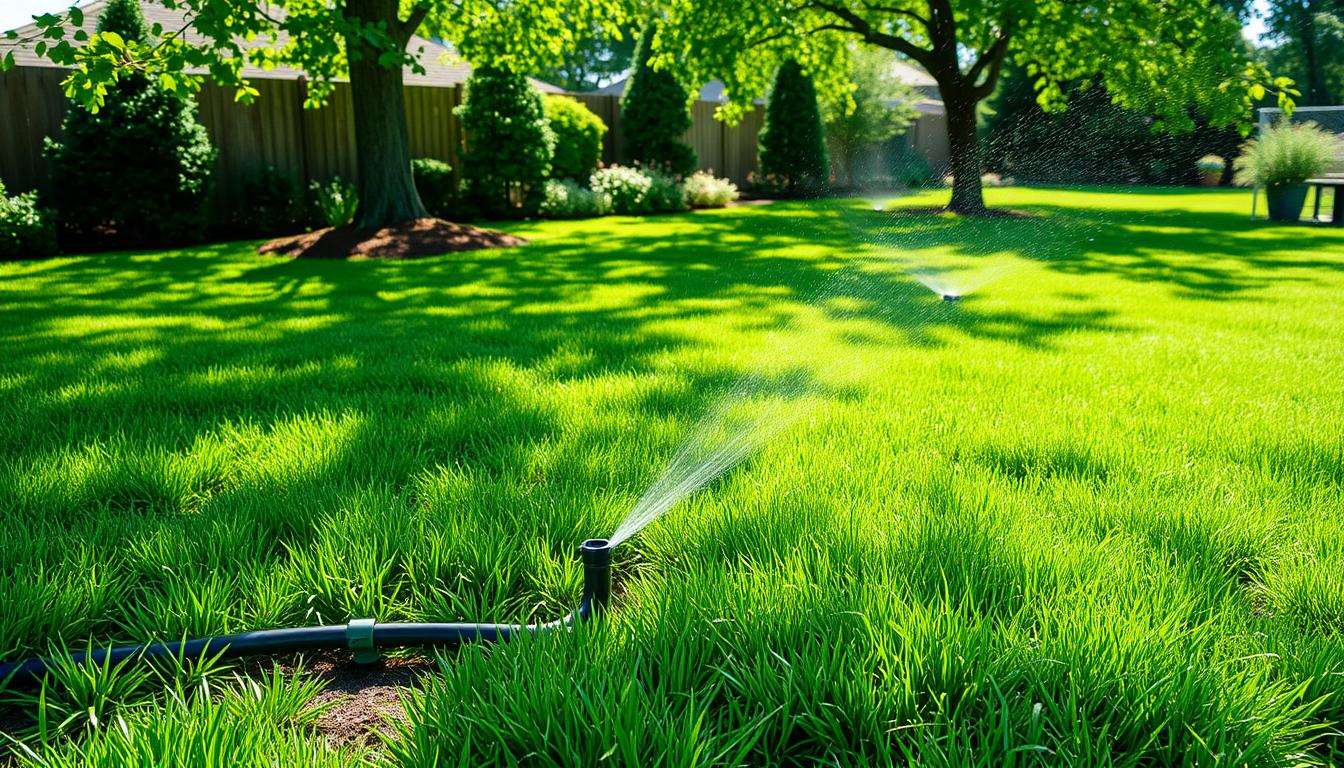
The “Dead Garden” paradox is simple and painful: you crank up the schedule during a heat wave, your bill spikes, and the yard still browns out. This guide starts with that odd truth to ask a direct question—why does more watering make things worse? Traditional timers are blind. They run on a clock, not on plant need or air demand. In a desert irrigation system, that mismatch wastes water and leaves roots thirsty when the atmosphere pulls moisture fast.
We’ll explain how a yard behaves in extreme heat, what breaks down in an old irrigation approach, and how smarter tech and better delivery fix timing, depth, and loss. Drip tends to work best in these conditions because it soaks roots slowly where soil can absorb it.
Key Takeaways
More frequent runs often cause more loss, not healthier plants.
Timing and delivery matter more than total water applied.
Drip delivery helps soil absorb moisture where roots need it.
Smart upgrades for desert irrigation system can cut waste and improve coverage without heavy digging.
Assess payback: saved water, fewer plant replacements, and less service time.
The “Dead Garden” Paradox: Why More Water Still Leaves Desert Plants Stressed
When temperatures climb, pouring on extra water can be the exact move that stresses plants. In a desert irrigation system, surface moisture vanishes fast in extreme heat, so a long, fast run can flood the top inch while roots stay dry below.
Here’s the homeowner math: evaporation removes surface drops, and hard, dry soil can repel or channel water away. That runoff ends up in low spots or the street instead of the root zone.
Poor delivery also trains shallow roots. Shallow roots plus big temperature swings weaken resilience, so plants go crispy even after a heavy cycle.
Soil decline and yard symptoms
Poor water management speeds local soil decline. Globally, land degradation affects about 75% of the planet and keeps accelerating. Repair costs far outweigh prevention.
Problem
What it looks like
Why it happens
Runoff & channeling
Water puddles or flows off, roots stay dry
Hard, compacted soil repels fast application
Shallow rooting
Plants wilt within a day of watering
Frequent short cycles fail to wet deep roots
False signals
Green weeds or soggy basins mask dry beds
Poor distribution hides critical dry zones
Self-check checklist: dry spots that don’t respond, uneven growth, patches that turn muddy while nearby plants wilt. These signs point to delivery and timing problems—not just a need for more runtime.
Core message: in extreme heat, the fix is method over minutes. Correct how you apply water before you increase it.
The Fatal Flaws of Traditional Irrigation Systems in Extreme Desert Conditions
Fast, shallow watering hides a simple truth: more runtime often means less root moisture.
Wrong delivery method
Traditional spray heads apply water quickly to the surface. In hot weather this causes evaporation and runoff. Roots stay dry, and plants show heat stress even though the meter reports heavy usage.
Slow, deep drip delivery soaks the root zone. That approach builds deeper roots and better heat resilience in each plant.
Clogging and pressure problems
Clogged emitters create “phantom watering”—the controller runs, but flow is minimal. Homeowners then increase time, wasting water and hiding true failure points.
Inconsistent PSI skews output across long lines and grades. Use a 150-mesh filter and a pressure regulator set to 20–30 PSI for drip. Pressure-compensating emitters keep flow even across runs; emitter rates commonly range from 0.5 to 20 GPH.
Health and code risks
Backflow prevention is not optional. A testable PVB keeps irrigation water—potentially carrying fertilizer or chemicals—out of the home’s drinking supply. Many jurisdictions require a pressure vacuum breaker and regular testing.
Fix the physical basics (backflow, filtration, pressure), then add smarter controls. Precision upgrades thrive only when delivery hardware is reliable.
Failure Point
Primary Cause
Common Symptom
Practical Fix
Fast surface runs
High flow, short cycles
Runoff, dry roots
Switch to slow drip; lengthen soak times
Clogged emitters
Poor filtration, debris
Patches that look underwatered
Install 150-mesh filter; flush lines regularly
Pressure variation
No regulator or long runs
Flooding in some zones, dry in others
Use regulators at 20–30 PSI; add pressure-compensating emitters
Backflow risk
No PVB or test
Potential contamination of drinking water
Install/test a PVB per local code
Smart Systems and the Precision Advantage for a desert irrigation system
Smart controllers turn weather data into schedules that actually match plant demand. They cut wasted runs by adjusting timers for temperature, humidity, and seasonal shifts. The result is healthier plants and lower water use without guessing.
What “smart” really means
A smart controller senses weather and shortens or lengthens cycles automatically. That means less overwatering in cool periods and extra minutes when heat spikes.
Head-to-head comparison
Metric
Traditional
Smart
Impact
Scheduling accuracy
Fixed clock
Weather-driven
Reduces waste, improves plant health
Response to heat
Manual changes
Auto-adjusts
Better recovery and root resilience
Water control
Coarse
Fine-tuned
Lower bills and less runoff
Maintenance
Hardware fixes
Hardware + software
Fewer emergency repairs
Core components and upgrade path
Precision needs reliable valves, a 150-mesh filter, 20–30 PSI regulators, and pressure-compensating emitters. Match emitters to soil: clay favors 0.5–2 GPH with longer soaks; sandy soil works with 4–20 GPH and shorter, more frequent cycles.
Retrofit the controller first, then audit zones and replace emitters as needed. When digging is required, trench PVC ~12″ deep and poly ~6″. Keep 1/2″ poly under 200 ft and microtubing ≤15 ft. Call 811 at least three days before any trench work.
Conclusion
Fixing why a yard fails in extreme heat starts with looking at how water reaches roots.
The core takeaway: problems are usually delivery, pressure/filtration reliability, and schedule precision—not total quantity. Smart upgrades pay off when you see repeated plant loss, dry patches, high bills, or frequent repairs.
Start in phases: swap to a weather-aware controller, secure backflow and pressure, then refine emitters and zoning. Keep a “do no harm” checklist: confirm backflow protection, stabilize pressure, maintain filters, and avoid simply adding minutes.
For a desert irrigation system appropriate evaluation and a smart-upgrade plan tailored to your yard and plants, contact Taylormade Landscapes.
What if the biggest mistake you could make with your new watering system wasn’t the equipment you chose, but the ground you skipped preparing? Many homeowners rush into irrigation installation only to face costly fixes and wasted water later. Industry experts confirm that proper property preparation is the bedrock of a successful setup. Taking time to get your yard ready can cut future problems by half. It also ensures every drop of water goes exactly where it’s needed.
A well-planned system transforms lawn care. It automates watering, saves a precious resource, and keeps your landscape thriving. This is especially true during hot summers when hand-watering is inconsistent. Preparation involves more than clearing the yard. It requires a full assessment of your land. You must understand soil type, sun patterns, and water pressure. These factors directly influence the design and performance of your entire setup.
This guide provides a clear roadmap. It walks through the entire process, from initial planning to final testing. Special attention is given to regional needs across the United States, like frost lines and local water rules.
Key Takeaways
Thorough preparation is the most critical step for a successful watering system.
Proper planning can reduce installation complications by up to 50%.
Preparation leads to more efficient water use and a healthier lawn.
The process requires assessing soil, sun exposure, and water sources.
A well-prepared system saves time and money in the long run.
Regional factors, like climate and local regulations, must be considered.
Understanding the Benefits of Irrigation Installation
The true value of an automated watering solution extends far beyond simple convenience. Homeowners gain significant advantages in time management and resource conservation.
Time-Saving and Water Efficiency
Automated systems reclaim hours each week. People no longer need to drag hoses or manually water different areas. This saved time adds up significantly over months and years.
Water efficiency represents another major benefit. Modern setups use 20-50% less water than traditional methods. Smart controllers adjust schedules based on weather patterns.
Watering Method
Time Required Weekly
Water Efficiency
Consistency
Manual Hose Watering
2-4 hours
50-60%
Variable
Automated Sprinkler System
0 hours
80-90%
Excellent
Drip Irrigation
0 hours
90-95%
Perfect
Enhancing Property Value and Landscape Health
Well-maintained landscapes increase curb appeal significantly. Consistently green lawns and thriving gardens make properties more attractive. This typically adds measurable value to home appraisals.
Plants receive optimal moisture levels with automated watering. This prevents stress and reduces disease susceptibility. The system pays for itself within 3-5 years through water savings and property value increases.
Planning and Designing Your Irrigation System
Smart watering starts with understanding how sunlight, soil, and plant needs interact across your landscape. A thoughtful design prevents water waste and ensures each area gets the right amount of moisture.
Begin by dividing your property into zones. Each zone should group plants with similar water requirements. This approach creates an efficient watering plan.
Mapping Zones and Sunlight Exposure
Sun exposure dramatically affects water needs. Full-sun areas typically require 30-50% more water than shaded spots. Observe your yard throughout the day to identify these patterns.
Most average-sized properties need three to five zones. The exact number depends on water pressure and flow rate. Manufacturers like Rain Bird offer free online planning tools.
Zone Type
Water Needs
Sun Exposure
Suggested Schedule
Full Sun Lawn
High
6+ hours daily
Longer, less frequent
Partial Shade Garden
Medium
3-6 hours daily
Moderate duration
Full Shade Area
Low
Under 3 hours
Shorter, infrequent
Assessing Soil Type and Layout
Soil composition directly impacts watering strategy. Sandy soil drains quickly and needs shorter, more frequent cycles. Clay soil holds moisture longer but requires slower watering to prevent runoff.
Walk your property with measuring tape and graph paper. Note obstacles like trees and sidewalks. Use a scale of 1 inch equals 10 feet for accurate planning.
This mapping process helps determine pipe lengths and component placement. Proper planning ensures head-to-head coverage where sprinkler patterns just touch.
Choosing the Right Irrigation Components
Quality materials form the foundation of a reliable landscape watering setup that stands the test of time. Selecting appropriate components ensures efficient operation and prevents future headaches.
Selecting Sprinkler Heads and Drip Emitters
Different areas require specific watering approaches. Rotary sprinkler heads work well for large lawns, while spray heads suit smaller synthetic turf spaces.
For garden beds and shrubs, drip systems deliver water precisely. These use tiny emitters that release 0.5 to 2 gallons per hour.
Micro-sprayers provide gentle coverage for delicate plants. Each sprinkler head uses 2-6 GPM depending on size and water pressure.
Picking Quality Pipes, Valves, and Backflow Preventers
PVC pipe offers durability for main lines but becomes brittle in freezing climates. Polyethylene pipe handles cold weather better with its flexibility.
Zone valves control water flow to different areas. Quality construction withstands constant pressure and frequent use.
Backflow preventers protect household water supplies from contamination. Most jurisdictions legally require these safety devices.
Double-clamp main lines for extra leak protection. Use two crimp rings on each fitting connection.
Preparing Your Property and Ground Work
Before any pipes are laid or sprinklers positioned, the land itself requires careful attention and preparation. This crucial step ensures a smooth installation process and long-term system reliability.
Removing Sod and Clearing Debris
Careful sod removal preserves your lawn’s appearance. Cut sections that can be replaced after pipe installation. This technique minimizes visible damage and promotes quick grass recovery.
Clearing the work area of rocks, roots, and branches is essential. These obstacles can interfere with trenching equipment. They may also damage buried pipes after the system is complete.
Always call 811 for utility location before digging. This free service marks underground gas lines and electrical cables. It prevents dangerous strikes during trenching work.
Evaluating Ground Conditions for Trenches
Evaluate your yard’s soil composition throughout the property. Identify areas with compacted soil or excessive rocks. These challenges may require modified installation techniques.
Remove sharp stones from trench bottoms to prevent pipe punctures. Create smooth trench bases for proper pipe bedding. Use sand in rocky areas for protective cushioning around water lines.
Keep dirt and debris out of open pipes during installation. Cover pipe ends with duct tape to prevent clogging. This simple step protects sprinkler heads from contamination.
Installing the Main Water Line and Backflow Preventer
The heart of any effective watering setup begins with establishing a secure connection to the property’s main water supply. This critical step ensures proper water flow and protects household drinking water from contamination.
Connecting to the Water Source Safely
First, identify where the main water supply enters the home. This could be a municipal connection or a private well system. Checking water pressure with a gauge reveals if the source provides adequate flow.
Most residential systems operate between 30 to 50 PSI. Low pressure may require a booster pump for consistent performance. Proper testing prevents future issues with sprinkler coverage.
A backflow preventer is essential for safety. This device stops contaminated water from flowing backward into household pipes. Local codes typically require installation 12 inches above ground level.
Hire a licensed irrigation installation expert for this connection work. They ensure compliance with plumbing regulations and proper valve placement. A dedicated shut-off valve allows system maintenance without disrupting home water service.
In cold climates, bury pipes below the frost line. Massachusetts requires 42-inch depths for year-round water lines. Correct burial prevents freezing damage during winter months.
Laying Out Lateral Lines and Zone Management
The network of smaller pipes that branch throughout your landscape determines how efficiently water reaches every plant. These lateral lines carry water from the main supply to individual zones. Proper routing ensures consistent pressure at each sprinkler head.
Planning Zone Divisions Based on Plant Needs
Group landscape areas with similar watering requirements into separate zones. Full-sun lawns need different schedules than shaded gardens. Sloped areas require special consideration to prevent runoff.
Smart zone planning accounts for soil type and plant variety. Sandy soil needs more frequent, shorter watering cycles. Clay areas benefit from slower, deeper watering sessions.
Ensuring Proper Pipe Burial Depth
Pipe burial depth protects your investment from damage and freezing. Most lateral lines need 6-12 inches of coverage. Main lines require deeper trenches for added protection.
Use a vibratory plow to pull polyethylene pipe through soil. This method minimizes lawn disruption compared to traditional trenching. Avoid pulling spliced sections that might separate underground.
Route pipes carefully around tree roots. Root systems often extend as far as the canopy spread. Proper clearance prevents future damage to both pipes and trees.
Always flush lines before connecting sprinkler heads. This critical step removes debris that could clog the system. Clean pipes ensure optimal performance for years.
Setting Up Sprinkler Systems and Drip Irrigation
Precise placement of watering components makes the difference between a thriving landscape and a patchy one. Proper positioning ensures efficient water distribution and prevents common problems.
Proper Positioning of Sprinkler Heads
Install flexible swing pipe between rigid pipes and sprinkler heads. This allows exact positioning and protects against damage from vehicles or frozen ground.
Choose the right sprinkler type for each area. Pop-up spray heads work well for small lawns. Rotary heads cover large turf spaces efficiently.
Sprinkler Type
Best Use Area
Coverage Pattern
Water Output
Pop-up Spray
Small to medium lawns
Fixed arc or full circle
1.5-3 GPM
Rotary Nozzle
Large turf areas
Stream rotation
0.4-1.5 GPM
Micro-sprayer
Flower beds
Gentle mist
10-20 GPH
Ensure head-to-head coverage where spray patterns just touch. This prevents dry spots while avoiding overwatered zones. Adjust spray patterns to match landscape shapes.
Best Practices for Drip Irrigation Placement
Place drip emitters close to plant bases to target root zones directly. Space them according to plant size and water needs.
Use self-tapping fittings to connect heads to continuous pipe runs. These saddles snap onto pipes and create connections without cutting.
Avoid common mistakes like placing heads near hardscapes or in low spots. Keep emitters away from plant stems to prevent rot. Always flush lines before final connections.
Integrating Smart Controllers and Timers
Smart controllers represent the brain of any efficient landscape watering setup, automating decisions based on real-time data. These devices can save hundreds of gallons daily while maintaining healthier plants.
Traditional timers operate on fixed schedules regardless of weather conditions. Modern smart controllers adjust watering based on actual needs.
Optimizing Water Pressure and Flow Monitoring
Proper water pressure ensures each sprinkler head performs correctly. Pressure regulators protect components from damage caused by excessive force.
Flow monitoring technology detects leaks and faulty valves immediately. These sensors measure water movement through the pipe network.
Controller Type
Water Savings
Smart Features
Installation Complexity
Basic Timer
0-10%
Fixed schedules
Simple
Weather-Based
15-25%
Weather adjustments
Moderate
Smart Controller
20-30%
Soil sensors, Wi-Fi
Advanced
Programming Schedules for Efficient Watering
Program each zone based on plant type and sun exposure. Early morning watering between 4-9 a.m. reduces evaporation.
Smart controllers use low-voltage wire connections to zone valves. Proper wire size and waterproof connectors ensure reliable operation.
These systems automatically adjust seasonal watering percentages. They skip cycles after rainfall and prevent overwatering.
Testing and Maintaining Your Irrigation System
Proper testing transforms a collection of pipes and sprinklers into a reliable watering network. This critical phase ensures every component works together before covering trenches.
Begin by activating each zone individually. Watch for leaks at connections and valve assemblies. Check that all sprinkler heads pop up fully and spray correctly.
Conducting Comprehensive System Tests
The cup test measures coverage uniformity. Place identical containers throughout each zone. Run the system for 15 minutes and measure water collected.
Variation exceeding 25% indicates adjustment needs. Reposition heads or change nozzles to improve distribution. Proper pressure ensures consistent spray patterns.
Test Method
Purpose
Frequency
Tools Needed
Cup Test
Coverage uniformity
Seasonal
Containers, ruler
Pressure Check
System performance
Monthly
Pressure gauge
Visual Inspection
Leak detection
Weekly
None
Head Adjustment
Pattern optimization
As needed
Screwdriver
Fine-Tuning for Optimal Coverage and Leak Prevention
Adjust spray distance and arc by twisting sprinkler heads. Clean nozzles regularly to prevent clogging. For drip systems, check emitters for proper flow.
In cold climates, winterize by mid-October. Drain all water from pipes using compressed air. Protect above-ground components from freezing temperatures.
Regular landscape maintenance keeps the system efficient. Seasonal checks prevent small issues from becoming major problems. Consistent care ensures years of reliable operation.
Conclusion
Completing a DIY sprinkler project successfully transforms how a homeowner interacts with their property. The initial effort in planning and ground preparation is the key to a reliable, long-lasting watering system.
This guide demonstrates that a well-executed setup is an achievable goal. It leads to significant time savings and promotes responsible water use. Homeowners gain a lush, healthy lawn with minimal ongoing effort.
For some, certain steps like connecting to the main water line may require professional help. This is a practical choice that ensures safety and compliance. The overall value added to the home and the convenience gained make the project worthwhile.
Starting this journey enhances both the yard and the homeowner’s quality of life. The result is an efficient system that conserves resources and beautifies the landscape for years to come.
A lush, green lawn is more than just pretty. It shows pride in your home and helps the environment. But it can be hard to keep it looking good, thanks to changing weather.
Did you know a good lawn irrigation system can boost your home’s value by up to 15%?
Keeping your yard healthy needs more than just watering now and then. It requires a smart plan for irrigation. As we move into 2025, people want reliable Irrigation Services to keep their lawns looking great all year.
With the right irrigation services near me, your lawn will get the right water at the right time. This makes your outdoor area look better and helps save water.
The Green Lawn Revolution: Why Irrigation Matters in 2025
In 2025, keeping your lawn green is more important than ever. Irrigation has become key in lawn care. With the right tools and methods, your lawn can be the best on the block.
The Hidden Impact of Proper Watering Techniques
Good watering is vital for a healthy lawn. Using drip irrigation or smart sprinkler systems cuts down on water waste. When looking for “landscaping and irrigation services near me,” choose experts who know how to water right.
How Modern Technology is Transforming Lawn Care
Today’s tech has changed lawn care for the better. Smart irrigation controllers and weather-based irrigation systems help you water smarter. The benefits include:
Water conservation
Increased efficiency
Improved lawn health
By using these new tools, you can have a stunning lawn and help the planet too.
Professional Irrigation Services: Your Path to Lawn Excellence
Professional irrigation services are key to a great lawn. The right setup and care can make your yard the talk of the town.
Why Expert Installation Makes All the Difference
Getting your irrigation system installed by experts is vital. They check your lawn’s needs and pick the best parts for water use. This saves water and cuts down on bills.
What to Expect from Top-Tier Service Providers
Top service providers give you everything from start to finish. They use top materials and the latest tech for a lasting system.
Cost vs. Value: The Long-Term Benefits
Professional irrigation might cost more upfront, but it’s worth it. A good system boosts your home’s value and saves water.
How to Find the Best Irrigation Services Near Me
To find top irrigation services, start by looking online. Check for companies with good reviews and a solid track record. Ask friends or family for the best landscapers near me, too. Make sure they offer full service, including upkeep and fixes.
Automatic sprinklers watering lawn
Smart Sprinkler Systems: Revolutionizing Your Lawn Care Routine
Exploring the latest in lawn care, I’m amazed by smart sprinkler systems. They mix new tech with old irrigation ways. This gives homeowners full control over watering their lawns.
These systems save water, work better, and make lawns healthier. They use weather forecasts, check soil moisture, and set schedules. This means your lawn gets the right water at the right time.
Rachio Smart Sprinkler Controller 3: The Ultimate Lawn Companion
The Rachio Smart Sprinkler Controller 3 is top-notch. It has weather intelligence, soil moisture monitoring, and flexible scheduling. It also works with smart homes for easy voice control and remote access.
Rain Bird ST8I-WIFI: Precision Watering at Your Fingertips
The Rain Bird ST8I-WIFI controller is for precise watering. It has Wi-Fi connectivity and weather-based watering adjustments. It’s perfect for those who want a reliable, easy-to-use system.
Orbit B-hyve XR: The Future of Water Conservation
The Orbit B-hyve XR focuses on saving water. It has rain delay and water budgeting. This helps homeowners use less water while keeping their lawn healthy.
Using a smart sprinkler system means a greener lawn and less water waste. Whether you pick Rachio, Rain Bird, or Orbit, you’re choosing a greener lawn care path.
Drip Irrigation: The Secret Weapon for Lush, Vibrant Lawns
Drip irrigation is changing how we take care of our lawns. It’s a smart way to keep your lawn looking great. This method sends water straight to the roots, cutting down on evaporation and runoff.
One big plus of drip irrigation is how it helps plants grow strong while saving water. This is super helpful in places where water is scarce. With drip irrigation, you can have a beautiful lawn without wasting water.
Rain Bird DRIPPAILQ: Complete Solution for Beginners
The Rain Bird DRIPPAILQ kit is perfect for beginners. It comes with everything you need to start, like tubing and emitters. It’s easy to use, making it simple to set up and run.
DIG GE200 Drip Irrigation Kit: Professional Results at Home
If you want top-notch results, try the DIG GE200 Drip Irrigation Kit. It’s made for those who want to fine-tune their watering. This kit lets you customize for any lawn size or shape.
Transforming Your Yard with Strategic Drip Placement
Where you put your drip irrigation is key. Place emitters close to plant roots for best results. This not only makes your lawn healthier but also helps save water.
Kit Name
Features
Best For
Rain Bird DRIPPAILQ
Comprehensive kit, user-friendly, includes tubing and emitters
Beginners
DIG GE200
Professional-grade, customizable, variety of components
Advanced users
Adding drip irrigation to your lawn care routine can make your lawn vibrant and healthy. It also helps save water. Whether you’re new to gardening or have lots of experience, there’s a drip irrigation system for you.
In-Ground Sprinkler Systems: Classic Reliability Meets Modern Innovation
In-ground sprinkler systems have been a key part of lawn care for years. They mix old-school reliability with new tech. Getting one can really help your lawn look and feel better.
The Hunter Pro-Spray PRS40 is a big step up in sprinkler tech. It can adjust its spray to fit different lawn shapes. It’s also built to last, working well in all kinds of weather.
Key Features of Hunter Pro-Spray PRS40:
Adjustable arc and radius
Durable construction
Easy installation and maintenance
Rain Bird 5000 Series Rotors: Unmatched Coverage and Durability
Rain Bird’s 5000 Series Rotors are known for being reliable and efficient. They cover a lot of ground without wasting water. Their strong build means they last a long time, saving you from frequent fixes.
The Benefits of Rain Bird 5000 Series Rotors include:
Feature
Benefit
Comprehensive Coverage
Ensures the entire lawn is watered evenly
Minimal Overspray
Reduces water waste and runoff
Durable Construction
Long-lasting performance with less maintenance
Creating the Perfect Watering Schedule for Every Season
To get the most out of your sprinkler system, adjust your watering schedule with the seasons. In hot months, you might need to water more often. In cooler months, you can water less. Keep an eye on the weather and how wet your soil is to adjust your schedule.
By knowing what your lawn needs and using today’s sprinkler systems, you can have a beautiful yard. This will make your home look even better and increase its value.
Rainwater Harvesting: Sustainable Irrigation for the Forward-Thinking Homeowner
Rainwater harvesting is a smart way to care for your lawn. It helps you use less municipal water. This means lower water bills and a greener planet.
Homeowners are choosing rainwater harvesting for their lawns. These systems fit different lawn sizes and types. They’re a great choice for those wanting to be more eco-friendly.
RainHarvest Systems Complete Package: All-in-One Solution
The RainHarvest Systems Complete Package is perfect for beginners. It has everything you need to start using rainwater for your lawn. It’s a great way to begin your journey with rainwater harvesting.
EarthMinded DIY Rain Barrel: Start Small, Think Big
The EarthMinded DIY Rain Barrel is great for DIY fans. It lets you start small by collecting rainwater in a barrel. This helps water your plants and lawn in a green way.
Integrating Rainwater Collection with Your Existing System
Adding rainwater collection to your current system makes your lawn even greener. It mixes rainwater with traditional irrigation. This cuts down on water waste and gives you a steady water source, even when it’s dry.
System Component
Description
Benefits
Rainwater Collection Tank
Stores rainwater for later use
Reduces stormwater runoff, lowers water bills
First Flush Device
Diverts the initial flow of water from the roof
Improves water quality by reducing contaminants
Irrigation Controller
Manages watering schedule
Optimizes water usage, promotes healthy lawn growth
Choosing rainwater harvesting is a big step towards a greener lawn. It’s good for the planet and can save you money. It’s a smart choice for homeowners looking to improve their lawn care.
Conclusion: Your Journey to a Breathtaking Lawn Starts Now
Exploring the best lawn irrigation systems in 2025 shows us how easy it is to get a lush lawn. Understanding how to water right and using modern tech can change your yard.
Choosing the right system is key, whether you go for professional help or do it yourself. There are many options like smart sprinklers, drip irrigation, and in-ground sprinklers. Companies like Rain Bird and Hunter have innovative solutions to help you achieve a perfect lawn.
Look into landscape irrigation services and find what works best for you. With the right system, your lawn will become a stunning part of your home’s beauty and value.
Begin your journey today. Watch your yard turn into a beautiful oasis.
When it comes to creating a welcoming outdoor oasis in the arid landscapes of the desert, choosing the right irrigation system is a pivotal step in ensuring your garden flourishes and provides an inviting atmosphere for guests. The harsh conditions characteristic of desert environments—intense sunlight, limited rainfall, and high evaporation rates—pose unique challenges for maintaining lush greenery and vibrant blooms. Whether you’re hosting a casual barbecue or a formal gathering, a well-designed irrigation system not only benefits the aesthetics of your outdoor space but also enhances its functionality, making it a key factor in your event planning.
Understanding the specific needs of desert landscaping is essential when selecting an irrigation system. Drip irrigation, for instance, is known for its efficiency in delivering water directly to the roots of plants, thereby reducing evaporation and water wastage—critical considerations in water-scarce regions. Similarly, automated sprinkler systems can offer versatility for larger lawns, allowing you to efficiently manage watering schedules that keep foliage healthy and vibrant without compromising on water conservation.
Moreover, the right irrigation solution can integrate seamlessly with your outdoor entertainment areas, from patios to pools, ensuring that your landscape is not only practical but also aesthetically pleasing. Factors such as the layout of your space, the types of plants you’re nurturing, and even the time you can afford to dedicate to maintenance all play crucial roles in the decision-making process. In this article, we will explore the various irrigation systems available, evaluate their benefits and drawbacks, and provide practical tips to help you design an irrigation strategy that will keep your desert garden flourishing while also creating an inviting ambiance for your guests. By feeling confident in your irrigation choices, you can focus on what truly matters: enjoying time with friends and family in a beautifully maintained outdoor setting.
Climate and Soil Assessment
When it comes to establishing an effective irrigation system in desert landscapes, the initial step necessitates a meticulous climate and soil assessment. Understanding the unique characteristics of both the climate and soil is paramount, as these factors will greatly influence the types of plants that can thrive and the most effective irrigation solutions to implement. The desert climate is often defined by its arid conditions, high temperatures, and limited rainfall, which means that selecting the right plants that are drought-resistant and suited for such environments is essential. Moreover, knowing the seasonal temperature fluctuations and evaporation rates will help in scheduling irrigation to maximize water efficiency when entertaining guests outdoors.
Soil type is another crucial element in this assessment. Desert soils can vary from sandy to clay, each with distinct water retention capabilities. Sandy soils drain quickly, often requiring more frequent watering, while clay soils can retain moisture longer but may suffer from poor drainage. Conducting a soil test will provide insights into pH levels and nutrient content, aiding in the selection of plants that will thrive in those conditions. A thorough understanding of both climate and soil not only promotes healthier plants but also enhances the aesthetics of your outdoor space—making it a welcoming environment for guests.
In the context of hosting gatherings, a well-planned irrigation system ensures that your garden remains lush and vibrant, even in the sweltering heat. Guests will appreciate a pleasant atmosphere, adorned with colorful blossoms and lush greenery. By strategically assessing your climate and soil, you can choose drought-tolerant, native plants that require less water and maintenance, allowing you to focus more on entertaining than on constant upkeep.
Ultimately, the goal of this assessment is to create an outdoor space that not only provides beauty and comfort for entertaining but also supports environmental sustainability. A thoughtfully planned irrigation system, informed by accurate climate and soil assessments, will ultimately result in an outdoor oasis that impresses guests while being mindful of water conservation practices. Therefore, before investing in any specific type of irrigation system, take the time to thoroughly evaluate these foundational elements; doing so will pay dividends in both aesthetics and functionality as you host gatherings in your desert paradise.
Types of Irrigation Systems
When it comes to desert landscaping, selecting the right irrigation system is crucial, especially if you’re planning to entertain guests in your outdoor space. In arid regions, water conservation is a top priority, and the type of irrigation system you choose can significantly impact both the aesthetics of your landscape and the efficiency of water use. There are several types of irrigation systems, each with its unique advantages and applications, making it essential to align your choice with your specific needs and landscape goals.
Drip irrigation is one of the most efficient options for desert gardens. This system delivers water directly to the plant roots through a network of tubing and emitters, minimizing evaporation and runoff. Not only does drip irrigation conserve water, but it also promotes healthier plant growth by providing a steady and controlled water supply. For entertaining guests, this system allows for a lush and inviting garden while ensuring that your water usage is sustainable. Additionally, drip irrigation is versatile, making it suitable for various plants, including flowers, shrubs, and even small trees.
Another popular choice for desert landscapes is sprinkler irrigation, which can be customized to meet the specific watering needs of your garden. Sprinklers can cover a larger area, making them ideal for lawns and open spaces where guests will congregate. In a desert setting, selecting low-pressure, rotating sprinklers helps minimize water waste by delivering a uniform spray that reaches all areas of your garden without overwhelming any particular spot. However, it’s essential to program your sprinklers wisely, especially during hot months, to ensure that watering takes place during cooler times of the day, further reducing evaporation.
Lastly, semi-automated systems like smart irrigation controllers can optimize watering schedules based on real-time weather data and soil moisture levels. These systems are perfect for someone who entertains frequently since they ensure that the landscape always looks its best without requiring constant manual adjustments. By integrating a smart system, you can focus on hosting your guests rather than worrying about the intricacies of garden maintenance.
In summary, the type of irrigation system you select for your desert landscape plays a critical role in maintaining the beauty of your space while being mindful of water conservation. By considering options like drip irrigation, sprinkler systems, or smart controllers, you can create an inviting and sustainable environment that allows you to entertain guests and enjoy the pleasures of outdoor living in the desert.
Water Source and Availability
When considering the establishment of an irrigation system in a desert environment, the water source and availability are paramount factors. In arid regions, where water resources are often scarce, understanding the local water supply options can significantly influence the design and efficiency of your irrigation system. It is crucial to assess whether you have access to municipal water, groundwater, or alternative sources like rainwater harvesting or gray water recycling. Each of these options presents unique considerations regarding cost, sustainability, and regulatory issues.
Municipal water is typically more reliable, but it may become expensive, particularly in a region where water is highly valued. Groundwater can be a viable option but may require drilling and ongoing monitoring, as the aquifers can deplete quickly in desert areas. Utilizing rainwater harvesting is an innovative approach that can supplement irrigation needs. This method involves collecting rainwater in storage systems during rare precipitation events, though it requires upfront investment and planning for effective catchment systems. Similarly, gray water systems, which recycle water from baths, sinks, and washing machines, can provide an additional resource for landscaping and outdoor areas but must adhere to local regulations.
In addition to evaluating the immediate water source, it’s also essential to consider the long-term availability of water. Fluctuations in water supply due to climate change, drought conditions, or changes in local laws can alter the accessibility and cost of water over time. For example, during prolonged droughts, restrictions might be placed on water usage, impacting your ability to irrigate gardens and entertain guests. Therefore, planning for water efficiency becomes even more crucial. This might involve investing in systems that minimize water waste and maximize moisture retention, such as drip irrigation, which delivers water directly to the roots of plants, reducing evaporation and runoff.
Ultimately, choosing the right irrigation system in a desert for entertaining guests requires a thoughtful approach to water sourcing and management, ensuring that you create an attractive outdoor space that remains sustainable and functional. Understanding your options for water availability not only influences the aesthetic appeal of your landscape but also impacts your ability to host gatherings by maintaining vibrant green spaces that can thrive despite the challenging climate. By exploring various water sources and their implications, you can create a flourishing environment that enhances your entertaining experience while conserving precious water resources in the desert.
Design for Aesthetic Appeal and Functionality
When considering an irrigation system in a desert setting, particularly for areas where entertaining guests is a priority, the design must balance aesthetic appeal with functional efficiency. A well-designed irrigation system should not only keep plants and landscapes lush and healthy but should also enhance the overall visual environment, making it inviting for social gatherings. Landscaping elements such as gardens, patios, and outdoor seating areas should be thoughtfully integrated into the irrigation design. Features such as curved flower beds, vibrant annuals, or a colorful xeriscape can transform an arid landscape into a gorgeous retreat, providing a visually pleasing backdrop for entertaining.
Furthermore, functionality is key when planning irrigation for areas designated for hosting. Convenience-oriented features like drip irrigation systems or smart controllers that adjust watering schedules based on real-time weather conditions can save water while maintaining the beauty of the garden. By targeting specific zones in the landscape, these systems help avoid overwatering or underwatering, ensuring that all areas are adequately hydrated without wasting resources. Attractive stone pathways or decorative planters can also play a dual role by guiding guests through the space and directing water where it’s most needed. This not only enhances the aesthetic value but also makes the flow of gatherings more enjoyable.
In addition to the initial visual design, it’s crucial to plan for seasonal changes and temporary setups that may occur during events. For instance, designing the irrigation system to accommodate temporary guest seating areas or outdoor dining options can maximize functionality and use of space. It involves thinking ahead about how the irrigation will work in harmony with seasonal flowers or feature installations that might be added during gatherings.
Ultimately, the goal should be to create an enjoyable environment that both charms guests and serves practical purposes. Taking into consideration aesthetic appeal while ensuring that the irrigation system operates efficiently will lead to a striking landscape that remains vibrant throughout the desert’s challenging climatic conditions, making it perfect for entertaining.
Maintenance and Sustainability Considerations
When selecting an irrigation system for a desert environment, particularly for a space designed to entertain guests, maintenance and sustainability considerations are paramount. Desert climates often pose unique challenges, including limited water availability and high evaporation rates. Therefore, it is essential to choose an irrigation system that not only meets the immediate watering needs of plants but also aligns with sustainable practices that conserve water and minimize environmental impact.
Adopting a drip irrigation system, for example, can greatly enhance sustainability in these settings. Drip irrigation delivers water directly to the roots of plants, significantly reducing waste that occurs with traditional sprinkler systems. This method is particularly effective in desert landscapes, where plants are often spaced out and require targeted watering to thrive. Furthermore, automated drip systems can be programmed to operate during cooler parts of the day, such as early morning or late evening, mitigating water loss due to evaporation.
In addition to methods of irrigation, maintenance considerations must include regular system checks and updates. For an irrigation system to remain efficient, it needs to be monitored for leaks, clogs, and performance issues. Planning for easy accessibility during maintenance can ensure that bustling entertaining schedules are not hindered by unexpected repairs. Incorporating smart technology, such as soil moisture sensors, can also contribute to both maintenance efficiency and water conservation by providing real-time monitoring of the garden’s hydration needs.
Sustainability goes beyond merely using water-efficient systems; it also includes the choice of plants. Selecting native or drought-tolerant species not only reduces the demand for water but also creates a stunning landscape that can impress guests while requiring less upkeep long-term. As you design an entertaining outdoor space in the desert, consider planting various textures and colors that thrive in arid conditions. This thoughtful selection not only creates an inviting atmosphere but fosters a sustainable and resilient garden that reduces the carbon footprint associated with frequent watering and landscape maintenance.
Ultimately, when entertaining guests in desert surroundings, an irrigation system that balances maintenance and sustainability is essential. It allows you to create a visually appealing environment while ensuring that you are responsible stewards of water resources. The approach you take in choosing the right irrigation system will reflect your commitment to sustainability, enhancing not only the aesthetic experience of your guests but also promoting responsible environmental practices.