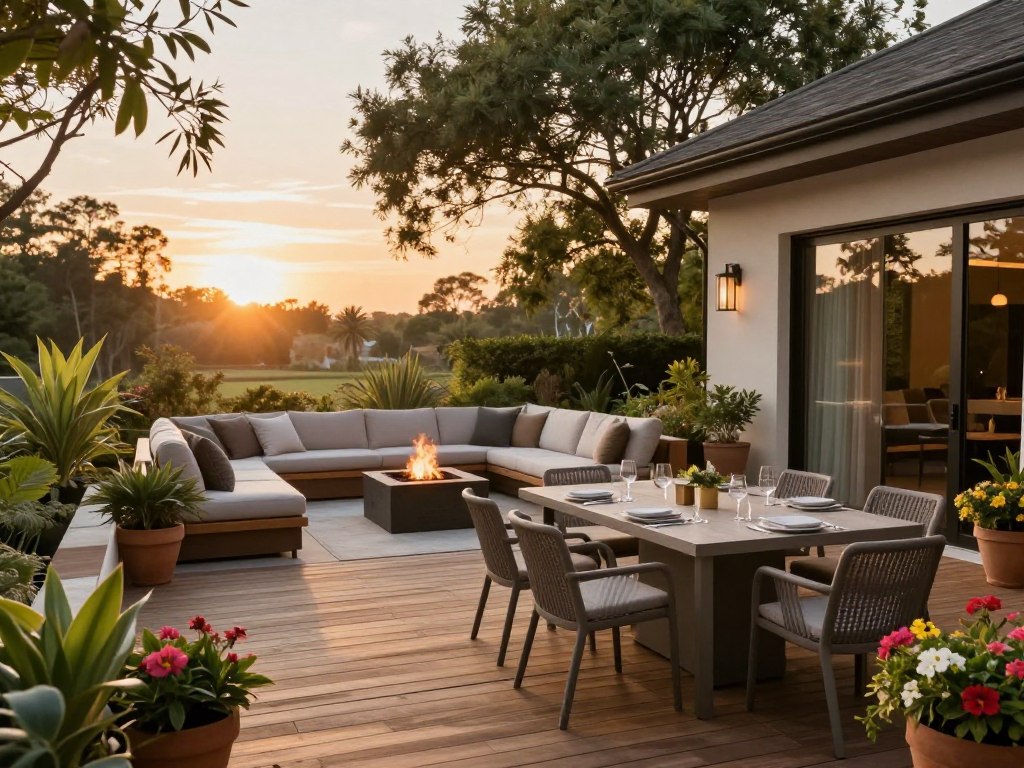


What if your backyard could become an extension of your home, offering a space for cooking, relaxing, and entertaining? Outdoor living design is the strategic integration of kitchens, patios, and fire features into a cohesive environment. In the unique desert climate of Las Vegas, this approach requires careful planning to address challenges like extreme heat and water conservation.
Taylormade Landscapes is your local expert in creating functional outdoor spaces that connect seamlessly with your home. By understanding the principles laid out by landscape architect David Pfeiffer, we ensure that every area, from dining to lounging, maintains a logical flow with the interior. This article will guide you through planning your outdoor area, covering everything from kitchen layouts to fire features.
As you read on, you’ll discover actionable insights to transform your yard into a beautiful, functional space tailored to your lifestyle and the unique demands of the Las Vegas environment.
Key Takeaways
- Outdoor living design enhances your home’s functionality and aesthetics.
- Planning should consider local climate challenges, especially in Las Vegas.
- Each area should connect logically to the home’s interior for seamless flow.
- Effective design transforms underutilized spaces into vibrant areas for entertaining.
- Expert guidance can help navigate the complexities of outdoor space planning.
What Is Outdoor Living Design and Why Does It Matter?

Imagine transforming your yard into a lively area that complements your home’s interior. Outdoor living design is a professional discipline that focuses on creating functional exterior environments. This includes kitchens, patios, pergolas, fire pits, and dining areas that serve as true extensions of your indoor living space.
For homeowners in Las Vegas, this concept is particularly significant. With over 300 sunny days each year, well-planned outdoor areas can effectively double a property’s usable space. When shaded and cooled properly, these areas become ideal for enjoying the outdoors across three seasons.
Investing in a thoughtfully designed outdoor room can transform family dynamics. It encourages spending more time together outside, makes entertaining effortless, and allows daily routines—like morning coffee or evening meals—to shift into the fresh air.
Landscape architect Matthew Cunningham emphasizes the importance of looking beyond property boundaries. Successful outdoor living design considers how the site fits into its broader environment, including views, neighboring structures, and natural topography.
Here are six foundational factors to consider when planning your outdoor space:
- Determine the primary purpose of the area, whether for hosting or relaxation.
- Create a logical layout that connects seamlessly with interior rooms.
- Assess surroundings to maximize views and screen any eyesores.
- Evaluate sun exposure and directional orientation for comfort.
- Note prevailing wind patterns to ensure usability throughout the day.
- Prioritize comfort through adequate shade and shelter options.
Across the nation, homeowners are increasingly investing in outdoor living spaces. This trend is especially prominent in sunbelt cities like Las Vegas, where an indoor-outdoor lifestyle is culturally ingrained. Outdoor living design is not just about aesthetics; it is a functional investment that enhances daily quality of life, increases property value, and creates a beautiful outdoor environment that reflects personal style.
Taylormade Landscapes approaches each project by understanding how families intend to use their space. Whether for large gatherings, intimate relaxation, or multi-generational activities, a well-designed area can dramatically improve the functionality of a yard.
In contrast, an underutilized yard may lack shade, comfortable seating, or defined activity areas. The difference that professional landscape design can make is striking. With the right guidance, outdoor living design is an achievable goal for Las Vegas homeowners at any budget level, especially when considering the unique challenges and opportunities of the desert environment.
How Do You Plan the Perfect Outdoor Kitchen, Patio, and Fire Features?

Creating a cohesive outdoor kitchen, patio, and fire feature is essential for an inviting and functional outdoor area. These three elements form the pillars of a complete outdoor space, each requiring distinct planning considerations that work together harmoniously.
Designing an Efficient Outdoor Kitchen
To maximize efficiency in your outdoor kitchen, consider the work triangle concept adapted from traditional kitchen layouts. Position the grill, sink, and refrigerator in a triangular layout, ensuring they are no more than six feet apart. This setup minimizes steps during meal preparation, making cooking a breeze.
When selecting materials, opt for granite countertops, which withstand the intense Las Vegas heat while providing durability. Stainless steel is another excellent choice for appliances, as it resists weather damage and remains cooler to the touch than darker surfaces.
Place your outdoor kitchen near the indoor kitchen. This simplifies utility connections, reduces construction costs, and creates a natural flow for transporting dishes and ingredients. Essential components beyond the grill include built-in storage cabinets rated for exterior use, a dedicated trash and recycling center, and refrigeration for beverages and perishables.
Creating Comfortable and Functional Patios
For patios, flagstone and decomposed granite are ideal flooring choices in Las Vegas. They offer heat resistance, natural drainage, and low maintenance, making them perfect for the desert climate. Kelley Weston, a hardscape expert, recommends combining hard and soft surfaces. Use flagstone or pavers for furniture placement and dining areas, while incorporating decomposed granite for pathways.
When sizing your patio, allow a minimum of 25 square feet per person for standing gatherings. Ensure there is at least four feet of clearance around dining tables for chair movement. Clearly defined zones for cooking, dining, and lounging will help prevent the space from feeling cramped.
Shade is crucial in Las Vegas. Consider permanent structures like cedar pergolas or metal awnings, as well as adaptable solutions like retractable awnings and strategically placed shade trees.
Incorporating Fire Features for Year-Round Use
Fire features are essential for extending the usability of your outdoor space. They provide warmth during cooler desert evenings, transforming your patio into a year-round destination. Differentiate between fire pits, which offer casual 360-degree gathering options, and outdoor fireplaces, which serve as architectural statement pieces.
Materials such as natural stone and brick are ideal for fire features, as they retain heat efficiently and complement the surrounding landscape. When planning, consider the fuel type—natural gas, propane, or wood-burning—and ensure compliance with local building codes and HOA regulations.
Enhance your fire feature area with built-in seating walls that double as retaining structures. Incorporate storage for blankets and fire tools, and consider adding string lights overhead to create ambiance and extend usability after sunset.
Consulting with a landscape architect or experienced designer can ensure that your kitchen, patio, and fire features are properly scaled, safely positioned, and aesthetically unified within your overall outdoor area.
What Are the Best Landscape Elements for Your Outdoor Living Space in Las Vegas?

Creating a stunning garden in Las Vegas means choosing the right plants and materials for the environment. The unique climate presents challenges, including alkaline soil, low annual rainfall, and extreme summer temperatures exceeding 110°F. Understanding these factors is essential for successful landscape design.
Choosing Heat-Resistant Plants and Trees
When selecting plants, opt for species that thrive in the Mojave Desert. The desert willow (Chilopsis linearis) offers dappled shade without aggressive roots, while the Texas mountain laurel (Sophora secundiflora) provides fragrant blooms in spring. For architectural interest, consider the red yucca (Hesperaloe parviflora), which attracts hummingbirds.
Agaves and aloes are excellent accent plants. They grow slowly, around four inches per year, and store water in their leaves, making them drought-resistant. Position flowering plants like desert marigold and penstemon away from dining areas to avoid attracting bees during meals. This strategic placement enhances both aesthetics and comfort.
Creating microclimates is vital. Plant deciduous trees on the south and west sides of your house for summer shade while allowing winter sun to penetrate. Evergreen shrubs on the north side can block winter winds, improving your overall outdoor experience.
Shade Structures and Cooling Elements
Shade is crucial in Las Vegas. Solid roof structures provide maximum UV protection but require ventilation to prevent heat buildup. Louvered pergola systems offer adjustable sun control, making them a versatile choice. Cedar pergolas are particularly effective; they resist rot and insect damage, and their open-beam design allows hot air to escape while blocking direct sunlight.
Incorporating water features can also help cool your space. Even a simple recirculating fountain creates a noticeable temperature drop through evaporative cooling. The soothing sound of trickling water can enhance comfort during hot summer days.
Material Options Suitable for Desert Conditions
Choosing the right materials is essential for durability and comfort. Arizona flagstone in buff and rose tones resists heat absorption and provides natural slip resistance. It develops an attractive patina over time without fading.
Decomposed granite is an excellent alternative to concrete pavers for patios. It allows water infiltration, reducing runoff and supporting groundwater recharge. Plus, it stays cooler underfoot than solid concrete, offering a natural desert aesthetic at a lower cost.
Consider the color of materials as well. Light-colored stones and ground surfaces reflect solar radiation, making them 20-30°F cooler than darker options. This choice directly impacts the comfort of your outdoor area during summer afternoons.
Retaining walls and raised planters can add visual interest while defining outdoor room boundaries. They also provide additional seating and allow for amended soil in planting beds, addressing the challenges of native alkaline soil.
All landscape elements must work together as an integrated system. Plants provide shade, reducing heat gain on hardscape surfaces. Shade structures protect seating areas, and permeable ground materials manage occasional heavy monsoon rainfall without erosion.
Taylormade Landscapes’ expertise in local microclimates and soil conditions ensures that every element is specified for long-term survival and beauty. This approach guarantees that your outdoor space thrives in the unique Las Vegas environment.
How Can You Maximize SNWA Rebates With Your Outdoor Design?
Las Vegas homeowners can save significantly on landscaping projects by taking advantage of the Southern Nevada Water Authority’s (SNWA) Water Smart Landscapes rebate program. This initiative offers up to $3 per square foot for replacing water-thirsty grass with water-efficient landscaping. This can lead to substantial savings when planning your outdoor area.
Here are some key strategies to qualify for these rebates:
- Incorporate xeriscaping principles.
- Use drought-resistant plants.
- Install efficient irrigation systems.
- Implement mulch and ground cover to retain moisture.
Xeriscaping is a smart approach for Las Vegas homeowners. It involves grouping plants with similar water needs, minimizing turf areas, and improving soil with organic matter. By applying mulch, you can reduce evaporation and select plants that thrive in the local climate.
Consider these drought-resistant plants that not only qualify for SNWA rebates but also enhance your outdoor aesthetics:
- Desert museum palo verde for filtered shade.
- Trailing rosemary for cascading over walls.
- Autumn sage for long-blooming color.
- Blue grama grass as a low-water alternative to traditional lawns.
Efficient irrigation systems are crucial for compliance. Smart controllers adjust watering based on local weather conditions. Drip irrigation delivers water directly to the roots, minimizing evaporation, while high-efficiency nozzles work well for any remaining turf areas.
Using mulch and ground cover plays a significant role in water conservation. A 3-4 inch layer of rock or organic mulch can reduce soil evaporation by up to 70%. This not only helps retain moisture but also suppresses weeds and moderates soil temperature, benefiting plant roots.
Modern xeriscape design dispels the myth that desert landscaping is barren. Today’s water-smart spaces are lush, vibrant, and inviting, featuring seasonal blooms and shade.
Taylormade Landscapes guides clients through the SNWA rebate process. This includes:
- Conducting a pre-application site assessment.
- Preparing landscape plans and plant lists.
- Managing application submissions.
- Overseeing approved conversion work.
- Ensuring final inspections pass for rebate approval.
Combining SNWA rebates with your outdoor features—like kitchens, patios, and fire elements—creates a cohesive project that enhances your space. Beyond the initial rebate, a water-efficient landscape can cut outdoor water use by 50-70%, leading to significant savings on utility bills over time.
Maximizing SNWA rebates is a smart financial strategy. It not only makes professional landscaping more accessible but also supports Southern Nevada’s vital water conservation efforts. For more details on the rebate program, visit the SNWA website.
What Should You Know About Maintenance and Longevity of Your Outdoor Space?

Owning a functional outdoor area in Las Vegas comes with unique challenges. The extreme climate affects materials and plants alike. Understanding these factors is essential for maintaining your space’s beauty and longevity.
Intense UV radiation can fade and degrade materials, while dust storms deposit abrasive grit. Additionally, monsoon-season downpours test drainage systems, and winter temperature swings can crack improperly installed hardscape. Here are some maintenance strategies to protect your investments.
Outdoor Furniture Care
Choose weather-resistant materials like powder-coated aluminum, teak, or all-weather wicker. These options are rated for desert UV exposure. Clean cushions and fabrics quarterly to prevent dust and pollen buildup. During monsoon storms and the hottest summer weeks, store cushions indoors to extend their life. Apply protective sealants to wood furniture annually for added durability.
Stone and Hardscape Maintenance
Flagstone patios benefit from sealing every 2-3 years to prevent staining from spills and inhibit efflorescence. Decomposed granite surfaces require periodic raking and top-dressing to maintain an even surface. Inspect retaining walls annually for any shifting or mortar deterioration caused by thermal expansion and contraction.
Plant Maintenance Rhythms
In the Las Vegas garden, deep-water trees and shrubs monthly during winter dormancy. Gradually increase irrigation through spring, maintaining consistent moisture during the harsh June-August period. Prune frost-damaged growth in late February and apply slow-release fertilizer to desert-adapted plants in March and September.
Irrigation System Upkeep
Check drip emitters monthly during the growing season for clogs from hard water mineral deposits. Recalibrate smart controllers seasonally and flush the system before the first summer heat wave. Winterize by draining lines before rare hard freeze events that can damage exposed components.
Outdoor Kitchen Maintenance
Stainless steel surfaces require regular cleaning with non-abrasive cleaners to prevent pitting. Reseal granite countertops annually, and inspect grill burners and grease management systems every six months. Winterize plumbing for outdoor sinks to prevent freeze damage.
Fire Feature Care
Gas fire pits and fireplaces need annual professional inspection of gas lines, burner ports, ignition systems, and ventilation for safety. For wood-burning features, remove ash after each use and clean the chimney if equipped with a flue. Check stone surrounds for heat-related cracking.
Lighting System Longevity
LED fixtures outlast halogen in the Las Vegas heat. Clean lenses quarterly to remove dust that reduces light output. Reposition up-lighting on trees as branches grow, and check low-voltage wiring connections for corrosion from alkaline soil contact.
Shade Structure Maintenance
Cedar pergolas benefit from annual cleaning and reapplication of UV-protective sealant. Inspect metal awnings for rust at connection points and repaint as needed. Fabric shade sails should be removed during high-wind events and replaced every 5-7 years due to UV degradation.
Professional Maintenance Plans
Consider a professional maintenance plan. Taylormade Landscapes offers seasonal service packages tailored to the specific maintenance calendar for Las Vegas outdoor spaces. This ensures small issues are caught before they become expensive repairs, keeping your area beautiful and functional.
Regular maintenance is not a burden; it’s an investment protection strategy. Caring for your outdoor area preserves the financial investment in your outdoor room, extends the lifespan of materials and furnishings, and ensures the space is always ready for spontaneous entertaining and family enjoyment.
| Maintenance Task | Frequency | Details |
|---|---|---|
| Outdoor Furniture Cleaning | Quarterly | Wash fabrics and cushions; store during storms. |
| Flagstone Sealing | Every 2-3 years | Prevent staining and efflorescence. |
| Drip Irrigation Check | Monthly | Inspect for clogs and recalibrate systems. |
| Fire Feature Inspection | Annually | Check gas lines and burner ports. |
| Lighting System Cleaning | Quarterly | Clean lenses and check wiring. |
How Does Outdoor Living Design Improve Your Home’s Value and Lifestyle?

Investing in a thoughtfully designed outdoor area can significantly enhance your home’s value and overall lifestyle. In the competitive Las Vegas real estate market, outdoor living spaces consistently rank among the top three features homebuyers seek. Real estate professionals report that a well-designed outdoor kitchen and patio can deliver a return on investment of 60-80% of the project cost upon resale.
Below is a comparison of the best materials for various outdoor features, highlighting their suitability for the Las Vegas climate:
| Feature | Best Material | Suitability |
|---|---|---|
| Patio Floor | Flagstone or Decomposed Granite | High – heat resistant and low maintenance |
| Outdoor Kitchen Countertops | Granite or Stainless Steel | High – durable and weather resistant |
| Shade Structures | Cedar Pergolas or Metal Awnings | High – sun protection and ventilation |
| Fire Features | Stone or Brick | High – heat retention and aesthetic compatibility |
Flagstone patio floors not only resist heat but develop a natural patina that improves with age. Decomposed granite provides a permeable surface that eliminates puddling during monsoon rains, and both materials require virtually no ongoing maintenance beyond occasional sweeping.
Beyond financial returns, the lifestyle transformation that accompanies a professionally designed outdoor living space is remarkable. Families report spending significantly more time together outdoors, with children engaging in more active play away from screens. This space naturally becomes the gathering place for extended family and friends.
A 400-square-foot covered patio with an outdoor kitchen effectively adds functional square footage to your home at roughly half the cost per square foot of a traditional room addition. This approach also avoids the property tax implications of permitted interior expansions.
Energy cost savings are another significant benefit. Strategically placed shade trees and pergolas on the south and west sides of the house can reduce solar heat gain through walls and windows, lowering air conditioning costs by an estimated 15-30% during peak summer months.
Incorporating sustainable landscaping also provides a value proposition. A water-smart landscape design that uses SNWA-approved plants and efficient irrigation can reduce outdoor water consumption by 50-70%. This translates to hundreds of dollars in annual utility savings while contributing to community water conservation goals.
Moreover, outdoor living spaces enhance curb appeal and create a memorable first impression for potential buyers. A beautifully designed front yard landscape with defined outdoor rooms signals that the entire property has been meticulously maintained.
Las Vegas’s climate allows for comfortable outdoor living from September through June, effectively tripling the usable season compared to much of the country. Different outdoor elements serve various lifestyle needs: the outdoor kitchen and dining area support entertaining and family meals, while the fire feature creates an intimate gathering spot for evening conversations.
Professional landscape architects ensure that all elements are properly scaled and positioned, avoiding the common DIY mistake of cramming too many features into a space or creating awkward traffic patterns between cooking, dining, and lounging zones.
The value of outdoor living design extends beyond financial metrics. The memories created during family barbecues, the relaxation of evenings by the fireplace under string lights, and the pride of owning a beautiful outdoor space that reflects personal style are benefits that cannot be quantified on a balance sheet.
In conclusion, professional outdoor living design is one of the most impactful investments a Las Vegas homeowner can make. It simultaneously improves daily quality of life, reduces ongoing operating costs, and builds long-term property value in a competitive real estate market.
Conclusion: Ready to Transform Your Outdoor Living Space?
Transforming your yard into a beautiful space is a journey worth taking. Throughout this article, we’ve explored essential principles for creating functional areas, from planning kitchens and patios to incorporating fire features. Taylormade Landscapes brings unmatched expertise in navigating the unique challenges of the Las Vegas climate and local regulations.
Ready to get started? Here are some common questions homeowners have:
- How much does a complete outdoor living design project cost in Las Vegas? Costs vary widely. A basic patio with a fire feature starts around $15,000, while a full outdoor kitchen and landscape package can range from $50,000 to $150,000.
- How long does it take to design and build an outdoor space? The design phase typically takes 2-4 weeks, with construction ranging from 4-12 weeks based on complexity.
- Do I need HOA approval for my project? Yes, most Las Vegas HOAs require approval for hardscape additions and shade structures. We help streamline this process.
- Can I have a beautiful space with a small yard? Absolutely! Smart design maximizes small areas with vertical elements and built-in seating.
Contact Taylormade Landscapes today for a personalized consultation at taylormadelandscapes.com. Our team will assess your property, discuss your vision, and create a custom plan tailored to your needs. With the ideal construction season approaching, now is the perfect time to start your project. Imagine hosting friends in your new space, complete with a cozy fire feature and twinkling lights. Let us help you transform your yard into an extraordinary extension of your home!