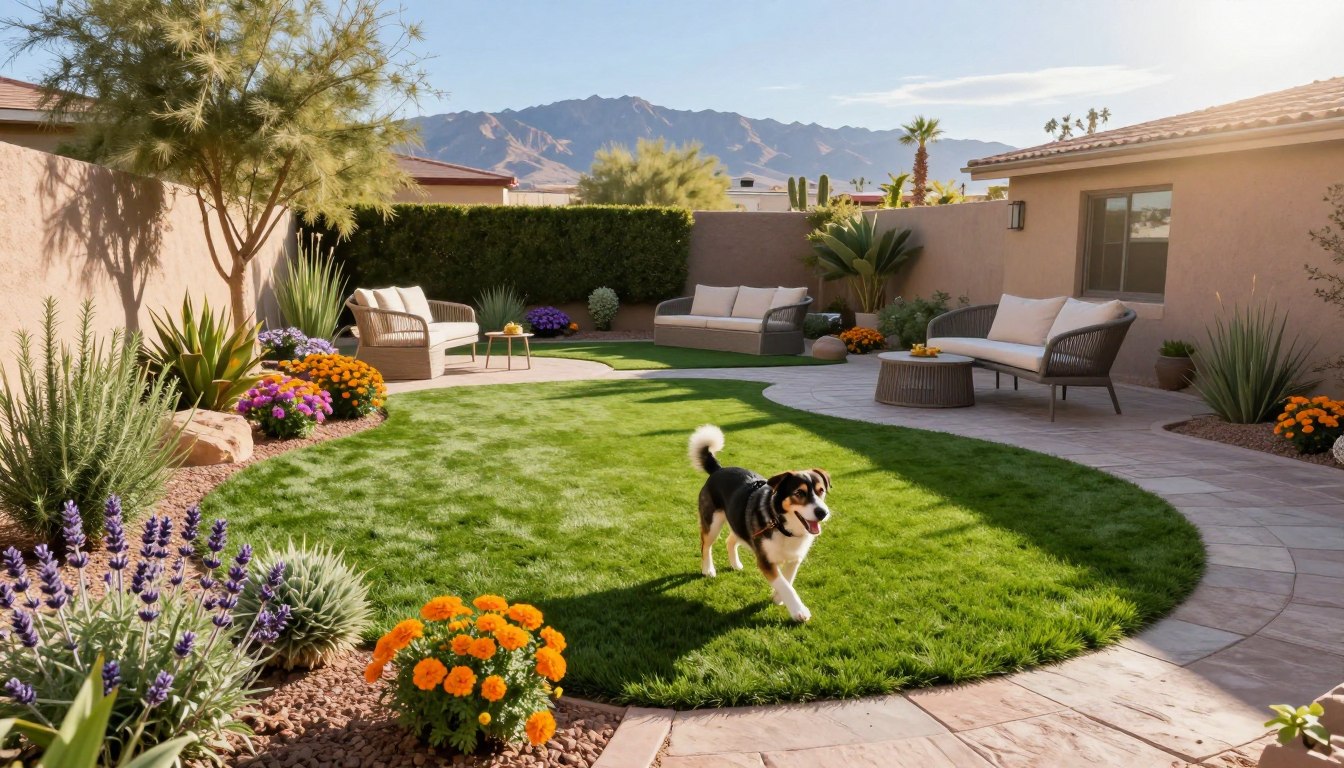
What if the secret to a thriving Las Vegas yard isn’t just what you plant, but how you prepare for the desert’s extreme demands? A successful plant installation requires a strategic approach, especially in this climate, to ensure your new greenery survives the intense heat.
Taylormade Landscapes, emphasizes that proper planning is essential for a successful landscape project. Creating a beautiful outdoor space is a worthwhile endeavor that demands careful execution in every phase of the plan installation process.
This process is more than just digging holes. It involves a thoughtful blend of softscape and hardscape elements to create a cohesive, functional environment where your garden can thrive for years.
By following five essential steps, you can transform your space into a resilient landscape that stays vibrant all summer. We’ll guide you through setting up a yard that conquers the challenging climate.
Key Takeaways
- A strategic approach is critical for new plants to survive the harsh Las Vegas desert.
- Careful planning and execution form the foundation of any successful outdoor project.
- A beautiful, functional space requires blending living elements (softscape) with structural ones (hardscape).
- The goal is to build a resilient landscape that remains vibrant through the hot summer months.
- Proper technique during the setup process ensures your garden thrives for many years.
- Transforming your yard is achievable by following a clear, step-by-step guide.
- Local expert highlights the importance of preparation.
Understanding the Desert Landscape Challenges

Success in the desert begins with a clear understanding of the two biggest obstacles: unforgiving soil and a severe lack of water. Your approach to these elements will make or break your outdoor project.
Adapting to Harsh Soil and Climate Conditions
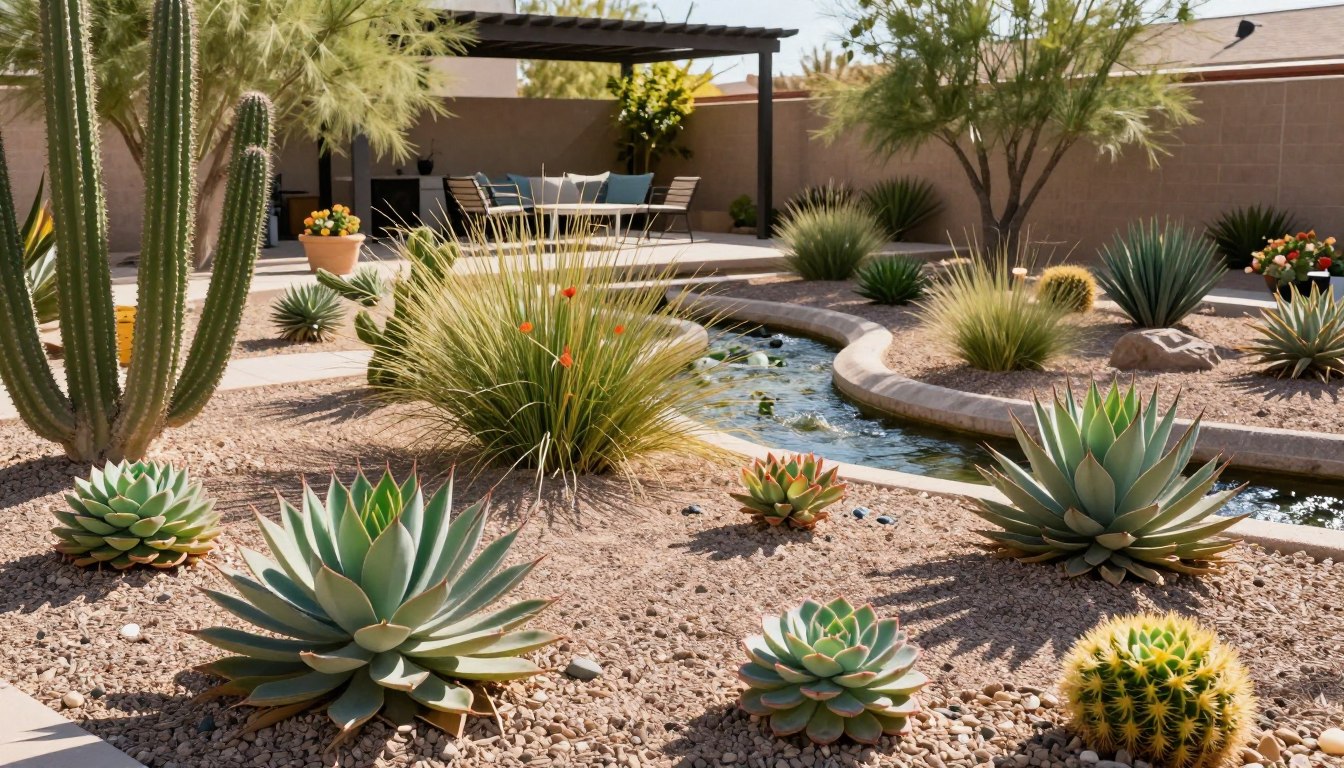
Las Vegas soil is often heavy clay. Trying to change its structure is a tough battle. A smarter strategy is to pick greenery that naturally tolerates these specific conditions.
Experts recommend that 95% of your chosen plants should be low-care and adapted locally. This creates a resilient landscape that thrives with minimal fuss.
| Challenge | Common Mistake | Smart Strategy |
|---|---|---|
| Clay Soil | Amending soil extensively for unsuitable plants | Select native or desert-adapted species that enjoy clay |
| Intense Heat & Sun | Choosing shade-loving varieties | Prioritize sun-loving, drought-tolerant plants |
| Low Rainfall | Frequent, shallow watering | Design a deep-root zone and use efficient irrigation |
| Wind & Erosion | Leaving soil bare | Use mulch and ground covers to protect the soil |
Water Scarcity and Irrigation Needs
Water is a precious resource here. Your design must work with the natural moisture available. This means planning your garden layout for efficiency.
Proper irrigation planning is vital. A good system delivers hydration directly to the root zone without waste. This careful management ensures every drop supports a healthy, sustainable space.
Preparing the Site and Planning Your Landscape

Your yard’s transformation begins with creating a clean, stable foundation. This step is often overlooked but is crucial for the entire project’s success.
Taylormade Landscapes recommends starting any new landscape design by clearing the site of debris and unwanted growth. This creates a perfect canvas for your vision.
Site Cleanup and Leveling Considerations
Move decorations and furniture to a safe spot first. This prevents damage during the preparation process.
Leveling the ground is a critical task. You must finish grading slopes before pouring concrete or setting permanent features.
A flat, even surface ensures proper drainage and a professional finish for your entire design.
Selecting Appropriate Materials for Desert Environments
Choosing the right materials is essential for a durable yard. The harsh sun demands resilient options like stone or gravel.
| Material | Best Use | Desert Durability |
|---|---|---|
| Gravel | Pathways, ground cover | Excellent; drains well, reflects heat |
| Decomposed Granite | Patios, informal walkways | Very Good; compacts firmly, low dust |
| Flagstone | Stepping stones, patio flooring | Good; natural stone withstands UV rays |
Always mark your utility lines and planned garden beds on the ground. This final planning step ensures a safe easy landscape installation and accurate installation.
Step-by-Step Process for Plant Installation

Mastering the physical act of placing greenery in the ground is where your careful planning pays off. This step-by-step process ensures your new additions establish themselves quickly. Proper technique here prevents future stress and promotes robust growth.
Digging the Proper Planting Hole and Positioning Your Plant
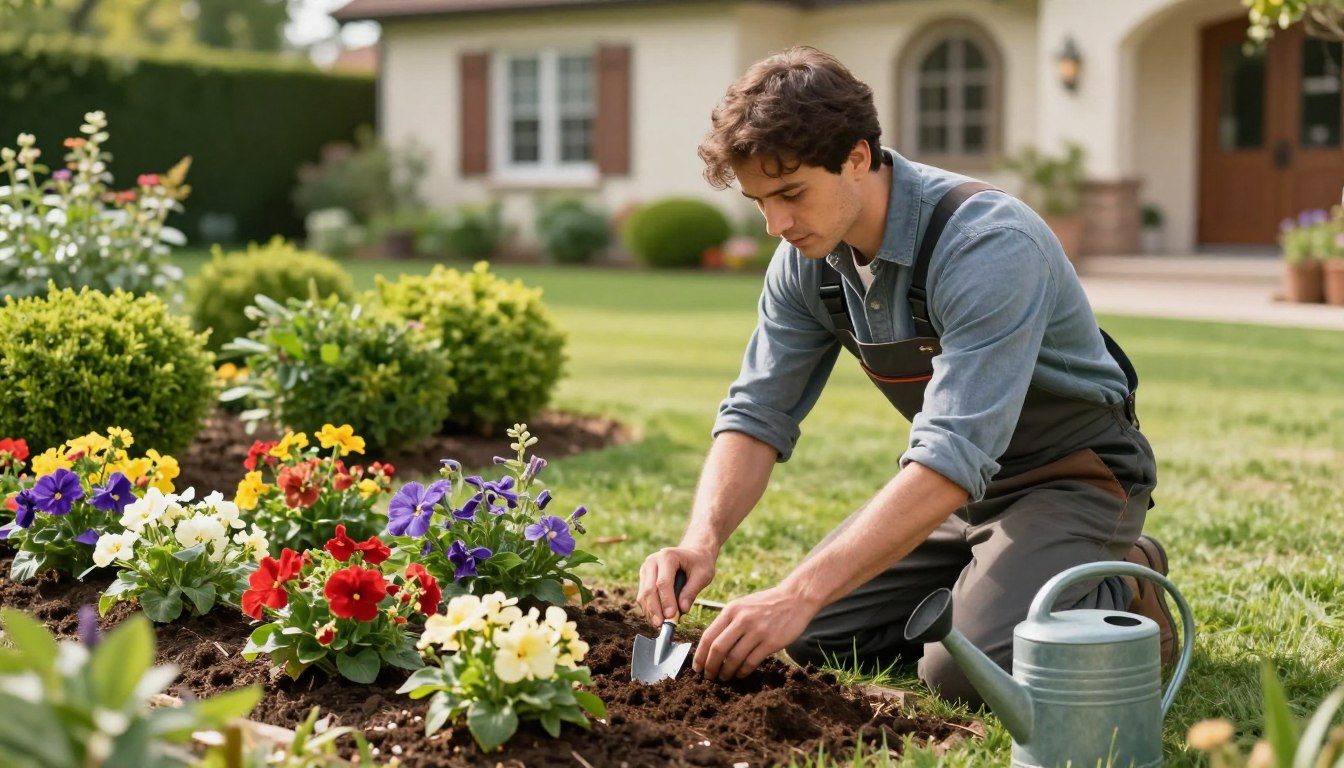
Start by digging a hole that is twice as wide as the root ball. This gives the roots soft soil to expand into. The depth should match the height of the ball exactly.
Place your trees and shrubs into the hole. The top of the root ball must be level with the surrounding ground. Setting it too deep can suffocate the roots.
Handling the Root Ball and Minimizing Air Pockets
Inspect the root ball before placing it. If the roots are circling, gently loosen them. This encourages outward growth into the native soil.
Backfill the hole with the original soil. Gently tamp it down as you go to eliminate air pockets. Avoid compacting the soil too firmly, as this can damage delicate roots.
| Step | Common Error | Best Practice |
|---|---|---|
| Digging the Hole | Making it too deep or narrow | Dig twice as wide, depth equal to root ball height |
| Positioning | Burying the crown too deep | Set the top of the root ball level with the ground |
| Root Preparation | Placing a bound root ball directly in hole | Loosen circling roots to encourage outward growth |
| Backfilling | Packing soil too hard or leaving large gaps | Tamp gently to remove air pockets without crushing roots |
Essential Tips for Thriving Desert Gardens

Keeping your landscape vibrant in Las Vegas requires smart strategies for water, mulch, and plant selection. These final care steps ensure your new additions establish strong roots and flourish for years.
Watering Strategies and Mulching Techniques
Proper watering is the best way to help container shrubs and trees survive. An automated irrigation system provides consistent care throughout the day. Professionals often offer a 90-day warranty for such setups.
Always apply a layer of mulch to conserve moisture. Keep it at least three inches away from the base of any tree or shrub. This prevents rot and protects your greenery.
Using Drought-Tolerant Species and Proper Soil Preparation
Choosing drought-tolerant species is key for a low-care garden. Even with perfect care, experts note a normal 2-3% loss rate for new additions. This is expected in a dry area.
Mixing compost into your native soil can help retain water. Be careful not to over-amend if your selections prefer leaner conditions. This simple preparation supports a healthy, living space.
Conclusion
Building a lasting desert oasis is a journey that rewards careful attention and thoughtful design. Your commitment to proper site preparation and soil management creates a foundation where greenery can flourish for years.
Remember to observe your garden’s unique needs and adjust your care routine accordingly. This consistent effort transforms your property into a beautiful, functional retreat for your family.
Whether you’re a beginner or an experienced gardener, the result is a sustainable sanctuary that adds value and enjoyment. Take pride in watching your custom-designed environment thrive as you refine it over time.
Ready to bring your vision to life? Contact us today for expert plant installation services and start creating a thriving, desert-ready landscape built to last.