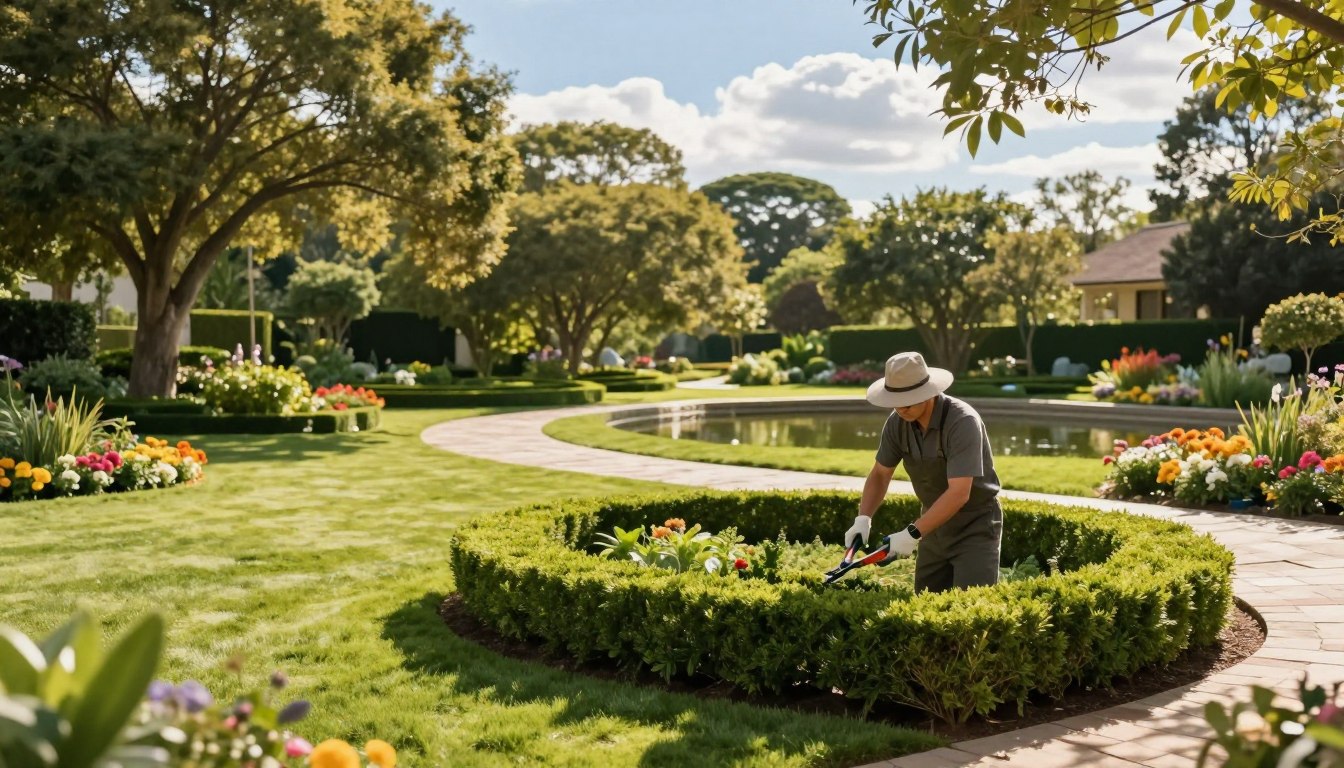
In Southern Nevada, professional landscape maintenance cuts water use, helps qualify yards for SNWA turf-rebate checks, and reduces hardscape heat—typical local projects include 3D design previews and financing options to spread costs for larger installs.
Can one decision today make your yard the standout feature of your home in Las Vegas, Henderson & Summerlin, NV?
Landscape Maintenance is the key to that transformation. Our professional landscaping teams for Las Vegas-area homes combine hands-on experience with practical desert-savvy design to keep your lawn and yard functional and attractive in extreme heat and low rainfall. We know how reflective hardscape, high temperatures, and SNWA water budgets affect plant selection and long-term care.
Choosing expert landscaping services means consistent care that protects your investment and boosts property value. From tailored design plans to routine lawn service and irrigation tuning, our local crew handles every detail so your outdoor space stays inviting year-round — ask about 3D renderings and financing for larger projects. Find our office and service area on the map.
Key Takeaways
Local Las Vegas crews know SNWA rules and water budgets.
Regular care preserves lawn health, reduces water waste and heat impact.
Design + maintenance packages include 3D previews and financing options.
Services are tailored for desert soils, reflective hardscape, and low-water plants.
Contact the team today for a free quote and SNWA-eligibility check.
The Importance of Professional Landscape Maintenance
Consistent, expert landscape maintenance turns an ordinary yard into a reliable asset for Las Vegas, Henderson & Summerlin homes and businesses.
Hiring a professional landscaping company goes beyond mowing: it protects plant health, creates usable outdoor rooms, and keeps you compliant with SNWA water budgets. Local pros know how reflective hardscape and extreme heat affect plant choice and irrigation schedules.
With focused local experience, our crew delivers the attention and quality larger, nonlocal firms often miss—saving you time and reducing rework.
Daily polished appearance for commercial properties.
Safe, family-ready yards that invite use and play.
Local reviews reflect dependable, timely service—see our testimonials on the services page.
Property Type
Core Services
Primary Benefit
Residential
Mowing, edging, soil care
Safe, attractive outdoor living
Commercial
Scheduled upkeep, cleanup, seasonal care
Consistent professional presentation
Both
Irrigation checks, fertilization, pruning
Long-term health and value
Homeowner decision process (3 steps):
1) Site assessment & SNWA-eligibility check (irrigation audits, water budget review).
2) Proposal with 3D preview and scope, including recommended low-water plants and hardscape choices.
3) Scheduled maintenance, performance reporting, and seasonal adjustments.
A healthy yard in Las Vegas, Henderson & Summerlin starts with steady, skilled care tailored to desert conditions so every blade and bed thrives despite heat and low rainfall.
Our residential landscaping team handles routine lawn mowing, precise edging, targeted trimming, and seasonal cleanups. These services avoid the patchy results of DIY work and keep your home ready for use while aligning irrigation with SNWA water budgets.
Lawn Mowing and Edging
We use proven mowing patterns and sharp equipment to promote denser turf where turf is appropriate. Edging creates clean lines that highlight walkways and garden beds and improves perceived curb appeal.
Fertilization and Soil Health
Fertilization programs address Nevada soils—low organic matter, caliche layers, and salt buildup—rather than humid-climate prescriptions. Mulch preserves moisture, protects roots from heat, and improves bed appearance.
Professional mowing and edging for consistent turf appearance.
Fertilization plans calibrated for desert soils to boost plant health and root strength.
Experienced crew focused on precise bed preparation and plant installation.
Efficient crews handle trimming, sod installation, and garden projects with minimal disruption.
Artificial turf installation and low-water landscapes for homeowners seeking lower ongoing water use (check SNWA rebate eligibility before large turf projects).
Service
What It Includes
Primary Benefit
Lawn Mowing & Edging
Weekly or biweekly cuts, edge trimming
Uniform, polished appearance
Soil & Fertilization
Soil testing, targeted feedings, mulching
Stronger roots and healthier plants
Installations
Sod, plant installs, artificial turf
Immediate curb appeal and lower long-term care
Homeowner project path (simple steps):
1) Site audit & SNWA-rebate/irrigation check (we verify water budget and sprinkler efficiency).
2) Proposal with 3D design preview and clear quote — financing options available for larger projects.
3) Installation scheduling, followed by routine lawn care and seasonal maintenance plan.
Seeing a proposed plan in 3D helps homeowners make smarter design choices before any work begins. Our 3D rendering process shows plant placement, hardscape, and lighting so your vision becomes a reliable blueprint for the build and reduces costly changes during installation.
Visualizing Projects with Three Dimensional Rendering
We use advanced 3D rendering tools to illustrate scale, materials, and lighting in context. That clarity helps you evaluate hardscape finishes that reduce reflected heat (low-albedo pavers, permeable materials) and choose a desert-friendly plant palette that fits SNWA water budgets.
The professional crew consults with you to refine landscape design, select materials that cut heat reflection, and balance softscape and hardscape for long-term performance. We confirm whether 3D renderings are included with a quote or available as an add-on during the proposal stage — financing options are available for larger installation projects; ask when you request a quote.
Realistic 3D previews reduce installation errors and save time on site.
Material choices (permeable pavers, lighter colors, shade structures) lower reflected heat and improve outdoor comfort.
Functional landscape design creates usable outdoor rooms that perform in Las Vegas heat.
Close collaboration with the crew turns your vision into build-ready plans and clear project scopes.
Practical visual examples we recommend: 1) shade trellises and shade trees to reduce daytime temperatures, 2) a desert-tolerant planting palette to lower irrigation demand, 3) permeable or textured pavers to reduce glare and manage runoff. Learn more about planning tools in our design software for homeowners and review our landscape services to include design-to-maintenance continuity.
Specialized Solutions for Drainage and Irrigation
Stopping erosion and pooling protects foundations and preserves usable outdoor space in Las Vegas, Henderson & Summerlin. Our local team designs drainage and irrigation solutions sized for desert soils and steep summer runoff events.
French Drain Installation
We install French drains tailored to Nevada site conditions—proper trenching, aggregate, and durable piping routed to safe discharge points. Permits may be required in some areas; we handle permitting when needed.
Sprinkler System Repairs
Licensed technicians diagnose and repair sprinkler systems with an emphasis on water conservation: controller calibration, smart-controller upgrades, valve and nozzle repairs, and drip conversions.
Inspection pricing varies by site; typical starting rates for diagnostics are shown as a guide and should be confirmed with a site quote.
Outdoor Lighting Features
Landscape lighting extends useable hours and improves safety. We specify low-voltage layouts, energy-efficient fixtures, and placement that highlights plants and paths without increasing heat load.
French drain installation and grading to stop pooling and reduce erosion.
Sprinkler repairs, smart controllers and drip retrofits to conserve water and meet SNWA expectations.
Landscape lighting that improves safety and complements plantings.
Customers recommend our work for reliable scheduling and quality installations.
Before starting a project, we perform an irrigation audit and SNWA-eligibility check for turf rebates or water-efficiency upgrades. For directions to our local office and service area, see: https://maps.app.goo.gl/CsQRo4LgCMxjHZHH7. Learn more about our landscape services and request a site quote so we can confirm exact pricing and permit needs.
Seasonal Care and Property Upkeep
Timely seasonal care prevents small yard issues from becoming expensive problems—especially in Las Vegas-area climates where heat and sun stress plants and accelerate wear on hardscape.
Our seasonal cleanup and maintenance program keeps beds tidy, removes debris that can hold heat or pests, and prepares plantings for temperature swings. The crew performs pruning, targeted trimming, and debris hauling so beds and turf recover quickly each season.
Regular upkeep extends the life of your outdoor space and saves time. Small tasks on a schedule reduce costly repairs later and protect hardscape from thermal stress and reflective heat damage.
Comprehensive seasonal care for clean beds and healthier garden life.
Pruning and debris removal timed for desert plant cycles to support vigor and water flow.
Detail-focused service so your yard looks inviting year-round while staying SNWA-compliant.
Homeowner maintenance schedule (recommended):
Monthly: irrigation checks, controller verification and minor nozzle adjustments — make sure controllers follow SNWA allowable watering days.
Quarterly: soil checks, targeted fertilization for desert soils, and bed refresh with mulch to retain moisture and reduce heat stress.
Seasonally: prune at recommended windows (late winter/early spring for many desert shrubs), clear debris, inspect hardscape for cracking and reflective-heat wear.
Protect hardscape: use lighter-colored or permeable materials and maintain sealants to reduce reflected heat and thermal cracking. For a specialized plan that protects hardscape features and plant life, review our hardscape maintenance plan for 2025. Our customers appreciate the attention to seasonal detail—check local reviews for project examples and thank-you notes from homeowners who saw measurable improvements.
Why Expert Attention Matters for Your Yard
Local know-how matters when preserving turf, beds and hardscape under long, hot summers in Las Vegas, Henderson & Summerlin. Details like plant selection, irrigation timing and material choices determine whether a landscape thrives or struggles.
Local Climate Knowledge and Experience
We’ve built deep experience working in Southern Nevada soils and extreme heat—selecting heat-tolerant, low-water plants and specifying soil treatments that improve rooting in arid, caliche-prone sites. Our crew applies practical, climate-aware solutions that minimize callbacks and extend landscape life.
Our company brings focused attention to every project, from initial design through installation and maintenance. That attention reduces rework, protects your budget, and improves long-term performance.
Climate-aware care that helps plants and lawn thrive with less water.
Project planning that includes lighting, drainage and SNWA-compatible irrigation.
Trusted local service backed by customer reviews and completed projects in the region.
Request a quote today and make sure you ask about 3D renderings and financing options.
Benefit
What We Do
Why It Helps
Local expertise
Soil treatment, heat-tolerant plant selection
Stronger life for beds and turf
Experienced crew
Careful installation, lighting setup
Fewer callbacks and better quality
Clear quote
Site visit and plan estimate
Know scope and cost before work
Ready to hire a proven team? Learn how to choose best landscapers and request a quote for a site visit—ask us to confirm SNWA eligibility, 3D render options and available financing when you schedule.
Conclusion
The right team makes routine work feel effortless and delivers measurable results for your yard. Professional landscape maintenance keeps turf and beds healthy, improves curb appeal, and saves time and money over the long term.
Choosing experienced pros means your lawn, irrigation and hardscape receive reliable service and thoughtful attention tailored to Las Vegas, Henderson & Summerlin climates. We stand behind each job and appreciate the thanks we get from customers and local reviews.
Need help with a small project or a full design? Schedule your free site visit and ask about SNWA rebate checks, 3D renderings and financing options when you request a quote.
Frequently asked questions
How often should I schedule landscape maintenance in Las Vegas?
In summer, biweekly visits keep turf and irrigation tuned; shoulder seasons can be monthly. Adjust frequency for turf vs. low-water gardens and your site’s heat exposure.
Can I qualify for an SNWA turf rebate?
Many homeowners are eligible for SNWA turf-reduction or efficiency programs—eligibility and requirements vary. We perform an SNWA-eligibility check during the site audit and include guidance in your quote.
Do you offer 3D renderings and financing?
Yes—3D design previews are available (included or as an add-on depending on scope). Financing options are offered for larger installations; ask during the proposal step.
What does a typical maintenance quote include?
A site visit provides a clear scope, recommended schedule, irrigation audit, and a written quote. Pricing varies by property size, features and systems; we confirm final costs after the assessment.
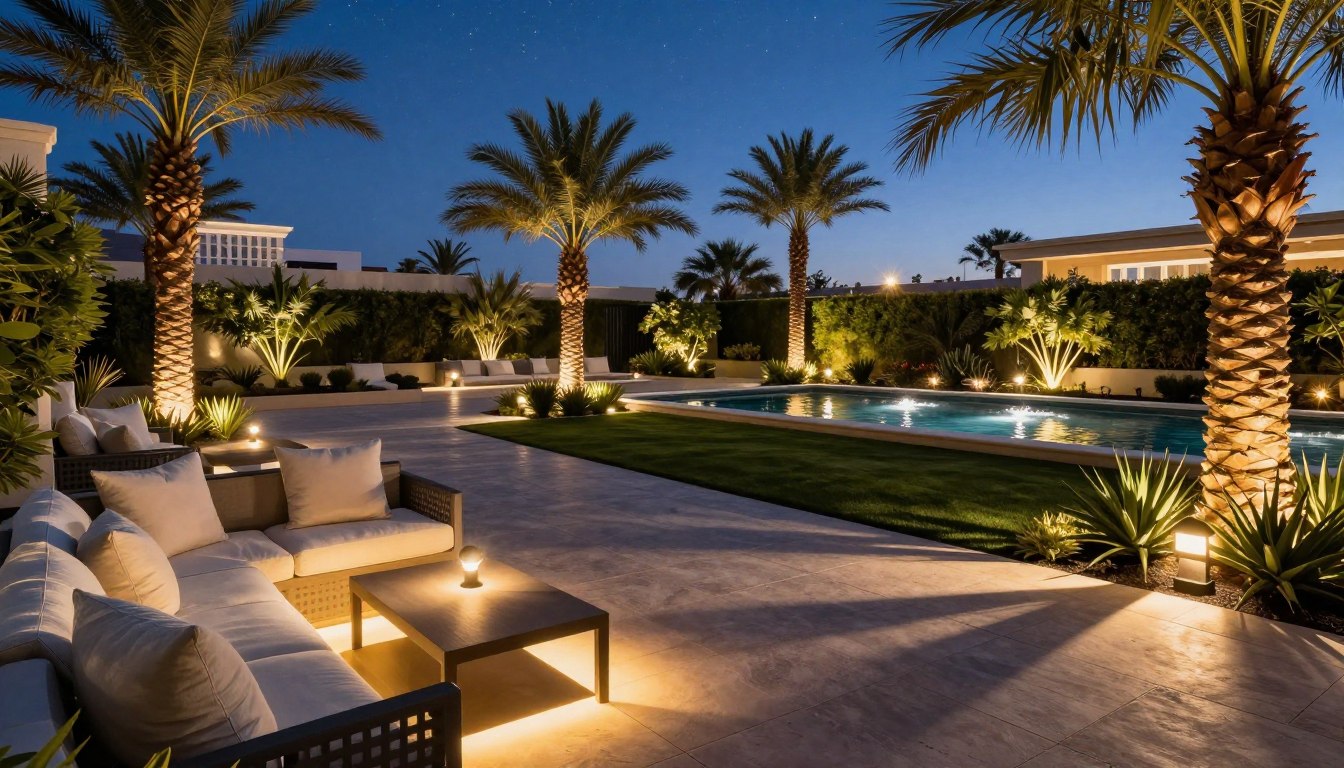
Searching for landscape lighting ideas to make your Las Vegas property shine after dark? The right outdoor lighting can transform an ordinary backyard into a luxurious nighttime retreat. At Taylormade Landscapes®, we design custom landscape lighting systems that highlight your home’s best features while creating a warm, elegant atmosphere for evening entertaining and relaxation.
Investing in premium landscape lighting extends your outdoor living space long after the sun sets. From dramatic uplighting and inviting pathway lights to subtle accent lighting, we create layered illumination that enhances curb appeal, improves safety along walkways and stairs, and increases security by keeping your property well lit.
Professional landscape lighting ensures your architectural features and desert plants remain visible and vibrant at any hour. High-quality lighting fixtures create a resort-style atmosphere that increases both property value and your nighttime enjoyment. This design approach turns a simple garden into a functional and beautiful extension of your home.
Key Takeaways
Professional illumination extends your usable living area after dark.
Layered techniques like uplighting create a high-end resort feel.
Well-lit paths and stairs significantly improve property safety.
Premium fixtures highlight architectural beauty and desert plant life.
Custom designs increase property value and overall curb appeal.
Why Landscape Lighting Is Essential for Las Vegas Luxury Outdoor Spaces
A well-designed lighting system is more than just a decorative choice; it is a vital functional upgrade for any high-end yard. Investing in professional landscape lighting ensures your home remains a safe and beautiful retreat after the sun sets.
Proper lighting improves navigation safety around unique desert terrains, stairs, and pool decks. This strategic illumination also boosts security by removing dark spots around the property perimeter at night.
Beyond protection, professional landscape lighting dramatically increases curb appeal. It highlights architectural features and mature plants in your garden, showcasing your landscape investment even in the middle of the night.
The right outdoor landscape lighting ideas setup transforms your patio into a usable space for hosting and relaxation. Since Las Vegas enjoys warm weather year-round, quality lighting extends your functional hours for evening entertainment.
Professional systems create an inviting ambiance that traditional fixtures cannot match. They turn a dark backyard into a sophisticated outdoor space perfect for social gatherings under the desert stars.
Benefit
Luxury Property Impact
Primary Focus
Safety
Prevents accidents on stairs or pool areas
Paths and Steps
Security
Eliminates dark spots to deter intruders
Property Perimeter
Ambiance
Creates a cozy atmosphere for hosting
Patios and Lounges
Curb Appeal
Highlights architectural and plant features
Trees and Facades
Technique 1: Uplighting for Dramatic Tree and Feature Illumination
One of the most effective ways to transform your yard is through the strategic use of uplighting on tall desert trees. This approach creates a high-end atmosphere that highlights the natural beauty of your property. By following professional landscaping lighting tips, you can turn a dark backyard into a midnight oasis. Taylormade Landscapes® specializes in placing these lighting elements to enhance specific landscape features.
What Is Uplighting and How Does It Work?
Uplighting is a professional technique where we place an uplight at the base of an object. We position these units on the ground and aim the light upward at a specific angle. This method creates dramatic shadowing effects against walls and the open night sky. It adds a sense of depth that makes your outdoor space feel much larger.
The mechanics involve careful fixture placement and beam selection. We calculate the distance from the subject to ensure the light covers the entire surface. This process eliminates dark spots and highlights the vertical texture of your home’s exterior. It is the foundation of most luxury designs.
Best Applications for Uplighting in Desert Landscapes
In the Las Vegas area, certain plants truly shine under upward illumination. A specimen tree, like a tall palm or a desert willow, acts as a perfect focal point. We often use a spot beam to target the unique shapes of saguaro cacti. These features provide structural beauty that deserves to be seen after sunset.
Architectural elements also benefit from this landscape technique. We can wash textured stone walls or tall columns with a soft glow. This highlights the masonry work and adds a layer of security to your home. It ensures that every important part of your yard is visible and beautiful.
Recommended Uplighting Fixtures and Products
When selecting products for your home, quality is the most important factor. High-quality landscape systems rely on low voltage lighting for safety and efficiency. We recommend using brass components because they handle the Nevada heat better than plastic or aluminum. A professional light should be built to last for many years.
Brass and Copper Spotlights for Durability
Solid brass fixtures offer the best resistance to corrosion. Since Las Vegas irrigation systems often contain minerals, brass will not rust or pit over time. These heavy-duty brass housings protect the internal electronics from extreme temperature swings. Choosing brass ensures your investment stays functional in the harsh desert sun. Even as the brass ages, it develops a beautiful patina that blends with the soil.
Adjustable Beam Angles for Versatility
Modern brass spotlights allow us to customize the spread of the beam. We use narrow 10-degree patterns for tall, thin palms to keep the focus sharp. For wider shrubs or garden walls, we switch to a 60-degree flood pattern. This flexibility allows your design to evolve as your plants grow and mature over time.
Technique 2: Path and Spread Lighting for Walkways and Safety
Safety and style go hand-in-hand when you implement sophisticated ground-level illumination for your garden trails. While dramatic highlights focus on the vertical elements of your yard, horizontal lighting ensures every step is secure. This technique transforms a dark walkway into an inviting passage that welcomes guests into your outdoor oasis.
Path Lighting Fundamentals
The primary goal of this technique is to safely illuminate sidewalks and driveways. Path lights provide soft, downward illumination that guides foot traffic through your garden. This targeted glow prevents the path from becoming a tripping hazard while adding aesthetic interest to landscape borders.
These fixtures work by casting light directly onto the ground. This design avoids creating glare or excessive brightness that can disrupt the nighttime ambiance of a luxury home. By keeping the light low, you maintain a clear view of the stars while still seeing exactly where you are walking.
Strategic Spacing and Placement Guidelines
Proper spacing depends on fixture brightness and the width of the area being lit. You should avoid the “runway look,” which happens when fixtures are placed in a perfectly straight, tight line. Instead, stagger your path illumination to create a more natural and fluid visual flow through the landscape.
For high-traffic areas, aim for a distance of 6 to 8 feet between each light. Secondary trails can use wider gaps of 10 to 15 feet to create a softer effect. For more technical details on layout, consult a landscape lighting installation guide to ensure optimal coverage and performance.
Top Path Light Products for Luxury Installations
Choosing the right materials is crucial for the harsh Las Vegas climate. Premium low voltage path lights brass construction offer the best durability against intense heat and sun exposure. Unlike plastic or thin metal, solid brass develops a beautiful patina over time and lasts for decades.
When selecting your products, consider the beam spread and lumen output of each fixture. Understanding the dos and don’ts of landscape lighting can help you avoid over-lighting. High-quality fixtures should enhance the path, not overwhelm the natural beauty of the plant beds.
Low Voltage Path Light Systems
A low voltage system operates at only 12 volts, making it a safer choice for residential properties. This type of lighting is energy-efficient and allows for a much easier installation around existing plants. These lights are ideal for wet areas near irrigation systems because they pose no risk of high-voltage shock.
Spread Lights for Ground Coverage
Spread lights are specialized tools that provide a broader coverage pattern than a standard path fixture. They are perfect for illuminating wide circular driveways or highlighting large ground-level features like boulders. By using a wider beam, these lights fill in dark gaps and provide a comprehensive layer of landscape visibility.
Technique 3: Accent and Spotlight Lighting for Architectural Features
Transforming your backyard into a nocturnal masterpiece requires more than just standard bulbs; it needs artistic accentuation. This method focuses on bringing out the best in your home’s unique design. It creates a stunning visual impact that makes your entire landscape stand out from the neighborhood.
Understanding Accent Lighting Techniques
Accent lighting is the strategic use of focused illumination to highlight specific architectural features. It differs from general light by creating visual interest and drawing the eye to premium materials. This technique establishes beautiful focal points throughout your property.
By using a focused spot beam, you can showcase textures that would otherwise vanish after dark. This layer of design adds depth and a sense of luxury to your outdoor space. It helps tell a story by highlighting the craftsmanship of your home.
Illuminating Pool Areas, Patios, and Outdoor Living Spaces
Highlighting your pool area turns the water into a glowing centerpiece for your backyard. Designers often focus on the coping and surrounding deck surfaces to improve safety. You can learn how to highlight lighting to frame your water features like a professional work of art.
For a high-end patio, consider lighting built-in seating or the outdoor kitchen. Strategic placement defines these entertainment spaces perfectly while enhancing curb appeal. Adding light to a deck ensures that evening gatherings remain vibrant and safe for all guests.
Selecting the right fixtures is crucial for the harsh desert environment of Nevada. High-quality brass options offer durability and a timeless look against stone or stucco. These brass units come with adjustable mounting positions to fit any installation scenario.
Whether placed on the ground or mounted higher up, brass holds up against heat and wind. Using professional-grade lighting equipment ensures your system lasts for many years. It is an investment in both beauty and long-term value.
These specialized tools create smooth, even coverage across vertical surfaces. A wall wash fixture eliminates harsh shadows on stone facades or tall fences. It provides a soft glow that enhances the background of your backyard landscape.
For a wide area, a flood light is the ideal choice for homeowners. These provide extensive coverage for large architectural sections or expansive lawns. They help fill in the gaps where more focused beams cannot reach.
Combining a flood beam with a focused spot creates a professional, layered effect. This balance makes the environment feel more natural and three-dimensional. Placing these near the ground allows the light to travel upward for maximum coverage.
Low Voltage Landscape Lighting Systems: The Smart Choice
Switching to low voltage outdoor lighting offers safety and efficiency for Las Vegas properties. A 12-volt landscape lighting system is now the top choice for luxury homes. It provides a beautiful glow without the risks of high-power electrical lines.
Unlike a traditional 120v line voltage setup, these setups are safe around water features. You can enjoy a reduced shock risk near pools or irrigation lines. This makes the system ideal for families who want a worry-free outdoor space.
The installation process is simpler because cables only need shallow burial depths. This makes your landscape lighting more flexible as your desert garden matures. You can easily move fixtures as your plants grow and change over time.
High-quality brass fixtures pair perfectly with a reliable transformer to manage power. Professional brass components ensure your low voltage hardware can withstand the extreme Las Vegas heat. These durable materials resist corrosion and look better as they age.
Low voltage options are also much more energy-efficient for your home. These setups convert high household voltage into a safe current for daily use. This leads to lower power bills while maintaining stunning illumination levels.
By using a professional transformer, you ensure consistent brightness across the yard. This prevents a significant voltage drop that often plagues cheaper DIY kits. Proper voltage regulation ensures every light shines with equal brilliance throughout the night.
LED Landscape Lights: Energy Efficiency for Year-Round Use
Switching to led lights is the smartest move for Las Vegas residents looking to maintain a stunning backyard year-round. This modern technology provides incredible energy efficiency and a much longer lifespan than traditional bulbs. These brilliant lights help homeowners save money while enjoying a beautifully illuminated property every day.
High-quality landscape lights now use 75% less power while producing superior brightness. Because they stay cool, they pair perfectly with brass and copper fixtures to prevent premature wear. This combination ensures your outdoor lighting remains durable against the intense Nevada heat.
Feature
LED Technology
Halogen Bulbs
Lifespan
50,000+ Hours
5,000 Hours
Energy Savings
Up to 80%
Baseline
Maintenance
Minimal
Frequent
LEDs offer instant-on operation and consistent color temperatures throughout their life.
Lifespans exceeding 50,000 hours translate to decades of maintenance-free operation.
Cooler operating temperatures protect the finish of premium brass fixtures.
Investing in led lights ensures your property shines without the constant need for bulb replacements. These led solutions perform reliably and support best practices for LED in landscape design. Professional lighting setups provide a high-end look while maintaining responsible power consumption. Using led chips in your outdoor lighting ensures long-term value and consistent lighting quality.
Smart Control and Color-Changing Landscape Lighting Options
Smart control integration changes how you enjoy landscape lighting. You can manage your outdoor lights from a smartphone or voice-activated device. This smart tech lets you set automated schedules and sync with your whole-home automation system.
A smart control kit lets you upgrade your current lighting with Wi-Fi connectivity easily. You can manage different outdoor areas and use dimmers to create the perfect night ambiance. These systems also include vacation modes to increase security while you are away from home.
Color-changing lights offer millions of options to transform your yard instantly. Pick a bold color for holidays or a soft, warm color for a quiet evening. High-end landscape lighting makes your outdoor spaces truly unique with these vivid color choices.
Zone-based control allows you to light up only the specific areas you are using. This saves energy and highlights the best features of your desert landscape. These advanced options provide total flexibility for every occasion and mood without changing fixtures.
Design Principles for Luxury Outdoor Lighting
Expert landscape design focuses on harmonizing your lighting with your home’s unique style. Achieving the desired look involves bringing the home’s best features to life through dramatic effects. You can use shadowing or illuminate entryways to guide guests safely through the space.
Light layering adds depth and dimension to outdoor spaces. By combining ambient, task, and accent illumination, you can switch moods instantly. This technique showcases the aesthetics of your garden and deck while highlighting stonework or interesting foliage.
Strategic darkness is just as important as light during the night. Balancing shadows creates mystery and drama rather than overlighting every corner of the yard. Select fixtures that complement architectural themes like Mediterranean or modern minimalist designs for a cohesive flow.
Area Type
Illumination Level
Design Purpose
Entertainment Deck
Brighter
Task and Socializing
Garden Perimeters
Subtle
Depth and Mystery
Main Walkways
Moderate
Safety and Direction
Professional outdoor lighting design considers views from both inside the home and the street. This ensures the landscape looks stunning from every angle. Always position fixtures to accommodate future plant growth as your garden matures over time.
Focal Points: Draw the eye toward water elements, specimen trees, or architectural details.
Consistency: Use similar fixture finishes throughout the property to create a unified aesthetic.
Balance: Contrast bright spots with intentional shadows to enhance the natural texture of the yard.
A robust outdoor illumination setup relies on specific hardware to ensure both safety and aesthetic brilliance. A complete landscape lighting setup features several key parts working together in a unified system.
The transformer acts as the power center. It converts standard 120v current into a safe 12v low voltage output. This protects your family and pets while powering your garden lights.
Heavy-duty low voltage cable carries this power across the yard. Professionals recommend a 12 or 14-gauge wire to prevent a drop in power. This ensures every lamp stays bright regardless of its distance from the source.
Waterproof connectors simplify the installation process. They allow you to attach fixtures to the main line without stripping or splicing. This makes high-performance setups accessible for any residential project.
Durable brass fixtures offer the best protection against harsh desert elements. Your landscape lighting should include various brass types like path lights and spotlights. These brass components remain beautiful and functional for many years.
Modern setups often include timers or photocells for automation. These devices turn lights on at dusk and off at dawn automatically. This adds convenience and security to your Las Vegas home.
Proper burial keeps the line safe under the ground from maintenance tools. Many homeowners choose a bundled product kit for easier installation. This ensures every part of the lighting system is compatible and ready for use.
Choosing the Right Fixtures: Brass, Copper, and Modern Finishes
Investing in quality brass components ensures your lighting system withstands the harsh Las Vegas sun. Solid brass fixtures represent the gold standard for luxury landscape lighting. A brass fixture offers exceptional durability against irrigation and desert mineral deposits.
Over time, a natural brass fixture develops a beautiful patina that adds character to your yard. If you prefer a modern style, consider powder-coated brass finishes. These options prevent aging while maintaining the structural strength of a brass product.
Copper is another premium choice for your landscape. Like brass, copper resists corrosion and evolves into an elegant verde finish. Both brass and copper provide superior heat dissipation for LED lighting units.
When you shop for a fixture, choose solid brass over plated alternatives. This choice ensures day-after-day performance in any outdoor environment. Each brass piece should have precision threading to keep moisture out of your landscape lighting. High-quality metal remains the best brass option for long-term utility.
Material Type
Lighting Fixtures Durability
Finish Aging
Primary Benefit
Solid Brass
Superior
Natural Dark Patina
Resists Corrosion
Copper
High
Verde Patina
Elegant Aging
Powder-Coated Brass
Superior
Consistent Color
Modern Aesthetics
Professional Installation vs. DIY Landscape Lighting
Choosing professional landscape lighting installation versus a diy project helps you pick the best path for your home. Many homeowners choose specialized help to ensure code-compliant wiring. This choice provides warranty protection and optimal fixture placement for your entire property.
Expert labor costs usually range from $100 to $200 per light. Total system prices often fall between $2,000 and $5,000 for luxury yards in Las Vegas.
Expert design avoids dark spots and highlights your property’s unique features. A high-quality landscape lighting setup ensures your yard looks vivid every night.
If you want a weekend project, low voltage lighting is safe and simple for most. You won’t need to handle dangerous 120v lines. A quality lighting kit often costs between $100 and $500 and takes about two hours to install.
Your first step is selecting the best fixtures for your yard. Next, create a detailed plan to save time during the physical installation. Following each step provided by the manufacturer ensures your home looks its best.
Maintaining Your Landscape Lighting System in Desert Conditions
Regular maintenance is the secret to ensuring your landscape lighting performs perfectly day after day in the desert. The harsh Las Vegas environment brings dust and mineral deposits that can dim your outdoor lighting over time. Working with the best landscapers in Las Vegas helps ensure your lighting system withstands extreme temperature fluctuations.
To keep your garden lights bright, wipe each fixture with a damp cloth to remove accumulated dirt. Check the lenses for moisture or debris that might block the beam. Quality brass fixtures develop a natural patina that protects the metal, requiring very little intervention to stay strong.
Seasonal tasks include trimming yard vegetation that might block your lights. LED landscape lighting systems offer a major advantage because they eliminate the need for frequent bulb changes. These modern lights maintain consistent brightness every night throughout their long lifespan.
Check your transformer and photocell sensors to ensure accurate dusk-to-dawn triggering. Professional annual inspections of your outdoor lighting help identify loose connectors or voltage drops. Consistent care ensures your property remains safe and beautiful year-round.
Maintenance Task
Frequency
Benefit
Wipe Fixture Lenses
Monthly
Restores light clarity and brightness
Trim Surrounding Plants
Quarterly
Prevents shadows and blocked beams
Test Transformer Timers
Seasonally
Ensures accurate activation times
Professional Voltage Test
Annually
Identifies hidden wiring or cable issues
Conclusion: Transform Your Las Vegas Backyard with Professional Landscape Lighting
Transforming your landscape into a nocturnal masterpiece requires a strategic approach to lighting and design. By combining dramatic uplighting, safe path lights, and elegant accenting, you create a complete luxury environment. This landscape lighting investment enhances the beauty and security of your Las Vegas home while extending your time in the backyard.
High-quality brass fixtures and energy-efficient LED technology ensure your outdoor lighting system lasts in the desert heat. These low voltage lights provide a reliable way to highlight architectural features and garden paths. When you choose premium landscape products, your property truly stands out from the neighbors.
Do not settle for basic solutions when you can invest for professional-grade landscape lighting today. Taylormade Landscapes® provides the expertise needed to install complex lighting systems that withstand the local climate. Let us help you turn your outdoor space into a resort-style retreat that shines every night.
Transform your front yard into a sustainable, low-maintenance landscape by following eight strategic steps. Start by evaluating your site’s natural conditions and traffic patterns, then map areas for lawn reduction. Select native and drought-resistant plants, organize them into efficient irrigation zones, and install proper weed barriers. Add low-maintenance hardscape elements, apply strategic ground covers, and implement long-term care solutions. These proven design principles will lead you in creating an effortless outdoor sanctuary.
Assess Your Site’s Natural Conditions and Traffic Flow
Before commencing on any front yard landscaping project, a thorough site assessment provides the essential foundation for sustainable and successful design decisions. Start by mapping your site’s sun exposure patterns and microclimates, noting how shade from buildings and mature trees affects potential planting zones and seasonal color schemes. Use a base map record to document the location of existing features and site conditions. Analyze your soil’s texture and drainage capabilities through testing, as this determines which plants will thrive without constant maintenance. Following fundamental design principles and concepts, careful planning helps avoid common mistakes like overcrowded plantings or poor plant placement. Document your yard’s topography and water flow patterns, identifying areas prone to pooling or erosion. Consider existing vegetation not just for its design impact, but also for wildlife habitat considerations. Understanding your local climate and weather patterns is crucial for selecting resilient plants that can flourish with minimal intervention. Ultimately, observe how people naturally move through your space, from the driveway to the front door, and plan pathways that respect these traffic patterns while protecting plant beds from compaction.
Map Out Areas for Lawn Reduction and Replacement
With your site assessment complete, strategiclawn reduction presents a powerful opportunity to strengthen both sustainability and visual appeal. Begin by dividing your front yard into distinct zones based on sunlight exposure, traffic patterns, and functional requirements. Target low-use areas, narrow strips, and hard-to-maintain slopes for initial conversion. Consider incorporating native turf alternatives that require minimal maintenance while supporting local wildlife. Installing curved planting beds can create visual interest while maximizing space for diverse plantings.
Map out your lawn reduction strategy by identifying prime locations for hardscape elements like permeable paths and seating areas. Consider zoning for sunlight exposure when planning replacement features, shade-tolerant groundcovers for darker spots and drought-resistant plants for full sun. Focus on determining use-based zones that maintain practical turf areas for activities while converting peripheral spaces to low-maintenance alternatives like native plant beds or gravel gardens. Make sure to incorporate smart watering practices to help your redesigned landscape thrive in varying weather conditions. Prioritize highly visible sections for aesthetic improvements that’ll elevate your home’s curb appeal.
Choose Native and Drought-Resistant Plant Species
When selecting plants for your front yard transformation, prioritize native species like Penstemon and Rudbeckia that naturally thrive in your region’s climate while supporting local biodiversity. You’ll achieve ideal landscape performance by organizing plants into hydrozones based on their water requirements, placing drought-resistant varieties together to optimize irrigation efficiency. Native perennials not merely reduce long-term maintenance costs but also create resilient, visually captivating landscapes that can withstand local weather extremes while attracting beneficial wildlife. Many native options like Yarrow offer long-blooming flowers that provide continuous color throughout the summer season. These sustainable landscaping choices can help reduce your property’s water usage by 30% through decreased irrigation needs compared to traditional grass-heavy designs. Incorporating plants with deep root systems allows them to access water stored in lower soil layers, reducing the need for frequent watering.
Select Reliable Native Plants
Selecting native and drought-resistant plants forms the foundation of a sustainable front yard scenery. When you emphasize climate suitability, you’ll benefit from species naturally adapted to local soil conditions and rainfall patterns. These plants promote ecosystem benefits by supporting pollinators while requiring minimal maintenance. Lower water bills result from reducing irrigation frequency, especially once plants become established. Crape myrtle trees offer dramatic color displays throughout multiple seasons with their vibrant flower clusters.
Plant Type
Benefits
Water Needs
Texas Sage
Heat-tolerant, fragrant
Very Low
Blackfoot Daisy
Ground coverage, long bloom
Minimal
Flame Acanthus
Wildlife attraction, sturdy
Low
Choose proven performers like Lantana and native grasses that offer year-round structure. You’ll reduce water usage by up to 80% compared to traditional turf while creating a resilient setting. Consider mixing forms and heights, incorporating upright Salvia with spreading groundcovers to create visual interest and optimize space efficiency.
Group By Water Needs
Strategic grouping of plants according to their water requirements creates efficient irrigation zones while maximizing resource conservation. By incorporating xeriscaping principles, you’ll establish distinct hydrozones that match your plants’ specific moisture needs. Position high-water-demand plants like hydrangeas and fuchsias together, while clustering drought-resistant options such as agave and yucca in separate areas.
Consider grouping by seasonal water needs to optimize irrigation efficiency. Place moderate-water plants like black-eyed Susans and coneflowers in intervening zones, while designating low-water areas for Mediterranean herbs and native ornamental grasses. You’ll reduce maintenance by installing drip irrigation systems within each zone and applying organic mulch to retain soil moisture. Adding permeable walkways and paths between hydrozones enhances water infiltration while providing functional access for maintenance. This systematic approach guarantees your landscape thrives while conserving water through thoughtful plant placement and efficient resource management.
Plan Efficient Irrigation Zones and Water Systems
Efficient irrigation zones and water systems serve as the foundation of sustainable front yard scenery. By dividing your yard into distinct zones based on plant water requirements and sun exposure, you’ll optimize water usage while maintaining scenery health. Install moisture sensors and conduct regular water audits to guarantee your system operates at peak efficiency. Manual system maintenance will help identify and fix issues like misaligned heads and leaks that can waste water.
Consider implementing drip irrigation for beds and shrubs, which delivers water directly to root zones with up to 90% efficiency. Discreet hidden under mulch installation keeps the system out of sight while maintaining aesthetic appeal. A drip irrigation system will help reduce your monthly water costs significantly. For lawn areas, choose between above-ground sprinklers or in-ground systems based on your yard’s size and budget. Integrate a multi-zone controller with seasonal adjustment capabilities to automate your watering schedule. This smart approach reduces water waste by up to 60% compared to traditional methods while supporting your plants’ specific needs through targeted hydrozoning.
Install Proper Weed Barriers and Soil Amendments
When establishing a sturdy foundation for your front yard scenery, proper weed barrier installation and soil amendment integration work together as pivotal components of long-term maintenance success. Your garden layout considerations should start with thorough soil amendment strategies, incorporating well-mixed compost and fertilizers to a depth of 6-8 inches before laying the barrier.
Select professional-grade landscaping fabric with at least 5 oz tensile strength, and install it with 6-inch overlaps at seams. Secure edges using landscaping staples every 12-18 inches. You’ll need to cover the fabric with 3 inches of organic mulch to optimize its 5-10 year lifespan. When planting, cut minimal X-shaped holes and fold fabric edges snugly around plant bases. Regular inspection and maintenance of the barrier will guarantee continued weed prevention effectiveness.
Design Low-Maintenance Hardscape Elements
Creating durable hardscape elements forms the backbone of a low-maintenance front yard design, where thoughtfully selected materials and intelligent layout choices dramatically reduce ongoing care requirements.
Select moisture resilient surfaces like natural stone, concrete pavers, or composite decking to minimize weathering and upkeep. Incorporate durable structural elements through retaining walls and built-in seating that serve multiple functions while controlling erosion and maximizing usable space. You’ll want to establish clear zones with permeable pathways and defined borders to manage foot traffic and protect planted areas.
For ideal drainage, install gravel beds and channels that prevent water pooling while supporting groundwater recharge. Consider mixing materials and adding focal elements like decorative boulders or integrated lighting to enhance visual appeal without increasing maintenance demands.
Create Strategic Mulch and Ground Cover Areas
Strategic mulch and ground cover placement works in harmony with hardscape elements to form a complete low-maintenance scenery system. Create creative mulch patterns using a 2-3 inch layer of organic materials like bark or wood chips, ensuring you’re keeping the mulch away from plant stems and defining clean edges with permanent borders.
Integrate coordinated mulch and ground cover combinations by selecting native plants like creeping thyme or sedum to fill gaps between mulched areas. You’ll boost weed suppression while adding visual interest through layered textures. Choose locally-sourced mulch materials to support your ecosystem, and opt for vegetable-based dyed options if you’re seeking color augmentation. Install durable edging materials that match your home’s exterior to contain mulch and prevent migration, reducing the frequency of replacement and maintaining a polished appearance year-round.
Set Up Long-Term Maintenance Solutions
Successful long-term terrain maintenance requires a detailed system of automated solutions and routine care protocols. You’ll want to implement smart irrigation controllers that adjust to weather patterns and soil moisture levels, while incorporating integrated pest management strategies through wildlife-friendly features and natural predator encouragement.
Leverage professional landscape maintenance contracts for specialized tasks like seasonal fertilization, aeration, and systematic weed control. You’ll benefit from their expertise in maintaining proper mowing heights and executing strategic pruning schedules. Install drip irrigation systems to optimize water distribution and minimize waste, while grouping plants by water needs for efficient zone management. Consider shifting to native, drought-tolerant species and implementing seasonal color rotation to ensure year-round visual interest with minimal intervention. Regular soil testing and system inspections will help maintain ideal growing conditions.
Frequently Asked Questions
How Much Does Professional Low-Maintenance Landscaping Typically Cost per Square Foot?
You’ll typically spend $4-$12 per square foot for professional low-maintenance landscaping, with average material costs accounting for about 20% of your total investment. Higher-end designs incorporating drought-resistant plants and sustainable hardscaping can push costs to $17 per square foot. Your ongoing maintenance expenses will be minimized through strategic plant selection and efficient irrigation systems, though you’ll still need to budget for basic upkeep like seasonal pruning and mulching.
Can I Convert My Entire Front Yard Into a No-Mow Landscape?
Yes, you can convert your entire front yard into a no-mow terrain. By incorporating minimal maintenance groundcover options like native sedges or creeping thyme, alongside drought-resistant plant selections, you’ll create a sustainable alternative to traditional turf. You’ll want to layer your design with hardscaping elements like decorative gravel, strategic mulch zones, and climate-appropriate perennials. This transformation typically takes one growing season to establish fully functional coverage.
Which Decorative Rocks Are Best for Areas With Heavy Snow?
For heavy snow areas, you’ll want to prioritize crushed granite and larger river rocks as your primary choices. Crushed granite offers superior compaction resistance and won’t scatter during plowing, while its angular shape locks together for stability. Though pea gravel provides excellent drainage, it’s best reserved for protected areas away from snow removal zones. Consider installing larger stones (2-4 inches) along pathways and driveways where you’ll be removing snow regularly.
How Often Should Landscape Fabric Be Replaced Under Mulch Beds?
You’ll need to plan for periodic replacement of your chosen terrain covering based on the material quality you select. Professional-grade fabrics typically last 5-10 years, while budget options may need replacement every 2-3 years. For ideal performance, you should inspect your fabric annually and replace it when you notice tears, brittleness, or persistent weed growth. To extend lifespan, select UV-stabilized fabric and maintain consistent mulch coverage.
What Lighting Options Work Best for Low-Maintenance Front Yard Designs?
You’ll find solar-powered LED fixtures provide the most energy efficient lighting solution for your front yard while requiring minimal upkeep. Install motion activated lights near entryways for security and convenience. Consider low-voltage pathway lights along walkways and solar spotlights to highlight key terrain features. These options eliminate complex wiring, reduce electricity costs, and can last 20+ years with proper placement. Choose weatherproof fixtures for maximum durability.
Realtime Landscaping Pro leads the 2025 homeowner market with its extensive 12,000-item library and intuitive drag-and-drop interface at $279 for perpetual licensing. You’ll find SketchUp’s premium 3D rendering capabilities ideal for complex visualization, while Garden Planner offers straightforward 2D planning at $38 for beginners. Modern landscape design tools now incorporate AI-powered plant selection, virtual reality walkthroughs, and automated irrigation optimization. Understanding each platform’s specific features and price points will help you make the most informed decision for your outdoor project.
Top-Rated Landscape Design Software Compared
When selecting terrain design software in 2025, you’ll find options ranging from user-friendly platforms to sophisticated professional tools. Realtime Landscaping Pro/Plus leads the consumer market with its expansive 12,000-item library and thorough plant species integration, while offering perpetual licensing at $149-$279. AutoCAD provides comprehensive 2D and 3D capabilities ideal for complex landscaping projects. For advanced projects, SketchUp delivers premium 3D rendering with extensive service provider integrations, though it requires an annual subscription. Garden Planner serves beginners with straightforward 2D planning at $38, while DreamPlan excels in simplified 3D visualization for homeowners. VizTerra offers intuitive interface tools for creating detailed outdoor designs with comprehensive plant libraries. If you’re seeking professional-grade capabilities, gCADPlus provides detailed 2D planning with complete plant species databases, though expect a steeper learning curve. Each platform offers distinct advantages, from photo-realistic overlays to specialized terrain modification tools. Virtual Architect Ultimate offers multiple elevations and an extensive library for comprehensive landscape planning.
Essential Features Every Homeowner Should Consider
Before investing in scenery design software, you’ll need to evaluate several core functionalities that directly impact your project’s success. Your software choice should prioritize features that bolster design accuracy while maintaining user-friendly operation. Professional designers value software that includes high-quality UltraRes Plants with realistic growth patterns and wind animation effects. Path Tracer technology ensures stunning photorealistic renderings with accurate lighting and shadows. The intuitive drag-and-drop interface streamlines the design process for homeowners of all skill levels.
Utilize extensive 3D visualization tools that offer real-time rendering and multi-perspective views, allowing you to instantly assess design changes and identify potential flaws through virtual walkthroughs
Focus on platforms with climate specific plant selection databases and customizable hardscape libraries, ensuring your design incorporates vegetation that will thrive in your region
Select software with accessible collaboration tools that enable cloud syncing and mobile compatibility, making it easier to share designs with contractors or family members while maintaining precise cost estimation capabilities for accurate budget planning
User-Friendly Options for Beginners
Since mastering complex design software can overwhelm novice users, several beginner-friendly platforms offer streamlined interfaces and essential features for terrain planning. To overcome software adoption challenges, you’ll find Gardena MyGarden Planner and Space Designer 3D particularly accessible, with their browser-based interfaces eliminating installation hurdles. For more advanced visualization needs, SketchUp’s intuitive interface enables quick 3D modeling for homeowners while maintaining professional-grade capabilities. The software’s multiple applications make it versatile across various design disciplines, from landscaping to structural engineering.
For cost-effective free options, Space Designer 3D’s basic tier lets you experiment with fundamental landscape components, while Gardena MyGarden Planner provides detailed exterior design tools without 3D complexity. Realtime Landscaping Pro stands out with its inclusive drag-and-drop toolset and visual walkthroughs, making it ideal for initial designers. If you’re seeking 3D visualization, Garden Planner 3D offers both 2D and 3D modes, though you’ll need to work from a desktop environment. These platforms prioritize intuitive navigation and built-in tutorials to accelerate your design process.
Cost Analysis and Value Proposition
Scenery design software presents diverse pricing models that range from free entry-level tools to premium packages exceeding $3,000. You’ll find most homeowner-focused solutions priced between $50 and $120, offering essential design features without overwhelming complexity. While recurring subscription models provide regular updates and cloud features, lifetime access software often delivers better long-term value for consistent users. Many platforms like DynaSCAPE design tools allow seamless integration with various CAD software for enhanced functionality. Realtime Landscaping Pro offers instant 2D/3D switching to help homeowners visualize their designs from multiple perspectives.
Entry-level packages ($0-$50): Basic visualization tools with limited features, ideal for simple garden planning
Mid-tier solutions ($50-$120): 3D modeling capabilities, pre-built templates, and decent object libraries for extensive design work
Professional-grade tools ($150+/month): Advanced features like BIM integration, custom library expansion, and contractor collaboration tools
Consider your project scope and frequency of use when choosing between subscription-based or one-time purchase options, as both models offer distinct advantages for different user scenarios.
Advanced Design Capabilities for Complex Projects
Modern environment design software equips professionals with sophisticated capabilities that transform complex projects into manageable workflows. You’ll find powerful BIM integration and parametric tools that enable responsive site optimization through precise terrain manipulation and automated material calculations. Environmental dashboards make it easy to track carbon footprint metrics throughout the design process.
These platforms excel at sustainable material selection by leveraging AI-powered recommendations and extensive libraries of plants and textures specific to your climate zone. With tools like Land F/X planting, designers can achieve unprecedented accuracy and control in vegetation layouts. The software’s personal design features create thousands of unique landscape options tailored to individual preferences. You’ll benefit from seamless 2D-to-3D synchronization, allowing quick shifts between detailed plans and immersive VR walkthroughs. The software’s cloud-based collaboration features confirm your team can work simultaneously across disciplines while maintaining version control.
For complex topographies, you can utilize generative AI algorithms to rapidly prototype designs and visualize multiple concepts, while photorealistic rendering engines help communicate your vision effectively to stakeholders.
You’ll find AI-powered design automation revolutionizing scenery planning through intelligent suggestions for plant selection, terrain modeling, and resource optimization based on site-specific data analysis. Virtual reality garden planning transforms your design process by enabling immersive 3D walk-throughs where you can visualize seasonal changes, evaluate sight lines, and make real-time adjustments before physical implementation begins. These technological advancements integrate seamlessly with cloud-based platforms, allowing you to collaborate effectively while leveraging predictive analytics for more precise, sustainable scenery solutions. Modern landscape designers increasingly rely on 3D modeling capabilities to help clients visualize the final outcome of their projects before breaking ground. Smart technologies enable automated smart irrigation systems that adjust water usage based on real-time weather conditions and plant requirements.
AI-Powered Design Automation
As artificial intelligence revolutionizes scenery design software, professionals and homeowners can now generate multiple design concepts within seconds using simple phone captures or digital images. You’ll experience seamless on-site design optimization through AI-powered tools that instantly remove existing elements and add new features with photorealistic precision.
Transform your terrain instantly with AI visualization tools that generate multiple concepts, from modern minimalist to classic garden styles
Access real-time design consultations through AI assistants that provide 24/7 guidance on plant selection, layout choices, and budget estimates
Collaborate effortlessly with stakeholders using cloud-based platforms that enable immediate sharing and editing of design concepts
These automation capabilities streamline your workflow while ensuring both aesthetic appeal and functional design, revolutionizing how you approach land transformation projects.
Virtual Reality Garden Planning
Virtual reality has redefined garden planning by introducing immersive 3D visualization capabilities that complement AI-driven design automation. Through photorealistic 3D modeling, you’ll experience real-time walkthroughs of your terrain design, complete with accurate sun path simulations and shadow movements across seasons.
VR platforms now integrate seamlessly with popular design software, supporting cross-device functionality between tablets, computers, and VR headsets. You’ll access extensive plant libraries exceeding 1,000 species while utilizing intuitive drag-and-drop interfaces for instant object placement. The augmented reality immersion lets you upload actual yard photos to visualize proposed changes in precise scale.
For remote collaboration, you can meet stakeholders virtually within the design space, share markup annotations, and export high-resolution walkthroughs – all while identifying potential issues before physical implementation.
Frequently Asked Questions
Can I Use Landscape Design Software Offline Without an Internet Connection?
Yes, you can use many landscape design software tools offline. Desktop applications like Virtual Architect Definitive, PRO Landscape, and Garden Planner offer complete offline functionality after initial installation. You’ll maintain access to core design features, plant libraries, and project files without internet connectivity. However, device compatibility varies, desktop platforms typically provide more powerful offline capabilities than mobile devices. You’ll only need to connect periodically for updates or cloud syncing.
How Accurate Are the Plant Growth Predictions in These Software Tools?
While these tools offer realistic plant maturity simulation, you’ll find their growth predictions are generally idealized estimates rather than precise forecasts. The plant growth rate algorithms typically rely on averaged data from horticultural databases and USDA zones, but they can’t account for your specific soil conditions, microclimate, or maintenance practices. You’ll get helpful visual estimates for mature sizing and spacing, but don’t expect exact year-by-year accuracy in growth predictions.
Do These Programs Calculate Material Quantities and Generate Shopping Lists Automatically?
Yes, most modern scenery design software will automatically calculate your material quantities and generate detailed shopping lists. You’ll find built-in tools that provide accurate material cost estimations as you design, updating in real-time when you modify elements. The software can export customizable lists for plants, mulch, stone, and irrigation components. Many programs also integrate plant selection recommendations and supplier catalogs, though feature availability varies between different platforms.
Can Multiple Users Work on the Same Landscape Design Project Simultaneously?
Yes, you’ll find collaborative editing features in professional-grade software like Vectorworks Landmark and SketchUp, which allow multiple users to work simultaneously on designs through cloud-based project management. However, most homeowner-focused tools like VizTerra and Live Home 3D don’t support real-time co-editing; they’re limited to sequential file sharing. If you need team collaboration, you can integrate third-party platforms like Trello to coordinate design feedback and project tasks.
Are These Software Tools Compatible With Landscape Irrigation Design Programs?
You’ll find varying levels of software integrations with irrigation systems across different platforms. Land F/X offers direct AutoCAD plugin compatibility, while Pro Contractor Studio includes built-in irrigation design tools. For terrain design platform interoperability, most professional tools support standard file formats like DWG and DXF, enabling data exchange with specialized irrigation software. However, entry-level programs like DreamPlan don’t typically support irrigation design features or integrations.
The 5-step landscape design process helps you transform your outdoor space through systematic planning and execution. You’ll start with a thorough site analysis of existing features and constraints, then identify specific user needs and preferences. Next, you’ll create functional space diagrams to investigate relationships between areas, develop conceptual designs with multiple iterations, and ultimately produce detailed implementation specifications. Understanding each phase’s technical requirements will guarantee your landscape project’s long-term success.
Site Analysis and Property Assessment
Before setting out on any scenic layout endeavor, a thorough site examination and property evaluation establishes the essential groundwork for knowledgeable decision-making. You’ll need to document existing features, including property boundaries, structures, and utilities that will influence your design constraints. Community integration should be considered to ensure your landscape design harmonizes with the surrounding neighborhood character.
Survey your site’s topographic variations and assess circulation patterns for both vehicles and pedestrians. Recording your findings on an accurate base plan will serve as a crucial reference throughout the design process. Analyze microclimate patterns by studying sun exposure, wind direction, and rainfall characteristics. You’ll want to map existing vegetation, noting species types, sizes, and conditions to determine what to preserve or remove. Consider current drainage patterns and soil conditions through proper testing and analysis. The process of developing a comprehensive base plan helps guide the entire landscape design project. Don’t overlook regulatory requirements, easements, and zoning restrictions that may affect your design decisions. This all-encompassing assessment guarantees you’ll develop solutions that work harmoniously with your site’s natural and built conditions.
Identifying User Needs and Preferences
Building upon a thorough site analysis, successful scenery design hinges on understanding the diverse needs and preferences of those who will use the space. You’ll need to employ targeted marketing strategies through surveys, observations, and demographic analysis to create customized landscape elements that serve your users effectively. Contemporary art integration can enhance visitor engagement and create meaningful connections between people and spaces. Total landscape elements must be considered to capture both tangible and intangible properties that shape the user experience.
Research shows that focusing on landscape quality benefits significantly improves psychological and social wellbeing among users. Key steps to identify user requirements include:
Analyze demographic data to understand distinct preferences across age, generation, and cultural groups
Document activity patterns through observation studies to map high-traffic areas and preferred uses
Conduct formal surveys and focus groups to gather quantitative feedback on specific needs
Evaluate psychological and visual preferences while considering environmental factors like shade, accessibility, and safety
This systematic approach guarantees your design decisions align with user expectations and optimize space utilization.
Creating Functional Space Diagrams
While moving from user needs to physical design, functional space diagrams serve as essential visual tools that translate program requirements into preliminary spatial arrangements. As a diagramming tool, they use informal “bubbles” or shapes to represent activity zones, focusing on spatial relationships rather than aesthetic details. The goal is to engage in persistence and iteration to discover innovative solutions through multiple design attempts. Overlaying bubble diagrams on base plans helps visualize preliminary space layouts. These diagrams allow you to effectively map out activity spaces based on the unique requirements of public, private and service areas.
You’ll want to sketch multiple alternatives on your base map, exploring how different spaces interact and connect. This flexibility allows you to test diverse configurations before committing to a final layout. During spatial relationship experimentation, consider factors like sun orientation, views, access points, and existing site conditions. Label each zone by function rather than specific materials or plants, and evaluate how circulation paths will connect these areas. The process helps you identify potential issues early while maintaining adaptability in your design approach.
Developing the Conceptual Design
The conceptual design phase transforms abstract functional diagrams into tangible design solutions through a systematic creative process. You’ll develop multiple design options while considering novel material selection and phased implementation strategy to align with your budget and timeline. Creating a conceptual master plan serves as an essential roadmap to guide the entire landscape development process. Most projects require three major iterations to reach the final conceptual design. Carefully examining sun exposure patterns helps determine optimal placement of outdoor living spaces and plant selections.
Transforming abstract ideas into concrete designs requires systematic creativity, balancing innovative materials with practical implementation to achieve your vision within constraints.
Begin by analyzing site conditions thoroughly, including soil composition, drainage patterns, and microclimates to inform your spatial arrangements and planting zones
Generate multiple design concepts through sketches and 3D modeling, exploring both geometric and naturalistic forms that respond to your site’s unique characteristics
Evaluate each concept’s technical feasibility, ensuring compliance with local regulations while meeting drainage and grading requirements
Refine your preferred concept through iterative feedback, incorporating sustainable materials and confirming that the design achieves your functional requirements while staying within budget constraints
Final Design and Maintenance Planning
Once your conceptual design solidifies, you’ll need to develop thorough final design documentation and maintenance strategies that guarantee successful implementation and long-term viability of your outdoor environment project.
Create scaled, detailed plans specifying all hardscape elements, plant selections, and infrastructure components. Your documentation must include precise measurements, material specifications, and installation guidelines for contractors. The final plan deliverables will outline all necessary elements for bidding and installation. Working with preferred contractors ensures quality execution of the design vision. Consider phased installation scheduling to optimize plant establishment and project delivery.
Focus on long-term ecological performance by incorporating sustainable maintenance practices. You’ll need to outline specific schedules for pruning, irrigation, and pest management while providing clear guidance for adaptive care as the scenery matures. Monitor the installation process through site visits, evaluate project success against predetermined metrics, and adjust maintenance protocols based on observed growth patterns and site conditions.
Frequently Asked Questions
How Long Does a Typical Landscape Design Project Take From Start to Finish?
You’ll typically need 4-8 weeks for a standard scenery project, though design timeline considerations can extend this to 2-4 months for complex installations. Your project planning strategies should account for a 1-2 week design phase, 4-6 weeks for material procurement, and 2-4 weeks for installation. You’ll want to factor in potential delays from weather, contractor availability, and special-order materials that could impact your completion date.
What Is the Average Cost Range for Professional Landscape Design Services?
You’ll typically spend between $1,955 and $7,220 for professional scenery design services, with the national average hovering around $4,590. Your final cost will depend on your property’s size, local climate considerations, and desired maintenance requirements. For basic garden designs, you might pay as little as $300-$600, while complex projects incorporating extensive hardscaping or specialized features can reach $15,000. Hourly rates range from $50-$150 for consultations and planning.
Can Existing Trees and Structures Be Incorporated Into New Landscape Designs?
Yes, you can effectively integrate existing trees and structures into new terrain designs through careful existing vegetation management and site access considerations. You’ll need to protect mature trees’ root systems during construction and use them as natural focal points. You can repurpose existing hardscape elements like walls or patios while ensuring they complement your new design. Strategic placement of new features should respect established trees’ growth patterns and structural requirements.
Should Landscape Design Be Completed in Phases to Manage Budget Constraints?
Yes, you’ll benefit considerably from implementing a strategic budgeting approach through phased terrain design. Breaking your project into manageable segments allows you to control costs while maintaining design coherence. You can prioritize essential elements initially, like infrastructure and major plantings, then add aesthetic features in later phases. This phasing project timeline helps you adapt to changing conditions, manage unexpected expenses, and spread investments over time while ensuring professional quality results.
What Qualifications Should I Look for When Choosing a Landscape Designer?
You’ll want to verify your scenery designer has formal education in landscape design or architecture, plus relevant professional affiliations with organizations like APLD or ASLA. Request a detailed portfolio review showing completed projects similar to your needs. Check their technical proficiency with CAD software, knowledge of local plants, and understanding of construction methods. Don’t forget to confirm they’re properly licensed if they’re performing architectural services in your state.