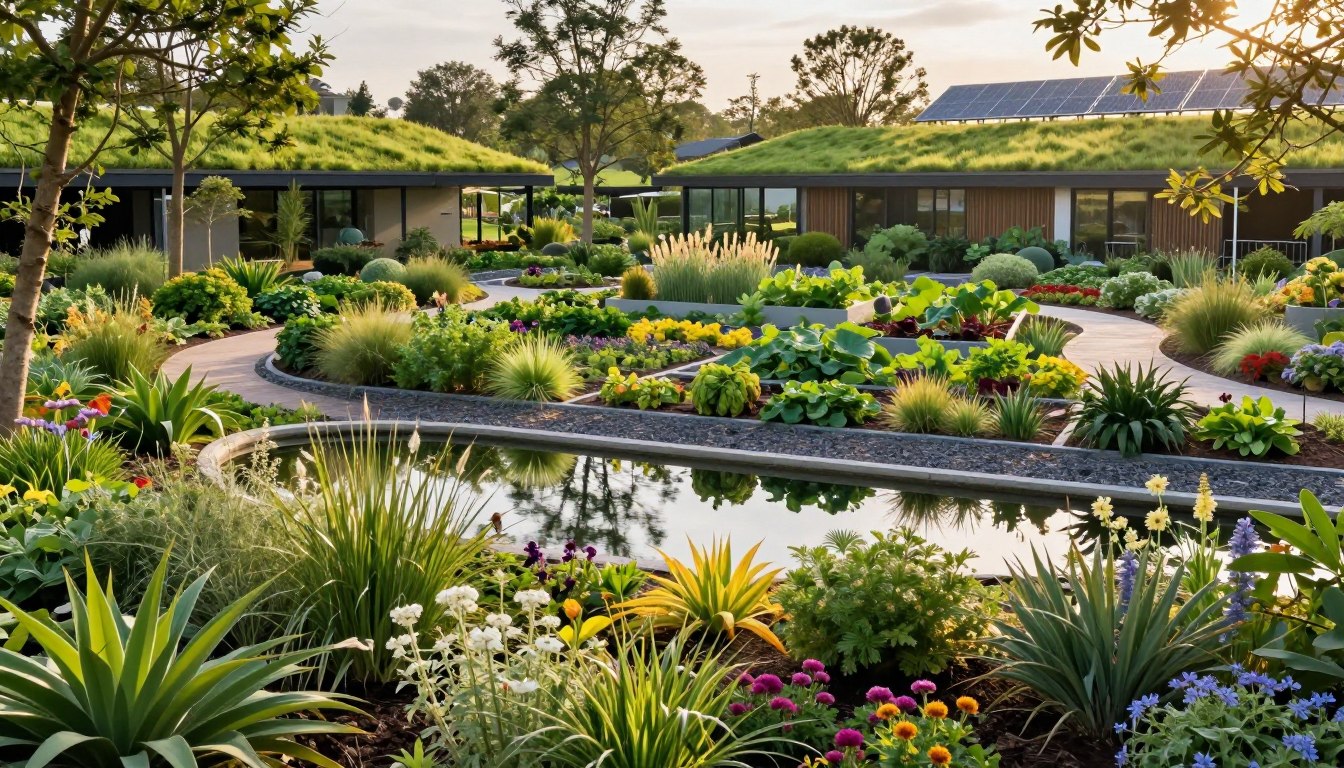
Tag: permaculture principles

Developing Sustainable Landscape Design and its Principles

Could your backyard be doing more than just looking pretty? Many homeowners now realize that traditional yards often use too much water and toxic chemicals. Using sustainable landscape design helps you transform your yard into a regenerative space that benefits the planet.

According to the ASLA, these outdoor areas actively sequester carbon and protect the local environment. By picking native plants, you create a healthy habitat at your home and reduce daily maintenance. This modern focus on sustainability ensures your garden stays healthy for many years.

Understanding the essential principles of landscape design is the first step toward an eco-friendly yard. This guide provides the practical tools you need to make your garden thrive naturally. We will explore how to build a lasting legacy of stewardship through smart planning.

Key Takeaways

  • Shift from high-resource lawns to eco-friendly systems.
  • Improve air and water quality through natural regenerative practices.
  • Decrease chemical reliance and water consumption at home.
  • Support local wildlife by integrating native plant species.
  • Boost energy efficiency with smart outdoor planning strategies.
  • Establish a lasting legacy of environmental stewardship for the future.

Understanding Sustainable Landscape Design

A lush, vibrant sustainable landscape design scene, showcasing a harmonious integration of native flora, sustainable structures, and eco-friendly features. In the foreground, a winding path made of reclaimed materials leads to a small community garden filled with diverse flowering plants and vegetables. The middle ground features a rainwater harvesting system and a charming gazebo constructed with natural wood, surrounded by colorful flower beds. In the background, rolling hills covered in native grasses and trees extend toward a bright blue sky, with soft, fluffy clouds. The warm, golden hour sunlight casts a gentle glow on the landscape, creating an inviting and peaceful atmosphere. The scene emphasizes the principles of sustainability and harmony with nature, embodying a serene yet vibrant sustainable landscape design.

Sustainable landscaping is a smart approach that uses integrated techniques to create functional outdoor areas. These spaces do more than just look good for the neighbors. They deliver measurable results while requiring much less maintenance from the property owner.

What Makes a Landscape Truly Sustainable

Adopting a sustainable landscape involves moving beyond traditional gardening to embrace natural systems. A sustainable landscape functions as a self-sustaining ecosystem rather than a collection of plants. Unlike traditional yards, it focuses on water conservation and protecting local resources.

Conventional styles often rely on heavy watering and energy-intensive tools to survive. In contrast, a sustainable design works with nature, needing minimal human intervention once the plants mature. This shift reduces the overall workload while ensuring the landscape thrives naturally over many years.

Environmental Benefits of Sustainable Landscaping

Choosing this approach provides many benefits for the local environment. These spaces act as natural filters for air and water, helping to keep our surroundings clean. They also play a vital role in carbon sequestration to combat climate change.

Beyond climate health, these yards offer essential habitat corridors for pollinators and native wildlife. Homeowners also enjoy economic gains like lower water bills and higher property values. By reducing runoff and erosion, you protect the soil and the planet at the same time.

Feature Conventional Approach Sustainable Approach
Water Usage Requires frequent irrigation Conserves water naturally
Chemical Need Heavy fertilizers and pesticides Little to no chemicals needed
Wildlife Impact Provides no natural habitat Supports pollinators and birds
Runoff Control Contributes to polluted runoff Minimizes runoff through filtration

Core Principles of Sustainable Landscape Design

A vibrant landscape showcasing a diverse array of native plants, strategically arranged in a sustainable garden design. In the foreground, colorful wildflowers such as black-eyed Susans and lupines bloom alongside native grasses, creating a lively contrast. The middle ground features a mix of shrubs and small trees like serviceberry and red twig dogwood, hovered over by butterflies and bees, highlighting the ecosystem's health. In the background, distant hills are covered with lush greenery under a clear blue sky, illuminated by warm, golden sunlight, creating an inviting and serene atmosphere. The depth of field focuses on the plants while softly blurring the background, enhancing the natural beauty of the scene.

Building a resilient outdoor space starts with embracing three essential concepts that work in harmony. These foundational principles ensure that every element of your yard supports a healthy environment. By following this framework, you create a beautiful space that requires fewer resources and less labor over time.

A successful landscape design integrates natural processes to solve common yard problems. This approach focuses on long-term stability rather than quick fixes. Understanding how these elements connect is the first step toward a thriving landscape.

Prioritizing Native Plants Over Non-Native Species

Choosing native plants is the most impactful decision you can make for your yard. These plants have evolved over thousands of years to thrive in your specific area. They adapt naturally to local climate patterns and soil conditions without human help.

In contrast, non-native plants often struggle to survive without extra fertilizers and pesticides. These exotic plants create a dependency cycle that increases your maintenance costs. Because they did not evolve with local pests, they lack natural defenses.

Native plant varieties offer deep root systems that reach water far below the surface. This unique root structure prevents erosion and improves the physical makeup of the ground. By selecting the right plant, you provide vital food and shelter for local wildlife.

Water Conservation as a Foundation

Smart water conservation is a primary goal for any modern design. In the United States, up to 70% of potable drinking water is used for outdoor irrigation. Unfortunately, about 50% of that water is wasted due to inefficient systems and evaporation.

You can learn how climate-adaptive landscaping can transform your backyard in by focusing on moisture retention. This landscape design strategy reduces the need for supplemental watering. It also protects our most precious natural resource from unnecessary depletion.

Using native plants further supports water conservation efforts. Their deep roots allow them to survive dry spells that would kill off non-native plants. This creates a more resilient and self-sufficient outdoor environment.

Building Healthy Soil Ecosystems

Healthy soil functions as a living engine for your entire yard. It contains billions of beneficial organisms that cycle nutrients and retain moisture. These microscopic ecosystems are the secret to robust growth and vibrant foliage.

To protect this resource, avoid using harsh chemical fertilizers that kill beneficial bacteria. Instead, use natural nutrient sources like compost and fallen leaves. Minimizing soil disturbance helps preserve the complex networks that feed your greenery.

Feature Native Options Non-Native Options
Maintenance Needs Low to None High/Frequent
Water Usage Minimal/Natural High/Supplemental
Wildlife Support Excellent Limited

Applying these three principles results in a landscape that heals itself. When the soil is healthy, your design becomes more resistant to diseases. This holistic approach ensures your yard remains a beautiful part of the local environment for years to come.

Essential Sustainable Landscape Elements and Practices

Practical implementation is the bridge between sustainable ideas and a thriving, eco-friendly area. To build a resilient yard, you must focus on the functional elements that support the local ecosystem. These features transform your outdoor design into a living asset for the environment. By choosing the right components, you create beautiful spaces that require less maintenance over time.

Implementing Erosion Control Solutions

Protecting your soil is vital because Earth has lost half of its fertile topsoil in the last 150 years. Effective erosion control keeps nutrients in your outdoor area and prevents water pollution. When soil washes away, it often carries toxic fertilizers into local streams. This sediment can clog fish gills and increase water treatment costs for everyone. Using structural features helps stabilize the earth while keeping your property beautiful.

Rain Gardens and Swales

Rain gardens are shallow basins that capture and filter stormwater runoff effectively. Swales act as natural channels to direct water flow along gentle slopes. These features allow moisture to slowly sink into the earth rather than running off into drains. They create functional planting spaces that thrive on natural rainfall.

Ground Covers and Terracing

Ground covers use extensive root systems to hold the soil in place. Terrace gardens prevent erosion on steep slopes by creating flat, manageable steps for planting. You can also use French drains to manage subsurface water movement. These methods stop saturation and prevent your soil from shifting during heavy storms.

Installing Permeable Hardscapes

Standard concrete surfaces often create polluted runoff that harms the surrounding landscape. Permeable hardscapes offer an eco-friendly alternative for your next landscaping project. Options like pea gravel, river rock, and porous asphalt allow water to soak directly into the ground. This process helps replenish groundwater levels and reduces the load on city sewers. Choosing these surfaces makes your property more functional and environmentally responsible.

Establishing Composting Systems

A sleek, dark green outdoor compost bin for landscaping placed in a tidy corner of a vegetable garden, surrounded by mulch and green foliage, realistic 4k image.

Buy Now

Yard trimmings and organic debris made up over 7% of landfill waste in recent years. You can recycle these materials by using compost bins for landscaping. This system turns grass clippings and leaves into rich, organic fertilizer for your plants. It eliminates the need for chemical products and builds a healthy soil ecosystem. A well-managed compost system is a simple way to close the nutrient loop in your backyard.

Selecting Local and Sustainable Materials

Choosing local materials reduces the energy needed for long-distance transportation. Using regional stone or wood also supports your local economy and ensures durability. These items are naturally suited for your specific climate conditions. You should also look for ways to recycle or reuse waste materials during construction. This approach reduces the total footprint of your landscape project while maintaining a unique, regional aesthetic.

Water-Smart Landscape Design Strategies

Freshwater is a limited resource, making water-smart landscape design a necessity for modern homeowners. Only 2.5% of Earth’s water is freshwater, and much of that stays locked in glaciers. Using strategic landscape design helps protect these vital resources for the future.

Every garden can play a role in environmental conservation. By reducing the amount of rain water we waste, we lower the energy used for pumping and moving water. This simple landscaping shift helps the planet and your wallet.

Creating a Xeriscape Garden

A high-resolution image of a beautiful xeriscape garden featuring colorful succulents, lavender, and permeable gravel paths under warm afternoon sunlight.

Learn More

Xeriscaping is a smart approach that reduces the need for extra irrigation. This style uses drought tolerant plants for xeriscaping to create a lush look without the heavy water bill. It focuses on replacing thirsty turfgrass with native species that thrive on natural rainfall.

A typical xeriscape landscape uses layers of mulch, sand, and permeable hardscapes to keep moisture in the soil. These materials prevent evaporation and stop weeds from growing. It is a comprehensive design choice that values beauty and efficiency equally.

By choosing plants that fit your local climate, you ensure your garden stays green during dry spells. This method proves that you do not have to sacrifice style to save precious water.

Setting Up Rain Harvesting Stations

A modern, decorative rain barrel positioned under a house downspout, surrounded by a small flower bed with stones and green foliage.

Learn More

Rain barrels for water collection are excellent tools to help homeowners conserve water. These stations sit right under your downspouts to catch runoff from your roof. This collected rain is perfect for watering your flowers or vegetables during dry weeks.

The math behind harvesting is impressive. A small 100-square-foot section of your roof can collect 30 gallons of water from just half an inch of rain. If you get a full inch, you can harvest 60 gallons of free water.

Using these stations is a core part of water conservation. It keeps runoff from entering storm drains and puts it back into your soil. It is an easy way to manage your outdoor resources wisely.

Designing Rock Gardens for Water Conservation

A rock garden is a great way to add texture and depth to your landscape. This specific design uses carefully placed stones and hardy plants that survive with almost no extra water. Once you set it up, it requires very little maintenance over the years.

You can explore creative ways to use rocks in to replace high-maintenance areas of your yard. Rocks do not need mowing, pruning, or feeding. They provide a permanent structure that looks good in every season.

Focusing on water conservation through stone design keeps your yard looking professional. This type of garden is ideal for areas where grass struggles to grow. It is a sustainable and stylish solution for any modern home.

Building Ecosystems That Support Wildlife and Pollinators

A vibrant wildlife habitat landscape teeming with life. In the foreground, a lush, flowering meadow filled with colorful wildflowers and native plants that provide nourishment for pollinators. Honeybees and butterflies flutter, engaged in their essential roles. The middle ground features a tranquil pond surrounded by moss-covered rocks, where small birds gather to drink. Tall grasses sway gently in the breeze, creating a sense of movement. In the background, rolling hills are dotted with trees and shrubs, framed by a soft, golden sunset illuminating the entire scene. The atmosphere is serene and harmonious, reflecting a thriving ecosystem. The lighting is warm, capturing the colors of dusk, and the image is shot from a slightly elevated angle to enhance the panoramic view, allowing a glimpse into this sustainable landscape design.

Modern landscaping is shifting from purely decorative designs to functional habitat areas for local species. By mirroring natural regional landscapes, you can create a thriving ecosystem right in your backyard. This way, your landscape serves a purpose beyond aesthetics, offering vital resources for wildlife and essential pollinators.

Designing Layered Plant Communities

Designing a diverse space involves mirroring the natural world before human interference. A layered approach includes various plants that span from the soil level up to the tree canopy. This method creates multiple areas for survival and growth.

  • Ground cover for soil-dwelling organisms and plant health.
  • Mid-story plants for small mammals and songbirds.
  • Upper canopy for large nesting birds and shelter.

Each layer provides a unique habitat niche. These levels ensure that every animal has access to specific food sources throughout the year.

Adding Structure with Trees, Shrubs, and Grasses

Structural diversity is key to a healthy landscape. By including plants of different forms and sizes, you offer year-round protection. Trees and shrubs provide focal points while also acting as essential nesting sites. Grasses and smaller shrubs offer winter interest and cover.

These physical elements create a safe space for animals to hide. This structured landscaping approach ensures your garden remains functional. Providing diverse food and shelter helps maintain local biological balance during every season.

Incorporating Color Throughout the Seasons

To properly support pollinators, you must provide a continuous succession of blooms. Selecting a mix of flowering plants ensures that nectar is available from early spring until late fall. This strategy helps native bees and butterflies survive their active cycles.

Native species are the best choice because they evolved alongside local wildlife. You can learn how to design a softscape that attracts wildlife in by focusing on these relationships. Providing a steady food supply keeps these spaces buzzing with life all year long.

Creating Habitat with Dense Native Plantings

Dense landscaping is a powerful tool for building a resilient ecosystem. When you plant species closely together, you leave less room for invasive weeds to take root. This creates thick areas that offer maximum protection for small creatures.

Using native plant selections supports overwintering insects in their natural spaces. These dense landscape clusters also help replenish the soil’s native plant seed bank. By maximizing your available wildlife plants, you contribute directly to the recovery of local animal populations.

Maintaining Your Sustainable Landscape for Long-Term Success

Long-term maintenance is the critical factor determining whether sustainable landscape designs continue delivering environmental benefits or gradually revert to resource-intensive conventional landscapes. This consistent care preserves the positive environmental impact you worked so hard to create at your home. Without a plan, even the best landscape can lose its ecological value over time.

Reducing Fertilizers and Pesticides

Always test your soil to know exactly how much fertilizers your lawn might need. Applying too much treatment leads to polluted runoff that damages local water areas. This precision prevents excess chemicals from leaking into the groundwater near your property.

Switch from synthetic chemical products to organic alternatives derived from natural sources. This way, you support the soil as a living ecosystem rather than just a growing medium. Natural nutrient sources like fallen leaves or compost minimize disturbances and eliminate harmful residues.

Eco-Friendly Lawn Care Practices

Proper watering techniques encourage deep root growth in your lawn. You should also keep your mower at a high setting to strengthen each grass plant. Leaving grass clippings on the ground serves as a natural mulch and returns nitrogen to the earth.

This type of maintenance reduces the need for constant landscaping intervention and heavy equipment. A healthy sustainable landscape design stays naturally resilient against local pests. It creates a safer and more vibrant environment for your entire home.

Utilizing fallen leaves as “green mulch” is another smart tactic for your landscape. Instead of bagging them, allow them to decompose to suppress weeds and retain essential moisture. This cycle mimics nature and keeps the ground cool during hot summer months.

Working with Professional Sustainable Landscape Designers

A landscape professional wearing a Taylormade Landscapes® shirt consulting with a homeowner in a lush, eco-friendly garden.

Book Now

Professional experts like Taylormade Landscapes® can review your specific site to identify hidden issues. They often recognize erosion or runoff problems that many homeowners might miss during routine care. Their specialized knowledge ensures the long-term success of your sustainable landscape design projects.

A specialist helps you implement best practices for budget-friendly designs in sustainable to save money over time. They help you select regionally appropriate plants and design efficient irrigation systems. Their guidance prevents common mistakes that could lead to plant loss.

Hiring a pro is the best way to manage your lawn and protect your outdoor investment. With an expert maintenance plan, your landscape will continue to flourish for many years to come. It ensures your property remains a functional and beautiful sanctuary.

Conclusion

Developing a sustainable landscape design allows every homeowner to contribute to climate change mitigation and biodiversity. This approach is a powerful way to protect our planet right from your own yard. It turns aesthetic choices into acts of conservation that impact the environment positively.

By prioritizing native plants and water-smart resources, you create a vital habitat for local wildlife. Essential elements like permeable hardscapes and erosion control turn theoretical ideas into functional gardens. These sustainable landscape planning strategies ensure your home remains a sanctuary for pollinators.

Implementing xeriscaping or rock landscapes helps your landscaping adapt to regional weather patterns. Using local materials and composting systems keeps your landscape healthy and vibrant. These simple design choices reduce the need for harsh chemicals and excessive resources.

Long-term sustainability depends on your maintenance practices. Choosing organic care ensures your landscapes continue to provide benefits for generations. Start small with a single native plant to begin your journey in your outdoor space today.

Thoughtful design choices transform outdoor gardens into living masterpieces. Protecting our landscape and its plants today creates a greener future for everyone. Your unique design will inspire others to care for their local plants and ecosystems.

Tags: , , , , ,