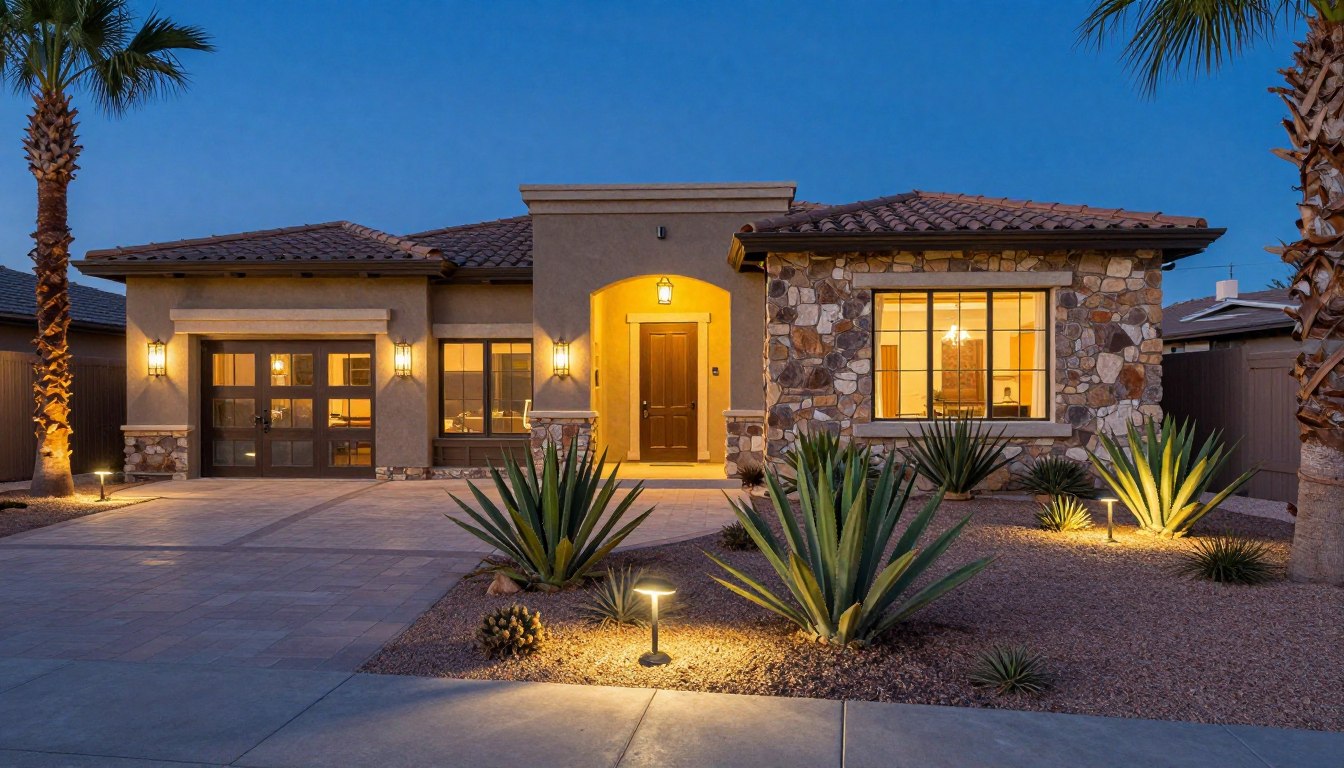
Have you ever noticed how a beautiful garden disappears the moment the sun goes down? Most people spend thousands on their yards only to see them vanish into darkness every evening. A well-planned landscape lighting installation changes everything by turning your yard into a warm, inviting oasis.
This simple upgrade adds significant curb appeal to your home while creating a cozy atmosphere for late-night gatherings. Beyond just looking good, adding exterior illumination provides essential benefits for your outdoor space. It improves safety by illuminating paths and keeps your property secure from intruders.
Modern systems make these projects more accessible than ever for homeowners. You do not need deep electrical knowledge to achieve professional results on your own. Success begins with a clear plan to avoid common mistakes and unnecessary costs.
Proper planning ensures that every fixture serves a specific purpose in your garden. This guide covers selection principles, safety protocols, and maintenance to keep your home glowing for years to come. Understanding your options today will help you create a functional and stunning nighttime environment.
Key Takeaways
- Effective illumination boosts curb appeal and increases overall property value.
- Detailed planning helps homeowners avoid costly mistakes during the setup process.
- Modern low-voltage systems allow for safe and accessible DIY projects.
- Strategic fixture placement improves nighttime safety and enhances home security.
- Routine maintenance ensures long-lasting performance and consistent beauty for your yard.
Why Proper Landscape Lighting Planning Transforms Your Outdoor Space

Strategically mapping out your illumination needs can completely change how your garden feels after sunset. Proper planning for your landscape lighting allows you to extend your living area into the evening hours. It creates a warm and inviting atmosphere for family gatherings and makes your outdoor space more usable.
Good design focuses on highlighting specific features like mature trees, garden beds, and unique architectural details of your home. Without a plan, these beautiful elements often disappear into the darkness of the night. By choosing the right lighting, you can showcase the textures and shapes that make your property unique.
Safety remains a top priority for any homeowner during the design phase. Strategic landscape lighting planning ensures that walkways, steps, and paths remain visible to prevent accidents for guests. Additionally, well-placed fixtures improve security by removing dark spots where intruders might hide around your home.
Thoughtful planning also helps you manage energy consumption by selecting efficient bulbs and smart timers. You can set a realistic budget and project timeline before you begin any manual labor. This organized approach ensures your outdoor space remains beautiful and functional through every season of the year.
| Planning Goal | Primary Focus | Practical Result |
|---|---|---|
| Aesthetic Appeal | Architectural features | Increased curb appeal |
| Safety | Pathways and stairs | Fewer trips and falls |
| Protection | Property perimeter | Enhanced home security |
| Efficiency | Solar or LED lighting | Lower energy costs |
Understanding Your Landscape Lighting Options
Navigating the world of outdoor illumination requires a clear look at the different technologies available today. Most homeowners choose between three main power sources for their projects. Each choice impacts your budget, the installation process, and the final look of your yard.
Solar Landscape Lighting: Budget-Friendly with Limitations

Solar-powered landscape lighting is the easiest way to add a glow to your paths without any wiring. These fixtures use small panels to collect sunlight during the day. They store this energy in batteries to power LED bulbs once the sun goes down.
While they are very affordable, they usually provide less brightness than wired systems. Their performance also depends on the amount of daily sunlight your yard receives. This makes them better for accenting small features rather than providing heavy security.
Low-Voltage Systems: The Homeowner’s Best Choice

A low-voltage landscape lighting kits are the most popular option for American homeowners today. These systems use a transformer to drop your home’s power to a safe 12 volts. This makes the system safe for children and pets, even if a wire is accidentally cut.
Because the power levels are low, you do not need to dig deep trenches. You can easily hide the cables under mulch or just a few inches of soil. This flexibility allows you to move fixtures as your plants grow and change over time.
Line-Voltage Lighting: When to Hire a Professional
Line-voltage systems provide the most power for large estates or areas needing intense brightness. This setup runs on standard household current, which carries significantly more energy than other options. Due to the high voltage, safety is a primary concern during the setup process.
Professional installation by a licensed electrician is mandatory for these systems. They ensure the installation meets local building codes and stays safe for years to come. Here are the key facts regarding this powerful landscape lighting option:
- Line-voltage systems operate at standard 120-volt household current, delivering more powerful illumination suitable for large properties or areas requiring intense lighting.
- Professional installation by a licensed electrician is mandatory for line-voltage systems due to electrical code requirements and the serious safety hazards involved.
- Higher energy costs are associated with line-voltage lighting, though the increased power output may justify the expense for specific applications.
- Complex installation procedures involve deeper trenching, conduit requirements, and strict adherence to local building codes and electrical regulations.
- Licensed electricians will assess your property’s electrical infrastructure and design custom installation plans that ensure safety, code compliance, and optimal performance.
Designing Your Landscape Lighting Layout
Mapping out your illumination strategy ensures every corner of your property shines perfectly. A solid plan prevents clutter and waste. You want to create a balanced look that highlights beauty while maintaining safety.
Identifying Key Features to Illuminate
Walk around your yard at dusk to see where shadows fall naturally. Focus on architectural elements, unique trees, or garden statues that deserve attention. Consider high-traffic paths and stairs to ensure people can move safely after the sun goes down.
Choosing the Right Fixtures for Each Area

Match the tool to the task for the best results. You should select fixtures that complement the specific textures and shapes of your foliage. Using a variety of styles adds depth and character to your overall design.
Calculating How Many Lights You’ll Need
Start by looking at the size of your yard and the specific zones you want to brighten. The specific lights you select will determine the total count required for the project. Proper planning ensures you do not buy more than you actually need.
- Calculate the number of lights needed by measuring the linear footage of pathways and spacing fixtures appropriately, typically every 8-10 feet for adequate coverage.
- Account for the wattage requirements of all fixtures to ensure your transformer can handle the total electrical load without overloading.
- Larger landscape areas and features like mature trees may require multiple fixtures to achieve proper illumination and avoid dark spots.
- Consider starting with essential lighting for safety and primary features, with the flexibility to expand your system as your budget allows.
- Factor in some redundancy in your transformer capacity to accommodate future additions to your lighting system without requiring equipment upgrades.
Selecting Quality Components and Materials
Building a reliable lighting system begins with choosing durable parts that can withstand the elements. High-quality components reduce the need for frequent repairs and keep your yard looking its best year-round.
Selecting the right gear ensures your investment remains safe and functional. You must focus on how well the hardware handles moisture and temperature changes in your local climate.
Choosing a Properly Sized Transformer

The transformer serves as the heart of your low-voltage system by converting house power into a safe level. A landscape lighting transformer 300-watt model is a common choice for homeowners with medium-sized gardens.
Always calculate your total bulb wattage before purchasing to ensure the unit can handle the load. It is best to leave a 20% buffer to prevent the transformer from overheating during long nights.
Understanding Wire Gauge and Cable Requirements

Using the correct cable is essential to prevent voltage drop over long distances. Most experts recommend 14/2 landscape lighting wire for residential projects because it handles current efficiently without being too bulky to bury.
Thicker wire ensures that the lights at the end of the run shine just as brightly as those near the power source. Proper insulation is also necessary to protect the copper from soil acidity and moisture.
Features That Define Quality Lighting Fixtures
Quality lighting depends heavily on the structural integrity of your hardware. These products must be made from materials that resist corrosion, such as solid brass or high-grade aluminum. Always check each fixture during assembly to ensure the seals are tight and the glass is secure.
High-end fixtures are designed to survive heavy rain and snow without failing. You should look for a fixture that allows you to replace individual components like bulbs or lenses easily. Using durable fixtures saves you money over time by reducing the need for total replacements.
A well-constructed fixture will feel heavy and solid in your hand. Premium fixtures often feature powder-coated finishes that stay beautiful even after years of sun exposure.
- Quality fixtures feature durable construction from materials like solid brass, copper, or high-grade aluminum that resist corrosion and withstand years of outdoor exposure.
- Weather-resistant seals and gaskets prevent moisture infiltration that can cause electrical failures and premature fixture degradation.
- Inspect fixtures during assembly for quality indicators, including tight-fitting components, secure electrical connections, and properly sealed lens attachments.
- Look for fixtures with replaceable components like bulbs and lenses, which extend the product’s usable life and reduce long-term replacement costs.
- Powder-coated finishes provide superior protection against weathering compared to painted surfaces, maintaining appearance and structural integrity over time.
Preparing Your Property for Landscape Lighting Installation

Laying the groundwork for your outdoor lights ensures the installation goes smoothly and safely. Proper site preparation turns a complex lighting project into a manageable task for any homeowner. Taking the time to ready your yard prevents unexpected delays and protects your existing landscape features.
Locating Underground Utilities and Irrigation Systems
Safety is the top priority when digging in your yard. Contact your local utility companies to mark buried gas, water, or electrical lines before you break ground. This step prevents dangerous accidents and expensive repair bills from accidental strikes.
You should also identify the exact paths of your irrigation pipes. Sprinkler lines often sit just a few inches below the surface, where they are easily damaged. Use small stakes to mark these areas so you can navigate around them carefully during the digging process.
Clearing and Marking Your Installation Zones
Once you know where the utilities are, clear the area of large rocks, thick weeds, and debris. Use white spray paint or landscape flags to outline exactly where the cable will run. A visual guide helps you maintain straight lines and ensures each fixture ends up in its planned location.
Remove any mulch or decorative stones from the path where you plan to dig. Storing these materials in buckets keeps your workspace clean and makes it easier to restore the landscape later. If your route crosses a thick lawn, use a sharp spade to cut and lift sod sections carefully.
Gathering Necessary Tools and Equipment
Having your tools ready in a central location improves efficiency and reduces the duration of your project. You will require a trenching shovel, wire fish tape, and a wire trenching tool or garden edger. For very large yards, consider renting a power trencher to save physical effort and speed up the process.
| Tool Category | Essential Items | Primary Purpose |
|---|---|---|
| Digging Equipment | Trenching shovel, garden edger | Creating narrow channels for wiring |
| Electrical Prep | Wire strippers, voltage tester | Connecting and testing light fixtures |
| Safety and Cleanup | Work gloves, safety glasses | Protecting hands and eyes during labor |
| Installation Hardware | Silicone wire nuts, landscape staples | Sealing connections and securing wire |
Organize your materials, like wire connectors and replacement bulbs, before you start. Use work gloves to protect your hands while handling soil and sharp tools. Keeping a flashlight nearby is also helpful for checking connections in shaded areas or as the sun begins to set.
Installing Your Low-Voltage Landscape Lighting System Step-by-Step

Executing a flawless lighting setup starts with organized placement and precise electrical links for every fixture. This phase brings your design to life through physical labor and technical accuracy. You’ll need to work methodically to ensure the longevity of your outdoor installation.
Step 1: Mount and Connect Your Transformer
Begin by mounting your transformer to a sturdy surface like a wall or a wooden post. It should be at least one foot above the ground and near a GFCI-protected outdoor outlet. Do not plug the unit in until you have finished all the wiring work.
Step 2: Assemble Your Light Fixtures
Unpack your lighting components and assemble them according to the manufacturer’s guide. Most fixtures require you to attach the stake to the main housing and insert the bulb. If you are using LED integrated units, simply check that the lenses are clean and secure.
Step 3: Dig Trenches for Your Wire (6+ Inches Deep)
Use a square-blade shovel to create a narrow trench along your planned path. You should aim for a depth of at least six inches to protect the wire from lawnmowers and aerators. Keeping the trench deep ensures the cable remains hidden and safe from the elements.
Step 4: Run Cable Along Your Planned Route
Unspool your low-voltage cable and lay it inside the trenches you just prepared. Leave about an extra foot of slack at each fixture location. This extra length makes it much easier to position or move the lights later if needed.
Step 5: Position and Stake Your Fixtures
Push the fixture stakes into the ground at your designated spots. If the soil is too hard, use a screwdriver to create a pilot hole first. Ensure the lights are vertical and stable before you begin the final wiring phase.
Step 6: Make Secure Wire Connections
This final step requires total attention to detail to ensure safe and proper connections. Use wire strippers to remove just enough insulation to create a solid link without exposing bare copper. Make sure to use silicone-filled connectors that provide waterproof protection for outdoor use.
Connect your fixture leads to the main cable run using the method specified by your hardware. You’ll need to check that all links are mechanically sound by giving them a gentle pull. Verify the correct polarity for every connection to maintain a consistent voltage across the entire system.
Double-check every connection point before you backfill your trenches. Fixing a loose link is much easier now than after you bury it under soil and mulch. Once everything is tight, you are ready for the initial power test.
| Connection Type | Primary Benefit | Waterproof Level |
|---|---|---|
| Silicone-Filled Nuts | Prevents internal corrosion | Excellent |
| Direct Burial Connectors | Fast and easy to install | High |
| Heat-Shrink Tubing | Permanent and very slim | Maximum |
Testing Your System and Making Adjustments

There is no better feeling than seeing your newly installed a low voltage landscape lighting systems come to life. This final phase ensures that every component functions safely and looks beautiful before you consider the job finished.
Performing Initial Power Tests
Plug your transformer into a grounded GFCI outlet and flip the power switch. Walk through your yard to verify that every fixture is emitting light.
Check for any flickering or dimness, which could indicate a loose connection or a voltage drop issue. If everything glows steadily, you have completed the primary electrical circuit.
Troubleshooting Common Installation Issues
If a specific fixture does not turn on, start by checking the connector at the main cable. Most issues stem from a pierced wire that did not make full contact with the terminal.
Inspect the run for any accidental cuts made during the trenching process. Re-securing these points usually resolves the problem without needing to replace the entire fixture.
Fine-Tuning Light Angles and Beam Spread
Wait until complete darkness to perform your final artistic adjustments. This allows you to see exactly where the lighting hits your trees, walls, or paths.
Adjust the shrouds on your fixtures to minimize glare that might shine into eyes or windows. Aim the beams to emphasize textures and eliminate dark spots in your walkways.
Programming Timers and Photocells
Program your timer according to your schedule to enjoy the ambiance and security your new lights provide. You should set the lights to turn on at dusk and off at a specific time, such as midnight or dawn.
If your system uses photocells, ensure they are placed away from other light sources to prevent rapid cycling. Test these settings over several days to confirm they adapt correctly to changing seasonal daylight patterns.
Keep a written record of your programmed settings for future reference. This is especially helpful after power outages that might reset your controller to factory defaults.
| Adjustment Task | Primary Goal | Best Time to Perform |
|---|---|---|
| Fixture Aiming | Reduce glare and highlight features | After Sunset |
| Timer Setting | Automate security and energy use | During Setup |
| Connection Check | Ensure consistent power flow | Immediately After Power-On |
| Photocell Testing | Verify dusk-to-dawn operation | Late Evening |
Critical Safety Guidelines for DIY Installation
Before you grab your shovel and wire strippers, understanding the risks associated with outdoor electrical work is vital. Your outdoor safety depends on following strict protocols to avoid shocks or fire hazards. Proper planning prevents accidents and ensures your new lights function without risk.
Electrical Safety Precautions
Always turn off the main power source before you begin any landscape lighting installation steps. Use a voltage tester to confirm that no current is running through the wires you are handling. Make sure all your outdoor outlets are GFCI-protected to prevent short circuits during wet weather.
Avoid working in damp conditions or when rain is in the forecast. Keep all electrical components away from standing water or active irrigation spray. Secure your transformer at least one foot above the ground to keep it clear of moisture and debris.
Avoiding Damage to Underground Lines
Digging without knowing what lies beneath the soil is dangerous and potentially expensive. Always call 811 to have your utility lines marked before you start your diy project. This simple step prevents you from hitting gas pipes, water mains, or existing electrical conduits.
When to Call a Licensed Electrician
If you are unfamiliar with electrical systems, it is best to hire a licensed electrician to handle the work. Line-voltage systems require professional expertise to ensure the setup is safe and meets local building codes. You should also use professional services if you need to add a new circuit to your main breaker panel or encounter damaged electrical boxes.
Complex systems with multiple transformers or smart home integration often require a pro’s touch. Prioritizing safety over cost savings is the smartest choice when you lack confidence in your electrical skills. Professionals ensure your system is grounded properly and compliant with all local regulations.
| Task Type | Difficulty Level | Professional Required? |
|---|---|---|
| Low-Voltage Stake Setup | Low | No (DIY Friendly) |
| Main Panel Wiring | High | Yes (Required) |
| Line-Voltage (120V) Install | High | Yes (Required) |
| Troubleshooting Shorts | Medium | Recommended |
Maintaining Your Landscape Lighting for Long-Term Performance

Longevity for your outdoor illumination comes from a proactive approach to routine maintenance and checks. A well-kept landscape lighting setup ensures safety and beauty for many years. Routine care prevents minor issues from becoming costly repairs down the road.
Regular Cleaning and Inspection Schedule
Dirt and hard water spots can dim your lights over time. Use a soft cloth to wipe fixture lenses and remove leaves or mulch that might cover them. This simple step keeps your yard looking bright and polished.
| Frequency | Maintenance Task | Benefit |
|---|---|---|
| Monthly | Wipe fixture lenses | Maintains brightness |
| Quarterly | Check for debris | Prevents overheating |
| Annually | Inspect wire health | Ensures system safety |
Replacing Bulbs and Repairing Connections
Inspect your lighting often to find any burnt-out bulbs or loose wires. Secure connections ensure your illumination remains reliable and prevents flickering. Fix any exposed wires immediately to protect the circuit from moisture and weather damage.
Seasonal Adjustments and Upgrades
Your landscape changes with the seasons, and your settings should change too. Adjust timer settings as daylight hours shift to keep your home bright at the right times. This helps the lighting system run efficiently throughout the entire year.
As plants grow, you may need to redirect spotlights or add pathway lights to cover new walking areas. Trim bushes that block the beam to maintain a clear path for the beam. If your needs grow, consider adding more path lights to highlight new flower beds or walkways.
Conclusion
Your journey to install landscape lighting concludes with a functional system that highlights your landscape’s best features. By following these steps, you have successfully transformed your outdoor space into a warm and inviting ambiance. This diy landscape lighting installation helps you enjoy your home day and night while increasing its curb appeal.
Understanding your landscape lighting options ensures you choose the best lighting system for your property and budget. Proper planning helps your path lights illuminate every path and walkway safely. You’ll need to maintain these path lights to keep your landscape looking its best throughout the year.
The installation process provides the knowledge to manage a professional-quality outdoor lighting system without high contractor costs. Make sure to prioritize safety during every step of your lighting installation. If any electrical part of the lighting installation feels complex, use professional help for your path lights and landscape lighting needs.
Regular maintenance, like cleaning a path light or adjusting path lights, keeps the system performing well. Place your path lights and pathway lights carefully to guide guests along the landscape path. Your landscape lighting installation creates a beautiful outdoor space that enhances your home for years to come, using a clear landscape path.