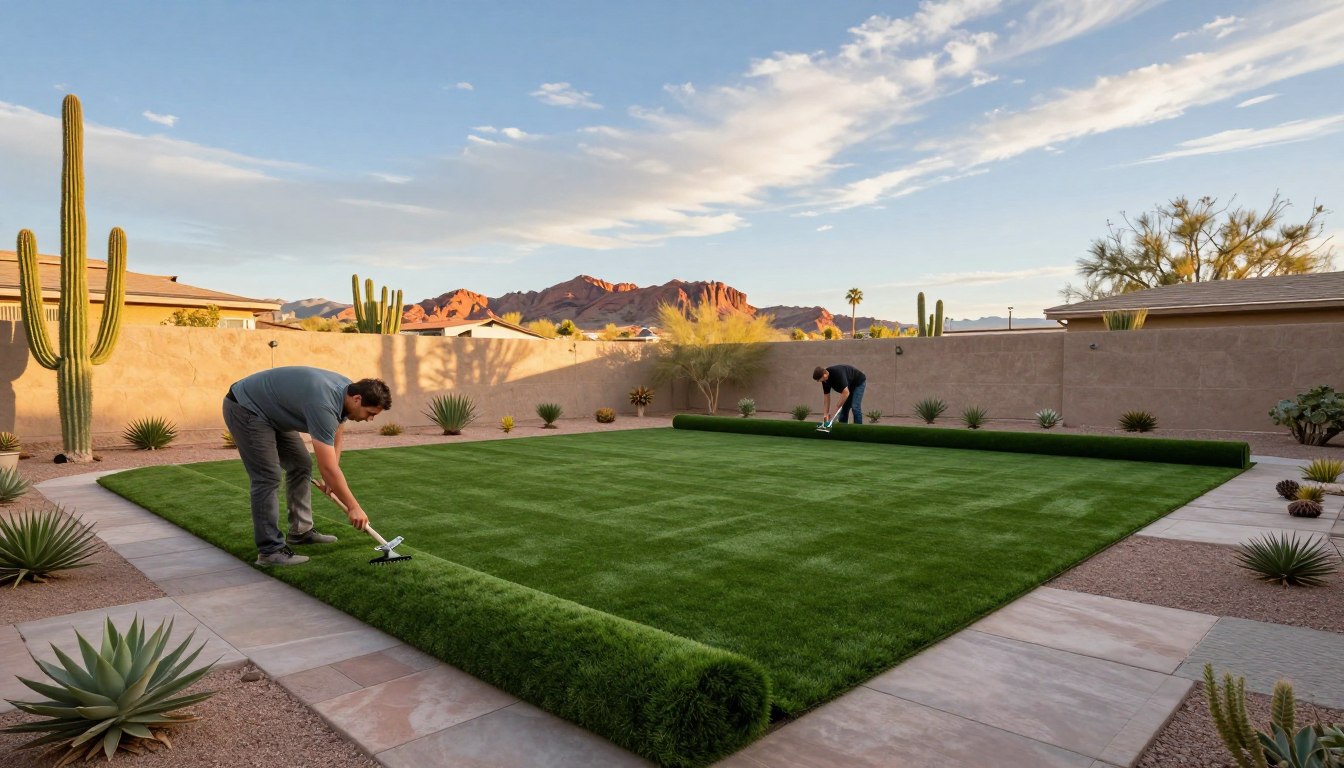
Have you ever wondered how to keep a lush, green yard in the desert without spending a lot of money on water? For many Vegas homeowners, a synthetic turf installation offers the perfect balance of beauty and function. This complete guide walks you through every step to transform your outdoor space into a low-maintenance paradise.
In our dry desert climate, saving water is a top priority for most families. Choosing artificial grass ensures your lawn stays bright all year long without the hard work of regular yard care. This DIY project is great for anyone with basic skills who wants to boost their home value.
This manual covers sixteen detailed steps, from preparing the area to applying the final infill. By using expert methods, you can achieve a durable look that mimics natural grass. Following these professional steps ensures great drainage and a long life for your backyard.
Key Takeaways
Transform desert spaces into low-maintenance landscapes.
Master the 16-step process for professional results.
Prioritize water conservation in harsh desert climates.
Enhance property value with high-quality artificial lawns.
Ensure drainage and longevity with expert techniques.
Complete the project successfully using basic DIY skills.
Why Synthetic Turf is Perfect for Las Vegas Backyards
Between strict water restrictions and scorching temperatures, Las Vegas residents need a landscape that doesn’t just survive but thrives. Choosing artificial turf provides a lush, green environment that remains vibrant even during the most intense July heat waves. This switch transforms a dusty yard into a year-round landscape that elevates your home’s curb appeal.
Switching to synthetic grass saves a massive amount of water, which can lower your utility bills by thousands of dollars annually. You also gain back valuable time since you no longer need to mow or fertilize. This freedom allows you to enjoy your backyard rather than laboring over it in the desert sun.
Modern materials withstand heavy foot traffic in busy areas and resist fading from intense UV exposure. These surfaces are ideal for households with pets, as they offer easy cleanup and resist digging. You will never have to worry about muddy paws or yellow urine spots again.
While the initial maintenance is very low, the long-term aesthetic remains high throughout every season. Your lawn stays emerald green for 15 to 20 years without brown patches or seasonal die-off. This durability makes it a smart investment for any desert homeowner.
Feature
Natural Grass
Synthetic Turf
Water Usage
Daily Irrigation Needed
Zero Irrigation Required
Summer Color
Tends to Brown or Dormant
Vibrant Green Year-Round
Upkeep Tasks
Mowing, Seeding, Weeding
Occasional Rinsing
Expected Lifespan
Varies by Care
15 to 20 Years
Planning Your Synthetic Turf Installation Project
Success in landscaping starts with a well-thought-out strategy before you ever pick up a shovel. Thorough preparation is the key to ensuring your yard looks natural and lasts for years in the Nevada heat. By organizing your workflow now, you can avoid common mistakes laying synthetic turf that often frustrate beginners.
Assessing Your Installation Area and Surroundings
Start by visually checking the specific surface where the grass will sit. Look for drainage issues or existing landscape features like trees and large rocks that might interfere. You should also clear a staging area near the workspace to store your supplies and cut the rolls easily.
Creating a clear design plan is your first priority. Define where the grass ends and where planting beds or hardscape borders begin. This helps you visualize how water will flow across the yard during heavy desert rainstorms.
Gathering all your materials before you start prevents unnecessary trips to the store. You will need high-quality synthetic grass, weed-block fabric, and base materials like a gravel and decomposed granite mix. Do not forget the bender board edging to keep everything neatly contained.
Specific tools make this installation much easier and more professional. Using a plate compactor or hand tamper is a critical step to ensure a stable foundation. You should also have these items ready:
Sod cutter or sharp shovel
Carpet knife or specialized turf cutter
Measuring tape and level
Push broom and drop spreader
Measuring Your Space Accurately
Taking precise measurements of your project is the only way to order the right amount of grass. Measure the area multiple times to account for irregular shapes, curves, and fixed obstacles like pillars or fire pits. Always add a small buffer to your final order to cover any cutting mistakes.
Ask yourself important questions about the timeline and your own skill level before starting the physical work. Some homeowners find that complex designs bring up difficult questions about whether to DIY or hire pros. Having a clear blueprint and all your materials on hand will streamline the entire process from start to finish.
Site Preparation and Excavation Process
Achieving a professional-looking yard starts with a rigorous demolition of the existing landscape. This vital preparation phase ensures a stable foundation for your project. By clearing the site properly, you avoid future issues like uneven surfaces or failing seams.
Step 1: Remove Existing Grass, Soil, and Debris
First, you must remove all weeds, existing grass, and loose soil from the site. Clearing away this debris prevents organic matter from rotting under your new surface. Use a grass trimmer or shovel to clear out stubborn roots and reach a solid sub-base.
Rough grading the area helps uncover hidden obstacles like old pipes or electric lines. This step creates the necessary depth for your new base material. Always aim for a smooth, level ground before moving to the next phase.
Step 2: Cap and Modify Sprinkler Systems
You must handle your watering system before the turf goes down. If you plan to transform lawn synthetic turf, you must adjust the irrigation to fit the new layout. Proper water management prevents underground leaks and surface bubbling.
Capping Sprinklers at Pipe Level
Cap any unused sprinklers directly at the pipe level rather than the riser. This method avoids potential leaks between the riser and the main line. Be sure to backfill and mark the location of these capped pipes to avoid low spots later.
Relocating Irrigation Lines
Sometimes you need to move lines to support perimeter plants or trees. Ensure you add any necessary drainage elements to prevent water from pooling near your home foundation. A functional drainage system keeps your backyard dry and safe during heavy rain.
Preparation Step
Priority Level
Key Goal
Surface Demolition
High
Clear organic material
Irrigation Capping
High
Prevent sub-base leaks
Drainage Check
Medium
Redirect water flow
Step 3: Relocate Wiring and Electrical Components
Identify all electrical wiring and lighting systems within the project boundary. Move these components at least six to eight inches away from any hardscape or perimeter. This process keeps wires safe from the long nails used during the final installation.
Once you relocate the wires, lay them flat on the subgrade. Secure them with u-nails to keep them from shifting during the base layer application. This prevents accidental damage from shovels or heavy machinery later on.
Step 4: Install Bender Board Edging
Use a bender board to create a crisp boundary between the lawn and planting areas. This board provides a clean line and a solid edge for securing the turf. It effectively separates your grass from mulch or rock beds for a tidy look.
Secure the bender board firmly into the ground using stakes. This creates a permanent frame that keeps your base material contained. A well-installed edge ensures your project stays beautiful for many years in the Vegas sun.
Creating a Proper Base for Artificial Turf
The secret to a long-lasting Vegas lawn lies beneath the green blades. A solid foundation prevents shifting and ensures your yard looks great for years. This stage of the installation requires patience and the right tools to succeed.
Step 5: Install Weed-Block Fabric
Lay down a 3 oz non-woven weed-block fabric as your first layer. This material strengthens the base and stops roots from pushing through your grass. It also acts as a durable barrier against burrowing pests or desert rodents.
You can find more details on choosing the right ground prep for turf installation accessories to protect your project. Secure the fabric tightly to avoid wrinkles before adding your stone layers.
Step 6: Lay the Gravel and DG Mix Base Material
Now, introduce the specialized base material. Use a mixture of half-inch gravel and decomposed granite to facilitate rapid drainage. This mixture is vital for managing heavy water during the Las Vegas monsoon season.
Proper Depth and Layer Distribution
Start at the back of the area and work toward the front. Spread 3 to 4 inches of the base material in horizontal layers. Never place heavy loads on this layer before you finish the compaction process.
Creating Slope for Drainage
Carefully angle the base away from your home or patio structures. Directing water toward a specific drainage area prevents puddles from forming near your outdoor living spaces. Proper leveling ensures your artificial turf looks smooth and natural.
Step 7: Wet and Compact the Base
Lightly wet the base to help the small particles settle into place. Proper moisture prepares the ground for the heavy tools used to harden the area. This step ensures the ground stays stable under heavy foot traffic.
Vibrating and Tamping Techniques
Use a vibrating plate compactor or hand tamper to press the gravel down firmly. This creates a solid base that holds your turf nails securely over time. Any minor adjustments to the grade happen during this phase rather than later in the way of laying the grass.
Achieving a Smooth, Level Surface
Your final surface must be smooth and free of any loose rocks or debris. A water-filled roller helps achieve a level finish across the entire base. This critical material preparation ensures no lumps show through the final base layer.
Measuring, Cutting, and Laying Your Turf
Achieving a professional look depends on how you measure and cut the material. You must focus on precision to ensure the yard looks natural and uniform. This stage requires a steady hand and a sharp eye for detail.
Step 8: Measure and Cut Turf Pieces
Carefully measure the installation area multiple times to avoid costly errors. Cut the largest pieces first to minimize waste across the landscape. You can learn more about how to install turf to get the best results for your project.
Overcutting by One Inch for Tucking
Always overcut the turf by one inch along the edges. This provides the extra material necessary for a clean tucking process. Cutting it fatter is always safer because you can trim the excess later.
Using Seaming Tools for Precision
Use specialized seaming tools to create tight, nearly invisible connections. Ensure the cutter blades are very sharp to maintain clean edges. This precision prevents the gaps that often ruin a DIY project.
Cutting Seams in S-Shapes
Cut the seam in an S-shape to avoid pieces pushing against each other. This unique shape prevents visible lines and avoids the illusion of discoloration. It allows the fibers to blend together much more naturally.
Cutting Task
Measurement
Purpose
Perimeter Edge
1 Inch Over
Allows for tucking
Hardscape Gap
1/4 Inch
Clean finish
Seam Style
S-Shape
Hides joints
Step 9: Roll Out and Position the Artificial Grass
Lay out the artificial grass on a flat surface before making any final moves. Measure and trim any fringes around the edges at this stage. This part of the job ensures the material is ready for permanent placement.
Ensuring Proper Grain Direction
Make sure the grain of the grass faces the same way on every piece. This ensures the yard looks uniform and mimics a real lawn perfectly. Consistent grain direction is one of the most important synthetic turf tips for homeowners.
Allowing Wrinkles to Flatten
If you see wrinkles in the artificial grass, leave it flat for several hours. The sun helps the backing relax and removes any stubborn creases. Once the step of flattening is complete, you can re-roll it for easier handling.
Securing Edges and Connecting Seams
Ensuring your new lawn stays flat and secure requires careful attention to the perimeter and joints. A professional las vegas landscape design build project relies on these final anchoring steps for a long-lasting finish.
Step 10: Nail the Perimeter Edges
You must secure the perimeter edges to prevent the material from shifting over time. Fasten one side of the layout first to create an anchor point. Stretch the grass tight as you work around the rest of the boundary to eliminate wrinkles.
Using 40d Nails Every 4-6 Inches
For residential yards, place 40d or 60d nails every 4 to 6 inches along the border. Commercial sites often need a tighter spacing of 3 to 5 inches. Position each fastener about a half-inch away from the edge for the most secure grip.
Proper Nail Depth to Avoid Dimples
Drive your nails only three-quarters of the way into the ground. If you drive them too deep, you will create visible dimples or divots in the surface. Separate the blades first so the nail head hides at the base of the mat.
Step 11: Connect Turf Seams Securely
Joining two pieces requires a tight fit to make the joint look invisible. Butt the two sections together closely before choosing your fastening method. You should ensure no blades are caught underneath the seam during this process.
Using U-Nails Every Six Inches
You can use 6-inch U-nails to join a seam every six inches. As with perimeter fasteners, pull the blades apart so the U-nail sits flush against the backing. This keeps the grass blades from getting trapped under the metal.
Alternative Seam Tape Method
Another option is using a seam tape like Jiffy Seal to bridge the gap. Apply the tape lengthwise to the bottom side, leaving three inches attached and three inches exposed. Press the opposite piece firmly onto the sticky surface to lock the two pieces together.
Step 12: Tuck Edges Against Hardscape
Tucking the turf edges gives your lawn a clean edge against pavers or concrete borders. Use a metal wonder bar to push the material into the gap between the border and the base. This technique hides the backing and creates a plush, professional look.
Step 13: Secure the Field Area with Nails
The weight of the infill sand usually holds the main field in place effectively. However, you can choose the addition of extra fasteners for more stability in high-traffic zones. Space 60D nails every 12 to 24 inches throughout the field area if you need extra peace of mind.
Applying Infill Material for Turf Stability
The secret to a long-lasting lawn in Las Vegas is the right infill material. This layer provides the necessary weight to keep your yard secure and stable. It also ensures the artificial grass looks lush and stays resilient while protecting the base of the blades.
Choosing the correct artificial turf infill sand is vital for the long-term success of your project. While standard silica sand offers great stability, premium options provide additional protection for active families. You should select a product that matches your specific climate and usage needs.
Anti-Bacterial Options for Pets and Children
Durafill is a top anti-bacterial choice for households with active pets. This non-toxic sand prevents odors and stays cool for pets during the intense Las Vegas summers. It is safe for children to play on and does not absorb moisture or bacteria.
Step 15: Spread Infill Evenly with a Drop Spreader
Use a drop spreader to distribute the granules evenly across the entire turf surface. Move at a slow, steady pace to ensure coverage without overlapping your rows. This method prevents clumps and ensures the material settles deep into the grass.
Proper Distribution Techniques
Use a synthetic push broom to sweep against the grain of the lawn. This action pulls the fiber blades upright and works the material deep into the backing. A synthetic broom is the best tool to achieve a professional and uniform look.
Adding Weight and Blade Support
Adequate infill creates the weight needed to prevent the synthetic lawn from shifting over time. It supports the upright position of the fibers, maintaining a natural appearance across the entire artificial grass yard. This ballast also prevents the grass from rippling or lifting during high winds.
Final Grooming and Maintenance Tips
The last phase of your project transforms flat synthetic fibers into a lush, natural-looking oasis. This stage ensures your investment stays beautiful and functional for years. Consistent maintenance keeps the yard ready for family fun.
Step 16: Power Brush for Blade Elevation
Use a heavy-bristled power brush to pull against the grain of the grass blades. This initial step makes them stand upright before you apply the sand. After adding infill, brush the artificial grass again lightly to settle the granules into the base for optimal stability.
Step 17: Remove Excess Debris and Fibers
Cleaning the surface is vital for a pristine look. Remove any excess debris, cut fibers, or waste left during the installation. Sweeping the artificial grass one last time restores the upright shape and ensures the area is safe for pets.
Ongoing Maintenance for Vegas Weather
Las Vegas winds often carry dust that settles on the grass. Periodically rinse the area to remove accumulation and keep the colors vibrant. Occasional light watering during extreme heat also helps cool the artificial grass.
Proper maintenance extends the lifespan of your lawn. Use a stiff broom quarterly to redistribute shifted infill and restore blades. Promptly removing leaves and organic matter prevents staining over time.
Maintenance Task
Frequency
Benefit
Power Brushing
Quarterly
Restores upright blade position
Water Rinsing
Bi-weekly
Removes desert dust and pollen
Leaf Removal
As needed
Prevents organic matter staining
Infill Inspection
Annually
Maintains surface stability
Conclusion
Mastering the way you approach this 16-step artificial turf installation determines the success of your project. You must take time to install artificial turf correctly to create a durable grass field. This process keeps your lawn in great shape for many years.
A proper turf installation provides a beautiful look while saving water in the desert heat. When you landscape around a pool in Las Vegas with artificial, every part of the base construction matters. Installing artificial systems offers a green space that requires very little maintenance over time.
If you have questions or need help to install artificial turf, Taylormade Landscapes® can guide you. We can help you install artificial materials so your artificial turf stays vibrant. Completing an artificial turf installation ensures your home stays beautiful.
You can install artificial products with confidence by following our expert steps. We make installing artificial lawns easy for every homeowner. Quality turf installation is a smart investment that improves property value. Choosing the right artificial turf adds immediate curb appeal.
Your new artificial turf will stand up to the sun and heavy daily use. This artificial turf provides a safe and clean area for your children.
High-quality turf makes your entire yard shine with professional quality. Ensure your turf is clean and free of debris. Finally, your turf will perform well for a decade or more.
We love seeing every green grass blade. A lush grass patch makes a backyard feel like home. These steps guarantee your grass looks better than ever.
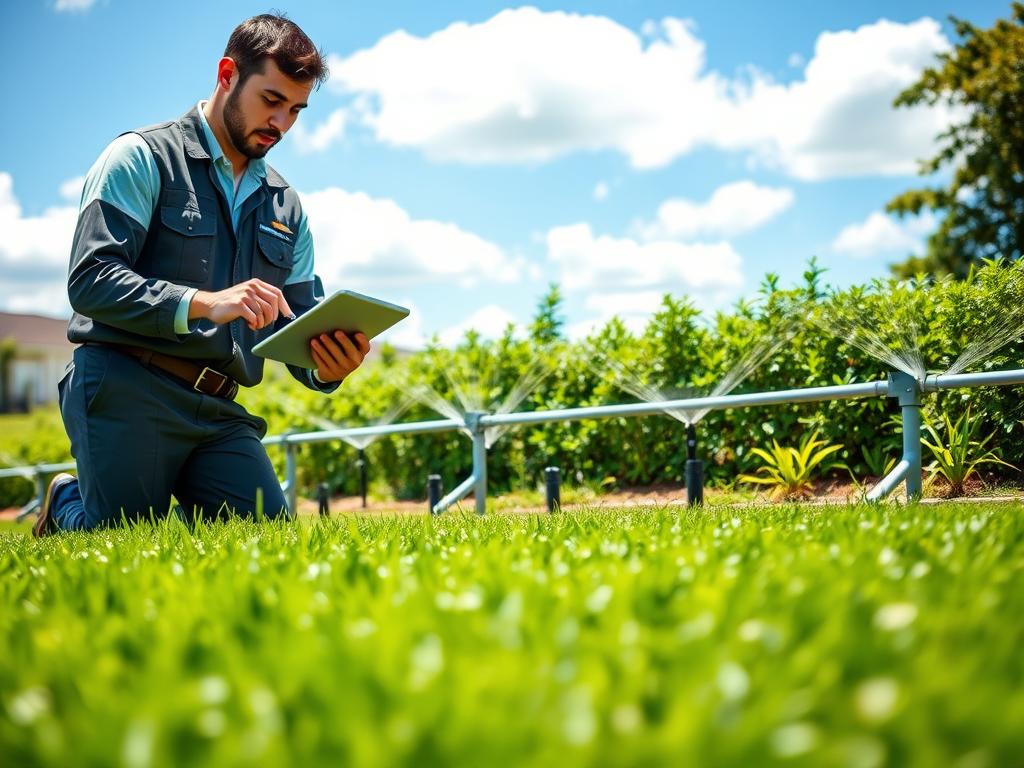
Have you ever wondered how a well-designed irrigation system can actually save you money in the long run? Investing in professional irrigation services not only ensures your yard thrives but also protects your property value. A properly installed sprinkler system distributes water evenly, preventing waste and promoting healthy plants. This approach minimizes the risk of costly plant replacements and reduces water bills.
Moreover, expert irrigation specialists understand the specific needs of your landscape. They tailor solutions that consider drainage and soil composition, allowing your lawn to flourish without unnecessary water use. In this article, we will explore the benefits of professional irrigation and how it can transform your outdoor space.
Key Takeaways
Professional irrigation services help maintain a healthy landscape in Houston’s challenging climate.
A well-designed irrigation system ensures precise water distribution throughout the year.
Investing in a professional sprinkler system protects your home and enhances your yard’s beauty.
Expert specialists understand the unique needs of your landscape to prevent water waste.
Choosing the right professionals guarantees efficient and effective irrigation management.
Understanding the Benefits of Irrigation Services
Understanding how a professional approach to water management can lead to significant savings is crucial for homeowners. Efficient irrigation services significantly lower your monthly water bills. This is achieved by preventing over-saturation and ensuring that every drop of water is used effectively.
A properly maintained sprinkler system keeps your lawn vibrant and healthy, even during the driest months. By utilizing advanced irrigation systems, you can reduce the total cost of landscape maintenance while improving the overall health of your plants.
Professional irrigation specialists focus on the factors that influence water consumption. They ensure that your property receives only the water it truly needs. Investing in a high-quality sprinkler system is a smart financial decision that pays for itself over time through reduced utility bills and healthier plants.
Customized Irrigation System Design and Installation
Creating a customized irrigation plan is essential for maximizing your landscape’s potential. A successful irrigation project starts with a thorough site evaluation. This evaluation considers plant types, sun exposure, and the specific drainage needs of your property.
Our irrigation specialists conduct a detailed soil analysis. This ensures that your new sprinkler system delivers water at the correct rate. A customized design is crucial for addressing the unique topography of your yard. This approach prevents runoff and ensures deep root hydration for your plants.
By collaborating with experienced professionals, you can tailor your irrigation services and installation to your landscape’s specific requirements. We highly recommend a professional design approach to avoid common mistakes that lead to inefficient water usage.
The design phase is critical, determining how effectively your irrigation system will function for years.
Our experts take the time to understand your needs, ensuring an efficient and manageable system.
A well-planned installation considers all environmental factors, providing a sustainable solution.
Choosing a professional company means investing in a reliable and long-lasting irrigation system.
We pride ourselves on delivering a great job with every installation, ensuring optimal performance.
Efficient Water Management Techniques
Effective water management techniques can transform the way you care for your landscape. One of the key strategies employed by irrigation services specialists is zone optimization. This technique ensures that different areas of your yard receive the precise amount of water they need.
By dividing your property into specific zones, your irrigation system can cater to varying sun exposure and plant water requirements. This approach significantly reduces overall water waste, promoting a healthier lawn.
Moreover, precise water distribution is essential for maintaining a vibrant landscape. It prevents over-watering in some areas while ensuring others do not dry out. Our pros utilize advanced techniques to manage water flow, keeping your landscape lush without incurring excessive utility costs.
We highly recommend regular audits of your irrigation system. This ensures that your zone settings remain accurate as your landscape matures over the years. A well-optimized sprinkler system is a hallmark of a professional company that cares about both the beauty of your property and the conservation of water.
By focusing on efficient water management, homeowners can reduce their environmental impact while enjoying a beautiful, well-maintained landscape all year long. For more insights on effective strategies, check out this water management strategies article.
Expert Maintenance and Timely Repairs
Maintaining a healthy landscape requires ongoing attention and expert care. Regular evaluations and timely repairs can save homeowners from costly damages. With the right professionals, you can ensure that your system functions effectively throughout the year.
Companies like Ryan Irrigation offer essential maintenance services. Their experts identify potential issues before they escalate into expensive repairs. This proactive approach helps keep your landscape thriving and your water usage efficient.
Ongoing System Evaluations and Adjustments
Ongoing evaluations are vital for adapting your system to the changing needs of your plants. Regular inspections allow specialists to make necessary adjustments. This ensures that your sprinkler system operates at peak efficiency.
Emergency Services and Backflow Prevention
In case of sudden leaks or system failures, emergency services are crucial. Companies provide immediate assistance to prevent water loss. Additionally, backflow prevention assembly testing protects your home’s water supply and ensures compliance with safety standards.
Emergency services ensure your landscape receives water when needed.
Backflow prevention testing keeps your water supply safe and compliant.
Ongoing evaluations align your system with your plants’ changing needs.
Investing in professional maintenance extends the life of your system.
Service
Description
Benefits
Regular Maintenance
Routine checks and adjustments to your system.
Prevents costly repairs and ensures efficiency.
Emergency Services
Immediate response to leaks or failures.
Minimizes water loss and protects your landscape.
Backflow Prevention
Testing to ensure safety and compliance.
Protects your water supply from contamination.
By investing in professional maintenance, you avoid the frustration of a broken system and the potential cost of significant landscape damage. For more information on maintenance options, visit this link.
Local Expertise and Climate-Smart Solutions in Irrigation Services
Incorporating local expertise into your landscaping strategy can significantly enhance your yard’s resilience. With 40 years of experience, our professionals understand the unique climate factors affecting landscaping in prestigious neighborhoods like the Memorial Villages.
These experts provide climate-smart solutions tailored to the challenges of our region. They focus on drainage and water management, which are critical in ensuring your property remains protected during heavy rainfall.
Understanding regional weather patterns allows our specialists to design irrigation systems that can withstand both intense heat and heavy rainfall. This knowledge empowers homeowners to make informed decisions about their landscape.
We highly recommend working with local irrigation companies that have a proven track record in your area. By leveraging our extensive experience, we ensure that your irrigation services needs are met effectively.
Our experts integrate flood mitigation strategies into your design.
We prioritize the long-term health of your landscape.
People trust our specialists for their technical expertise and care for the environment.
Choosing a company with deep local roots guarantees the best advice and service.
Service
Description
Benefits
Local Expertise
Understanding of regional climate factors.
Enhanced resilience for your landscape.
Climate-Smart Solutions
Tailored irrigation services designs.
Efficient water management and drainage.
Proven Track Record
Experience in local neighborhoods.
Reliable and effective irrigation services.
Conclusion
Investing in your yard today can yield significant benefits for years to come. By choosing a professional team to design and maintain your sprinkler system, you enhance the beauty of your landscape while protecting your investment.
Proper management is about more than just watering; it creates a sustainable system that works efficiently through changing seasons. Prioritizing expert maintenance and timely repairs keeps your system performing at its best.
A well-managed irrigation setup reflects the care you have for your home, providing a lush outdoor space for your family. Reach out to local specialists today to start transforming your landscape into a resilient and beautiful environment.
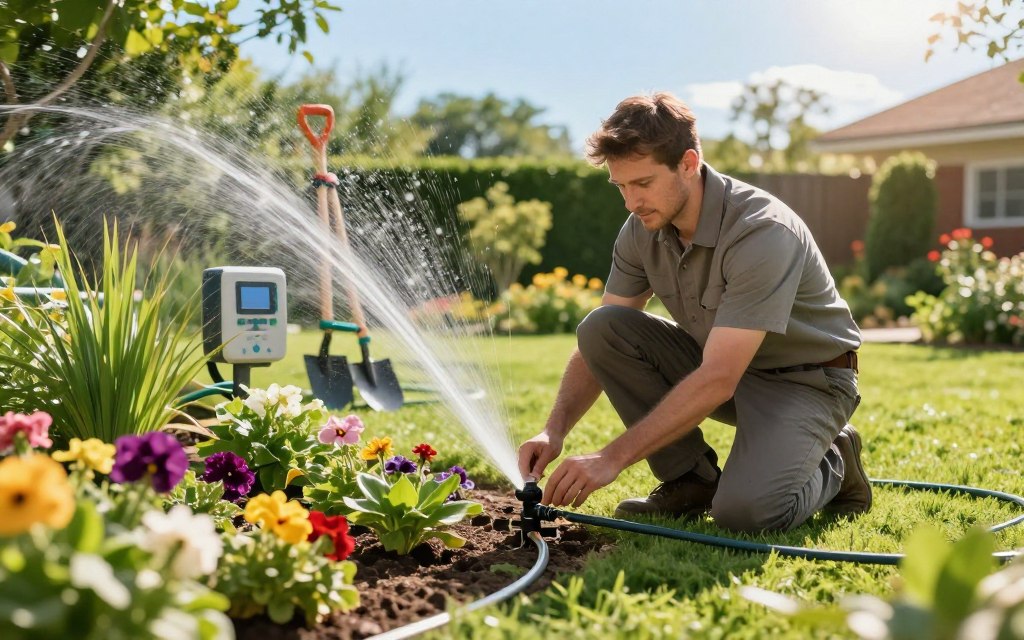
Have you ever wondered how to keep your garden thriving while using less water? The answer lies in efficient lawn irrigation services. Many homeowners overlook the importance of a well-designed system, which can conserve resources and maintain lush landscapes.
In Houston, Texas, a properly engineered sprinkler system is essential for ensuring that your plants receive the right amount of hydration. With over 20 years of experience, Houston Landscape Pros offers professional installation that considers the unique needs of your property. Their licensed irrigators specialize in creating solutions that balance efficiency and effectiveness.
By transitioning from traditional sprinklers to advanced drip lines, you can significantly reduce water usage. This method delivers water directly to the roots, ensuring that every drop counts. Curious about how to optimize your watering methods? Discover more about effective watering techniques here.
Key Takeaways
Efficient irrigation systems conserve water while keeping landscapes healthy.
Professional installation is crucial for tailored solutions.
Drip lines can significantly reduce water waste.
Experienced technicians ensure optimal system performance.
Upgrading to advanced systems can enhance property value.
Overview of Efficient Irrigation Solutions
How can you adapt your watering practices to meet the needs of your garden? Modern irrigation needs require a sophisticated approach. This ensures that every landscape receives the optimal amount of water throughout the changing seasons.
Since 2007, professional irrigation options have evolved to prioritize eco-friendly practices. These methods help keep gardens vibrant and healthy all year round. Traditional sprinkler systems often waste water by spraying over sidewalks or driveways. In contrast, modern drip solutions deliver water directly to the root zone, minimizing evaporation.
Understanding the differences between these systems is crucial. A drip irrigation system is particularly effective in areas where water is scarce or costly. Efficient watering solutions also prevent the common mistake of treating landscape beds, trees, and grass areas with the same irrigation station.
Benefits of Converting Sprinklers to Drip Lines
Transforming your watering methods can lead to a more sustainable garden. One of the most significant advantages of switching to a drip system is water conservation. Drip irrigation delivers water directly to the roots, minimizing evaporation and ensuring that every drop is used efficiently.
Moreover, using a drip system can lead to cost savings. Homeowners can lower their utility bills by preventing overwatering, which often occurs with traditional sprinklers. The MP Rotator nozzle is an excellent example of a cost-efficient option that maintains a consistent water rate, reducing waste.
By directly watering the roots, this method also enhances plant health. It helps prevent diseases that can arise from wet foliage, particularly in the evening. This targeted approach ensures that plants receive exactly what they need without excess moisture.
Feature
Drip Irrigation
Traditional Sprinkler System
Water Efficiency
High
Moderate
Cost Savings
Significant
Low
Plant Health
Improved
Variable
Overwatering Risk
Low
High
To learn more about effective watering practices, check out this resource on converting your sprinkler to drip irrigation. Additionally, understanding when to water your garden can further enhance your watering strategy; find more information here.
Professional Lawn Irrigation Services for Modern Yards
Are you looking for ways to enhance your outdoor space with professional expertise? Choosing expert installation for your watering system can make a significant difference. Quality work ensures that your system operates efficiently and effectively.
Utilizing commercial-grade components is essential. These parts last longer and perform better than those found in typical retail stores. Although a quote may be slightly higher, the long-term savings in water usage and repairs offer superior value.
Many contractors cut corners during installation. They might use larger pipes to avoid calculating the correct water pressure. An expert service provider will ensure that different areas of your yard are set up with separate stations, accommodating their unique needs.
High-quality work by licensed professionals guarantees reliable operation for over ten years. This investment in quality pays off in the long run.
Creating a tailored irrigation system can significantly enhance your garden’s health. This process begins with a thorough site assessment to understand the unique needs of your yard. A custom layout ensures that every component is strategically placed to cover only the intended green areas.
A detailed design should consider the specific requirements of your grass, trees, and plants. This approach avoids the waste caused by spraying sidewalks or driveways. Strategic zone placement allows for customized watering, ensuring flowers receive more water than the surrounding areas.
Professional installation services include a comprehensive assessment to comply with local regulations. For instance, Texas law prohibits using pop-up heads in areas less than 48 inches wide bordered by concrete. By mapping out your yard beforehand, you can also plan for future additions like pools or patios without disrupting your watering system.
Installation Techniques and Long-Term Repair Solutions
What steps can you take to ensure your watering system remains efficient and effective over time? Quality installation and maintenance are crucial for preventing common issues.
Using high-quality, commercial-grade parts is essential. These components help avoid problems like cracked pipes or leaking valves. Proper installation can significantly reduce the need for repairs down the line.
Scheduled maintenance is vital. This includes winterizing the system to prevent damage from freezing temperatures. Technicians should shut off valves, turn off timers, and drain water to protect your property.
Expert technicians will revisit homes one week after installation. They inspect nozzles and ensure that sprinkler heads are properly positioned. If any heads shift due to loose soil, maintenance teams will make necessary adjustments.
Feature
Expert Installation
Standard Installation
Component Quality
Commercial-grade
Retail-grade
Longevity
10+ years
5 years
Water Efficiency
High
Moderate
Maintenance Frequency
Regular
Infrequent
Smart Watering Technologies and Controller Options
Discover how smart controllers can revolutionize your watering practices. These innovative devices, such as the Rachio, allow homeowners to set their watering schedules and forget about them. This is particularly useful in regions like Houston, where January requires 36% less water than June, highlighting the importance of seasonal programming.
Homeowners can program their system for the entire year, eliminating the need for manual adjustments.
Wi-Fi enabled controllers provide remote access, allowing you to manage your sprinkler system from anywhere using a smartphone or tablet.
By automatically adjusting to local weather data, these controllers save money on water bills and prevent common issues related to over-watering during rainy periods.
Programming your system to deliver the right amount of water based on the season is essential for maintaining a healthy garden without constant manual intervention.
Advanced controllers can integrate with rain sensors to suspend irrigation during storms, optimizing the efficiency of your entire watering system.
Feature
Smart Controller
Traditional Controller
Remote Access
Yes
No
Seasonal Programming
Automatic
Manual
Weather Adjustment
Yes
No
Cost Savings
High
Low
Transitioning from Sprinklers to Drip Lines: What to Expect
Transitioning to a more efficient watering method can significantly improve your garden’s health. The process of converting from a traditional sprinkler system to drip lines involves several steps. First, existing zones are modified to target specific landscaping beds.
During this conversion, technicians typically replace standard sprinkler heads with drip emitters. These emitters deliver water directly to the soil surface, minimizing waste. This method also helps prevent damage caused by water hitting fences or concrete.
To ensure optimal performance, a dedicated valve for the drip zone is installed. This allows your flowers and shrubs to receive the precise amount of water they need at the right time. While installing drip lines may require more labor than standard sprinkler installation, the long-term benefits for your landscaping are significant and measurable.
Service Areas and Tailored Solutions in the United States
Understanding the unique needs of your property can enhance your landscape experience. Southwest Irrigation Systems has been serving the greater Houston area for over 35 years. Our expertise spans residential, commercial, and HOA common areas.
We provide a wide range of tailored solutions to meet every customer’s needs. From single-family homes to large commercial sites, our team ensures that your watering system is efficient and effective.
Our services include:
Drainage maintenance to prevent water accumulation.
Sprinkler repair to fix any issues promptly.
New system installation tailored to your property.
Every job is handled by licensed professionals who offer transparent quotes. This way, you know the costs of repairs or installations upfront. Our team specializes in caring for plants, valves, and sprinkler heads, ensuring your landscape thrives year-round.
Whether you need a quick repair for a broken valve or a full-scale drainage overhaul, we are dedicated to providing the best service experience possible.
Service Type
Description
Benefits
Drainage Maintenance
Preventing water accumulation
Protects your landscape from damage
Sprinkler Repair
Fixing broken components
Ensures efficient watering
System Installation
New irrigation systems
Customized for your property
Conclusion
Investing in efficient watering solutions can significantly enhance the vitality of your outdoor space. Transitioning to a more effective system not only conserves water but also protects your landscape for years to come.
By upgrading your sprinkler heads and integrating drip lines, you ensure that your plants receive the precise hydration they need to thrive. Professional repair and irrigation maintenance services keep your system running smoothly, helping you avoid costly emergency repairs.
Whether managing a home or a larger property, modernizing your watering technology is the most effective way to meet your landscape needs. Contacting an expert for your next sprinkler installation or system repair provides peace of mind that your yard is in good hands.
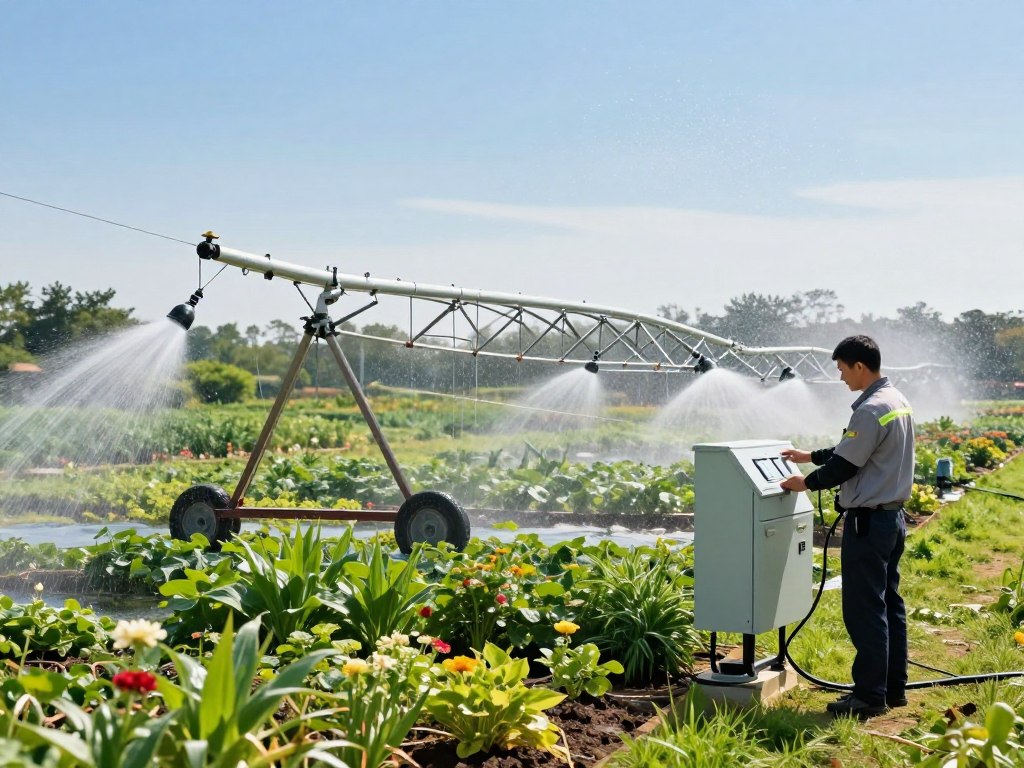
Are you pouring money into your property while watching your profits evaporate with every drop of wasted water? Managing a large outdoor space requires a deep understanding of how plants and soil interact. Proper moisture management is the primary key to ecological conservation. To keep your turf healthy, you need a precise strategy that delivers moisture without excess. Modern commercial irrigation services use advanced technology to balance plant health with cost efficiency. This professional approach ensures your landscape thrives while significantly reducing your utility bills.
This optimized system protects your landscaping investment and boosts your curb appeal for years. Strategic design and professional implementation are vital for achieving long-term success. A well-tuned system saves valuable resources and keeps your greenery vibrant throughout the season.
This guide walks you through the essential steps to refine your system. You will learn how professional methods create a sustainable and lush environment. We will cover maintenance strategies and advanced technology needed for peak performance.
Key Takeaways
Optimize moisture levels to promote long-term plant health.
Reduce monthly utility costs through improved efficiency.
Use smart technology for precise watering schedules.
Protect your landscaping investment from drought and overwatering.
Enhance property aesthetics and overall curb appeal.
Balance ecological needs with professional system design.
Why Commercial Irrigation System Optimization Matters
Maximizing the performance of your watering system is crucial for long-term financial success. Modern facilities require precise management to keep plants healthy throughout every season. A strategic approach ensures that every drop serves a specific purpose for your grounds.
Protecting Your Landscaping Investment
Commercial properties represent a major financial investment in trees, turf, and shrubs. Without a reliable system, harsh drought conditions can quickly destroy these expensive assets. Optimization ensures consistent delivery to prevent environmental stress from killing your valuable landscape.
Consistent moisture levels safeguard your initial investment against unpredictable weather patterns. Proper timing and coverage help plants develop deep roots that survive seasonal transitions. This protection maintains the structural integrity of your outdoor spaces year-round.
Water Efficiency and Cost Reduction
High efficiency directly lowers monthly utility bills by stopping waste and overwatering. Smart technology adjusts schedules based on real-time water needs and local weather data. These professional services help the system pay for itself through significant operational savings.
Enhanced Property Value and Visual Appeal
A lush, green property creates a strong first impression for every client and visitor. This natural beauty boosts your brand image and increases the overall marketability of the real estate. Maintaining a vibrant exterior proves that you care about quality and detail.
Healthy greenery protects your long-term capital investment while attracting high-quality tenants. A well-maintained site stands out in competitive markets and supports higher rental rates. Superior irrigation
keeps your property looking professional and inviting during the hottest months.
Feature
Standard System
Optimized System
Water Usage
High Waste
Maximum Efficiency
Plant Health
Inconsistent
Thriving & Robust
Operational Cost
Unpredictable
Lower Expenses
First Impression
Variable
Always Professional
Understanding the Plant-Soil-Water Connection
Proper hydration for commercial greenery depends on the delicate balance between soil composition and moisture delivery. Effective irrigation management requires understanding how biological variables influence the life cycle of your greenery.
The Role of Water in Plant Health
Water acts as the primary transport mechanism for vital nutrients. It enables photosynthesis and cell growth, which are essential for overall plant vitality and a healthy commercial landscape.
Every plant has specific needs based on its root structure and native environment. Customizing your approach ensures that different species receive the exact support they need to thrive.
Preventing Over-Watering and Under-Watering Issues
Under-watering leads to stunted growth, wilting, and reduced flowering. This neglect eventually compromises your investment and the aesthetic appeal of the property.
Conversely, over-watering can cause root rot and oxygen deprivation in the soil. These issues lead to fungal diseases and nutrient leaching that damage the root systems.
Soil type also determines how you should manage your irrigation. The table below highlights how different soils interact with moisture.
Soil Category
Water Retention
Drainage Level
Application Strategy
Sandy
Minimal
High
Short, frequent cycles
Loamy
Balanced
Moderate
Standard intervals
Clay
Maximum
Low
Deep, slow sessions
Sustainable Water Management Solutions
Modern solutions focus on precision and conservation to balance property needs with environmental goals. By using soil moisture sensors and weather-based schedules, you can optimize your watering habits.
These strategies ensure each plant receives exactly what it needs for a thriving irrigation system. Informed decisions about timing and frequency will result in a more resilient and beautiful environment.
Key Components of an Optimized Irrigation System
A modern irrigation system consists of integrated technology designed to maximize water efficiency. Thoughtfully designed irrigation systems include reliable hardware that functions only when needed. These tools maximize coverage without wasting water.
Advanced irrigation systems can be customized to suit specific property needs. This ensures that every plant receives the right amount of hydration at the right time.
Smart Controllers, Timers, and Rainfall Sensors
Smart controllers act as the brain of the whole system. They use weather data and soil moisture readings to adjust watering schedules automatically.
Timers allow for precise scheduling during the early morning or late evening. This reduces evaporation and helps water reach deep roots. A rainfall sensor will pause the sprinkler system during storms to prevent waste.
Sprinkler Heads and Coverage Patterns
Different landscape zones require specific head types for maximum efficiency. A rotary sprinkler works well for wide areas, while spray sprinkler models handle smaller zones. Drip emitters provide targeted water for individual plants.
Proper sprinkler heads placement is vital for uniform distribution. This eliminates dry spots and ensures complete coverage across the property. A high-quality sprinkler system ensures every inch of the landscape thrives.
Backflow Prevention and System Zoning
A backflow assembly is a critical safety component for any property. It stops contaminated water from entering the clean public supply. These backflow devices are often required by local law to protect health.
Zoning groups plants together based on their specific water needs. This creates a more efficient setup for the entire system. A certified backflow unit keeps your water source safe while maintaining total coverage.
Irrigation Pumps and Water Delivery Systems
An irrigation pump provides steady pressure throughout the network. This keeps the sprinkler system running effectively, even across long distances or hills. Proper irrigation management leads to a much healthier landscape.
The system keeps the water flow steady to every zone. An optimized sprinkler system prevents pressure drops that cause dry patches. You should check each sprinkler regularly for the best results.
Component Type
Primary Function
Core Benefit
Smart Controller
Automates timing
Water Savings
Sprinkler Head
Distributes water
Uniform Coverage
Backflow Device
Protects supply
Public Safety
Irrigation Pump
Regulates pressure
Consistency
Using a professional sprinkler ensures that all parts work together perfectly. Proper installation of a modern sprinkler system will lower your utility costs over time.
Investing in specialized support guarantees that your system runs efficiently every day. Working with an expert local team ensures your property receives the care it needs. These services focus on the vital link between soil and plant health.
Professional services fully assess sites before making any recommendations. This thorough approach identifies hidden leaks and pressure issues that waste money. It also protects your landscape from long-term damage.
Comprehensive System Assessment and Evaluation
A full evaluation covers existing infrastructure and water pressure measurements. Professionals identify inefficiencies and pressure imbalances across your landscape. They also check sun exposure and drainage patterns for better solutions.
Teams analyze soil composition and microclimates across the property. This data helps develop accurate water profiles for different landscape zones. They identify outdated components and coverage gaps to improve performance.
Custom Design Solutions for Your Property
Custom design solutions must match your unique landscape needs. The expert design installation process accounts for slope gradients and soil types. This specific design ensures water reaches every plant efficiently.
Effective design also considers plant maturity and local climate conditions. A well-planned design saves money over time by reducing runoff. Every landscape layer receives exactly the right amount of moisture through smart design.
Expert Installation and System Upgrades
Modern installation includes smart controllers and moisture sensors. A skilled team provides installation that reduces water waste. These services use expert design and installation to modernize old systems effectively.
Proper installation ensures correct pipe sizing and water distribution. Strategically placed heads provide maximum coverage through professional installation. Modernizing your system with a new installation significantly cuts down monthly water costs.
Strategic care plans ensure that your irrigation hardware remains efficient and durable throughout every season. Professional oversight helps you avoid water waste and keeps your greenery vibrant. High-performing systems require a dedicated approach to ongoing maintenance and timely adjustments to the irrigation system.
Routine Monitoring and Recalibration
Routine monitoring involves regular inspections to find developing problems before they cause landscape damage. These checks identify common issues like leaks, clogged heads, or controller malfunctions. By catching these early, you prevent significant water waste on your property.
Recalibration processes then adjust watering schedules based on changing weather patterns and plant growth stages. This ensures the system provides the exact amount of water needed for the season. These proactive system adjustments maintain optimal efficiency year-round.
Seasonal Startup and Winterization Procedures
A seasonal startup in the spring includes system pressurization and a full inspection of all hardware. Technicians test each zone and adjust sprinkler heads to meet growing season needs. This step sets the foundation for a healthy landscape as temperatures rise.
In cold climates, professional winterization is essential to prevent freeze damage during dormant periods. This irrigation service uses compressed air to blow out all water from pipes and components. Proper winterization protects your investment from costly underground pipe bursts.
Preventive Maintenance vs. Reactive Repairs
A preventative maintenance approach involves scheduled visits to clean filters and test backflow devices. Technicians update controller settings and replace worn components before they fail. This proactive strategy reduces total costs and extends the irrigation system’s lifespan.
Contrast this with reactive repairs that only address emergencies or complete breakdowns. While reactive work fixes a current failure, it often leads to higher expenses and unexpected downtime. Investing in upgrades and regular care keeps your infrastructure running smoothly without sudden interruptions.
Common System Issues and Professional Solutions
Commercial properties often face issues like broken sprinkler heads, valve failures, or pressure irregularities. Professional irrigation service providers routinely diagnose these problems to restore proper coverage. Quick repairs to an irrigation system prevent brown spots and soil erosion.
Specialized knowledge is necessary for complex systems problems like mainline breaks or pump failures. Professional solutions ensure that all upgrades and fixes meet local safety codes. Consistent maintenance strategies protect your landscape and ensure reliable long-term performance for all your irrigation systems.
Conclusion
A well-maintained lawn creates an inviting outdoor space for your visitors. Your commercial irrigation system is an investment that significantly boosts lawn health and beauty for years. Professional service teams collaborate with owners to find solutions for their unique properties.
Optimizing your setup improves efficiency and lowers monthly water costs significantly. It protects the landscape and maintains the home-like curb appeal of your business. Now is the ideal time to request a professional assessment of your properties.
Taking action now provides reliable performance for many years to come. Request a quote to start your irrigation project and see the difference at your home. Your lawn and home will thrive with expert service that attracts customers. It is time to get a quote.
What if the grass near your office suddenly became a legal risk? As the 2027 deadline nears, many owners seek lawn irrigation services to change their sites. This shift is not just a trend but a legal requirement for Southern Nevada.
Under Assembly Bill 1572, watering most grass on public and commercial sites will be banned. This law starts in January 2027 and targets nonfunctional turf. The move helps save vital water in our dry desert climate.
Upgrading now helps you avoid fines and keeps your land looking great. Using professional irrigation solutions today makes the change easy and fast. Do not wait until the last minute to fix your property.
Key Takeaways
Assembly Bill 1572 bans watering nonfunctional grass starting January 2027.
The ban applies specifically to public and commercial properties in Las Vegas.
Early upgrades help property owners avoid heavy fines and water waste.
Converting to water-efficient systems protects the local desert environment.
New irrigation technology reduces monthly utility costs significantly.
Planning now ensures you find the best contractors before the rush.
Understanding the 2027 Las Vegas Turf Ban and What It Means for Homeowners
The 2027 Las Vegas turf ban, mandated by the state Legislature in 2021, is set to transform the landscape of Southern Nevada. This legislation bans watering all decorative “nonfunctional” grass along streets, on medians, at homeowners associations, apartment complexes, businesses, and other properties starting in 2027.
The Southern Nevada Water Authority’s Regulations Explained
The Southern Nevada Water Authority (SNWA) is responsible for implementing and enforcing the turf ban. The SNWA has outlined specific regulations to help homeowners and businesses comply with the new law. These regulations include guidelines on what constitutes “nonfunctional” turf and the procedures for removing or replacing it.
According to the SNWA, nonfunctional turf refers to grass areas that are not used for recreational purposes or other functional uses. This includes grass medians, decorative grass areas, and other non-functional landscaping.
Which Properties and Turf Areas Are Affected by the Ban
The 2027 turf ban will affect a wide range of properties, including residential homes, commercial businesses, and public spaces. Homeowners associations, apartment complexes, and businesses with nonfunctional turf will need to comply with the new regulations.
Remove or replace nonfunctional turf with approved alternatives
Commercial Businesses
Grass medians, decorative grass areas
Remove or replace nonfunctional turf with approved alternatives
Public Spaces
Grass medians, decorative grass areas
Remove or replace nonfunctional turf with approved alternatives
Implementation Timeline and Enforcement Procedures
The SNWA has established a clear timeline for implementing the turf ban. Homeowners and businesses will be required to comply with the new regulations by 2027. The SNWA will conduct regular inspections to ensure compliance, and penalties will be imposed on those who fail to comply.
To help homeowners and businesses prepare, the SNWA will provide educational resources and support throughout the implementation process.
Why Waiting Until 2027 Could Cost You Significantly More
With the 2027 deadline for turf replacement looming, Las Vegas residents must weigh the costs of waiting versus acting now. The decision to upgrade irrigation systems before the ban comes into effect can have significant financial implications.
As the deadline draws near, several factors are likely to drive up the costs for homeowners who delay their irrigation system upgrades. Understanding these factors is crucial for making an informed decision.
Anticipated Surge in Demand for Professional Irrigation Solutions
The approaching deadline is expected to create a surge in demand for professional irrigation services. This increased demand could lead to higher prices for both materials and labor as contractors face the challenge of meeting the needs of a large number of clients within a short timeframe.
Expert sprinkler installation services will be in high demand, and homeowners who wait until the last minute may find themselves facing higher costs due to the scarcity of available professionals.
Contractor Availability and Scheduling Challenges Near the Deadline
As the 2027 deadline approaches, contractor availability is likely to become a significant issue. Homeowners who delay may find it challenging to schedule installations or repairs, leading to further delays and increased costs.
To avoid these challenges, it’s advisable to secure the services of a professional irrigation contractor well in advance to ensure timely completion of the project.
Current Water Smart Rebate Programs May Be Reduced or Eliminated
Currently, the Southern Nevada Water Authority offers various rebate programs to encourage water conservation. However, these programs are subject to change, and it’s possible that they may be reduced or eliminated as the 2027 deadline approaches.
Homeowners who upgrade their irrigation systems early can take advantage of the current rebate programs, potentially saving thousands of dollars on their projects. For instance, upgrading to a smart irrigation controller or installing drought-tolerant landscaping can qualify for significant rebates under the current Water Smart Landscapes Rebate Program.
By taking proactive steps now, homeowners can not only avoid the potential increased costs associated with last-minute upgrades but also contribute to the overall water conservation efforts in Las Vegas.
Assessing Your Current Landscape Watering Systems and Water Usage
The first step towards compliance is assessing your current landscape watering systems and water usage. This assessment will help you understand your current situation and identify areas for improvement.
Identifying Non-Compliant Turf Areas on Your Property
Start by inspecting your property to identify any turf areas that may not comply with the new regulations. Look for areas with grass or other water-intensive landscaping that may need to be replaced or modified.
Check for any areas with turf that are not being used for recreational purposes, as these may be prime candidates for conversion to more water-efficient landscaping.
Evaluating the Condition of Your Existing Irrigation Infrastructure
Assess the condition and age of your irrigation system components, including controllers, valves, and sprinkler heads. Older systems may be less efficient and more prone to leaks or other issues.
Check for any signs of wear or damage on the irrigation system components and consider replacing them if necessary.
Calculating Your Current Water Consumption and Monthly Costs
Review your past water bills to determine your current water consumption and monthly costs. This information will help you understand the potential savings of upgrading to a more water-efficient irrigation system.
Water Consumption (Gallons)
Monthly Cost
Annual Cost
100,000
$50
$600
80,000
$40
$480
60,000
$30
$360
Since 2002, southern Nevada’s use of Colorado River water has decreased by about 26%, even as the area’s population has rapidly grown. This demonstrates the effectiveness of water conservation efforts and the potential for further reductions in water usage through the adoption of water-efficient irrigation systems.
Water-Efficient Irrigation Alternatives to Replace Traditional Grass Lawns
As Las Vegas homeowners prepare for the 2027 turf ban, exploring water-efficient irrigation alternatives to traditional grass lawns becomes increasingly important. The Southern Nevada Water Authority’s regulations are driving a shift towards more sustainable landscaping options. Homeowners are now seeking innovative solutions that not only comply with the ban but also reduce their water consumption and maintenance costs.
The “cash for grass” program has become a model for cities across the West, incentivizing homeowners to replace their traditional lawns with water-efficient alternatives. This program, along with the impending turf ban, is prompting Las Vegas residents to rethink their landscape watering systems and irrigation maintenance services.
Xeriscaping with Desert-Adapted Plants and Hardscaping
Xeriscaping is a popular choice for Las Vegas homeowners looking to reduce their water usage. This landscaping method involves using desert-adapted plants, efficient irrigation systems, and hardscaping to create beautiful, low-maintenance outdoor spaces. By incorporating drought-tolerant plants and minimizing water-intensive grass areas, homeowners can significantly reduce their water consumption.
Xeriscaping also offers the opportunity to enhance the aesthetic appeal of a property. Desert-adapted plants come in a variety of shapes, sizes, and colors, allowing homeowners to create unique and visually appealing landscapes. Additionally, incorporating hardscaping elements such as rock, gravel, and decorative stone can add texture and interest to the landscape.
Artificial Turf Options with Cooling and Drainage Technology
Artificial turf is another water-efficient alternative to traditional grass lawns. Modern artificial turf options come equipped with advanced cooling and drainage technology, making them more comfortable and functional than ever before. These systems are designed to mimic the look and feel of natural grass while eliminating the need for watering, mowing, and other maintenance tasks.
Artificial turf is particularly well-suited for high-traffic areas and can be used in a variety of applications, from residential lawns to commercial landscapes. By choosing artificial turf, homeowners can enjoy a lush, green lawn year-round without the associated water costs and maintenance responsibilities.
Drought-Tolerant Ground Covers, Ornamental Grasses, and Native Species
Drought-tolerant ground covers, ornamental grasses, and native species offer a range of options for homeowners looking to create water-efficient landscapes. These plants are adapted to the local climate and soil conditions, requiring less water and maintenance than traditional grass lawns.
By incorporating a mix of drought-tolerant plants into their landscapes, homeowners can create diverse and resilient ecosystems that thrive in the Las Vegas climate. These plants can be used in a variety of ways, from ground covers and borders to accent plants and focal points.
Modern Automated Watering Systems Designed for the Las Vegas Climate
With the 2027 turf ban approaching, Las Vegas residents are seeking advanced automated irrigation systems tailored to the local climate. The city’s arid conditions demand innovative solutions that conserve water while maintaining landscape health and aesthetics.
Las Vegas has been proactive in addressing water conservation, factoring climate change into its water plans and implementing measures to reduce water consumption. One effective strategy is the adoption of modern automated watering systems.
Smart Irrigation Controllers with Weather-Based Scheduling
Smart irrigation controllers are revolutionizing the way homeowners manage their irrigation systems. These controllers adjust watering schedules based on real-time weather data, soil moisture levels, and plant water requirements. By using weather-based scheduling, homeowners can significantly reduce water waste and ensure their landscapes receive the right amount of moisture.
Drip Irrigation Systems for Precision Plant Watering
Drip irrigation systems deliver water directly to the roots of plants, minimizing evaporation and runoff. This precision watering method is particularly effective in the Las Vegas climate, where water conservation is crucial. Drip irrigation can be used for both ornamental landscapes and edible gardens.
High-Efficiency Rotating Nozzles and Low-Volume Sprinkler Heads
High-efficiency rotating nozzles and low-volume sprinkler heads are designed to provide uniform water distribution while using significantly less water than traditional sprinkler systems. These components are essential for creating a water-efficient irrigation system in Las Vegas.
Soil Moisture Sensors and Rain Shut-Off Devices
Soil moisture sensors monitor the moisture levels in the soil, allowing the irrigation system to adjust its watering schedule accordingly. Rain shut-off devices prevent the irrigation system from operating during rainfall, further reducing water waste. These technologies can be integrated into existing irrigation systems to enhance their efficiency.
The following table compares the key features of different irrigation technologies:
Irrigation Technology
Water Efficiency
Cost
Ease of Installation
Smart Irrigation Controllers
High
Moderate to High
Moderate
Drip Irrigation Systems
Very High
Moderate
Moderate to High
High-Efficiency Rotating Nozzles
High
Low to Moderate
Easy
Soil Moisture Sensors
High
Moderate
Moderate
By incorporating these modern automated watering systems, Las Vegas homeowners can create landscapes that are not only beautiful but also water-efficient and resilient to the local climate conditions.
How to Choose the Right Lawn Irrigation Services Provider in Las Vegas
With the impending turf ban, selecting the right professional irrigation solutions provider is crucial for Las Vegas residents. The area’s water authorities have targeted reductions in outdoor watering because that’s where most of the water is used. As a result, homeowners must now prioritize finding a reputable provider of lawn irrigation services to comply with the upcoming regulations.
When searching for a reliable lawn irrigation services provider, several key factors should be considered to ensure a successful partnership.
Verify Nevada Contractor Licensing and Irrigation Certifications
First and foremost, it is essential to verify that the lawn irrigation services provider is properly licensed and certified to operate in Nevada. This includes checking for a valid contractor’s license and irrigation-specific certifications. These credentials demonstrate that the provider has the necessary expertise and knowledge to design and install compliant irrigation systems.
Experience with Water-Efficient Irrigation Design and Installation
Experience is a critical factor when choosing a lawn irrigation services provider. Look for companies with a proven track record in designing and installing water-efficient irrigation systems that meet the Southern Nevada Water Authority’s regulations. A provider with extensive experience will be better equipped to assess your property’s specific needs and recommend the most effective solutions.
Comprehensive Warranty Coverage and Irrigation Maintenance Services
A reliable lawn irrigation services provider should offer comprehensive warranty coverage for their work and provide ongoing irrigation maintenance services. This ensures that your irrigation system remains in good working condition and that any issues are addressed promptly.
Local Reputation, References, and Online Customer Reviews
Finally, consider the provider’s local reputation by asking for references and checking online customer reviews. A reputable lawn irrigation services provider will have a strong track record of satisfied customers and be willing to provide references upon request. This information will help you make an informed decision when selecting a provider for your professional irrigation solutions needs.
Step-by-Step Process for Upgrading Your Irrigation System Before 2027
Homeowners in Las Vegas must prepare for the 2027 turf ban by upgrading their irrigation systems efficiently. The process involves several key steps that ensure a smooth transition to a more water-efficient landscape.
Step 1: Schedule a Comprehensive Property and Irrigation Assessment
The first step in upgrading your irrigation system is to have a professional assess your property and current irrigation setup. This assessment will identify areas of inefficiency and opportunities for improvement.
Step 2: Work with Designers to Create a Custom Water-Efficient Plan
Following the assessment, work with irrigation designers to create a custom plan that incorporates water-efficient technologies and strategies tailored to your property’s specific needs.
Step 3: Remove Non-Functional Turf and Prepare Your Landscape
Removing non-functional turf and preparing your landscape for the new irrigation system is crucial. This step may involve re-landscaping with drought-tolerant plants or hardscaping.
Step 4: Complete Expert Sprinkler Installation and System Integration
With your landscape prepared, the next step is the installation of a new sprinkler system. Ensure that the installation is done by experts who can integrate the system with smart irrigation controllers and other water-saving technologies.
Step 5: Conduct System Testing, Adjustments, and Controller Programming
After installation, conduct thorough testing of the irrigation system to ensure it operates efficiently. Adjustments may be necessary to optimize performance. Additionally, programming the irrigation controller to adjust watering schedules based on weather conditions is essential for maximizing water efficiency.
By following these steps, homeowners can ensure a successful upgrade to their irrigation system, complying with the upcoming regulations while also reducing their water consumption and costs.
Budgeting for Your Professional Irrigation System Upgrade
Budgeting for a professional irrigation system upgrade is essential for Las Vegas homeowners to comply with the upcoming 2027 turf ban. As the deadline approaches, understanding the financial aspects of upgrading your irrigation system becomes increasingly important.
The cost of upgrading your irrigation system can vary widely depending on several factors, including the type of system you choose and the complexity of the installation.
Average Cost Ranges for Different Irrigation System Types
Different irrigation system types come with varying price tags. Here’s a breakdown of what you can expect to pay for different systems:
Irrigation System Type
Average Cost Range
Key Features
Smart Irrigation Controllers
$1,000 – $3,000
Weather-based scheduling, moisture sensors
Drip Irrigation Systems
$2,000 – $5,000
Precision watering, reduced evaporation
High-Efficiency Rotating Nozzles
$500 – $1,500
Uniform water distribution, reduced runoff
Key Factors That Influence Total Installation Pricing
Several factors can influence the total cost of your irrigation system upgrade, including the size of your property, the complexity of the design, and the type of materials used.
A professional lawn irrigation company will assess your property and provide a detailed quote that takes these factors into account.
Projected Long-Term Water Bill Savings and ROI Timeline
While the initial cost of upgrading your irrigation system may seem significant, the long-term water bill savings can be substantial.
By installing a water-efficient irrigation system, you can expect to see a return on your investment within a few years.
Additionally, rebates and funding are available to help properties prepare for the 2027 turf ban, which can help offset the upfront costs.
It’s essential to work with a reputable irrigation maintenance services provider to ensure that your new system is properly installed and maintained.
Available Rebates and Financial Incentives in Southern Nevada
Upgrading to a water-efficient irrigation system can be more affordable with the available rebates and incentives in Southern Nevada. Homeowners can significantly reduce the upfront costs of professional irrigation solutions by leveraging these programs.
The Southern Nevada Water Authority (SNWA) has been at the forefront of water conservation efforts since it exceeded its Colorado River water allocation in 2002. To encourage efficient water use, SNWA and other local utilities offer various rebate programs.
SNWA Water Smart Landscapes Rebate Program Details and Eligibility
The SNWA Water Smart Landscapes Rebate Program is designed to incentivize homeowners to adopt water-efficient landscape watering systems. Eligible projects include the conversion of turf to water-efficient landscapes, installation of smart irrigation controllers, and other water-saving measures.
To qualify, homeowners must work with a SNWA-approved contractor and meet specific program requirements. The rebate amount varies based on the project’s scope and water-saving potential.
Project Type
Rebate Amount
Eligibility Criteria
Turf Conversion
Up to $2 per square foot
Must convert at least 5,000 square feet of turf
Smart Irrigation Controllers
Up to $200 per device
Must install a weather-based or soil moisture-based controller
Must replace existing sprinkler system with drip irrigation
Additional Local Utility and Municipal Incentive Programs
In addition to the SNWA Water Smart Landscapes Rebate Program, various local utilities and municipalities offer their own incentive programs. These may include rebates for water-efficient appliances, rainwater harvesting systems, and other water-saving technologies.
Homeowners are encouraged to contact their local utility providers to explore available programs and eligibility criteria.
Application Process and Documentation Required to Maximize Your Rebate
To maximize rebates, homeowners must carefully follow the application process and provide required documentation. This typically includes proof of project completion, before-and-after photos, and receipts from approved contractors.
It’s essential to review the program guidelines and work with a knowledgeable contractor to ensure all requirements are met.
Ongoing Irrigation System Repair and Maintenance Requirements
As the 2027 turf ban approaches, homeowners in Las Vegas are not only considering upgrades to their irrigation systems but also learning how to maintain them effectively. With the Southern Nevada Water Authority’s regulations becoming stricter, it’s crucial for homeowners to understand the importance of maintaining their automated watering systems.
Water waste investigators patrolling the streets in blue-and-white cars marked with the words “Don’t waste water: It’s the law” are a reminder of the importance of compliance. Maintaining an efficient irrigation system is key to avoiding fines and ensuring your landscape remains healthy and compliant.
Seasonal System Adjustments for Extreme Las Vegas Weather Conditions
Las Vegas experiences extreme weather conditions, from scorching summers to mild winters. Adjusting your irrigation system according to these seasonal changes is vital. During the summer, your system may need to run more frequently, while in the winter, it may need to be adjusted to prevent overwatering.
For instance, during the hot summer months, your irrigation system should be set to water more frequently but for shorter durations to prevent evaporation and runoff. In contrast, during the cooler months, watering can be less frequent.
Common Equipment Issues and Preventive Maintenance Schedules
Common issues with irrigation systems include clogged nozzles, leaking pipes, and faulty controllers. Regular inspections can help identify these problems early. Homeowners should check their systems at least twice a year, before the peak watering season and after the winter.
Preventive maintenance schedules should include checking for leaks, cleaning or replacing clogged nozzles, and ensuring that the controller is functioning correctly. This proactive approach can significantly reduce water waste and lower utility bills.
When to Contact a Lawn Irrigation Company for Professional Repairs
While some maintenance tasks can be performed by homeowners, certain issues require professional attention. If you notice persistent leaks, uneven watering patterns, or if your system is not turning on, it’s time to contact a lawn irrigation company.
Professional irrigation technicians can diagnose and repair complex problems, ensuring your system operates efficiently and effectively. They can also provide guidance on how to optimize your system’s performance and comply with local water regulations.
Conclusion
Las Vegas has made significant strides in water conservation, and the upcoming 2027 turf ban is a key step toward a more sustainable future. For homeowners, upgrading your irrigation system isn’t just a requirement—it’s an opportunity to save water and reduce your utility bills.
Start by evaluating your current landscape watering setup and exploring water-efficient irrigation alternatives. Modern systems, including smart irrigation controllers and drip irrigation, deliver precise watering, minimize waste, and provide measurable water savings.
Partnering with a trusted local lawn irrigation services provider ensures a smooth upgrade. Professionals can assess your property, recommend the best solutions, handle installation, and help you take advantage of available rebates and incentives to make the transition more affordable.
By acting now, you can beat the rush for professional irrigation services ahead of the 2027 turf ban, ensure compliance with new regulations, and contribute to Las Vegas’s water-conscious future. Upgrade your irrigation system today and make your landscape both efficient and sustainable.