Category: Outdoor Living

How to Design Outdoor Living Spaces on a Budget

Are you ready to transform your backyard into a stunning outdoor living area without breaking the bank? Learning how to design outdoor living spaces on a budget can make your home feel more expansive and inviting. With the right approach, you can create a beautiful retreat filled with blooming flowers and the delightful aroma of backyard barbecues.

As temperatures rise, many homeowners find themselves dreaming of the perfect outdoor setting. Linda Hagen offers 12 insightful tips that can help you achieve this goal. Whether you’re planning to host family gatherings or simply enjoy a quiet evening under the stars, thoughtful design choices are essential.

This guide will explore practical strategies to maximize your space and enhance your property value while staying within your budget. By focusing on your specific needs, you can ensure your outdoor area remains a comfortable haven throughout the seasons.

Key Takeaways

  • Transform your property into a functional extension of your home.
  • Consider specific needs for hosting friends and family.
  • Follow expert tips to create a comfortable outdoor retreat.
  • Plan your backyard as temperatures rise for optimal enjoyment.
  • Maximize your living space without overspending.

Establishing the Purpose and Functionality of Your Outdoor Space

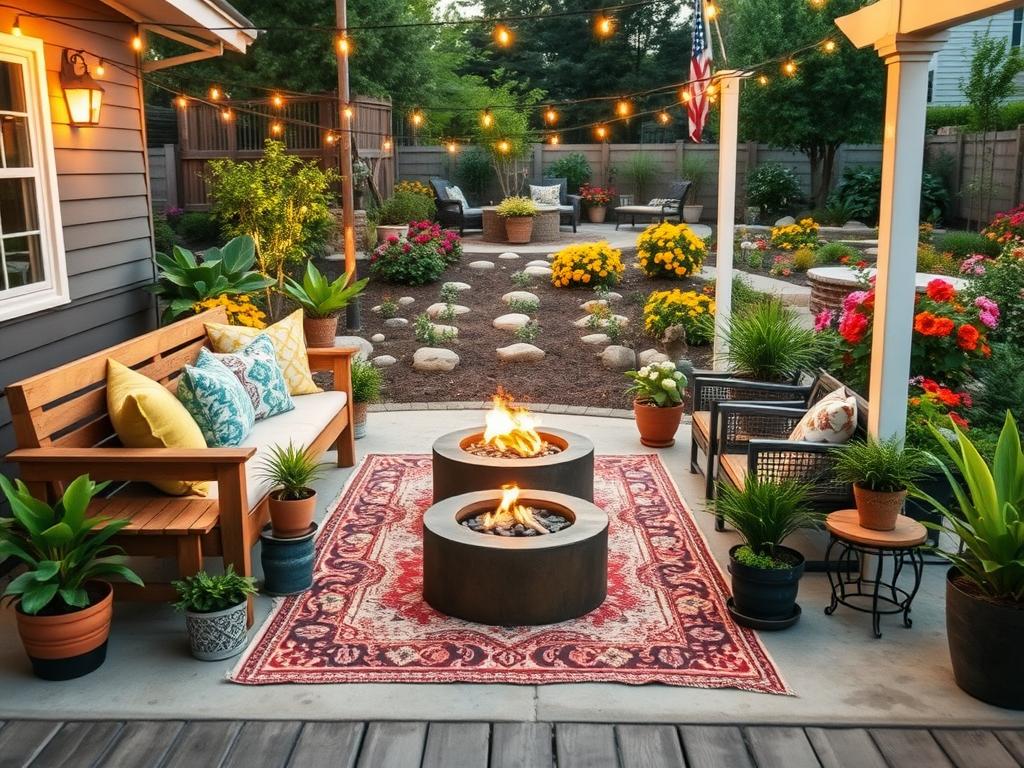
A serene outdoor living space designed for functionality and purpose, featuring a cozy seating area with a rustic wooden table and comfortable cushions, arranged around a small fire pit in the foreground. In the middle ground, lush greenery and flowering plants create an inviting ambiance, while a trellis covered in climbing vines adds architectural interest. In the background, a charming garden path leads to a well-maintained herb patch, enhancing the utility of the space. The scene is illuminated by warm, golden hour lighting, casting soft shadows and evoking a relaxed, welcoming atmosphere. The angle captures the depth of the space, emphasizing the harmony between the seating area and the surrounding flora, inspiring a sense of tranquility and outdoor living bliss.

Imagine crafting a serene retreat in your backyard without spending a fortune. Understanding the role of your outdoor area is crucial. Before you start, consider how you will use this space. Will it be a place for family gatherings or a quiet escape for relaxation?

Identifying the primary function helps shape your layout. If you frequently entertain guests, think about the size and arrangement of seating. Conversely, if you seek tranquility, prioritize comfortable seating and minimize distractions.

Moreover, safety is key. Ensure the area is kid and pet-friendly. A thoughtful approach allows you to balance social and private activities effectively. Your outdoor space can cater to both lively gatherings and peaceful moments.

Consideration Function Key Features
Entertainment Hosting gatherings Spacious seating, dining areas
Relaxation Personal retreat Comfortable seating, minimal distractions
Safety Family-friendly Secure layout, soft surfaces

How to Design Outdoor Living Spaces

Elevate your exterior areas into beautiful retreats that mirror the charm of your interiors. According to designer Shea McGee, it’s essential for your outdoor space to feel as intentional and inviting as your home. This approach creates a seamless flow between your indoor and outdoor environments.

To define your patio or deck, consider incorporating weather-resistant furniture. Layering an indoor-outdoor rug can add warmth and comfort underfoot. This not only enhances the aesthetic but also makes the space more inviting.

Mixing prints and textures in your outdoor pillows can bring depth and interest. Draw inspiration from the natural surroundings to create a cohesive look. For cooler evenings, having outdoor throws handy will ensure you can enjoy your living space comfortably, encouraging more time spent outside.

Choosing durable furniture that combines form and function is crucial. This balance helps maintain a stylish appearance while staying within your budget constraints.

Maximizing Layout and Hardscaping Elements

A beautifully designed outdoor space showcasing smart layout and hardscaping elements. In the foreground, a cozy seating area with stylish furniture cushions, surrounded by a variety of potted plants and flowers. The middle features a stone pathway winding through a lush green lawn, bordered by well-defined garden beds. In the background, wooden pergolas provide shade, and there’s a small water feature, like a fountain or pond, adding tranquility. Soft, golden hour lighting casts a warm glow over the scene, enhancing textures of the stones and greenery. The overall atmosphere feels inviting and serene, perfect for outdoor gatherings. Capture this scene from a slightly elevated angle to highlight the layout and design harmony.

Creating an inviting outdoor area can enhance your home’s appeal without straining your finances. Landscape architect David Pfeiffer emphasizes the importance of treating your outdoor floor plan with the same care as a new house. This thoughtful approach ensures that each space is functional and aesthetically pleasing.

Consider how your outdoor areas connect with the interior. For example, placing your dining patio near the kitchen makes serving meals easier. This logical arrangement fosters a seamless flow between spaces.

Matthew Cunningham advises homeowners to look beyond their property lines. Observing how your site interacts with the surrounding landscape can inspire better design choices. Combining various surfaces, like flagstone or decomposed granite, keeps the ground inviting while providing stability for furniture.

A well-executed layout balances soft greenery with hard surfaces. This creates a cohesive and functional space that caters to your daily needs, enhancing your overall outdoor experience.

Enhancing Ambiance with Lighting, Water, and Fire Features

A serene outdoor living space featuring an inviting ambiance enhanced by soft, warm lighting and tranquil water features. In the foreground, a stylish patio area is adorned with comfortable seating and subtle string lights delicately draped overhead. The middle layer showcases a beautifully designed water fountain, with gentle cascades creating a soothing atmosphere. In the background, lush greenery surrounds the scene, illuminated by soft garden lights that highlight the plants and pathways. The overall mood is cozy and inviting, ideal for relaxation or gatherings. The image should capture a warm evening glow, with a shallow depth of field and a slight bokeh effect on the glowing lights, emphasizing the peaceful ambiance of the outdoor space.

Create an enchanting atmosphere in your outdoor area that enhances both comfort and style. Incorporating the right elements can significantly improve your outdoor experience. Lighting, water, and fire features play crucial roles in setting the mood.

Illuminating pathways and seating areas is essential for safety and aesthetics. Proper lighting not only guides guests but also adds charm to your space. Decorative fixtures can brighten steps and create a welcoming environment.

Illuminating Pathways and Seating Areas

Adding lighting to outdoor cooking areas allows for meal prep at any time of day or evening. This practicality extends your entertaining options, making your space more functional.

Incorporating Water Elements for Relaxation

Water features, even simple ones like a trickle, enhance relaxation. Kelley Weston notes that the sight and sound of flowing water can lower blood pressure, making your outdoor area a peaceful retreat.

  • Creating a fire pit or fireplace extends your entertaining season, providing warmth and a focal point.
  • Up-lighting trees or fencing adds visual interest, making your space feel larger after sunset.
  • Incorporating fire and water elements allows year-round enjoyment, regardless of the time of day or season.

Integrating Lush Greenery and Outdoor Structures

A tranquil outdoor living space featuring a harmonious blend of lush greenery and elegant outdoor structures. In the foreground, a cozy wooden patio set with comfortable cushions, surrounded by blooming flower beds and trailing vines. The middle ground showcases a charming pergola draped with cascading ivy and wisteria, providing shade and structure. Several potted plants line the path leading to the pergola, while soft lighting filters through the leaves, creating dappled sunlight patterns on the ground. In the background, a gentle garden backdrop with tall evergreen trees and a clear blue sky enhances the serene atmosphere. The scene is captured from a slightly elevated angle to emphasize the integration of nature and architecture, evoking a sense of peace and inviting relaxation in an outdoor oasis.

Creating a vibrant and inviting outdoor area can elevate your home’s appeal while providing comfort. One effective way to achieve this is by incorporating lush greenery and well-thought-out structures. These elements not only enhance aesthetics but also contribute to the functionality of your space.

Designer Shirley Watts suggests choosing low-maintenance plants, such as boxwoods and agaves, which grow approximately 4 inches a year. This selection ensures year-round beauty without excessive upkeep. Adding a pergola or gazebo offers essential shade, transforming your yard into a comfortable retreat during hot days.

Moreover, vertical gardens and green walls can serve as attractive privacy solutions. They keep the overhead area open while providing a natural barrier. When planning your landscape, consider how trees and structures can shield your area from wind and heat, enhancing your outdoor experience.

A unique pavilion built 20-feet off the ground can offer stunning views and create a private escape within your yard. By thoughtfully integrating these elements, you can craft a space that balances beauty and practicality.

Element Benefits Examples
Low-Maintenance Plants Year-round appeal Boxwoods, Agaves
Pergolas/Gazebos Shade and comfort Wooden or metal structures
Vertical Gardens Privacy and aesthetics Green walls, trellises

Designing Inviting Outdoor Dining and Social Areas

A beautifully designed outdoor dining area, showcasing a rustic wooden dining table surrounded by comfortable, modest chairs, set for a casual meal. In the foreground, colorful placemats and dishes add pops of color to the scene. In the middle ground, soft fairy lights hang gracefully from a nearby tree, creating a warm, inviting atmosphere, with potted plants and greenery enhancing the ambiance. In the background, a charming garden with blooming flowers and a clear blue sky complements the area. The lighting is warm and golden, capturing the essence of a relaxing evening. The angle is slightly elevated to provide a comprehensive view of the space, with a focus on inviting social interaction.

Creating a warm and inviting area for dining and socializing can significantly enhance your outdoor experience. An inviting setup encourages guests to linger and enjoy the surroundings. A well-planned outdoor kitchen near the pool allows for seamless interaction while preparing meals.

Consider elevating your dining experience by styling a thoughtful tablescape. Use durable dinnerware and linen napkins for a refined look that stands up to the elements. Organizing condiments and utensils on trays keeps the dining table functional and visually appealing.

Many homeowners near the Ohio River opt for covered areas that house both kitchens and lounging spaces. This design allows for year-round enjoyment, even on rainy days. A stylish metal roof not only adds ambiance but also protects against the elements.

Additionally, decorative walls or screens can help define your social area. They provide a sense of enclosure and privacy from the rest of the house, making it a cozy retreat for family and friends.

Feature Benefit Example
Outdoor Kitchen Convenient meal prep Near pool for easy access
Tablescape Refined dining experience Durable dinnerware, linen napkins
Covered Area Year-round enjoyment Metal roof for ambiance

Conclusion

Creating an inviting outdoor area can enhance your home’s appeal while providing comfort. A balance of functional furniture, ambient lighting, and lush greenery is essential for a cohesive environment.

By following local expert advice, you can transform your yard into a stylish retreat. Prioritize your specific needs, whether seeking a quiet space for relaxation or a vibrant area for summer entertaining.

Incorporating elements like a pergola, fire pit, or outdoor kitchen will significantly boost the usability and value of your outdoor living area. With careful planning and budget-friendly design, you can enjoy a beautiful space for years to come.

For more inspiration, check out these luxury outdoor living ideas.

Tags: , , , , , , , ,

12 Stunning Vegas Backyard Ideas for Your Oasis

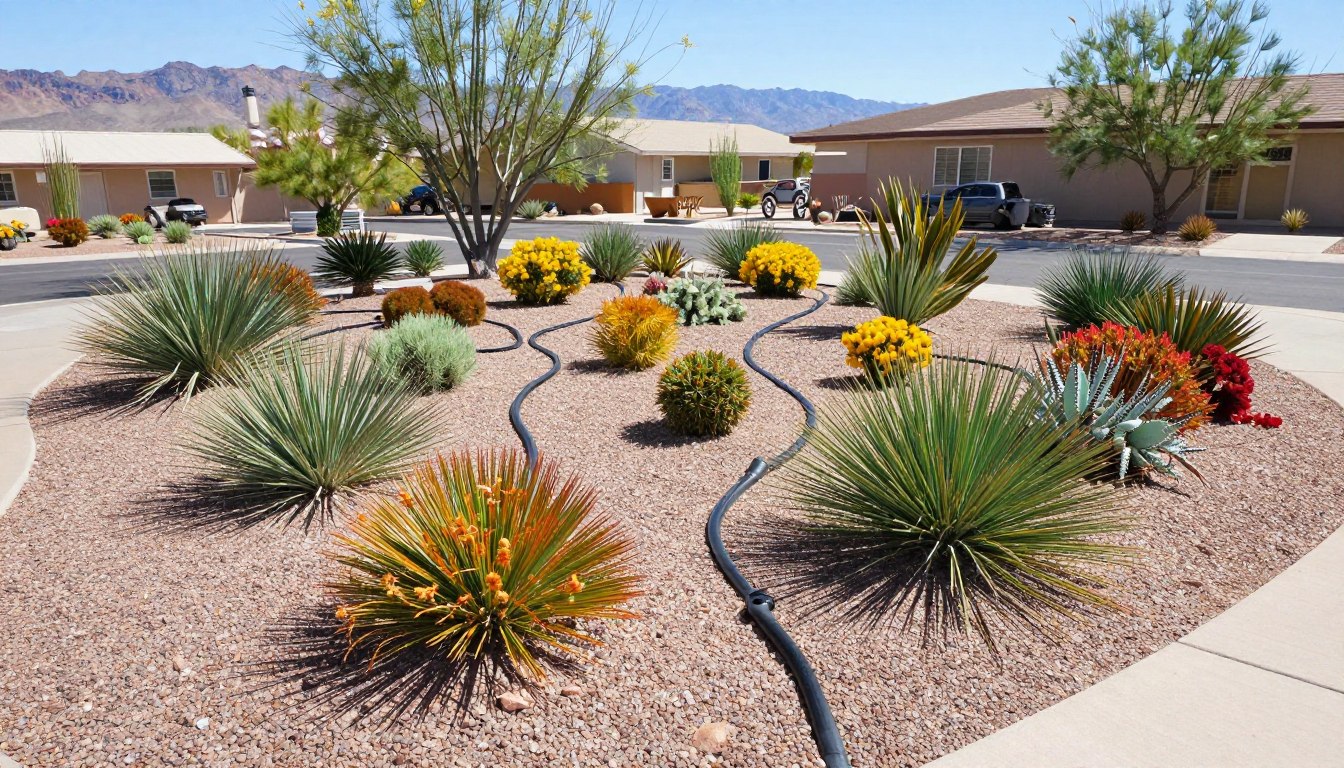
Are you ready to transform your outdoor space into a stunning oasis? When it comes to Vegas backyard ideas, the challenge lies in the harsh desert climate and strict water restrictions. These factors can make traditional landscaping seem nearly impossible.

However, with the right approach, even the smallest outdoor areas can become a personal sanctuary. By selecting drought-tolerant plants and efficient hardscape materials, homeowners can create a beautiful and functional retreat. It’s essential to balance aesthetic desires with the practical realities of living in an arid environment.

This guide will explore twelve distinct methods to enhance your property while respecting the environmental limitations of the Southern Nevada landscape. Whether you want to add shade structures, incorporate water features, or use artificial turf, there are many creative solutions to consider.

Key Takeaways

  • Desert-friendly plants are crucial for water conservation.
  • Shade structures can enhance outdoor living spaces.
  • Efficient hardscape materials are essential for small areas.
  • Water features can create a calming atmosphere.
  • Artificial turf offers a practical lawn alternative.

Understanding the Desert Climate and Its Impact

Adapting to the desert climate is key to creating a thriving outdoor space. Las Vegas falls under USDA’s growing zone 9a, which dictates the types of plants that can flourish in this heat. Understanding this classification is the first step in selecting vegetation that will survive the intense conditions.

The desert climate presents unique challenges. However, choosing the right plants ensures your garden remains vibrant without requiring excessive amounts of precious water. Managing the intense summer heat also requires a thoughtful layout. This layout should protect sensitive flora while maximizing the utility of your available outdoor space.

Successful desert landscaping relies on xeriscaping principles. This approach prioritizes water efficiency through the use of native species and smart irrigation techniques. By aligning your design with the local climate, you can reduce maintenance needs and create a sustainable, beautiful environment.

Lawn-Free Landscape Options for a Water-Wise Approach

Creating a water-wise landscape can enhance your outdoor space without traditional grass. The Southern Nevada Water Authority (SNWA) has prohibited grass in new residential developments since December 2021. This shift has prompted many homeowners to explore alternatives that are both sustainable and visually appealing.

Skipping a traditional grass lawn in your landscape significantly reduces the time, effort, and money spent on maintenance. Instead, utilizing drought-tolerant ground covers can create a lush appearance in the desert without the high upkeep associated with thirsty, non-native turf grasses.

A lawn-free approach allows you to focus on hardscape elements that provide year-round visual interest. This strategy not only enhances the aesthetic appeal but also lowers utility bills for residents in Las Vegas.

Feature Traditional Grass Drought-Tolerant Ground Covers
Water Requirement High Low
Maintenance Frequent Mowing & Fertilizing Minimal
Cost Higher Utility Bills Lower Utility Bills
Visual Appeal Seasonal Year-Round

Designing a Multi-Functional Small Patio Area

A well-designed patio can elevate the functionality of your outdoor space. It can serve as a versatile area for dining, relaxing, or entertaining guests. Homeowners can expect to pay between $8 and $20 per square foot for a new patio, depending on the materials chosen, such as concrete, pavers, or flagstone.

Creating distinct zones within a small area allows you to maximize the utility of your yard. By separating cooking, seating, and lounging sections, you enhance the overall experience. Selecting durable materials like pavers ensures your patio withstands the extreme temperature fluctuations common in the Las Vegas valley throughout the year.

Careful arrangement of furniture and hardscape can make even a compact outdoor space feel spacious and inviting. Consider the layout to enhance comfort and accessibility.

Material Cost per Square Foot Durability
Concrete $8 – $12 High
Pavers $10 – $20 Very High
Flagstone $15 – $20 High

Creating a Cozy Atmosphere with a Fire Pit

A beautifully designed outdoor fire pit surrounded by cozy seating, nestled in a lush backyard. In the foreground, plush cushions and soft throws in warm colors invite relaxation. The middle showcases a circular stone fire pit, radiating soft, flickering flames, casting a gentle glow on the surroundings. Surrounding the fire pit, elegant wooden chairs, adorned with faux fur throws, create a welcoming atmosphere. In the background, tall palm trees sway gently against a twilight sky, transitioning from sunset to starry night. Warm ambient lighting illuminates the scene, enhancing the inviting mood. Capture the image with a slightly elevated angle, using a soft focus to highlight the warmth and coziness of this intimate outdoor oasis.

Enhance your outdoor area by creating a cozy gathering spot with a fire pit. This addition not only provides warmth but also extends the usability of your yard into the cooler evenings. Installing a fire pit typically costs around $850, depending on the style and fuel type.

Whether you opt for a prefabricated kit or a custom in-ground design, a fire pit becomes a central feature of your space. It encourages social interaction and relaxation, especially during the milder winter months in Las Vegas.

Safety is essential when positioning a fire pit. Ensure there is adequate clearance from structures and flammable landscaping materials. Comfortable seating arranged around the fire enhances the cozy atmosphere, making it an inviting spot for gatherings.

Choosing the right fuel option, such as propane or natural gas, ensures a clean-burning experience that is easy to manage. With these considerations, your fire pit can become a beloved feature of your outdoor retreat.

Enhancing Your Space with Outdoor Lighting

Illuminate your outdoor areas to create a welcoming atmosphere for evening gatherings. Proper lighting can transform your landscape, adding both beauty and functionality. In Las Vegas, where evenings can be warm and inviting, strategic lighting enhances curb appeal and makes your space more enjoyable.

Consider using various lighting techniques to highlight pathways and accentuate trees. This approach adds depth and dimension to your outdoor area, making it feel larger and more inviting. Layering different types of lighting, such as string lights and path lights, can create an ethereal ambiance that captivates guests.

While professional landscape lighting installation typically costs between $2,000 and $4,500, many homeowners opt for DIY kits to save money. This choice allows you to achieve a high-end look without breaking the bank. Moreover, proper lighting not only enhances safety by illuminating walkways but also showcases the architectural features of your garden.

Shade Solutions with Awnings and Pergolas

A tranquil backyard oasis featuring elegant awnings and pergolas, designed for optimal shade. In the foreground, lush green potted plants and colorful flowers surround a modern outdoor seating area with stylish, comfortable furniture, inviting relaxation. The middle ground showcases a large wooden pergola adorned with climbing vines, providing dappled sunlight, while a retractable awning extends over a cozy dining table, perfect for alfresco meals. In the background, a serene swimming pool reflects the clear blue sky, framed by palm trees that sway gently in the breeze. The scene is illuminated by warm afternoon sunlight, creating a peaceful, inviting atmosphere that exudes comfort and elegance, captured with a wide-angle lens to enhance depth.

Effective shade structures are crucial for enjoying your outdoor area during hot days. In Las Vegas, where the sun can be relentless, having the right shade can make all the difference. Two popular options are pergolas and retractable awnings, each offering unique benefits.

When considering these solutions, it’s important to evaluate their features and costs:

  • Installing a pergola can range from $2,100 to $6,000, providing a permanent shade structure that can be adorned with climbing vines.
  • For smaller areas, a retractable awning typically costs between $1,025 and $4,750, offering flexible shade that adjusts based on the sun’s intensity.
  • Providing adequate shade is essential to protect outdoor furniture and make your space usable during the hottest summer days.
  • Fixed structures like pergolas add significant architectural interest, while awnings offer a more subtle, retractable solution for sun protection.
  • Choosing the right shade solution depends on your specific layout and how much coverage you need for comfort.

Maximizing Vertical Space with Green Walls

Utilizing green walls can bring life to your outdoor space while conserving ground area. This innovative approach allows you to incorporate native plants without sacrificing valuable square footage. For instance, Desert marigold and Desert sage are perfect for vertical gardens, as they thrive in the arid climate.

Native species such as Prairie sage and Native fleabane are well-suited for the Las Vegas environment. They require minimal water and maintenance, making them ideal choices for your garden. By installing wall-mounted planters or garden racks, you can create a stylish, living backdrop that adds texture and color to your desert design.

Vertical gardening is especially beneficial for small yards. Traditional planting beds can take up too much space, but green walls maximize your options. Drought-tolerant varieties like the Desert willow ensure your vertical garden remains vibrant, even during extreme summer heat waves.

Incorporating Hanging Flower Baskets for Added Charm

A tranquil outdoor space adorned with lush hanging flower baskets, showcasing vibrant blooms in shades of pink, purple, and yellow. In the foreground, several ornate wicker baskets, overflowing with cascading flowers, create a charming visual focal point. The middle ground features a cozy patio with rustic furniture, where sunlight filters through the foliage, casting gentle patterns on the ground. In the background, a serene garden with well-maintained greenery complements the scene, evoking a sense of peaceful retreat. The lighting is warm and inviting, suggesting a late afternoon ambiance, with soft shadows enhancing the beauty of the flowers. Capture the essence of outdoor charm, perfect for a backyard oasis.

Inject seasonal charm into your space with the versatile use of hanging flower baskets. These decorative elements are not only affordable but also an effective way to introduce vibrant colors to your outdoor area. They are particularly beneficial when ground space is limited.

Hanging flower baskets can be strategically placed on decks, under pergolas, or even against walls. This placement helps brighten up those often-overlooked corners of your landscape. Choosing the right plant is crucial. Select varieties that can thrive in the local climate, ensuring a beautiful display of cascading blooms.

Common options include wire baskets lined with coco coir or moss. These materials provide excellent drainage for your potted flowers and shrubs. If hanging space is scarce, consider potting your plants. This approach offers similar aesthetic appeal and flexibility in your overall garden design.

Utilizing Gravel and Rock Elements in Your Design

Incorporating gravel and rock elements can enhance the beauty of your outdoor space. These materials not only add visual interest but also serve practical purposes in desert landscaping.

Pea gravel is a cost-effective option for creating pathways throughout your yard. It typically costs between $25 and $67 per cubic yard, making it a durable choice for your outdoor design.

Using rock elements helps retain soil moisture and suppress weeds. This approach gives your garden a clean and polished appearance while minimizing maintenance needs.

Gravel can also be an ideal filler material around stepping stones or pavers. It provides a contrasting texture that enhances the visual appeal of your design.

Creating a rock garden with larger boulders and cacti embodies the rugged beauty of the desert. This option requires almost no water to maintain, making it a sustainable choice.

These low-maintenance materials are perfect for defining walkways and decorative beds. They ensure your outdoor space remains functional and attractive year-round.

Material Cost per Cubic Yard Benefits
Pea Gravel $25 – $67 Durable pathways
Rock Elements Varies Moisture retention
Gravel Filler Varies Contrasting texture
Boulders Varies Low water requirement

Adding Ornamental Grasses for Texture and Privacy

A serene backyard oasis featuring a diverse array of ornamental grasses in the foreground, showcasing their varying heights and textures. Soft, feathery plumes dominate the scene, with graceful blades swaying gently in a warm afternoon breeze. In the middle ground, a subtle stone path winds through the grasses, leading towards a cozy seating area framed by lush greenery. The background reveals a muted sunset sky, casting golden hues that filter through the grass, creating a warm, inviting atmosphere. The image should capture a sense of tranquility and privacy, emphasizing the natural beauty of the plants. Use soft, diffused lighting to enhance the textures and the overall peaceful mood, shot from a slightly elevated angle to provide a comprehensive view of this tranquil retreat.

Incorporating ornamental grasses can significantly enhance the appeal of your outdoor space. These native plants not only add texture but also create natural privacy screens. By selecting varieties like Deer grass and Big galleta grass, you can enrich your landscape while ensuring resilience in the harsh climate.

These grasses are particularly well-suited for the local soil conditions. They require minimal maintenance, making them a practical choice for homeowners. Mixing different types of ornamental grasses can create a dynamic garden design that balances color and height.

Using tall grasses helps frame your outdoor area, providing a sense of enclosure. This design choice transforms your space into a private retreat, perfect for relaxation and enjoyment.

  • Native ornamental grasses like Deer grass or Big galleta grass add essential texture and height.
  • These grasses create natural privacy screens that soften property edges.
  • Mixing varieties allows for a visually engaging and dynamic design.
  • Adapted to the local climate, they remain resilient even in extreme heat.
  • Tall grasses frame your space, creating an intimate atmosphere.

Elevating Your Garden with Raised Planting Beds

Transforming your landscape can be achieved through the addition of raised planting beds. These structures not only enhance the visual appeal of your garden but also offer practical benefits for your plants. A raised garden bed kit is a convenient option for homeowners in Las Vegas, typically costing around $145.48 for a complete setup.

Investing in a raised bed allows you to start planting herbs and flowers quickly at your home. These beds provide a structured way to organize your landscape, making it easier to manage soil quality and water delivery for your plants. Additionally, they add vertical interest to your garden, enabling you to cultivate a variety of species that might otherwise be challenging to grow.

When designing functional raised beds, ensure that your planting area is accessible and visually appealing. This can serve as a focal point in your outdoor space. By selecting the right plants for your raised beds, you can create a thriving mini-ecosystem that enhances the overall beauty of your landscape.

  • Raised beds make it easier to manage soil quality.
  • They allow for a diverse range of plants to flourish.
  • Accessible designs enhance the usability of your garden.
  • Well-chosen plants contribute to a vibrant ecosystem.
  • These beds serve as attractive features in your landscape.

Integrating a Serene Water Feature

A tranquil garden scene featuring a serene water feature as the focal point. In the foreground, a gently flowing stream with smooth pebbles is surrounded by lush green ferns and vibrant flower beds in hues of lavender and pink. The middle ground showcases a small, picturesque pond with koi fish swimming gracefully, bordered by elegant stones and soft moss. In the background, tall ornamental grasses sway gently in the breeze, and there are tasteful garden lights softly illuminating the scene. The atmosphere is calm and inviting, with warm, golden hour sunlight casting gentle reflections on the water surface. Capture this scene from a slightly elevated angle to provide a sense of depth and tranquility, inviting the viewer to imagine themselves in this peaceful oasis.

Imagine introducing a calming water feature that transforms your outdoor area into a peaceful retreat. Adding a water element can bring a slice of the Bellagio experience to your garden, even on a small scale. This feature not only enhances beauty but also adds a soothing sound that helps mask urban noise.

Whether you choose a simple birdbath, a tiered fountain, or a small koi pond, water features create a tranquil atmosphere. Wall fountains are particularly effective for limited spaces, providing the charm of moving water without taking up much ground area.

Proper installation and regular maintenance are essential. Keeping your water feature clean ensures it functions efficiently throughout the hot desert summer. With the right care, your serene oasis will remain a delightful escape from the busy city.

  • Incorporating a water feature into your garden provides a peaceful, soothing element.
  • Choose from birdbaths, fountains, or ponds to add tranquility to your space.
  • Wall fountains are great for small areas, adding beauty without taking up much space.
  • Regular maintenance is key to keeping your water feature clean and functional.
  • The sound of cascading water creates a serene sanctuary in your outdoor area.

Creative Ideas for Artificial Turf and Paver Integration

One innovative approach to landscaping is the combination of artificial turf with paver edging. This design trend is gaining popularity for its clean and modern aesthetic, especially in arid climates. By integrating these elements, homeowners can create a visually appealing and functional outdoor space.

Using artificial turf alongside paver borders offers several benefits. It significantly reduces maintenance needs while providing the lush look of grass without the excessive water usage of traditional lawns. This balance is perfect for homeowners aiming for a sustainable landscape.

Pavers can frame sections of turf, adding structure and clean lines that enhance the overall design. This method not only elevates the aesthetic appeal but also provides a durable surface suitable for various activities, such as play areas or pet runs.

With careful planning, the layout of pavers and turf can create a sophisticated outdoor environment. This combination ensures that your yard remains functional and beautiful throughout the year.

  • Integrating artificial turf with paver borders is a top choice among modern landscaping.
  • This combination creates a balanced landscape that offers a lush look without high water consumption.
  • Pavers frame sections of turf, adding structure and clean lines to the design.
  • Artificial turf provides a durable, year-round green surface for various uses.
  • Careful layout planning can create a sophisticated and functional outdoor space.
Feature Artificial Turf Pavers
Water Consumption Low N/A
Maintenance Minimal Moderate
Durability High Very High
Aesthetic Appeal Green Year-Round Structured Design

Tips for Budget-Friendly Backyard Landscaping

Creating an inviting outdoor space doesn’t have to break the bank. Budget-friendly landscaping for your home in Las Vegas can be achieved with smart choices. By selecting native plants that thrive with minimal care, you can enjoy a beautiful environment without high maintenance costs.

Using affordable materials like gravel for pathways and decorative beds can significantly reduce expenses. Planning your design in phases allows you to spread out costs while making steady progress toward your dream outdoor area.

Many homeowners find that DIY projects, such as installing their own raised beds or lighting, save money while providing a sense of accomplishment. Prioritizing low-maintenance features ensures that your budget is spent wisely on elements that offer long-term value.

  • Choose native plants that require little water and care in the Las Vegas climate.
  • Utilize cost-effective materials like gravel for pathways and decorative beds.
  • Plan your design in phases to manage costs effectively.
  • Consider DIY projects to save money and gain satisfaction.
  • Focus on low-maintenance features for lasting value and reduced upkeep.
Feature Native Plants Cost-Effective Materials
Water Requirement Low N/A
Maintenance Minimal Low
Cost Affordable Budget-Friendly
Visual Appeal High Varied

vegas backyard ideas for Inspiring Outdoor Living

Revamp your yard into a modern oasis that combines beauty and practicality. With over 35 years of experience, professionals can help you implement these Las Vegas backyards idea to create a functional and stylish outdoor space today.

Whether you are upgrading your front yard or back, blending style with functionality is key to maximizing the appeal of your Las Vegas home. Incorporating trees, cacti, and decorative stones into your landscape design creates a unique look that thrives in the local desert climate.

Professional designers can assist in planning walkways, lighting, and planters to ensure your yard remains a beautiful, low-maintenance retreat for years. By focusing on the right trees, lighting, and pathways, you can ensure your outdoor space provides the perfect setting for modern desert living.

Contacting local experts is a great option to start your transformation today. With the right trees, lighting, and pathways, your yard will become a standout feature that reflects your personal style and love for living.

Conclusion

Transforming your home into a serene oasis can be a fulfilling endeavor that enhances your lifestyle. By utilizing drought-tolerant plants, efficient lighting, and smart shade solutions, you can create a beautiful landscape that thrives in the desert.

Whether you choose to install a fire pit, a water feature, or raised planting beds, every addition contributes to the overall style of your yard. Remember that the best outdoor space balances your personal aesthetic with the practical needs of the local climate and water restrictions.

We hope these suggestions inspire you to take the next step in designing a landscape that provides a serene escape from the city. Start your journey toward a more functional and inviting outdoor space today by selecting the features that best suit your unique vision and budget.

Tags: , , , , ,

Outdoor Living Space Ideas: Mixing Stone, Wood & Tech

Have you ever wondered how to create a stunning outdoor living space that seamlessly blends natural materials with modern technology? As homeowners increasingly seek to extend their living areas, the combination of stone, wood, and innovative features can elevate any backyard. With thoughtful design, your outdoor area can become a functional extension of your home, perfect for entertaining or relaxation.

Consider the impressive remote-controlled louvered roof system used by Todd Hale and Connie Shaw, which allows them to manage sunlight effortlessly. This example illustrates how technology can enhance comfort in outdoor environments. Similarly, Daniels Homes showcases a spacious porch as a modern take on outdoor living, providing inspiration for homeowners looking to transform their backyards.

This guide will explore various ways to create an inviting outdoor area that feels just as welcoming as your indoor spaces. From integrating kitchens to cozy lounging zones, there are countless opportunities to maximize your available space effectively.

Key Takeaways

  • Mixing natural materials like stone and wood with modern technology can enhance outdoor spaces.
  • A well-planned area can serve as a primary gathering spot for family and friends.
  • Many homeowners are creatively integrating kitchens and lounging zones into their outdoor areas.
  • Prioritizing comfort and utility is essential for creating an inviting retreat.
  • Simple upgrades can significantly improve the functionality of your outdoor space.

Innovative Material Combinations for Outdoor Living Spaces

The secret to an appealing outdoor area lies in the creative fusion of stone, wood, and advanced features. Combining natural materials like stone and wood creates a timeless style that anchors any outdoor space while providing necessary structural durability.

Riepenhoff Landscape, LTD has effectively demonstrated this by utilizing metal, wood, and stone to craft an expansive pavilion with a striking fireplace. This combination not only enhances the aesthetic but also ensures functionality.

Moreover, stainless steel appliances are frequently paired with rustic stone or brick in outdoor kitchen designs. This pairing offers both durability and visual appeal, making it ideal for harsh weather conditions.

Designers often explore innovative ways to mix textures. For instance, rough-sawn cedar beams can be combined with limestone fireplaces to create a warm and sophisticated environment. However, integrating high-tech elements requires careful planning to protect electronics from the elements while keeping them accessible.

The contrast between modern metal materials and traditional stone masonry provides a unique visual appeal that defines contemporary outdoor living. Professional design teams emphasize that selecting the right materials is crucial for ensuring your outdoor space remains beautiful for years. For more insights on maximizing small areas, check out this guide on outdoor furniture for small living.

Designing Spaces for All Seasons

Creating an outdoor area that remains enjoyable in every season is essential for homeowners. This involves incorporating features that can adapt to various weather conditions. A well-planned outdoor living space allows for comfortable use throughout the year, whether it’s a sunny summer day or a chilly autumn evening.

Weather-Resistant Features and Adaptability

Incorporating weather-resistant features like louvered roof systems enables homeowners to control sunlight and airflow during the hottest summer months. These systems provide shade when needed, ensuring a pleasant atmosphere for gatherings. A three-season screened-in porch, such as the one designed by Robert Lucke Remodeling, offers an adaptable living space for cooler autumn days, enhancing usability.

Remote-Controlled Elements and Automated Systems

Automated systems provide a convenient way to adjust your outdoor living space environment. This ensures comfort regardless of the current weather conditions. By installing smart technology, you can manage features with a simple remote, making your backyard more functional. Modern outdoor spaces require elements that transition seamlessly from sunny afternoons to evenings spent by the fire.

Feature Benefit Seasonal Adaptability
Louvered Roof System Controls sunlight and airflow Summer, Spring
Screened-In Porch Protects from insects and weather Fall, Spring
Smart Technology Convenient control of features Year-Round

Designing for all seasons ensures that your investment in an outdoor living space provides value and enjoyment throughout the entire calendar year. For more tips on enhancing your outdoor area, check out this guide on selecting plants that complement your design.

An inviting outdoor living space designed for all seasons, featuring a blend of natural stone and weather-resistant wood. In the foreground, a stylish seating area with plush, durable cushions arranged around a modern coffee table crafted from recycled materials. To the left, a sleek outdoor kitchen equipped with stainless steel appliances and a built-in grill, seamlessly blending modern technology with rustic charm. The middle ground showcases a fire pit, surrounded by decorative pebbles and lush greenery, ensuring warmth on cooler evenings. In the background, a cozy overhang with modern lighting fixtures creates a welcoming atmosphere, casting a soft glow at dusk. The scene captures a serene evening with warm, golden lighting, emphasizing the harmonious fusion of nature and technology in outdoor design.

Best Ideas for Outdoor Living Spaces

Transforming your backyard into a culinary haven can redefine your outdoor experience. A modern outdoor kitchen is a key feature that allows for seamless entertaining. It serves as a fully functional area where family and friends can gather and enjoy delicious meals.

Many homeowners opt for multifunctional lounging and dining zones. These spaces maximize the outdoor area by creating distinct areas for relaxation and meals. Including a bar area near the pool is also a popular choice, providing easy access to snacks and drinks during summer gatherings.

Professional design teams often integrate the outdoor kitchen directly into the main house structure. This ensures easy access to indoor utilities, enhancing convenience. Moreover, a dedicated dining area with comfortable furniture makes your outdoor living space feel like a true extension of your home.

These design concepts blend utility with aesthetics, ensuring that every square foot of your outdoor area serves a specific purpose. For more inspiration on enhancing your outdoor area, check out this guide on landscape design solutions.

A stylish outdoor kitchen design featuring sleek modern features, including a minimalist stainless steel grill and a granite countertop bar seating area. In the foreground, carefully arranged potted herbs and fresh vegetables add a pop of color. The middle ground showcases a spacious cooking area equipped with high-end kitchen appliances, surrounded by elegant wooden cabinetry that blends seamlessly with the natural stone accent wall. The background reveals a beautifully landscaped garden with lush greenery and vibrant flowers, set against a twilight sky. Soft ambient lighting illuminates the space, creating a warm and inviting atmosphere. The angle should capture the kitchen within its vibrant setting, emphasizing both modern design and natural elements harmoniously integrated.

Creative Uses of Structures and Shades

Designing a captivating outdoor area involves more than just furniture and decor. Thoughtful structures and shade options can significantly enhance your outdoor experience. They create inviting spaces while offering protection from the elements.

Pergolas and pavilions are excellent choices for adding architectural interest. They define the boundaries of your outdoor area while providing a stylish shade solution. For instance, Design Workshop used maples to create a natural canopy over seating areas in a Denver property, offering both beauty and functionality.

Additionally, innovative canopy designs, such as louvered roofs, allow you to adjust the shade according to the sun’s position. This flexibility makes them a popular option for modern outdoor living.

Landscaping with mature trees can also provide natural shade. They enhance the overall landscape design and contribute to a cooler environment during hot days. A pavilion-style structure can serve as a peaceful retreat, especially when placed near a garden or pool.

Creative ideas for structures include using cedar beams or metal roofs. These materials can add architectural flair to your outdoor bar or dining area. By selecting the right shade structures, you can create a comfortable outdoor space that remains enjoyable even in peak summer.

Structure Type Design Options Benefits
Pergola Open design with climbing plants Provides partial shade and adds style
Pavilion Enclosed or open-air Creates a private retreat
Louvered Roof Adjustable slats Flexible shade control

A stylish outdoor living space designed with elegant structures and shades, featuring a mix of smooth stone paving and durable wooden accents. In the foreground, a sleek, modern lounge area with plush, weather-resistant sofas and low tables made from reclaimed wood. The middle ground showcases a contemporary pergola with decorative vines, providing dappled sunlight over the seating area. Background elements include a cleverly designed outdoor kitchen with sleek appliances and green plants lining the perimeter. Emphasize a warm, inviting atmosphere, illuminated by soft golden hour lighting that adds a gentle glow. Capture this scene from a slightly elevated angle to highlight the layout and the interplay of materials, creating a harmonious blend of nature and technology.

For more insights on creating a stunning outdoor area, check out this guide on holiday-ready landscape design.

Bringing Indoor Comfort Outdoors

Bringing the cozy feel of indoor spaces to your outdoor area can transform your lifestyle. A well-designed outdoor living space integrates plush furniture and a fireplace, creating a seamless experience between inside and out. This approach allows you to enjoy your backyard as an extension of your home.

Smart entertainment systems are becoming increasingly popular. Weather-protected televisions enhance the functionality of your outdoor dining and lounging areas. With these features, hosting gatherings becomes effortless and enjoyable.

An outdoor kitchen and bar area can rival any high-end restaurant. It provides the perfect setting for dinner parties and casual get-togethers. Incorporating a fireplace into your outdoor living space offers a cozy focal point, encouraging family members to spend more time outside.

Professional design teams focus on creating outdoor rooms that mirror the layout of the main house. This ensures a cohesive aesthetic throughout your property. By prioritizing comfort, your backyard can become the most popular room in your entire house.

An inviting outdoor living space designed for comfort and relaxation, featuring a modern stone fireplace as a focal point. In the foreground, plush seating arrangements with stylish cushions surround a low wooden coffee table, providing warmth and a cozy atmosphere. In the middle ground, the fireplace emits a soft, flickering glow, surrounded by carefully arranged stones, while subtle smart lighting enhances the ambiance. The background showcases lush greenery and softly swaying trees under a warm, golden hour sky. The scene should convey a serene and harmonious blend of nature and technology, emphasizing luxury and comfort in an outdoor setting. Capture this scene from a slightly elevated angle to provide depth and perspective, ensuring the overall mood is inviting and tranquil.

Embracing Nature with Landscaping and Furnishings

Integrating nature into your outdoor environment can create a serene escape right at home. Thoughtful landscaping combined with greenery can transform any outdoor space into a peaceful garden sanctuary. Using plants, flowers, and trees not only enhances beauty but also promotes relaxation.

Choosing durable and stylish outdoor furniture is essential. This ensures your seating areas remain comfortable and inviting for many years. A central fire pit or fireplace serves as a gathering spot, providing warmth and a cozy atmosphere for your outdoor room.

Incorporating natural elements like stone paths and garden beds softens the transition between your home and the surrounding landscape. Many modern outdoor living space designs include dedicated garden areas featuring fragrant flowers and productive herb patches. By selecting high-quality furniture that matches your personal style, you can create a cohesive outdoor room that feels like a natural extension of your home.

A serene outdoor living space designed for relaxation and enjoyment, featuring a harmonious blend of natural stone and warm wooden elements. In the foreground, plush, stylish furnishings including a deep sofa adorned with soft cushions face a low wooden coffee table. The middle ground showcases rich landscaping with vibrant greenery, flowering plants, and a stone pathway leading toward a softly bubbling water feature. In the background, gentle tall trees and an open sky add depth to the scene, with warm sunlight filtering through the leaves, creating dappled shadows. The atmosphere is inviting and tranquil, perfect for an outdoor gathering. Captured from a slightly elevated angle, the composition offers a cozy yet spacious feel, emphasizing the natural beauty of the materials and surrounding landscape.

Conclusion

Creating a harmonious outdoor environment can transform your backyard into a cherished retreat. This rewarding project not only enhances your home’s value but also increases enjoyment for your family.

By blending stone, wood, and modern technology, you can design a versatile area that caters to your needs throughout every season. Whether you prioritize a gourmet kitchen or a tranquil garden, personal comfort should always be the focus.

We hope these design concepts inspire you to embark on your backyard transformation journey today. Remember, successful outdoor living projects balance beauty with practical functionality.

Start planning your dream outdoor space now, ensuring you have a beautiful area to enjoy for many years to come. For more tips, check out this guide on landscape design.

Tags: , , , ,

How to Plan Custom Outdoor Living Spaces that Add Value

Have you ever thought your backyard could actually pay for itself while improving your home? Many people see their yard as just grass. However, it can become a vital part of your daily routine with strategic planning. Professional builders in Southern Nevada create stunning environments that blend style with function. Whether you desire a kitchen or enclosed custom outdoor living spaces, these additions offer comfort. Using high-quality materials ensures your investment stands up to the elements over time.

Modern designs have moved past basic decks to include climate control features. A well-planned exterior balances your vision with a realistic budget and maintenance needs. This process helps you make smart choices for long-term goals. High-end installations enhance your lifestyle and boost market appeal significantly.

Key Takeaways

  • Increase property value by extending functional square footage beyond walls.
  • Transform simple yards into versatile entertainment hubs for hosting guests.
  • Use expert builders to ensure structural integrity and architectural style.
  • Incorporate climate control features for comfortable year-round usability.
  • Balance aesthetic dreams with practical budget and maintenance considerations.
  • Select quality materials designed to withstand harsh local weather conditions.

Why Strategic Planning Makes All the Difference for Your Outdoor Investment

A beautifully designed outdoor living space showcasing strategic planning for enhanced value, featuring a spacious patio with elegant furniture, a well-manicured garden, and a cozy fire pit set in the foreground. In the middle ground, include a stylish outdoor kitchen with modern appliances, complemented by ambient lighting. The background should display lush green trees and a soft sunset casting warm, golden light, creating a tranquil atmosphere. Incorporate a few professionals in modest casual clothing discussing plans, using blueprints and digital devices, to emphasize the concept of strategic planning. The scene should evoke a sense of harmony, sophistication, and careful design, framed with a wide-angle lens for depth.

A well-thought-out plan ensures your backyard investment yields the highest return in both enjoyment and equity. With 20 years of experience, custom outdoor living specialists create breathtaking environments that elevate your home. They combine creativity with craftsmanship to bring your unique vision to life.

Transform Your Backyard into a Functional Extension of Your Home

Strategic planning transforms underutilized areas into functional extensions of your living space. Enclosed outdoor living spaces specifically add value by providing year-round use without expensive room additions. This extra square footage accommodates daily activities while keeping you comfortable in any weather.

Thoughtful layouts consider traffic flow and sun exposure to ensure maximum comfort. By treating the outdoors as a room, you gain a versatile area for dining or relaxation. This approach creates a seamless transition between your indoor and outdoor living environments.

Boost Property Value with Well-Designed Outdoor Areas

Well-designed outdoor living areas increase property values by creating attractive spaces that appeal to buyers. Professional design demonstrates thoughtful improvements that justify higher market prices. Quality materials and attention to detail ensure every element blends harmoniously for a stunning result.

Investment Factor Standard Yard Strategically Planned Space
Usable Living Area Weather dependent Year-round outdoor living
Market Appeal Average interest High buyer demand
Longevity Basic durability Premium craftsmanship
Functional Flow Disjointed layout Seamless home extension

Avoid Costly Mistakes with Professional Expertise

A professional contractor prevents mistakes like poor drainage or structural code violations. They account for local wind patterns and privacy concerns to ensure the outdoor project remains functional. Their expertise translates abstract ideas into concrete plans that respect your budget.

Working with experts reduces the need for expensive change orders during construction. Professional planning accounts for every detail, from material selection to local building regulations. This foresight ensures your investment stands the test of time and delivers lasting satisfaction.

Our Proven Process for Planning Custom Outdoor Living Spaces

Our team uses a clear four-step process to turn your ideas for a custom outdoor living space into a great reality. This way of working ensures that every project stays on schedule. Our experience helps us meet your specific style goals perfectly.

Step 1: Complimentary Consultation and Precise Site Measurement

We start with a visit to your home to talk about your outdoor living goals. Our team looks at your yard and takes measurements to use every bit of space.

We also check if you want enclosed outdoor living areas to enjoy the fresh air all year. This initial consultation is the best way to kick off your project. Our consultation visit helps us understand exactly what you need.

Step 2: Creating Your Custom Outdoor Design Plan

Our designers build a custom outdoor design [lan that fits your needs and budget. This phase helps us bring vision to life with clear drawings and materials.

We make sure the design gives you a great living space for your whole family. This makes living outside much more fun and comfortable for everyone.

Step 3: Design Presentation and Refinement Until Perfect

During this consultation, you will see drawings of your outdoor space clearly. We give you time to pick materials or change the layout.

This consultation process ensures the plan matches your vision before construction starts. We want you to feel happy with every small detail of the plan.

Step 4: Expert Construction with Quality Craftsmanship

Our construction team handles the build from start to finish. We use quality craftsmanship to finish the job on time.

We stay in touch to bring vision to life and create your perfect outdoor living space. You will love how your new outdoor area improves your daily living.

Essential Outdoor Living Space Options to Consider in Your Plan

Choosing specific elements for your outdoor environment ensures your project meets your lifestyle needs. High-quality materials and expert craftsmanship bring vision to life while adding lasting enjoyment to your home. Every project we undertake focuses on creating a way for families to connect in beautiful, functional living spaces.

Outdoor Kitchens for Year-Round Entertainment

A high-end custom outdoor kitchen design and installation featuring a stainless steel grill, stone countertops, a pizza oven, and a built-in kegerator under a modern patio cover with elegant lighting.

Learn More

An outdoor kitchen transforms your backyard into a fully equipped culinary center. You can include professional grills, refrigeration, and specialized storage to make meal preparation easy. This dedicated outdoor kitchen space keeps heat outside during warm months and makes outdoor entertainment effortless for hosts.

Our outdoor kitchen design and installation services provide convenient amenities like barbecue islands and L-shaped counters. These features create a central hub for your living areas. Using a custom outdoor kitchen ensures your outdoor space is ready for any social gathering.

Pergolas and Patio Covers for Shade and Style

A professional photo of a custom pergola and patio cover builders project showing a modern louvered pergola over a luxury outdoor seating area with comfortable furniture.

Learn More

Custom pergolas and patio covers offer essential shade and weather protection for your family. These structures add architectural interest and design sophistication to your outdoor living areas. Our custom pergola and patio cover builders use materials ranging from traditional wood to modern louvered systems.

A durable patio cover extends the usable time in your outdoor space by protecting you from the sun and rain. It creates a comfortable zone for dining areas that remain functional regardless of the weather. These additions enhance the overall look and utility of your living space.

Enclosed Outdoor Living Spaces for Ultimate Comfort

A premium enclosed outdoor living space construction featuring floor-to-ceiling glass panels, retractable screens, and integrated heating for year-round climate control.

Learn More

Enclosed outdoor living spaces are premium options that deliver climate-controlled comfort throughout the year. We specialize in enclosed outdoor living space construction using retractable screens and glass panels to block wind and pests. These areas function as additional living spaces that provide interior comfort levels with an outdoor ambiance.

Investing in an enclosed living space effectively expands your home’s square footage. It allows you to enjoy your outdoor living areas even during temperature extremes. This choice maximizes your investment and provides a true four-season outdoor living experience.

Custom Patios and Paver Installations

A wide shot of a custom patio design and paver installation featuring high-quality natural stone pavers in an intricate pattern surrounded by professional landscaping.

Learn More

A custom patio establishes a beautiful and durable foundation for your lifestyle. Professional custom patio design and paver installation ensure your surfaces resist settling and cracking over time. We use quality materials to create low-maintenance areas that complement your home architecture.

A well-installed custom patio provides a stable surface for heavy furniture and high foot traffic. Our team focuses on proper base preparation for every custom patio project we finish. This process ensures your outdoor living spaces maintain their aesthetic appeal for many years.

Our experienced team helps you integrate these features into a cohesive plan to bring vision to life. We guide you through the process to ensure every project delivers a functional outdoor entertainment area. From pergolas to outdoor kitchens, we help you build the dream environment you deserve.

Start Planning Your Dream Outdoor Living Space Today

Your journey toward a perfect backyard begins with an expert conversation. Contact an experienced outdoor living contractor today to discuss your unique vision.

Our team provides professional design services to help you explore every outdoor space possibility. This initial planning process requires no obligation from you.

We highly recommend exploring enclosed outdoor living areas during your consultation. These structures are a high-quality investment that extends your living space year-round.

A custom outdoor project will boost property value and improve your daily life. Our custom outdoor living experts ensure your dream becomes a reality.

As a trusted contractor, we manage your outdoor living space with care. Reach out today to transform your living areas into a beautiful, functional outdoor retreat.

Tags: , , , , , ,

How to Design Outdoor Living Spaces: 7 Expert Principles for a Functional Oasis

Have you ever wondered why some backyards feel like a luxury resort while others stay ignored? Learning how to design outdoor living spaces involves more than just buying chairs. It is about creating a flow that connects your home with nature.

Data from Airbnb shows a massive spike in searches for rental properties featuring fresh-air zones. Travelers no longer want just a bed. They seek unique environments offering a breath of fresh air.

Smart exterior area planning turns a simple lawn into a functional escape. By following seven expert principles, you can transform your yard using simple concepts. These methods ensure your property stays beautiful and useful year-round.

Key Takeaways

  • Connect indoor and outside zones for better flow.
  • Define specific areas for cooking and resting.
  • Pick weather-resistant furniture for long-term durability.
  • Use ambient lighting for better evening charm.
  • Enhance privacy with strategic plant placement.
  • Maximize small footprints with multi-use furniture.

Why Outdoor Living Spaces Add Value to Your Property

Transforming your outdoor area into a functional oasis can greatly enhance your property’s value. Outdoor living spaces are not just an added bonus; they significantly enhance the appeal and value of a property. By creating an outdoor oasis, homeowners can extend their indoor living area, thereby increasing the overall living space.

Effective landscaping for outdoor living involves more than just aesthetics; it’s about maximizing outdoor space to create areas for relaxation, entertainment, and enjoyment. A well-designed outdoor space can become an extension of the home, providing additional areas for dining, lounging, and socializing.

Maximizing outdoor space also involves thoughtful planning and design. The table below highlights key elements to consider when designing an outdoor living space.

Design Element Purpose Benefits
Patios and Decks Extension of indoor living Increases outdoor living area, enhances property value
Gardens and Landscaping Aesthetic appeal Boosts curb appeal, creates serene ambiance
Outdoor Lighting Safety and ambiance Enhances safety, creates inviting atmosphere

By incorporating these elements, homeowners can create an outdoor living spaces that not only adds value to their property but also enhances their overall quality of life.

How to Design Outdoor Living Spaces: Your Complete Planning Foundation

Effective outdoor spaces planning requires a thoughtful approach, beginning with an assessment of your yard’s dimensions and environmental factors. This foundational step ensures that your design is tailored to the specific needs and constraints of your property.

Measuring and Mapping Your Available Square Footage

The first step in planning your outdoor living spaces –  to measure and map your available square footage. This involves taking precise measurements of your yard, including any existing features such as gardens, trees, or slopes. By creating a detailed map, you can better visualize your space and identify areas that can be utilized for different activities.

Measurement Considerations Description Importance Level
Length and Width Measure the overall dimensions of your yard. High
Existing Features Note the location and size of gardens, trees, slopes, etc. Medium
Boundary Conditions Identify any fences, walls, or neighboring structures. High

Analyzing Sun Patterns and Seasonal Weather Conditions

Understanding the sun patterns and seasonal weather conditions in your area is crucial for designing an outdoor living spaces that is comfortable and usable throughout the year. Observe how sunlight falls on your yard at different times of the day and during different seasons. This will help you decide where to place seating areas, shade structures, and other elements.

A serene outdoor living space in a beautifully landscaped garden, featuring a modern patio with a sleek outdoor sofa set and a wooden coffee table at the forefront. In the middle ground, there's a well-defined dining area with stylish chairs around a contemporary table, surrounded by lush greenery and flowering plants. In the background, a charming fire pit is framed by ornamental grasses and low-maintenance shrubs under soft, golden evening light, creating a warm and inviting atmosphere. The scene is shot with a wide-angle lens from a slightly elevated angle, capturing the harmonious layout and thoughtful arrangement of furniture, conveying a sense of tranquility and functionality.

Establishing Your Design Budget and Timeline

Finally, establishing a realistic budget and timeline is essential for turning your outdoor living space design into a reality. Determine how much you are willing to spend and what your priorities are. This will help guide your decisions on materials, features, and whether to hire professionals for certain aspects of the project.

Principle 1: Define Functional Zones Based on How You’ll Use the Space

To maximize the potential of your outdoor area, it’s essential to delineate separate zones for different activities, such as cooking, dining, and relaxation. This approach helps in creating a functional and inviting outdoor living space.

Separating Cooking, Dining, and Relaxation Areas

Defining different zones within your outdoor space can be achieved by separating areas for cooking, dining, and relaxation. This separation enhances the usability and enjoyment of the space.

Positioning Your Outdoor Kitchen and Built-In Grill

When positioning your outdoor kitchen and built-in grill, consider the workflow and proximity to dining areas. Ensure there’s enough space for food preparation and cooking.

Sizing Your Dining Area for Entertaining Groups

The size of your dining area should be determined by the number of guests you typically entertain. Leave enough space between tables and other furniture for comfortable movement.

Designing Intimate Conversation Zones

Intimate conversation zones can be created by arranging seating in a circular or U-shaped configuration. This encourages social interaction and makes the space feel cozier.

Using Rugs, Planters, and Level Changes to Create Boundaries

Rugs, planters, and level changes are effective tools for demarcating different zones within your outdoor living space. These elements help create visual boundaries without obstructing the flow.

By incorporating these design principles, you can create a well-defined and functional outdoor living area that meets your needs and enhances your outdoor living experience.

Principle 2: Choose Weather-Resistant Furniture That Balances Comfort and Durability

Balancing durability and comfort in your outdoor furniture selection is key to a successful outdoor living space. The right furniture can enhance the functionality and aesthetic appeal of your outdoor area, making it an extension of your indoor living space.

A beautifully arranged outdoor living space featuring a selection of weather-resistant furniture, such as a stylish, modern sectional sofa adorned with plush cushions, a sleek coffee table made from durable materials, and elegant armchairs, all set on a polished wooden deck. In the foreground, include a cozy throw blanket and decorative pillows to enhance comfort, while showcasing vibrant potted plants for a lively touch. In the middle ground, capture a sun-dappled area with the furniture under an elegant, retractable awning, providing shade. The background should feature a lush garden with blooming flowers and greenery, creating a serene atmosphere. Use warm, natural lighting to evoke a peaceful oasis, with a slight lens blur to focus on the intimate furniture arrangement, suggesting comfort and durability.

Selecting Frame Materials for Your Climate

The frame material of your outdoor furniture is crucial for its durability and maintenance. Different climates require different materials to ensure the furniture withstands the elements.

Teak and Eucalyptus for Natural Weather Resistance

Teak and eucalyptus are popular choices for outdoor furniture due to their natural weather resistance. Teak, in particular, is renowned for its durability and requires minimal maintenance.

Powder-Coated Aluminum for Coastal Environments

For coastal environments, powder-coated aluminum is an excellent option. It resists corrosion from saltwater and can withstand harsh coastal weather conditions.

Resin Wicker and High-Density Polyethylene Options

Resin wicker and high-density polyethylene (HDPE) are synthetic materials that offer durability and low maintenance. They are ideal for areas with extreme weather conditions.

Picking Outdoor Fabrics That Resist Fading and Moisture

Outdoor fabrics should be resistant to fading and moisture to ensure they remain vibrant and comfortable over time. Look for fabrics treated with waterproof coatings or made from synthetic materials like Sunbrella.

Scaling Furniture Proportions to Your Space Dimensions

It’s essential to scale your furniture proportions to your outdoor space dimensions. Large furniture in a small space can make the area feel cramped, while small furniture in a large space can look out of place.

Principle 3: Build Privacy Through Layered Screening Solutions

A serene outdoor living area is not just about aesthetics; it’s also about creating a private retreat. To achieve this, incorporating layered screening solutions is essential. This approach not only enhances the seclusion of your outdoor space but also adds to its visual appeal.

Installing Fences, Lattice Panels, and Decorative Screens

Fences, lattice panels, and decorative screens are effective barriers that can be used to block unwanted views and create a sense of seclusion.

Planting Privacy Hedges with Evergreen Shrubs

Planting privacy hedges with evergreen shrubs is another effective method to enhance privacy. These plants provide year-round coverage and add a natural touch to your outdoor space.

Adding Pergolas with Climbing Vines for Natural Coverage

Pergolas with climbing vines offer a natural and aesthetically pleasing way to create coverage and enhance privacy. This solution can also add a romantic ambiance to your outdoor living area, helping you create an outdoor oasis.

By implementing these layered screening solutions, you can effectively enhance your outdoor living experience through thoughtful landscaping for outdoor living.

Principle 4: Layer Multiple Lighting Types for Safety and Atmosphere

To achieve the perfect blend of safety and ambiance in your outdoor living space, consider layering different lighting types. This approach not only enhances the functionality of your outdoor area but also adds to its aesthetic appeal, providing valuable outdoor decor inspiration and practical patio design tips.

Layering lighting involves combining different light sources to create a visually appealing and functional outdoor space. This can include task lighting, ambient lighting, and accent lighting, each serving a unique purpose.

Installing Task Lighting Over Grills and Prep Surfaces

Task lighting is crucial for areas where specific tasks are performed, such as cooking or food preparation. Installing lights over grills and prep surfaces ensures that these areas are well-lit, making it easier to cook and entertain outdoors.

Hanging String Lights and Pendant Fixtures for Ambient Glow

Ambient lighting sets the mood for your outdoor space. Hanging string lights or pendant fixtures can create a warm and inviting atmosphere, perfect for relaxation or social gatherings.

A beautifully designed outdoor living space at dusk, showcasing a richness of layered lighting elements. In the foreground, an elegantly set dining table with warm string lights draping overhead, their soft glow illuminating the scene. In the middle ground, a cozy seating area flanked by decorative lanterns and LED ground lights that create a welcoming atmosphere. Twinkling fairy lights are interwoven through lush greenery, adding depth and texture. The background features a serene water feature softly lit with underwater lights, reflecting the gentle illumination above. The scene exudes a tranquil vibe, perfect for evening gatherings. Capture this with a wide-angle lens, focusing on the interplay of light and shadow, creating a harmonious blend of safety and ambiance.

Placing Accent Lights to Highlight Landscaping Features

Accent lighting is used to draw attention to specific features of your outdoor space, such as landscaping elements or architectural details.

Uplighting Specimen Trees and Architectural Details

Uplighting can dramatically highlight specimen trees or architectural features, adding depth and visual interest to your outdoor space.

Installing Low-Voltage Path Lights Along Walkways

Low-voltage path lights not only provide safety by illuminating walkways but also add a warm glow to your outdoor space, enhancing its ambiance.

Incorporating Dimmers and Smart Controls for Flexibility

Incorporating dimmers and smart controls allows you to adjust the lighting levels according to different occasions or times of day, providing flexibility and enhancing the overall outdoor experience.

Principle 5: Integrate Shade Structures and Weather Protection

To maximize your outdoor living space, integrating shade structures is crucial for comfort and functionality. Shade and weather protection are essential elements in outdoor living design ideas, allowing you to enjoy your outdoor oasis even during harsh weather conditions.

Effective shade structures not only provide relief from the sun but also add aesthetic value to your outdoor space. Various options are available to suit different needs and preferences.

Building Permanent Pergolas, Gazebos, and Covered Patios

Permanent structures like pergolas, gazebos, and covered patios offer durable shade solutions. These can be customized to fit your outdoor living space’s design and architecture, providing both functionality and visual appeal.

Installing Retractable Awnings and Motorized Shade Sails

For a more flexible approach, consider retractable awnings and motorized shade sails. These allow you to control the amount of shade and sunlight entering your outdoor space, adapting to different weather conditions.

Selecting Cantilever and Market Umbrellas for Flexible Coverage

Cantilever and market umbrellas are versatile shade options that can be easily moved or adjusted. They provide flexible coverage and can be used in various settings within your outdoor living area.

By incorporating these shade structures and weather protection measures, you can significantly enhance your outdoor living experience, making your space more inviting and usable throughout the year.

Principle 6: Design Your Plant Palette for Year-Round Interest

To transform your outdoor space into a vibrant oasis, designing a plant palette that offers visual appeal across all seasons is essential. A well-designed plant palette can provide year-round interest and beauty to the outdoor space, making it a welcoming retreat for homeowners and their guests.

Choosing Native Plants That Thrive in Your Hardiness Zone

Selecting plants native to your region ensures they are adapted to the local climate and soil conditions, requiring less maintenance and care. Native plants are more likely to thrive, providing consistent beauty throughout the year.

Arranging Container Gardens for Seasonal Rotation

Container gardens offer flexibility, allowing you to rotate plants seasonally to maintain visual interest. This approach enables you to incorporate a variety of plants that thrive in different conditions, keeping your outdoor space vibrant year-round.

Incorporating Fragrant Herbs and Flowering Plants Near Seating

Incorporating fragrant herbs and flowering plants near seating areas enhances the sensory experience of your outdoor space. These plants not only add beauty but also fragrance, making the space more enjoyable.

Adding Ornamental Grasses and Evergreens for Structure

Ornamental grasses and evergreens provide structure to your plant palette, offering year-round interest even in the absence of flowering plants. They add texture and depth to the landscape, creating a visually appealing backdrop for other plants.

Here is a comparison of different types of plants suitable for outdoor living spaces:

Plant Type Seasonal Interest Maintenance Level
Native Plants Year-round Low
Flowering Plants Spring, Summer Medium
Ornamental Grasses Year-round Low
Evergreens Year-round Low to Medium

Principle 7: Enhance Comfort With Heating, Water, and Entertainment Features

Enhancing your outdoor area with comfort-focused features can significantly extend its usability throughout the year. To achieve this, it’s essential to consider various elements that contribute to a cozy and inviting atmosphere.

Selecting Outdoor Heating Solutions for Extended Season Use

Outdoor heating solutions are vital for making your outdoor space usable during colder months. There are several options to consider, each with its unique benefits.

Installing Gas or Wood-Burning Fire Pits

Gas or wood-burning fire pits are a popular choice for outdoor heating. They not only provide warmth but also create a cozy ambiance.

Positioning Freestanding Propane Heaters

Freestanding propane heaters offer flexibility in placement and can be an effective way to warm up specific areas of your outdoor space.

Mounting Infrared Wall Heaters on Covered Patios

Infrared wall heaters are a great option for covered patios, providing efficient and directed heat.

Heating Solution Benefits Considerations
Gas Fire Pits Efficient, ambiance Installation cost, gas supply
Freestanding Propane Heaters Flexible, portable Propane refills, safety precautions
Infrared Wall Heaters Efficient, directed heat Installation requirements, cost

Incorporating Water Features Like Fountains and Ponds

Water features can add a soothing element to your outdoor space. Fountains and ponds can create a calming atmosphere, enhancing the overall comfort of the area.

Wiring Weather-Resistant Speakers and Outdoor Televisions

Entertainment features such as weather-resistant speakers and outdoor televisions can significantly enhance the enjoyment of your outdoor space. Proper wiring and installation are crucial for safety and performance.

By incorporating these features, you can create an outdoor living space that is not only beautiful but also functional and comfortable throughout the year.

Selecting the Right Hardscape Materials for Your Foundation

Hardscape materials play a significant role in defining the functionality and aesthetic of your outdoor living space. The choice of these materials is fundamental to the durability and visual appeal of the area.

Comparing Concrete Pavers, Flagstone, and Bluestone

When it comes to hardscape materials, options like concrete pavers, flagstone, and bluestone are popular for their durability and aesthetic appeal. Concrete pavers are versatile and come in a variety of colors and patterns. Flagstone and bluestone, on the other hand, offer a natural look that can add character to your outdoor space.

Material Durability Maintenance Aesthetic Appeal
Concrete Pavers High Low Versatile
Flagstone High Moderate Natural Look
Bluestone High Moderate Natural, Elegant

Evaluating Composite Decking Versus Natural Wood

Composite decking and natural wood are two popular choices for outdoor decking. Composite materials offer durability and low maintenance, while natural wood provides a traditional look and feel.

Using Permeable Surfaces Like Gravel and Decomposed Granite

Permeable surfaces such as gravel and decomposed granite are excellent options for areas where drainage is a concern. They allow water to percolate through, reducing runoff and the risk of erosion.

A beautifully designed outdoor patio focusing on hardscape materials, featuring a combination of natural stone tiles and warm, textured wood decking in the foreground. In the middle, a modern table set with stylish chairs, surrounded by potted plants and subtle lighting fixtures creating an inviting atmosphere. In the background, a sleek outdoor kitchen area with a stone grill and a cozy fire pit surrounded by decorative stones. The scene is bathed in soft, golden hour lighting, enhancing the textures of the materials and casting gentle shadows, evoking a serene and stylish outdoor oasis ideal for entertaining and relaxation. The composition should emphasize the harmony of materials and design elements without any text or distractions.

By carefully selecting the right hardscape materials, you can create an outdoor living space that is both functional and visually appealing, enhancing your overall patio design and complementing your outdoor furniture selection.

Maximizing Small Outdoor Spaces With Smart Design Strategies

Transforming a compact outdoor area into a functional oasis requires creativity and smart design strategies. With a little planning, even the smallest spaces can become inviting areas for relaxation and entertainment.

One of the key challenges in designing small outdoor spaces is maximizing the available area without making it feel cluttered.

Utilizing Vertical Wall Planters and Hanging Gardens

Using vertical space is a great way to add greenery and visual interest to small outdoor areas. Vertical wall planters and hanging gardens make efficient use of space and can add a touch of natural beauty.

Choosing Folding and Stackable Multi-Functional Furniture

Multi-functional furniture is essential for small outdoor spaces. Folding and stackable pieces can be easily stored when not in use, freeing up space for other activities.

Creating Visual Depth With Mirrors and Strategic Color Placement

Creating the illusion of more space can be achieved through the strategic use of mirrors and color. Mirrors can reflect light and images, making the space feel larger, while light colors on walls and furniture can create a sense of openness.

By incorporating these smart design strategies, small outdoor spaces can be transformed into functional and inviting areas that provide outdoor decor inspiration.

Avoiding Common Outdoor Living Design Mistakes

To ensure your outdoor living space is both beautiful and functional, it’s essential to steer clear of typical design blunders. Common design mistakes can significantly impact the functionality and enjoyment of outdoor living spaces. Being aware of these pitfalls can help in creating a more successful design.

Planning Proper Drainage and Grading from the Start

One of the most critical aspects of outdoor space planning is ensuring proper drainage and grading. Poor drainage can lead to water accumulation, damaging your outdoor living area and creating an environment conducive to pests and mold. Grading your yard to slope away from your house and other structures can mitigate these issues.

Maintaining Clear Traffic Patterns Between Zones

Maintaining clear traffic patterns between different zones in your outdoor living space is vital for both safety and aesthetics. Clearly defined pathways and sufficient space between functional areas, such as cooking, dining, and relaxation zones, enhance the overall usability of the space.

Incorporating Built-In Storage for Cushions and Equipment

Incorporating built-in storage solutions for cushions, equipment, and other outdoor living essentials helps maintain a clutter-free environment. This not only improves the visual appeal but also protects your investments by keeping them safe from the elements.

Accounting for Electrical Outlets and Outdoor-Rated Wiring

Finally, accounting for electrical outlets and using outdoor-rated wiring is crucial for safety and convenience. Strategically placed outlets can power lighting, entertainment systems, and other features, enhancing the functionality of your outdoor living space.

Conclusion

Designing an outdoor living space is a multifaceted process that requires careful planning and attention to detail. By applying the 7 expert principles outlined in this article, homeowners can create a functional oasis that not only enhances their property but also improves their quality of life.

Effective outdoor living design ideas can transform any yard into an inviting extension of the home. When learning how to design outdoor living spaces, it’s essential to consider factors such as functional zones, weather-resistant furniture, and layered lighting.

By doing so, individuals can craft a beautiful and functional outdoor area that meets their needs and provides a serene retreat. With careful planning and creativity, outdoor living spaces can become a true haven for relaxation and entertainment.

Ready to transform your yard into the ultimate outdoor living space? Connect with a local design expert to develop a custom plan, select materials, and bring your vision to life.

Tags: , , , , , , , , ,

How to Incorporate a Fire Pit in Your Outdoor Living Spaces Design

What if one simple addition could transform your backyard into a year-round destination for warmth, connection, and relaxation? A fire pit in your outdoor living spaces does more than provide heat. It creates a magnetic focal point that draws people together. This feature extends the usable seasons of your property dramatically.Thoughtfully integrating this element turns a simple yard into a curated environment. It becomes the heart of your exterior area for entertaining and quiet evenings alike.

This guide walks you through the complete process. You’ll learn to assess your needs, choose the right style, and place it strategically. We cover safety, materials, and complementary features too.

The goal is a harmonious, multifunctional extension of your home. It should reflect your personal style while adding practical value. Whether you’re starting fresh or upgrading a current setup, informed decisions lead to beautiful results.

Key Takeaways

  • A fire pit serves as a cozy, year-round focal point that extends your backyard’s usability.
  • Proper planning transforms it into the central gathering spot for your exterior area.
  • Successful integration requires considering your climate, available room, and how you’ll use it.
  • The design should harmonize with your home’s architecture and existing landscape.
  • This addition can increase property value while creating a personal retreat.
  • Strategic placement and complementary features enhance both function and atmosphere.
  • Safety considerations are fundamental to enjoying your new space with peace of mind.

Why a Fire Pit is the Ultimate Outdoor Living Upgrade

A cozy fire pit positioned at the center of a stylish outdoor living spaces, surrounded by elegant seating options like wicker chairs and plush outdoor cushions. In the foreground, glowing flames dance in the fire pit, casting warm light over the scene. The middle ground features a beautifully decorated patio with a subtle pool shimmering under soft ambient lighting, reflecting the flickering fire light. In the background, lush greenery and garden lights create an inviting atmosphere, enhancing the sense of tranquility. Capture this scene during the golden hour for a warm, enchanting glow. The angle should be slightly elevated to showcase both the fire pit as a focal point and the surrounding outdoor space, evoking feelings of relaxation and social connection.

The crackle of a fire has an almost primal ability to draw people in, making it more than just a backyard feature. It becomes the heart of your exterior area, a natural magnet for conversation and connection.

This centerpiece transforms a simple patio into a vibrant social hub. Friends and family instinctively gather around its warmth for storytelling and shared experiences.

A major practical benefit is the extension of your usable seasons. The warmth lets you enjoy your garden from spring through fall. Even mild winter evenings become comfortable for gathering outside.

The aesthetic value is undeniable. A fire pit creates a dynamic visual focal point with flickering light. This moving element elevates the entire design and ambiance of your property.

This addition is also a smart financial investment. A well-integrated fire pit area can increase property value and curb appeal. Homeowners see it as a worthwhile upgrade that pays dividends.

Versatility is another key strength. The same feature works for casual marshmallow roasting with kids. It also sets the stage for sophisticated adult gatherings or solitary moments of quiet reflection.

The fire pit connects to the broader trend of seamless indoor – outdoor living spaces. It brings interior comforts outside, making your entire home feel more expansive. This blurring of boundaries is highly desirable today.

Local experts confirm that exterior areas with key amenities like fire pits are in high demand. Modern homeowners seek to maximize their home experience. This feature meets that need perfectly.

Finally, the warmth provided is both physical and psychological. It generates a sense of comfort, security, and nostalgia. This emotional touch is unmatched by other backyard additions.

In essence, a fire pit serves multiple roles: social anchor, season extender, design star, and value booster. It’s the ultimate upgrade for anyone wanting more from their home.

Defining Your Outdoor Living Space’s Purpose and Style

A beautifully designed outdoor living space featuring a central fire pit area, surrounded by comfortable seating arrangements. In the foreground, cozy outdoor chairs with plush cushions are positioned around the fire pit, while stylish side tables hold drinks. The middle section showcases a well-planned layout with smooth pathways guiding guests to the fire pit, leading seamlessly to a shimmering pool in the background. Lush greenery and colorful flowers frame the scene, enhancing the inviting atmosphere. The lighting is warm and natural, suggesting a late afternoon glow with soft shadows cast by trees. The image captures a tranquil and inviting mood, perfect for relaxation and entertainment. A wide-angle perspective showcases the spatial planning and flow of movement in this ideal outdoor living design.

Purpose and style are the foundational decisions that make or break your exterior project. A clear vision here ensures your fire pit feels intentional, not like an afterthought.

This step merges practical needs with aesthetic harmony. It’s about creating a unified experience that extends from your house into the garden.

Assessing Functionality: Entertainment vs. Intimate Relaxation

Start by asking how you truly want to use this new area. Will it host lively parties or provide a quiet retreat?

For large gatherings, you need ample seating and room to circulate. A bigger fire pit becomes the social anchor. You might also plan for an adjacent kitchen or dining zone.

A sanctuary for family time has different needs. A smaller, cozy fire ring with deep seating works best. The focus is on conversation and comfort, not crowd capacity.

This decision guides everything. It sets the size, shape, and required seating around the feature.

Think about traffic flow next. The fire pit area should be easy to reach. It must not block paths to other features like a pool or vegetable garden.

Good spatial outdoor living spaces planning creates a natural journey through your property. It makes the entire landscape design feel connected and functional.

Matching the Fire Pit to Your Home’s Architectural Style

Your fire pit should feel like it belongs. Its design must converse with your home’s architecture.

A modern house calls for clean lines. A sleek, linear gas fire pit in polished concrete fits perfectly. Use metal and geometric shapes for a cohesive look.

A rustic cottage or craftsman home pairs with natural materials. A stone wood-burning ring or a classic cast iron bowl creates a warm, timeless feel.

Look at your existing patio, walkways, and walls. Use similar colors and materials to help the new element blend in. This creates a seamless outdoor room.

For complex projects, consider hiring a landscape architect. A professional can unify your home’s style with the new living space. This investment leads to a polished, integrated result.

Defining purpose and style upfront prevents costly mistakes. It ensures the final design is both beautiful and perfectly suited to your lifestyle.

Choosing the Right Type of Fire Pit for Your Needs

Selecting the ideal fire pit involves more than just picking a design. It’s about matching functionality to your lifestyle and the character of your home.

This choice determines the atmosphere, maintenance level, and long-term value of your investment. Understanding the core options ensures you get a feature that truly fits.

Permanent vs. Portable Fire Pits

A built-in, permanent fire pit offers a custom, integrated look. It becomes a fixed part of your landscape design and can increase property value.

These structures are typically made from durable materials like stone or concrete. They create a strong focal point that feels intentional and established.

Portable fire pits provide flexibility and a lower initial cost. You can move them to different spots on your patio or store them during winter.

This option is perfect for renters or those who like to change their layout. Many portable models are also easier to install without professional help.

The decision often comes down to commitment level and budget. A permanent installation is a long-term upgrade. A portable unit offers adaptable convenience.

Fuel Source: Wood-Burning, Gas, or Propane?

The fuel you choose defines the experience. Each type has distinct advantages and considerations for your space.

Wood-burning pits deliver an authentic ambiance with crackling sounds and aroma. They require a supply of dry wood and regular ash cleanup.

These pits also need more clearance from structures due to sparks and smoke. Check local regulations, as some areas restrict open wood burning.

Natural gas fire pits offer instant, clean, and controllable flames. They connect directly to your home’s gas line for unlimited fuel.

Installation costs are higher, requiring professional plumbing. Once installed, operation is simple with a switch or remote.

Propane models provide similar gas convenience with portable tank flexibility. You can place them almost anywhere without a fixed gas line.

Remember to factor in fuel availability and storage. Propane tanks need refilling or swapping, while wood requires dry storage space.

Consider your intended use pattern. Frequent, casual evenings may favor the ease of gas. Occasional, ceremonial gatherings often suit wood’s classic charm.

Don’t overlook alternative options. Fire tables combine the fire feature with a functional surface for drinks. Chimineas offer directed heat and better smoke control.

Local HOA rules and city codes can dictate your choice. Always verify restrictions before purchasing or building. This prevents costly mistakes.

The right balance considers personal preference, practical needs, budget, and your overall design vision. Your fuel choice should enhance, not complicate, your enjoyment.

Strategic Placement and Integration

The location of your fire pit impacts everything from safety compliance to social flow and visual appeal. Getting this right means your feature becomes a seamless part of your property rather than an awkward addition.

Thoughtful positioning balances practical needs with aesthetic goals. It ensures the fire pit serves as a natural gathering spot that feels intentional within your overall layout.

This process involves two key considerations. First is establishing a safe, legal foundation. Second is weaving the element into your existing landscape design as a compelling focal point.

Establishing a Safe and Code-Compliant Location

Safety is the non-negotiable starting point. Local building codes and the National Fire Protection Association provide clear guidelines for minimum clearances.

Maintain required distances from your house, fences, trees, and overhead structures like pergolas. These rules prevent fire hazards and protect your property.

Always check with your local building authority for specific permit requirements. This is especially crucial for permanent or gas-fired installations to ensure full compliance.

Consider prevailing winds in your backyard. Position the fire pit to block wind from blowing smoke directly into the main seating area. This simple step makes the space much more comfortable.

Proper clearance creates a safe zone for enjoyment. It gives people room to move around without getting too close to the flames.

Creating a Focal Point Within Your Landscape Design

Integration turns a fire pit into the heart of your landscape design. Use pathways, subtle lighting, and strategic plantings to naturally draw the eye toward it.

This approach makes the feature feel like an original part of your garden. It becomes a destination rather than just an object placed on the patio.

Consider framing the area with architectural elements. A project in Dayton used a pair of pergolas on stone pillars to flank a seating area and fireplace.

This technique defines an outdoor space as a true room. It enhances the sense of place and creates a sheltered atmosphere.

Think about sightlines from inside your home. Place the fire pit where it can be enjoyed from indoor living rooms or kitchens.

This connection blurs the boundary between inside and out. It extends your living space visually even when you’re not outside.

Position the fire pit relative to other backyard features. It shouldn’t be too far from an outdoor kitchen for easy serving.

Yet it needs enough separation from active zones like a pool for safety and to create different moods. Each area should have its own purpose.

The final design should feel harmonious. Your fire pit will then be an intentional, inviting part of your overall backyard layout.

Designing the Perfect Seating Arrangement

Without thoughtful seating, even the most beautiful fire pit remains an isolated element rather than the heart of your backyard. The right configuration transforms it into a true destination where people naturally gather and stay. This design phase focuses on comfort, flow, and creating an environment that encourages relaxation and connection.

Good planning turns the zone around the flames into a functional, inviting room. It considers both the physical comfort of guests and the visual harmony of the entire setup. The goal is a seamless extension of your home where family and friends want to spend time.

Selecting Comfortable and Weather-Resistant Furniture

Invest in high-quality pieces built to last. Durable materials like powder-coated aluminum, teak, and all-weather wicker withstand sun, rain, and temperature changes. These choices ensure your investment looks good for years with minimal upkeep.

UV-protected Sunbrella fabrics offer excellent resistance to fading. They maintain vibrant colors season after season. This durability is a hallmark of well-designed exterior areas.

Create a mix of seating types for versatility. Deep sectional sofas provide ample lounging room for groups. Individual chairs allow flexible rearrangement for different occasions.

Built-in stone or concrete benches offer a permanent, integrated look around the fire feature. They anchor the design and provide always-available seating. This combination caters to various needs and preferences.

Don’t forget the layers of softness. Plush cushions, throw pillows, and blankets in durable fabrics add color and texture. They also provide extra warmth when evenings turn cool, enhancing the cozy atmosphere.

Arranging Seating for Conversation and Flow

Position furniture to promote face-to-face interaction. A circular or U-shaped configuration around the fire works best. This layout naturally draws people into conversation while everyone enjoys the warmth.

Keep chairs approximately four to seven feet from the flames. This distance provides optimal warmth while maintaining safety. It creates a comfortable zone where heat is pleasant, not overwhelming.

Leave adequate space for people to move comfortably. Good traffic flow lets guests access the area without disrupting conversations. Aim for clear pathways between seats and to other backyard features.

Incorporate versatile pieces like ottomans. They can serve as extra seating or as makeshift table surfaces. Place side tables within arm’s reach of every seat for drinks and snacks.

Define the seating area with an outdoor rug. This simple addition anchors the furniture arrangement visually. It also adds texture underfoot, making the space feel more like an outdoor living room.

Match the arrangement to your fire pit’s size and shape. A large, square pit might pair well with two facing sofas. A round pit naturally suits a circular gathering of chairs.

The final way you arrange everything should feel intuitive. Your patio furniture setup must invite people to settle in and relax. When done well, the seating becomes an extension of the fire pit’s welcoming warmth.

Complementary Features to Enhance Your Fire Pit Area

The difference between a standalone fire feature and a true gathering space lies in the supporting elements that frame and enhance it. These additions transform a simple pit into a comprehensive destination. They address practical needs while elevating the overall atmosphere.

Thoughtful complementary features create a multifunctional zone. This approach caters to dining, cooking, relaxing, and socializing all in one place. The result feels like a curated extension of your home rather than just a backyard addition.

Incorporating Shade: Pergolas, Pavilions, and Umbrellas

Overhead structures provide essential protection from sun and light rain. They define the architectural space around your fire pit, creating a sense of enclosure. This definition makes the zone feel more like an intentional room.

Pergolas offer partial shade with their open lattice design. They support climbing vines for natural canopy growth. Many homeowners add retractable fabric covers for adjustable coverage.

Pavilions provide full shelter with solid roofs. A cedar pavilion can serve as a private retreat separate from the main house. These structures often include lighting fixtures and ceiling fans for comfort.

Modern options include louvered roof systems with remote controls. Homeowners can program them to adjust sunlight throughout the day. This technology creates the perfect balance of light and shade.

Large market umbrellas offer flexible, movable shade. They’re ideal for smaller patio setups or budget-conscious projects. Their portability lets you adapt to changing sun angles.

Adding an Outdoor Kitchen or Bar Area

Proximity to cooking facilities creates a seamless entertainment zone. Hosts can prepare food, serve drinks, and socialize without leaving the party. This integration makes hosting effortless and enjoyable.

Simple setups might include a built-in grill station with counter space. Add a small refrigerator or ice chest for beverage storage. Even basic arrangements significantly enhance functionality.

Elaborate outdoor kitchen installations rival indoor capabilities. They feature sinks, pizza ovens, and multiple cooking surfaces. Some designs incorporate warming drawers and dedicated trash receptacles.

A dedicated bar area encourages casual conversation. Include stool seating and adequate countertop room for drink preparation. This setup works well adjacent to both the fire pit and dining area.

Consider material continuity between different zones. Using similar stone or countertop materials creates visual harmony. This cohesion makes the entire backyard feel like a unified design.

Using Plants and Greenery for Softening and Privacy

Strategic planting softens hardscapes and adds natural beauty. Tall shrubs or ornamental grasses create effective privacy screening. They buffer wind and absorb sound around the seating area.

Container gardens offer flexibility and pops of color. Move them seasonally to refresh the landscape. Group pots of varying heights for visual interest near the fire feature.

Vertical green wall installations maximize limited ground space. They add lush texture to plain fences or blank wall surfaces. These living elements contribute fresh fragrance to the garden oasis.

Plants enhance the sense of being in a natural retreat. Choose varieties with interesting textures or evening blooms. Their movement in the breeze adds dynamic life to the static hardscape.

Incorporate functional features like storage benches. These can hold firewood or cushions when not in use. A dedicated wood shed styled to match the design keeps supplies organized.

A small water feature provides soothing auditory backdrop. The gentle sound masks neighborhood noise. This addition complements the crackling fire with another relaxing element.

Together, these complementary elements make outdoor enjoyment more complete. They transform a basic fire pit into a versatile destination for all seasons.

Lighting and Ambiance for Evening Enjoyment

Evening gatherings around a fire pit gain their enchanting quality not just from flames, but from a layered approach to light and sound. The right illumination transforms a functional area into a magical retreat as daylight fades. This intentional design extends usable time and maximizes the fire pit’s appeal after dark.

Strategic lighting ensures safety while creating atmosphere. It guides movement and highlights beautiful elements. A multi-sensory approach engages sight and hearing for complete relaxation.

Layering Light with String Lights, Lanterns, and Sconces

Think of lighting in layers, with the fire pit as the primary, dynamic source. Supplemental lights fill different roles. Ambient lighting provides general illumination for the entire space.

Café-style string lights draped overhead create a warm canopy. They offer a quick way to establish a magical mood. Pathway lights safely guide guests to and from the seating area.

Wall-mounted sconces on nearby structures add another layer. They cast soft light without glare. This combination eliminates dark corners and creates a cohesive glow.

Task lighting addresses specific needs for safety and function. Integrated LED strips under bench seats illuminate steps. Railing lights along decks or pergolas prevent trips and falls.

Accent lighting adds intimate touches. Hurricane lanterns or flameless candles on tables provide adjustable, close-range light. These elements create pools of warmth around seating.

Color temperature dramatically affects mood. Warmer tones between 2700K and 3000K create a cozy, inviting glow. This complements firelight far better than harsh, cool white bulbs.

Incorporating Other Elements: Water Features and Sound

Lighting works alongside other sensory features to craft complete ambiance. A small bubbling fountain or pond introduces soothing natural sound. This gentle noise masks neighborhood distractions effectively.

The water’s sound adds a layer of tranquil atmosphere to the space. It complements the crackling fire with another relaxing element. Together they create a serene backyard oasis.

Weatherproof speakers discreetly integrated into the landscape set musical tone. Hide them under furniture or within plantings. This avoids visual clutter while providing adjustable audio ambiance.

Smart controls simplify managing the evening environment. Dimmers, timers, or smart home integration adjust scenes effortlessly. Change from bright light for dining to soft glow for conversation.

This multi-sensory design is what transforms a daytime patio into a captivating nighttime room. It maximizes enjoyment and use of the fire pit area after dark. The right combination makes outdoor evenings truly memorable.

Thoughtful lighting and complementary elements complete the living experience. They turn a simple fire feature into a comprehensive retreat. This approach ensures your outdoor living area shines both day and night.

Selecting Durable and Aesthetic Materials

Material selection bridges the gap between fleeting beauty and lasting performance in your backyard design. The right choices ensure your fire pit area remains beautiful and functional for years. They withstand weather, heat, and frequent use while creating visual harmony.

This decision impacts maintenance needs and long-term enjoyment. Materials should complement your home’s architecture and personal style. They also need to perform well in your local climate conditions.

Fire Pit Material Choices: Stone, Metal, and Concrete

Natural stone offers rustic elegance and excellent durability. Flagstone and bluestone create timeless, organic looks. These materials absorb and radiate warmth effectively for cozy evenings.

Stone requires minimal upkeep but may need sealing if porous. It blends seamlessly with many landscape designs. A soaring stone chimney makes a dramatic architectural statement.

Cast concrete provides modern versatility and custom shapes. It can be stained, textured, or formed into unique designs. Concrete also retains heat well, spreading warmth throughout the seating area.

This material works for sleek, contemporary fire features. It pairs beautifully with other modern elements in your design. Custom-made concrete columns can support pergola timbers elegantly.

Metals like steel, copper, and cast iron offer sleek or traditional looks. Steel provides clean lines for minimalist spaces. Copper develops a beautiful patina over time.

Some metals may become too hot to touch during use. Protective coatings prevent rust in damp climates. Metal fire bowls often feature intricate patterns and details.

Consider how materials work together in successful projects. Rough-sawn cedar beams arch over a terrace with a limestone fireplace. This combination creates warm, natural texture.

Metal, wood and stone meet harmoniously in expansive pavilions. Each material brings different qualities to the overall design. The mix adds visual interest and depth.

A wood-burning fireplace with a stone chimney anchors a covered patio beautifully. The stone’s mass provides both visual weight and thermal mass. This stores heat for continued warmth.

Flooring and Surface Considerations for the Surrounding Area

The surface around your fire pit needs durability and safety. Choose materials that withstand heat, weather, and foot traffic. Pavers, flagstone, and stamped concrete are excellent options.

Composite decking offers low maintenance with wood-like appearance. It resists fading, staining, and moisture damage. This material works well for elevated deck installations.

Create a non-combustible, level surface extending beyond the fire pit’s perimeter. This defines the dedicated seating zone clearly. It also provides crucial safety clearance from sparks.

Material continuity creates cohesion throughout your property. Match the fire pit’s stone veneer to a nearby retaining wall. Use the same paver for the patio and the fire pit base.

This approach makes the entire space feel intentionally designed. It connects different areas into a unified living environment. Your patio, dining area, and fire feature work together visually.

Consider practical needs for your specific climate. In rainy regions, choose materials with good drainage. In freezing areas, select frost-resistant pavers that won’t crack.

The right materials perform beautifully year after year with minimal upkeep. They keep your outdoor living space looking its best through all seasons. This ensures lasting enjoyment of your investment.

Safety, Maintenance, and Year-Round Use Tips

Safe operation and proper maintenance transform a fire pit from a seasonal novelty to a reliable four-season asset. This final guidance ensures your gathering spot remains secure, functional, and inviting through all weather. Consistent practices protect both your property and the people who enjoy it.

Essential Safety Practices for Fire Pit Operation

Non-negotiable rules form the foundation of safe enjoyment. Always keep a fire extinguisher or garden hose within immediate reach. Never leave a burning fire unattended, even for a short time.

For wood-burning models, use a spark screen to contain embers. Avoid using flammable liquids like gasoline to start or accelerate flames. These liquids create dangerous, uncontrollable flare-ups.

Establish clear boundaries when children and pets are present. Constant adult supervision is mandatory around any open flame. Choose fire pit designs with lower profiles or protective barriers if needed.

This proactive way of thinking prevents accidents before they happen. It lets your family relax fully while enjoying the warmth. Safety protocols become second nature with regular practice.

Routine Maintenance and Off-Season Storage

A simple seasonal checklist keeps your fire feature in top condition. For wood-burning pits, remove ashes after each cool-down. Inspect the interior bowl for cracks or excessive wear periodically.

Gas fire pits require different attention. Check connections for leaks before each use. Clean burners to ensure clear ports and even flames. Protect valves from insects and debris with covers.

Off-season preparation extends your investment’s lifespan. Give the fire pit a thorough cleaning at season’s end. Use a stiff brush for stone or metal surfaces.

Cover it with a fitted, weatherproof cover designed for your model. For portable units, store them in a dry garage or shed. This prevents winter damage from freezing moisture.

Extending Use with Outdoor Heaters and Cozy Textiles

The fire’s warmth can be supplemented for greater comfort. Standalone patio heaters provide radiant heat to a broader space. Infrared heaters mounted to pergolas offer targeted warmth.

Some homeowners even install heated floors under seating areas. These systems make the living space usable on colder nights. They extend the usable season well beyond summer.

Cozy, weather-resistant textiles add insulation and comfort. Heavy outdoor blankets and sheepskin throws are perfect for chilly evenings. Plush cushions made from all-weather fabric provide extra softness.

Create windbreaks to make the microclimate more comfortable. Use temporary privacy screens or decorative trellises. Strategically placed planters with tall grasses also buffer breezes effectively.

These adaptations make your outdoor living space a true retreat. They add a welcoming touch that encourages people to linger. Your backyard becomes a versatile living space for more months of the year.

Ultimately, safety diligence and proactive maintenance ensure years of enjoyment. They protect your home and loved ones while maximizing your investment. Your fire pit area becomes a reliable destination in all but extreme weather.

Conclusion

A thoughtfully designed fire pit for an outdoor living spaces represents more than just a backyard feature—it’s an investment in your home’s soul and your family’s story. The journey from defining your purpose to selecting materials creates a cohesive, welcoming environment.

This holistic approach transforms a simple yard into a versatile retreat. It considers safety, durability, and ambiance alongside the fire feature itself. The result is a true extension of your home. Following these steps makes the project manageable and rewarding. The final design offers warmth, beauty, and a place for cherished memories. Start planning your fireside oasis today.

Tags: , , , , , ,

How to Design an Outdoor Living Space for Small Yards

Did you know that nearly 40% of American homeowners feel their yard is too small for entertaining? This surprising statistic highlights a common frustration. Yet, a compact area holds immense potential to become a thoughtfully designed outdoor living space and a cherished extension of the home. Strategic design is the key to unlocking this potential. Small yards present unique opportunities to create intimate, functional outdoor living space that maximize every inch of available land. The goal is to extend the usable square footage of a property while enhancing comfort and usability.

Homeowners can transform even the tiniest patio or narrow side yard. The right approach prioritizes both aesthetics and functionality. This creates a beautiful retreat for morning coffee or intimate gatherings. Careful planning ensures each element serves a purpose. This guide explores practical steps and inspiring ideas. It helps homeowners maximize their small yard’s potential. The focus is on creating an area that feels spacious and comfortable. It should be perfectly suited to their lifestyle needs.

A small outdoor patio featuring a table and chairs, designed for comfortable outdoor living space.

Key Takeaways

  • Small yards offer unique opportunities for creating intimate and functional areas.
  • Strategic outdoor living space design can maximize every inch of available space effectively.
  • A well-planned yard serves multiple purposes, from relaxation to entertaining.
  • Balancing elements like seating and greenery is crucial to avoid a cluttered feel.
  • Thoughtful planning ensures every design choice contributes to the overall ambiance.
  • The right approach can transform any compact area into a beautiful home extension.

Understanding Your Small Yard Potential

A small yard space assessment scene, featuring a landscape designer examining a compact outdoor area. In the foreground, the designer, dressed in professional attire, is kneeling on a small grassy patch, taking notes and analyzing the space with a measuring tape. In the middle ground, flower beds and a small stone pathway are visible, surrounded by potted plants that enhance the area’s charm. The background showcases a simple wooden fence and a small tree, all under warm, golden afternoon light that creates a peaceful ambiance. The scene is captured from a slightly elevated angle, emphasizing the multifunctional potential of small yards, with a soft focus on the lush greenery, evoking inspiration and creativity in outdoor design.

A small yard is not a limitation but a canvas for creative design. The initial step involves a careful evaluation of the available area. This process unlocks its true potential for becoming a functional extension of the home.

Assessing Space Limitations and Opportunities

Homeowners should start by taking precise measurements of their yard. It is crucial to note permanent features like trees or utility boxes. These elements can be integrated into the overall plan rather than seen as obstacles.

Analyzing sunlight patterns throughout the day is also essential. Identifying sunny and shaded areas helps decide the best spots for seating or planting. This thoughtful approach maximizes the comfort and usability of the entire space.

Compact yards offer distinct advantages over larger ones. They often require less maintenance and lower costs for materials. This allows for the creation of a cozy, intentionally designed atmosphere.

Setting Goals for a Multifunctional Outdoor Living Space Area

Defining primary uses for the yard is the next critical step. Will it be mainly for dining, relaxing, or entertaining? Prioritizing these functions ensures the design meets the homeowner’s lifestyle needs.

A successful plan makes smart use of vertical space. Wall planters and trellises add greenery without cluttering the ground. This strategy helps maintain an open, airy feeling in a compact area.

Every element should serve more than one purpose whenever possible. A storage bench, for example, provides seating and hidden storage. Creating distinct zones using different materials or furniture placement can effectively separate areas for different activities without walls.

  • Start with accurate measurements of the entire yard.
  • Map sunlight exposure to plan activities and plantings.
  • Choose furniture and features that serve multiple functions.
  • Use vertical elements to free up valuable ground space.

Choosing the Right Outdoor Furniture and Decor

Weatherproof patio furniture set in a small urban yard, showcasing a compact arrangement of stylish, durable outdoor chairs and a round table made of weather-resistant materials like teak or aluminum. In the foreground, the furniture is arranged on a wooden deck, with soft cushions in neutral tones for comfort. Brightly colored potted plants surround the seating area, adding a touch of greenery. In the middle ground, a cozy rug emphasizes the gathering space, while décors like lanterns and small decorative stones enhance the look. The background features a low fence and a small garden, under a clear blue sky with soft sunlight casting gentle shadows. The overall mood is inviting and tranquil, perfect for relaxed outdoor living.

The furniture selected for a compact yard plays a pivotal role in its overall success and daily enjoyment. It must balance durability, proportion, and personal style to create a cohesive and inviting area.

Selecting Weatherproof and Stylish Pieces

Durability is non-negotiable. Homeowners need pieces built to endure sun, rain, and wind. Materials like powder-coated aluminum, synthetic wicker, and teak offer long-lasting performance with minimal upkeep.

Scale is equally critical. Oversized items can overwhelm a small patio. Bistro sets, armless chairs, and slim-profile tables fit the space better. They maintain an open, airy feeling.

Multi-functional options are smart investments. A storage ottoman provides seating and hides cushions. A bench with a built-in planter combines greenery and relaxation. Every piece should serve a dual purpose.

Color and style inject personality. While earth tones may blend in, bold accents in bright blue or red create visual interest. The chosen style should reflect the home’s architecture and the homeowner’s taste.

Lightweight, flexible pieces allow for easy rearrangement. This adaptability is key for entertaining or simply following the shade. The right combination of these elements makes a small yard both practical and beautiful.

Incorporating an “Outdoor Living Space” Concept in Your Design

Creating continuity between a home’s interior and its exterior can dramatically enhance daily living. This approach transforms underutilized areas into valuable extensions of the property.

Expanding Your Home’s Functionality Outdoors

Modern design treats exterior areas as genuine extensions of interior rooms. This concept applies the same attention to comfort and style found inside.

Homeowners gain practical square footage for daily activities. The result is a cohesive environment throughout the entire property.

Creating a Seamless Indoor-Outdoor Connection

Large openings like sliding glass doors eliminate visual barriers. Matching floor heights and materials enhance the flow between areas.

A consistent color palette creates visual harmony. This thoughtful planning makes transitions feel natural rather than abrupt.

Design Element Indoor Application Outdoor Strategy Benefit
Flooring Hardwood or tile Durable porcelain stoneware Visual continuity
Openings Standard doors Folding glass systems Expanded connection
Color Scheme Wall paint Complementary accents Harmonious flow
Furniture Style Living room sets Weather-resistant versions Cohesive aesthetic

These strategies create environments that feel intentionally planned. They maximize both comfort and functionality across the entire property.

Designing Functional Zones: Kitchens, Seating, and Lounge Areas

Zoning is a powerful strategy that brings order and function to a compact yard. Creating distinct areas for cooking, dining, and relaxing makes the entire space feel larger and more intentional.

Building an Open-Air Outdoor Kitchen

A well-planned kitchen becomes the social hub of the yard. It keeps the host from constant trips indoors. Even a simple setup with a grill and small counter makes a big difference.

Homeowners can add a compact refrigerator or a sink. This creates a fully functional cooking area. The pleasure of preparing meals in fresh air enhances any gathering.

Arranging Comfortable Seating for Entertaining

Strategic placement of furniture is key for social interaction. Chairs and sofas should face each other to encourage conversation. This setup feels more like a cozy room than a staged area.

A dining area works best near the kitchen for easy serving. Leave enough space for guests to move comfortably. Multiple seating options accommodate different activities throughout the day.

This thoughtful arrangement ensures everyone can enjoy their time together. It transforms a small yard into a perfect spot for hosting.

Enhancing Ambience with Lighting, Water Features, and Focal Points

Two elements can dramatically elevate a small yard’s appeal: strategic lighting and the gentle presence of water. These features engage the senses, transforming a simple area into a multi-sensory retreat. They extend its usability well into the evening, creating a beautiful and tranquil place.

Using Mood Lighting to Transform Evenings Outdoors

Good lighting design serves a dual purpose. It ensures safety by illuminating paths and steps. It also creates a magical atmosphere after the sun goes down.

A layered approach works best. Combine different light sources for depth and interest. This technique highlights the best parts of your garden.

Lighting Type Placement Primary Effect
Uplighting At base of trees/walls Dramatic accent on architecture
Downlighting Mounted above seating Soft, cozy glow for ambiance
Path Lights Along walkways Safety and subtle guidance
String Lights Overhead between points Festive, general illumination

This strategic use of light makes the area feel larger and more inviting. It turns every night into an opportunity to enjoy your special place.

Adding Water Elements for Tranquility and Style

The sound of moving water adds a layer of cool tranquility. A water feature provides soothing sounds that mask neighborhood noise. This instantly creates a more peaceful environment.

Even a compact garden can accommodate a water feature. Wall-mounted fountains or small, recirculating urns save valuable ground space. They become an instant focal point.

For a truly exotic touch, a small koi pond adds movement and color. The fish create a fascinating point of interest. These elements combine with lighting to enhance the natural beauty of the space all day long.

Utilizing Structures like Pergolas, Decks, and Pavilions

Structural elements transform undefined yards into organized extensions of the home. These built features create definition and purpose where there was once just open ground.

They establish clear zones for different activities. This approach maximizes functionality in compact areas.

Embracing Vertical and Horizontal Designs

Vertical elements like pergola posts draw the eye upward. This clever trick makes small yards feel more spacious.

Horizontal features such as deck platforms create level surfaces. They work well on sloped terrain where ground space is limited.

Modern louvered roof systems offer adjustable shade control. Homeowners can open slats for sunlight or close them for rain protection.

Structure Type Primary Benefit Best For Maintenance Level
Pergola Partial shade & open feel Defining seating areas Low to moderate
Deck Level surface creation Uneven terrain yards Moderate
Pavilion Full weather protection Year-round use areas Moderate

Strategic landscaping helps these features blend with the natural environment. Vines on pergola lattices add beauty and additional shade.

The right choice depends on specific needs and yard conditions. Each structure type offers unique advantages for different situations.

Conclusion

Ultimately, the success of a small yard lies in its ability to become a natural extension of daily life. Thoughtful planning transforms limitations into advantages, creating a cohesive and functional area.

Homeowners gain a valuable retreat for family time and entertaining. This investment enhances property value and personal enjoyment throughout the day.

Even the most compact garden can become a favorite place. It serves as a peaceful escape and a vibrant room for hosting guests. The right features and furniture ensure it meets evolving needs for years to come.

A well-designed yard proves that quality is not determined by size. It becomes a cherished part of the home, enriching every season. Start planning your ideal outdoor living space today and discover how even a small yard can deliver big lifestyle benefits. If you’re ready to transform your yard, contact a trusted local outdoor living space professional to design a solution tailored to your home, climate, and lifestyle.

Creating Outdoor Living Spaces with Pool and Fireplace for Cozy Evenings

Creating Outdoor Living Spaces with Pool and Fireplace for Cozy Evenings

An outdoor patio with wicker seating and greenery, showcasing a comfortable living space with shade options.

Remember the crisp chill of an evening? The way the air feels clean and sharp? Now, imagine stepping outside into your own personal outdoor living space. A place where the warmth of a crackling fire meets the serene beauty of water.

This is the dream we can help you build. We believe your home should be a retreat for every season. Transforming your backyard into a functional, year-round escape is more than a project. It’s about creating memories. A well-designed outdoor living space combines luxury outdoor living spaces with comfort, making cool months something to look forward to.

Thoughtful planning is key to blending a pool and fireplace. These elements must work in harmony. The goal is an environment that feels inviting, no matter the weather. This approach turns a simple yard into a true extension of your home.

We will guide you through design principles and practical steps. Our focus is on balancing beauty with purpose. Let’s explore how to make your outdoor living spaces a cozy haven for  evenings and beyond.

Inspiring Outdoor Living Spaces

 A backyard featuring a swimming pool surrounded by patio furniture for outdoor living spaces and relaxation.

A cozy backyard pool designed by Taylormade Landscapes. A sparkling pool surrounded by lush greenery and comfortable seating areas. Soft lighting casts a cozy ambiance, while clean architectural lines and natural materials create a harmonious, high-end aesthetic. The middle ground features a well-appointed outdoor kitchen, perfect for entertaining on chilly evenings. In the background, a visually striking pergola frames the scene, blending seamlessly with the home’s exterior. This image captures the essence of an expertly crafted, luxurious outdoor living space.

Professional designers approach backyard transformations with strategic planning. They focus on creating environments that serve multiple purposes throughout the year.

Design Tips from Experts

Successful projects begin with understanding your lifestyle needs. Expert designers emphasize creating a clear vision before starting any work.

They recommend dividing your area into distinct zones for different activities. This approach maximizes functionality and creates natural flow patterns.

Real-Life Transformations

Quality upgrades can deliver impressive financial returns. Fixed features like fireplaces and water fixtures may add up to 80% in value.

Major investments such as pools and cooking areas can achieve 200% ROI in warmer regions. These projects often incorporate layered elements for depth and interest.

The most successful transformations balance permanent structures with flexible options. This allows for seasonal adjustments while maintaining core functionality.

Designing Your Dream Backyard

A sleek modern water feature adds tranquility to a garden, perfect for enhancing small backyard spaces.

Creating your ideal personal oasis requires thoughtful consideration of how different zones will interact. We focus on developing a cohesive plan that maximizes both beauty and function.

Selecting the Perfect Layout

The right backyard design begins with understanding your property’s natural features. We assess topography, sun patterns, and existing elements to create a harmonious arrangement.

Proper layout ensures smooth movement between activity areas. This prevents bottlenecks while maintaining visual connections throughout the space.

Incorporating Multi-Level Options

Multi-level designs transform flat properties into dynamic environments. Different elevations create natural separations between functional zones.

Rustic metal steps or natural stone transitions connect each level elegantly. This approach maximizes usable area while adding architectural interest to your backyard.

Layout Approach

Best For

Key Benefits

Considerations

Single Level

Flat properties

Easy accessibility

Limited zone separation

Multi-Level

Sloped yards

Natural drainage

Requires steps/transitions

Circular Flow

Entertainment focus

Continuous movement

Needs ample space

Linear Design

Narrow properties

Maximizes length

Can feel restrictive

Each layout option offers unique advantages for different property types. The choice depends on your specific needs and the natural characteristics of your area.

Transforming Your Backyard with Pool and Fireplace

A cozy backyard oasis with a shimmering pool and a crackling fireplace, framed by lush greenery and warm lighting. The Taylormade Landscapes design features a seamless transition from the house to the outdoor living space, with a well-appointed patio area perfect for gatherings on cool evenings. In the foreground, the elegant pool is surrounded by natural stone pavers, while a raised firepit with a wooden pergola creates a inviting focal point. Towering trees and shrubs in the background provide a sense of privacy and seclusion, completing the serene and sophisticated backyard transformation.

The combination of fire and water creates a dynamic backyard experience that transforms with the seasons. We design these elements to work together, creating a versatile entertainment hub. This approach maximizes your investment throughout the entire year.

Strategic positioning is crucial for balancing the pool and fireplace areas. We place them at a safe distance while maintaining visual connection. This creates distinct zones that feel cohesive rather than separated.

Varied seating options accommodate different activities in your living space. Dining tables, bar stools, and lounge chairs serve multiple purposes. This flexibility makes the area perfect for both summer swimming and autumn gatherings.

Material selection ensures consistency throughout your backyard. We choose options that work well in both wet and dry environments. This creates a unified look while accommodating different functional requirements.

The fireplace often serves as a stunning focal point in the living space. It can provide structural support for overhead beams that define the area. This creates a ceiling-like effect that enhances the overall ambiance.

Mastering Outdoor Spaces: Essentials and Tips

A beautiful backyard oasis showcasing a pool, fire pit, and cozy outdoor seating area, ideal for enjoying warm evenings.

Masterful outdoor living oasis, captured in a serene moment. A tranquil pool reflects the warm glow of a crackling fireplace, surrounded by lush foliage and inviting seating areas. Taylormade Landscapes’ skilled design blends natural elements with modern outdoor living spaces amenities, creating a cozy retreat. Soft lighting accentuates the textures of weathered wood, plush fabrics, and smooth stonework. Capture the essence of comfort and style in this picturesque scene, ready to inspire ideas for crafting the ultimate outdoor living space.

Building a remarkable retreat starts with a solid grasp of the core principles. We focus on the fundamental components that create a functional and inviting area, no matter your budget.

Comfortable seating, adequate shade, and proper lighting are non-negotiable. These features extend usability across different weather conditions, making your investment worthwhile year-round.

A key design essential is creating defined zones for specific activities. This approach organizes the area while maintaining a natural visual flow. Think of separate spots for dining, lounging, and conversation.

Mastering your environment means choosing weatherproof materials and comfortable furnishings. Strategic placement of these elements maximizes functionality and invites extended use. Layers of comfort are crucial, from durable hardscaping to personalized decorative touches.

We always recommend starting with core infrastructure. Proper drainage, electrical access, and durable surfaces form the foundation. Decorative elements come later, built upon this reliable base.

Essential tips include planning for all seasons and investing in quality, low-maintenance materials. The most successful designs balance practical needs with aesthetic desires. Every component should serve a purpose while contributing to the overall vision.

Budget-Friendly Upgrades for Your Outdoor Living Space

A stunning backyard doesn’t have to drain your savings account. We focus on high-impact changes that make a big difference. This approach is a smart way to enhance your property without a full renovation.

You can achieve remarkable results with simple ideas. Consider interlocking deck tiles to refresh a tired patio surface. This is a fraction of the cost of a new deck build.

Defined pathways are another excellent upgrade. Use gravel or stepping stones to guide movement through your garden. This adds structure and visual appeal to the entire space.

Lighting is one of the most transformative elements. Solar-powered fixtures create ambiance for evening use. They provide illumination without adding to your electricity bill.

We recommend starting with upgrades that increase how you use the area. An outdoor rug can instantly define a seating zone. Painting old furniture gives it a fresh, new look for minimal cost.

Upgrade Idea

Cost Level

Key Benefit

Estimated Impact

Deck Tiles

Low

Instant surface renewal

High

Pathway Materials

Low-Medium

Defines flow and structure

Medium-High

Solar Lighting

Low

Extends evening use

High

Outdoor Rugs & Paint

Low

Adds color and comfort

Medium

Repurposing items is a fantastic way to stretch your budget. Apply a weatherproof sealant to indoor wooden chairs. Use outdoor fabric to recover cushion covers for a custom look.

The key is to prioritize changes that boost functionality. Every dollar should improve your comfort and enjoyment. This strategic approach ensures your investment pays off every time you step outside.

Creative Themes and Color Schemes

Your backyard’s personality comes alive through creative themes and a thoughtful color palette. We help you choose a style that reflects your taste, from beach vibes to modern minimalism. This foundation ensures every element works together harmoniously.

Bold Color Accents

Color behaves differently outside than inside your home. Earth tones that feel sophisticated indoors often disappear against natural greens and browns. Bold blues, reds, and yellows create playful focal points that stand out beautifully.

Bright Adirondack chairs or vibrant throw pillows inject personality without permanent changes. These accents complement nature rather than competing with it. They add an element of fun that energizes your entire area.

Color Scheme

Best For

Mood Created

Key Accent Colors

Coastal

Relaxation zones

Calm and serene

Soft blues, sandy neutrals

Modern

Entertainment areas

Clean and sophisticated

Black, white, bold primary colors

Rustic

Natural settings

Warm and inviting

Earthy reds, forest greens

Bohemian

Eclectic spaces

Playful and creative

Mixed patterns, vibrant jewel tones

Establishing a Cohesive Look

A well-planned color scheme ties together all your design elements. We recommend carrying your chosen theme through furniture, cushions, and accessories. This creates visual harmony that feels intentional.

Use color strategically to define different zones within your space. Cooler tones work well for relaxation areas. Warmer colors suit entertainment and dining spaces perfectly.

The beauty of color in your design is its flexibility. Seasonal changes through pillows and accessories refresh the look easily. This approach keeps your beautiful outdoor living spaces feeling current without major investment.

Enhancing Ambiance with Outdoor Lighting

As daylight fades, your backyard can transform into a magical evening escape with the right illumination. We focus on creating a layered lighting plan that extends usability and enhances safety. This approach turns a simple area into an enchanting retreat after sunset.

Layered Lighting Techniques

Effective lighting combines different sources for depth and function. Overhead pendants define dining zones, while pathway lights ensure safe movement. Accent lights highlight features like trees or architectural details.

This layering creates distinct moods throughout your property. It guides guests naturally from one area to another. The result is a cohesive and inviting atmosphere after dark.

Solar-Powered Solutions

Solar-powered options offer brilliant light without wiring or energy costs. Woven pendants can provide warm illumination for hours. They are perfect for summer dinners and evening gatherings.

We also recommend strategic placement for dramatic effect. Uplighting against a wall creates visual interest. Downward-facing fixtures produce a softer, more intimate glow for seating areas.

Good lighting serves a dual purpose. It prevents accidents by illuminating walkways. More importantly, it creates an ambiance that makes people want to stay and enjoy the night.

Expanding Functionality with Outdoor Kitchens

Imagine preparing entire meals while staying connected with guests in your backyard retreat. An outdoor kitchen brings the heart of your home outside, creating a natural gathering spot. This addition transforms your property into a complete entertainment destination.

Designing a Practical Layout

We focus on creating efficient workflows in your cooking area. The grill serves as the central element in any functional setup. We position storage near preparation zones for maximum convenience.

Cooking equipment stays centrally located for easy access. Serving areas connect directly to dining spaces. This logical arrangement mimics indoor kitchen efficiency perfectly.

Must-Have Appliances and Features

Essential components include weather-resistant cabinetry and durable countertops. A refrigerator and sink complete the basic kitchen setup. Specialized equipment like pizza ovens add unique cooking options.

Proper lighting ensures evening cooking safety and atmosphere. Adequate ventilation maintains comfort around grilling stations. Bar seating creates interactive spaces where guests can socialize.

This investment provides both personal enjoyment and increased property value. Everything remains accessible without indoor trips. Your cooking area becomes the highlight of outdoor living spaces.

Curating Comfortable Outdoor Seating

The arrangement of your seating defines the social experience of your backyard. We design seating areas to encourage conversation and relaxation, not just provide places to sit. This turns a simple patio into a true extension of your home’s comfort.

We avoid lining all furniture against walls. Instead, we create intimate groupings where people face each other. This fosters natural interaction and makes guests feel connected.

Your furniture should match how you plan to use the space. A deep lounge chair is perfect for reading. A chat set works well around a fire pit for cozy talks.

We recommend establishing multiple zones for different activities. Place a dining set near the kitchen for easy meals. Create a relaxed seating area closer to the pool or fireplace.

Seating Type

Ideal Height

Best Use

Key Feature

Chat Set

Low to Ground

Intimate Conversations

Promotes relaxed, casual atmosphere

Dining Set

Standard Table Height

Meals & Group Dining

Functional for eating and socializing

Bar Stools

Counter Height

Kitchen Interaction

Creates a social, interactive spot

Lounge Chair

Variable/Reclining

Solitary Relaxation

Focus on personal comfort and lounging

Quality is crucial for lasting comfort. Choose frames made from teak or powder-coated metal. Look for plush cushions with water-repellent fabrics.

Thoughtful curation also means considering traffic flow. People should move easily without disturbing seated guests. This balance makes your seating area both functional and inviting.

Adding Natural Elements: Greenery and Trees

Strategic plant selection can dramatically alter the atmosphere and functionality of your garden areas. We focus on choosing greenery that serves both aesthetic and practical purposes throughout your property.

Selecting the Right Plants

Choosing appropriate plants means considering your climate and specific locations. We recommend native species like wildflowers and grasses that adapt naturally to local conditions.

These plants require less water and maintenance while supporting local ecosystems. For poolside areas, drought-tolerant succulents and aloes thrive with minimal care.

Low-maintenance options like boxwoods and agaves create natural borders. They define spaces without demanding constant attention from homeowners.

Creating Natural Privacy

Layering fast-growing trees with shrub borders screens unwanted views effectively. This approach maintains attractive sight lines to desirable vistas within your property.

Trees like maples and oaks provide cooling shade and vertical interest. They establish privacy screens perfect for pool areas where seclusion enhances comfort.

Flowering trees such as cherry blossoms add seasonal color. Mixing textures and heights creates depth while serving practical purposes like wind reduction.

Integrating Water Features for Tranquility

The gentle murmur of flowing water introduces a new dimension of tranquility to any backyard design. Moving water creates one of nature’s most relaxing sounds. This auditory experience masks urban noise and establishes a spa-like atmosphere.

We recommend various water feature options to suit different preferences and budgets. Simple wall-mounted fountains provide an elegant focal point without extensive installation. More elaborate choices include cascading waterfalls and decorative koi ponds.

Koi ponds have gained popularity for their transformative effect. The colorful fish add movement and visual interest. They create an exotic garden setting that feels worlds away from daily life.

For homeowners seeking lower maintenance solutions, pondless waterfalls offer excellent benefits. They deliver the beauty and sound of flowing water without pond upkeep. These features eliminate concerns about standing water and mosquitoes.

Strategic placement maximizes the impact of water elements. Position them near seating areas to enhance the sensory experience. Water features complement fire elements beautifully, creating balanced environments.

Where fire provides warmth and gathering energy, water adds cooling tranquility. This combination creates a harmonious outdoor living space that engages multiple senses. The result is a truly immersive retreat.

Innovative Structures: Pergolas, Gazebos, and More

Architectural structures transform basic yards into purposeful destinations with clear definition and character. We use these elements to create zones that serve specific functions while enhancing visual appeal.

A pergola makes dining areas cozier for guests while providing welcome shade on sunny days. These structures support climbing plants and offer framework for hanging lights that extend evening use.

Choosing Low-Maintenance Materials

We often select vinyl or aluminum for structural elements. These materials last longer and require minimal upkeep compared to traditional wood options.

This approach lets you enjoy your investment rather than constantly maintaining it. Low-maintenance choices work well with existing deck surfaces and other hardscaping.

Enhancing Architectural Appeal

Structures should complement your home’s existing style while adding visual interest. Gazebos function as small rooms perfect for relaxation or intimate conversations.

Each addition serves practical purposes like providing shade and defining space. They also increase property value by making areas more intentional and inviting.

Pergolas create a sense of enclosure while remaining open to sunlight. This versatility makes them popular for defining outdoor living spaces with architectural flair.

Bringing Warmth with Fire Pits and Heaters

The transition from summer to cooler months doesn’t have to mean abandoning your favorite patio spots for indoor confinement. We focus on heating solutions that extend your enjoyment throughout the year. These options transform your areas into cozy retreats even when temperatures drop.

Proper installation ensures both comfort and security in your outdoor living spaces. We recommend consulting local fire codes before beginning any project.

Ensuring Safety and Efficiency

Safety begins with proper clearances from structures and overhanging trees. Maintain adequate seating distance for comfort without excessive heat exposure. This approach protects both people and property.

Stack fire pit blocks at least 12 inches high for proper containment. Fit them snugly together for stability. Steel fire rings and fire bricks add durability to your construction.

Extending Outdoor Use in Cooler Weather

Heating elements transform patio areas from seasonal luxuries to year-round assets. Freestanding units offer flexible placement options. Wall-mounted versions save valuable floor space.

Suspended heaters provide overhead warmth without occupying ground area. This extends seasonality even when autumn temperatures arrive. Your home’s exterior becomes usable regardless of weather changes.

Heater Type

Best For

Key Features

Installation

Freestanding

Flexible patio areas

Portable, wide heat coverage

No permanent installation needed

Tabletop

Intimate dining spaces

Compact, focused warmth

Place on stable surfaces

Wall-Mounted

Space-saving solutions

Permanent, directional heat

Professional installation recommended

Suspended

Pergola-covered areas

Overhead warmth, no floor space

Requires overhead support structure

Seamless Indoor-Outdoor Transitions

Blurring the line between your home’s interior and exterior creates a truly unified living experience. We focus on design strategies that make movement between areas feel natural and effortless.

Full-length glass doors and bi-fold systems physically connect indoor rooms with exterior areas. These openings maintain visual continuity even when closed. They transform how you experience your entire house.

Material consistency builds subconscious connections between spaces. Continuing wood tones from your flooring onto the deck creates visual flow. This approach makes both areas feel like parts of one cohesive design.

Color coordination strengthens the relationship between interior and exterior zones. Bold furniture hues used outside can be echoed in indoor accessories. This creates visual threads that tie the whole property together.

Furniture selection plays a crucial role in harmonious transitions. Outdoor pieces should complement your indoor style. This ensures the space feels like an extension of your home rather than a separate entity.

Keeping areas clutter-free enhances the transition experience. Clean, organized spaces make movement feel instinctive. Small details like matching planters create thoughtful connections throughout your living space.

Personalizing Your Outdoor living Space: Furniture and Decor

Furniture and decor selections transform standard areas into unique expressions of your style. We recommend bringing indoor comfort concepts outside through coordinated elements.

Bright artwork and matching pillows create visual harmony. A beverage cart adds both convenience and personality to your setup.

Patterned rugs instantly refresh any area’s appearance. Braided stripes or geometric designs define seating zones beautifully.

Seasonal pillow swaps offer easy updates. Bamboo chairs with white cushions gain new life with playful patterns.

Durability matters for items exposed to weather. Invest in weatherproof furniture that withstands elements without deterioration.

Furniture Type

Best Placement

Personalization Tip

Durability Factor

Dining Table

Entertainment Zones

Centerpiece for gatherings

Powder-coated metal

Lounge Chairs

Relaxation Areas

Custom cushion colors

Teak or synthetic wicker

Accent Tables

Throughout Space

Seasonal decor displays

Weather-resistant finishes

Conversation Sets

Fire Feature Views

Coordinated throw pillows

UV-protected fabrics

The right table becomes a central gathering point for people. It frames your view of special features like water elements.

Strategic placement guides attention to your best assets. Real-world examples show how color schemes create cohesive designs.

Thoughtful personalization makes areas feel custom-designed rather than catalog copies. Your choices should reflect what you love most.

Conclusion

When all elements come together thoughtfully, your property becomes more than just a yard—it becomes an extension of your home. We’ve shown how combining pools and fireplaces creates versatile outdoor living spaces with pool for year-round enjoyment.

The key lies in balancing beauty with practical function. Every choice, from lighting to seating, should serve both aesthetic and comfort purposes. This approach transforms your investment into daily value.

Real-world examples demonstrate that any budget can achieve remarkable results. The wall between interior and exterior areas continues to blur as homeowners embrace seamless transitions.

Your personalized retreat awaits when you implement these design principles. We believe every property holds potential for creating exceptional outdoor living spaces with pool. Ready to transform your backyard? Contact the best outdoor living spaces contractors near me today and start creating your dream space!

FAQ

How can we design a deck or patio that feels like an extra room?

To create a true extension of your home, define the area with clear zones. A dedicated spot for dining, a separate conversation nook, and a cooking station help organize the space. Using similar colors and materials as your interior design strengthens the connection between inside and outside.

What are some budget-friendly upgrades we can make to our garden?

Simple changes often have the biggest impact. A fresh coat of stain on a deck, colorful throw pillows for seating, and container plants for pops of green are affordable starts. Solar-powered lights are a cost-effective way to add evening charm without wiring.

What should we consider when planning an outdoor kitchen?

Focus on a practical layout first. Place the grill, prep surface, and storage in a compact triangle for efficiency. Choose durable, easy-to-clean materials like stainless steel or stone for countertops. Even a simple setup with a high-quality grill and a small refrigerator can transform your entertaining capabilities.

How do we choose the right plants for our area?

Select greenery that thrives in your local climate to ensure longevity and ease of care. Native species are often low-maintenance and support local wildlife. Consider the plant’s mature size to avoid overcrowding and use taller shrubs or ornamental trees to create natural privacy screens from neighbors.

What lighting techniques work best for evening use?

We suggest a layered approach. Combine ambient lighting from overhead sources like a pergola with string lights, task lighting for grilling or reading, and accent lights to highlight a beautiful tree or water feature. This mix provides both functionality and a magical atmosphere after dark.

How to Transform Your Outdoor Living Spaces: 20 Pro-Approved Ideas

Did you know a luxury outdoor living space can boost your home’s value by up to 20%? This shows how crucial it is to invest in your outdoor area. I’m excited to share 20 pro-approved ideas to turn your backyard into a stunning retreat.

Contemporary outdoor kitchen with a dining table and chairs, ideal for enhancing outdoor living experiences.

Turning your outdoor area into a luxurious oasis is simpler than you might think. With a few simple changes, you can make a space ideal for relaxation, entertainment, or spending time with loved ones. In this article, I’ll show you how to create your dream outdoor space with the right inspiration and expertise.

The Fundamentals of Outdoor Living Spaces

Creating a welcoming outdoor living area starts with checking your yard’s potential. This first step is key to turning your outdoor space into a functional and beautiful area.

Assessing Your Current Space and Identifying Opportunities

First, look at your yard’s current state. Walk through your outdoor space and note its dimensions, existing features, and any areas that need improvement. This helps spot chances to make it better.

Taking Measurements and Noting Sun Patterns

Next, measure your yard and watch how the sun moves. Knowing how sunlight impacts your space is crucial for planning your outdoor area’s layout and function.

Setting a Realistic Budget for Your Transformation

After assessing your space, set a budget. Decide how much you can spend on transforming your outdoor living area. Think about the costs of materials, labor, and any extra features you want.

Cost Breakdown for Different Types of Upgrades

Divide your budget into sections like furniture, lighting, and landscaping. This makes it easier to plan your spending and stay on budget. For example, if you’re adding an outdoor kitchen, remember to include the cost of appliances, countertops, and plumbing.

Creating Functional Zones in Your Backyard

Dividing your backyard into different zones can make it more useful and attractive. This method lets you how to design outdoor living spaces each area for a specific activity. This way, you get the most out of your outdoor space.

1. Designing a Dedicated Dining Area

A special dining area can be the center of your outdoor space. Think about your yard’s size and shape, and how many guests you usually have.

2. Establishing a Cozy Conversation Pit

A conversation pit is a great spot for chatting. To make it cozy, pick comfy seats and soft lighting.

3. Incorporating a Cooking Station Beyond Basic Grills

An outdoor cooking area can make your parties better. Think about adding more than just a grill, like a pizza oven or smoker.

4. Adding a Relaxation Corner for Quiet Moments

A quiet corner in your backyard is perfect for unwinding. When designing your outdoor living space, focus on privacy, comfort, and calming touches to create a relaxing atmosphere. Each zone can serve a unique purpose while enhancing how you enjoy your space:

  • Dining Area: Ideal for outdoor meals and entertaining. Include a dining table, comfortable seating, and ambient lighting to set the mood for evening gatherings.
  • Conversation Pit: Perfect for socializing and relaxation. Arrange comfortable seating in a circular or U-shaped layout and add soft, warm lighting for a cozy atmosphere.
  • Cooking Station: Designed for outdoor cooking and entertaining. Equip it with a high-quality grill, pizza oven or smoker, durable countertops, and plenty of storage to make hosting effortless.
  • Relaxation Corner: A peaceful retreat for quiet moments. Add comfortable seating, privacy screens, and soothing décor to create a serene, comfortable space for rest and reflection.

Enhancing Comfort in Outdoor Living Spaces

Turning your outdoor area into a cozy oasis is easy. It’s all about adding key elements that make it inviting.

5. Installing Weather-Appropriate Shade Solutions

Shade is key for a comfy outdoor space. You can choose from pergolas to retractable awnings, each with its own perks.

Options from Pergolas to Retractable Awnings

  • Pergolas give partial shade and can be decorated with vines or flowers.
  • Retractable awnings let you adjust the shade as you like.

A serene backyard featuring a patio and a tranquil water feature, ideal for outdoor living and relaxation.

6. Selecting Durable Yet Comfortable Furniture

Your outdoor furniture needs to be tough and comfy. Look for materials like recycled plastic and wrought iron for both durability and style.

Materials That Withstand the Elements

  • Recycled plastic furniture is good for the planet and lasts longer.
  • Wrought iron furniture is strong and can be fancy, making your space look great.

7. Incorporating Outdoor Heating Options for Year-Round Use

Outdoor heating lets you enjoy your space all year. You can use fire pits or mounted heaters.

From Fire Pits to Mounted Heaters

  • Fire pits are cozy and can even be used for cooking.
  • Mounted heaters are warm and efficient, perfect for corners or walls.

8. Adding Soft Elements: Pillows, Rugs, and Throws

Adding pillows, rugs, and throws makes your space cozier. Make sure they’re made of weather-resistant fabrics.

Weather-Resistant Fabrics That Feel Luxurious

  • Look for fabrics with water-repellent treatments.
  • Choose materials that are soft and look good.

Luxury Features for Modern Outdoor Living Spaces

Luxury outdoor living spaces mix function with luxury. I’ll show you how to make your outdoor area better. Add advanced features that look great and work well.

9. Integrating an Outdoor Living Space with a Pool

Adding a pool makes your outdoor area more luxurious. A good pool area is perfect for chilling and having fun.

Poolside Lounging Areas That Make a Statement

Poolside lounging areas can be stylish and comfy. Think about adding a poolside cabana or a daybed for a fancy spot.

A tranquil pool surrounded by a stone wall and a lounge chair, showcasing an outdoor living space.

10. Installing an Outdoor Entertainment System

An outdoor entertainment system boosts your outdoor fun. Look for weather-resistant technology for music and movies outside.

Weather-Resistant Technology Options

Choose waterproof speakers and outdoor-rated TVs for durability and quality.

11. Adding a Fire Feature as a Focal Point

A fire feature adds warmth and style to your outdoor space. You can pick from fire pits, fireplaces, or fire tables.

Comparing Fire Pits, Fireplaces, and Fire Tables

Fire pits are great for groups, fireplaces for cozy moments, and fire tables for dining by the fire.

12. Creating Modern Covered Outdoor Living Spaces

Covered outdoor areas keep you dry while feeling open. Use design elements to make your space look fancy.

Structural Elements That Define Your Space

Modern pergolas and retractable roofs are perfect for a stylish, covered area.

Landscaping and Natural Elements

A great outdoor living space is more than just furniture. It’s about adding natural beauty through landscaping. This creates a smooth transition from inside to outside, making your space feel luxurious.

13. Strategic Planting for Privacy and Beauty

Choosing the right plants is key for a private and beautiful outdoor area. The right plants can hide unwanted views, cut down on noise, and make a peaceful setting. Low-maintenance plants are perfect for those who don’t have a lot of time to care for their garden.

Low-Maintenance Plants for Different Climates

It’s important to pick plants that do well in your local climate. Succulents are great for dry areas, while ferns are better for humid ones. This keeps your garden looking good with little effort.

14. Incorporating Water Features for Tranquility

Water features can make your outdoor space feel more peaceful. Whether it’s a simple fountain or a big waterfall, the sound of water is calming. Adding a water feature can also boost your home’s value.

Options from Simple Fountains to Statement Waterfalls

The right water feature depends on your space and budget. Small areas do well with simple fountains, while bigger spaces can handle more elaborate designs like waterfalls.

15. Creating Vertical Gardens in Limited Spaces

Vertical gardens are a smart choice for small spaces. They use walls or trellises to grow plants, adding greenery to your outdoor area. Vertical gardens save space and look great.

Space-Saving Solutions for Urban Settings

In cities where space is tight, vertical gardens are a big help. They let you make the most of your outdoor area, turning even the smallest spaces into lush oases.

16. Using Natural Materials for an Organic Feel

Using natural materials like stone, wood, and bamboo can give your outdoor space a natural feel. These materials add warmth and texture, blending your space with the landscape.

Stone, Wood, and Other Sustainable Options

When picking natural materials, go for sustainable ones that last and need little care. This keeps your outdoor space looking good and eco-friendly for a long time.

Finishing Touches and Ambiance

To make an outdoor space truly relaxing, I focus on the little things that count. The feel of an outdoor area is more than just furniture and layout. It’s the details that add warmth and character.

17. Designing a Layered Lighting Scheme

A good lighting plan can really change how an outdoor space feels. It’s key to mix different lights for a layered look.

Functional, Security, and Accent Lighting

I make sure my lighting covers all bases. There’s lighting for tasks, for safety, and to highlight special features or plants.

  • Functional lighting for cooking and dining areas
  • Security lighting to illuminate pathways and stairs
  • Accent lighting to showcase decorative elements

18. Adding Personal Touches with Accessories

Accessories can make an outdoor space feel more like home. They show off my style and make the space welcoming.

Weatherproof Decor That Reflects Your Style

I pick decor that’s weatherproof and shows off my personality. It’s about finding pieces that are both durable and stylish.

19. Incorporating Weather-Resistant Art and Decor

Adding weather-resistant art and decor brings interest and character to my outdoor area.

Durable Materials That Add Character

I choose items made from materials that last through all kinds of weather. This way, they stay beautiful in my outdoor space.

20. Creating Seamless Indoor-Outdoor Transitions

Making the indoor-outdoor transition smooth can make my living space feel bigger. It also improves the overall feel of the area.

Design Techniques That Expand Your Living Space

I use design tricks like big sliding doors and matching floors indoors and out. I also choose colors that flow together. This creates a big, open feel.

Conclusion: Bringing Your Outdoor Oasis to Life

To make your outdoor space come alive, think carefully about your design. Use the 20 expert-approved ideas from this article. This will help you create a luxurious area for relaxation, fun, or spending time with loved ones.

Imagine an outdoor living spaces with pool, outdoor kitchen, or a modern covered area. The goal is to mix function with beauty. Check your plans and budget to match your dreams.

As you turn your backyard into a beautiful retreat, add touches that show your style. With good planning and focus on details, your outdoor space will be your go-to place to relax and enjoy nature.

Ready to get started? Visit TaylorMade Landscapes to explore our services, view our latest projects, and call to connect with our team today.

Tags:

Creative ideas for luxury yard upgrades in your outdoor space by 2026

As we move towards 2026, the realm of outdoor living is poised for an evolution, embracing a blend of innovation, sustainability, and sophisticated design. Homeowners are increasingly viewing their outdoor spaces not just as extensions of their homes, but as luxurious retreats that mirror their taste, enhance their lifestyle, and reflect the latest trends in high-end living. The quest for comfort, beauty, and functionality is leading to creative upgrades that transform yards into stunning personal havens.

In an era characterized by rapid technological advancements and a growing awareness of environmental responsibility, luxury yard upgrades are becoming more than mere aesthetic enhancements. Smart technologies are now seamlessly integrated into garden designs, offering homeowners the ability to monitor and control their outdoor environments with just a touch or a voice command. From automated irrigation systems that conserve water to programmable outdoor lighting that creates the perfect ambiance for any occasion, these innovations are reshaping the way we interact with our outdoor spaces.

Moreover, the focus on sustainability is driving luxury homeowners to explore eco-friendly landscaping options that not only beautify their yards but also contribute positively to the environment. This shift includes the incorporation of native plants, edible gardens, and energy-efficient features such as solar-powered outdoor elements. As we delve into 2026, we can expect a surge in creative ideas that promote wellness, relaxation, and social interaction—think outdoor wellness zones equipped with yoga decks, meditation gardens, and state-of-the-art outdoor kitchens for entertaining friends and family.

In this article, we will explore a myriad of innovative luxury yard upgrade ideas that marry elegance with practicality, showcasing trends that cater to the discerning tastes of today’s homeowners. From creating immersive living landscapes to incorporating artistic elements that captivate the senses, these upgrades promise to elevate any outdoor space into a breathtaking sanctuary. Whether you’re looking to revamp your existing yard or start fresh, the future of outdoor luxury holds countless possibilities for creating the ultimate outdoor oasis.


Sustainable Luxury Landscaping

Sustainable luxury landscaping represents a harmonious blend of aesthetic beauty and environmental responsibility, offering homeowners a way to elevate their outdoor spaces while minimizing their ecological footprint. As we progress towards 2026, this concept is becoming increasingly central to design and renovation trends. Homeowners are now recognizing that luxury does not have to come at the expense of sustainability; in fact, the two can coexist beautifully. A sustainable landscape design often incorporates native plants, drought-resistant landscaping, and eco-friendly materials, allowing homeowners to create lush, inviting gardens that require less water and maintenance.

Innovative irrigation systems, such as rain gardens and permeable paving, are gaining traction in these luxurious outdoor environments. These systems not only help in conserving water but also reduce runoff, contributing to the overall health of local ecosystems. Integration of organic fertilizers and sustainable pest control methods enhances soil health while ensuring that the surroundings are safe for plants, animals, and families alike. In 2026, we can expect to see a significant rise in the use of sustainable materials, such as recycled stone or reclaimed wood, for hardscaping elements like patios, walkways, and decks, creating a connection between the elegant and the environmentally friendly.

Moreover, luxury landscaping is not just about aesthetics; it’s about creating outdoor spaces that foster well-being and connection with nature. Features such as vertical gardens, living walls, and edible landscaping are becoming popular as they allow homeowners to enhance their outdoor areas while providing the added benefit of growing their own food. By 2026, we will likely see sophisticated design techniques that integrate these elements seamlessly into the overall landscape, alongside native flora that provides habitats for local wildlife, such as pollinators and birds.

To maximize both beauty and sustainability, creative upgrades could include solar-powered lighting to illuminate pathways and gardens, reducing energy consumption while accentuating the night-time landscape. Additionally, incorporating natural elements such as stone sculptures or water-conserving features like dry creek beds can enhance the overall sensory experience of the outdoor space. As homeowners increasingly seek to create retreats that are not only luxurious but also responsible, the trend toward sustainable luxury landscaping will continue to thrive, defining outdoor spaces well into the future.


Smart Outdoor Technology Integration

As we move towards 2026, the integration of smart outdoor technology into our living spaces is expected to take center stage in luxury yard upgrades. Homeowners are seeking ways to blend convenience, security, and aesthetic appeal, and smart technologies offer a wide array of possibilities. Imagine your backyard as a seamlessly connected space where smart devices work in harmony to enhance your outdoor experience.

One noteworthy aspect of smart outdoor technology is the ability to control lighting, irrigation, and security from a mobile device or centralized smart home system. Advanced outdoor lighting can adjust based on the time of day or activity, creating the perfect ambiance for entertaining or relaxing. Smart irrigation systems not only conserve water but can also optimize the health of your plants by adjusting schedules according to weather predictions and moisture levels. Such technology ensures that the landscape remains lush and well-maintained while minimizing the environmental impact.

Moreover, luxury yard upgrades will increasingly feature sophisticated security systems equipped with motion detectors, cameras, and smart locks. This integration does not detract from the aesthetics of the outdoor space; instead, it enhances peace of mind without compromising design. For instance, discreetly installed cameras can offer security without being visually obtrusive, and smart gates can be controlled and monitored from anywhere.

On a more interactive note, outdoor entertainment setups equipped with smart technology will become more prevalent. Imagine having outdoor audio systems that respond to voice commands, or screens that allow for movie nights under the stars while seamlessly blending into the landscaping when not in use. As the demand for immersive outdoor experiences increases, these technological advancements will cater to the desire for gathering spaces that are both functional and luxurious.

In conclusion, the future of luxury yard upgrades lies heavily in the integration of smart outdoor technology. This evolution promises to create outdoor spaces that are not only aesthetically pleasing but also equipped with the latest innovations to enhance convenience, security, and entertainment. As homeowners look to the future, these advancements will play a pivotal role in transforming their outdoor spaces into personalized oases that embody both luxury and lifestyle.


Innovative Outdoor Living Spaces

The concept of innovative outdoor living spaces is rapidly transforming backyards into luxurious extensions of the home. As we edge closer to 2026, homeowners are increasingly seeking ways to enhance their outdoor environments, focusing on comfort, aesthetics, and functionality. These spaces are not only designed for leisure and entertainment but are also tailored to reflect personal style and preferences, making them a significant aspect of modern luxury living.

One key trend in creating innovative outdoor living spaces is the integration of seamless indoor-outdoor transitions. This can be accomplished through the use of large sliding glass doors that merge the living room with outdoor decks and patios. Homeowners are opting for expansive outdoor rooms equipped with features such as outdoor kitchens, complete with high-end appliances and dining areas that cater to al fresco dining experiences. Fire pits and gathering spaces with plush seating options enhance the atmosphere, making these spaces ideal for entertaining guests while enjoying the beauty of the outdoors.

Moreover, the incorporation of multifunctional furniture is becoming a hallmark of luxury outdoor living. Modular seating arrangements that can be rearranged for different occasions, stylish but durable lounges, and weather-resistant cushions allow for adaptability and comfort. Additionally, advances in materials technology are leading to outdoor furnishings that resemble indoor styles, offering both comfort and elegance while ensuring durability against the elements.

As part of this evolution, innovative outdoor living spaces are also embracing sustainability. Homeowners are incorporating eco-friendly materials, native plant landscaping, and efficient water management systems, ensuring that these luxurious upgrades do not come at the expense of the environment. Living walls and vertical gardens add not just beauty but also improve air quality, creating a verdant, refreshing atmosphere that enhances the overall experience.

Looking towards 2026, the focus on innovative outdoor living spaces will likely continue to evolve, with an emphasis on personalization and integration of smart technology. This means tailored lighting systems that respond to the mood or time of day, sound systems integrated throughout the space, and even automated systems that adjust heating or cooling based on the climate. Together, these advancements will create outdoor havens that epitomize luxury, comfort, and a strong connection to nature, establishing a perfect retreat just steps away from the hustle and bustle of everyday life.


High-End Water Features and Pools

High-end water features and pools are increasingly becoming the centerpiece of luxury outdoor spaces, transforming yards into serene retreats and vibrant social hubs. These enhancements can range from infinity-edge pools with stunning views to elaborate water gardens that create a peaceful atmosphere. As homeowners seek to create relaxing environments, the design and functionality of water features become paramount. Modern options often incorporate eco-friendly materials and technologies that not only enhance aesthetic appeal but also contribute to sustainable living practices.

By 2026, we can expect to see a greater emphasis on personalized water features that cater to the unique tastes and lifestyles of homeowners. Features such as swim-up bars, integrated spas, and custom lighting systems will be popular, allowing for a seamless blend of relaxation and entertainment. Furthermore, innovations in water filtration and energy-efficient heating systems will be integral, ensuring that these luxury additions do not come at the expense of environmental sustainability. Smart technology will play a crucial role, too, with automated controls that allow homeowners to manage their pools and water features remotely, controlling everything from water temperature to the ambiance created by lighting.

In addition to traditional pools, ornamental features like koi ponds, waterfalls, and bubbling brooks are poised to gain popularity. These installations not only enhance the visual appeal of outdoor spaces but also promote biodiversity, attracting local wildlife and providing habitats. Landscaping could be designed around these features, utilizing native plants that thrive in the local ecosystem while requiring minimal upkeep. As the trend towards outdoor living continues to evolve, the incorporation of high-end water features will undoubtedly serve as a focal point, bringing together the elements of nature, art, and technology in luxurious harmony.


Personalized Outdoor Art Installations

As homeowners increasingly seek to infuse their outdoor spaces with personality and uniqueness, personalized outdoor art installations have emerged as a prominent trend in luxury yard upgrades. These installations range from custom sculptures and murals to interactive art pieces that engage and invite conversation. The integration of art into outdoor environments not only enhances aesthetic appeal but also creates a sense of place and individual expression. By 2026, we can expect to see a surge in the variety and quality of these installations tailored to suit individual tastes and the specific characteristics of the surrounding landscape.

One of the exciting aspects of personalized outdoor art is the opportunity for collaboration with local artists. Homeowners can commission works that resonate with their personal stories or cultural backgrounds, ensuring that the art is not only beautiful but meaningful. For instance, a custom sculpture made from sustainable materials can serve as a focal point in a garden while honoring the environment. Alternatively, murals painted on garden walls or fences can express individual creativity and add vibrant color to the outdoor space, making it a welcoming area for gatherings and relaxation.

Moreover, technological advancements are paving the way for new forms of interactive art in outdoor spaces. By integrating augmented reality, for example, homeowners can create a dynamic experience where visitors can engage with digital art through their smartphones or special devices. Imagine walking through a garden where certain plants unlock animated stories or visuals when viewed through a screen. Such innovative ideas can turn a traditional garden into an immersive environment that captivates both artists and visitors alike, making the outdoor space a true extension of the home.

Looking ahead, personalization in outdoor art will likely extend beyond static installations to include features like customizable lighting and landscaping that changes according to seasons or events. Homeowners might choose to illuminate their art pieces during special occasions or switch out artwork seasonally, thus maintaining freshness and engagement with their environment. This creative evolution offers not just a visual upgrade but also fosters emotional connections between the homeowner, the art, and the broader community, transforming ordinary gardens into extraordinary showcases of personal and collective identity by 2026.