

Sustainable landscape design is an ecological approach that prioritizes native plants, water conservation, and soil health. This method minimizes environmental harm while creating vibrant outdoor spaces. In Las Vegas, where water is scarce, adapting to local conditions is essential for effective garden planning.
Have you ever wondered how your yard can thrive while being eco-friendly? Many homeowners are unaware that a thoughtful approach to their outdoor spaces can not only benefit the environment but also enhance property value. With a focus on native plants and efficient water use, this style of landscaping can transform your garden into a functional oasis.
At Taylormade Landscapes, we specialize in crafting solutions tailored to the unique Mojave Desert climate. By understanding how plant communities interact, we create landscapes that support local wildlife and conserve precious resources. Join us as we explore the principles and benefits of this innovative approach.
Key Takeaways
- Emphasizes native plants and water conservation.
- Reduces maintenance and water bills.
- Enhances property value through thoughtful design.
- Supports local wildlife and ecosystem health.
- Tailored solutions for unique regional climates.
What Sustainable Landscape Design Means & Core Principles

Effective landscape planning is an ecological strategy that aligns with nature’s rhythms. It focuses on creating environments that nurture local wildlife, conserve resources, and simplify maintenance. By adopting these principles, homeowners can cultivate vibrant gardens that thrive in harmony with their surroundings.
One of the core elements of this approach is the use of native plants. These species have adapted to the local climate over centuries, making them resilient and low-maintenance. Unlike non-native varieties, native plants require less water and no chemical fertilizers, while providing vital food and habitat for local wildlife.
Why Are Native Plants Essential for Local Ecosystems?
Native plants serve as the foundation for effective landscape planning. They have evolved to flourish in the specific conditions of the Las Vegas area, where water is scarce. Examples like desert marigold, penstemon, and brittlebush not only beautify gardens but also support local pollinators, butterflies, and birds.
These plants contribute to a rich ecosystem by offering food and shelter. When homeowners prioritize native varieties, they create spaces that attract beneficial insects and wildlife, fostering biodiversity.
How Can You Conserve Water in Your Garden?
Water conservation is crucial in a region with limited rainfall. Homeowners can implement several techniques to maximize water efficiency. For instance, installing drip irrigation systems directs water to the roots where it’s needed most, minimizing waste.
Additionally, rainwater harvesting can be achieved through strategically placed basins and swales. These features capture rainfall and allow it to infiltrate the soil, enhancing moisture retention. By grouping plants with similar water needs, known as hydrozoning, gardeners can further optimize their water use.
What Role Does Soil Health Play in Landscape Success?
Healthy soil is vital for thriving gardens. It supports robust plant growth and improves water retention. Homeowners in Las Vegas can enhance their often alkaline and compacted soils by adding organic compost. This practice not only nourishes plants but also promotes beneficial microorganisms.
Minimizing soil disturbance during planting is another key principle. By doing so, gardeners protect the delicate ecosystem within the soil, which is essential for maintaining overall garden health.
Designing landscapes with multiple layers, from ground covers to small trees, creates habitats for local wildlife. This layered approach provides shelter and food sources for creatures like hummingbirds and desert tortoises, enriching the local biodiversity.
Finally, planting densely can suppress weeds and reduce evaporation. This method maximizes available habitat for wildlife while contributing to the native seed bank in the soil. By incorporating structural elements like trees and shrubs, homeowners can create shaded areas that enhance the outdoor experience.
For more insights on effective landscape management, check out our detailed guide on landscape installation and maintenance.
How Do You Design Sustainable Landscapes for the Las Vegas Climate?

Designing a garden in Las Vegas requires a unique approach. The intense heat and arid conditions make it essential to choose the right plants and features. Homeowners can create beautiful outdoor spaces that thrive in this challenging environment.
Managing Extreme Heat with Plant Selection
Las Vegas summers can be brutal, with temperatures soaring above 110°F. To combat this, selecting heat-adapted plants is crucial. Native species like agave, yucca, and red yucca are excellent choices. These plants not only survive but flourish with minimal water.
Strategically placing shade trees on the south and west sides of homes can significantly reduce ambient temperatures. This microclimate management can lower air conditioning costs and create cooler outdoor areas. Homeowners can enjoy their yards longer during the sweltering summer months.
Leveraging SNWA Rebates for Water Efficiency
The Southern Nevada Water Authority (SNWA) offers fantastic incentives for homeowners. Their Water Smart Landscapes rebate program provides $3 per square foot for replacing traditional grass lawns with desert-friendly landscaping. Taylormade Landscapes can assist clients in navigating this process, ensuring they meet all requirements and maximize their rebate potential.
Additional SNWA programs include rebates for smart irrigation controllers and drip irrigation systems. These initiatives make it easier for homeowners to adopt water-efficient practices while contributing to the community’s conservation goals.
Navigating HOA Rules for Sustainable Yards
Many neighborhoods in Las Vegas have specific landscaping rules set by homeowners’ associations (HOAs). Understanding these regulations is vital for anyone looking to implement sustainable practices. Presenting a professional landscape design plan can help demonstrate compliance while enhancing curb appeal.
When working with HOAs, it’s essential to highlight how sustainable features can maintain property values. By focusing on low-maintenance plants and water-efficient solutions, homeowners can align their gardens with community standards.
How Does Sustainable Landscape Design Compare to Traditional Landscaping?

While traditional landscaping often emphasizes ornamental aesthetics with non-native plants and expansive turf grass lawns, the approach of sustainable landscaping is fundamentally different. It balances beauty with ecological responsibility and long-term resource efficiency. Understanding these differences can help homeowners make informed choices about their outdoor spaces.
| Comparison Points | Traditional Landscaping | Sustainable Landscaping |
|---|---|---|
| Water Consumption and Efficiency | Uses 50-70% of household water through inefficient spray irrigation of grass lawns. | Reduces outdoor water use by 60-80% with drip irrigation and native plants. |
| Plant Diversity and Native Species Usage | Often features limited exotic species requiring constant intervention. | Embraces a variety of native and desert-adapted plants that thrive naturally. |
| Maintenance Requirements | Demands weekly mowing, fertilizing, and pest control throughout the season. | Requires minimal maintenance, with no gas-powered equipment once established. |
| Environmental Benefits and Habitat Support | Contributes to air and water pollution and provides minimal ecological value. | Sequesters carbon, cleans air, and supports local wildlife habitats. |
| Initial Cost vs. Long-Term Savings | Lower initial costs but higher long-term maintenance and water bills. | Higher upfront costs, but pays for itself within 3-5 years through savings. |
In Las Vegas, traditional landscaping can consume a significant portion of a household’s water. The average household uses 50-70% of its total water for maintaining thirsty grass lawns and non-native ornamental plants. In contrast, a well-designed sustainable landscape can cut outdoor water consumption by 60-80%. This not only translates to hundreds of dollars in annual savings but also supports a healthier environment.
When it comes to plant diversity, traditional gardens often rely on a narrow selection of exotic species that struggle in the desert climate. On the other hand, sustainable practices promote a wide array of native plants that thrive naturally, providing essential food and habitat for local pollinators, butterflies, and birds.
Maintenance is another critical area of difference. Traditional lawns require constant upkeep, including mowing, edging, and chemical treatments. In contrast, sustainable landscapes with native plants and groundcovers need far less time and effort, often eliminating the need for gas-powered equipment.
Moreover, the environmental benefits of sustainable landscapes are profound. They help sequester carbon, improve air quality, and create vital habitats for wildlife. Traditional landscapes, however, often contribute to pollution and provide little ecological value.
While sustainable landscaping may involve higher initial costs due to professional design and materials, these investments typically pay off within a few years. Homeowners can expect reduced water bills, lower maintenance costs, and fewer chemical expenses.
- Lower water consumption through efficient irrigation and native plant selection.
- Reduced ongoing maintenance time and costs.
- Enhanced support for local wildlife and pollinator populations.
- Improved soil health and carbon sequestration.
- Superior long-term return on investment despite potentially higher initial costs.
A real-world example is the Santa Monica Garden/Garden demonstration project, which shows a native, water-saving front yard using 77% less water and requiring much lower maintenance than a traditional lawn. This illustrates that the benefits of sustainable landscaping are measurable and impactful.
What Steps Should You Follow to Plan Your Sustainable Landscape?

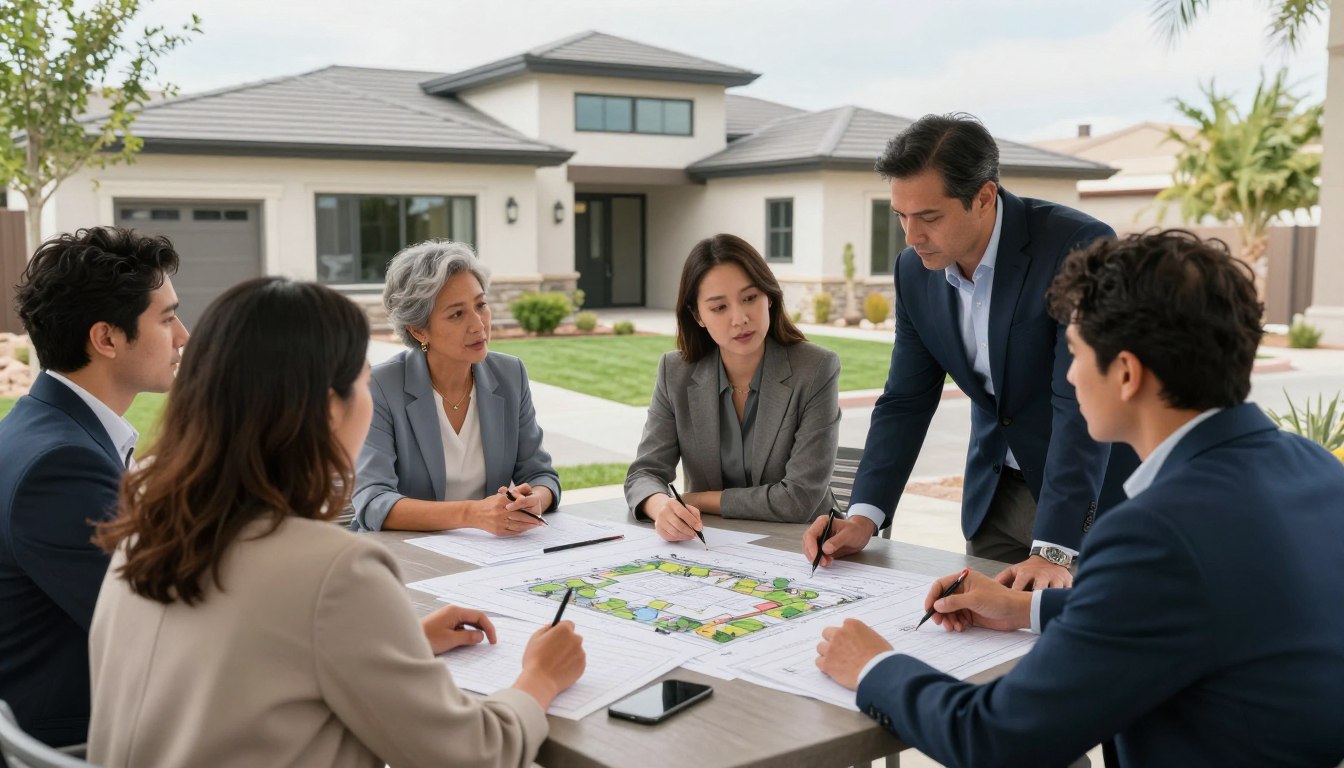
Planning an effective outdoor space requires a thoughtful approach. By following a structured process, you can create a vibrant and functional area that meets your needs while being environmentally friendly. Here’s a step-by-step guide to help you navigate the planning process.
Base Site Analysis & Outdoor Room Planning
The first step in your journey is to create a base plan. This involves drafting a scaled bird’s-eye view map of your property. Include important elements such as property lines, buildings, and existing features like trees and patios. It’s crucial to document sun exposure patterns, prevailing wind directions, and drainage patterns, especially during the rare desert rain events.
Once you have your base plan, overlay tracing paper to analyze your site. Mark contour lines to indicate slopes and outline areas that are wet or dry, as well as shady or sunny. Draw arrows to show how water moves through your property after rainfall. This will help you identify both opportunities and challenges.
Next, create a design program. This checklist should include your wants and needs, special problems to solve, and sustainability goals. Think of your outdoor spaces as distinct “rooms” serving specific functions, such as entertaining, gardening, or providing privacy.
Strategic Plant Placement & Functional Zones
Strategic plant placement is vital for achieving a balanced design. Assign plants to serve specific functions in your landscape. For example, use tall canopy trees for shade on the south and west sides of your home. Place evergreen shrubs for privacy screening and flowering perennials as focal points to attract pollinators.
Functional zone planning is also essential. Group plants with similar water, sun, and soil needs together in hydrozones. This allows for more efficient irrigation. Position high-water-use plants closest to your home for easy monitoring, while drought-tolerant native plants can thrive at the perimeter with minimal supplemental irrigation.
Choosing Hardscape Materials and Sustainable Features
Selecting the right materials is key to a sustainable landscape. Opt for permeable paving systems that allow rainwater to infiltrate the soil, reducing runoff. Use locally sourced materials to minimize transportation energy and support the regional economy. Light-colored surfaces can reflect the intense Las Vegas sun, keeping your outdoor living spaces cooler.
Incorporate sustainable features such as drip irrigation systems with smart controllers and rainwater harvesting basins. Compost areas can help recycle yard waste and kitchen scraps into valuable organic matter. Additionally, consider habitat features like birdbaths and bee hotels to support local wildlife.
Finally, working with a professional landscape design company like Taylormade Landscapes can streamline this process. They can help you avoid common mistakes, such as improper plant spacing and poor drainage design. Investing in professional guidance often pays off through avoided errors and maximized water savings.
| Planning Steps | Description |
|---|---|
| Base Plan Creation | Draft a scaled map including property lines, buildings, and existing features. |
| Site Analysis | Overlay tracing paper to analyze slopes, sun exposure, and water movement. |
| Design Program | Create a checklist of wants, needs, and sustainability goals. |
| Plant Placement | Assign plants to specific functions based on their characteristics. |
| Functional Zones | Group plants with similar needs together for efficient management. |
| Material Selection | Choose sustainable materials that minimize environmental impact. |
| Sustainable Features | Incorporate elements like irrigation systems and habitat features. |
| Professional Support | Consider hiring experts to enhance planning and avoid mistakes. |
By following these steps, you can create a beautiful and functional outdoor space that enhances your home while being mindful of the environment. For more detailed insights on landscape management, check out our guide on designing a sustainable landscape.
Transforming your outdoor space in Las Vegas is more than just a trend; it’s a vital evolution in how homeowners approach their gardens. By embracing eco-friendly practices, you can achieve lower water bills, reduced maintenance, and enhanced beauty in your yard.
Core principles like using native plants, efficient irrigation, and healthy soil work together to create a resilient and self-sustaining environment. Homeowners have a unique opportunity to utilize the SNWA Water Smart Landscapes rebate program, making these solutions financially accessible while supporting community water conservation goals.
For a professional consultation, contact Taylormade Landscapes at taylormadelandscapes.com. Our experts understand the Las Vegas climate and can guide you through every phase of your project.
FAQ
- What is sustainable landscape design? It’s an ecological approach that uses native plants, conserves water, and promotes healthy soil practices.
- How much water can I save with a sustainable landscape in Las Vegas? You can reduce outdoor water use by 60-80%.
- Are there rebates available for replacing my lawn? Yes, the SNWA offers $3 per square foot for replacing traditional lawns.
- Do sustainable landscapes work with HOA requirements? Yes, professional designs can meet HOA standards while achieving sustainability goals.