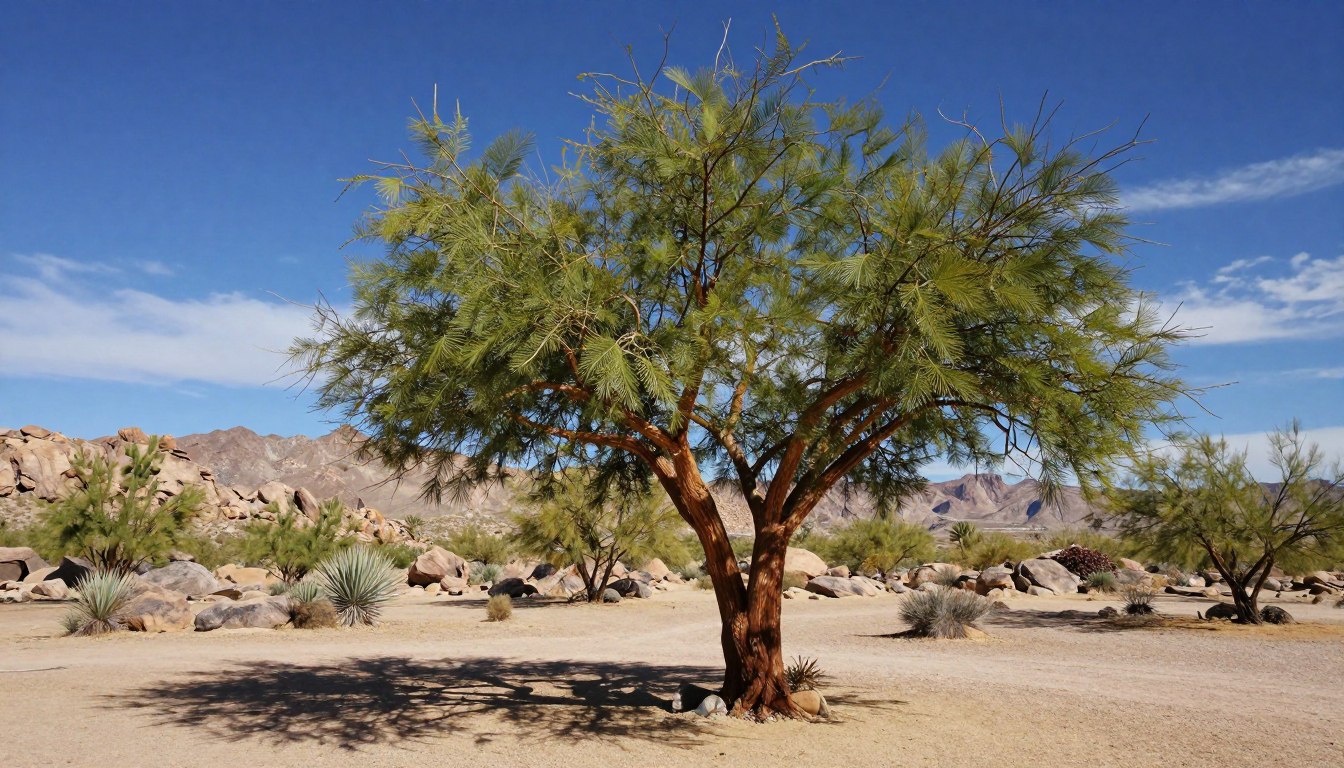
What if the secret to a thriving Las Vegas yard isn’t just what you plant, but how you prepare for the desert’s extreme demands? A successful plant installation requires a strategic approach, especially in this climate, to ensure your new greenery survives the intense heat.
Taylormade Landscapes, emphasizes that proper planning is essential for a successful landscape project. Creating a beautiful outdoor space is a worthwhile endeavor that demands careful execution in every phase of the plan installation process.
This process is more than just digging holes. It involves a thoughtful blend of softscape and hardscape elements to create a cohesive, functional environment where your garden can thrive for years.
By following five essential steps, you can transform your space into a resilient landscape that stays vibrant all summer. We’ll guide you through setting up a yard that conquers the challenging climate.
Key Takeaways
A strategic approach is critical for new plants to survive the harsh Las Vegas desert.
Careful planning and execution form the foundation of any successful outdoor project.
A beautiful, functional space requires blending living elements (softscape) with structural ones (hardscape).
The goal is to build a resilient landscape that remains vibrant through the hot summer months.
Proper technique during the setup process ensures your garden thrives for many years.
Transforming your yard is achievable by following a clear, step-by-step guide.
Local expert highlights the importance of preparation.
Understanding the Desert Landscape Challenges
Success in the desert begins with a clear understanding of the two biggest obstacles: unforgiving soil and a severe lack of water. Your approach to these elements will make or break your outdoor project.
Adapting to Harsh Soil and Climate Conditions
Las Vegas soil is often heavy clay. Trying to change its structure is a tough battle. A smarter strategy is to pick greenery that naturally tolerates these specific conditions.
Experts recommend that 95% of your chosen plants should be low-care and adapted locally. This creates a resilient landscape that thrives with minimal fuss.
Challenge
Common Mistake
Smart Strategy
Clay Soil
Amending soil extensively for unsuitable plants
Select native or desert-adapted species that enjoy clay
Intense Heat & Sun
Choosing shade-loving varieties
Prioritize sun-loving, drought-tolerant plants
Low Rainfall
Frequent, shallow watering
Design a deep-root zone and use efficient irrigation
Wind & Erosion
Leaving soil bare
Use mulch and ground covers to protect the soil
Water Scarcity and Irrigation Needs
Water is a precious resource here. Your design must work with the natural moisture available. This means planning your garden layout for efficiency.
Proper irrigation planning is vital. A good system delivers hydration directly to the root zone without waste. This careful management ensures every drop supports a healthy, sustainable space.
Preparing the Site and Planning Your Landscape
Your yard’s transformation begins with creating a clean, stable foundation. This step is often overlooked but is crucial for the entire project’s success.
Taylormade Landscapes recommends starting any new landscape design by clearing the site of debris and unwanted growth. This creates a perfect canvas for your vision.
Site Cleanup and Leveling Considerations
Move decorations and furniture to a safe spot first. This prevents damage during the preparation process.
Leveling the ground is a critical task. You must finish grading slopes before pouring concrete or setting permanent features.
A flat, even surface ensures proper drainage and a professional finish for your entire design.
Selecting Appropriate Materials for Desert Environments
Choosing the right materials is essential for a durable yard. The harsh sun demands resilient options like stone or gravel.
Material
Best Use
Desert Durability
Gravel
Pathways, ground cover
Excellent; drains well, reflects heat
Decomposed Granite
Patios, informal walkways
Very Good; compacts firmly, low dust
Flagstone
Stepping stones, patio flooring
Good; natural stone withstands UV rays
Always mark your utility lines and planned garden beds on the ground. This final planning step ensures a safe easy landscape installation and accurate installation.
Step-by-Step Process for Plant Installation
Mastering the physical act of placing greenery in the ground is where your careful planning pays off. This step-by-step process ensures your new additions establish themselves quickly. Proper technique here prevents future stress and promotes robust growth.
Digging the Proper Planting Hole and Positioning Your Plant
Start by digging a hole that is twice as wide as the root ball. This gives the roots soft soil to expand into. The depth should match the height of the ball exactly.
Place your trees and shrubs into the hole. The top of the root ball must be level with the surrounding ground. Setting it too deep can suffocate the roots.
Handling the Root Ball and Minimizing Air Pockets
Inspect the root ball before placing it. If the roots are circling, gently loosen them. This encourages outward growth into the native soil.
Backfill the hole with the original soil. Gently tamp it down as you go to eliminate air pockets. Avoid compacting the soil too firmly, as this can damage delicate roots.
Step
Common Error
Best Practice
Digging the Hole
Making it too deep or narrow
Dig twice as wide, depth equal to root ball height
Positioning
Burying the crown too deep
Set the top of the root ball level with the ground
Root Preparation
Placing a bound root ball directly in hole
Loosen circling roots to encourage outward growth
Backfilling
Packing soil too hard or leaving large gaps
Tamp gently to remove air pockets without crushing roots
Essential Tips for Thriving Desert Gardens
Keeping your landscape vibrant in Las Vegas requires smart strategies for water, mulch, and plant selection. These final care steps ensure your new additions establish strong roots and flourish for years.
Watering Strategies and Mulching Techniques
Proper watering is the best way to help container shrubs and trees survive. An automated irrigation system provides consistent care throughout the day. Professionals often offer a 90-day warranty for such setups.
Always apply a layer of mulch to conserve moisture. Keep it at least three inches away from the base of any tree or shrub. This prevents rot and protects your greenery.
Using Drought-Tolerant Species and Proper Soil Preparation
Choosing drought-tolerant species is key for a low-care garden. Even with perfect care, experts note a normal 2-3% loss rate for new additions. This is expected in a dry area.
Mixing compost into your native soil can help retain water. Be careful not to over-amend if your selections prefer leaner conditions. This simple preparation supports a healthy, living space.
Conclusion
Building a lasting desert oasis is a journey that rewards careful attention and thoughtful design. Your commitment to proper site preparation and soil management creates a foundation where greenery can flourish for years.
Remember to observe your garden’s unique needs and adjust your care routine accordingly. This consistent effort transforms your property into a beautiful, functional retreat for your family.
Whether you’re a beginner or an experienced gardener, the result is a sustainable sanctuary that adds value and enjoyment. Take pride in watching your custom-designed environment thrive as you refine it over time.
Have you ever wondered if a desert backyard could feel like a sanctuary without wasting a single drop of water? As 2026 nears, many Vegas homeowners use a landscape design build process to change their yards. This approach creates a clean look that honors our local environment.
Modern minimalism blends the Mojave’s raw beauty with sleek elements. This style focuses on simplicity and purpose. It provides a serene environment that matches the Nevada climate perfectly.
Experts at the National Association of Landscaping Professionals say shade and water are vital. These features help keep the space cool and relaxing. Professional landscaping services ensure these features work well for every property.
Quiet seating areas also play a big role in modern plans. These spots allow you to escape the noise and enjoy the air. By focusing on these trends, you can create a private oasis.
Key Takeaways
Minimalism highlights the Mojave’s natural desert beauty.
Shade structures are essential for managing summer heat.
Quiet seating areas offer a space for mental relaxation.
Low maintenance remains a top priority for homeowners.
Sustainable choices drive future outdoor living trends.
Understanding Modern Desert Minimalism in Las Vegas
The harsh desert climate of Las Vegas has given rise to a unique minimalist aesthetic that is both functional and visually striking. This design approach is not just about simplicity; it’s about creating outdoor living spaces that are in harmony with the desert environment.
Core Principles of Desert Minimalist Aesthetics
Desert minimalist aesthetics are characterized by clean lines, uncluttered spaces, and a focus on natural materials. The core principle is to let the beauty of the desert landscape speak for itself, rather than over-accessorizing the space.
This approach often involves using native plants, earth-toned color palettes, and materials that complement the desert surroundings. The result is an outdoor space that feels like an extension of the natural landscape.
How Las Vegas Climate Shapes Design Choices
The extreme temperatures and low rainfall of Las Vegas significantly influence design choices in desert minimalist landscaping. Designers must select plants and materials that are not only aesthetically pleasing but also resilient to the harsh desert conditions.
Water conservation is a key consideration, leading to the use of drought-tolerant plants and efficient irrigation systems. The intense desert sun also necessitates the incorporation of shade structures and thoughtful placement of outdoor living areas.
The 2026 Shift Toward Intentional Simplicity
As we move into 2026, there’s a noticeable shift toward intentional simplicity in landscape design. Homeowners are seeking outdoor spaces that are not only beautiful but also sustainable and low-maintenance.
This trend is driven by a desire to reconnect with nature and to create living spaces that promote well-being. Modern desert minimalism is at the forefront of this movement, offering a design philosophy that is both stylish and environmentally conscious.
Assessing Your Property for Desert Minimalist Transformation
To create a stunning desert minimalist landscape, homeowners must first assess their property’s potential and limitations. This initial step is crucial in determining how to best utilize the available space and resources to achieve a harmonious and functional outdoor living area.
A thorough site analysis is the foundation of a successful desert minimalist transformation. This involves evaluating various factors that impact the design and functionality of your outdoor space. Begin by observing your property’s sun exposure throughout the day. Understanding the sun’s path will help you identify areas that receive full sun, partial shade, or full shade, which is essential for selecting appropriate plants and designing shade structures.
Microclimates within your property can significantly influence the overall design. These localized climate conditions can vary from the general climate of the area due to factors such as elevation, wind patterns, and proximity to buildings or water features. Recognizing these microclimates allows for more informed decisions regarding plant selection and placement.
Evaluating the existing vegetation on your property is another critical step. Identify plants that are worth retaining due to their aesthetic value, maturity, or sentimental significance. For plants that are not suitable for your desert minimalist vision, consider removal or relocation. Additionally, assess the soil condition to determine its suitability for new plantings and drainage.
Identifying spatial opportunities and constraints is vital in creating a functional and aesthetically pleasing outdoor space. Consider the size and shape of your yard, as well as any obstacles such as slopes, rocks, or utility lines. These factors will influence the placement of different elements within your landscape design.
Documenting drainage patterns on your property is also essential. Observe how water flows across your yard during rainfall or irrigation. Understanding these patterns will help you design a landscape that mitigates potential water accumulation issues and ensures proper drainage.
By thoroughly assessing your property, you can create a well-informed desert minimalist design that not only enhances the beauty of your outdoor space but also improves its functionality and sustainability.
Defining Your Vision for Outdoor Living Spaces
Defining your outdoor living space vision involves balancing your needs, desires, and the unique characteristics of your property. This process is crucial for creating an outdoor area that not only complements your home but also enhances your lifestyle.
As you start envisioning your ideal outdoor space, consider how you intend to use it. Will it be for relaxation, entertainment, or a mix of both? Understanding your priorities will help guide your design decisions.
Establishing Functional Priorities for Your Backyard
To create a functional outdoor space, identify your must-haves. This could include areas for dining, lounging, or children’s play. Prioritizing these elements will help you allocate space effectively.
Priority
Feature
Considerations
1
Dining Area
Size, location, seating capacity
2
Lounge Space
Comfort, shade, view
3
Play Area
Safety, durability, age appropriateness
Balancing Entertainment and Relaxation Zones
A well-designed outdoor space balances entertainment and relaxation areas. Entertainment zones might include outdoor kitchens and dining areas, while relaxation zones could feature serene gardens or secluded seating areas.
Creating a Cohesive Design Narrative
A cohesive design narrative ties your outdoor space together, creating a sense of harmony. This can be achieved through consistent material choices, color schemes, and design elements that reflect your personal style.
Setting Budget Expectations for Quality Results
Setting a realistic budget is crucial for achieving quality results in your backyard renovations. Consider allocating funds based on your priorities, and explore sustainable landscaping practices that offer long-term value.
By carefully defining your vision and priorities, you can create an outdoor living space that is both beautiful and functional, enhancing your home’s overall appeal and value.
Working with Professional Landscape Design Build Teams
When it comes to bringing your desert minimalist vision to life, the expertise of professional landscape design build teams is invaluable. These teams offer a comprehensive solution for homeowners looking to transform their outdoor spaces into functional and aesthetically pleasing areas.
Benefits of the Integrated Design-Build Approach
The integrated design-build approach streamlines the process of landscape transformation by combining design and construction services under one team. This methodology ensures seamless communication and project continuity, reducing the risk of misinterpretation and delays.
Key benefits of this approach include:
Benefit
Description
Impact on Project
Streamlined Communication
Single-point contact for design and construction
Reduces miscommunication and errors
Project Continuity
Design and build phases are managed cohesively
Ensures project is completed on time and within budget
Cost Efficiency
Reduced overhead costs due to single-contractor model
Provides cost savings for homeowners
Selecting Qualified Landscaping Services in Las Vegas
Choosing the right landscaping service is critical to the success of your project. Homeowners should look for teams with experience in desert minimalist design and a portfolio that showcases their work.
When selecting a landscaping service, consider the following factors:
Effective collaboration between homeowners and landscape architects is essential for achieving the desired outcome. This involves clear communication of design preferences, functional needs, and budget constraints.
Establishing Clear Communication and Timeline Expectations
Clear communication and a well-defined project timeline are crucial for the successful execution of landscape design build projects. Homeowners should ensure that their landscaping service provider offers regular updates and has a transparent project schedule.
By working with professional landscape design build teams and following these guidelines, homeowners in Las Vegas can achieve their desert minimalist landscape goals efficiently and effectively.
Step-by-Step: Developing Your Minimalist Garden Design Plan
To achieve a modern desert minimalist landscape, it’s crucial to follow a step-by-step design process. This approach ensures that your garden design is both aesthetically pleasing and functional.
Step 1: Create Functional Zones with Purpose
Begin by identifying the different functional zones you want in your garden, such as areas for relaxation, entertainment, or recreation. Each zone should serve a specific purpose and contribute to the overall minimalist aesthetic.
Consider the flow between these zones and how they will be used. This will help in creating a cohesive design that meets your needs.
Step 2: Embrace Negative Space as a Design Element
Negative space is a key element in minimalist design. It refers to the empty space between and around objects. In garden design, negative space can be used to create a sense of calm and visual balance.
By embracing negative space, you can avoid clutter and ensure that your garden feels serene and uncluttered.
Step 3: Select a Restrained Material Palette
A restrained material palette is essential for maintaining the minimalist aesthetic. Choose materials that are simple, yet elegant, such as concrete, steel, and natural stone.
Limiting your material selection will help create a cohesive look throughout your garden.
Step 4: Plan Focal Points and Visual Anchors
Focal points and visual anchors are crucial in guiding the eye through your garden. These can be achieved through the strategic placement of plants, water features, or decorative elements.
Ensure that these elements are simple and understated to maintain the minimalist theme.
Hardscape Design Solutions for Contemporary Desert Landscapes
As the trend towards minimalist desert landscaping continues to grow, the importance of thoughtful hardscape design becomes increasingly evident. Hardscape elements form the backbone of outdoor living spaces, providing structure, functionality, and aesthetic appeal.
Modern hardscape design includes a variety of materials and techniques that can elevate the visual and functional quality of desert landscapes. From advanced concrete applications to the strategic use of ground covers, the choices available to homeowners and designers are both diverse and sophisticated.
Modern Concrete Applications and Finishes
Concrete remains a versatile and popular choice for hardscape design in desert landscapes. Modern concrete applications offer a range of finishes and textures that can be tailored to suit various design aesthetics.
Advanced techniques such as stamped concrete, exposed aggregate, and colored concrete allow for the creation of unique and visually appealing surfaces. These finishes can mimic the appearance of natural stone or other materials, offering a cost-effective alternative without compromising on style.
Large-Format Pavers and Porcelain Tile Systems
Large-format pavers and porcelain tile systems are increasingly favored for their sleek appearance and durability. These materials are ideal for creating expansive, seamless surfaces that can withstand the harsh desert climate.
Porcelain tiles, in particular, offer excellent resistance to fading and cracking, making them a practical choice for outdoor applications. Their large format minimizes the number of grout lines, contributing to a clean and minimalist look.
Decomposed Granite and Crushed Rock Ground Covers
Decomposed granite and crushed rock are popular ground cover options for desert landscapes due to their natural appearance and ease of maintenance. These materials allow for water permeability, reducing runoff and supporting the local ecosystem.
They can be used to create pathways, patios, or simply as a ground cover around plants. Their earthy tones blend seamlessly with the desert environment, enhancing the natural beauty of the landscape.
Corten Steel and Powder-Coated Metal Accents
Metal accents, such as Corten steel and powder-coated metal, add a modern touch to desert landscapes. Corten steel, with its distinctive rust-like appearance, develops a patina over time, adding character to the landscape.
Powder-coated metal offers a durable and versatile option for decorative elements, from furniture to fencing. Its wide range of available colors allows for customization to fit any design scheme.
Material
Durability
Aesthetic Appeal
Maintenance
Modern Concrete
High
Versatile
Low
Large-Format Pavers
High
Sleek, Modern
Low
Decomposed Granite
Medium
Natural
Low
Corten Steel
High
Modern, Rustic
Low
Curating a Low-Maintenance Desert Plant Palette
A well-curated plant palette is essential for achieving a beautiful and sustainable desert garden. The right selection of plants not only enhances the aesthetic appeal of your outdoor space but also ensures that your garden remains resilient and low-maintenance.
In the desert climate, plants are not just decorative elements; they are also crucial for creating a sustainable ecosystem. By choosing plants that are adapted to the local climate, you can significantly reduce water consumption and maintenance needs.
Architectural Cacti and Succulents as Living Sculptures
Architectural cacti and succulents are perfect for adding a dramatic touch to your desert garden. These plants come in a variety of shapes and sizes, making them ideal for creating visually striking focal points. Their ability to store water in their leaves and stems allows them to thrive in the harsh desert environment with minimal watering.
Some popular architectural cacti include the saguaro and the cardón, known for their towering heights and majestic presence. Succulents like agave and aloe offer a range of textures and forms that can add depth and interest to your garden design.
Native Desert Trees for Shade and Structure
Native desert trees are invaluable for providing shade and structure to your garden. They are well-adapted to the local climate and soil conditions, requiring less maintenance and care. Trees like the palo verde and mesquite not only offer shade but also create a habitat for local wildlife.
Incorporating native trees into your garden design can also enhance its natural beauty and create a sense of connection to the surrounding landscape.
Ornamental Grasses and Textural Perennials
Ornamental grasses and textural perennials add movement and texture to your desert garden. Grasses like muhly grass and fountain grass provide a soft, flowing element that can contrast beautifully with the more rigid forms of cacti and succulents.
Perennials such as desert marigold and globe mallow offer vibrant colors and delicate textures, adding variety and interest to your garden throughout the growing season.
Strategic Plant Grouping for Maximum Visual Impact
The way you group plants in your garden can significantly impact its overall visual appeal. Strategic grouping involves placing plants in a way that creates harmony and balance, taking into account factors like texture, color, and form.
By grouping plants with similar water needs together, you can also improve the efficiency of your irrigation system, contributing to a more sustainable landscaping approach.
Effective garden design is not just about selecting the right plants; it’s also about how you arrange them to create a cohesive and visually appealing landscape.
Implementing Sustainable Landscaping Practices
As Las Vegas homeowners embrace modern desert minimalism, incorporating sustainable landscaping practices becomes essential for reducing environmental impact. Sustainable practices such as smart irrigation, rainwater harvesting, and organic mulching are crucial for water conservation and minimizing the ecological footprint of outdoor spaces.
These practices not only contribute to a more environmentally friendly landscape but also enhance the aesthetic and functional value of the property. By adopting sustainable landscaping methods, homeowners can create beautiful, low-maintenance outdoor areas that thrive in harmony with the desert environment.
Smart Irrigation Technology for Water Conservation
Smart irrigation technology is a game-changer for water conservation in desert landscapes. These systems use advanced sensors and weather data to optimize watering schedules, ensuring that plants receive the right amount of moisture without waste.
By reducing water consumption and preventing overwatering, smart irrigation systems help maintain healthy plants while conserving this precious resource. Many modern irrigation controllers can be integrated with weather stations and soil moisture sensors to fine-tune watering schedules.
Feature
Traditional Irrigation
Smart Irrigation
Watering Schedule
Fixed schedule
Dynamic, weather-based
Water Conservation
Limited control
Optimized water use
Maintenance
Manual adjustments
Automated adjustments
Rainwater Harvesting and Greywater Reuse Systems
Rainwater harvesting and greywater reuse systems offer additional opportunities for water conservation in desert landscapes. These systems collect and store rainwater or greywater (wastewater generated from sinks, showers, etc.) for later use in irrigation.
By utilizing rainwater or greywater, homeowners can significantly reduce their dependence on potable water for landscaping needs. This not only conserves water but also reduces the demand on municipal water supplies.
Soil Preparation and Amendment Techniques
Proper soil preparation and amendment are critical for creating a sustainable landscape. By improving soil structure and fertility, homeowners can promote healthy plant growth while reducing the need for chemical fertilizers and pesticides.
Techniques such as adding organic matter, using cover crops, and implementing composting programs can significantly enhance soil health. Healthy soil retains moisture better, reducing the need for frequent watering and supporting a diverse range of beneficial microorganisms.
Organic Mulching for Temperature and Moisture Control
Organic mulching is a simple yet effective technique for maintaining soil health and reducing water loss. By applying a layer of organic mulch around plants, homeowners can regulate soil temperature, suppress weeds, and retain moisture.
Organic mulches such as wood chips, bark, or compost not only improve the aesthetic appeal of the landscape but also contribute to its sustainability by reducing the need for irrigation and chemical weed control.
Creating Comfortable Outdoor Living Areas in Desert Heat
Creating comfortable outdoor areas in the desert heat involves more than just aesthetics. It requires a thoughtful approach to designing spaces that are both functional and visually appealing. Las Vegas homeowners are increasingly looking to transform their outdoor spaces into extensions of their indoor living areas, perfect for relaxation, entertainment, and enjoying the unique desert landscape.
The challenge lies in balancing the harsh desert climate with the desire for open-air living. This involves incorporating elements that provide comfort and shade, while maintaining the minimalist aesthetic that is characteristic of modern desert design.
Shade Structures That Complement Minimalist Design
Shade structures are essential in desert landscapes, providing relief from the intense sun. Modern designs often incorporate sleek, minimalist pergolas, gazebos, or ramadas that not only offer shade but also become architectural focal points.
Materials such as steel, aluminum, and wood are popular for shade structures due to their durability and aesthetic versatility. For instance, a pergola with louvers can be adjusted to control the amount of shade, adding functionality to its minimalist design.
Outdoor Kitchen and Dining Zone Design
Outdoor kitchens and dining areas are becoming increasingly popular in Las Vegas homes. These spaces are designed to be functional, with high-quality appliances and countertops that can withstand the desert climate.
A well-designed outdoor kitchen not only enhances the outdoor living experience but also increases the value of the property. Incorporating elements like pizza ovens, fire pits, and outdoor refrigerators can create a luxurious outdoor entertaining space.
Feature
Description
Benefits
Outdoor Kitchen
High-quality appliances and countertops
Enhances outdoor living, increases property value
Dining Area
Sheltered or open-air dining spaces
Encourages outdoor dining, expands living space
Fire Pit
Gas or wood-burning fire features
Provides warmth, creates ambiance
Fire Features as Gathering Focal Points
Fire features are a popular addition to outdoor living spaces, serving as both a heat source and a gathering point. Modern designs range from simple fire pits to elaborate fire tables and outdoor fireplaces.
These features not only provide warmth on cooler desert nights but also create a cozy ambiance, making outdoor spaces more inviting.
Built-In Seating and Lounge Areas
Built-in seating and lounge areas are integral to creating comfortable outdoor living spaces. These can be designed to complement the overall aesthetic of the home and landscape.
Using materials like stone, concrete, or wood, built-in seating can be customized to fit any space, from intimate corners to expansive entertaining areas.
By incorporating these elements, homeowners can create outdoor living areas that are not only beautiful but also functional and comfortable, perfect for enjoying the desert landscape.
Executing Backyard Renovations: The Implementation Process
A successful landscape design build project in Las Vegas hinges on a thorough implementation plan. This process involves several critical phases that transform your outdoor space into a modern desert oasis.
Phase 1: Site Preparation and Demolition Work
The first phase of backyard renovations involves site preparation and demolition work. This step is crucial as it sets the foundation for the entire project. It includes clearing the land, removing debris, and demolishing existing structures that are not part of the new design.
Phase 2: Installing Hardscape Foundations
Once the site is prepared, the next phase involves installing hardscape foundations. This includes laying down patios, walkways, and other hardscaping elements that form the backbone of your outdoor living space.
Phase 3: Irrigation and Lighting System Integration
After the hardscape foundations are laid, the focus shifts to integrating irrigation and lighting systems. This phase is critical for ensuring that your landscape is not only beautiful but also functional and sustainable.
Phase 4: Planting Installation and Finishing Details
The final phase involves planting installation and adding finishing details. This includes selecting and planting the right flora for your desert minimalist landscape and adding decorative elements that enhance the overall aesthetic.
By understanding and following these phases, homeowners in Las Vegas can ensure that their backyard renovation project is executed smoothly and effectively, resulting in a stunning outdoor space that reflects modern desert minimalism.
Conclusion
As Las Vegas homeowners increasingly adopt the modern desert minimalism trend, they are discovering the perfect blend of aesthetics and functionality. A well-executed landscape design build can transform outdoor spaces into serene retreats that complement the desert landscape.
By incorporating sustainable landscaping practices, homeowners can reduce their environmental footprint while enjoying beautiful, low-maintenance outdoor areas. This approach not only enhances the visual appeal of properties but also contributes to water conservation and reduced maintenance costs.
The key to a successful desert minimalist landscape lies in its simplicity, thoughtful plant selection, and efficient use of resources. By working with professional landscape design build teams, homeowners can create unique outdoor living spaces that reflect their personal style while embracing the beauty of the desert environment.
As the demand for modern desert minimalism continues to grow, it’s clear that this design approach is more than a trend – it’s a sustainable and stylish solution for Las Vegas homeowners seeking to enhance their outdoor living experiences.
The “Dead Garden” paradox is simple and painful: you crank up the schedule during a heat wave, your bill spikes, and the yard still browns out. This guide starts with that odd truth to ask a direct question—why does more watering make things worse? Traditional timers are blind. They run on a clock, not on plant need or air demand. In a desert irrigation system, that mismatch wastes water and leaves roots thirsty when the atmosphere pulls moisture fast.
We’ll explain how a yard behaves in extreme heat, what breaks down in an old irrigation approach, and how smarter tech and better delivery fix timing, depth, and loss. Drip tends to work best in these conditions because it soaks roots slowly where soil can absorb it.
Key Takeaways
More frequent runs often cause more loss, not healthier plants.
Timing and delivery matter more than total water applied.
Drip delivery helps soil absorb moisture where roots need it.
Smart upgrades for desert irrigation system can cut waste and improve coverage without heavy digging.
Assess payback: saved water, fewer plant replacements, and less service time.
The “Dead Garden” Paradox: Why More Water Still Leaves Desert Plants Stressed
When temperatures climb, pouring on extra water can be the exact move that stresses plants. In a desert irrigation system, surface moisture vanishes fast in extreme heat, so a long, fast run can flood the top inch while roots stay dry below.
Here’s the homeowner math: evaporation removes surface drops, and hard, dry soil can repel or channel water away. That runoff ends up in low spots or the street instead of the root zone.
Poor delivery also trains shallow roots. Shallow roots plus big temperature swings weaken resilience, so plants go crispy even after a heavy cycle.
Soil decline and yard symptoms
Poor water management speeds local soil decline. Globally, land degradation affects about 75% of the planet and keeps accelerating. Repair costs far outweigh prevention.
Problem
What it looks like
Why it happens
Runoff & channeling
Water puddles or flows off, roots stay dry
Hard, compacted soil repels fast application
Shallow rooting
Plants wilt within a day of watering
Frequent short cycles fail to wet deep roots
False signals
Green weeds or soggy basins mask dry beds
Poor distribution hides critical dry zones
Self-check checklist: dry spots that don’t respond, uneven growth, patches that turn muddy while nearby plants wilt. These signs point to delivery and timing problems—not just a need for more runtime.
Core message: in extreme heat, the fix is method over minutes. Correct how you apply water before you increase it.
The Fatal Flaws of Traditional Irrigation Systems in Extreme Desert Conditions
Fast, shallow watering hides a simple truth: more runtime often means less root moisture.
Wrong delivery method
Traditional spray heads apply water quickly to the surface. In hot weather this causes evaporation and runoff. Roots stay dry, and plants show heat stress even though the meter reports heavy usage.
Slow, deep drip delivery soaks the root zone. That approach builds deeper roots and better heat resilience in each plant.
Clogging and pressure problems
Clogged emitters create “phantom watering”—the controller runs, but flow is minimal. Homeowners then increase time, wasting water and hiding true failure points.
Inconsistent PSI skews output across long lines and grades. Use a 150-mesh filter and a pressure regulator set to 20–30 PSI for drip. Pressure-compensating emitters keep flow even across runs; emitter rates commonly range from 0.5 to 20 GPH.
Health and code risks
Backflow prevention is not optional. A testable PVB keeps irrigation water—potentially carrying fertilizer or chemicals—out of the home’s drinking supply. Many jurisdictions require a pressure vacuum breaker and regular testing.
Fix the physical basics (backflow, filtration, pressure), then add smarter controls. Precision upgrades thrive only when delivery hardware is reliable.
Failure Point
Primary Cause
Common Symptom
Practical Fix
Fast surface runs
High flow, short cycles
Runoff, dry roots
Switch to slow drip; lengthen soak times
Clogged emitters
Poor filtration, debris
Patches that look underwatered
Install 150-mesh filter; flush lines regularly
Pressure variation
No regulator or long runs
Flooding in some zones, dry in others
Use regulators at 20–30 PSI; add pressure-compensating emitters
Backflow risk
No PVB or test
Potential contamination of drinking water
Install/test a PVB per local code
Smart Systems and the Precision Advantage for a desert irrigation system
Smart controllers turn weather data into schedules that actually match plant demand. They cut wasted runs by adjusting timers for temperature, humidity, and seasonal shifts. The result is healthier plants and lower water use without guessing.
What “smart” really means
A smart controller senses weather and shortens or lengthens cycles automatically. That means less overwatering in cool periods and extra minutes when heat spikes.
Head-to-head comparison
Metric
Traditional
Smart
Impact
Scheduling accuracy
Fixed clock
Weather-driven
Reduces waste, improves plant health
Response to heat
Manual changes
Auto-adjusts
Better recovery and root resilience
Water control
Coarse
Fine-tuned
Lower bills and less runoff
Maintenance
Hardware fixes
Hardware + software
Fewer emergency repairs
Core components and upgrade path
Precision needs reliable valves, a 150-mesh filter, 20–30 PSI regulators, and pressure-compensating emitters. Match emitters to soil: clay favors 0.5–2 GPH with longer soaks; sandy soil works with 4–20 GPH and shorter, more frequent cycles.
Retrofit the controller first, then audit zones and replace emitters as needed. When digging is required, trench PVC ~12″ deep and poly ~6″. Keep 1/2″ poly under 200 ft and microtubing ≤15 ft. Call 811 at least three days before any trench work.
Conclusion
Fixing why a yard fails in extreme heat starts with looking at how water reaches roots.
The core takeaway: problems are usually delivery, pressure/filtration reliability, and schedule precision—not total quantity. Smart upgrades pay off when you see repeated plant loss, dry patches, high bills, or frequent repairs.
Start in phases: swap to a weather-aware controller, secure backflow and pressure, then refine emitters and zoning. Keep a “do no harm” checklist: confirm backflow protection, stabilize pressure, maintain filters, and avoid simply adding minutes.
For a desert irrigation system appropriate evaluation and a smart-upgrade plan tailored to your yard and plants, contact Taylormade Landscapes.
Is it possible to create a lush, vibrant Las Vegas landscape with the right heat-resistant plants in the middle of a Las Vegas summer? Many believe the extreme heat makes it impossible. This guide is your answer. We provide a complete plan for cultivating a stunning landscape that defies the desert climate.
First, we’ll explore what allows certain species to thrive in full sun and scorching temperatures. Their biological adaptations are key to success. The local climate presents unique hurdles. Intense solar radiation, low humidity, and poor soil quality are major challenges. Overcoming them is about smart choices. Selecting the right greenery and using tailored care practices will create a flourishing oasis. Our journey takes you from core principles to specific recommendations. We cover trees, shrubs, perennials, and even edibles that need little water. You will also learn vital techniques. Soil improvement, mulching, and efficient watering strategies are essential for an arid environment. The goal is to empower you. Transform your outdoor space into a resilient and beautiful sanctuary that lasts all season.
Key Takeaways
This guide provides a complete plan for gardening in Las Vegas’s extreme heat.
Learn what makes a plant truly resilient to high temperatures and full sun.
Understand the specific challenges posed by the local climate and soil.
Discover plant varieties across categories that thrive with minimal water.
Implement smart care practices like soil improvement and efficient watering.
Transform your outdoor space into a beautiful, productive oasis.
Enjoy a vibrant landscape that lasts throughout the long, hot season.
Introduction: Gardening in the Las Vegas Heat
Cultivating a garden in Las Vegas means confronting an extended season of intense heat. Daytime temperatures frequently soar past 100°F for months on end. This creates a set of unique growing conditions. Many common flowers and vegetables simply cannot cope. Traditional favorites like tomatoes may stop producing fruit. Their growth stalls when nights stay too warm. This doesn’t mean you must give up on a beautiful landscape. Success requires a shift in strategy. The key is to work with the local climate, not against it. You must select species naturally adapted to aridity and sun.
Smart, water-wise techniques are also essential. This approach transforms gardening from a constant battle into a rewarding partnership.The result is a space that thrives during the peak summer months. Your garden becomes a vibrant, colorful retreat when others fade. It can provide cooling shade, support pollinators, and even yield edible rewards. This guide will show you how to move beyond mere survival. We will explore the combination of resilient plant choices and intelligent care practices. Your goal is a lush, productive oasis.
What Makes a Plant Heat-Resistant?
The secret to a thriving garden in extreme conditions lies in the unique adaptations of certain species. These biological features allow them to conserve water and reflect intense sunlight. Many heat-tolerant plants have special leaves. They are often small, thick, or covered with a waxy coating or fine hairs. This design reduces their surface area. It minimizes water loss through a process called transpiration.
Lavender and rosemary are perfect examples. Their foliage is built to handle full sun and dry air. Root systems also play a critical role. Some species develop deep taproots that reach far below the hot, dry surface. This allows them to access hidden moisture reserves. A pomegranate tree is a champion of this strategy. Once established, it becomes exceptionally drought-tolerant. Its roots anchor it securely against the heat. Other greenery stores water directly in its tissues. Succulents and cacti have fleshy leaves or stems. They act like built-in water tanks. This lets them endure long periods without any rain.
Foliage color is another smart adaptation. Silver or light-gray leaves reflect sunlight instead of absorbing it. This reflection helps keep the internal temperature of the plant cooler. It’s a natural sun shield. The life cycle of a plant matters too. Perennials often outperform annuals in hot climates. Their established root systems are deeper and more resilient. They can handle stress from high temperatures better. True resilience involves more than just tolerating hot air. It includes handling intense solar radiation, low humidity, and poor soil.
Understanding these traits helps you make informed choices. You can select species equipped for a Las Vegas summer.
Adaptation Type
How It Helps
Example Plants
Specialized Leaves
Reduces water loss (transpiration) through small size, wax, or hairs.
Lavender, Rosemary, Sage
Deep Taproot System
Accesses deep soil moisture, providing drought tolerance after establishment.
Pomegranate, Mesquite, Texas Ranger
Water Storage Tissues
Stores water in leaves or stems to survive extended dry periods.
Agave, Aloe, Barrel Cactus
Light-Colored Foliage
Reflects sunlight to keep plant tissues cooler.
Dusty Miller, Lamb’s Ear, Artemisia
Perennial Life Cycle
Established, deep roots offer greater stability and heat stress resilience.
Coneflower, Daylily, Russian Sage
Look for these features when choosing greenery for your landscape. Matching a plant’s natural strengths to your local environment is the key to success.
Key Principles for Las Vegas Garden Success
Achieving a lush garden in the desert isn’t just about plant selection—it’s about smart care. The right practices create a supportive environment where your landscape can thrive. These methods work with the local climate. They reduce stress on your greenery and conserve precious resources. Focus on a few core areas from the start. This sets the stage for a healthy, vibrant outdoor space for years.
Focus on Soil Improvement and Organic Matter
Local soil is often sandy and drains too fast. It holds little water and fewer nutrients. Amending it is your first critical step. Mix in plenty of compost or well-rotted manure. This organic matter acts like a sponge. It dramatically improves the soil’s ability to retain moisture. It also feeds the beneficial microbes that help plants grow. Think of it as building a strong foundation for your entire garden.
The Critical Importance of Mulch
A thick layer of mulch is your garden’s best friend. Apply three to four inches of organic material like wood chips. This blanket insulates the earth from the sun’s intense heat. It keeps the root zone much cooler. Mulch also drastically slows evaporation. This means you will need to water less often. As a bonus, it suppresses weeds and breaks down over time. This further enriches the soil beneath it.
Smart Watering Strategies for Arid Climates
How you water is just as important as what you water. Deep, infrequent soakings are the goal. This encourages roots to grow downward. Deep roots access cooler, moister soil and make plants more resilient.Drip irrigation or soaker hoses are highly efficient. They deliver water directly to the root zone with minimal waste. Always water in the early morning. This gives foliage time to dry and reduces loss to evaporation.
Using “Nanny Plants” for Temporary Shade
Some young specimens need protection from intense sun. Fast-growing “nanny plants” can provide it. Species like mulberry or grapevines grow quickly. They create a canopy of dappled shade in their first season. This temporary shelter helps more sensitive plants get established. You can remove or prune the nanny plant later. It’s a clever way to manage microclimates in your garden. This strategy is a key part of establishing a new landscape.
Two other principles are vital for success. First, avoid putting new plants in the ground during peak summer heat. Fall or spring planting gives them time to grow roots before the stress arrives. Second, consider planting densely. When greenery is placed close together, it can shade the soil and each other’s roots. This creates a cooler, more humid microclimate. It also reduces overall water loss from your garden bed. Make sure to follow spacing guidelines for mature size.
Garden Principle
Primary Benefit
Key Action
Soil Amendment
Increases water retention and nutrient availability.
Incorporate 3-4 inches of compost into native soil at planting.
Mulching
Cools soil, reduces evaporation, and suppresses weeds.
Maintain a 3-4 inch layer of organic mulch, keeping it away from plant stems.
Deep Watering
Promotes deep, drought-resistant root systems.
Water slowly and deeply 1-2 times per week, using drip irrigation.
Strategic Shade
Protects young plants from sun stress during establishment.
Use fast-growing trees or shade cloth for temporary protection.
Dense Planting
Creates a self-shading, water-conserving microclimate.
Space plants slightly closer than usual to allow foliage to touch at maturity.
Top Heat-Tolerant Trees for Structure and Shade
When planning a garden to withstand the desert sun, selecting the right trees is your most important long-term decision. They form the permanent backbone of your landscape. These choices provide essential structure and create cooling shade. This makes the entire garden more comfortable for people and other plants. Many of these trees also offer delicious rewards. You can enjoy homegrown fruit while knowing your garden is built to last.
Pomegranate: The Drought-Tolerant Champion
Renowned as one of the best heat-tolerant fruit trees, pomegranates are a top pick for hot climates. They thrive in full sun and handle dry conditions with champion-like ease. Their secret is a deep root system. Once established, this makes them exceptionally drought-resilient. You get beautiful orange-red flowers followed by glossy, nutritious fruit. All of this comes with minimal care, making it a superb low-maintenance option.
Fig: Reliable and Sweet in Full Sun
Figs are remarkably reliable performers in arid environments. They adore full sun and can even tolerate poor, sandy soils common in the area. After a good establishment period, they become quite drought-tolerant. The reward is an abundance of incredibly sweet fruit. This combination makes the fig tree a low-fuss, high-reward choice for edible landscaping. It’s a reliable source of summer sweetness.
Citrus: Sun-Loving and Productive
Citrus trees, including oranges, lemons, and limes, love full sun. Once their roots are well-established, they are very productive in hot environments. A key tip is to avoid planting new citrus just before or during peak summer heat. This prevents transplant shock and gives them the best start. With many varieties available, you can choose based on your favorite flavors. A mature tree provides fragrant blooms and a generous harvest.
Olive: A Mediterranean Survivor
Olives are the epitome of a heat-tolerant tree. They are perfectly adapted to Mediterranean climates, which are very similar to our own. These trees are drought-resilient and thrive in poor soil. They offer beautiful silvery foliage year-round, adding elegant structure. While they grow slowly, they are incredibly long-lived. You also get the potential for a fruit harvest to cure your own olives. These trees are typically deciduous or evergreen perennials. Once established, they provide benefits for many years. Deciduous types lose leaves in winter to allow welcome light. Evergreens provide constant structure and wind protection.
Choosing one or more of these trees lays a solid foundation for your entire garden design.
Tree
Sun Requirement
Water Needs (Once Established)
Key Benefit & Note
Pomegranate
Full Sun
Low; Drought-Tolerant
One of the best heat-tolerant fruit trees; deep roots, nutritious fruit.
Fig
Full Sun
Low to Moderate
Reliable in poor soil; produces very sweet fruit with minimal fuss.
Citrus
Full Sun
Moderate; Deep Watering
Sun-loving and productive; avoid summer planting to establish well.
To build a garden with year-round interest, incorporate shrubs known for their toughness and vibrant displays. These plants form the essential middle layer of your landscape. They add structure, texture, and often spectacular blooms. Once established, they require minimal care to look great all season.
Rosemary: Thrives on Neglect
This culinary herb is a landscaping superstar in hot climates. It forms robust, aromatic shrubs that truly thrive on neglect. Rosemary excels in poor, sandy soils with excellent drainage. It is extremely drought-tolerant once its roots are settled. You can shape it into formal hedges or let it grow naturally. It provides fresh herbs for cooking throughout the entire year.
Lavender: Drought-Tolerant Pollinator Magnet
A classic Mediterranean plant, lavender is perfectly suited to arid summers. It demands full sun and little water to produce its famous fragrant spikes. These flowers attract plenty of bees and other beneficial pollinators to your garden. The plant also has many medicinal and culinary uses. For success, ensure it has excellent drainage. Avoid overwatering to keep the roots healthy and happy.
Russian Sage: Airy Purple Blooms for Hot Borders
With silvery-green foliage and wands of purple flowers, Russian Sage is a top performer. It adds a soft, airy texture to hot and dry garden borders. Once established, it doesn’t mind intense heat, poor soil, or drought. It blooms for a long period, providing reliable summer color. This perennial shrub is excellent for adding height and movement. It pairs beautifully with other sun-loving flowers.
Lilly Pilly: Evergreen Hedge with Edible Berries
For a dense, evergreen screen, consider the tough Lilly Pilly. It is part of the Syzygium genus, also called Australian brush cherries. This water-wise shrub handles pruning exceptionally well. It’s perfect for creating a formal hedge or a privacy screen. Many varieties produce edible pink or purple berries. These can be used to make delicious jams, adding it to your list of edible plants.
Shrub
Sun Requirement
Water Needs (Established)
Key Features & Uses
Rosemary
Full Sun
Very Low
Thrives on neglect; aromatic foliage for cooking; can be shaped into hedges. Ideal for hot climates.
Lavender
Full Sun
Low
Drought-tolerant; fragrant flowers attract pollinators; medicinal and culinary uses.
Russian Sage
Full Sun
Low
Airy purple blooms; tolerant of heat, poor soil, and drought; adds texture to borders.
These shrub varieties provide long-lasting color and attract beneficial insects. They are foundational for a layered, professional landscape design. By choosing these resilient plants, you create a garden that withstands the summer heat with beauty and grace.
Flowering Perennials for Reliable Summer Color
Summer color doesn’t have to fade when you choose perennials built for endurance. These are the workhorses of the garden, returning year after year with a reliable show. They form the colorful foundation of a landscape that thrives in heat. Once established, they demand far less water and attention than annuals. Selecting the right varieties ensures your garden stays lively from spring through fall. You get maximum impact with minimal input.
Coneflower (Echinacea): A Pollinator Favorite
This cheerful perennial offers vibrant shades of purple, pink, and white. It is exceptionally tough and stands up to full sun. Coneflowers are a top choice for attracting bees and butterflies. Their sturdy seed heads remain after blooming. These provide valuable food for birds through the winter. This extends the plant’s garden value well beyond the flowering season.
Black-Eyed Susan: Cheerful Native Wildflower
A quintessential summer bloomer, this native thrives in challenging conditions. Its golden-yellow petals with dark centers are instantly recognizable. It is beloved by many pollinators and adds a wildflower charm. For best results, water directly at the soil level. This practice keeps the leaves dry and helps prevent fungal issues. Also, avoid overcrowding to ensure good air circulation.
Daylily: The Ultimate Low-Maintenance Bloomer
True to its name, the daylily survives with almost zero care. It tolerates most soil types and thrives in full sun. While each individual flower lasts only a single day, each stalk produces a succession of blooms. This provides weeks of continuous color. It’s one of the best heat-tolerant perennials for sheer durability. You can practically neglect it, and it will still perform.
Salvia: Spikes of Color That Hummingbirds Love
Salvia, also called sage, produces striking vertical spikes of color. You can find varieties in brilliant blue, purple, red, or pink. These tubular blossoms are a magnet for hummingbirds and other beneficial insects. The plant is both heat and drought-tolerant once established. It adds wonderful height and structure to garden borders. The flowers grow on strong stems that don’t flop over. Planting a mix of these perennials creates a sequence of beautiful flowers. This ensures a summer-long display that changes over time. You get a dynamic, lively border that supports local wildlife. It’s a sustainable approach to a colorful garden.
Perennial
Key Colors
Sun Requirement
Special Features & Care Tip
Coneflower (Echinacea)
Purple, Pink, White
Full Sun
Pollinator favorite; leave seed heads for winter bird food.
Black-Eyed Susan
Golden Yellow with Dark Center
Full Sun
Native wildflower; water at soil level to keep leaves dry.
Daylily
Orange, Yellow, Red, Pink
Full Sun to Part Shade
Survives on neglect; each stalk has many sequential blooms.
Salvia (Sage)
Blue, Purple, Red, Pink
Full Sun
Hummingbird magnet; heat and drought-tolerant; great for height.
Vibrant Annuals That Beat the Heat
For an instant splash of color that laughs at the sun, look to annual flowers. They provide a spectacular burst of vibrancy. Use them to fill gaps and create seasonal interest. These flowers attract pollinators during the hottest part of the year.
Zinnia: Easy-Growing Pollinator Buffet
Zinnias are among the easiest flowers to grow from seed. They thrive in hot, dry conditions under full sun. You get a huge range of vibrant colors. They act as a nectar station for bees and butterflies. These beautiful flowers are also edible. They make a great addition to salads.
Vinca (Catharanthus): Non-Stop Blooms
Also known as Madagascar periwinkle, Vinca is a tough annual. It stands up to heat and drought like a champ. This plant provides non-stop blooms all summer long. Shades of pink, white, and red are common. It’s perfect for borders and containers. Vinca requires minimal care once established.
Portulaca (Moss Rose): A Sun-Loving Ground Cover
Portulaca, also called Moss Rose, is a low-growing annual. It has succulent leaves and bright, rose-like flowers. The blooms open in full sun. This species is exceptionally drought-tolerant. It spreads to form a colorful carpet. Use it in the hottest, driest parts of your garden.
Sunflower: Bold, Edible, and Soil-Cleansing
Sunflowers are the giants of heat-loving annuals. They are bold, beautiful, and entirely edible. You can eat the petals, seeds, and leaves. They are fantastic for attracting pollinators. These plants have a bonus benefit called phytoremediation. They help cleanse the soil of certain toxins. These annuals ensure vibrant color during peak Las Vegas heat. They are perfect for gardeners who want lively activity.
Annual
Key Features
Sun Requirement
Water Needs
Special Notes
Zinnia
Easy from seed, vibrant colors, edible, attracts pollinators.
Full Sun
Low; let soil dry between waterings.
Deadhead spent blooms to encourage more flowers.
Vinca (Catharanthus)
Non-stop blooms, heat and drought tolerant, great for containers.
Full Sun to Part Shade
Low; avoid overwatering.
Also called Madagascar periwinkle; self-cleaning flowers.
Portulaca (Moss Rose)
Succulent leaves, ground cover, flowers open in full sun.
Full Sun
Very Low; highly drought-tolerant.
Spreads quickly; ideal for rock gardens and hot slopes.
Provides food for birds; supports beneficial insects.
Heat-Loving Herbs for Your Kitchen Garden
Your kitchen garden can become a fragrant, productive hub even during the hottest months. The right aromatic selections actually prefer full sun and dry air.These species offer flavor for your meals and resilience for your landscape. They form an essential part of a water-wise garden design.Once established over a couple of years, they need very little care. You get a reliable source of fresh ingredients and garden beauty.
Thyme: A Fragrant, Creeping Ground Cover
Thyme is a versatile, low-growing herb that forms a fragrant, creeping mat. It thrives in hot, well-drained spots and requires minimal water. This plant makes an excellent edible ground cover. It spreads slowly to fill spaces between pavers or in rock gardens. In summer, it produces masses of tiny flowers. These blooms attract an array of beneficial insects to your garden.
Lemon Verbena: Sweet, Lemony Fragrance for Teas
This shrubby herb is prized for its intensely fragrant leaves. They have a sweet, lemony scent perfect for teas, baking, and syrups. Lemon verbena grows easily in full sun. It is a deciduous plant, meaning it drops its leaves in winter.This is a normal process. The plant rebounds vigorously with new growth each spring.
Catmint: Drought-Tolerant and Pollinator-Friendly
Catmint is a robust perennial herb, often confused with catnip. It has silvery-green foliage and long-lasting lavender flower spikes. Once established, it is incredibly heat and drought-tolerant. It doesn’t mind poor soil conditions common in the area. The blooms are a powerful magnet for bees and other pollinators. This makes it a valuable plant for supporting your local ecosystem. These herbs are culinary and medicinal assets. They also contribute significantly to a healthy garden environment. They support pollinators and beneficial insects with minimal water needs. This makes them smart, sustainable choices.
Including these plants creates a layered, functional garden space. You gain flavor, fragrance, and vital support for wildlife.
Edible Vines for Vertical Gardening and Shade
Edible vines serve a dual purpose, creating living shade while producing a tasty harvest from the air. They are perfect for small spaces or to add a lush, productive layer to your landscape. These climbers grow quickly to cover fences, arbors, and pergolas. They form a cool, green canopy that shields other plants and patio areas from intense sun. Using vertical space is a smart strategy in hot climates. It maximizes garden productivity and creates beautiful, functional living structures.
Grapes: Deciduous Shade with Delicious Rewards
Grapevines are classic choices for growing over a pergola or arbor. They provide dense, cooling shade during the long summer months. These plants are deciduous, meaning they lose their leaves in winter. This allows welcome sunlight to warm your space during the cooler season. Your reward is bunches of sweet fruit for fresh eating, jams, or homemade wine. They are a fantastic example of edible plants that also improve your outdoor living area.
Passionfruit: Fast-Growing with Edible Flowers and Fruit
This fast-growing vine can quickly cover a fence or structure. It creates shade and produces exotic, fragrant flowers followed by delicious fruit. Passionfruit loves to grow in full sun and handles heat well. A crucial tip is to select non-grafted varieties for your garden. Grafted types can have invasive rootstock that may take over. Choosing the right plant ensures you enjoy the harvest without unwanted problems.
Malabar Spinach: A Vigorous, Heat-Tolerant Green
Unlike regular spinach, Malabar spinach is a vigorous climbing vine. It thrives in intense heat where other leafy greens fail. Its succulent, fleshy leaves stay tender and productive all summer. This provides a reliable source of greens for salads and cooking. This vine is a champion for hot climates. It grows rapidly in full sun and needs a sturdy trellis for support. Utilizing these vines transforms your garden into a layered, productive oasis. They add lushness and create cooler microclimates for other plants underneath.
Vine
Growth Habit & Sun
Water Needs (Established)
Key Harvest
Special Note
Grapes
Deciduous; requires strong support. Needs full sun.
Moderate; deep watering.
Bunches of grapes for fresh eating, jam, or wine.
Provides dense summer shade, loses leaves in winter for light.
Passionfruit
Fast-growing, evergreen in mild winters. Grow full sun.
Moderate; consistent moisture for fruit set.
Fragrant flowers and passion fruit.
Choose non-grafted varieties to avoid invasive rootstock issues.
Malabar Spinach
Vigorous annual climber. Thrives in full sun and heat.
Moderate; keep soil consistently moist for tender leaves.
Succulent, spinach-flavored leaves all summer.
Heat-tolerant green; grows quickly; needs a trellis.
Succulents and Foliage Plants for Texture
For enduring structure and dramatic visual interest, look to succulents and foliage plants. Not all garden beauty comes from flowers. These resilient greenery provide bold architectural forms and unique textures. They offer year-round structure with almost zero water needs. This makes them an integral part of any smart desert landscape. They shine when other specimens might fade in the peak summer heat.
Agave: Architectural and Extremely Drought-Tolerant
Agaves are the ultimate statement plant for hot, dry gardens. Their bold, geometric rosettes create incredible architectural shapes. They store water in their incredibly thick leaves. This adaptation makes them supremely suited for long periods of drought and full sun. Once established, they require almost no supplemental watering. They become a permanent, sculptural focal point in your yard.
Yucca: Striking Form with Low Water Needs
Yuccas add a striking, sculptural element to any landscape. Their sword-like leaves and dramatic flower spikes command attention. This genus is exceptionally tough and resilient. It thrives in poor soil, full sun, and with very little extra water after establishment. They provide a strong vertical accent. Their form offers fantastic contrast to softer, mounding plants nearby.
Sweet Potato Vine: Trailing Foliage for Containers
Grown for its vibrant foliage rather than tubers, this handsome vine is a container superstar. It comes in a stunning variety of leaf colors. Look for chartreuse, deep burgundy, or variegated types. It spills beautifully from pots, window boxes, and hanging baskets. This fast-growing vine adds a lush, trailing element that tolerates heat very well. In warm climates, it can behave as a perennial.
Plant Name
Key Feature & Form
Sun Needs
Water Needs (Established)
Best Use
Agave
Bold, geometric rosette; architectural and sculptural.
Full Sun
Extremely Low
Focal point in rock gardens, xeriscape beds, or as a standalone specimen.
Spiller in mixed containers, hanging baskets, or as a seasonal ground cover.
Incorporating these plants ensures your space stays visually engaging all summer. They provide essential contrast and form during the hottest, driest months. Your garden gains a layer of sophistication and resilience. These textural stars work hard while asking for very little in return.
Plants for Attracting Pollinators and Beneficial Insects
Inviting pollinators and beneficial insects into your yard is a smart strategy for a more productive and balanced oasis. A healthy garden functions as a living ecosystem. These helpful creatures improve fruit set on your edible plants. They also control pests naturally and increase local biodiversity.Choosing the right blooms creates a supportive environment. It leads to a thriving landscape that needs fewer interventions.
Pentas: Butterfly Nectar Stations
Pentas are known for their clustered, star-shaped flowers. These blooms are absolute magnets for butterflies. Native to Africa, they are inherently tough in hot conditions. They bloom continuously when you let them grow full sun. This provides a reliable nectar source throughout the summer long. They are a must-have for any butterfly garden.
Bee Balm (Monarda): A Hummingbird Haven
Bee Balm is famous for its unique, shaggy flower heads. It is a powerhouse for attracting hummingbirds, bees, and butterflies. This plant prefers a spot with full sun to part shade. With adequate moisture, it will bloom profusely during the summer. The vibrant red, pink, or purple flowers are impossible for hummingbirds to resist. It adds both color and lively activity to your borders.
Ageratum: Floss Flowers for Continuous Bloom
Ageratum, also called floss flower, produces fluffy clusters of blooms. You can find them in shades of blue, pink, or white. It blooms all season without needing deadheading. This makes it a wonderfully low-maintenance choice. The flowers provide constant forage for pollinators. It’s an excellent filler for beds and containers. By planting these insectary plants, you boost your garden’s overall health. You create a balanced space where nature does much of the work.
Plant Name
Key Attraction
Sun Needs
Bloom Time
Special Notes
Pentas
Butterflies
Full Sun
Spring through Fall
Heat-tolerant; continuous bloomer; excellent for containers.
Bee Balm (Monarda)
Hummingbirds, Bees, Butterflies
Full Sun to Part Shade
Summer
Needs consistent moisture; can spread; fragrant foliage.
Ageratum (Floss Flower)
Bees, Butterflies
Full Sun to Part Shade
Spring until Frost
No deadheading needed; low-growing; great for edging.
Heat-Resistant Ground Covers and Spillers
Don’t overlook the space at your feet when designing a landscape for intense heat. The right low-growing varieties are essential for a finished, healthy garden. These hardworking plants cool the soil and suppress weeds. They also reduce erosion and add a beautiful final layer to beds and containers.
This plant is prized for its cascading streams of small, silver-dollar-shaped leaves. Its dense, creeping nature creates a stunning “waterfall” effect.It works spectacularly as a filler in hanging pots or as a living mulch. Dichondra thrives in heat and requires only moderate water in warm climates.
Lantana: A Colorful, Spreading Bloomer
Lantana is a tough, sprawling shrub that handles extreme conditions with ease. It produces clusters of brightly colored flowers all summer long. This bloomer is incredibly heat and drought-tolerant. It spreads readily to cover ground and is a favorite of butterflies.
Creeping Thyme: Fragrant, Flowering Carpet
This low-growing, mat-forming variety creates a dense, fragrant carpet. In summer, it becomes covered in tiny pink or purple flowers. It tolerates light foot traffic and thrives in full sun with little water. Creeping thyme is excellent between stepping stones or on slopes. These selections work hard to protect the soil from the intense sun. They conserve moisture and add vibrant color at the garden’s base.
Between pavers, rock gardens, slopes, aromatic lawn substitute.
What to Avoid Planting in Peak Summer Heat
Not every plant sold at the nursery is suited for the intense heat of a Las Vegas summer. Knowing what to skip is just as crucial as knowing what to plant. This smart approach saves you water, time, and frustration. You can focus your efforts on greenery that will truly thrive. Many traditional favorites struggle when temperatures soar. Their growth stalls, and they often fail to produce. Classic summer vegetables like tomatoes and cucumbers need cooler nights. They require temperatures to dip below 75°F to set fruit properly.
When days consistently exceed 90°F, these plants may drop their flowers. You end up with a leafy vine but no harvest. Cool-season crops are another group to avoid during peak heat. Lettuce, peas, and broccoli will bolt immediately. Bolting means they go to seed prematurely. The hot soil can also prevent their seeds from germinating at all. Some plants demand consistently moist soil and high humidity. Ferns, impatiens, and many tropical foliage varieties fall into this category. They will need excessive watering in our arid conditions. Even with extra care, they often succumb to sunscald or stress.
Avoid planting new trees and shrubs during the hottest part of the summer. Their underdeveloped root systems face too much shock. Transplant shock combined with extreme heat is a major setback. It can severely delay their establishment or cause failure. A good rule is to check a plant’s origin. Species from Mediterranean, Australian, or South African climates are usually safe. They are adapted to grow hot, dry seasons. Plants from temperate or tropical rainforest regions typically are not. Make sure you read plant labels carefully. Look for “full sun” designations but also consider the native habitat.
By avoiding unsuitable choices, you allocate space and resources to proven champions. Your garden becomes more resilient and beautiful.
Plant Category to Avoid
Why to Avoid in Peak Summer Heat
Better, Heat-Resistant Alternative
Traditional Summer Vegetables (Tomatoes, Cucumbers, Squash)
Need nighttime temps below 75°F to set fruit; consistently high heat causes flower drop and no yield.
Malabar Spinach, Armenian Cucumber, Okra, Peppers (many varieties)
Cool-Season Vegetables (Lettuce, Broccoli, Peas)
Will bolt (go to seed) immediately in hot soil; seeds often fail to germinate.
Require constant watering and high humidity; prone to sunscald and heat stress even with care.
Lantana, Portulaca, Verbena, Agave, Yucca
Newly Planted Trees & Shrubs (Any variety planted in June-August)
Immature roots cannot handle transplant shock combined with extreme heat; high risk of failure.
Plant in Fall or Early Spring; choose established, drought-tolerant species like Pomegranate or Rosemary.
Focusing on the right plants leads to a successful garden. You conserve water and enjoy a lush landscape all season long.
Seasonal Care Calendar for Las Vegas Gardens
To keep your landscape healthy through scorching summers and mild winters, follow a strategic seasonal calendar. This plan aligns your tasks with the natural rhythms of the local climate. A proactive, season-by-season approach is key. It prepares your greenery for summer stress and ensures proper winter recovery. Always check the forecast before any major gardening activity. Avoid planting during hot weather spells. For new trees, consider starting them in pots. You can move them to their permanent spot after the peak summer heat has passed. Many resilient varieties are perennials with established root systems. They are the backbone of a low-maintenance garden.
Late Winter (January-February): This is the prime planting window. Bare-root trees, roses, and cool-season annuals do well now. Prune deciduous trees and shrubs before spring growth kicks in. Apply a slow-release fertilizer as perennials break dormancy. This early care sets the stage for a strong growing year.
Spring (March-May): Continue planting perennials, shrubs, and heat-loving annuals. This is your last chance before extreme heat arrives. Gradually reduce watering frequency as temperatures rise. Make sure to increase the depth of each watering session. Begin monitoring for pests. A little vigilance now prevents bigger problems later.
Summer (June-August): Shift into survival mode. Water deeply and infrequently, preferably during the early morning hours. Focus irrigation on the root zones of established plants. This encourages deep roots and conserves water. Deadhead spent flowers to encourage more blooms. Provide temporary shade for any stressed specimens.
Fall (September-November): This is the second optimal planting season. Warm soil and cooling air allow new additions to establish roots without heat stress. Plant perennials, trees, shrubs, and cool-season vegetables. Reduce watering as temperatures continue to drop. Fall planting gives greenery a head start for the next year.
Winter (December): Water evergreen plants periodically during dry, windy spells. Protect tender varieties from potential frosts. This is a time for planning and maintenance. Amend soil, clean tools, and prune any frost-damaged growth after the danger passes. Following this calendar helps your garden flourish throughout the entire year.
Ideal for establishment. The warm soil encourages strong root growth before winter.
Winter (Dec)
Water evergreens in dry spells; frost protection; plan & maintain tools.
Use this quiet period to prepare for the next growing cycle. Prune after frost risk.
Common Mistakes When Gardening in Extreme Heat
Mistakes in the garden often stem from habits formed in milder climates. Even experienced gardeners can make errors when faced with the unique demands of a desert environment.Recognizing these common pitfalls is the first step to avoiding them. You can then focus your efforts on strategies that truly work. A major error is overwatering or shallow watering. Frequent, light sprinklings encourage roots to stay near the hot surface. This makes your greenery more vulnerable to drought stress. The correct method is deep, infrequent watering. This practice drives roots down into cooler, moister soil. It builds a resilient foundation for your entire landscape. Planting at the wrong time causes many failures. Introducing new additions during peak summer heat is a major cause of loss. Always make sure to plant in the milder seasons of fall or spring. This allows for strong root establishment before the stress arrives.
For new trees, consider starting them in pots. You can move them to a permanent spot after the intense heat has passed. Skipping soil preparation is a recipe for struggle. Planting into poor, unamended native earth sets your garden up for a hard fight. Investing time to improve soil with plenty of organic matter pays dividends for years. Good earth retains water and nutrients much better. This simple step supports healthier growth with less effort from you. It is a foundational practice for any successful oasis.
Neglecting to mulch leaves your soil exposed and vulnerable. Bare earth cooks under intense sun, which evaporates water rapidly. Applying a thick layer of mulch is a simple, non-negotiable practice. It cools the root zone and conserves precious moisture. This blanket also suppresses weeds and enriches the soil as it breaks down. Make sure this layer is several inches deep for the best effect.
Choosing the wrong plants leads to a constant battle. Attempting to grow species unsuited for heat and aridity wastes resources. Research and select varieties labeled for full sun and drought tolerance. Natives or Mediterranean-climate exotics are usually safe bets. Match the plant’s natural needs to your local conditions for the best results. This ensures your garden can thrive with minimal intervention. Failing to provide temporary shade can cost you valuable specimens. New transplants or established plants during a heatwave may need protection. Shade cloth or even a patio umbrella offers a bonus shield during the hottest part of the day. This simple action can mean the difference between survival and loss. It gives stressed greenery a critical break from intense solar radiation. Remember to remove the protection once temperatures moderate.
Common Mistake
Why It Happens
The Correct Action
Overwatering & Shallow Watering
Habit from cooler climates; fear of plants drying out.
Water deeply and infrequently to encourage deep root growth.
Planting in Peak Heat
Impulse to garden during summer; not knowing the ideal season.
Plant in fall or spring. Start trees in pots if necessary.
Poor Soil Preparation
Desire to save time; underestimating soil’s importance.
Amend native soil with generous amounts of compost before planting.
Not Using Mulch
Viewing mulch as purely decorative or optional.
Apply a 3-4 inch layer of organic mulch around all plants.
Selecting Unsuitable Plants
Choosing based on looks alone, not climate adaptation.
Choose plants labeled for full sun, drought tolerance, and arid climates.
No Temporary Shade
Not anticipating stress from heatwaves on new or established plants.
Use shade cloth or other structures to provide relief during extreme heat.
By understanding and avoiding these mistakes, you conserve vital resources like water and time. Your gardening efforts will yield a beautiful, resilient landscape that endures. You create an outdoor space that grows more robust with each passing season. This smart approach turns challenges into lasting success.
Conclusion: Building Your Lush, Heat-Resistant Oasis
Your journey to a vibrant Las Vegas garden begins with a simple shift in perspective. Creating a thriving space is an achievable and rewarding endeavor. Apply the principles and select the heat-tolerant plants outlined in this guide. The cornerstone of success is choosing greenery genetically equipped for full sun and aridity. Remember, your approach is just as important as your plant palette. Focus on building healthy soil, mulching diligently, and watering intelligently to support your garden for many years.
Embrace strategies like planting densely to create a cooler microclimate. Avoid common pitfalls of gardening in extreme heat to save time and resources. Make sure your efforts are part of a smart, sustainable plan. By layering your landscape, you create a resilient ecosystem. It provides beauty, shade, and food throughout the long summer. The bonus is a personal oasis that offers a cool retreat when blooms thrive in the heat. Your rewarding journey to a sustainable garden is well underway.