Category: Synthetic Turf

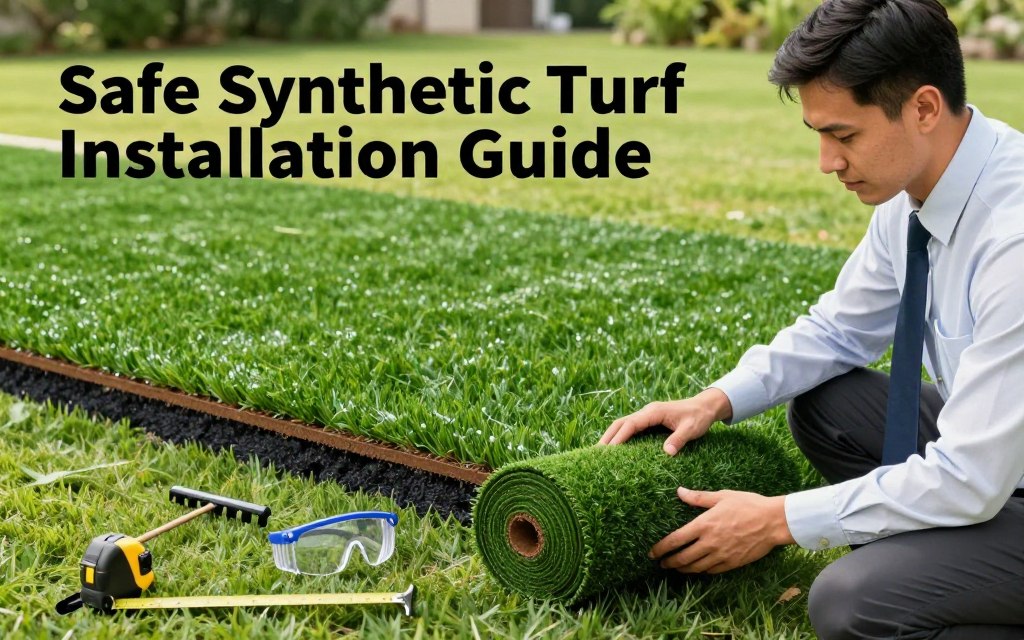
Safe Synthetic Turf Installation: The 2026 Non-Toxic Guide

Have you ever wondered if the grass in your yard could be safer for your family and pets? With the rise of artificial grass, many homeowners are considering a shift to this innovative solution. This guide will provide you with essential insights into safe synthetic turf installation for 2026.

Artificial grass offers a non-toxic, pet-friendly, and kid-friendly alternative to traditional lawns, lasting up to 15 years with proper care. Choosing non-toxic materials is crucial for ensuring a safe environment for your loved ones. Understanding the installation process is vital to maintaining the beauty and durability of your new lawn.

In this guide, we will cover everything from site preparation to the final grooming of your new grass surface. By following these professional guidelines, you can enjoy a lush, green yard without the constant need for watering or chemical fertilizers. For more information on safe materials, check out lead-free options and installation tips.

Key Takeaways

  • This guide offers a comprehensive overview of synthetic turf installation for homeowners.
  • Choosing non-toxic materials is essential for family and pet safety.
  • Proper installation ensures long-lasting beauty and durability.
  • Detailed instructions cover all steps from preparation to grooming.
  • Achieve a green look without constant watering or chemicals.

Introduction to Non-Toxic Turf Solutions

What if the grass in your yard could offer a healthier environment for everyone? The benefits of modern artificial grass are significant. Extensive testing shows no elevated health risks for children or adults playing on contemporary turf fields. This means you can enjoy a safe space for your family and pets.

Today, many homeowners are prioritizing non-toxic installation methods. In 2026, it’s crucial to ensure your yard remains a healthy environment. Modern artificial grass is made from non-toxic nylon or plastic materials, making it safe for everyone to enjoy.

Choosing the right product helps avoid past concerns related to older crumb rubber infill. A well-planned project provides a durable, low-maintenance surface, eliminating the need for harmful pesticides or herbicides. Always select high-quality materials that meet current safety standards for both residential and commercial landscapes.

A vibrant and inviting landscape showcasing a lush, non-toxic synthetic turf installation in a sunny residential backyard. In the foreground, a neatly trimmed green turf area with a family happily playing together, dressed in modest, casual clothing. In the middle, a comfortably designed outdoor space with a wooden deck, stylish patio furniture, and potted plants surrounding the turf. In the background, a clear blue sky with soft, fluffy clouds enhances the cheerful mood. Soft sunlight filters through, casting warm, gentle shadows that bring ambiance and depth to the scene. The perspective is slightly elevated, providing a comprehensive view of this safe and eco-friendly turf solution that radiates health and joy.

Preparing Your Yard for a Synthetic Turf Project

Is your yard ready for a transformation into a vibrant, green space? Preparing your outdoor area is essential for a successful project. Start by removing all existing grass and weeds. This ensures a clean, level surface for your new lawn.

Next, it’s important to cap any unused irrigation pipes at the pipe level. This prevents future water leakage that could damage your installation. When working with electrical wiring or sprinkler lines, move them six to eight inches inward from the hardscape. This will help avoid accidental damage during the project.

Properly grading the soil is also crucial. This allows for better drainage and prevents low spots that can collect water. Lastly, applying a weed barrier or treatment can help stop unwanted weeds from growing through your new grass surface.

A lush, well-maintained backyard is being prepared for the installation of synthetic turf. In the foreground, a professional landscaper, dressed in modest casual clothing, is surveying the yard with measuring tools in hand. The middle layer features neatly piled soil and gravel, alongside essential installation materials like rolls of synthetic grass and landscape fabric. In the background, tall trees cast dappled sunlight across the space, creating a serene atmosphere. The lighting is bright and natural, suggesting a sunny day, with shadows adding depth. The angle of the shot captures both the setup process and the inviting beauty of the yard, conveying a sense of readiness and professionalism for the synthetic turf project.

Laying a Solid Turf Base and Ensuring Proper Drainage

Are you ready to create a strong foundation for your new lawn? A reliable base is essential for a successful project. Start by installing a three-inch layer of gravel and sand mixture. This will provide a firm, well-draining surface for your grass.

After spreading the base material, it’s crucial to level and compact it properly. Use a plate compactor or heavy-duty roller to ensure the base is even and firm. This step prevents any uneven areas that could affect the appearance of your new lawn.

Additionally, make sure the base slopes away from living areas and directs water toward designated drainage points. Wetting the base material before final compaction helps it settle into a stable surface. Always double-check for any high or low spots after compacting to ensure a smooth finish.

A close-up view of a professional landscaping crew laying a solid base for synthetic turf, demonstrating proper drainage techniques. In the foreground, workers wearing modest casual clothing are carefully compacting gravel with tools to create an even surface. The middle ground features a lush green synthetic turf awaiting installation, with clear drainage channels visible underneath. In the background, a bright blue sky contrasts with the earthy tones of the construction site, emphasizing a vibrant, outdoor atmosphere. Soft natural light illuminates the scene, creating an inviting and professional mood. The image is captured from a low angle to highlight the detailed work involved in preparing a solid foundation for grass, ensuring clarity and focus on the installation process.

Mastering Synthetic Turf Installation Techniques

Are you excited to take your lawn project to the next level with effective installation techniques? Installing artificial grass can be a rewarding DIY project if you follow the right steps. A well-executed process not only enhances the look of your yard but also ensures durability.

Here are some essential steps to consider:

  • When you install artificial grass, ensure all rolls are laid in the same direction for a consistent and natural look.
  • The installation process requires careful planning, especially when measuring your yard to minimize waste and ensure a perfect fit for every piece.
  • After unrolling the turf, let it sit for three hours to allow the material to relax and settle flat against the prepared surface.
  • If you are a DIY enthusiast, following each step of the installation guide will help you achieve a professional-looking result without hiring contractors.
  • Always verify that the backing of the turf is not tight against walls or fences to allow for natural expansion and contraction over time.

To further enhance your understanding, here’s a table summarizing the key steps:

Step Description Time Required
Preparation Measure and clear the area for installation. 1-2 hours
Unrolling Unroll the grass and let it settle. 3 hours
Alignment Ensure all rolls are aligned correctly. 30 minutes
Final Adjustments Check for tightness against walls. 1 hour

A skilled technician installing synthetic turf in a residential yard, focused on precision and technique. In the foreground, the technician, dressed in professional work attire, uses a turf cutting tool to shape the grass. The middle section shows a perfectly laid synthetic lawn, with bright green blades glistening under soft afternoon sunlight. In the background, a well-maintained garden adds depth, showcasing native plants and flowers, enhancing the natural feel of the space. The scene is captured with a shallow depth of field, highlighting the technician's detailed work while softly blurring the background. The overall mood is one of professionalism and expertise, evoking a sense of meticulous care in the installation process.

Precision Cutting, Seaming, and Edge Tucking

Achieving a seamless look for your lawn starts with careful trimming. Proper cutting and securing of edges is vital for a polished finish. You want your grass to look natural and inviting, so precision is key.

Use a sharp utility knife to trim the edges of your grass, ensuring you leave a small gap of 1/8 inch from any hardscape. This will help maintain a clean, professional fit. When you seam two pieces together, utilize a seaming tool to butt the edges tightly. Secure them with U-nails every six inches for stability.

For the best results, drive nails down three-quarters of the way into the ground. Be sure to separate the grass blades so the nails remain hidden. For commercial applications, place nails three to five inches on center to provide extra stability along high-traffic perimeter edges.

Tucking the grass against a border using a wonder bar creates a clean, plush look that hides the backing and raw edges. This finishing touch is essential for achieving a seamless appearance.

A lush, meticulously installed synthetic turf area showcasing precision cutting and seaming techniques. In the foreground, a skilled professional in smart casual attire is carefully using specialized tools to seamlessly cut and seam the turf edges, highlighting details like sharp scissors and a straight edge. The middle ground features a vibrant green turf laid out with precise seams, demonstrating the quality of installation and attention to detail. The background presents a clear blue sky and neatly trimmed landscaping, creating a serene and professional atmosphere. Soft, natural lighting enhances the colors and textures of the turf, conveying an image of high-quality craftsmanship in a safe and non-toxic setting.

For more tips on combining irrigation with your grass project, check out this guide.

Applying Infill and Grooming for a Natural Look

Transforming your lawn into a vibrant green space requires careful attention to detail. One critical step in this process is applying infill. This material adds weight to the grass and helps the blades stand upright, enhancing the overall appearance.

For optimal results, apply approximately 1 lb of infill per square foot. Use a grain shovel to distribute it evenly across the surface, ensuring complete coverage of the area. This will help the grass maintain its natural look.

Choosing the Right Infill Material and Application Tips

A power broom is an excellent tool for grooming your grass. Brush against the grain to help the infill settle deep into the backing. This technique ensures stability and a lush appearance. Be gentle; firm downward pressure is enough to fluff the blades without damaging them.

Using Power Brooms to Achieve a Lush Appearance

After the initial application, lightly brush the surface again. This will ensure the infill is settled properly and that your grass looks fresh and inviting. With these steps, your lawn will not only look great but also feel comfortable for your family and pets.

Tools and Materials for a Flawless Turf Installation

Are you equipped with the right tools to make your grass installation seamless? Having the essential tools and materials is crucial for a successful project. Start by gathering high-quality artificial grass and appropriate infill. These are the first steps toward a beautiful lawn.

Essential tools include:

  • A rake for leveling the surface.
  • A hammer and utility knife for cutting and securing edges.
  • A wheelbarrow to transport heavy materials.
  • A compactor to ensure a solid base.
  • A power broom for final grooming.

When preparing for installation, consider these safety tips:

  • Use galvanized nails or U-staples to secure the grass firmly.
  • Always wear gloves when handling sharp tools.
  • Keep the work area clear of debris to prevent accidents.

Maintenance and Long-Term Care for Your Turf

To keep your yard looking its best, regular maintenance is essential. Artificial grass can last up to 15 years with proper care. This includes weekly rinsing and monthly brushing to keep the blades upright and vibrant.

Weekly Upkeep Routines

Weekly maintenance involves lightly rinsing your lawn with a hose. This helps remove dust, dirt, and any debris that may have accumulated. If you have pets, be sure to clean up waste promptly and hose down the area to keep the grass fresh and sanitary.

Monthly Strategies for Freshness

Monthly upkeep requires using a broom to sweep against the natural grain of the grass. This helps keep the blades standing tall. Regularly inspecting the perimeter edges for loose nails or shifting grass ensures your project remains safe and secure over time.

By following these simple maintenance routines, you can enjoy a beautiful, low-maintenance lawn that stays clean and pest-free for many years. For more information on landscaping options, check out this resource.

Conclusion

Imagine transforming your outdoor space into a beautiful, low-maintenance oasis for your family. Installing artificial grass is a straightforward process that can greatly enhance your yard’s appeal. Proper planning and preparation are essential steps to ensure a successful project.

In 2023, the average cost for professional installation ranged from $10 to $13 per square foot, including labor. Whether you choose to tackle the installation yourself or hire a professional, selecting the right materials is crucial. Remember to choose the appropriate infill and follow each step of this guide to maintain a safe and durable lawn.

With the right tools and a bit of effort, you can achieve a stunning landscape that will last for years. We hope this guide has equipped you with the knowledge to confidently embark on your artificial grass project.

Tags: , , , , , ,

7 Shocking Benefits of Switching to Synthetic Turf

Did you know that your backyard could be drinking more water than your entire family? In the harsh desert climate, maintaining a traditional lawn is often a losing battle against nature.

Many local homeowners are now making the switch to synthetic turf Las Vegas to save resources. Every year, a single home here uses approximately 73,000 gallons of water just for its lawn.

About 75% of local water use happens at residential properties. Choosing artificial grass helps preserve our precious resources while keeping your outdoor space green and vibrant all year.

Beyond just saving water, this modern solution offers several hidden perks you might not expect. This guide explores seven shocking benefits of choosing a high-quality surface over natural grass.

From boosting property value to reducing intense upkeep, the advantages of this landscape transition are clear. This shift helps those in Las Vegas invest in a sustainable and beautiful future.

Key Takeaways

  • Save up to 73,000 gallons of water annually per household.
  • Reduce monthly utility bills significantly through smarter landscaping.
  • Eliminate the need for constant mowing, fertilizing, and weeding.
  • Maintain a perfectly green yard regardless of the desert heat.
  • Increase overall property value with durable, high-quality surfaces.
  • Provide a safe, hypoallergenic environment for children and pets.

The Synthetic Turf Revolution in Las Vegas

Technological breakthroughs have turned artificial grass into a preferred choice for the unique Las Vegas climate. Since the early 2000s, this industry has grown significantly across the valley. Modern products now look and feel like real grass while performing exceptionally well in extreme heat.

Las Vegas has become a top market for these installations due to its harsh environment. High maintenance costs and strict water restrictions make traditional lawns very difficult to keep alive. Many property owners now find that synthetic turf solutions offer a smart way to manage desert conditions.

New technologies create realistic textures and natural color variations that mimic nature perfectly. These improvements offer much better durability than older versions of turf used in previous decades. Therefore, landscaping costs remain low because the surfaces do not require constant replacement or care.

Rising utility costs and conservation mandates have accelerated adoption rates for residents and businesses. This landscape option now works for everything from simple front yards to complex backyard retreats. These modern systems include advanced drainage and pet-friendly materials to ensure safety and cleanliness.

Environmental sustainability awareness has shifted community perceptions over the last few years. Making the switch to artificial grass is now seen as a desirable property feature rather than a compromise. It has become a mainstream choice for local schools, businesses, and recreational facilities throughout the region.

Comparison Factor Traditional Desert Grass Modern Synthetic Turf
Resource Usage High Water Consumption Zero Water Required
Maintenance Needs Weekly Mowing & Weeding No Mowing or Edging
Visual Appeal Seasonal Browning Evergreen Appearance
Long-term Durability Requires Reseeding 15 to 20-Year Lifespan

Benefit 1: Save Up to 73,000 Gallons of Water Per Year

A vibrant outdoor scene showcasing a lush expanse of synthetic grass in a suburban backyard, demonstrating water conservation efforts. In the foreground, a close-up of the textured, green synthetic turf, glistening in the sunlight, with dewdrops reflecting light. In the middle ground, a well-maintained flower bed with colorful blooms, highlighting the contrast between the synthetic grass and natural plants. In the background, a modern home with solar panels on the roof under a clear blue sky, suggesting eco-friendly living. Soft sunlight filters through the leaves of nearby trees, casting gentle shadows on the grass. The mood is peaceful and refreshing, emphasizing sustainability and the benefits of synthetic turf for water conservation without any human figures present.

In an arid environment, saving 73,000 gallons of water annually becomes a game-changer for any household. Maintaining a traditional natural grass lawn at your home requires a staggering amount of irrigation to keep it green. By removing thirsty plants, you stop the cycle of constant watering and high monthly bills.

Every gallon saved helps protect our regional resources for the future. Most residents do not realize how much water simply evaporates or runs off into the street during traditional irrigation. Choosing a smarter surface ensures that your outdoor space remains beautiful without draining the local supply.

How Synthetic Turf Eliminates Outdoor Water Waste

Artificial surfaces provide a permanent solution to the problem of outdoor water loss. These systems do not require daily cycles from sprinklers that often leak or spray the sidewalk. Instead, you get a lush look without wasting a single drop of water.

This switch effectively ends the need for heavy irrigation and seasonal overseeding. You can enjoy a green landscape without the guilt of excessive consumption. It is a practical way to manage your utility usage effectively.

The Environmental Impact in Southern Nevada

Southern Nevada relies heavily on Colorado River allocations, which have decreased due to long-term drought conditions. Reducing outdoor consumption helps lower the high demand on Lake Mead for everyone in Las Vegas. Choosing water-conserving landscapes shows a strong commitment to environmental stewardship.

Individual homeowner choices collectively create a meaningful impact across the valley. When communities move away from water-intensive yards, they support regional authority goals for long-term sustainability. This transition demonstrates responsibility in a region where every drop counts toward our shared future.

Resource Impact Traditional Lawn Synthetic Turf
Annual Water Usage ~73,000 Gallons Near Zero Gallons
Drought Sensitivity High / Wilts Quickly Unaffected by Heat
Water Authority Support Requires Restrictions Meets Conservation Goals

Benefit 2: Reclaim Your Weekends with Zero Maintenance

Switching to an artificial lawn allows you to trade your landscaping tools for relaxation. You can finally stop spending your precious hours on exhausting outdoor labor every Saturday morning.

No More Mowing, Edging, or Fertilizing

Forget about the loud noise of mowers or the mess of grass clippings. Modern turf eliminates the need for expensive fertilizers and specialized edging tools.

You can enjoy a perfectly manicured look without hiring a costly lawn service. This change removes the physical strain of traditional yard work forever.

Care Activity Natural Grass Synthetic Surface
Mowing Frequency Weekly Never Required
Chemical Treatments Frequent Zero
Labor Intensity High Minimal

What Minimal Maintenance Actually Means

While nearly hands-off, basic maintenance keeps your yard looking fresh. This involves an occasional rinse with a hose to remove dust. A quick brush keeps fibers standing upright.

Removing leaves with a blower takes only minutes of your time. These tasks are optional and primarily preserve the pristine aesthetic for those who prefer a perfect look.

Benefit 3: Slash Your Monthly Utility Bills Dramatically

A vibrant scene showcasing a well-maintained synthetic lawn in a suburban backyard. In the foreground, a piggy bank overflowing with bright coins rests atop a green patch of synthetic grass, symbolizing savings. In the middle ground, a family is casually enjoying a sunny afternoon, clad in professional casual attire, with a satisfied smile as they relax on lounge chairs, while a solar panel glints in the sunlight beside them, hinting at reduced utility bills. In the background, a clear blue sky and a few fluffy clouds enhance the cheerful atmosphere. The lighting is bright and inviting, with soft shadows to create a warm, uplifting mood. Capture this moment from a slightly elevated angle to encompass the whole scene beautifully.

You can keep more of your hard-earned income by eliminating the hidden costs associated with maintaining a natural yard. Switching to artificial turf provides immediate financial relief by cutting out heavy resource consumption.

Most homeowners see their monthly spending drop significantly as soon as the installation is complete. It is not just about the water; it is about reclaiming your budget from the constant demands of landscaping. This change turns a liability into a cost-saving asset that pays for itself through consistent monthly utility reductions.

Water Bill Savings Breakdown

In the arid climate of Las Vegas, watering a traditional grass area accounts for the majority of your utility expenses. By removing live sod, you stop the literal drain on your finances. Many residents report a massive decrease in their monthly water costs almost overnight.

Elimination of Lawn Care Equipment Costs

Maintaining a healthy lawn requires tools like mowers, trimmers, and edgers. You no longer need to spend money on gasoline, oil, or spark plugs. Homeowners also eliminate professional service fees, which typically range from $80 to $150 per month, while freeing up valuable garage storage space.

Expense Category Natural Turf Costs Synthetic Turf Savings
Monthly Water Bill $100 – $250+ 90% Lower
Equipment & Fuel $150 – $300 Annually $0
Professional Service $960 – $1,800 Annually $0
Chemical Treatments $100 – $250 Annually $0

Benefit 4: Perfect Green Lawn 365 Days a Year

Maintaining a flawless outdoor aesthetic shouldn’t depend on the whims of the local climate. Natural lawns often struggle with seasonal cycles, turning yellow in winter or brown in summer. High-quality turf eliminates these frustrations by providing a consistent look regardless of the month.

You can enjoy a vibrant, manicured space every single day of the year. This reliability ensures your home always looks its best. You no longer need to worry about overseeding or dormant periods. Your landscape remains a welcoming oasis that never loses its lush, inviting charm.

Desert-Proof Landscaping That Never Browns

Modern synthetic turf features advanced UV stabilizers that prevent fading from intense desert sunlight. These materials maintain their rich color even during record-breaking heat waves. Because it requires no water to stay green, it never suffers from drought stress that kills traditional plants. Your curb appeal stays high permanently.

Weather-Resistant Performance

Engineering allows these products to withstand temperatures from below freezing to 150 degrees Fahrenheit. Built-in drainage systems handle heavy monsoon rains without creating mud or puddles. Strong backing also protects against wind-blown debris and hail damage. This durability ensures your investment lasts through every harsh storm.

Weather Factor Natural Grass Performance Synthetic Turf Performance
Extreme Heat (110°F+) Wilts and requires heavy watering Stays green and maintains structure
Monsoon Rains Creates mud and standing pools Rapid drainage with no messy mud
Freezing Events Goes dormant and turns yellow Remains vibrant and flexible
High Winds/Dust Collects debris and loses soil Resists erosion and cleans easily

Benefit 5: Boost Property Value While Reducing Expenses

A beautifully manicured backyard featuring vibrant synthetic turf, showcasing its lush green color against a well-maintained house that illustrates increased property value. In the foreground, a professional couple dressed in smart casual attire is admiring their garden, exuding a sense of pride and satisfaction. The middle ground displays the seamlessly installed turf, enhancing the aesthetic appeal of the space, with neatly arranged outdoor furniture for a cozy atmosphere. In the background, a picturesque neighborhood with tidy homes and blooming flowers emphasizes the positive impact on property value. The scene is bathed in warm, golden sunlight during late afternoon, emphasizing a cheerful, inviting mood. The angle is slightly elevated, capturing both the landscape and the couple harmoniously engaged in conversation about their investment in synthetic turf.

Enhancing your home with synthetic turf provides a unique blend of lower costs and higher resale potential. Unlike many renovations that only offer looks, this project creates immediate monthly savings. You stop paying for expensive lawn services and heavy water usage.

Buyers often pay a premium for properties with low-maintenance, beautiful landscapes. This transition turns your yard into a financial asset rather than a constant drain on your bank account. As water rates continue to rise, having an eco-friendly yard makes your property much more desirable.

Investors look for these sustainable upgrades when evaluating long-term value. A desert-friendly landscape signals to buyers that the property is modern and cost-efficient. You gain equity while enjoying a lower cost of living every month.

Curb Appeal That Lasts for Decades

A lush green yard attracts attention and stays vibrant for many years. This consistent beauty ensures your property stands out in any neighborhood market. Since the turf does not fade or die, your curb appeal remains flawless regardless of the desert heat.

Buyers love the “move-in ready” look of a perfect lawn. You never have to worry about brown patches or weeds ruining your first impression. This durability maintains your property’s aesthetic standards through every season.

Long-Term Investment Returns

Calculating your return involves adding up decades of water savings and zeroed-out maintenance costs. Over a 15-20 year period, these avoided expenses often exceed the initial installation price. It represents a comprehensive financial strategy for modern homeowners looking to maximize equity.

Expense Category Traditional Grass (15 Years) Synthetic Turf (15 Years) Potential Savings
Water Consumption $18,500 – $24,000 $0 $18,500+
Professional Maintenance $12,000 – $18,000 $600 (Occasional Cleaning) $11,400+
Fertilizers & Pesticides $3,000 – $4,500 $0 $3,000+
Equipment Replacement $2,500 – $4,000 $0 $2,500+

Benefit 6: Create Safe Play Areas for Pets and Children

Modern artificial grass solutions offer a cushioned and toxic-free surface where kids and animals can frolic safely. These specialized surfaces create durable play areas that withstand the most energetic activities. You no longer have to worry about mud or holes in the yard after a rainstorm.

The soft fibers protect toddlers from trips and falls during outdoor games. Meanwhile, the tough construction resists heavy paw traffic and digging. This creates a versatile outdoor space that stays pristine regardless of how hard your loved ones play. It is the ultimate backyard upgrade for active families.

Feature Natural Grass Synthetic Turf
Chemical Use Requires pesticides Toxin-free surface
Mud & Puddles High risk after rain Stays dry and clean
Surface Comfort Can be uneven/hard Consistent cushioning

No Harmful Chemicals or Pesticides Required

You can ditch the fertilizers and weed killers forever. This surface stays green without toxic chemicals, keeping your family safe. Children can crawl and play without touching harmful pesticide residues found on traditional lawns. It provides lasting peace of mind for every health-conscious parent in Nevada.

Pet-Friendly Drainage and Odor Control

High-tech systems drain over 30 inches of liquid per hour per square foot. This prevents puddles and stops odors from building up in the backing. Antimicrobial infill helps neutralize bacteria from pet waste. These features keep your yard smelling fresh and clean every single day for your animals.

Benefit 7: Superior Drainage That Handles Desert Storms

A close-up view of synthetic turf showcasing its advanced drainage system during a desert storm. In the foreground, glistening droplets of water flow through the intricate drainage channels of lush green synthetic grass, demonstrating its superior drainage performance. The middle ground features a vibrant playground equipped with modern sports equipment, hinting at its durability and suitability for various activities. In the background, ominous clouds gather, reflecting the energy of a desert storm with flashes of lightning illuminating the scene. The lighting is dramatic, with high contrast emphasizing the water's movement. The atmosphere conveys a sense of resilience and innovation in landscaping technology, perfect for extreme weather conditions.

Desert storms often lead to messy yards, yet high-quality synthetic surfaces offer a cleaner solution. Natural grass in Las Vegas struggles with the region’s compacted soil. During a sudden storm, water often pools on the surface instead of soaking in.

This creates messy spots and grading issues. Such problems often lead to dead patches and soil erosion over time.

Synthetic options provide a reliable alternative for heavy rainfall. You will no longer deal with a swampy backyard that takes days to dry out. This system ensures your outdoor space remains usable regardless of the weather.

Drainage Feature Natural Grass Lawns Synthetic Turf Systems
Surface Recovery Slow (Several Days) Rapid (Minutes)
Mud Formation High Risk Zero Risk
Pest Prevention Poor (Attracts Pests) Excellent (Stays Dry)
Water Flow Blocked by Compacted Soil Perforated for Flow

Advanced Drainage Technology

Modern turf utilizes a specialized backing designed for maximum permeability. Every square foot is engineered to allow water to pass through into the sub-base quickly. This advanced design prevents runoff from damaging your nearby hardscaping or your home foundation during intense Nevada cloudbursts.

No More Mud or Pooling Water

Eliminating mud keeps your home interior cleaner by stopping dirt from being tracked inside. A dry area also prevents mosquitoes from breeding in stagnant puddles. Your family can play outside safely without the risk of slipping on wet, slick blades of grass.

Professional Synthetic Turf Las Vegas Installation

A professional landscaping team installing vibrant green synthetic turf in a luxury Las Vegas backyard, featuring a crushed rock base, specialized tools, and a backdrop of desert mountains and palm trees, high-resolution, cinematic lighting.

Book Now

The secret to a long-lasting desert lawn lies in professional synthetic turf Las Vegas installation methods. Choosing the right experts ensures your yard stays beautiful despite the intense heat.

Expert Installation Process

Our dedicated team manages every phase of the project with precision. This installation involves excavating old soil and creating a stable, porous base. These professional services guarantee your new lawn looks natural and drains perfectly for many years.

Quality Materials and Workmanship

We use premium products built with UV-resistant fibers to handle the Nevada sun. These quality materials include durable backing systems and specialized infills designed for desert conditions. Our team combines these high-end products with superior workmanship to maximize the quality of your materials.

Take Advantage of Las Vegas Water Rebate Programs

Switching from traditional grass in Las Vegas often qualifies residents for generous financial rebates from local agencies. The water authority in las vegas provides these incentives to help reduce total community consumption. By replacing thirsty turf with water-smart alternatives, you actively contribute to regional sustainability.

These programs reward homeowners who make responsible landscaping choices. It creates a win-win situation for both your personal budget and the local environment. Most residents find that these incentives significantly lower the net cost of their property upgrades.

Step Action Required Verification
1. Application Submit online forms SNWA Review
2. Site Visit Record existing lawn Staff Inspection
3. Installation Use approved materials Professional Work
4. Final Review Submit completion photos Payment Approval

SNWA Rebate Details: Up to $7 Per Square Foot

The Water Smart Landscapes Rebate provides massive financial relief for residents updating their property. You could earn up to $7 per square foot for replacing traditional lawns. This program helps cover the costs of high-quality synthetic turf and professional installation services.

How to Qualify and Apply

To qualify, you must get pre-approval before removing any grass lawn or organic turf. Submit current lawn photos and a clear installation plan to the agency. Once the project finishes, an inspector will visit to confirm that your new turf meets all environmental requirements.

Versatile Applications for Every Space

A vibrant image showcasing the versatile applications of synthetic turf across various spaces. In the foreground, a lush green synthetic lawn is depicted with children playing soccer, dressed in colorful athletic gear, fostering a lively atmosphere. In the middle ground, an elegant residential backyard features a beautifully manicured synthetic lawn, surrounded by flower beds and outdoor furniture, under warm afternoon sunlight. In the background, a modern commercial space utilizes synthetic turf on a rooftop garden, adorned with potted plants and people enjoying a coffee break. The scene captures bright, natural lighting with a soft-focus effect on distant elements, evoking a sense of innovation and eco-friendliness while emphasizing the adaptability of synthetic turf.

Modern synthetic solutions provide the perfect surface for a wide variety of specialized outdoor uses and functional areas. High-quality artificial grass adapts to narrow side yards, rooftop decks, and even steep slopes where real grass fails. These diverse applications allow you to maximize every square inch of your property.

Whether you want a pet run or a decorative patio accent, this material provides a durable and clean surface. It transforms underutilized spaces into vibrant, functional areas that stay green and lush forever.

Residential Lawns and Backyards

Homeowners use this material to create lush, mud-free environments for family gatherings. It provides a consistent surface for patios and pool surrounds. This versatile space remains beautiful and functional throughout the entire year.

Putting Greens and Sports Areas

A custom putting green uses specialized low-pile turf to mimic professional golf speeds. You can also build bocce courts or multi-use game areas. This putting green offers superior athletic performance and handles heavy, repeated use with ease.

Application Type Primary Activity Durability Level Surface Texture
Residential Backyard Family Gatherings Medium-High Soft and Natural
Putting Green Golf Practice High Smooth and Short
Pet Run Active Animals Very High Permeable and Tough
Sports Court Multi-Game Play Very High Firm and Uniform

Industry-Leading Warranties and Quality Assurance

When you choose a modern artificial lawn, you are buying peace of mind through strict industry standards. These high-quality products offer lasting performance for Las Vegas homeowners.

Leading experts in the industry focus on providing reliable landscaping solutions that last for many years. This commitment ensures your yard remains a valuable asset to your home.

15 to 20-Year Warranty Protection

A long-term warranty protects your financial investment for up to twenty years. This coverage ensures your lawn handles the intense desert sun without fading.

You can feel confident in the durability of your new yard. This protection covers defects and helps maintain the lawn’s texture over time.

Certified Lead-Free and Safe Materials

Certified lead-free materials ensure your lawn is safe for children and pets. Manufacturers test grass products independently to meet federal safety guidelines for consumer use.

These improvements eliminate heavy metals and protect your family’s health daily. Choosing certified options safeguards both your health and property value through responsible selection.

Feature Standard Artificial Turf Premium Synthetic Turf Safety Standards
Warranty Length 5 to 8 Years 15 to 20 Years Manufacturer Backed
Material Safety Basic Compliance Certified Lead-Free Independent Lab Tested
UV Resistance Moderate High-Grade Stability Fade-Proof Guarantee
Family Suitability General Use Pet & Child Safe Non-Toxic Certification

Conclusion

Adopting artificial turf solutions provides a permanent answer to the challenges of desert landscaping. This synthetic grass upgrade delivers seven key benefits. It includes water conservation, cost reduction, and year-round beauty.

Las Vegas residents gain property value while enjoying a safe artificial grass surface. Local rebate programs make today the best time for every customer to explore professional services. Many businesses can meet their specific needs by choosing artificial turf.

A local business owner finds that artificial grass reduces long-term maintenance costs. Many businesses today choose local synthetic turf to improve their outdoor aesthetics. This synthetic grass provides high-quality artificial grass for every customer.

High-performance artificial turf meets the heavy needs of any customer. Synthetic turf offers reliable solutions for your property. Modern artificial turf looks just like natural grass. These artificial grass solutions ensure your turf stays green without the hard work. Las Vegas property owners deserve the best results.

Tags: , , , , , , ,

Odors vs. Oasis: Why Antimicrobial Synthetic Turf is a Game-Changer for Vegas Pet Owners

Have you ever wondered why your desert outdoor space smells like a kennel despite your best cleaning efforts? In the scorching Nevada heat, traditional grass often traps pet waste and bacteria within its fibers. This creates a persistent and unpleasant environment for your family and neighbors. Switching to an antimicrobial lawn solution transforms your dusty lot into a pristine sanctuary.This innovation specifically addresses the unique needs of Vegas residents who want beauty without the smells. It offers a fresh alternative to scorched, yellowing patches of earth. Using a synthetic turf backyard setup provides a durable surface that withstands heavy paws. It handles extreme temperatures much better than natural alternatives found in the valley.

Beyond just looks, the primary synthetic turf benefits include advanced drainage systems. Built-in silver-ion technology kills germs on contact to keep your home safe and sanitary.

Imagine a world where your pets can play freely while your lawn stays cool. Modern surface technology is revolutionizing pet ownership in the Las Vegas Valley today.

Key Takeaways

  • Antimicrobial layers eliminate unpleasant pet odors effectively.
  • Durable materials withstand the intense Las Vegas summer heat.
  • Low maintenance requirements save homeowners significant water and time.
  • Advanced drainage systems keep surfaces dry even after heavy cleaning.
  • Silver-ion technology prevents the growth of harmful bacteria.
  • Safe, non-toxic components protect your dogs and cats.

The Unique Challenges Vegas Pet Owners Face with Traditional Lawns

Pet owners in Las Vegas face a multitude of issues when it comes to maintaining traditional lawns, from extreme temperatures to drainage problems. The city’s desert climate exacerbates common lawn care challenges, making it difficult for pet owners to maintain a healthy, odor-free yard.

Extreme Heat Accelerates Pet Waste Decomposition and Odor

The extreme heat in Las Vegas accelerates the decomposition of pet waste, leading to unpleasant odors that can be challenging to eliminate. As temperatures soar, the bacteria in pet waste multiply rapidly, causing a significant increase in odor emission. This issue is particularly problematic for pet owners who have dogs that spend a lot of time outdoors.

Water Scarcity Makes Natural Grass Unsustainable

Las Vegas is known for its water scarcity, and maintaining a natural grass lawn requires significant water resources. The city’s arid climate means that lawns need to be watered frequently, which can be both costly and unsustainable. As a result, many pet owners are looking for alternatives to traditional lawns that can help reduce their water consumption.

Desert Soil and Drainage Issues Compound Odor Problems

The desert soil found in Las Vegas can be particularly challenging when it comes to drainage. Poor drainage can lead to water accumulation, creating an ideal environment for bacteria and odor-causing microorganisms to thrive. This issue is compounded by the presence of pet waste, which can further exacerbate odor problems if not properly managed.

UV Damage to Both Grass and Pet Health

The intense UV radiation in Las Vegas can cause significant damage to both natural grass and pet health. Prolonged exposure to UV radiation can lead to grass discoloration and weakening, making it more susceptible to disease and pests. For pets, UV radiation can cause skin damage and increase the risk of heatstroke.

Given these challenges, it’s clear that traditional lawns may not be the best option for pet owners in Las Vegas. The city’s unique climate and environmental conditions require a more sustainable and practical solution, such as antimicrobial synthetic turf, which can help mitigate the issues associated with traditional lawns.

What Makes Antimicrobial Synthetic Turf Different from Standard Artificial Grass

Unlike standard artificial grass, antimicrobial synthetic turf incorporates cutting-edge technology to combat bacteria and odor. This distinction is crucial for pet owners in Vegas who seek a clean and safe outdoor space for their pets.

The Science Behind Antimicrobial Technology in Turf Fibers

Antimicrobial synthetic turf benefits from advanced technology that integrates antimicrobial agents directly into the turf fibers. This technology is designed to reduce the growth of bacteria, mold, and mildew, which are common issues with traditional artificial grass.

The integration of antimicrobial properties into synthetic turf fibers involves using materials that inhibit microbial growth. This is achieved through various treatments, including the use of silver ions and zinc-based compounds.

How Silver Ion and Zinc-Based Treatments Eliminate Bacteria

Silver ion and zinc-based treatments are commonly used in antimicrobial synthetic turf due to their effectiveness against a broad spectrum of bacteria. Silver ions, for instance, disrupt bacterial cell membranes, preventing them from reproducing.

Treatment Type Effectiveness Against Bacteria Durability
Silver Ion High Long-lasting
Zinc-Based High Long-lasting
Standard Artificial Grass Low Variable

Odor-Neutralizing Properties vs. Odor-Masking Solutions

Antimicrobial synthetic turf not only reduces bacterial growth but also neutralizes odors, providing a more pleasant outdoor experience. Unlike odor-masking solutions that temporarily cover up smells, antimicrobial turf addresses the root cause of odor issues.

Durability and Longevity of Antimicrobial Protection

The antimicrobial protection in synthetic turf is designed to be durable and long-lasting. Manufacturers achieve this through various methods, including infusing antimicrobial agents into the turf fibers during production.

This ensures that the turf remains effective against bacteria and odor-causing microorganisms over its lifespan, providing a consistently clean and safe environment for pets.

Step 1: Assessing Your Synthetic Turf Backyard Needs

Understanding your yard’s unique characteristics is crucial for a successful synthetic turf installation. This initial assessment will help you make informed decisions throughout the process.

Measuring Your Yard Square Footage and Layout

To begin, accurately measure your yard’s square footage. This will help determine the amount of synthetic turf needed. Consider the layout, including any irregular shapes or obstacles like trees or gardens.

Mapping High-Traffic Pet Areas and Bathroom Zones

Identify areas where your pets spend most of their time. This includes their favorite play spots and common bathroom areas. Understanding these patterns will help you plan the turf installation and future maintenance.

Evaluating Current Drainage and Slope Conditions

Assess your yard’s drainage by observing how water flows during rainfall. Note any areas where water tends to collect. The slope of your yard is also crucial, as it affects drainage and the overall installation process.

Setting a Realistic Budget for Materials and Labor

Determine your budget for the synthetic turf project, including materials and labor costs. Consider the quality of the turf, the complexity of the installation, and any additional features you might want, such as drainage systems.

To help you plan, here’s a breakdown of typical costs associated with synthetic turf installation:

Component Cost per Square Foot Factors Affecting Cost
Synthetic Turf $1.50 – $3.00 Quality, density, and brand
Base Materials $0.50 – $1.50 Type of aggregate, depth required
Labor $1.00 – $3.00 Complexity of installation, location
Drainage System $0.25 – $1.00 Type of system, yard slope

By carefully assessing your yard’s needs and understanding the associated costs, you can make informed decisions and ensure a successful synthetic turf installation.

Step 2: Choosing the Right Antimicrobial Turf Product for Your Pets

When it comes to selecting the ideal antimicrobial turf product for your pets, several key factors must be considered to ensure a safe and enjoyable outdoor space. The right choice will not only enhance your yard’s aesthetic appeal but also provide a healthy environment for your pets to play and relax.

Selecting Blade Height Between 1.5 to 2 Inches for Pet Use

The blade height of your synthetic turf is crucial for pet owners. A height between 1.5 to 2 inches is recommended as it provides a comfortable surface for pets to walk on while being easy to clean. This height also helps in preventing pets from slipping or getting injured.

A vibrant landscape showcasing antimicrobial synthetic turf designed for pets. In the foreground, an expansive, lush green turf area that appears soft and inviting, with a texture that suggests durability and cleanliness. In the middle ground, a playful dog exploring the turf, exuding joy and curiosity. Surrounding the scene, there are pet-friendly accessories, like a colorful ball and a water bowl, indicating a playful environment. The background features a modern residential setting typical of Las Vegas, with palm trees and blue skies, under bright, natural sunlight that creates a warm and welcoming atmosphere. Capture this from a slightly elevated angle to show the expanse of the turf and the joyful interaction of the pet, emphasizing a safe and healthy environment for pets.

Comparing Zeolite vs. Antimicrobial Infill Options

When it comes to infill options, pet owners have to decide between zeolite and antimicrobial infill. Zeolite is a natural, non-toxic material that helps with odor control, while antimicrobial infill contains agents that inhibit the growth of bacteria and other microorganisms. Both options have their benefits, and the choice depends on your specific needs and preferences.

Infill Type Odor Control Antimicrobial Properties
Zeolite Excellent Moderate
Antimicrobial Infill Good Excellent

Verifying Heat Resistance Ratings for Vegas Summers

Vegas summers can be extremely hot, and it’s essential to choose a synthetic turf product that can withstand high temperatures. Look for products with high heat resistance ratings to ensure that your turf remains safe and comfortable for your pets even during the hottest months.

Checking for PFAS-Free and Non-Toxic Certifications

Safety is paramount when it comes to your pets. Ensure that the antimicrobial turf product you choose is PFAS-free and has non-toxic certifications. These certifications guarantee that the materials used are safe for your pets and the environment.

By carefully considering these factors, you can select an antimicrobial turf product that not only meets your needs but also provides a safe and enjoyable space for your pets. Proper artificial grass installation and regular synthetic turf maintenance tips will further enhance the longevity and performance of your turf.

Step 3: Preparing Your Yard for Artificial Grass Installation

Preparing your yard for artificial grass involves several key steps that ensure a durable and aesthetically pleasing result. Proper preparation is crucial for the longevity and performance of your new synthetic turf, especially in a challenging environment like Las Vegas.

Removing Existing Grass, Weeds, and Debris

The first step in preparing your yard is to clear it of existing vegetation and debris. This involves removing natural grass, weeds, and any other organic material. For larger yards or areas with dense vegetation, it may be necessary to use machinery like a sod cutter to efficiently remove the existing lawn.

After removing the grass and weeds, the area should be thoroughly cleaned to remove any remaining debris, roots, or weeds. This step is essential to prevent future growth through the synthetic turf and ensure a smooth installation process.

Excavating to Proper Depth for Base Materials

Once the yard is cleared, the next step is to excavate the area to the appropriate depth for the base materials. The depth required can vary depending on the specific product and local drainage requirements, but typically ranges from 2 to 4 inches.

Excavation should be done carefully to achieve a uniform depth across the yard, ensuring that the base materials can be evenly distributed and compacted.

Installing Crushed Stone Base and Compacting Layers

The excavated area is then filled with a layer of crushed stone, which serves as the base for the artificial grass. This base is critical for drainage and stability. The crushed stone should be spread evenly and compacted using a compactor to create a solid, stable surface.

Multiple layers of crushed stone may be necessary, with each layer being compacted before adding the next. This process ensures a firm and level base that will support the synthetic turf.

Setting Up Perimeter Edging and Drainage Systems

Finally, perimeter edging is installed to secure the artificial grass in place and create a clean boundary between the turf and other landscape features. Edging materials can vary but often include plastic or metal edging.

A proper drainage system is also essential, especially in areas with heavy rainfall or where water tends to accumulate. This may involve installing a French drain or ensuring that the base materials and slope of the yard facilitate water runoff.

Step 4: Installing Your Antimicrobial Synthetic Turf System

The installation of antimicrobial synthetic turf involves several key steps that ensure a durable and odor-free surface for your synthetic turf backyard.

Rolling Out and Positioning Turf Sections

Begin by rolling out the antimicrobial synthetic turf across your prepared yard, ensuring that the fibers are aligned in the same direction to maintain a uniform appearance. It’s essential to position the turf sections carefully to minimize seams and ensure a snug fit around edges and corners.

Cutting and Joining Seams with Adhesive Tape

Use a utility knife to cut the turf along the seams, leaving about 1-2 inches of overlap. Apply adhesive tape along the cut edge of one section and press the other section firmly onto it, ensuring a strong bond. This method helps create a seamless joint that is both durable and visually appealing.

A vibrant backyard scene showcasing the installation of antimicrobial synthetic turf. In the foreground, workers in modest casual clothing are laying down bright green synthetic grass, using professional tools for precise adjustments. The middle ground features a partially completed turf area with neat seams and edges, surrounded by colorful flowerbeds and a small decorative stone path, conveying a sense of care and attention to detail. In the background, a sunny sky highlights the cheerful atmosphere of a warm day in Vegas, with desert landscaping and cacti visible. The lighting is bright and natural, capturing the textures of the turf and the environment. The overall mood reflects efficiency and satisfaction, providing a visual representation of a successful installation process.

Securing Edges with Galvanized Nails or Staples

Once the turf is properly positioned and seamed, secure the edges using galvanized nails or staples. Space them about 6-8 inches apart to ensure the turf remains firmly in place, even in high-wind conditions or under heavy foot traffic.

Spreading and Brushing in Antimicrobial Infill

Spread the antimicrobial infill material evenly across the turf surface, using a spreader or a broom to distribute it uniformly. Then, brush the infill into the turf fibers to ensure they stand upright and the infill is fully incorporated.

Installation Step Key Considerations Tools Required
Rolling Out Turf Align fibers, minimize seams Utility knife, measuring tape
Cutting and Joining Seams 1-2 inches overlap, strong bond Utility knife, adhesive tape
Securing Edges 6-8 inches spacing, galvanized fasteners Galvanized nails or staples, hammer
Spreading Infill Even distribution, brushing into fibers Spreader or broom, infill material

Step 5: Establishing a Pet-Friendly Maintenance Routine

Synthetic turf maintenance is not just about aesthetics; it’s about creating a healthy environment for your pets. Regular maintenance ensures that your synthetic turf remains clean, safe, and functional for years to come.

Daily Solid Waste Removal and Spot Rinsing

Removing solid waste daily is crucial to prevent the buildup of bacteria and odor. Use a scoop or a poop bag to remove waste, and then rinse the area with water to remove any remaining residue.

Weekly Hosing Down with Enzyme-Based Cleaners

Weekly cleaning with enzyme-based cleaners helps break down organic matter and eliminate odors. Use a hose to apply the cleaner evenly across the turf, making sure to cover all areas where pets frequent.

Monthly Grooming with Power Brooms

Using a power broom monthly helps maintain the turf’s appearance and prevents matting. This process also helps redistribute the infill material, ensuring it remains effective.

Quarterly Infill Level Checks and Top-Ups

Checking the infill level quarterly is essential to ensure it remains at the recommended level. Top up the infill as necessary to maintain the turf’s performance and safety.

Maintenance Task Frequency Purpose
Solid Waste Removal Daily Prevent bacteria and odor buildup
Hosing Down with Enzyme-Based Cleaners Weekly Break down organic matter and eliminate odors
Grooming with Power Brooms Monthly Maintain turf appearance and prevent matting
Infill Level Checks and Top-Ups Quarterly Ensure infill remains at recommended levels

By following this maintenance routine, you can ensure your synthetic turf remains a safe and enjoyable space for your pets.

Maximizing Odor Control in Your Pet-Friendly Synthetic Turf Backyard

To keep your synthetic turf backyard smelling fresh, it’s essential to implement effective odor control measures. Synthetic turf benefits extend to minimizing unpleasant odors when properly maintained.

One of the key aspects of maintaining an odor-free synthetic turf area is regular maintenance. This includes several strategies that work together to keep your backyard smelling fresh.

Applying Turf Deodorizers and Enzymatic Treatments

Using turf deodorizers and enzymatic treatments is a crucial step in odor control. These products break down organic matter that can cause unpleasant smells. Regular application of these treatments helps maintain a fresh environment.

Enzymatic treatments, in particular, are effective at breaking down pet waste, which is a common source of odor in pet-friendly backyards. By applying these treatments as part of your regular maintenance routine, you can significantly reduce odors.

A beautifully designed backyard featuring lush, vibrant synthetic turf that promotes odor control, ideal for pet owners. In the foreground, a playful dog happily running on the turf, showcasing its softness and durability. In the middle ground, a modern outdoor seating area with stylish furniture, surrounded by decorative plants that accentuate the space. The background features a clear blue sky and soft, warm sunlight casting gentle shadows, creating an inviting atmosphere. The overall mood is cheerful and serene, emphasizing the benefits of antimicrobial synthetic turf in maintaining a fresh and clean environment for pets. Use natural colors with a focus on greens and earth tones, capturing the essence of a pet-friendly oasis without overlays or text.

Maintaining Proper Drainage Flow Year-Round

Proper drainage is vital for preventing water accumulation, which can lead to odor-causing bacteria growth. Ensuring that your synthetic turf drainage system is functioning correctly is essential for maintaining a fresh and clean environment.

Regularly inspect your drainage system to ensure it’s working as intended. This may involve checking for blockages or debris that could impede water flow.

Refreshing Antimicrobial Infill Every 12 to 18 Months

The antimicrobial infill in your synthetic turf plays a significant role in controlling odor-causing bacteria. Over time, the effectiveness of this infill can diminish, making regular refreshment necessary.

Refreshing the antimicrobial infill every 12 to 18 months helps maintain its effectiveness in controlling odors. This is a critical maintenance task that contributes to the overall freshness of your synthetic turf backyard.

By implementing these strategies, you can enjoy the synthetic turf benefits while maintaining a pleasant and odor-free outdoor space. Proper care and maintenance are key to maximizing the advantages of artificial grass installation.

Cost Analysis: Investment vs. Long-Term Savings for Vegas Homeowners

Vegas homeowners looking to invest in synthetic turf need to weigh the initial costs against long-term savings. While the upfront investment in antimicrobial synthetic turf may seem significant, the long-term financial benefits and environmental advantages make it an attractive option for many.

Installation Costs Per Square Foot

The cost of installing synthetic turf can vary based on several factors, including the quality of the turf, the complexity of the installation, and the size of the area. On average, the cost per square foot for high-quality antimicrobial synthetic turf in Vegas varries.

Annual Water Savings in Southern Nevada

One of the most significant long-term savings comes from water conservation. Traditional lawns require substantial watering, especially in arid regions like Southern Nevada. By switching to synthetic turf, homeowners can save thousands of gallons of water annually. For a typical residential lawn of 1,000 square feet, the annual water savings can amount to approximately $150 to $200.

Eliminating Lawn Care Service and Equipment Expenses

Synthetic turf eliminates the need for regular lawn mowing, fertilizing, and pest control, resulting in significant savings on lawn care services and equipment. Homeowners can save an average of $100 to $200 per month on these services, translating to $1,200 to $2,400 annually.

Expected ROI Within Three to Five Years

When considering the initial investment against the long-term savings, many Vegas homeowners can expect a return on investment within three to five years. The exact ROI depends on factors such as the size of the turf area, local water rates, and the cost of lawn care services.

Cost/Savings Category Initial Cost/Annual Savings Cumulative Savings Over 5 Years
Installation Cost (per sq ft) $10-$15
Annual Water Savings $150-$200 $750-$1,000
Lawn Care Service Savings $1,200-$2,400 $6,000-$12,000
Total Savings Over 5 Years $6,750-$13,000

This detailed cost analysis demonstrates that while the initial investment in synthetic turf is significant, the long-term savings on water and lawn care services can provide a substantial return on investment for Vegas homeowners.

Safety and Health Benefits for Vegas Pets

For pet owners in Vegas, the shift to synthetic turf backyards is not just about aesthetics; it’s a significant step towards creating a healthier environment for their pets. Traditional lawns can pose several health risks to pets, from chemical exposure to physical injuries. Synthetic turf, particularly antimicrobial synthetic turf, offers a safer alternative.

Eliminating Exposure to Lawn Chemicals and Pesticides

One of the significant advantages of switching to fake grass for outdoor spaces is the elimination of lawn chemicals and pesticides. Traditional lawn care often involves the use of fertilizers, herbicides, and pesticides, which can be harmful if ingested or if they come into contact with a pet’s skin. Synthetic turf eliminates the need for these chemicals, providing a safer play area for pets.

Reducing Pollen and Grass Allergy Triggers

Natural grass can trigger allergies in pets, just as it does in humans. By opting for a synthetic turf backyard, pet owners can reduce their pets’ exposure to allergens such as pollen and grass. This can lead to a significant reduction in allergy-related symptoms, making the outdoor space more comfortable for pets.

Cooling Infill Technology for Comfortable Summer Play

Las Vegas summers can be extremely hot, and traditional lawns can become unbearably warm for pets. Some synthetic turf systems incorporate cooling infill technology, which helps to reduce the surface temperature of the turf. This makes it more comfortable for pets to play outside during the hot summer months.

Preventing Paw Injuries from Uneven Ground and Burrs

Uneven ground and burrs from certain types of grass can cause injuries to pets’ paws. Synthetic turf provides a smooth, even surface that is gentle on pets’ paws, reducing the risk of injury. Additionally, the absence of sharp objects or debris on synthetic turf further enhances pet safety.

A vibrant backyard featuring lush synthetic turf, showcasing a safe and inviting area for pets. In the foreground, a playful dog rests comfortably on the bright green turf, surrounded by a dog bowl filled with fresh water. The middle ground features colorful pet-friendly landscaping with small shrubs and flowers, enhancing the natural look. In the background, a sunlit patio with lounge chairs and a small table adds a homely touch, while a clear blue sky provides a cheerful atmosphere. The lighting is warm and inviting, capturing a peaceful afternoon feel. The overall mood is serene and healthy, emphasizing the safety and health benefits of antimicrobial synthetic turf for pets in a modern Vegas home.

Feature Synthetic Turf Traditional Lawn
Chemical Exposure No exposure to lawn chemicals and pesticides Risk of exposure to fertilizers, herbicides, and pesticides
Allergy Triggers No pollen or grass allergy triggers Potential for pollen and grass allergy triggers
Surface Temperature Can be equipped with cooling infill technology Can become very hot in summer
Paw Safety Smooth, even surface gentle on paws Risk of injuries from uneven ground and burrs

Common Mistakes to Avoid When Installing Pet Turf

The key to a successful pet turf installation lies in understanding the unique challenges and requirements of pet-friendly artificial grass. While synthetic turf offers numerous benefits for pet owners, such as reduced maintenance and improved cleanliness, a poorly executed installation can lead to a range of issues, from drainage problems to lingering odors.

To ensure a successful installation, it’s essential to be aware of the common mistakes that can compromise the performance and longevity of your pet turf.

Skimping on Base Preparation and Drainage

One of the most critical steps in installing pet turf is preparing the base and ensuring proper drainage. Failing to do so can result in water accumulation, which can lead to bacterial growth and unpleasant odors. A well-prepared base typically consists of a compacted layer of crushed stone or gravel, which allows for adequate drainage and prevents water from pooling on the surface.

Proper drainage is particularly important in areas with heavy rainfall or where pets frequently use the turf for bathroom breaks. Ensuring that the turf is installed with a slight slope to facilitate water runoff can help mitigate these issues.

Base Preparation Component Description Importance Level
Crushed Stone or Gravel Compacted layer for drainage High
Geotextile Fabric Prevents weed growth and stabilizes base Medium
Compaction Ensures stability and even surface High

Choosing Standard Turf Instead of Pet-Specific Products

Not all synthetic turf is created equal, and choosing a standard turf product instead of one specifically designed for pets can lead to disappointing results. Pet-specific turf products often feature antimicrobial technology, improved drainage systems, and softer, more pet-friendly materials.

When selecting a turf product, consider factors such as blade height, density, and the type of infill used. Pet-specific products are designed to withstand the unique demands of pet use, including frequent bathroom breaks and potential accidents.

Overlooking Proper Infill for Odor Control

Infill materials play a crucial role in maintaining the cleanliness and odor control of pet turf. Using the wrong type or amount of infill can lead to lingering odors and reduced turf performance. Antimicrobial infill options, such as those containing silver ions or zeolite, can help minimize bacterial growth and odor-causing microorganisms.

Regularly checking and replenishing infill levels as needed is essential to maintaining optimal turf performance and preventing odor issues.

Attempting DIY Without Professional Guidance

While DIY installation may seem like a cost-effective option, it can often lead to costly mistakes and subpar results. Professional installers have the necessary experience and expertise to ensure a proper installation, including base preparation, turf laying, and infill application.

Seeking professional guidance can help pet owners avoid common pitfalls and ensure a successful, long-lasting pet turf installation that meets their specific needs and expectations.

Conclusion

Vegas pet owners can now enjoy a lush, green lawn without the hassle of traditional grass. The benefits of synthetic turf, particularly antimicrobial synthetic turf, are clear. By switching to synthetic grass for residential use, homeowners can create a safe, healthy, and sustainable outdoor space for their pets to thrive.

With its ability to withstand extreme temperatures, reduce water consumption, and minimize odor-causing bacteria, antimicrobial synthetic turf is an attractive solution for pet owners. By understanding the unique challenges of Vegas’s climate and taking the right steps to install and maintain synthetic turf, homeowners can enjoy a beautiful, functional outdoor space.

The synthetic turf backyard benefits extend beyond pet owners, offering a low-maintenance, cost-effective alternative to traditional lawns. As Vegas continues to grow, embracing synthetic grass for residential use can help reduce the city’s water consumption and create a more sustainable environment.

Tags: , , , , , ,

Removing Pet Odors from Synthetic Turf: 9 Proven Methods for a Fresh Lawn

If your yard looks clean but still has a sharp smell on hot afternoons, you are not alone. Many owners reach for a hose and make the odor worse by spreading uric acid crystals across the surface. That quick rinse can re-wet old deposits and make the ammonia spike. Synthetic turff behaves very differently than natural lawn. The fibers and backing can trap protein crystals and bacteria, so the problem is chemical and biological, not just dirt. Heat only intensifies the issue, which is why a simple soak often seems to fail.

This guide previews nine proven methods that move from fast wins to deep neutralization. You’ll learn how to attack the source—crystals and microbes—while protecting the turf system and keeping treatments safe for pets and people. By the end, you’ll have a professional-grade decontamination strategy and a realistic plan for routine maintenance.

Key Takeaways

  • Hosing can spread and reactivate urine residues, making smell worse.
  • Synthetic turf traps protein crystals and bacteria differently than real grass.
  • Heat makes ammonia-like odors spike; timing matters.
  • The post covers nine methods from quick fixes to deep neutralizers.
  • Success means removing the source, not masking with heavy fragrances.
  • Pet-safe choices and proper drainage protect turf and family health.

When “Just Hosing It Down” Makes Pet Odor Worse

A vibrant and lush synthetic grass lawn filling the foreground, intricately detailed with individual blades reflecting sunlight, creating a gleaming effect. In the middle ground, a close-up view of a specialized enzymatic turf cleaner bottle, showcasing its label featuring imagery of uric acid crystals being broken down, with a few droplets of cleaner glistening on the grass. The background softly transitions to a serene outdoor setting, with a hint of green hedges and a clear blue sky, suggesting tranquility. The lighting is bright and natural, with sunlight filtering through, casting gentle shadows and enhancing the textures of the artificial turf. The mood is fresh and clean, evoking a sense of a well-maintained outdoor space.

A quick spray with the hose can make that lingering yard smell flare up worse than before.

Why a rinse can backfire on hot days

You grab the hose and rinse the potty spot. At first it looks better, but within hours the scent returns. Heat speeds up volatile compounds, so old urine feels new again when re-wet.

Light misting only dampens the surface. That can reactivate residues without pushing them through the backing. The result is spread contamination and a stronger ammonia-like smell as the turf warms.

How synthetic and natural grass differ in cleanup

Natural grass and soil host microbes that break down waste and disperse it. Synthetic grass is inert. Fibers, thatch, and backing trap crystals until an enzyme or physical removal breaks them down.

Action Effect on Natural Grass Effect on Synthetic Grass
Light rinse Helps dilute and wash into soil Re-wets residues; can spread contamination
Heat exposure Microbial activity increases Volatilizes odor compounds faster
Targeted flush Aids soil uptake Needed to push residues to base for removal

The goal is smarter water use plus targeted products that break down urine at its source, not more random spraying. Next: what chemistry makes some residues survive a quick rinse?

Why Just Water Fails: The Chemistry of Pet Urine on Artificial Turf

A close-up view of synthetic turf featuring simulated patches of pet urine contamination, displaying a visual effect of uric acid crystals reflecting light. The synthetic grass fibers are vividly depicted, with some darker areas where urine has settled, creating a striking contrast. In the foreground, an enzymatic turf cleaner spray bottle is stylishly placed, suggesting a cleaning solution. The background reveals a serene suburban lawn scene with lush greenery, softly lit by warm sunlight filtering through trees, providing an inviting atmosphere. Focus on the texture of the turf, capturing the details of the fibers and the glisten of the cleaner, evoking a sense of freshness and cleanliness amidst the issue. The framing is tight to emphasize the interaction between the contaminants and the cleaning products.

Rinsing with a hose removes most moisture, but that does not eliminate the chemical and biological residues that cause lasting smell. Dog urine is roughly 91–96% water, so the wet look disappears fast. The rest—the solids—stay behind.

Urea vs. uric acid: what evaporates and what clings

Urea dissolves and can dilute or evaporate with water. Uric acid, however, forms microscopic crystals and is poorly soluble (≈60 mg/L at 20°C). Those crystals cling to fibers and thatch and behave like scale.

Why a quick rinse often won’t work

Because uric acid resists dissolution, a short rinse only moves or re-wets residue. Crystals can remain in the backing where simple cleaning can’t reach.

Biofilm and bacteria protection

Bacteria build biofilm that coats residues inside the pile and backing. That matrix shields waste from mild detergents and brief hosing, allowing odors to persist and rebuild.

Factor Effect Why water fails
Uric acid crystals Adhere to fibers Poor water solubility
Biofilm Protects bacteria Resists simple rinses
Heat & drainage Speeds off-gassing Warm turf releases more ammonia; slow drainage prolongs contact

The conclusion: this is a chemical + biological + physical problem. Fixing it needs targeted cleaning, enzymes, and good drainage—not just more water.

Removing Pet Odors from Synthetic Turf with the Professional Trio

A brightly lit outdoor scene featuring an enzymatic cleaner designed for artificial grass, prominently displayed in the foreground. The cleaner bottle is sleek, with a modern design, featuring labels that illustrate its antimicrobial properties and uric acid crystal breakdown capabilities. In the middle ground, lush synthetic turf glistens under warm sunlight, showcasing its vibrant green color with tidy infill. The background displays a refreshing garden setting, including blooming flowers and neatly trimmed shrubs, evoking a clean, fresh atmosphere. The overall mood is uplifting and professional, suggesting a reliable solution for removing pet odors from synthetic turf. The angle is slightly tilted, capturing both the product and the immaculate lawn in a dynamic, engaging composition.

The most reliable way to neutralize stubborn yard scent is a layered plan: enzymes, then antimicrobials, then an oxidizer. This sequence attacks residues, reduces bacteria, and neutralizes lingering compounds.

Enzymes: Apply an enzyme cleaner first. Keep the area wet long enough for enzymes to digest uric-acid related deposits so the source breaks down instead of getting masked.

Antimicrobials: After enzymes act, use a pet-safe antimicrobial to cut the bacteria living in fibers and backing. This lowers repeated odor generation without heavy fragrances.

Oxidation: Finish with a safe oxidizer to neutralize leftover molecules that volatilize into ammonia when turf heats up. Oxidation helps stop smell reappearing on hot days.

Step What it targets Practical tip
Enzymes Uric acid deposits and organic residues Allow recommended dwell time; keep surface moist
Antimicrobials Odor-causing bacteria and biofilm Use products labeled pet-safe; follow dilution directions
Oxidizer Residual odor molecules and volatile compounds Apply last; avoid mixing with ammonia or bleach
What to avoid Harsh chemicals, bleach-ammonia reaction, heavy perfumes Never mix bleach with cleaners that may contain ammonia; skip strong perfumes

Choose cleaners made for artificial grass and pets, follow label instructions, and use this trio as the backbone of a repeatable deep neutralization protocol.

Step-by-Step: The Deep Neutralization Protocol for Dog Urine Odor

Start the deep-neutralization process by treating the busiest potty spots, not the whole yard at once.

Immediate cleanup

Pick up solid waste promptly. Heat and moisture make feces break down into the thatch and feed bacteria.

Targeted rinse strategy

Use a hose to saturate high-use areas for several minutes. Aim to flush through the artificial turf backing into the base rather than lightly wetting the entire turf.

Enzyme application that works

Apply an enzyme cleaner in the evening or on a cool day. Fully soak the area so the solution reaches the same depth as the original dog urine and allow proper dwell time.

Brush, lift, and reset

Use a stiff nylon brush to lift fibers and break up matting. Improved airflow speeds drying and reduces the chance of bacterial rebound.

Deodorize with purpose

Refresh infill with zeolite in pet zones to trap ammonium ions before they convert to ammonia gas. Level and brush the infill for even coverage.

Step Goal When to hire pros
Immediate cleanup Remove solid waste before it liquefies Widespread buildup or months of neglect
Targeted rinse Flush residues to sub-base Odor returns within a day after DIY
Enzyme + brush Digest crystals and open fibers Smell strongest after watering
Infill refresh Trap ammonium with zeolite Multiple areas affected or poor drainage

Rinse and verify on the next warm day. If smell persists, the reservoir may be in the sub-base and extraction-style deep cleaning is the right solution. Good drainage and regular infill care make every treatment work better.

Preventative Science: Maintaining a Fresh Lawn Year-Round

A maintenance rhythm reduces long-term problems and keeps artificial grass performing like new.

Routine cadence that stops buildup

  • Daily: pick up solid waste and check high-use spots so urine does not dry into crystals.
  • Weekly: targeted flushing of potty areas helps move residues into the base and keeps smells low.
  • Monthly: apply an enzyme treatment to digest uric-acid related buildup before it hardens.
  • Yearly: power-brush and top off infill to restore fiber support and evaporation speed.

Drainage-first prevention

Even the best cleaning fails if liquids can’t leave. Proper drainage means a permeable base and correct slope.

Avoid compacted road base with fines; choose clean, crushed angular stone to improve vertical flow.

Issue Cause Fix
Pooling Compacted base or poor slope Regrade, use crushed stone without fines
Trapped waste Weed fabric under turf Remove fabric in pet zones or use removable pads
Lingering smells Moisture-holding infill (sand) Use zeolite or groomed crumb rubber; refresh annually

Design and DIY tips

Limit total urine surface area with a designated potty zone and hardscape breaks. This reduces maintenance for owners.

For light cleaning, a 1:1 vinegar-water rinse can help, but it does not replace enzymes for deep chemical residues. Avoid mixing cleaners that create ammonia or other hazards.

Conclusion

A clean surface doesn’t guarantee a fresh scent when residues hide in the backing and infill. Uric acid crystals, protective biofilm, and heat-driven off-gassing keep odor alive after a rinse.

The winning framework is simple: enzymes to break down deposits, antimicrobials to cut bacteria, and a safe oxidizer to neutralize leftover molecules. Follow with brushing, targeted flushing, and smart infill care to lock in results for your artificial turf.

Synthetic turf is an investment that needs different maintenance than natural grass. Small, regular actions beat large rescues. Keep pet zones managed and schedule treatments so your yard stays usable year-round.

A fresh lawn is a healthy lawn for pets and humans — and the right routine preserves comfort and performance.

FAQ

Why does hosing down an area sometimes make urine smell worse?

A quick rinse can spread urine across the fibers and rehydrate uric acid crystals. On warm days the water accelerates ammonia off-gassing, so the odor becomes more noticeable instead of disappearing.

How does artificial grass hold onto urine differently than natural lawn?

Synthetic surfaces lack soil to dilute and biodegrade urine. Fibers, thatch, and backing trap residue and allow bacteria to form a biofilm, so smells persist unless the residue and microbes are removed.

What’s the difference between urea and uric acid in pet waste?

Urea is water-soluble and often washes away. Uric acid crystallizes and is insoluble in water, so it can remain stuck in the turf system and keep releasing odor until it’s chemically broken down.

Why won’t plain water remove uric acid crystals?

Uric acid does not dissolve in water. Rinsing can move crystals deeper into the infill or into the backing, which makes the problem harder to treat without enzymatic or oxidation-based cleaners.

What role does biofilm play in long-term smells?

Bacteria create a slimy biofilm that shelters uric acid and other residues. The film protects odor sources from simple rinses and many cleaners, so an antimicrobial step is often needed to expose and eliminate the residue.

How does heat worsen urine smells on synthetic grass?

Warm turf boosts chemical reactions and speeds up ammonia off-gassing from urine residues. Heat also evaporates moisture that might otherwise dilute odors, so smells intensify on hot days.

What three professional treatments work best together to neutralize urine odor?

Use an enzymatic cleaner to break down organic residues, an antimicrobial agent to reduce odor-causing bacteria, and an oxidizer (such as hydrogen peroxide–based products) to neutralize remaining odor compounds. This trio addresses residue, microbes, and residual molecules.

Which chemicals should I avoid on synthetic grass?

Don’t use bleach or ammonia-based cleaners; mixing bleach with ammonia can create toxic chloramine gas. Avoid harsh solvents and perfumed products that mask rather than remove odors and can degrade the backing or fibers.

What’s the immediate cleanup step after a dog relieves itself?

Remove solid waste promptly to keep it from soaking into the thatch. Blot excess liquid with paper towels, then follow with a targeted rinse and enzyme application on high-use spots to prevent crystal formation.

How should I rinse high-use potty spots to avoid spreading residue?

Saturate only the affected area, directing a steady flow to carry residues down through the infill toward drainage. Avoid light misting over the whole yard, which can redistribute crystals and biofilm.

How do I apply an enzymatic cleaner for best results?

Apply generously so the solution reaches the thatch and sub-base, allow the recommended dwell time for enzymes to break down uric acid, then rinse lightly. Repeat for persistent odors.

How can I improve drying and aeration of synthetic grass after cleaning?

Use a stiff brush to lift fibers and loosen infill, which helps airflow and speeds drying. Proper brushing also prevents compaction that traps moisture and odor.

Are odor-trapping infills like zeolite effective?

Yes. Zeolite and similar mineral infills can adsorb ammonium ions and reduce ammonia smell. They work best combined with regular cleaning and enzyme treatment to handle the source of odor.

When should I call a professional for deep extraction cleaning?

If odors persist after repeated enzyme, antimicrobial, and oxidation treatments, or if uric crystals have built up in the backing or base, a pro with extraction equipment can remove residues from the sub-base and restore drainage.

What routine maintenance schedule prevents urine crystal buildup?

Daily spot cleanups, weekly rinses of high-traffic areas, monthly enzyme treatments in heavy-use zones, and annual deep cleaning or infill top-offs form an effective rhythm to prevent buildup and odors.

How does drainage design affect long-term smell control?

Poor drainage traps moisture and urine, encouraging bacterial growth and crystal formation. Using a well-graded base, permeable weed barrier, and proper slope helps urine evacuate rather than pool in the system.

How often should I top off infill and what types trap odors?

Inspect infill yearly and top off where it’s compacted or lost. Organic infills or some crumb rubbers can hold moisture and smell more than silica sand or zeolite, so choose infill that matches pet use.

Can layout design reduce overall urine impact?

Yes. Designate small, contained potty zones with easy-clean surfaces, landscape borders, or drainage strips to minimize total urine surface area and simplify cleaning.

Tags: , , , , , , ,

How to Clean Synthetic Turf for a Long-lasting Lawn

What if you could have a perfect, green lawn all year without ever needing to water, mow, or fertilize it? This dream is a reality for millions of homeowners who have chosen synthetic turf or artificial grass. But does this low-maintenance landscaping solution mean no maintenance at all? Proper care is the secret to preserving that lush, new look for decades. While it saves incredible time and resources, your artificial lawn still needs regular cleaning. This protects its appearance, drainage, and the integrity of each blade.

Industry leaders crafting products  which offers warranties up to 15 years, build high-quality grass products to last. Their variety covers everything from backyard lawns and pet areas to putting greens and playgrounds.

This guide will walk you through the straightforward process of cleaning your artificial turf. You will learn how to protect your investment and ensure your landscape remains a vibrant, enjoyable space for years to come.

Key Takeaways

  • Artificial grass provides a green lawn without watering, mowing, or fertilizers.
  • While low-maintenance, regular cleaning is essential for long-term beauty and function.
  • Proper care preserves drainage, fiber integrity, and the lawn’s overall appearance.
  • High-quality products from reputable manufacturers come with strong warranties for peace of mind.
  • Cleaning methods vary for different installations, like pet areas or putting greens.
  • A simple, consistent cleaning routine protects your landscaping investment.
  • This guide provides the complete steps for effective artificial grass maintenance.

Why Proper Cleaning Extends the Life of Your Synthetic Turf

While synthetic turf eliminates traditional lawn chores, its longevity depends on a simple maintenance routine that prevents common issues. Regular care protects both the appearance and structural integrity of your landscape. This approach ensures your investment remains beautiful and functional for many years.

Two primary factors determine how long your installation lasts. Debris and organic matter accumulation can cause surface problems. Meanwhile, drainage system health and fiber condition affect the underlying structure.

The Impact of Debris and Organic Matter

Leaves, twigs, and dirt naturally collect on any outdoor surface. On artificial grass, this debris can block the crucial drainage holes. Blocked drainage leads to water pooling and moisture retention issues.

Organic materials like fallen leaves and pollen decompose over time. This decomposition process creates ideal conditions for mold and mildew growth. Unpleasant odors often develop in neglected areas, especially where pets play.

Accumulated debris forms an abrasive layer on the surface. This layer accelerates fiber wear in high-traffic zones of your landscape. Regular removal prevents this unnecessary damage to your grass products.

A professional landscape technician in smart casual attire is kneeling on a lush, well-maintained artificial grass lawn, inspecting drainage channels beneath the turf. The foreground highlights the vibrant green synthetic grass, showcasing its realistic texture and the well-defined drainage system. In the middle ground, tools like a small rake and water hose emphasize maintenance efforts, while a measuring tape lies nearby, illustrating a methodical approach. The background features residential homes with manicured gardens, under a clear blue sky illuminated by soft, natural sunlight, creating a serene, diligent atmosphere. The scene conveys the importance of proper drainage in maintaining synthetic turf longevity, inviting viewers to appreciate the ongoing maintenance required for a pristine lawn. synthetic turf

Preserving Drainage and Fiber Integrity

Proper cleaning prevents infill materials from becoming compacted. Loose infill maintains the turf’s shock absorption and playability. This is especially important for sports applications and family lawns.

Gentle brushing keeps grass fibers standing upright. Upright fibers maintain the natural appearance customers expect from quality installations. They also provide better durability against foot traffic and weather.

Synthetic grass companies note their turf backing resists thousands of pounds per square inch. This makes it among the strongest available. Preserving fiber integrity through proper care helps maintain warranty coverage from such manufacturers.

Preventive cleaning proves more economical than addressing neglect-related problems. A consistent care routine saves time and money over the life of your landscape. It keeps your artificial lawn green and beautiful for years to come.

Essential Tools and Supplies for Synthetic Turf Maintenance

Having the right equipment transforms artificial grass maintenance from a chore into a quick, efficient task. A proper selection of tools protects your investment and keeps the surface looking its best. Manufacturers like Synthetic Grass Warehouse emphasize that their low-maintenance approach works best with appropriate supplies.

Basic Tools for Routine Care

Every homeowner needs a few fundamental items for regular upkeep. A stiff-bristled broom or a specialized turf brush works well for lifting fibers. These tools help maintain that lush, natural appearance customers expect.

For debris removal, consider a leaf blower or a plastic rake. Metal rakes can damage the backing and should be avoided. A garden hose with an adjustable spray nozzle completes the basic kit.

The right tool depends on your specific application. Softer brushes work best for delicate surfaces like putting greens. More robust equipment suits high-traffic areas like backyard playgrounds.

A well-organized collection of artificial grass maintenance tools displayed on a clean, well-lit workspace. In the foreground, feature a heavy-duty plastic rake, a specialized artificial turf broom with stiff bristles, a leaf blower, and a turf seam repair kit, all in vibrant colors. In the middle, showcase a bag of infill material and a container of turf cleaner, placed on a neat workbench. In the background, include a well-maintained synthetic lawn, with green, lush fibers visible under natural sunlight. Soft shadows and bright, even lighting create a fresh and professional atmosphere. The angle should be slightly elevated to capture the tools' details and the lush lawn. No people in the scene, emphasizing the tools for efficient synthetic turf maintenance.

Quality products from industry leaders are built to last. Their in-house manufacturing ensures durable grass products. Proper tools help preserve this quality over time.

Store your maintenance equipment in a dry place. This keeps tools ready for use and extends their life. Having everything organized saves valuable time during the cleaning process.

Recommended Cleaning Solutions

Choosing the correct cleaning agents is crucial for long-term care. Mild, pH-balanced detergents are safe for general use. They clean effectively without harming infill materials or fiber color.

Specialized artificial grass cleaners offer targeted solutions. Enzyme-based formulas work well in pet areas for odor control. A simple vinegar-water mix serves as an economical general-purpose solution.

Always wear gloves when handling concentrated cleaning products. This is especially important for pet turf deodorizers. Protective gear ensures safe application during maintenance.

Avoid high-pressure power washers on most installations. Excessive force can damage fibers and compromise the backing system. Gentle rinsing preserves the integrity of your landscape.

The right supplies make the entire care routine more effective. They help maintain warranty coverage from reputable manufacturers. With proper tools, your project will remain beautiful for years.

The Routine Cleaning Process: A Step-by-Step Guide

Establishing a consistent cleaning routine is the key to preserving the vibrant appearance of your artificial lawn for many years. This straightforward approach takes minimal time but delivers maximum results for your landscape.

Following these simple steps weekly or bi-weekly keeps your grass looking fresh. It prevents small issues from becoming major problems. This regular care protects your investment and maintains warranty coverage.

Manufacturers like Synthetic Grass Warehouse design their products for easy maintenance. Their artificial grass looks and feels remarkably real. Proper cleaning ensures it stays that way for the long term.

Step 1: Regular Removal of Leaves and Debris

Begin by clearing surface debris before it becomes embedded. Use a leaf blower on a low setting or a plastic rake for this task. Metal tools can damage the backing system and should be avoided.

Remove leaves, twigs, and litter promptly. This prevents drainage holes from getting blocked. Good drainage is essential for a healthy installation.

Frequency depends on your location and season. Areas with many trees need more frequent clearing. A quick weekly pass keeps everything clean and functional.

Step 2: Gentle Rinsing and Odor Control

Next, use a garden hose with a spray nozzle to rinse the surface. Gentle water pressure removes dust, pollen, and light soil. Avoid high-pressure washers that could damage fibers.

Pay special attention to areas where pets play. Occasional rinsing with water helps control odors. For stronger cleaning, use a mild, pet-safe solution as needed.

This step keeps the grass fresh and clean. It’s especially important during high pollen seasons. Regular rinsing maintains the bright green color customers love.

Step 3: Brushing to Keep Fibers Upright

The final step involves brushing the grass blades against their natural grain. Use a stiff-bristled broom or specialized turf brush for this task. This action keeps fibers standing upright and looking natural.

Proper brushing maintains the realistic appearance of quality grass products. It prevents matting in high-traffic zones like backyard play areas. This simple action makes a big difference in how your lawn looks.

Synthetic Grass Warehouse crafts their blades to mimic real grass. Continual rolling and stretching during manufacturing strengthens each yarn. Regular brushing preserves this careful engineering.

This three-step process prevents material accumulation over time. It stops drainage problems before they start. The routine also avoids fiber matting that can make grass look worn.

Adjust your schedule based on usage patterns. Family lawns with children and pets need more frequent care. A golf putting green might need less frequent but more precise maintenance.

Many manufacturers require proper care to maintain warranty coverage. Following this routine shows you’re protecting their product. It ensures your landscape remains beautiful for years.

During cleaning, check for minor issues. Redistribute infill material that has shifted in busy areas. This maintains consistent cushioning and support across your entire lawn.

The entire process typically takes 15-30 minutes. This small time investment pays off with lasting beauty. Your artificial grass will continue to look its best with minimal effort.

Deep Cleaning Your Artificial Grass Lawn

Periodic deep cleaning revitalizes your landscape, addressing issues that routine maintenance cannot fully resolve. This thorough process restores your lawn’s original beauty and function. It represents an essential part of a complete care strategy for any quality installation.

Think of it as a seasonal refresh for your outdoor space. The deep clean tackles accumulated grime that weekly brushing misses. It ensures your investment continues to provide enjoyment for years.

When and Why a Deep Clean is Necessary

Most lawns benefit from a deep clean once or twice each year. The exact schedule depends on how you use the space. High-traffic areas with children or pets may need this service more often.

Consider this thorough cleaning after periods of heavy use. Backyard playgrounds and sports areas accumulate more dirt. A deep clean restores their appearance and safety.

Visible soil buildup signals it’s time for action. You might notice areas where the grass looks matted or discolored. Persistent odors in pet zones also indicate the need for deeper treatment.

Seasonal transitions offer perfect opportunities. Many homeowners schedule a deep clean in spring or fall. This prepares the lawn for changing weather patterns and usage.

Extreme weather events can leave behind debris and stains. After storms or windy periods, check if your lawn needs extra attention. A proper deep clean removes what routine care cannot.

The Power Wash Technique (Done Correctly)

Power washing can effectively deep clean artificial grass when done properly. The key is using the right equipment with careful technique. This approach removes embedded dirt without harming the installation.

Always begin with a pre-treatment. Apply a mild, pH-balanced cleaning solution across the surface. Enzyme-based formulas work well for breaking down organic matter and oils.

Let the solution sit for 10-15 minutes. This allows it to penetrate and loosen stubborn grime. The pre-treatment makes the power washing process more effective.

Select a power washer with adjustable pressure settings. Keep the PSI under 1500 to protect grass fibers. Use a fan nozzle instead of a concentrated jet stream.

Maintain a consistent sweeping motion across the surface. Keep the nozzle at least 12 inches from the grass blades. Work in sections to ensure complete coverage.

This technique helps restore drainage capabilities. It clears any clogged perforations in the backing material. Companies like Taylormade Landscapes design their products with optimal drainage as a key benefit.

After power washing, thoroughly rinse the entire area. Use a garden hose to remove all cleaning residue. Check that water flows freely through the drainage system.

Once the lawn is dry, inspect the infill material. Deep cleaning may displace some infill in certain spots. Redistribute it evenly using a stiff-bristled brush or rake.

Safety matters during this process. Wear protective eyewear and sturdy shoes. Be mindful of surrounding landscaping features to avoid accidental damage.

Modern artificial grass products feature durable construction. Synthetic Grass Warehouse notes their manufacturing involves a rigorous tuft binding process. Blades inject into an environmentally-friendly backing that resists thousands of pounds per square inch.

Even with this strength, proper technique preserves the product’s integrity. Deep cleaning complements rather than replaces your weekly routine. Together, they form a comprehensive care strategy.

This approach keeps your lawn looking its best through every season. It maintains the realistic appearance that makes artificial grass so popular today. Your landscape will remain a beautiful, functional space for your home.

Special Care for Pet Turf Systems

When furry family members share your backyard, maintaining a clean and odor-free artificial grass surface becomes a priority. Pet turf installations face different challenges than standard lawns.

These specialized systems need targeted maintenance protocols. Proper care ensures a safe, hygienic environment for both animals and people.

Companies like Taylormade Landscapes designs specific artificial grass for pets. Synthetic Grass Warehouse offers Everlast Pet Turf in their product lineup. These solutions feature enhanced drainage and durability for animal use.

Managing Pet Waste Effectively

Immediate removal of solid waste prevents staining and bacterial growth. Use a plastic bag or pooper-scooper for this task. Prompt action protects the grass fibers and backing material.

For liquid waste, regular rinsing is essential. Use a garden hose to flush the area thoroughly. This helps urine drain through the perforated backing system.

Follow these steps for optimal pet waste management:

  • Remove solid waste daily to prevent accumulation
  • Rinse liquid waste areas 2-3 times per week
  • Use cool water rather than hot for rinsing
  • Check drainage flow after each cleaning session

Frequency depends on the number of pets using the space. High-traffic zones need more attention. Consistent care prevents odors from developing.

Deodorizing and Sanitizing Solutions

Specialized cleaners break down organic compounds without damaging the installation. Enzyme-based formulas target uric acid and other waste byproducts. These solutions work at the molecular level to eliminate odors.

Commercial pet turf deodorizers offer convenient application. Many come in ready-to-use spray bottles. DIY alternatives include vinegar-water mixtures for general cleaning.

Regular sanitization maintains a hygienic backyard environment. This is especially important for family play areas. It protects both children and pets from potential bacteria.

Follow this process for effective deodorizing:

  1. Apply enzyme cleaner to affected areas
  2. Allow solution to penetrate for 10-15 minutes
  3. Rinse thoroughly with clean water
  4. Brush fibers to redistribute displaced infill

Brushing keeps grass blades upright in high-traffic zones. Use a stiff-bristled broom against the grain. This maintains the natural appearance of quality grass products.

Pet-specific artificial turf features durable construction. Enhanced drainage systems handle frequent rinsing. These design elements support easier maintenance for pet owners.

Address common concerns with consistent care routines. Fresh, odor-free installations provide lasting enjoyment. Your backyard remains a green oasis for the whole family.

Addressing Stains and Spills on Artificial Grass

Accidents happen, but quick and proper response to stains can keep your artificial lawn looking pristine. Even high-quality installations from trusted manufacturers need protection from common household spills. The right approach preserves your landscape’s beauty for years.

Different stains require specific treatment methods. Knowing these techniques saves time and prevents permanent damage. This section covers immediate actions and safe cleaning solutions for various scenarios.

Common Stain Types and Immediate Actions

Stains on synthetic turf generally fall into four categories. Each type needs a different immediate response. Quick action prevents the stain from setting into the fibers.

Food and beverage spills are common in outdoor entertaining areas. These include juice, soda, wine, and condiments. Blot liquid spills immediately with a clean cloth to absorb as much as possible.

For semi-solid substances like ketchup or ice cream, gently scoop them up first. Use a plastic spatula or similar tool. Avoid rubbing, which pushes the material deeper into the grass.

Oil-based stains come from cooking oils, grease, or automotive fluids. These can be challenging. Immediately sprinkle baking soda or cornstarch on fresh oil stains to absorb the liquid.

Organic stains include fruit juices, berry drippings, or leaf tannins. Rinse these quickly with cool water. This dilutes the staining agents before they bond with the grass fibers.

Chemical spills might include fertilizers, paints, or cleaning products. These require careful handling. Identify the chemical first, then consult safety guidelines before proceeding.

Safe Spot-Cleaning Methods

Targeted cleaning protects the entire lawn from unnecessary chemicals. Always test your cleaning solution in an inconspicuous area first. This is especially important for older installations or specialty products like putting greens.

For general food and drink stains, mix mild dish soap with warm water. Apply this solution to the stained area with a soft brush. Gently work it into the fibers, then rinse thoroughly.

Vinegar solutions work well for organic stains and mild discoloration. Mix one part white vinegar with three parts water. This natural cleaner breaks down many common staining agents.

Specialized artificial grass cleaners offer formulated solutions. Brands like Synthetic Grass Warehouse design products that are safe for their materials. These cleaners effectively tackle stains without harming the installation.

After applying any cleaner, rinse the area completely. Use a garden hose with gentle pressure. Proper rinsing prevents residue buildup that could attract more dirt.

For stubborn oil stains, use a degreaser specifically labeled as safe for artificial grass. Apply sparingly and let it sit for the recommended time. Then scrub gently and rinse multiple times.

Manufacturers use durable materials in their products. Their grass products resist staining with proper care. Quality materials make the cleaning process more effective.

Sometimes DIY methods aren’t enough. Consider professional cleaning services for severe or set-in stains. This protects your investment when home solutions prove unsuccessful.

Regular landscape maintenance reduces the frequency of tough stains. A clean landscape is less likely to show new spills prominently. Consistent care keeps your outdoor space beautiful year-round.

Seasonal and Preventative Maintenance Tips

Seasonal care transforms basic upkeep into a strategic approach that protects your landscape investment year-round. Different climate zones require tailored schedules for artificial grass.

Maintenance needs vary by region. A proactive plan addresses weather patterns before they cause issues.

Synthetic turf notes their products offer virtually no maintenance compared to natural grass. Seasonal attention still maintains optimal performance.

Taylormade Landscapes highlight that installing low-maintenance artificial turf adds value. You won’t need to hire a gardener for your landscape.

Fall Leaf Management

Autumn brings falling leaves that can decompose on the surface. Frequent removal prevents drainage blockage and fiber staining.

Use a leaf blower or plastic rake weekly during peak leaf drop. Clear debris before winter moisture sets in.

Pay special attention around trees and garden edges. This prevents organic matter from accumulating in corners.

Consider a final deep clean before temperatures drop. This prepares your installation for the coming months.

Preparing Artificial Grass for Winter

Winter preparation involves checking drainage systems before freezing temperatures arrive. Ensure water can flow freely through the backing.

Complete these steps for cold weather readiness:

  • Remove all fallen leaves and organic debris
  • Give the entire area a thorough rinse
  • Brush fibers against the grain to lift them
  • Check for any areas where infill has shifted
  • Ensure drainage paths are clear of obstructions

In snowy regions, avoid using ice melt products containing harsh chemicals. These can damage grass fibers over time.

Use a plastic shovel to remove snow gently if needed. Never use metal tools that could cut or tear the surface.

Spring Refresh and Inspection

Spring brings the perfect opportunity for a comprehensive checkup. Winter weather may have caused subtle changes to your lawn.

Begin with a thorough cleaning after the last frost. Remove any debris that accumulated during colder months.

Inspect for potential damage from frost or snow. Look for these common issues:

  1. Matting or compaction in high-traffic zones
  2. Discoloration from winter debris or mold
  3. Drainage problems from clogged perforations
  4. Infill displacement in specific areas

Brush the entire surface vigorously to revive fiber appearance. This removes winter compaction and restores the lush look.

Spring is also ideal for addressing any stains that developed. The milder weather makes cleaning solutions more effective.

Summer Adjustments and Preventative Measures

Summer often means increased use of backyard spaces. Adjust your maintenance frequency for high-usage periods.

Entertainment areas and playgrounds may need more frequent cleaning. Consider rinsing these zones weekly during peak season.

Preventative measures reduce overall maintenance time. Place walk-off mats near home entries to minimize dirt tracking.

This simple step extends time between cleanings significantly. It keeps your artificial lawn looking fresher longer.

For golf putting greens or sports applications, adjust brushing frequency. Higher use requires more attention to fiber alignment.

Seasonal maintenance aligns with warranty requirements from manufacturers. Proper care throughout the year ensures coverage remains valid.

Quality synthetic turf  products deserve consistent attention. This protects your project for many years of enjoyment.

Create a simple seasonal checklist for your home. This helps identify potential issues before they become significant problems.

Your landscape will maintain its beauty with minimal effort. Strategic seasonal care makes all the difference.

Conclusion: Protecting Your Investment for Years of Green Beauty

The journey to a perpetually green landscape culminates in understanding how simple maintenance protects your investment. Regular care keeps your artificial grass vibrant and functional for decades.

This approach saves significant resources. Quality artificial grass conserves about 65 gallons of water per square foot annually. It also increases property value while eliminating mowing and fertilizing chores.

Establish a consistent care routine for your specific needs. This ensures your landscape remains beautiful year after year. Explore quality professional synthetic grass services to begin your project today.

Tags: , , , , , ,

How to Avoid Common Mistakes When Laying Synthetic Turf

How to Avoid Common Mistakes When Laying Synthetic Turf

Did you know over 30% of DIY synthetic turf projects face serious drainage problems in the first year? This leads to costly repairs and a ruined lawn.

Synthetic Turf

Synthetic grass is a modern flooring product for indoors and outdoors. It looks and feels like real grass. This solution offers a lush, green lawn all year with minimal fuss.

Many homeowners try to install it themselves. However, common errors can hurt the project’s look and lifespan. Proper installation is key for a great result.

This material saves huge amounts of time and money on yard care. It also helps the environment by cutting water use and eliminating harmful chemicals.

Professional support is available across the U.S. in cities like Las Vegas, San Diego, and Dallas. This guide will show you how to sidestep expensive errors.

Key Takeaways

  • Artificial grass is a low-maintenance alternative to natural lawns that stays green year-round.
  • DIY synthetic turf installation is popular but prone to mistakes that can damage the final result.
  • A correct installation process is crucial for the longevity and appearance of your lawn.
  • This landscaping solution dramatically reduces water usage and long-term upkeep costs.
  • It is an environmentally friendly choice, removing the need for pesticides and fertilizers.
  • Professional synthetic turf installation services are widely available in many major metropolitan areas.
  • Understanding common pitfalls is the first step to a successful and durable project.

Introduction to Synthetic Turf Installation Best Practices

The long-term success of a synthetic lawn depends more on how it’s put in than on the roll of grass itself. This material is a carefully engineered system. Its performance and beauty are a direct result of correct installation.

A proper setup ensures drainage, stability, and a seamless look. It transforms a simple product into a durable landscape feature.

A professional landscape installation scene showcasing best practices for artificial grass. In the foreground, a landscape professional in smart casual attire carefully measures and calculates the area for synthetic turf, using precision tools. The middle ground features a partially installed synthetic turf surface, where the vibrant green blades contrast with the earthy substrate beneath, showing the installation process. In the background, a sunny day adds to the atmosphere with soft, natural lighting illuminating the scene. Detailed textures of the turf and soil are visible, and a few neatly arranged tools—like a trowel and a roll of turf—add context. The overall mood is focused and educational, emphasizing professionalism and attention to detail in synthetic turf installation.

Why Proper Installation Matters for Longevity

Proper synthetic grass installation is the biggest factor in how many years of service you get. A poorly installed lawn can develop serious problems quickly.

These issues include sinking ground, water pooling, and visible seams. They are expensive and frustrating to fix later.

Companies like Taylormade Landscapes ensures that when installed right, the system performs for years.

Virtually no maintenance is a key benefit. But this only holds true if the initial work is done correctly. A good base prevents shifting and reduces wear.

Common Myth The Reality
 It’s just rolled out like a carpet. Professional installation is a multi-step process requiring precise ground preparation, a compacted base, and expert seaming.
All artificial grass looks fake and plastic. Modern fibers vary in color, texture, and blade shape. Advanced manufacturing creates incredibly natural-looking products.
Once installed, it needs zero care. Maintenance is minimal but not zero. Occasional rinsing and brushing keep it looking fresh. Proper installation makes this upkeep easy.
One type of artificial turf works for every use. The right product depends on the application. Lawns, sports fields, and pet areas have different needs for pile height, density, and drainage.

Common Misconceptions About Synthetic Turf

The table above highlights several key misunderstandings. The idea that it’s a simple roll-out job leads to the most DIY mistakes.

The process involves clearing, grading, and compacting a base. Then the material must be cut, seamed, and secured. Each step needs specific knowledge.

Another major myth is about appearance. Early products did look uniform. Today’s options have a variety of green and brown tones.

This variety mimics the look of natural grass. The right choice can enhance any landscape design beautifully.

Matching the product to the application is crucial. A lawn for a backyard has different needs than a putting green. Professional installers understand these differences.

This expertise often comes from formal training. Many leaders in the industry offer certification programs for their dealers. This training ensures installers know the best techniques for a flawless result.

Mistake #1: Inadequate Site Preparation and Base Construction

Skipping or rushing the initial site work is the single most common error made by DIY installers. This phase forms the literal foundation for everything that follows. A weak base guarantees problems, no matter how high-quality the grass product is.

Proper ground preparation ensures stability, drainage, and a smooth surface. It prevents costly callbacks and repairs down the line. Investing time here saves significant hassle later.

A close-up view of a construction site for artificial grass installation, focusing on the meticulous base preparation. In the foreground, a worker wearing professional attire carefully levels crushed stone and sand, using a rake to ensure an even surface. In the middle ground, a partially laid base of compacted gravel extends, with measuring tools and hand equipment strategically placed, highlighting the precision involved in the installation process. The background features green trees under a clear sky, casting dappled sunlight that illuminates the scene. The atmosphere is industrious yet calm, emphasizing the importance of proper site preparation in laying synthetic turf. The image should be taken from a low angle to emphasize the details of the base materials, while maintaining a slightly blurred background for depth.

Clearing and Leveling the Ground Effectively

The first step is creating a clean slate. All existing vegetation, roots, rocks, and debris must be completely removed. Any organic material left behind will decompose.

This decomposition creates empty voids under the lawn. These voids lead to sinking spots and an uneven surface. A thorough clearing job prevents this.

Next, the soil must be graded and leveled. The goal is a slight slope, typically about 1-2%, away from buildings or structures. This grade is not always visible to the eye but is critical.

It directs rainwater and moisture toward drainage areas. This step is the cornerstone of the entire drainage system. Without it, water will pool on the surface.

Selecting and Compacting Base Materials for Stability

After clearing and grading, a base layer is added. This layer is usually a compactable aggregate like decomposed granite or crushed rock. The right material provides a stable, unyielding platform.

The required depth varies based on soil type and usage. A common range is between 2 to 4 inches. Professional installers assess the site to determine the ideal depth.

Compaction is the most vital part of this process. A mechanical plate compactor must be used to densely pack the base material. Hand-tamping is insufficient for most projects.

  • A fully compacted base will not shift or settle over time.
  • It prevents dips, bumps, and uneven wear in the finished lawn.
  • Inadequate compaction is a leading cause of turf deformation.

Rushing this phase is a major temptation. It requires significant labor and time. However, a poorly compacted base is a primary reason for drainage failure and an uneven appearance.

This meticulous process is universal. It applies to small residential lawns, large commercial landscapes, and specialized applications like sports areas. The principle of a solid foundation is non-negotiable for a professional, long-lasting installation.

Mistake #2: Choosing the Wrong Synthetic Turf Product

A critical error many DIYers make is assuming all synthetic turf is the same. This leads to a poor match between the product and its intended use.

The industry offers a vast array of options. Picking based on looks or price alone often results in disappointment.

Understanding key quality indicators is essential. It ensures your new lawn performs well for years.

Evaluating Turf Quality: Pile Height, Density, and Materials

Several technical specs define a product’s feel and durability. Face weight and density are the most important.

Face weight measures the ounces of fiber per square yard. Higher face weight usually means a denser, more durable surface.

Density refers to how many fibers are packed into each square inch. A dense pile resists matting and looks lush.

Pile height is the length of the grass blades. Shorter piles are great for high-traffic areas like sports.

Longer piles create a soft, luxurious feel for backyards. Denier measures the thickness of individual fibers.

A higher denier means a thicker, more resilient blade. It helps the grass spring back after pressure.

Fiber Material Primary Benefits Best For
 Polyethylene (PE) Soft feel, excellent UV resistance, natural look. Most common for lawns. Residential landscaping, playgrounds, general use areas.
Polypropylene (PP) Cost-effective, good color retention. Less durable than PE. Low-traffic decorative areas, temporary installations.
Nylon Extreme durability, best resilience, withstands heavy use. High-wear zones like golf putting surfaces, sports fields.

The backing system is equally crucial. A permeable backing with many holes allows for superior drainage.

It lets water pass through quickly to the base below. This prevents puddles and keeps the surface dry.

Matching Turf to Application: Lawns, Sports, and Pet Areas

Modern sythetic turf is engineered for specific purposes. Using a generic product is a common installation mistake.

For residential lawns and landscaping, aesthetics and comfort are key. Choose a softer product with a moderate pile height.

It should have a mix of green tones and thatch for a natural look. This creates a beautiful, inviting outdoor space.

Sports field turf must meet high-performance demands. It needs extreme durability for constant foot traffic.

The surface must provide consistent ball roll and reliable traction. Many systems include a shock pad for athlete safety.

This cushion helps prevent injuries from falls. It also boosts performance in all weather conditions.

Pet areas require specialized construction. The backing must have maximum drainage to handle liquids.

Some products include antimicrobial treatments. These help control odors and bacteria.

The fibers must be durable enough to withstand digging and play. A shorter pile height is often easier to clean.

Putting green turf is a unique category. It is designed for a true, consistent ball roll.

The surface is typically very short and often made of nylon. This provides the fast, predictable performance golfers expect.

Playground artificial turf must prioritize safety above all. It needs to meet specific standards for fall height attenuation.

The materials must be non-toxic and safe for children. A softer, thicker pile can provide crucial impact cushioning.

The best approach is to consult with a supplier that offers a wide variety. They can recommend the perfect purpose-built product for your project.

Mistake #3: Poor Drainage Planning and Execution

Pooling water and a spongy feel underfoot are clear signs of a fundamental installation error: poor drainage execution. Even the most porous synthetic turf product can fail if the underlying system cannot handle water flow.

This leads to standing water, mold growth, and an unstable surface. A comprehensive drainage plan is not optional. It is essential for the health and longevity of any landscape project.

Integrating Drainage Systems to Prevent Water Damage

The first line of defense is a properly constructed base. A layer of compacted aggregate, like crushed rock, acts as a primary drainage layer.

Water percolates down through this material and moves away from the surface. The correct depth and material quality are vital for this function.

In regions with heavy rainfall or clay soil, passive drainage may not suffice. Active systems like perimeter or channel drains are often necessary.

These drains are installed around the edge of the project area or in low spots. They collect water and channel it off-site, preventing any accumulation.

The backing of the grass product is the final component. A highly perforated backing has thousands of small holes.

These holes allow water to pass through rapidly into the base below. This teamwork between backing and base creates a high-performance solution.

A common and costly error is laying material directly on compacted soil or concrete. Without a designed drainage layer, water has nowhere to go.

It will pool on the surface or seep underneath, causing damage. This mistake compromises the entire installation.

How Optimal Drainage Enhances Turf Performance

Superior drainage directly boosts the performance of sythetic turf. For sports fields, it is absolutely critical.

Systems like XGrass are engineered for all-weather play. A dry, stable surface is crucial for athlete safety and consistent ball roll after rain.

Quick water removal means games can resume faster. It also prevents the surface from becoming slick and hazardous.

In pet areas, drainage is about hygiene and comfort. Specialized products with maximum flow-through ensure quick drying.

This controls odors and keeps the area sanitary for pets and people. It is a key feature of quality pet-friendly installations.

For residential lawns, effective drainage prevents waterlogging. This stops mosquito breeding and protects the lawn’s foundation.

A well-drained lawn stays lush and firm underfoot. It enhances the beauty and usability of your outdoor space for all applications.

Good planning turns a potential problem into a non-issue. Investing in a proper drainage system protects your investment and ensures years of enjoyment.

Mistake #4: Incorrect Installation Techniques and Seaming

Even with perfect groundwork, the visible quality of an installation can be ruined by poor seaming and securing. This final stage involves laying the rolls, joining them seamlessly, and fastening everything in place.  Errors here are immediately apparent and can compromise the entire project’s look and durability.

Professional results demand specific techniques and materials. Rushing or improvising at this point often leads to costly rework.

Achieving Invisible Seams for a Natural Look

The goal is to make multiple rolls appear as one continuous lawn. This requires precision. First, the backing on each roll edge must be trimmed cleanly.

The grass fibers, or pile, must be aligned in the same direction. If one section faces north and another south, they will reflect light differently. This creates a visible line.

Professional-grade seam tape and adhesive are non-negotiable. The tape is laid between the two sections. A strong adhesive is then applied to bond them permanently.

Improper seaming has clear consequences. Visible lines break the illusion of a real lawn. Poorly bonded seams can become tripping hazards.

Over time, these weak seams may lift or separate entirely. This allows dirt and weeds to invade the base layer. Fixing a failed seam is difficult once the entire lawn is down.

Securing Edges and Preventing Artificial Turf Movement

Once seamed, the entire perimeter must be locked down. This is done with galvanized nails, stakes, or spikes. They are placed at regular intervals, typically every 4 to 6 inches along the edge.

Each fastener must be driven flush with the backing. Protruding heads can be felt underfoot and may damage grooming equipment. They also create visible bumps.

Correct tension is crucial. Pulling the material too tightly can cause it to buckle or wrinkle as temperatures change. Not pulling it tight enough leads to slack areas that can ripple and wear unevenly.

The final touch is grooming. A power brush is used to lift the fibers upright. This erases footprints from installation and gives the lawn a full, natural appearance.

These techniques require the right tools and patience. They represent the clear difference between an amateur and a professional-looking project. Industry leaders employ advanced methodologies to guarantee flawless results for all types of lawns and applications.

Conclusion: Leveraging Professional Expertise for Flawless Results

Achieving a professional-grade result requires more than just quality materials. It demands proven skill and knowledge of the entire installation process.

This makes a certified installer a wise choice. Companies like Taylormade Landscapes ensures access to top products and proper technique.

The payoff is a beautiful, low-maintenance lawn that enhances your property for years. To ensure your project’s success, leverage professional expertise. Contact a reputable synthetic turf expert today to begin.

How Long Does Synthetic Turf Last? Lifespan and Care Tips

How Long Does Synthetic Turf Last? Lifespan and Care Tips

A typical residential lawn can consume over 10,000 gallons of water each summer just to stay green. This staggering figure makes many homeowners and businesses question the sustainability of natural grass. We often hear one primary question: how long will an investment in synthetic turf actually last? Understanding the realistic lifespan is crucial for making a smart decision.

A room featuring synthetic turf, adorned with various plants in decorative planters.

Taylormade Landscapes are here to provide clear answers. Our expertise helps you grasp the factors that determine durability. These include usage patterns, climate, and the quality of the initial installation.

This guide will explore how to maximize your lawn’s useful life. You will learn about simple maintenance routines and proven care strategies. Proper selection and upkeep unlock significant long-term benefits.

We will also compare residential and commercial applications. Lifespan expectations can vary greatly based on foot traffic and environmental conditions. Our goal is to set the stage for your project’s success.

Introduction to Synthetic Turf

Homeowners today have access to innovative ground cover solutions that combine aesthetic appeal with functional benefits. These manufactured lawn systems provide consistent beauty without the water and maintenance demands of natural grass.

What is Synthetic Turf?

We define this engineered surface as composed of synthetic fibers designed to replicate natural grass. Modern systems include yarn materials, backing systems, infill options, and drainage layers.

These components work together to create a durable, functional surface. Quality products feature advanced technologies like antimicrobial yarn and UV protection.

A book resting on a patch of grass atop a grass mat, illustrating the concept of synthetic turf.

Detailed close-up of synthetic turf components from the Taylormade Landscapes brand. Showcasing the intricate layered structure, including the sturdy polyethylene blades, flexible yet durable backing, and shock-absorbent foam underlay. The components are illuminated by warm, natural lighting, creating a welcoming, inviting atmosphere. The image highlights the long-lasting, low-maintenance, and eco-friendly nature of synthetic turf, which can provide a beautiful and practical lawn solution for years to come.

Benefits of Choosing synthetic Turf

The primary advantages include eliminating mowing and watering requirements. You get consistent year-round appearance with durability in high-traffic areas.

This solution works well in challenging environments where natural grass struggles. It also supports water conservation and eliminates harmful pesticides.

Application Type Primary Use Key Features Ideal Settings
Residential Lawns Landscaping Realistic appearance, low maintenance Homes, apartments
Sports Fields Athletic surfaces High durability, shock absorption Schools, parks
Pet Areas Animal-friendly spaces Easy cleaning, antimicrobial Backyards, kennels
Playgrounds Child safety surfaces Soft landing, non-toxic Schools, communities

American-made products from established manufacturers ensure quality standards. Companies like SYNLawn offer plant-based backing systems and comprehensive warranties.

Understanding the Lifespan of Synthetic Turf

Many property owners wonder about the realistic time frame they can expect from their artificial grass investment before replacement becomes necessary. We find that quality installations typically provide excellent service for 8 to 20 years. The actual duration depends heavily on several key variables.

Factors That Influence Durability

Material quality stands as the foundation for long-lasting performance. Premium products feature advanced UV stabilizers and resilient yarn formulations. These components work together to resist degradation over time.

Usage intensity dramatically affects how well the surface maintains its appearance. Light residential applications often outlast high-traffic commercial spaces. Regular foot traffic patterns distribute wear more evenly across the entire area.

Environmental conditions play a crucial role in preserving the installation. Regions with extreme sun exposure require products with enhanced protection. Proper drainage systems prevent water accumulation that could compromise the foundation.

Factor Category High Impact Medium Impact Low Impact
Material Quality Fiber composition Backing system Color variations
Usage Patterns Foot traffic volume Activity type Seasonal use
Climate Conditions UV exposure Temperature range Precipitation levels
Maintenance Routine Cleaning frequency Brushing schedule Infill management

Professional installation creates the foundation for maximum life expectancy. Experienced technicians ensure proper base preparation and secure anchoring. This attention to detail during setup pays dividends throughout the product’s service life.

Key Factors Impacting Turf Longevity

Several core components determine how well your manufactured grass will stand the test of time. We break these into material construction and environmental influences that work together throughout the product’s life cycle.

 A man operates a lawn mower, cutting grass on a lawn that features synthetic turf.

A close-up view of a high-quality artificial grass material, showcasing its lush, dense texture and vibrant green color. The turf appears soft and plush, with individual blades clearly visible and evenly distributed. The lighting is natural and diffused, creating a subtle sheen that highlights the material’s realistic appearance. The background is clean and uncluttered, allowing the turf to be the main focus. This is a Taylormade Landscapes synthetic turf product, designed to last for years with proper care and maintenance.

Material Quality and Construction

Premium yarn materials like polyethylene and nylon blends create the foundation for durability. Manufacturers like SYNLawn integrate UV protection directly into their fibers to prevent fading.

In-house production allows for strict quality control at every stage. Turf Factory Direct focuses on craftsmanship from raw material sourcing to final inspection. This commitment ensures consistent performance specifications.

The backing system provides critical structural support. Multiple layers work together to resist delamination and support drainage. Proper construction maintains dimensional stability for years.

Environmental Influences

Climate conditions significantly affect how your surface ages. Intense sunlight exposure requires enhanced UV stabilization technology. Temperature fluctuations and moisture levels also impact the aging process.

Proper installation techniques help the product withstand environmental stresses. Synthetic Turf International utilizes proven methods for base preparation and drainage. Correct seaming prevents water accumulation and surface shifting.

The artificial grass industry continues developing advanced technologies. These include antimicrobial treatments and fire-rated materials. Such innovations enhance safety and resistance to degradation.

Expert Care Tips for Maximizing Turf Lifespan

Preserving the pristine condition of your artificial lawn requires a straightforward, consistent care routine. We recommend a simple schedule to keep your surface looking its best for years.

Regularly remove leaves and debris with a leaf blower or soft broom. This prevents organic matter from building up and causing odors.

Occasionally rinse the area with water to clear away dust and pollen. This is especially helpful after heavy weather or in spots with lots of foot traffic.

Gentle brushing with a specialized rake lifts the fibers and prevents matting. It helps the blades stand upright, maintaining a lush appearance.

Check the infill material periodically to ensure it’s evenly distributed. Proper infill support is key to cushioning and blade stability.

Clean spills quickly using safe solutions. Prompt action prevents stains from common substances like food or pet waste.

Task Frequency Key Benefit
Debris Removal Weekly Prevents bacteria & odors
Surface Rinsing Monthly or as needed Removes dust & pollen
Fiber Brushing Bi-monthly Prevents matting
Infill Inspection Annually Ensures consistent support

These simple steps take very little time but make a huge difference. A consistent maintenance routine protects your investment and extends the life of your landscape significantly.

Installation Insights: What to Expect with Our Turf Projects

Thousands of successful installations across New York demonstrate our proven methodology. We guide clients through each phase with clear communication and attention to detail.

Every landscape presents unique challenges and opportunities. Our approach ensures your project receives customized solutions from start to finish.

Our Professional Installation Process

We begin with thorough site assessment and measurement. This initial evaluation helps us develop a plan tailored to your specific conditions.

Proper base preparation creates a stable foundation for long-term performance. Our teams excavate to appropriate depths and install efficient drainage systems.

Precision cutting and seaming techniques create virtually invisible joints. We align grain direction for natural appearance throughout the entire surface.

Secure anchoring methods withstand environmental stresses while allowing for material expansion. This attention to detail prevents future issues.

Installation Phase Key Activities Quality Checkpoints
Site Preparation Excavation, drainage installation Proper slope verification
Base Construction Material compaction, leveling Stability testing
Turf Placement Precision cutting, seaming Grain alignment inspection
Finishing Infill application, brushing Even distribution confirmation

Our commitment to proven techniques ensures consistent results across all project types. From residential lawns to commercial spaces, we maintain the same high standards.

Quality installation protects your investment and maximizes the lifespan of your landscape. Trust our experienced teams for results that exceed expectations.

Synthetic Turf Applications in Residential & Commercial Landscapes

The versatility of modern artificial grass extends far beyond basic lawn replacement. We see homeowners and businesses discovering creative ways to incorporate this solution into their environments. These applications showcase how manufactured grass adapts to diverse needs.

Creating Lush Outdoor Spaces

Residential landscaping benefits greatly from artificial grass installations. Front yards, backyards, and side yards transform into vibrant green spaces. They remain lush throughout all seasons without irrigation or mowing requirements.

Outdoor living areas gain new appeal with manufactured grass surfaces. Patios, pool decks, rooftop terraces, and balconies become more inviting. These spaces benefit from the softness and visual appeal that natural grass cannot provide in hardscape environments.

Specialized systems address unique family needs. Pet turf features enhanced drainage and antimicrobial properties. These durable constructions withstand animal activity while remaining easy to clean.

Versatile Solutions for Sports, Pets, and Play Areas

Putting green installations bring professional-quality golf practice to residential properties. Customizable contours and multiple hole placements meet serious golfers’ demands. Realistic ball roll characteristics ensure authentic practice experiences.

Sports field applications include soccer, football, and baseball surfaces. These multi-purpose athletic areas provide consistent playing conditions. Excellent traction and durability withstand intensive use across varying weather.

Playground turf solutions offer safety-rated cushioning to reduce injury risks. Quick-drainage capabilities and easy maintenance suit high-traffic play areas. Schools, parks, and childcare facilities benefit from these specialized systems.

Commercial landscaping applications create impressive visual impact for business properties. Office buildings, retail centers, and hotels enjoy beautiful grounds without ongoing maintenance costs. Our products have even featured in luxury retail displays and high-profile events.

Each application type benefits from specifically engineered turf systems. Appropriate pile height, density, and backing systems optimize performance for intended use. This tailored approach ensures long-lasting satisfaction across all landscape applications.

Comparing Synthetic Turf and Natural Grass for Long-Term Value

The financial comparison between natural and manufactured lawns reveals significant long-term advantages for homeowners. We analyze costs over a typical 15-year period to show the true value proposition.

Natural grass requires weekly mowing during growing seasons and regular watering. This consumes thousands of gallons annually and demands constant maintenance attention.

Artificial grass eliminates these ongoing tasks, saving valuable time and reducing water usage dramatically. The initial investment pays for itself through eliminated maintenance costs.

Factor Natural Grass Artificial Grass Long-Term Impact
Initial Cost Lower installation Higher investment Artificial recovers cost
Annual Maintenance $500-$1,500+ $0-$100 Substantial savings
Water Usage 10,000+ gallons yearly Minimal to none Environmental benefit
Time Investment Hours weekly Minutes monthly Lifestyle improvement
Lifespan Consistency Seasonal variations Year-round beauty Reliable performance

Modern artificial turf closely mimics natural appearance while providing consistent performance. It maintains uniform usability regardless of weather conditions or foot traffic.

For challenging growing conditions or high-traffic areas, manufactured surfaces deliver superior value. Reduced costs and extended usable life offset the higher initial investment.

Eco-Friendly and Low-Maintenance Features of Artificial Turf

Choosing artificial grass represents a conscious decision toward ecological responsibility. This manufactured lawn solution offers significant environmental advantages that benefit both homeowners and communities.

Water conservation stands as a primary benefit. Artificial turf eliminates irrigation needs that consume thousands of gallons annually. This proves especially valuable in drought-prone regions.

The surface requires no chemical treatments like fertilizers or pesticides. This prevents toxic runoff from entering local water systems during rainfall. Families enjoy safer outdoor spaces without exposure to harmful substances.

Allergen reduction provides another health advantage. Unlike natural grass, artificial surfaces don’t produce pollen or harbor mold. This creates a healthier environment for allergy sufferers.

Manufacturing innovations like SYNLawn’s plant-based soy Enviroloc backing system reduce petroleum dependency. These eco-conscious materials maintain durability while supporting sustainable practices.

Low-maintenance characteristics eliminate gas-powered equipment. This reduces carbon emissions and fossil fuel consumption. The surface’s durability means fewer replacements over time.

Modern systems incorporate recyclable materials and end-of-life programs. This approach diverts waste from landfills and supports circular economy principles in the landscaping industry.

Advancements in Turf Technology and Industry Innovations

Modern artificial turf represents decades of research and development in polymer science and material engineering. Since 1995, pioneers like Synthetic Turf International have driven the industry forward through continuous innovation. Their commitment to research has transformed basic green surfaces into sophisticated landscape solutions.

The evolution from early-generation products to today’s advanced systems is remarkable. Early versions offered limited realism and durability compared to natural grass. Current products closely replicate natural appearance, feel, and performance through advanced manufacturing techniques.

State-of-the-Art Materials and Methods

Yarn technology has seen significant innovations in recent years. Multi-colored fibers create natural color variation that mimics real grass. Textured blade shapes enhance realism while advanced polymer formulations improve softness and resilience.

Manufacturers now integrate antimicrobial treatments directly into their products. These inhibit bacterial growth and reduce odors, creating more hygienic surfaces. This proves especially valuable for pet areas, playgrounds, and high-traffic commercial applications.

Fire-safety advancements include Class A fire-rated materials meeting stringent safety standards. SYNLawn’s Super Yarn features this critical protection alongside UV stabilization that prevents fading. Their Progienic antiviral solution provides additional health protection in public spaces.

Ongoing research continues advancing drainage systems and cooling technologies. The industry maintains its commitment to developing products with better performance and reduced environmental impact. These innovations ensure longer lifespan and enhanced safety for all applications.

Quality Assurance and Warranty Information

Quality control measures ensure every landscape product meets rigorous performance standards. We implement comprehensive testing protocols throughout manufacturing. This includes material validation and final inspection processes.

Our premium artificial grass products feature industry-leading 15-year warranties. These protect against manufacturing defects and premature wear. Coverage includes color retention and backing system integrity.

Proper installation and maintenance maintain warranty validity. We provide clear guidelines for optimal performance. Our customer support team addresses concerns promptly.

These warranty programs reflect our confidence in product durability. They offer peace of mind for residential and commercial installations. Your investment receives comprehensive protection.

Customer Success Stories and Showcase of Turf Projects

From government facilities to luxury retail displays, our projects highlight the adaptability of premium turf systems. We have transformed spaces across diverse applications since 2006.

Real-Life Installation Highlights

Our portfolio includes a 7,000 square foot installation for the U.S. Secret Service. This government project demonstrates our capability to meet stringent security requirements.

Luxury brands like Prada and Bloomingdale’s have featured our artificial grass in their New York City storefronts. These retail applications create stunning visual merchandising displays.

Entertainment industry projects include Gap Designer Runway installations and Today Show appearances. These high-profile events showcase the premium quality of our products.

Homeowners consistently report satisfaction with their transformed outdoor spaces. Residential applications eliminate maintenance while providing year-round beauty.

Thousands of successful projects across New York State build our extensive experience. Each installation informs our practices for optimal customer results.

Benefits of Turf for Pet-Friendly and Family Landscapes

Families with pets deserve outdoor spaces that combine safety with lasting beauty. Our artificial grass creates ideal environments where children and animals play freely without tracking mud indoors. The surface remains clean and functional even with active dogs running daily.

Durability advantages prevent the digging and wear patterns that damage natural lawns. Unlike traditional grass, our products resist scratching and eliminate bare spots. You maintain an attractive landscape without muddy patches.

Enhanced drainage systems quickly channel liquids away from the surface. This prevents odor accumulation and simplifies cleanup with occasional rinsing. Special antimicrobial treatments inhibit bacterial growth naturally.

Safety benefits protect family members from lawn care chemicals. Children play without exposure to fertilizers, pesticides, or herbicides. The surface also reduces pest harboring like ticks and fleas.

Allergen reduction helps family members with grass pollen sensitivities. Synthetic surfaces don’t produce allergenic pollen that triggers discomfort. This combination of features makes artificial turf an excellent investment for any home with pets.

Landscape Design Integration with Artificial Turf

Great landscape design blends different elements into a beautiful, functional space. Artificial turf serves as a versatile foundation that unifies hardscaping, garden beds, and architectural features.

This manufactured grass offers impressive design flexibility. Homeowners can choose from various color tones, blade heights, and textures. These options help match specific aesthetic visions for any landscaping project.

Creative applications transform challenging areas into comfortable retreats. Patios, balconies, and rooftop spaces become green oases where natural grass cannot grow. This approach expands usable living space dramatically.

Professional designers use artificial turf as a strategic element. It reduces maintenance in high-traffic zones while preserving natural plantings elsewhere. This creates balanced, practical landscape plans for any home.

Different turf products can be combined within a single design. Lower-pile varieties work well for pathways, while fuller options create lush lawn areas. This optimization enhances both aesthetics and functionality.

This solution also addresses common landscape problems. It thrives in shaded areas, on steep slopes, and in narrow side yards. The result is consistently attractive green space throughout your property.

Synthetic Turf: Maximizing Longevity Through Proper Care

The relationship between regular upkeep and product durability cannot be overstated for artificial grass surfaces. Consistent maintenance directly impacts how long your investment remains beautiful and functional.

We recommend a straightforward schedule to preserve surface integrity. Simple routines prevent minor issues from becoming major problems.

Maintenance Task Recommended Frequency Key Benefit Seasonal Considerations
Debris Removal Weekly Prevents organic buildup Increased in fall
Surface Rinsing Monthly Removes dust and pollen More frequent in spring
Fiber Brushing Every 2 months Prevents matting Essential after winter
Infill Inspection Annually Ensures proper cushioning Best in moderate seasons

Address small repairs immediately to prevent expansion. Quick action on tears or seam separations saves significant repair costs later.

Environmental factors influence maintenance intensity. Dusty areas need more frequent cleaning. Shaded locations require attention to moisture control.

Follow manufacturer guidelines for your specific product. Different materials and constructions have unique care requirements.

Seasonal preparation extends product life. Winterize your surface properly and manage summer heat considerations.

Customers who implement these protocols consistently achieve maximum turf lifespan. Your investment remains beautiful for many years.

Tailored Solutions for Commercial Turf Installations

For institutional and corporate clients, durable artificial grass systems provide year-round functionality across diverse applications. Our commercial-grade products withstand intensive daily use while maintaining professional appeal.

We engineer specialized solutions for office complexes, retail centers, and hospitality properties. These installations reduce maintenance costs while enhancing property values. SYNLawn New York’s innovative designs excel in these demanding environments.

Sports field applications require specific performance characteristics. Our systems accommodate soccer, football, baseball, and multi-sport use. Turf Factory Direct offers competitive pricing for institutional purchases.

Indoor facilities benefit from climate-controlled artificial grass options. These enable year-round training for soccer, batting practice, and golf simulation. The landscape remains consistent regardless of external conditions.

Safety-rated playground turf provides cushioning for daycare and school areas. Rooftop and terrace installations transform underutilized spaces into valuable amenities. Each commercial project receives customized planning.

Our consultation process includes thorough site assessment and traffic analysis. We select the optimal products for each application’s unique requirements. Comprehensive warranties back all commercial installations.

Conclusion

The decision to install premium synthetic turf represents a commitment to long-term landscape excellence. Quality artificial grass typically serves properties for 8 to 20 years, delivering consistent performance throughout its lifespan.

Material quality, professional installation, and regular maintenance maximize product longevity. These three factors ensure customers realize the full value of their investment in manufactured grass.

Our versatile options excel in diverse applications from residential lawns to putting greens and play areas. Families enjoy maintenance-free spaces while businesses benefit from durable commercial solutions.

Industry innovations continue improving grass quality with advanced materials and environmentally conscious manufacturing. We remain committed to providing premium products and expert installation services.

Explore our extensive project options for your specific needs. Our comprehensive support and industry-leading warranties give customers confidence in choosing artificial grass.

FAQ

What is the typical lifespan of your artificial grass products?

Our high-quality landscape surfaces typically last between 15 to 20 years with proper care. The exact life depends on factors like material construction, usage, and local weather conditions.

How does the quality of the product affect its durability?

Superior materials and advanced manufacturing directly increase longevity. We use premium fibers and strong backing systems designed to withstand heavy use in play areas and sports fields, ensuring a longer-lasting surface.

What maintenance is required to extend the life of the turf?

Regular, simple upkeep is key. We recommend occasional rinsing to remove dust, gentle brushing to keep blades upright, and prompt cleaning of spills. This low-maintenance routine helps preserve the appearance and function of your space for years.

Is artificial turf a good option for homes with pets?

Absolutely. Our pet-friendly solutions are designed with excellent drainage and are easy to clean, making them a popular and practical choice for family landscapes where animals play.

Can you install turf on any type of surface or landscape?

We can install our product on most stable bases, including soil, concrete, and decking. Our team prepares the space properly to ensure a smooth, durable result for any project, from residential yards to commercial putting greens.

What are the benefits of choosing artificial grass over natural grass?

The main advantages include significant water savings, elimination of mowing and fertilizing, and a consistently green appearance year-round. It provides a versatile, low-maintenance surface perfect for various applications.

Do you offer a warranty on your installations?

A>Yes, we provide strong warranty coverage on our products and workmanship. This guarantees your investment is protected, reflecting our confidence in the quality and durability of our landscape solutions.

Transform Your Turf Lawn with Synthetic Turf: Best No-Grow Lawn Ideas for Low Maintenance

Transform Your Turf Lawn: Best No-Grow Lawn Ideas for Low Maintenance

Did you know the average American homeowner spends about 4 hours a week on lawn care? That’s 208 hours a year! If you’re tired of mowing, watering, and fertilizing, you’re not alone. I’m here to help you switch to a low-maintenance landscape.

Switching to synthetic turf can change your life. It saves time and cuts down on water use. Plus, it eliminates the need for fertilizers and pesticides. With a low-maintenance lawn, you can have a lush, green lawn all year without the hassle.

As a homeowner, you can turn your outdoor space into a beautiful area for relaxation or fun. In this article, we’ll look at the best no-grow lawn ideas. These will help you achieve your low-maintenance landscaping dreams.

Why Synthetic Turf is the Ultimate Low-Maintenance Lawn Solution

Synthetic turf is a hassle-free choice for lawns. It looks lush without the need for upkeep. This makes it perfect for homeowners who want to cut down on lawn care.

The Hidden Costs and Hassles of Traditional Grass Lawns

Traditional grass lawns have hidden costs. They need regular mowing, watering, and fertilizing. These tasks take up a lot of time and money for equipment, water, and lawn care.

Environmental Benefits of Switching to No-Grow Alternatives

Switching to synthetic turf helps the environment. It cuts down on water use, fertilizers, and mowing. This reduces air pollution too.

Year-Round Curb Appeal Without the Work

Synthetic turf keeps your lawn looking green all year. It doesn’t need constant care. This means your home’s curb appeal stays high with little effort. It’s a low-maintenance lawn solution for busy people.

Choosing the Right Synthetic Turf for Your Yard

There are many synthetic turf options out there. Finding the perfect one for your yard takes some thought. Knowing what to look for helps you choose the right one for your needs.

Types of Synthetic Turf Available in the US Market

The US has a wide range of synthetic turf products. Each is made for different uses. Knowing these differences is key to picking the right turf for your yard.

Residential vs. Sports-Grade Options

Residential turf is for looks and durability. Sports-grade turf is for performance and safety. If you want a beautiful lawn at home, choose residential turf.

Pile Height and Density Considerations

Pile height and density matter for the look and feel of your turf. Higher pile height looks more natural. Density affects how well it lasts and performs.

A backyard featuring a pool, outdoor dining area, and lush turf surrounding the space.

Key Features to Look For in Quality Synthetic Grass

Look for UV resistance, good drainage, and a natural look in synthetic turf. Quality turf should handle weather and foot traffic well.

Key features to consider:

  • UV stabilization to prevent color fading
  • An efficient drainage system to prevent waterlogging
  • Realistic texture and color for a natural look

Budget Considerations and Long-Term Value

Though synthetic turf costs more upfront, it’s worth it in the long run. It needs little care and lasts up to 15 years or more. This makes it a smart choice for your yard.

When planning your budget, remember to include installation, upkeep, and any repairs. This way, you’ll have a beautiful, easy-to-care-for lawn for many years.

Step-by-Step Guide: How to Install Synthetic Turf

Start by planning your synthetic turf project carefully. It’s a DIY project that needs detail and effort.

Step 1: Planning Your Installation

Good planning is key for a great synthetic turf job. You’ll need to measure well and get all your tools and materials ready.

Taking Accurate Measurements

Measure your yard well to know how much turf you need. Think about your yard’s shape and any obstacles. Accuracy is key to avoiding waste and ensuring a smooth job.

Gathering Required Tools and Materials

Get all your tools and materials ready before starting. You’ll need turf, underlayment, a knife, a tape measure, a shovel, and a compactor. Having everything ready makes the job easier.

 A group of men installing synthetic turf on a lawn, collaborating to create a green outdoor space.

Step 2: Preparing the Ground

Preparing the ground is a big step. It means removing old grass, making a base layer, and ensuring good drainage.

Removing Existing Grass and Vegetation

Clear your yard of old grass, weeds, and debris. This makes a clean start for your turf.

Creating a Proper Base Layer

Put down a layer of compacted gravel or sand. It helps with drainage and makes a solid base for your turf.

Ensuring Proper Drainage

Make sure your base layer slopes right for drainage. This stops water from pooling under your turf.

Step 3: Laying and Securing Your Synthetic Turf

With the ground ready, start laying your turf. Roll it out and cut it to fit with a knife. Use staples or nails to secure it, making sure it’s tight and even.

Step 4: Finishing Touches for a Natural Look

To look natural, brush the turf fibers up. You might also need to trim the edges.

Safety Tips and Common Installation Mistakes to Avoid

Be safe when installing turf. Wear gloves and safety glasses. Avoid mistakes like bad ground prep, poor drainage, and wrong turf placement.

By following these steps and avoiding common mistakes, you can get a beautiful, easy-to-care-for synthetic turf lawn. It will make your outdoor space better.

Maintaining Your Synthetic Turf for Maximum Longevity

To enjoy your synthetic turf for years, proper maintenance is key. A few simple steps can keep it looking great and functional. It becomes a beautiful part of your landscape.

Regular DIY Maintenance Schedule

Start with a regular DIY maintenance routine. This includes:

  • Weekly brushing to keep fibers upright and prevent matting.
  • Removing debris and leaves regularly to avoid buildup.
  • Occasional rinsing with water to clean off dust and dirt.

By sticking to this routine, you can make your synthetic turf last longer.

A man operates a lawn mower, performing maintenance on synthetic turf in a neatly arranged outdoor space.

When to Call a Synthetic Turf Cleaning Service

While DIY maintenance is important, sometimes you need a pro. Call a synthetic turf cleaning service for stubborn stains, pet odors, or too much debris.

Addressing Common Issues and Repairs

Issues like tears, seam separation, and infill displacement can happen. Fixing them quickly stops more damage. For small fixes, DIY kits work. But for big problems, a pro is best.

Seasonal Maintenance Considerations

Seasonal changes can impact your turf. In winter, remove snow quickly to avoid damage. In spring, check for winter damage and fix it.

Conclusion: Enjoy Your New Low-Maintenance Landscape

Switching to synthetic turf can change your home game. It makes your lawn beautiful and easy to care for. Now, you know how to turn your lawn into a stunning, low-maintenance space.

Choosing synthetic turf saves water and cuts down on lawn care costs. You’ll have a green lawn all year without the need for mowing, watering, or fertilizing. It’s time to enjoy the perks of a synthetic turf lawn.

With synthetic turf, you can make a lively outdoor area for fun, relaxation, or play. Don’t wait any longer. Look into synthetic turf installation today. Get ready to love your new, easy-to-care-for landscape for years.

Tags: