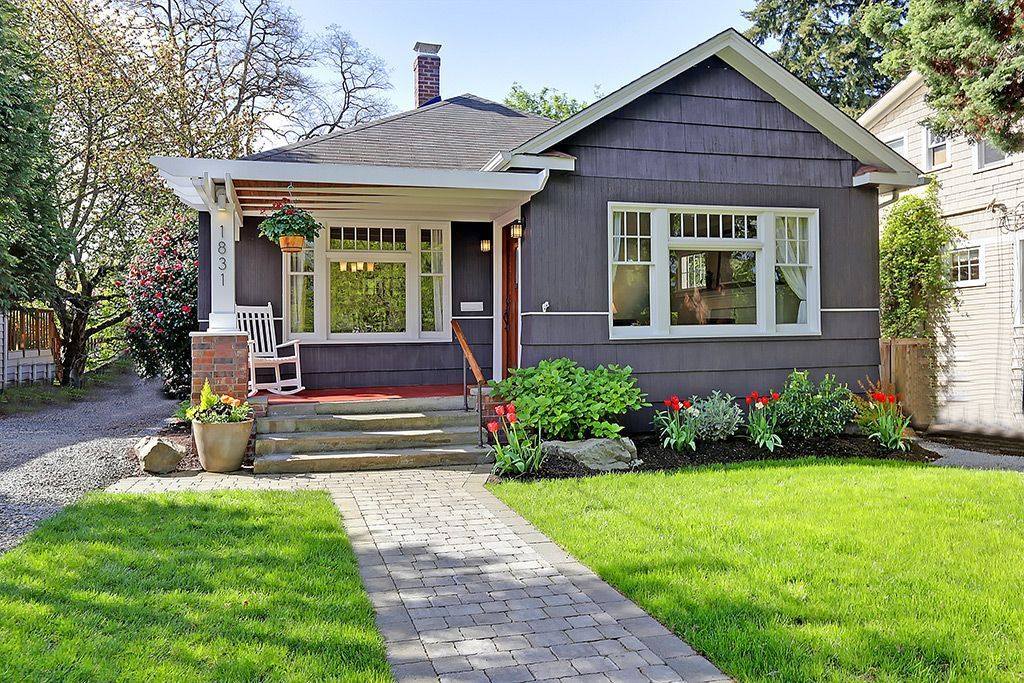
As we approach 2025, the realm of garden design continues to evolve, blending functionality with aesthetics to create outdoor spaces that are not only visually appealing but also practical and sustainable. Hardscape features—permanent elements such as patios, walkways, retaining walls, and decorative stones—play a pivotal role in setting the framework for our gardens. They provide structure and purpose, allowing for thoughtful landscape layouts that enhance both the beauty and usability of outdoor environments. As more homeowners seek to cultivate gardens that reflect their personal styles and accommodate modern lifestyles, choosing the right hardscape elements becomes increasingly vital.
In this coming year, several trends and innovations are emerging in hardscaping that promise to transform gardens into captivating retreats. Eco-friendly materials and designs are at the forefront, aligning with a growing consciousness around sustainability and environmental harmony. Features like permeable paving, which allows water to seep through, are becoming popular choices for both their aesthetic appeal and their ability to mitigate run-off issues. Similarly, multi-functional spaces that combine seating, dining, and entertainment areas are gaining traction, providing year-round enjoyment while maximizing the utility of outdoor spaces.
Moreover, the integration of technology into hardscaping is also on the rise, with smart lighting and fire features enhancing both safety and atmosphere in the garden. As landscaping aesthetics shift toward minimalist designs and naturalistic elements, it becomes essential to consider how these hardscape features can complement the surrounding flora rather than compete with it. In this article, we will explore the best hardscape features to consider for your garden in 2025, examining their benefits, design inspirations, and how they can create a harmonious outdoor living space tailored to your unique needs and desires. Whether you’re looking to revamp an existing garden or embark on a new landscape project, understanding these emerging hardscape trends will empower you to make informed decisions that elevate your outdoor experiences.
Sustainable Hardscape Materials
As homeowners become increasingly aware of environmental impacts, the use of sustainable hardscape materials in gardens is gaining momentum. In 2025, selecting materials that reduce ecological footprints while enhancing aesthetic appeal will be a key trend. Sustainable hardscape materials can be defined as those that are sourced responsibly, have low lifecycle impacts, and often incorporate recycled components. Examples include reclaimed wood for decking, permeable pavers made from recycled plastics or concrete, and natural stone that has been sustainably quarried.
Beyond environmental considerations, these materials often offer durability and low maintenance, making them practical choices for outdoor spaces. For instance, permeable paving not only facilitates stormwater management by allowing water to infiltrate the ground but it also minimizes runoff and erosion, contributing positively to the surrounding ecosystem. Furthermore, the use of locally sourced materials minimizes transportation emissions, aligning with principles of sustainability. In 2025, trends may also include the use of innovative products like eco-friendly concrete that requires less energy to produce or recycled glass aggregates within concrete, providing both functionality and unique visual texture.
Incorporating sustainable hardscape materials into garden designs goes beyond mere aesthetics; it creates a narrative around the garden that reflects a commitment to ecological consciousness. Consider features such as paths or patios made from natural stone and surrounded by native plantings to create habitats that support local wildlife. Using recycled materials in seating or retaining walls can also add character and uniqueness to the design, making a stronger connection between the home and its environment.
Ultimately, prioritizing sustainable hardscape materials not only enriches the visual appeal of a garden but also instills a sense of responsibility towards the planet. As more homeowners seek to create balanced and eco-friendly outdoor spaces, the emphasis on sustainability will become a cornerstone of hardscape design in 2025 and beyond. This alignment with environmentally-friendly practices not only enhances personal satisfaction but also contributes to broader community efforts toward sustainability and conservation.
Innovative Decking and Patio Designs
As we look forward to garden design trends in 2025, innovative decking and patio designs are poised to play a pivotal role in enhancing outdoor living spaces. These designs not only serve functional purposes but also elevate visual appeal and connectivity with nature. Decking materials have evolved significantly, with an emphasis on sustainability, durability, and aesthetic versatility. Homeowners are increasingly opting for composite decking that mimics the appearance of natural wood while offering superior resistance to weather damage, fading, and insects. This shift reflects a growing trend towards combining beauty with functionality in outdoor spaces.
In addition to materials, the shapes and layouts of decking and patios are becoming more creative and fluid. Traditionally rectangular or square patios are giving way to freeform designs that harmonize with the garden’s natural contours. Curved decks and multi-tiered patios can create dynamic environments that guide the flow of movement while providing distinct areas for entertaining, relaxation, and dining. Integration with surrounding landscaping is also critical; raised patios can blend seamlessly into terraced gardens, enhancing the overall experience of the outdoor space.
Moreover, the incorporation of multifunctional elements in decking and patio designs is on the rise. For instance, built-in seating, planters, and storage solutions are becoming common features that maximize usability without cluttering the space. Additionally, integrating smart technology through various features—such as built-in lighting, sound systems, and even heating elements—can significantly elevate the appeal and comfort of these outdoor areas. As homeowners seek to create holistic outdoor environments that accommodate a range of activities and moods, innovative decking and patio designs are set to become essential components of modern garden aesthetics in 2025.
In summary, the future of outdoor living spaces will be characterized by innovative decking and patio designs that prioritize sustainability, creativity, and functionality. Homeowners can look forward to a variety of options that not only enhance their gardens visually but also provide greater utility and enjoyment in their outdoor environments. This trend underscores a broader movement towards creating immersive and personalized outdoor experiences, making the garden an extension of home life.
Outdoor Lighting Solutions
Outdoor lighting solutions play a vital role in enhancing the aesthetics and functionality of garden spaces. With the growing emphasis on garden usability during evening hours, well-designed outdoor lighting can significantly extend the living space of a home while adding to its visual appeal. In 2025, the trending outdoor lighting solutions will likely emphasize energy efficiency, smart technology, and versatile designs that blend seamlessly into various outdoor settings.
One of the most significant considerations for outdoor lighting is energy efficiency. LED lighting fixtures have become the standard due to their low energy consumption and long lifespan. In 2025, expect to see even more innovations in this space, including solar-powered lights that can illuminate pathways and garden features without the need for intricate wiring. These fixtures not only reduce electricity costs but also align with sustainability trends, appealing to eco-conscious homeowners. Beyond traditional lighting, advances in smart technology will allow homeowners to control their outdoor lighting systems via smartphones or smart home platforms. This means being able to adjust brightness levels, set timers, and program different lighting scenes based on occasions or personal preferences.
Another crucial aspect to consider when incorporating outdoor lighting is the variety of design options available. This year’s trends will lean towards unobtrusive designs that blend nature and architecture. Fixtures such as hidden uplights, in-ground lights for highlighting pathways, and decorative lanterns offer versatile solutions that can enhance a garden’s aesthetic without overpowering it. Additionally, lighting that emphasizes hardscape features such as patios, walls, and walkways will be favored, guiding guests and setting an ambiance. Using soft, warm lighting can create a welcoming atmosphere, while strategically placed directional lights can draw attention to specific focal points like trees, sculptures, or water features.
Combining these elements effectively can create a balanced outdoor space that not only looks enchanting after dark but also ensures safety and usability. For instance, well-lit pathways prevent accidents during evening gatherings, while ambient lighting makes it easier to enjoy outdoor living areas. Ultimately, outdoor lighting solutions in 2025 will combine practicality with stunning design, making them an essential feature of modern gardens.
Water Features and Their Integration
Water features have consistently emerged as a captivating element in garden design, providing not just visual appeal but also auditory and environmental benefits. As we look toward 2025, the integration of water elements in hardscaping is expected to gain even more prominence, becoming a focal point that harmonizes with nature while enhancing the overall ambiance of outdoor spaces. Options like ponds, fountains, and streams offer a variety of aesthetic choices, each contributing uniquely to the sensory experience of a garden.
One of the most compelling reasons to incorporate water features into hardscape designs is their ability to create a tranquil atmosphere. The gentle sound of flowing water can help drown out noise pollution, transforming a garden into a serene escape from the hustle and bustle of urban life. Furthermore, water features can attract wildlife, such as birds and butterflies, making a garden not only more beautiful but also more dynamic and life-filled. The integration of plants around these water elements softens the hardscape and creates a harmonious blend of hard and soft landscaping.
In 2025, we can expect to see an increased focus on sustainable water features that conserve resources and employ eco-friendly designs. Rainwater harvesting systems, for example, can be integrated with ponds or fountains to maintain water levels while reducing the overall environmental impact. Solar-powered pumps may also gain traction, allowing for energy-efficient operation and easy implementation in remote areas of the garden. Additionally, the trend of using natural swimming pools or swim ponds is likely to rise, where bioremediation and plant filtration systems keep the water clean and clear without the use of harsh chemicals.
The design and placement of water features will also expand creatively, moving beyond traditional configurations. Future gardens may incorporate multi-level ponds or interactive splash pads, appealing not only for their beauty but also for their functionality, especially in family-oriented spaces. The aesthetic integration of these features with diverse landscaping elements will become increasingly crucial, as homeowners seek designs that reflect both their personal style and values, such as sustainability and wellness. By carefully planning the placement and functionality of water features, homeowners can create an inviting atmosphere that encourages relaxation, reflection, and connection with nature.
Functional Hardscape Elements (e.g., Fire Pits, Seating Areas)
Functional hardscape elements have become increasingly popular in garden design, especially as outdoor spaces are viewed as extensions of the home. In 2025, incorporating these elements will not only enhance the aesthetic appeal of your garden but also improve its usability for gatherings and relaxation. Among the most sought-after features are fire pits and designated seating areas, both of which offer practical benefits while serving as focal points in the landscape.
Fire pits, for example, provide warmth and light, extending the usability of outdoor spaces throughout various seasons. They create inviting focal areas for gatherings, whether it’s roasting marshmallows with family or enjoying a night under the stars with friends. The design of the fire pit can significantly impact its integration into the garden; options range from built-in stone structures that meld seamlessly with natural surroundings to portable units that can be relocated based on the occasion. Choosing materials that complement the existing landscape is essential, as they help unite different hardscape elements for a cohesive look.
Seating areas are another vital component of functional hardscaping. Comfortable, strategically placed seating can transform any garden into an oasis for relaxation and socialization. Options for seating vary widely, from built-in benches using stones or wood to standalone furniture made of weather-resistant materials. The layout should consider views and sunlight to maximize comfort and enjoyment, inviting users to linger longer in the space. Furthermore, integrating planters or surrounding the seating area with greenery can create a more inviting atmosphere, accentuating the beauty of both the natural and constructed features.
In conclusion, functional hardscape elements like fire pits and seating areas not only serve as valuable additions but also enhance the overall experience of your garden in 2025. Thoughtful design and material choices ensure these features will contribute to a harmonious outdoor environment, transforming your garden into a versatile and enjoyable retreat for family and friends. As you plan your garden upgrades, consider these elements as essential components that blend form and function beautifully.
As homeowners increasingly seek to maximize the value of their properties, the role of hardscape features has become a focal point of attention in recent years. By 2025, particularly in urban and suburban environments, the incorporation of hardscaping elements such as patios, walkways, retaining walls, and outdoor kitchens will not only define the aesthetic aspects of a home’s exterior but also significantly enhance its overall market appeal. In an era where outdoor living spaces are becoming extensions of indoor comfort, investing in hardscape can result in substantial returns when it comes time to sell.
Hardscape elements are often viewed as the backbone of landscape design, providing structure and durability that softscaping—such as plants and grass—cannot achieve on their own. These materials, ranging from natural stone and brick to concrete and wood, contribute to a home’s exterior charm while offering practical benefits, such as improved drainage, increased usable space, and maintenance efficiency. By understanding how effective hardscape design can elevate property aesthetics and functionality, homeowners can harness its full potential to appeal to prospective buyers in a competitive real estate market.
In 2025, the real estate landscape is expected to evolve further with a growing emphasis on sustainability and outdoor living. As such, hardscape installations that incorporate eco-friendly materials, permeable paving, and drought-resistant features will not only resonate with environmentally conscious buyers but also potentially lead to higher appraisals. This introduction explores how different hardscape strategies can enhance property value and serve as compelling selling points, ultimately guiding homeowners in making informed decisions about their outdoor investments. Whether you are contemplating a significant renovation or simply want to refresh your outdoor space, understanding the potential impact of hardscaping on your property value is essential for any proactive homeowner.
Design Trends in Hardscape for 2025
As we approach 2025, design trends in hardscape are set to revolutionize the outdoor spaces of residential properties. One of the most significant trends is the seamless integration of hardscape elements with natural surroundings. Homeowners are increasingly looking to create outdoor environments that feel like an extension of their indoor living space. This includes using natural stone and organic materials that blend harmoniously with the local landscape. The emphasis on authenticity means that hardscape designs will incorporate textures and colors that mimic the surrounding environment, fostering a peaceful and integrated aesthetic.
Another prominent trend is the shift towards multi-functional hardscape areas. With the growing popularity of outdoor living spaces, patios, walkways, and retaining walls are being designed with versatility in mind. Homeowners are investing in hardscape features that can serve multiple purposes, such as fire pits that double as seating areas or pergolas outfitted with built-in lighting for nighttime gatherings. This multifunctionality not only enhances the usability of outdoor spaces but also increases their appeal, making properties more attractive to potential buyers.
In terms of layout, curved lines and organic shapes are becoming more prevalent in hardscape design. These elements promote a more natural flow within outdoor spaces, creating inviting paths and relaxation zones instead of rigid and structured layouts. The trend towards softer, more fluid designs helps to evoke a sense of calm and tranquility, which is increasingly valued in today’s fast-paced world.
A key aspect of hardscape design evolving through 2025 is the incorporation of technology. Smart features, such as integrated lighting systems that can be controlled via smartphone apps, are becoming more common. Additionally, water-efficient irrigation systems and eco-friendly materials that reduce environmental impact are gaining traction. Such advancements not only enhance the visual appeal of properties but also promote sustainability, an increasingly important factor for homeowners and buyers alike.
Investing in hardscape improvements guided by these trends can significantly enhance the value of your property in 2025. Buyers are looking for outdoor spaces that are not only beautiful but also functional and low-maintenance. Well-designed hardscape features can increase property aesthetic appeal and serve as a key selling point. As trends continue to evolve, staying ahead by incorporating modern designs and functionalities will ultimately yield lasting benefits, making your property more competitive in the real estate market.
Material Choices that Maximize Property Value
When considering ways to enhance the value of your property in 2025, the choice of materials used in hardscape projects is paramount. High-quality materials not only improve the aesthetics of your outdoor spaces but also significantly contribute to the long-term durability and functionality of these areas. When choosing materials, it is essential to consider both the current trends and the enduring characteristics that will appeal to potential buyers.
One of the most valuable aspects of hardscape materials is their ability to create a cohesive and appealing look for your property. Natural stone, for instance, is a timeless choice that exudes elegance and luxury. Its unique textures and colors can complement the architecture of your home while offering durability that withstands the elements over time. Additionally, materials like pavers and concrete can be enhanced with modern finishes or patterns to bring a contemporary flair while still providing resilience.
In 2025, there is a growing focus on incorporating sustainable materials into hardscape designs. Options such as permeable pavers or recycled concrete not only enhance the environmental appeal of your property but also resonate with a market increasingly inclined towards eco-friendly living. These materials can help manage stormwater runoff, providing functional benefits that go beyond aesthetics. Properties that showcase such environmentally conscious choices are likely to be more attractive to buyers, particularly those looking to invest in homes aligned with sustainable practices.
Moreover, the right hardscape materials can define outdoor living spaces, creating areas for relaxation and entertainment that significantly increase the usability of your yard. Features such as stone patios, outdoor kitchens, and fire pits made from high-quality, durable materials can elevate your home’s appeal and market value. These enhancements cater to the growing trend of creating functional outdoor living areas, which are increasingly sought after by homebuyers. By investing in appropriate hardscape solutions and selecting materials that are both stylish and practical, you can maximize your property’s value and make it stand out in a competitive real estate market.
Functional Hardscape Features for Outdoor Living
Functional hardscape features have become increasingly vital in defining outdoor spaces that are both aesthetically pleasing and practical. These elements encompass a variety of structures and installations, including patios, outdoor kitchens, fire pits, and walkways, all designed to enhance the usability of an outdoor area. In 2025, homeowners are likely to prioritize these features as they seek to create inviting environments for relaxation, entertainment, and social gatherings. Incorporating functional hardscape components not only extends living spaces but also improves the overall quality of life for residents and their guests.
One of the primary benefits of incorporating functional hardscape features is their ability to foster a sense of outdoor living that seamlessly integrates with indoor spaces. Homeowners have increasingly come to view outdoor areas as extensions of their homes, with an emphasis on comfort and functionality. For instance, a well-designed patio fitted with comfortable seating and ambient lighting can serve as an ideal gathering spot for family and friends. Likewise, an outdoor kitchen equipped with modern appliances enables grilling and cooking year-round, making alfresco dining more accessible and appealing. Such features cater to lifestyle trends that emphasize relaxation, entertainment, and the joy of cooking outside, driving their desirability.
In terms of property value, investing in functional hardscape features can significantly enhance market appeal. In 2025, prospective buyers will likely be more inclined to consider homes with well-designed outdoor spaces that provide versatility and ease of use. The ability to entertain outdoors, enjoy family time, or simply unwind in a beautiful setting adds intrinsic value to a property. Moreover, these enhancements often come with low maintenance needs compared to other landscaping options, making them economically viable for homeowners looking to protect their investment. Ultimately, by prioritizing functional hardscape features, property owners can not only enrich their living experience but also position their homes for a favorable return should they decide to sell.
Sustainability and Eco-friendly Hardscape Solutions
As homeowners become increasingly conscious of their environmental footprint, sustainability and eco-friendly practices have taken a central role in various home improvement projects, particularly in hardscaping. Sustainable hardscape solutions can encompass a multitude of elements, from the materials selected to the methods of installation. For instance, using permeable paving stones allows for better water absorption and reduces runoff, thereby minimizing the risk of erosion and flooding. Incorporating native plants and drought-resistant landscaping can also complement hardscape features, leading to a cohesive design that is both functional and environmentally friendly.
In the context of hardscaping, sustainability isn’t just about choice of materials, but also about the life cycle and long-term impact. Recycled materials, such as reclaimed wood or repurposed stone, not only contribute to reducing waste but can also add character and uniqueness to outdoor spaces. Additionally, the use of eco-friendly sealants and finishes can enhance the durability of hardscape elements while ensuring that harmful chemicals do not leach into the surrounding ecosystem. By prioritizing sustainable practices, homeowners can create outdoor spaces that are not just beautiful but also responsible.
As we approach 2025, the importance of sustainability in hardscaping cannot be overstated when it comes to enhancing property value. More buyers are seeking homes that reflect environmentally conscious values, making it a selling point in the real estate market. Properties that showcase thoughtful sustainability in their hardscape designs are likely to attract attention and command higher prices. Ultimately, investing in eco-friendly hardscape solutions can yield significant returns, as they align with a growing trend and cater to a demographic that values sustainability. In a world where climate change and environmental degradation are constant concerns, showcasing a property with sustainable hardscaping can enhance its appeal and marketability, making it a smart investment for homeowners looking to increase property value in 2025 and beyond.
Enhancing Curb Appeal through Hardscape Elements
Enhancing curb appeal through hardscape elements is an essential strategy for increasing the attractiveness and value of your property, especially as we look toward 2025. Curb appeal plays a crucial role in first impressions, impacting not only the perception of potential buyers but also the overall aesthetic of your neighborhood. Well-designed hardscape elements such as pathways, retaining walls, driveways, and patios can create an inviting atmosphere, leading visitors to treasure the visual impact right from the street. As contemporary design evolves, the right hardscape choices align with current trends while attracting attention for their beauty and functionality.
Integrating high-quality materials and thoughtful designs in your hardscape can significantly elevate your property’s appearance. For instance, a well-placed patio constructed from natural stone or interlocking pavers can provide an appealing outdoor space that complements your home’s architecture. Strategic use of decorative elements like borders, pathways lined with lighting, or artistic retaining walls can also capture the interest of passersby. Furthermore, incorporating native flora into your hardscape enhances the aesthetic by softening hard lines and creating a cohesive look. This blend of hardscape and landscaping not only beautifies your property but increases its perceived value—an essential factor as the real estate market continues to emphasize outdoor living spaces.
The value of enhanced curb appeal becomes particularly important in 2025, as home buyers increasingly prioritize first impressions. As they seek properties that stand out in a competitive market, well-planned hardscape can provide a distinct advantage. Unique features such as decorative stone driveways or elegant entryways can set your property apart and justify any asking price. It reduces the amount of time your home may linger on the market and can even lead to a faster sale, translating into a favorable investment return. Ultimately, investing in hardscape elements that enhance curb appeal not only beautifies your home but also positions it as a desirable contender in a rapidly shifting real estate landscape.
In the ever-evolving landscape of outdoor design, selecting the right materials for hardscape in 2025 requires thoughtful consideration that harmonizes aesthetics, functionality, and sustainability. As homeowners and designers alike increasingly prioritize outdoor spaces, the choices made in hardscaping can significantly enhance the usability and visual appeal of patios, pathways, decks, and other outdoor features. Hardscape not only serves as the backbone of landscape design but also offers a canvas for creativity and innovation, allowing for the integration of various textures, colors, and layouts that reflect personal style and practical needs.
One of the fundamental aspects to consider in 2025 is the growing emphasis on sustainability. As environmental consciousness rises, the demand for eco-friendly materials will continue to shape the hardscape selection process. From permeable pavers that enhance water management to recycled materials that reduce waste, the options available cater not only to aesthetic values but also to ecological responsibility. Furthermore, advancements in technology are paving the way for innovative products that boast durability and reduced maintenance, ensuring that your hardscaping investments stand the test of time.
Equally crucial is the balance between form and function. In 2025, it will be essential to evaluate how different materials can support the intended use of your outdoor spaces. Considerations such as climate resilience, slip resistance, and ease of installation will impact the overall performance and longevity of hardscape elements. Additionally, the integration of smart technology and outdoor lighting solutions into hardscape design can elevate functionality, creating spaces that are not only beautiful by day but also serve as inviting retreats by night.
Ultimately, the process of choosing materials for hardscape in 2025 involves a multifaceted approach. By thoughtfully considering sustainability, functionality, aesthetic appeal, and the interplay between different elements, you can create outdoor spaces that are not only visually stunning but also aligned with current trends and future needs. In this article, we will delve deeper into the key factors to consider, the latest materials on the market, and practical tips for making informed decisions that will transform your outdoor environment for years to come.
Environmental sustainability and eco-friendliness
When it comes to hardscaping in 2025, the focus on environmental sustainability and eco-friendliness has never been more crucial. As society becomes increasingly aware of the impacts of climate change and ecological degradation, selecting materials that are both sustainable and environmentally friendly is essential. This means opting for products that not only minimize your ecological footprint but also contribute positively to the environment.
One important consideration is the sourcing of materials. Recycled materials, such as reclaimed stone, recycled concrete, and sustainable woods, have gained popularity because they reduce waste and utilize existing resources. Additionally, look for materials with certifications that ensure sustainable practices, such as those meeting standards set by organizations like LEED (Leadership in Energy and Environmental Design). These certifications can provide assurance that the materials are produced with a minimal impact on the planet.
It is also crucial to think about the longevity of the materials you choose. Sustainable choices should have a long lifespan to minimize the need for replacement. This means considering the durability and maintenance of the materials in addition to their eco-friendliness. Durable materials such as permeable pavers not only help manage stormwater runoff but also reduce heat buildup, creating a better microclimate around your hardscaped areas.
Furthermore, the ongoing maintenance of your hardscaping choices can significantly impact their sustainability. Opting for materials that require less frequent repair or replacement lessens the need for resources over time. Incorporating native plants and installing permeable paving can reduce water usage and mark a step toward a more sustainable landscape.
As consumers become more conscious of their environmental impact, selecting environmentally sustainable materials for hardscaping will not only be a reflection of personal values but will also enhance property value and appeal, aligning with the growing demand for eco-friendly practices in all aspects of construction and landscaping. Thus, when planning your hardscape in 2025, consider the broader implications of your material choices on the environment and choose options that support sustainability.
Durability and maintenance requirements
When selecting materials for hardscape in 2025, durability and maintenance requirements stand as critical considerations. Hardscape elements, which include patios, pathways, decks, and retaining walls, are subjected to wear and tear from various factors such as foot traffic, weather conditions, and the natural environment. Therefore, it is essential to choose materials that can withstand these challenges over time without requiring excessive repair or replacement.
Durability encompasses not only the lifespan of the material but also its resistance to the elements. For instance, products made from high-quality concrete, natural stone, or reinforced composites tend to offer remarkable longevity and can endure environmental stressors better than less robust materials. Additionally, when considering maintenance, options that require minimal upkeep—such as sealed concrete or pavers with a protective finish—can save homeowners substantial time and cost in the long run. It’s beneficial to analyze the specific maintenance tasks associated with each material, looking closely at the frequency of cleaning, sealing, or repairs needed to maintain the material’s appearance and structural integrity.
In 2025, integrating low-maintenance and durable options becomes even more important as the focus on sustainability grows. Opting for resilient materials that require less frequent replacement can contribute to a reduction in waste and resource consumption, aligning with eco-friendly practices. Furthermore, advancements in technology have led to the emergence of innovative materials that not only offer superior durability but also environmentally responsible options that abide by sustainable manufacturing processes. By carefully weighing the long-term performance and maintenance needs of hardscape materials, homeowners can make informed choices that enhance both their outdoor spaces and their environmental footprint.
Aesthetic appeal and design compatibility
When it comes to hardscape design, aesthetic appeal and design compatibility are paramount considerations. These elements significantly influence how the overall outdoor space is perceived and how well it harmonizes with the surrounding architecture and landscape. In 2025, homeowners and designers alike are expected to prioritize materials that not only look appealing but also seamlessly blend with existing structures, gardens, and natural environments. The goal is to create a cohesive visual language that enhances the overall beauty of the space.
Aesthetic appeal encompasses the visual aspects of the materials, such as color, texture, and pattern. For example, natural stone offers a timeless beauty with its unique variations and earthy tones, while concrete can be molded and stained to mimic more expensive materials. Designers might also consider the finishes of different materials, as polished surfaces may impart a modern look, while matte textures can evoke warmth and coziness. For 2025, the trend is likely to lean towards sustainable materials that maintain their beauty over time, thus reducing the need for frequent replacements.
Design compatibility requires a thoughtful approach to integrating hardscape materials with existing elements. For instance, if a home features traditional architectural styles, selecting rustic bricks or natural stone can maintain that aesthetic. Conversely, a modern home might benefit from sleek, geometric pavers and contemporary finishes. Additionally, considering the scale and layout of the hardscape elements is crucial. Large-format tiles can work beautifully in expansive spaces but may overwhelm smaller areas. In 2025, the interplay of hardscape with softscape elements (like plants and grass) will also gain importance, encouraging a balanced approach that allows for an aesthetically pleasing environment that draws the eye across varying textures and colors.
When choosing materials for hardscaping in 2025, it’s essential to consider current design trends and the long-term vision for the outdoor space. Look for materials that not only meet aesthetic desires but also align with sustainability goals. The blending of hardscape and ecology, such as permeable pavers that allow for natural water drainage and support local ecosystems, denotes a growing trend that enhances both design compatibility and environmental responsibility. A successful hardscape will not only be visually stunning but will also reflect the values of sustainability and harmony with nature, thus creating spaces that are as functional as they are beautiful.
Cost-effectiveness and budget considerations
When planning a hardscape project, it is essential to thoroughly consider cost-effectiveness and budget implications. Hardscaping refers to the non-plant elements of landscaping, such as patios, walkways, retaining walls, and other built structures. These features not only add functionality to outdoor spaces but also contribute significantly to their overall visual appeal. However, the materials and installation can be a considerable financial investment. Therefore, it’s critical to conduct a comprehensive cost analysis before proceeding with any project.
Budget considerations encompass more than just the initial material costs. It’s important to factor in installation costs, maintenance, and potential repairs over time. For example, while some materials may come at a lower price point initially, they could require more expensive maintenance or replacement sooner than higher-quality options. Spending a little more upfront on durable materials can lead to overall savings and satisfaction in the long run. Additionally, understanding the full lifecycle costs associated with various hardscaping materials can aid in making an informed decision that balances budget constraints with quality.
In 2025, as materials evolve and economic factors fluctuate, it will be prudent to stay informed about market trends and innovations in hardscape materials. Sustainable options, which may have higher initial costs, are also becoming popular due to their long-term benefits. Homeowners should consider the environmental impact of their material choices, especially in terms of durability and maintenance requirements. Additionally, exploring local suppliers and regional materials can often yield cost savings and help support the local economy. Balancing quality, aesthetics, and practicality within a budget is key to creating a successful hardscape that meets both functional and visual needs.
Climate resilience and weather adaptability
When considering materials for hardscape projects in 2025, climate resilience and weather adaptability are increasingly critical factors. Climate change has brought about more severe weather patterns, including heavy rainfall, extreme temperatures, and fluctuating climate zones. These shifts mean that selecting materials that can withstand adverse weather conditions is essential for the longevity and performance of outdoor spaces. For instance, materials that can resist moisture absorption and are less prone to cracking during freeze-thaw cycles are ideal in regions experiencing harsher winters. Similarly, in areas subject to extreme heat, materials that reflect sunlight and reduce heat absorption can provide more comfortable outdoor environments.
Another aspect to consider is the type of soil and drainage in the area. Certain hardscape materials, like permeable pavers or aggregates, can facilitate better water drainage. These materials help mitigate flooding risks and reduce the likelihood of erosion, which is crucial as increasingly intense storms become the norm. Integrating such solutions not only supports sustainability but also enhances the health of the surrounding landscape by allowing for better water infiltration and plant growth.
Moreover, the aesthetics of hardscape materials that exhibit climate resilience should not be overlooked. Consumers in 2025 are likely to desire designs that not only serve functional needs but also blend seamlessly with the evolving environmental context. Combining beauty with utility means exploring a range of innovative materials like recycled composites, advanced ceramics, or even weather-resistant natural stones that can withstand the elements without compromising visual appeal. Ultimately, thoughtful material selection will not only contribute to the resilience of hardscape installations but also align with broader environmental and design goals for outdoor spaces.
As homeowners increasingly seek to enhance their outdoor spaces, the significance of well-designed landscapes has never been clearer. In 2025, the trend towards investing in professional landscape design, particularly for hardscape projects, has gained remarkable traction. Hardscaping—referring to the non-plant elements in landscape architecture, such as patios, pathways, retaining walls, and water features—plays a pivotal role in the functionality and aesthetic appeal of outdoor environments. Engaging a skilled landscape designer for these projects is not just a luxury but a strategic decision that can yield substantial benefits.
One of the primary advantages of hiring a landscape designer is their ability to bring a cohesive vision to life. With expertise in layout, material selection, and design principles, professionals can create spaces that seamlessly blend beauty and functionality. In 2025, as sustainability becomes a crucial factor in construction and landscaping, landscape designers are equipped to incorporate eco-friendly materials and practices, optimizing resources for a sustainable hardscape. Their understanding of climate conditions, soil types, and drainage patterns ensures that outdoor spaces are not only aesthetically pleasing but also durable and practical for long-term use.
Moreover, professional landscape designers save homeowners time, money, and frustration. Navigating permits, sourcing materials, and executing installations can be daunting tasks for the untrained eye. Designers streamline the process, managing everything from the initial concept to project completion, thus reducing the risk of costly errors. Armed with a network of trusted contractors and suppliers, they can often secure better prices and outcomes than what a homeowner might achieve independently. In a world where personalized, well-crafted spaces are increasingly in demand, collaborating with a landscape designer for hardscape projects can transform an ordinary yard into an extraordinary retreat, tailored to meet the specific needs and aspirations of the homeowner.
By understanding these benefits, homeowners contemplating hardscape enhancements can make informed decisions that elevate their outdoor living areas while maximizing their investment. The future of landscaping undoubtedly lies in professional guidance, where aesthetic appeal is harmonized with practical functionality, resulting in outdoor spaces that are not only visually stunning but also serve as a sanctuary for relaxation and recreation.
Expertise in Design and Planning
Hiring a landscape designer for hardscape projects offers substantial advantages, particularly in the realm of expertise in design and planning. These professionals are trained and experienced in understanding both the aesthetic and functional elements required to create a cohesive outdoor space. In 2025, as trends continue to evolve in landscape architecture, skilled designers bring current knowledge that is vital for maximizing the utility and beauty of hardscaping elements, such as patios, walkways, retaining walls, and outdoor living areas.
One of the primary benefits of hiring a landscape designer is the ability to create a detailed and tailored plan that considers the specific needs and preferences of property owners. This expertise encompasses not only the artistic aspect of design but also the technical requirements that ensure durability and proper drainage, especially critical in hardscape projects. A landscape designer evaluates the site conditions, soil quality, climate, and existing vegetation to develop a functional layout that enhances the overall landscape. As urban areas continue to grow and prioritize aesthetic appeal amidst density, designers assist in fitting hardscapes seamlessly into their environment while adhering to both local guidelines and sustainability goals.
Moreover, collaborating with a designer can save property owners from common pitfalls such as poor material choices, ineffective drainage solutions, or design features that do not complement the home or surrounding landscape. The designer’s comprehensive planning helps foresee potential issues and provides innovative solutions. This foresight not only leads to a more successful project outcome but also increases the longevity of the hardscaping elements, ultimately providing a better return on investment.
In 2025, the integration of automated tools and technology in the design process can further enhance the capabilities of landscape designers. These tools allow for precise simulations and visualizations, offering clients a clear picture of their projects before implementation. Such technology-enabled design practices help ensure the final execution aligns with the envisioned aesthetics and functionality to enhance outdoor spaces effectively. Therefore, hiring a landscape designer for hardscape projects is more than just an aesthetic choice; it is a strategic investment in the overall success and sustainability of outdoor environments.
Cost-Effectiveness and Budget Management
Hiring a landscape designer can significantly contribute to cost-effectiveness and budget management in hardscape projects, especially in 2025 when the demand for sustainable and aesthetic outdoor spaces continues to rise. A landscape designer brings a wealth of knowledge and experience that enables them to create efficient plans that utilize resources wisely. By developing a detailed proposal with clear budget estimates, they can help prevent unexpected costs or financial overruns that often occur in DIY projects or with inexperienced contractors. Their ability to forecast expenses based on their understanding of materials, labor costs, and potential design challenges allows homeowners to make informed decisions about their investments.
One of the notable benefits of collaborating with a landscape designer is their access to a network of suppliers and contractors. This network can result in cost savings through established relationships that may not be available to a homeowner managing the project independently. A designer can negotiate better rates for materials and services, ultimately reducing the overall project cost while still delivering high-quality results. Moreover, their expertise in sourcing materials that fit within a specific budget ensures that the final outcome not only meets the envisioned aesthetic but also aligns with financial constraints.
Beyond initial cost savings, a landscape designer can contribute to the long-term financial aspects of a property. By designing hardscape features like patios, walkways, and retaining walls that are durable and requires minimal maintenance, they help homeowners avoid future expenses associated with repairs or replacements. Additionally, well-executed hardscapes can enhance the property’s curb appeal, further increasing its value over time. In 2025, as more homeowners recognize the importance of exterior aesthetics in property valuation, hiring a landscape designer becomes a strategic investment, combining immediate budget efficiency with long-term financial benefits.
Integration of Sustainable Practices
The integration of sustainable practices in landscaping and hardscape projects has become increasingly important as environmental concerns grow and the focus shifts toward creating spaces that are not only beautiful but also beneficial to the ecosystem. A landscape designer adept in sustainable design can implement practices that minimize environmental impact while maximizing the functionality and aesthetic appeal of outdoor spaces. By prioritizing the use of native plants, permeable materials, and eco-friendly construction methods, landscape designers are able to create designs that harmonize with the local environment.
One of the primary benefits of hiring a landscape designer for hardscape projects in 2025 is their ability to utilize sustainable materials and techniques that promote water conservation and reduce waste. For instance, they might recommend permeable pavers that allow rainwater to seep through, reducing runoff and recharging groundwater supplies. Incorporating sustainable practices also encourages biodiversity by selecting native plants that require less water and maintenance, attract local wildlife, and support healthier ecosystems.
Moreover, a professionally designed landscape with sustainable elements can significantly enhance the livability of outdoor spaces. Designers can create areas that effectively manage water drainage, reduce soil erosion, and provide comfortable microclimates for recreational purposes. Integrating energy-efficient outdoor lighting and renewable energy sources, such as solar lights, further contributes to lower operational costs and a reduced carbon footprint.
As society continues to place value on sustainability, properties with environmentally conscious landscapes are becoming more desirable, which can lead to enhanced property value. In this regard, hiring a landscape designer familiar with current sustainable practices in hardscape projects not only benefits the environment but also serves as an investment for homeowners looking to increase the value of their property in an increasingly eco-aware market. Thus, the synergy between sustainable design and professional expertise exemplifies why enlisting a landscape designer is a wise choice for hardscaping projects in the coming years.
Enhanced Property Value and Aesthetics
Hiring a landscape designer for hardscape projects can significantly enhance the property value and aesthetics of residential and commercial spaces. Hardscaping refers to the non-plant elements of landscape design, including patios, walkways, retaining walls, and other structures that contribute to the overall appeal of a property. A skilled landscape designer brings a wealth of experience in creating visually pleasing and functional outdoor spaces that seamlessly blend with the existing environment. By employing design principles such as appropriate material selection, color coordination, and spatial arrangement, their expertise can transform an ordinary outdoor space into an extraordinary one.
In 2025, as homeowners and property developers continue to prioritize outdoor living spaces, the demand for aesthetic enhancements is expected to grow. A landscape designer can help homeowners choose hardscape elements that not only improve the visual appeal of their property but also align with current design trends. For instance, the use of natural stones, permeable pavers, and sustainable materials can provide a modern and sophisticated look while promoting environmental responsibility. These design choices can make a property stand out in a competitive real estate market, leading to increased demand and potentially higher selling prices.
Moreover, the aesthetic improvements brought on by thoughtful hardscaping can enhance the overall functionality of outdoor spaces. A well-designed hardscape can create inviting areas for relaxation and entertaining, such as outdoor kitchens, fire pits, or seating areas. This attention to detail not only elevates the appearance of a property but also increases its usability, making it more appealing to potential buyers or visitors. Ultimately, hiring a landscape designer helps ensure that the hardscape elements are not only functional but also contribute to a harmonious and attractive landscape, creating long-term value for the property.
Efficient Project Management and Execution
Efficient project management and execution are critical components of successful hardscape projects, and hiring a landscape designer can streamline this process significantly. A professional landscape designer brings a wealth of knowledge and experience that enables them to effectively plan and oversee the various stages of a hardscape installation. This includes everything from initial site assessment and design conception to the final phases of construction. A seasoned designer is adept at coordinating multiple contractors, managing timelines, and ensuring that all aspects of the project align seamlessly. They serve as a central point of communication among all parties involved, which not only minimizes the risk of miscommunication but also optimizes workflow.
In 2025, the benefits of engaging a landscape designer for hardscape projects are particularly pronounced. As urban development continues to rise and environmental sustainability becomes increasingly essential, designers are well-versed in the latest trends and technologies that can contribute to a project’s efficiency. These professionals are often knowledgeable about new materials and construction methods that can save time and reduce waste. Their familiarity with local regulations and permits also ensures compliance, which can eliminate potential delays and legal issues down the road.
Moreover, having a landscape designer leads to more organized project timelines. They can accurately estimate the duration of each phase, anticipate possible challenges, and adjust plans proactively. This foresight not only keeps projects running on schedule but can also prevent cost overruns. In a landscape designer’s hands, projects are completed more smoothly and efficiently, fostering a collaborative atmosphere among workers that ultimately results in a superior final product.
The overarching benefits of efficient project management and execution through a landscape designer extend beyond the immediate project timeline. A well-managed project minimizes stress for the homeowner, who can remain confident and informed throughout the process. Furthermore, a successful hardscape endeavor increases the likelihood of achieving the client’s vision, leading to higher satisfaction and a beautiful outcome that enhances both the aesthetics and functionality of the outdoor space. The return on investment becomes apparent, as thoughtfully designed hardscapes contribute significantly to property value, curb appeal, and outdoor enjoyment for years to come.
As we enter 2025, the world of landscape design is experiencing a dynamic shift toward innovative and sustainable practices, where hardscaping plays a crucial role in enhancing the functionality and aesthetic appeal of outdoor spaces. Hardscape—non-plant elements such as patios, walkways, retaining walls, and decorative stones—adds structure and organization to landscape designs, providing a canvas for creativity while addressing practical needs such as drainage, erosion control, and outdoor living functionality.
Incorporating hardscape into your landscape design requires a delicate balance of form and function, artfully integrating these structural components with the natural beauty of plants and trees. This year presents an exciting opportunity to rethink conventional hardscaping approaches, as eco-friendly materials and designs that prioritize environmental stewardship become increasingly prevalent. With advancements in technology and sustainable practices, homeowners and landscape designers alike have the chance to create outdoor spaces that are not only visually stunning but also support biodiversity, conserve water, and reduce maintenance needs.
As you embark on the journey of integrating hardscape into your landscape design in 2025, consider the evolving trends and techniques that emphasize harmonizing human-made structures with the natural world. From selecting the right materials that withstand climate change to incorporating smart outdoor lighting solutions, the possibilities for enhancing your property’s curb appeal and usability are boundless. This article will explore key strategies for effectively incorporating hardscape elements, providing inspiration and practical tips to help you craft an outdoor oasis that reflects your personal style and embraces the transformative power of nature.
Sustainable Hardscape Materials
As the demand for environmentally friendly practices continues to rise, the focus on sustainable hardscape materials in landscape design is becoming increasingly prevalent. In 2025, incorporating hardscape elements that utilize sustainable materials not only enhances the aesthetic appeal of outdoor spaces but also aligns with ecological conservation efforts. Sustainable hardscape materials can include recycled concrete, permeable pavers, reclaimed wood, and natural stones that minimize environmental impact. These materials not only contribute to reducing waste but also help in managing stormwater, mitigating heat, and supporting local ecosystems.
When considering how to incorporate sustainable hardscape materials into your landscape design, it’s essential to assess your project’s context and functionality. Opt for locally sourced materials to reduce transportation emissions and support the local economy. Additionally, fixtures made from recycled content can effectively minimize the need for new raw materials, promoting a more circular economy. For example, using permeable pavers allows rainwater to seep into the ground, replenishing water tables and reducing runoff, which is a significant concern in urbanized areas.
To truly enhance your landscape, think about how these materials can harmonize with other elements of your design. For instance, combining recycled concrete pathways with native planting beds can create a seamless and inviting outdoor environment that supports biodiversity. Furthermore, you can explore innovative designs by incorporating features such as seating walls or planters made from reclaimed wood, which will provide both functionality and visual interest. As you plan your hardscape, consider using contrasting textures, colors, and patterns to create depth while still maintaining an overall cohesive look.
In summary, the integration of sustainable hardscape materials in your landscape design for 2025 can significantly impact both the aesthetic and ecological quality of your outdoor spaces. By thoughtfully choosing materials and considering their environmental implications, you can create a beautiful and functional landscape that resonates with contemporary values and meets the needs of your community.
Integration with Native Planting
Integrating hardscape elements with native planting is a vital strategy in landscape design that promotes ecological harmony while enhancing visual appeal. This approach not only conserves local biodiversity but also reduces landscape maintenance and water usage by selecting plants that are well-adapted to the local climate and soil conditions. In 2025, as the emphasis on sustainability in landscape design continues to grow, blending hardscaping with native plants will likely become an even more prominent practice.
To incorporate hardscape into this integration effectively, consider using materials such as stone pathways, decorative gravel, or permeable pavers that complement the natural landscape. These materials can serve as a solid foundation for the surrounding plant life, ensuring that they have adequate drainage while minimizing erosion. When designing your landscape, placement and spacing are key; hardscape features should support the shape and needs of the native plants. For instance, a seating area constructed of natural stones can encircle a pollinator garden, creating a peaceful space to observe the thriving ecosystem.
Another essential consideration is the maintenance aspect. Hardscape can reduce the amount of lawn area, which normally requires frequent mowing and watering, thereby integrating seamlessly with low-maintenance native plants. This strategy can lead to less resource-intensive landscaping, aligning with modern environmental principles. Furthermore, the use of local stone and reclaimed materials for walls, patios, or seating areas not only enhances the aesthetic value but also speaks to the unique geographic identity of your space.
Looking ahead, as technology advances, we may see innovative solutions for integrating hardscape and native planting, such as smart irrigation systems, which can optimize water usage in response to weather conditions. By carefully planning your landscape with a focus on native species and durable hardscape elements, you ensure a beautiful, functional, and sustainable natural environment that reflects the character of your region while promoting ecological well-being.
Designing Functional Outdoor Spaces
Designing functional outdoor spaces is a critical aspect of landscape architecture that merges aesthetics with practicality. As we move into 2025, the emphasis on creating outdoor environments that serve specific purposes will continue to grow. This involves understanding the everyday needs of those who will use the space, whether for relaxation, entertainment, or recreational purposes. When planning, it is essential to consider how various hardscape elements—such as patios, pathways, seating areas, and retaining walls—can enhance the usability of an area while also blending seamlessly with the natural landscape.
In the context of hardscaping for functional outdoor spaces, consider the flow and accessibility of the design. For instance, a well-designed patio can extend the living space of a home and may serve as an outdoor dining area, lounge, or entertainment space. Incorporating durable materials that stand up to the elements is essential for maintaining the longevity and safety of these hardscape features. Hence, selecting high-quality pavers or stonework that is both functional and visually appealing can create inviting spaces for gatherings and relaxation.
Consider the incorporation of multi-functional design elements. Many homeowners in 2025 may seek versatility in their outdoor spaces. Features like built-in benches, fire pits, and raised garden beds can serve several purposes while providing inherent beauty to the surroundings. These elements not only define the space but also enhance the overall experience of being outdoors, making it a more engaging environment for family and friends. Moreover, creating zones within the landscape can promote diverse activities—such as a quiet reading nook surrounded by lush plantings or a vibrant area for hosting gatherings.
To successfully integrate hardscape into landscape design with a focus on functionality, it’s important to engage with the surrounding environment. This can include utilizing natural contours of the land to guide the design and maintain proper drainage, or opting for materials that reflect the local context. By harmonizing hardscape features with existing natural elements, you can create outdoor spaces that are not only functional but also sustainable, environmentally friendly, and visually cohesive.
In conclusion, designing functional outdoor spaces in 2025 requires a holistic approach to landscape architecture that bridges the gap between usability and beauty. By thoughtfully incorporating elements of hardscape that enhance the overall functionality of the area, you can create outdoor environments that cater to the needs of users while also celebrating the natural landscape surrounding them. The goal is to create spaces that invite users to connect, gather, and enjoy the outdoor environment to its fullest.
Trends in Hardscape Patterns and Textures
As the landscape design industry evolves, so do the trends in hardscape patterns and textures. In 2025, there is an increasing focus on creating visually stunning outdoor spaces that reflect the natural environment while also offering functionality. The patterns used in hardscape elements—such as patios, pathways, and walls—are not only essential for aesthetic appeal but also play a crucial role in guiding traffic flow and defining different areas within a landscape.
Current trends emphasize a mix of materials and textures, incorporating elements like natural stone, reclaimed wood, and permeable pavers. The combination of these materials allows homeowners and designers to create unique designs that are both environmentally friendly and aesthetically pleasing. Additionally, geometric and asymmetrical patterns are gaining traction, moving away from traditional, uniform designs. This modern approach adds dynamism to outdoor spaces, encouraging creativity while enhancing the overall look of the landscape.
Another important aspect of hardscape trends is the integration of color and texture. Earthy tones and muted colors are preferred as they blend seamlessly with the surrounding plant life. Textures can range from smooth finishes for a sleek, modern look to rough surfaces that evoke a rustic feel. Incorporating textures not only adds visual interest but also encourages tactile engagement, making outdoor spaces more inviting and user-friendly.
Incorporating hardscape into your landscape design in 2025 should involve a thoughtful approach that considers both current trends and personal tastes. Start by exploring various patterns and textures that resonate with you and your environment. Utilizing local materials can enhance the connection to the landscape while supporting sustainability. Collaborating with a landscape designer can also help you achieve a cohesive design that marries hardscape and softscape elements efficiently.
Ultimately, the key to successfully integrating hardscape into your landscaping lies in balancing aesthetics with practicality. Consider how different hardscape features will serve your needs for functionality, maintenance, and enjoyment while ensuring they complement the natural beauty around them. Embracing the latest trends in patterns and textures can transform your outdoor space into a visually striking and harmonious extension of your home.
Maintenance Considerations for Hardscape Features
When it comes to incorporating hardscape into your landscape design, maintenance considerations are a crucial aspect that cannot be overlooked. Hardscape features, such as patios, walkways, retaining walls, and other structural elements, require specific care and upkeep to ensure they remain functional and visually appealing over time. In 2025, as the focus on sustainable and resilient landscapes intensifies, understanding how to maintain these features effectively will be key to achieving a cohesive outdoor space.
One of the primary maintenance considerations for hardscape is material selection. Choosing durable, weather-resistant materials can significantly reduce upkeep needs. For instance, natural stone, stamped concrete, and permeable pavers not only add aesthetic value, but they also stand up well against harsh weather conditions and everyday wear and tear. In addition, utilizing materials that have low environmental impact aligns with contemporary sustainability goals, promoting a landscape design that is both beautiful and responsible.
Regular maintenance practices for hardscapes will include cleaning, sealing, and repairing as needed. For example, cleaning surfaces to remove debris, stains, or algae buildup enhances the appearance and longevity of hardscape features. Sealing surfaces, especially concrete, can prevent water damage and staining, extending the life of your installations. Additionally, being proactive about repairs—addressing cracks or shifting stones quickly—can prevent more significant issues down the line, maintaining not only safety but also the aesthetic integrity of your landscape.
Incorporating regular inspections and maintenance schedules into your landscape management plan can streamline the care of your hardscape features. Educating yourself or working with professionals on best practices for specific materials will also yield better results. Understanding the local climate and its impact on your hardscape can inform maintenance strategies, ensuring that these elements remain resilient against seasonal changes.
In summary, as you plan for your landscape design in 2025, it’s essential to balance hardscape features with their maintenance needs. By selecting durable materials, establishing regular care routines, and being proactive about repairs, you can create a landscape that is not only visually stunning but also practical and sustainable in the long run.
As the world of landscaping continues to evolve, hardscaping—the use of non-plant materials in landscape architecture—has emerged as a pivotal aspect of outdoor design. With growing environmental awareness and a desire for outdoor spaces that prioritize both functionality and aesthetic appeal, the hardscape trends for 2025 reflect a harmonious blend of innovation, sustainability, and timeless design principles. From sustainable materials to multifunctional spaces, the hardscape trends of the coming years promise to reshape our outdoor environments, catering to the diverse needs of homeowners, urban planners, and landscape architects alike.
One of the central themes for 2025 is the increasing focus on sustainability. As climate change and resource management become pressing global issues, designers and homeowners are more inclined to adopt eco-friendly materials and practices in their hardscaping projects. Reclaimed materials, permeable pavers, and low-impact designs not only minimize environmental footprints but also create inviting spaces that harmonize with nature. Additionally, the rise of smart technology in hardscaping opens a new frontier for integrating practical features like lighting, irrigation, and temperature control, allowing for greater customization and efficiency in outdoor settings.
Moreover, the trend towards multifunctional outdoor spaces is gaining momentum. As urban living spaces continue to shrink, homeowners seek to maximize their outdoor areas by incorporating hardscape elements that serve multiple purposes. From outdoor kitchens and entertaining areas to serene meditation zones and children’s play spaces, the modern hardscape is designed to cater to various activities while providing a seamless flow between indoor and outdoor living. This shift towards versatility invites creativity in design, enabling homeowners to curate personalized landscapes that reflect their lifestyles and preferences.
In this article, we will explore the top hardscape trends for 2025, delving into the materials, designs, and innovative features that are set to define the future of outdoor spaces. By understanding these trends, homeowners and designers can make informed decisions that not only enhance the aesthetics of their landscapes but also contribute to a sustainable and functional outdoor environment. Whether you’re planning a small patio redesign or a large-scale landscape renovation, a keen awareness of these emerging trends will empower you to create an inspiring outdoor oasis that meets the needs of both today and tomorrow.
Sustainable Materials
Sustainable materials have emerged as a front-runner in the hardscape trends for 2025, fundamentally shifting how outdoor spaces are designed and constructed. As global awareness regarding environmental degradation increases, homeowners and designers alike are prioritizing the use of materials that are not only aesthetically pleasing but also ecologically responsible. This shift is driven by a growing concern for carbon footprints, as well as a desire to minimize waste and promote overall sustainability in landscaping practices.
In 2025, sustainable materials will encompass a range of options, from reclaimed wood and recycled concrete to permeable pavers and natural stones that are sourced ethically. These materials help reduce the overall environmental impact of construction while enhancing the beauty and functionality of outdoor spaces. Reclaimed wood, for instance, provides a rustic charm and can be used in various applications—such as decks, fences, and raised garden beds—while promoting the reuse of existing resources. Similarly, permeable pavers offer practical benefits, such as improving stormwater management and reducing runoff, which further contributes to sustainability in landscaping.
Another exciting trend in sustainable hardscaping is the integration of local materials. By sourcing materials that are native to the area, homeowners will not only support local economies but also create landscapes that blend harmoniously with their environment. This approach also minimizes transportation costs and energy expenditure associated with moving materials over long distances. Moreover, the use of locally sourced products often means lower greenhouse gas emissions, further supporting sustainable building practices.
As the demand for sustainable materials continues to grow, innovations in eco-friendly alternatives are also expected to rise. In 2025, we may see even more options in the form of bio-based materials, which offer the benefits of durability and aesthetic appeal while being biodegradable. Overall, the focus on sustainable materials in hardscaping not only reflects broader societal trends towards environmental responsibility but also enhances the functionality and aesthetics of outdoor living spaces, fostering a collective commitment to creating greener, more sustainable environments.
Outdoor Living Spaces
Outdoor living spaces have become increasingly popular as homeowners seek to extend their living areas beyond the confines of their homes. This trend reflects a growing desire to connect with nature while enjoying the comforts of home. In 2025, we can anticipate that outdoor living spaces will be designed with a blend of functionality, aesthetics, and sustainability, allowing people to create personalized environments for relaxation, socializing, and even working remotely. These spaces can include patios, decks, gardens, and outdoor kitchens, all crafted to cater to the diverse needs of modern lifestyles.
As we move into 2025, the emphasis on outdoor living spaces will be on creating versatile areas that feel like a seamless extension of a home. Features such as modular furniture that can be rearranged, weather-resistant materials, and eco-friendly designs will dominate the market. Fire pits, comfortable seating, and outdoor dining areas equipped with grills or kitchens will become staples, enabling people to entertain guests or enjoy family time outdoors. Furthermore, the influence of color and texture will play a crucial role in making these spaces inviting and aesthetically pleasing.
In tandem with these practical considerations, the design of outdoor living spaces will increasingly focus on integrating natural elements into the environment. This includes incorporating biophilic principles that emphasize natural materials, greenery, and even water features that promote tranquility and well-being. The 2025 landscape will likely see the rise of vertical gardens or green walls, and sustainable landscaping practices that encourage native plant use to support local ecosystems.
Overall, as more homeowners prioritize their outdoor living areas, we can expect a shift in how these spaces are perceived and utilized. They will be envisioned not just as leisure zones but as essential components of a holistic lifestyle, fostering wellness, sustainability, and a deeper connection to the outdoors. With an array of design options and trends emphasizing functionality, beauty, and ecological responsibility, outdoor living spaces will remain at the forefront of hardscape trends in the coming years.
Modern Minimalism
Modern minimalism in hardscape design continues to gain traction as homeowners and designers seek to create spaces that emphasize simplicity and functionality while maintaining a striking aesthetic. This trend draws upon the principles of minimalism, which advocate for the “less is more” philosophy. In hardscaping, this translates into clean lines, open spaces, and a focus on quality materials that serve both aesthetic and practical purposes. Think polished concrete pavers, smooth bluestone, and large-format tiles, which create a seamless look that is both sophisticated and understated.
One of the key aspects of modern minimalism is the emphasis on creating a sense of spaciousness and flow in outdoor areas. This often involves using fewer, but larger, elements rather than cluttering a space with countless smaller items. The design typically integrates extensive hard surfaces, such as patios and walkways, that facilitate movement and connection between different areas. Open spaces are complemented by strategic plantings that are not overpowering but instead serve as accents, guiding the eye without overwhelming the design with vegetation.
Moreover, modern minimalism is closely aligned with sustainability—a principle that is increasingly important in contemporary design. By focusing on high-quality, durable materials that require less maintenance, homeowners can reduce their environmental footprint. The use of native plants, which require less water and contribute to local ecosystems, alongside hardscaping choices that minimize runoff and erosion, enhances the sustainability aspect of these designs.
As we look toward 2025, the top hardscape trends will likely further embrace modern minimalism by incorporating integrated technology, such as smart lighting or irrigation systems that complement the streamlined aesthetic while enhancing functionality. Additionally, bolder contrasts and geometric shapes may emerge within these minimalist designs, offering opportunities for personalization without sacrificing simplicity. Ultimately, the turn toward modern minimalism reflects a broader cultural shift towards mindfulness and intentional living, where outdoor spaces are crafted to foster relaxation and connection with nature, all while maintaining an elegant, uncluttered environment.
Integrated Technology
Integrated technology in hardscaping continues to evolve, reflecting the growing demand for convenience and connectivity in outdoor environments. This trend encompasses various elements, including smart lighting, automated irrigation systems, and features that facilitate outdoor entertainment experiences. More homeowners are embracing technology that seamlessly blends into their outdoor spaces, making them not only more functional but also enhancing the overall aesthetic.
One of the most significant innovations in hardscaping is the incorporation of smart lighting systems that can be controlled via mobile apps. These systems allow homeowners to adjust brightness, color, and timing, providing enhanced security and creating inviting atmospheres for gatherings. Moreover, technology can play a crucial role in irrigation management with automated systems that help conserve water while ensuring that landscaping thrives. By leveraging sensors and weather data, these systems deliver water precisely when and where it’s needed, reducing waste and maintenance efforts.
In addition to functionality, technology in hardscaping also addresses aesthetics. High-tech outdoor entertainment systems, including weather-resistant speakers and integrated screens for movie nights, ensure that outdoor spaces are not only beautiful but also serve as entertainment hubs. As homeowners become more interested in enhancing their outdoor living areas, the integration of technology is expected to develop further, allowing for even greater personalization and sophistication in design.
Looking forward to 2025, the top hardscape trends will likely continue to focus on enhancing lifestyle through technology. Innovations in sustainable tech, such as solar-powered outdoor features and eco-friendly materials, will merge seamlessly with other trends like modern minimalism and biophilic design. With ever-evolving technology, hardscaping will become more intuitive and responsive to the needs of homeowners, making outdoor areas increasingly indispensable extensions of their living spaces. Overall, the integration of technology in hardscaping is poised to create more dynamic and engaging environments, meeting the expectations of homeowners seeking to enhance both usability and enjoyment in their outdoor areas.
Biophilic Design
Biophilic design is an approach to architecture and landscaping that seeks to connect individuals with nature. This concept has gained significant traction in recent years, and it is expected to continue to flourish as more people recognize the psychological and physical health benefits of natural environments. By incorporating elements of the natural world into hardscape designs, biophilic principles can create outdoor spaces that are not only aesthetically pleasing but also conducive to well-being. This method emphasizes the use of natural materials, organic shapes, vegetation, and water features, allowing for a seamless blend between built environments and their natural surroundings.
In 2025, the emphasis on biophilic design is likely to become more pronounced, influenced by an increasing awareness of environmental issues and a desire for sustainable living. Designers may use more native plant species and incorporate living walls or green roofs, which enhance biodiversity and support local ecosystems. These practices not only beautify spaces but also improve air quality and reduce heat buildup, making them an eco-conscious choice for modern landscaping. Additionally, water features such as ponds or streams will likely be incorporated more frequently, as they provide soothing auditory elements that foster tranquility and reduce stress in outdoor spaces.
Another crucial aspect of biophilic design is creating spaces that encourage social interaction and community engagement. By introducing communal gardens or flexible outdoor areas that can host events, designers will cater to the growing demand for connections and experiences within neighborhoods. This trend aligns with the philosophy of bringing people closer to nature while also enriching their social lives. Overall, biophilic design is set to play a pivotal role in hardscape trends in 2025, addressing both environmental sustainability and human well-being, ultimately fostering a more harmonious relationship between humanity and the natural world.
Your home’s exterior appearance is important, whether you like to admire your garden from your living room window, host regular backyard barbecues or have a youth soccer team practice out front on the weekends. Planning the right landscaping purely for aesthetics or utility is imperative to help you achieve the right look and level of maintenance that works for you.
Whether for your home or business, our professional landscape design team will help bring your ideas to life. Call us now at (702) 233-2379 for the best landscaping contractors in Las Vegas, or you can also visit our website for more details.
Garden landscaping comes in many forms depending on the preference of the owner. It may be tropical, Zen, Mediterranean, or forest inspired. Having a neatly landscaped garden is not only beautiful to look at, but it also adds more value to your home. These may be the most obvious benefits, but its advantages are not limited to mere beautification and increased property value. Enumerated are the top health benefits of having a panoramic garden.
At Taylormade Landscapes, we can create the perfect outdoor environment that will make your property a peaceful retreat! Call us now at (702) 233-2379 for the best landscape design in Las Vegas. You can also visit our website for more details.
When looking after your garden, the lawn is a central element in the process. And while it might seem simple enough, there’s more to care than mowing it from time to time. Everything from soil care to composts to watering needs to be mastered. At Taylormade Landscapes, we offer the best lawn care services in Las Vegas. We can create the perfect outdoor environment that will make your property a peaceful retreat.
Enjoy your yard’s beauty! Taylormade Landscapes can help keep your lawn looking lively and fresh! Give us a call now at (702) 233-2379 for the best lawn care services in Las Vegas. You can also visit our website for more details.
Are you designing your first garden? Good for you. Gardens make our lives better: they improve air quality, invite us into the sun and shade, shelter us from wind and rain, and soothe us with visually relaxing natural tones of green and brown. If you need help designing your landscape, Taylormade Landscapes can help! We provide the best landscape design in Las Vegas.
When it comes to maintaining the look and health of your landscape, Taylormade Landscapes is your best choice! We make custom landscape design in Las Vegas. Give us a call now at (702) 233-2379. You can also visit our website for more details.