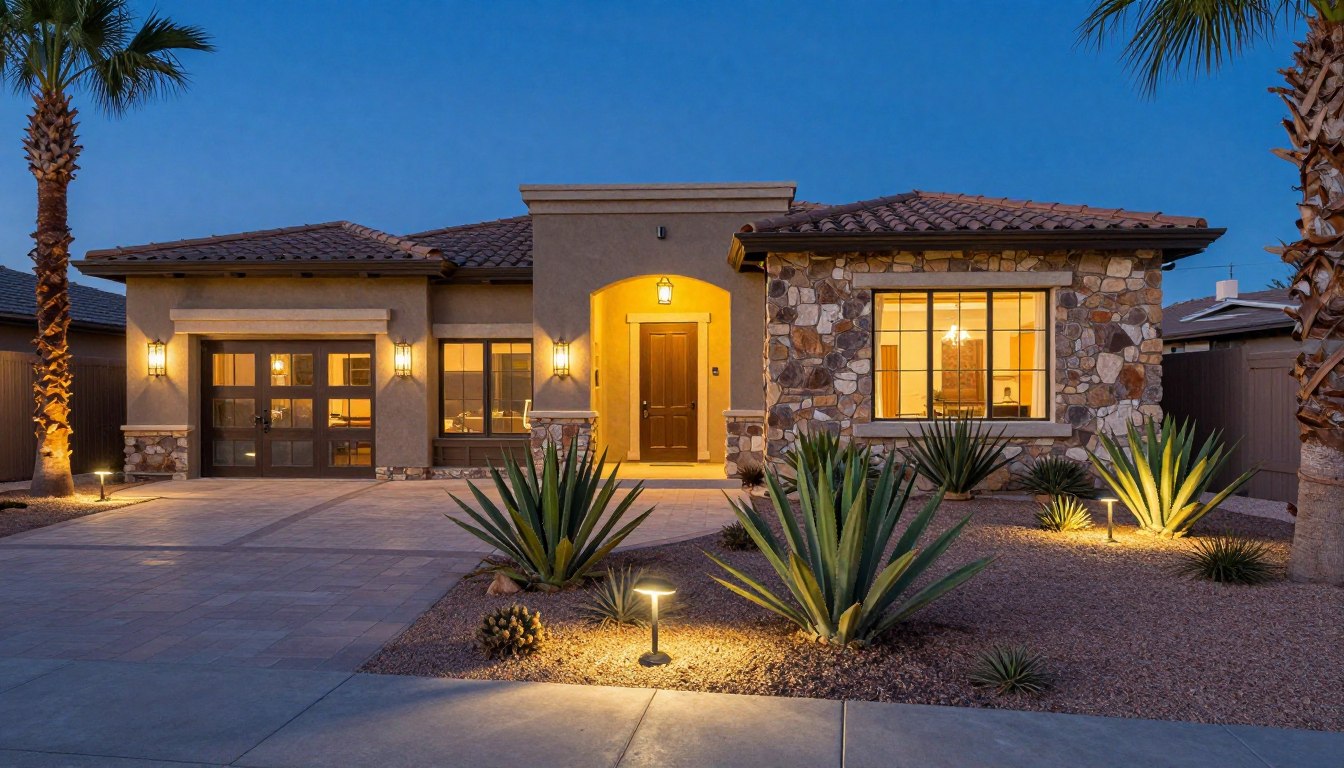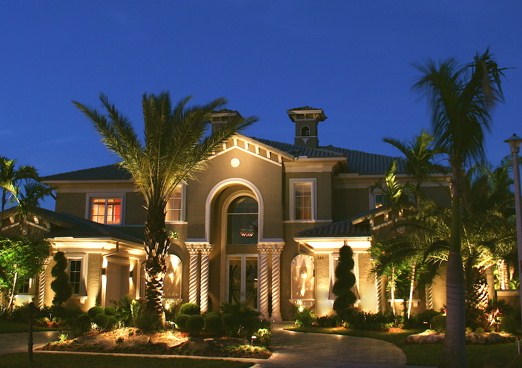
Frank Lloyd Wright once observed, “More and more, so it seems to me, light is the beautifier of the building.” This wisdom extends beautifully beyond architecture to our gardens and yards. Strategic illumination does more than push back the night. It reveals the hidden beauty of your property. Thoughtful outdoor landscape lighting transforms a dark space into a welcoming extension of your home. It turns a simple patio or deck into an evening retreat. This approach blends art with practical function.
A well-planned system enhances safety along paths and steps. It also creates a warm ambiance for relaxation and entertainment. The right fixtures can make trees, sculptures, and water features stand out after sunset. This guide explores how to use light to showcase your yard’s best elements. You’ll learn about fixture types, design principles, and technical choices. Whether starting a new project or upgrading, this information helps you create a stunning nighttime environment.
Key Takeaways
- Strategic outdoor illumination extends living space and enhances property beauty after dark.
- Quality fixtures serve dual purposes: improving safety while creating aesthetic appeal.
- Different fixture types are designed for specific tasks like accenting trees or lighting pathways.
- A balanced design plan considers both architectural and natural elements in your yard.
- Understanding voltage systems, bulb options, and brightness ensures an efficient setup.
- Proper landscape lighting installation and maintenance protect your investment and ensure long-term performance.
- A well-executed lighting plan increases curb appeal and property value.
The Functional and Aesthetic Value of Landscape Lighting

A well-designed outdoor illumination system serves two distinct yet complementary purposes: practical functionality and visual artistry. This dual approach transforms how you experience your property after dark. It addresses essential needs while creating beautiful effects that enhance your entire yard.
The best setups balance these elements seamlessly. They make pathways safe to navigate while making trees look dramatic. They secure perimeter areas while adding warmth to gathering spots.
Enhancing Safety and Security
Proper exterior lighting first addresses fundamental safety concerns. Well-placed fixtures along walkways, stairs, and driveways prevent trips and falls. This protection is especially valuable for guests and family members navigating in the evening.
Security improvements come from eliminating dark shadows. Intruders prefer concealed areas to approach a home. Strategic illumination acts as a visible deterrent, making your property less appealing to trespassers.
Key safety and security benefits include:
- Illuminated pathways reduce accident risks after sunset
- Driveway lights help with vehicle navigation and parking
- Perimeter lighting discourages unwanted visitors
- Motion-activated fixtures provide additional security layers
Boosting Curb Appeal and Property Value
Tasteful exterior landscape lighting dramatically improves how your home looks at night. It highlights architectural details that disappear in darkness. Mature trees, sculptural elements, and garden beds become focal points.
This visual enhancement directly impacts property value. Professional installations signal care and attention to detail. Potential buyers often perceive a well-lit exterior as a premium feature.
The aesthetic benefits work in several ways:
- Architectural features gain definition and character
- Gardens and planting beds receive subtle emphasis
- The property appears larger and more inviting
- Seasonal changes become visible throughout the year
Creating Ambiance and Extending Living Space
Outdoor illumination transforms ordinary areas into special places. A simple patio becomes an evening retreat with the right glow. Gardens turn into magical spaces for relaxation and conversation.
This ambiance creation extends your usable living area. Your deck, yard, or outdoor kitchen functions after sunset. Family gatherings and entertainment can continue comfortably into the night.
Different moods require different approaches:
- Soft, warm lights create intimate settings for quiet evenings
- Brighter, focused illumination supports cooking and dining activities
- Accent lights highlight water features or specimen plants
- Adjustable systems adapt to various occasions and seasons
The emotional impact of good design should not be underestimated. It turns functional spaces into cherished parts of your home experience.
Types of Landscape Lighting Fixtures and Their Uses

A successful nighttime design relies on choosing the correct tools for each visual and functional task. Different fixtures create specific effects and serve distinct purposes in your outdoor environment. Understanding these categories helps homeowners build both practical and beautiful exterior spaces.
The right selection transforms how you experience your property after sunset. Each fixture type addresses particular needs, from safety guidance to dramatic highlighting. This knowledge forms the foundation of any effective exterior illumination plan.
Path and Walkway Lights for Guidance
These essential fixtures provide safe navigation along pedestrian routes. They cast soft, downward-directed glow that marks edges without creating glare. Proper placement prevents trips and falls in gardens, driveways, or yards.
Path lights typically stand between 12 to 24 inches tall. They create a welcoming invitation along entryways. Their primary function is safety, but they also contribute to the overall aesthetic after dark.
Garden lights serve a similar guidance purpose. They mount on posts to illuminate planting beds while marking pathways. These dual-purpose tools work during both day and night hours.
Spotlights and Flood Lights for Accentuation
Spotlights deliver focused beams with narrow angles, usually under 45 degrees. They perfect for highlighting architectural details, statues, or specific garden elements. Their precision creates dramatic focal points in the darkness.
Flood lights offer broader illumination with wider beam angles of 45 degrees or more. They wash large surfaces like building facades or illuminate expansive trees. This wider coverage makes them ideal for tall specimens or wide areas.
Bullet lights represent a compact version of spotlights. Their “bullet” head design allows precise aiming and adjustment. Homeowners use them for highlighting specific features with controlled beams.
Deck, Patio, and Wash Lights for Atmosphere
These fixtures create mood illumination for evening gatherings and relaxation. Deck and patio options include integrated step lights and subtle rail lighting. They transform ordinary spaces into inviting outdoor living areas.
Wash lights produce soft, diffuse glow that evenly covers flat surfaces. They work well on walls or fences without creating harsh shadows. This even coverage establishes warm ambiance for social spaces.
String lights add decorative overhead illumination above seating zones. They contribute to festive atmospheres for entertainment. These specialty tools extend usable hours for patios and decks.
Well Lights and Downlights for Subtle Effects
Well lights install flush with the ground surface, making the fixture invisible. They provide uplighting effects for trees, shrubs, and architectural elements. Their waterproof casing protects them when installed in soil or mulch.
Downlights mount high in trees or structures to cast gentle illumination downward. They mimic natural moonlight over lawns, paths, or seating areas. This approach creates soft, shadowy effects that feel organic.
Specialty fixtures include underwater options for ponds and fountains. Bollard lights help define different zones within larger properties. Each tool contributes to a layered, sophisticated design.
Design Principles for a Balanced Lighting Plan
A balanced lighting plan transforms separate fixtures into a cohesive visual experience after dark. This approach considers how different illumination elements work together throughout your property. It creates harmony between functional needs and aesthetic goals.
Good design follows established principles that guide fixture placement and selection. These rules help avoid common mistakes like glare or uneven brightness. They ensure your outdoor living spaces feel intentional and inviting when the sun sets.
Mapping Your Property and Identifying Focal Points
Begin your project by creating a detailed site plan. This map should include your home’s architecture, all pathways, trees, and key garden features. Mark desired use areas for evening activities like dining or relaxing.
Expert Mark Roskams recommends strategic fixture placement. He suggests keeping lights no closer than 20 feet apart. “You want pools of light to guide your eye from one plant to the next, not continuous illumination,” he explains.
Focal point identification determines which elements deserve emphasis. Consider specimen trees, water features, or architectural details. Garden sculptures and unique planting beds also make excellent nighttime highlights.
Your map becomes a blueprint for the entire installation. It shows where each fixture type belongs and how they connect. This planning stage prevents costly changes later in the project.
Layering Light: Combining Techniques for Depth
Layering combines different illumination techniques to create visual depth. This method uses ambient, task, and accent lighting together. Each layer serves a specific purpose in the overall design.
Ambient lighting provides general illumination for safe movement. Task lighting focuses on specific activities like cooking or reading. Accent lighting highlights architectural features or garden elements.
Balance requires distributing brightness evenly across your yard. Avoid creating overly bright spots next to completely dark areas. This disrupts visual continuity and can feel unsettling.
Hierarchy establishment guides the viewer’s eye through a predetermined sequence. Use varying light intensities to create a visual path. This technique makes your property more engaging after sunset.
Glare control involves careful fixture placement and shielding. Prevent direct light from shining into viewers’ eyes or neighboring properties. Properly directed beams enhance beauty without causing discomfort.
Highlighting Architectural Features and Trees
Illuminating your home’s facade requires a combination of techniques. Fit bullet lights with bulbs that have 12-degree beam spreads. Aim these focused beams at corners or specific architectural details.
Use softer wash lights to fill spaces between the focused beams. This combination creates depth and interest across large surfaces. It reveals texture without overwhelming the viewer.
For trees less than 20 feet tall, two 20-watt uplights usually work well. Larger specimens may require three to five uplights of 35 to 50 watts each. Always illuminate both trunk and canopy to avoid a “floating” effect.
The moonlighting technique creates natural-looking patterns. Place downlights high in trees to cast dappled light on the ground below. This mimics the soft glow of a full moon through branches.
Cross-lighting illuminates objects from multiple angles. This approach reveals texture and form while minimizing harsh shadows. It works well for sculptures or interesting architectural elements.
Grazing light places fixtures close to textured surfaces like stone walls. This emphasizes tactile qualities through dramatic shadow play. The technique adds dimension to flat surfaces after dark.
Each method contributes to a sophisticated landscape lighting system. Together they create the layered effect that defines professional installations. Proper execution makes your property shine in its best light.
Key Technical Considerations: Voltage, Bulbs, and Brightness
Behind every stunning nighttime display lies a foundation of technical decisions that determine both performance and efficiency. These choices impact energy costs, maintenance needs, and the overall visual result.
Understanding electrical and optical specifications ensures your investment delivers lasting beauty. This knowledge helps homeowners select components that work harmoniously together.
Low-Voltage vs. Line-Voltage Systems
Most modern exterior setups use low-voltage power, typically 12 or 24 volts. This approach is safer and more cost-effective than traditional 120-volt line-voltage systems.
Low-voltage operation reduces shock risk significantly. It allows for easier do-it-yourself installation and offers greater design flexibility. Homeowners can adjust fixture placement without major electrical work.
A transformer converts standard household current to safe low-voltage power. Proper sizing is crucial. Multiply your total system wattage by 1.25 to account for future expansion.
Voltage drop is a key consideration. Plan cable runs under 50 feet when possible. Use appropriate wire gauges, typically 12 or 14 gauge, to maintain consistent brightness across all fixtures.
LED vs. Halogen: Efficiency and Longevity
LED technology has revolutionized outdoor illumination. These bulbs last up to 40,000 hours compared to just two years for traditional halogen options.
LEDs use 1-11 watts versus 20-60 watts for halogens. This difference results in substantial operating cost savings over time. Lower heat emission and better durability are additional advantages.
The initial investment in LED fixtures pays for itself through reduced energy bills. These bulbs also withstand weather conditions better than older technologies.
Wattage calculations ensure your transformer adequately supports all connected fixtures. Always include room for potential system expansion in your planning.
Understanding Lumens, Beam Angles, and Color Temperature
Lumens measure total visible light emitted by a source. Different fixture types require specific lumen ranges for optimal performance.
Path lights typically need 100-200 lumens. Accent fixtures work well with 50-300 lumens. Flood lights require 700-1300 lumens for area illumination.
Beam angles determine how light spreads. Narrow beams under 25 degrees create precise accent effects. Wide beams over 45 degrees wash large surfaces evenly.
Color temperature measured in Kelvins affects visual warmth. Ranges of 2700K to 3000K produce inviting amber tones similar to incandescent bulbs. Temperatures of 4000K and above create cooler, moonlit effects.
Photocells and timers automate operation based on darkness detection or scheduled times. Smart controls enable remote operation through mobile apps. These features enhance convenience and provide energy savings.
Installation Approaches and Ongoing Maintenance
The longevity and performance of your outdoor illumination depend heavily on proper setup and consistent upkeep. A well-executed installation ensures safety and maximizes visual impact. Regular maintenance preserves your investment and keeps the system working beautifully for years.
This section covers both do-it-yourself methods and professional services. It also explains essential care routines and troubleshooting tips. Understanding these aspects helps homeowners make informed decisions about their projects.
DIY Installation: A Step-by-Step Overview
Many homeowners can handle their own setup with basic electrical knowledge. This approach works best for simple designs on level terrain. Always begin with careful planning and proper safety precautions.
Start by mapping your design and cable routes on paper. Install the transformer near a GFCI-protected outdoor outlet. Ensure it has weather protection and remains accessible for adjustments.
Lay out the main cable according to your plan. Place fixtures in their designated spots before making connections. Connect each light to the main cable using waterproof connectors.
Bury cables at least six inches deep to protect them. This prevents damage from gardening or weather exposure. Set up controls like timers or photocells according to manufacturer instructions.
Test the entire system before finalizing the burial. Adjust fixture angles and positions as needed. Common wiring methods include daisy-chain, hub, and loop configurations.
When to Hire a Professional Installer
Complex designs often require expert assistance. Professionals handle challenging site conditions like slopes or rocky soil. They ensure proper integration with home automation systems.
Licensed electricians are necessary when local codes demand them. They manage high-voltage connections and complex transformer setups. Professionals also address difficult terrain that DIYers might struggle with.
Consider hiring local experts if you’re uncomfortable with electrical work. They guarantee proper waterproofing and corrosion resistance. This is especially important in coastal areas with salty air.
Professional installers optimize voltage distribution across large properties. They prevent common issues like voltage drop or flickering. Their expertise ensures code compliance and long-term reliability.
Routine Care and Troubleshooting Common Issues
Regular maintenance keeps your exterior lights looking and working their best. Clean fixture lenses seasonally to maintain brightness. Trim vegetation around lights to prevent obstruction.
Inspect connections periodically for corrosion or damage. Check the entire system after severe weather events. Replace bulbs proactively before they fail completely.
Adjust fixtures periodically as plants grow and seasons change. This maintains optimal illumination angles and effects. Seasonal adjustments account for different usage patterns throughout the year.
Troubleshooting begins with systematic checks. Flickering often indicates loose connections or voltage issues. Dim illumination suggests voltage drop from long cable runs.
Complete failure usually points to transformer or timer problems. Check bulbs and connections first. Corrosion in coastal areas may require brass or copper fixtures.
System upgrades might include adding more fixtures or converting to LED technology. Smart controls offer convenient remote operation. Expanding to previously unlit areas can refresh your entire outdoor space.
Conclusion: Illuminating Your Investment
The journey from concept to glowing reality represents an investment in both your property’s value and your family’s enjoyment. Thoughtful exterior illumination enhances aesthetics while improving safety. It also extends your usable living area well into the evening.
Modern systems offer remarkable efficiency through LED technology and smart controls. These advancements make today’s options more durable and customizable. Proper installation ensures your setup performs reliably for years.
This investment pays dividends through increased curb appeal and greater use of your garden. A well-executed plan transforms ordinary areas into special retreats. Your home gains both functional and emotional value after sunset.
This guide provides the foundation for creating a system that fits your unique needs. With careful planning, you can achieve beautiful landscape lighting results that you’ll appreciate every night.