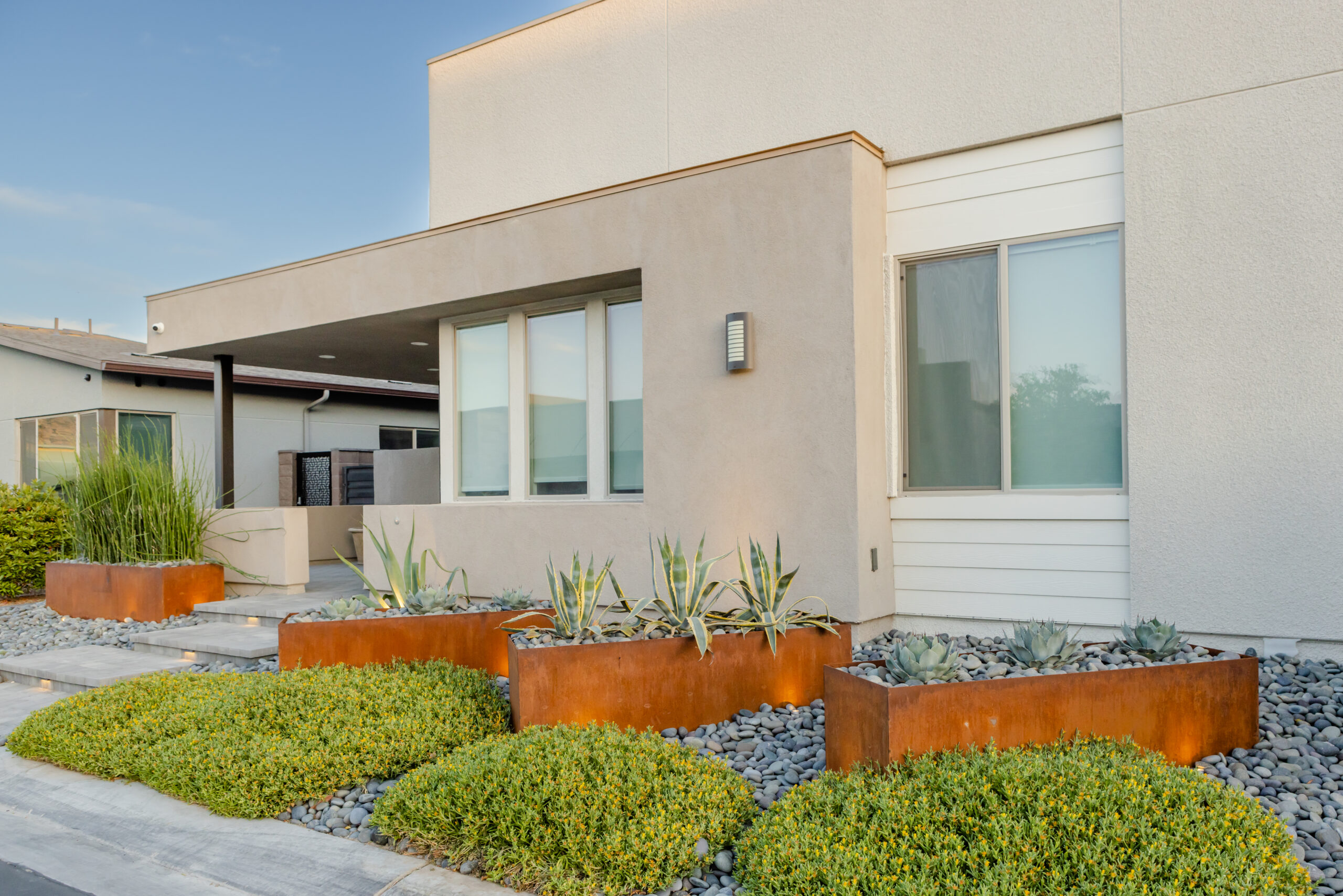
As we approach 2026, the integration of sustainable practices into outdoor kitchen design and landscaping has become increasingly crucial. The outdoor kitchen—a space once reserved for casual summer barbecues—has evolved into a multifunctional area that not only enhances outdoor living but also serves as a pivotal component of sustainable landscaping. With growing awareness of environmental impacts and a push for greener living, homeowners are now prioritizing eco-friendly materials, energy-efficient appliances, and water-conserving designs that harmonize with natural surroundings.
Best practices for outdoor kitchens in sustainable landscaping encompass a range of strategies that promote both environmental stewardship and aesthetic appeal. The selection of locally sourced, durable materials reduces the carbon footprint associated with transportation and enhances the longevity of the kitchen’s elements. Adopting energy-efficient appliances and renewable energy sources, such as solar-powered lighting and cooking equipment, maximizes energy conservation while minimizing utility costs. Furthermore, the integration of native plants and edible gardens not only contributes to biodiversity but also encourages sustainable food practices right outside the kitchen door.
Additionally, the design of outdoor kitchens increasingly prioritizes water conservation through innovative landscaping techniques such as permeable paving, greywater irrigation systems, and drought-resistant plant landscaping. Incorporating these practices creates a cohesive flow between the kitchen, dining areas, and the surrounding environment, promoting a seamless outdoor experience that fosters social interaction while respecting nature. As we delve into the best practices for outdoor kitchens within the framework of sustainable landscaping, we will explore how these innovations not only enhance usability and aesthetics but also support a healthier planet for future generations.
Eco-friendly materials and construction techniques
Eco-friendly materials and construction techniques are paramount in the development of sustainable outdoor kitchens. These kitchens are designed not only for aesthetics and functionality but also with a commitment to reducing their environmental impact. When constructing an outdoor kitchen, using materials that are renewable, recyclable, or sustainably sourced can significantly lower the carbon footprint associated with building. For instance, choosing reclaimed wood for cabinetry, bamboo for countertops, or recycled stone for surfaces can enhance the kitchen’s appeal while promoting sustainability.
In addition to the materials, the construction techniques employed can also make a difference. Techniques that minimize waste and energy consumption, such as modular building methods, can contribute to a more sustainable approach. By using precast elements, one can reduce the need for energy-intensive processes on-site. Additionally, integrating natural elements into the design—such as positioning the kitchen to take advantage of natural light and ventilation—can diminish reliance on electrical lighting and HVAC systems, further reducing energy consumption.
Looking ahead to 2026, best practices for outdoor kitchens in sustainable landscaping will evolve to incorporate even more advanced eco-friendly materials and techniques. The use of smart materials that respond to environmental changes, such as self-cleaning surfaces or heat-reflective finishes, may become more prevalent. Additionally, there may be a greater emphasis on biodegradable or compostable materials in kitchen accessories and furniture. As sustainability becomes a non-negotiable aspect of outdoor living, designers and homeowners alike will prioritize the selection of materials and construction methods that align with environmental conservation efforts.
Incorporating additional features like green roofs or living walls within outdoor kitchens can enhance the eco-friendliness of these spaces, offering insulation and promoting biodiversity. Looking to the future, education on sustainable practices and ongoing advancements in material science will enable more designers and homeowners to make informed choices, leading to more widespread adoption of eco-friendly outdoor kitchens as part of holistic sustainable landscaping efforts.
Water-efficient landscaping and irrigation systems
Water-efficient landscaping and irrigation systems are integral components of sustainable landscaping practices, particularly as climate change intensifies and water scarcity becomes a more pressing issue. By 2026, the focus on these systems will likely grow even stronger, driven by the need to conserve water resources while maintaining beautiful and functional outdoor spaces. Implementing these systems not only minimizes water usage but also enhances the resilience of landscapes, helping them withstand periods of drought while promoting healthier plant growth.
A fundamental aspect of water-efficient landscaping is the use of native plants that have adapted to the local climate and soil conditions. These plants typically require less water and maintenance than non-native species, making them an ideal choice for sustainable gardens. Coupled with smart irrigation systems—such as drip irrigation or soaker hoses—these plants can thrive with minimal water input. Drip irrigation, for example, delivers water directly to the roots of plants, reducing evaporation and runoff, which are significant sources of water loss in traditional irrigation methods.
Incorporating technology into irrigation practices also plays a crucial role. By 2026, the advancement of smart irrigation systems, which can be controlled via smartphone applications, will enable homeowners to monitor and adjust their watering schedules based on real-time weather data and soil moisture levels. This precision not only conserves water but ensures that plants receive the appropriate amount of hydration, ultimately leading to healthier landscapes and reduced water bills. Additionally, implementing rainwater harvesting systems can further enhance water conservation efforts. These systems collect and store rainwater for future use in irrigation, effectively utilizing a natural resource while reducing dependence on municipal water supplies.
To maximize the sustainability of outdoor spaces, employing techniques like xeriscaping—a landscaping method that employs drought-resistant plants and reduces the need for irrigation—will become increasingly popular. By focusing on design elements that prioritize low-water use, such as mulching, careful soil management, and efficient arrangement of plants based on their water needs, landscapes can be beautiful and functional without placing undue stress on water resources.
In conclusion, by prioritizing water-efficient landscaping and innovative irrigation systems as part of sustainable landscaping practices by 2026, homeowners and landscape designers can significantly contribute to water conservation efforts. By embracing native plantings, advanced irrigation technologies, and thoughtful design principles, we can create landscapes that are not only aesthetically pleasing but also resilient and sustainable in the face of environmental challenges.
Energy-efficient appliances and equipment
When planning an outdoor kitchen, choosing energy-efficient appliances and equipment is crucial for creating a sustainable and functional space. Energy-efficient models are designed to consume less energy compared to conventional appliances, which not only reduces the carbon footprint of your outdoor cooking area but also lowers utility bills over time. As technology evolves, more options become available, including solar-powered refrigerators, induction cooktops, and energy-efficient grills. By selecting appliances with ENERGY STAR ratings or similar certifications, homeowners can ensure that their outdoor kitchens are not only stylish and efficient but also eco-friendly.
Moreover, the integration of smart kitchen technology enhances energy efficiency. Smart appliances can provide real-time data on energy usage, allowing homeowners to adjust their use based on available resources. For example, many grills now feature smart technology that can monitor cooking temperatures and ensure optimal fuel efficiency. Additionally, utilizing outdoor cooking methods such as grilling or smoking can reduce energy usage compared to traditional indoor ovens, as they often require less energy and can make use of natural gas or sustainably sourced charcoal, further minimizing environmental impact.
As we look ahead to 2026, sustainable landscaping will likely prioritize energy efficiency in outdoor kitchens more than ever. Homeowners will be encouraged to invest in renewable energy sources, such as solar panels, to power their outdoor cooking areas. The commitment to energy-efficient appliances will go hand-in-hand with broader sustainability goals in landscaping, which emphasize the need for harmony between human activity and natural ecosystems. This integration of energy-efficient appliances not only appeals to eco-conscious consumers but also supports local wildlife by promoting responsible land use practices.
In summary, energy-efficient appliances and equipment in outdoor kitchens represent an essential aspect of sustainable landscaping. As innovations emerge and awareness of sustainability grows, homeowners will increasingly prioritize these features to create outdoor living spaces that are both functional and environmentally responsible. By making thoughtful choices today, we can help pave the way for a more sustainable future in outdoor kitchen design.
Waste management and composting solutions
Effective waste management and composting solutions are crucial components of sustainable outdoor kitchens. As outdoor living spaces become more popular, the need to manage waste efficiently, particularly organic waste, has gained prominence. Composting is an excellent way to reduce the amount of food waste that enters landfills, which contributes to greenhouse gas emissions. By integrating composting solutions into outdoor kitchen setups, homeowners can minimize their waste footprint while creating nutrient-rich soil to enrich their gardens.
In practice, setting up a composting area near the outdoor kitchen can encourage users to dispose of organic waste properly, such as vegetable scraps, coffee grounds, and egg shells. Compost bins or tumblers can be designed to be both functional and aesthetically pleasing, often made from materials that harmonize with the surrounding landscape. The composting process not only diverts waste but also provides the opportunity to educate family members and guests about sustainability practices, fostering a deeper connection to food provenance and environmental stewardship.
As we look towards 2026, best practices for outdoor kitchens in sustainable landscaping will likely focus on the integration of waste management systems as an essential feature. In addition to composting, incorporating recycling stations for materials like glass, plastic, and metal will help promote a more circular economy within the home. The design should encourage easy access to these stations while ensuring they are appealing and unobtrusive. Utilizing biodegradable and compostable serviceware will complement these systems by reducing the reliance on single-use plastics. Altogether, a comprehensive approach to waste management and composting can significantly enhance the sustainability of outdoor kitchens, aligning with broader environmental goals and inspiring others to adopt similar practices.
Integration of native plants and wildlife habitats
The integration of native plants and wildlife habitats in outdoor kitchens is a vital approach to creating a sustainable landscape. This practice not only enhances the aesthetic appeal of outdoor cooking and dining areas but also significantly contributes to the local ecosystem’s health. Using native plants, which are adapted to the local climate and soil conditions, promotes biodiversity and supports local wildlife. Birds, butterflies, and beneficial insects can thrive in these carefully designed habitats, creating an inviting environment that encourages interaction with nature.
By 2026, it’s expected that sustainable landscaping will be focused on maximizing ecological benefits and minimizing environmental impact. Designers and homeowners alike will prioritize the selection of native plants that require less water, pesticides, and fertilizers, thus reducing their overall carbon footprint. Furthermore, integrating these plants with outdoor kitchens can help in creating microhabitats that can naturally control pests and support pollinators. For example, planting flowering perennials near dining areas can attract pollinators, while strategically placing shrubs can provide shelter for birds and small mammals.
Additionally, creating a wildlife habitat can involve the implementation of features like bird feeders, butterfly gardens, and even water features that can sustain local wildlife. These elements can harmonize with the outdoor kitchen setup, ensuring that users experience a seamless connection to nature as they cook and entertain. When planning outdoor kitchens, careful consideration of layout and plant selection can lead to the development of multifaceted spaces that are not only functional but also serve as a sanctuary for local wildlife.
Best practices for integrating native plants and wildlife habitats will involve thorough site analysis to identify existing flora and fauna, understanding the specific needs of native species, and providing conditions that allow them to thrive. The incorporation of features such as composting bins, which create nutrient-rich soil for the garden, and rain gardens that help manage stormwater runoff will be essential in promoting sustainability. As homeowners increasingly lean towards eco-conscious decisions, the melding of outdoor kitchens with native plantings will grow in popularity, creating vibrant, functional landscapes that celebrate and protect local ecosystems.