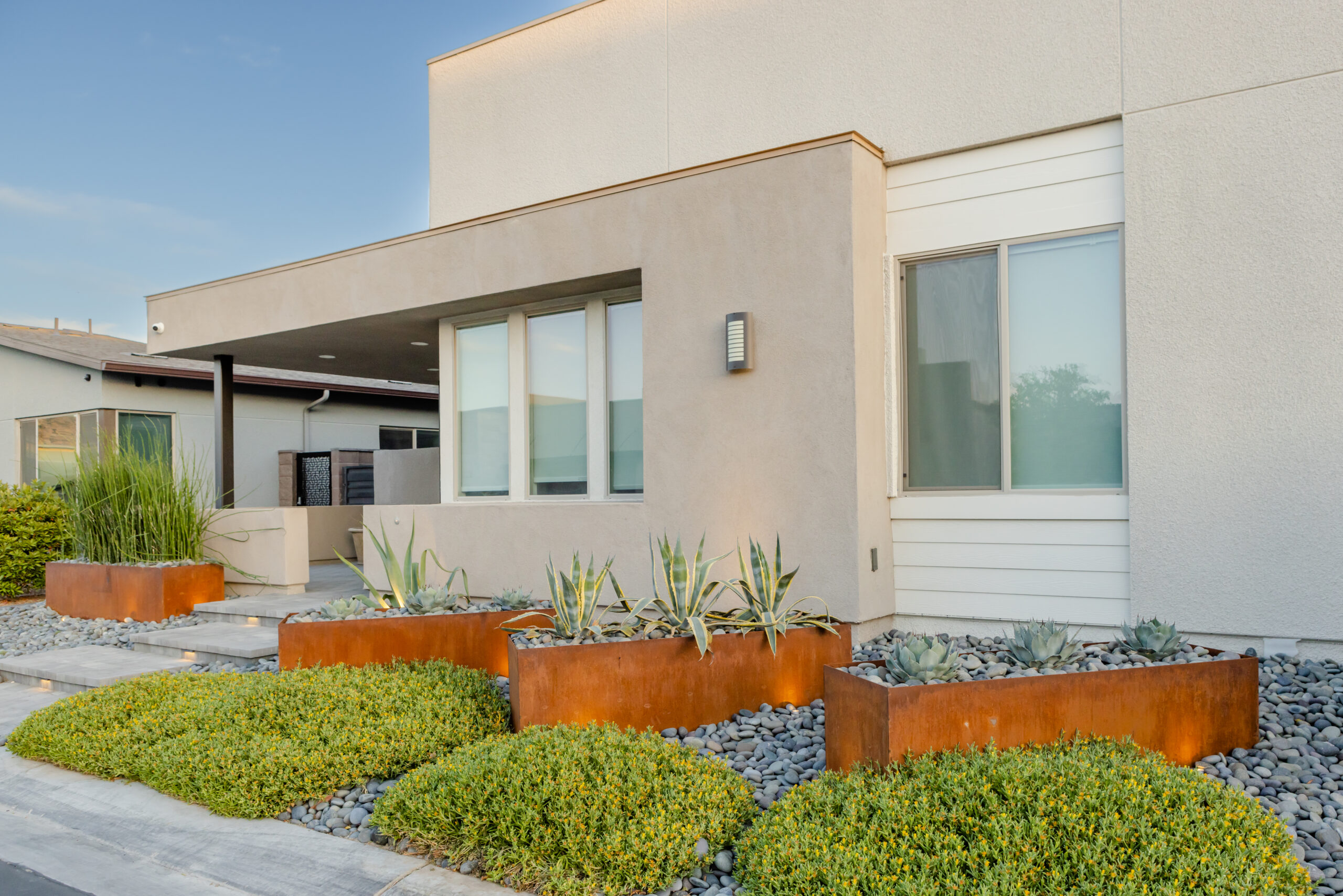
As we step into 2026, the world of gardening continues to evolve, with minimalist garden styles emerging as a leading design philosophy that captivates both novice and seasoned gardeners alike. The essence of minimalism in gardening lies in its commitment to simplicity, functionality, and harmony with nature, offering a serene respite from the chaos of modern life. This approach not only promotes environmental sustainability but also emphasizes the aesthetic value of carefully curated spaces devoid of unnecessary clutter.
Expert advice on adopting minimalist garden styles in this year emphasizes the careful selection of plants, materials, and design elements that embody the minimalist ethos. In 2026, the trend increasingly leans towards native species and drought-tolerant plants that not only enhance biodiversity but also reduce the need for excessive maintenance. Homeowners are encouraged to embrace the concept of “less is more,” focusing on the quality and placement of each plant while allowing negative space to play a crucial role in the overall design.
Moreover, advancements in technology and eco-friendly practices are making it easier than ever to implement minimalist gardening principles. From using sustainable materials for hardscaping to integrating smart irrigation systems that conserve water, today’s gardeners have access to tools that align with their desire for a streamlined, efficient garden. This article will explore expert recommendations on how to cultivate a minimalist garden in 2026, covering essential tips on layout, plant selection, and maintenance strategies that ensure not only aesthetic appeal but also sustainability in our ever-changing environment. Join us as we delve into the transformative power of minimalist gardening and discover how it can lead to a more balanced, mindful lifestyle in the years to come.
Sustainable Materials and Resources
In recent years, the emphasis on sustainability has transformed the garden design landscape, and this trend is set to continue gaining prominence in 2026. Sustainable materials and resources refer to the use of eco-friendly, renewable, and low-impact components in garden construction and landscaping. This can include naturally sourced woods, recycled materials, permeable paving, and non-toxic finishes. By selecting materials that are sourced sustainably, gardeners contribute to the health of the environment by reducing ecological footprints, preserving natural habitats, and minimizing waste.
Choosing sustainable materials also sets a precedent for responsible consumption, prompting both homeowners and designers to consider their impact on the planet. As gardening enthusiasts increasingly seek out innovative solutions, options such as bamboo, reclaimed wood, or composite materials made from recycled plastic are becoming increasingly popular. These alternatives not only enhance the aesthetic appeal of a garden but also promote longevity and resilience against wear and tear. Such choices resonate with the core principles of minimalist garden styles, which advocate for simplicity and functionality without compromising on style.
In 2026, the blend of sustainability with minimalist garden design will be further emphasized by advancements in technology. For instance, smart irrigation systems that utilize data to reduce water usage can work in tandem with sustainable materials to create a more efficient and environmentally-friendly garden. Additionally, the selection of sustainable resources can contribute to a streamlined design approach, helping gardeners to focus less on maintenance and more on the enjoyment of their outdoor spaces.
When embracing minimalist garden styles through the lens of sustainability, consider incorporating native plants into the design, as they typically require less water and are better suited to local climates. This approach aligns with the minimalist philosophy of reducing unnecessary complexity while maximizing natural beauty. The harmonious integration of sustainable materials and minimalist elements allows for the creation of gardens that are both aesthetically pleasing and environmentally responsible, truly reflecting a modern approach to outdoor spaces.
Selection of Low-Maintenance Plants
The selection of low-maintenance plants is a cornerstone of minimalist garden styles, particularly in 2026, where the focus shifts towards creating serene outdoor spaces that require less attention and vigilance. In this busy world, many homeowners and gardeners seek to cultivate environments that let nature flourish without excessive intervention. The philosophy behind minimalism emphasizes simplicity and efficiency — principles that can be seamlessly integrated into garden designs by choosing the right plants.
Low-maintenance plants typically include native species or varieties specifically bred for drought resistance, pest resilience, and overall hardiness. These plants are not only easier to care for, requiring fewer resources like water and fertilizer, but they also promote local biodiversity and contribute to the sustainability of the garden ecosystem. In 2026, it will be essential for garden designers and enthusiasts to consider options such as ornamental grasses, succulents, and perennials that thrive in various conditions, thus reducing the need for constant upkeep.
Moreover, when making selections, consider groupings that provide texture and color throughout the seasons while maintaining a cohesive look. Layers of plant heights and varying leaf shapes can create visual interest without necessitating a crowded design — a key principle of minimalist gardening. It is also advisable to incorporate ground covers that suppress weeds, as they reduce the need for labor-intensive weeding sessions.
Expert advice for using minimalist garden styles includes not only plant selection but also proper positioning to take advantage of sunlight and water drainage. Grouping plants with similar needs together can streamline maintenance efforts and ensure each plant thrives in its ideal environment. As more homeowners embrace technological solutions, integrating smart irrigation systems that can monitor soil moisture can also complement the low-maintenance ethos significantly. As we move further into 2026, the goal remains to strike a balance between aesthetics and practicality, ensuring that gardens are not only beautiful but also functional and sustainable.
Creating Functional Outdoor Spaces
Creating functional outdoor spaces is a key aspect of minimalist garden design, which emphasizes simplicity and purpose while still delivering aesthetic appeal. In 2026, the trend is likely to lean towards environments that blend seamlessly with nature, focusing on how outdoor areas can serve multiple functions while remaining visually uncluttered. Homeowners are increasingly recognizing that their yards can be more than just a patch of grass; they can be extensions of their living spaces, designed to enhance activities such as dining, relaxation, and socializing.
One of the first steps in creating functional outdoor spaces is to carefully assess the natural flow of the area and the needs of its users. A successful minimalist garden layout prioritizes soothing pathways, clearly defined zones, and intuitive transitions between different functionalities. For example, a simple patio can transform into an outdoor dining area, while a small fire pit encircled by a few well-placed benches can serve as a cozy gathering spot during cooler evenings. The careful selection of furniture and fixtures is paramount. Opting for high-quality, weather-resistant materials enhances durability and ensures that the furniture complements the overall aesthetic without overwhelming it.
In 2026, integrating eco-friendly practices will also play a crucial role in outdoor space functionality. The use of native plants and sustainable landscaping techniques not only attracts local wildlife but also reduces the need for excessive watering and maintenance. This approach ties back into the minimalist ethos of eliminating excess while promoting a sense of connection to the surrounding environment. Incorporating features like rain gardens or permeable pavements can further enhance both functional and ecological aspects of minimalist gardens, making them not just beautiful spaces but responsible ones as well.
Expert advice for creating functional outdoor spaces in minimalist gardens this year includes ensuring that every element serves a clear purpose. For instance, consider investing in multipurpose furniture such as benches that provide storage or tables that can expand for larger gatherings. Flexibility is key, allowing space to adapt for different activities and gatherings throughout the seasons. Moreover, emphasizing the importance of natural light and shade can significantly impact how outdoor areas function, with thoughtful placement of trees, pergolas, or shade sails encouraging use during various times of the day or year. Finally, cultivating a simple yet effective maintenance routine can help maintain the beauty and functionality of your outdoor spaces for years to come, keeping with the minimalist philosophy of “less is more.”
Integration with Smart Garden Technology
As we move into 2026, the integration of smart garden technology is transforming the way we approach minimalist gardening. This trend embraces the use of advanced tools and systems that not only enhance the aesthetics of a garden but also improve its functionality and sustainability. Smart technology in gardening includes a range of devices such as automated irrigation systems, soil moisture sensors, and apps that help in monitoring plant health. These technologies allow gardeners to maintain a minimalist approach by streamlining their gardening tasks and reducing the time and effort required to keep the space flourishing.
The incorporation of smart technology can be particularly beneficial in minimalist gardens, where the focus is on simplicity and efficiency. Automated systems can handle watering and fertilization based on real-time data, ensuring that plants receive exactly what they need without excess. This precision helps in maintaining a clean, uncluttered landscape, as gardeners can minimize the tools and supplies required for upkeep. Additionally, apps can provide reminders for necessary tasks or alerts about environmental changes, allowing gardeners to respond proactively without unnecessary hassle.
Expert advice for utilizing these technologies effectively includes starting with a central control system that can connect various garden components, such as lighting, irrigation, and plant monitoring. Choosing devices that are compatible with one another and can be controlled via a single app enhances ease of use. Moreover, investing in solar-powered devices not only reduces energy consumption but aligns well with the principles of sustainable, minimalist gardening.
It’s important to consider the installation and maintenance of such technology, as improper implementation could defeat the goal of simplification. Homeowners should aim for systems that are user-friendly and require minimal intervention—this reinforces the minimalist philosophy that every element in the garden should contribute to beauty and ease. In 2026, as gardens continue to evolve, combining smart technology with minimalist designs will not only cater to the aesthetic preferences of gardeners but also foster an environment that is responsive, efficient, and a joy to maintain.
Seasonal Adaptability and Climate Considerations
Seasonal adaptability and climate considerations are pivotal elements in the design and maintenance of a minimalist garden, especially in 2026. As climate change continues to influence weather patterns, gardeners must be astute in their choices to ensure their gardens not only thrive but resonate with the shifting seasons. This means selecting plant species and designing layouts that can endure varying conditions—from intense summer heat and sudden winter frost to unpredictable rainfall. A successful minimalist garden embraces the beauty of seasonal transitions, using the sparse planting characteristic of minimalist design to highlight changes with minimal fuss.
One of the primary aspects of seasonal adaptability involves understanding the local climate and choosing flora that can withstand it. In 2026, the push towards native plants remains strong as they are well-suited to local conditions, require less water, and support local wildlife. Incorporating perennials that bloom at different times throughout the growing season can create a cohesive design that evolves in beauty and interest year-round, allowing gardeners to appreciate the subtle changes and the inherent resilience of their landscape. Furthermore, a minimalist approach to hardscape can enhance these seasonal shifts; simple pathways can lead the eye to focal points that change with the seasons, such as ornamental grasses that shift color and shape throughout the year.
Expert advice for utilizing seasonal adaptability effectively includes keeping a detailed garden calendar. This schedule can guide planting times, maintenance tasks, and seasonal interests. Additionally, incorporating seasonal features like deciduous trees for summer shade or evergreens for winter structure not only enhances aesthetic appeal but also improves microclimates within the garden. Seasonal color contrasts—using a mindful selection of foliage and flowers—can be effectively achieved through researched planting schemes, allowing for visual interest that doesn’t overwhelm the senses, which is a hallmark of minimalist styles.
Finally, considering technology’s role in garden adaptation is crucial. In 2026, innovative irrigation systems can help manage water efficiently according to seasonal needs, while garden monitoring apps can provide alerts on weather changes, reminding gardeners to adjust practices accordingly. Overall, blending thoughtful planning with seasonal responsiveness and technological support will yield a minimalist garden that remains beautiful and functional throughout the year.