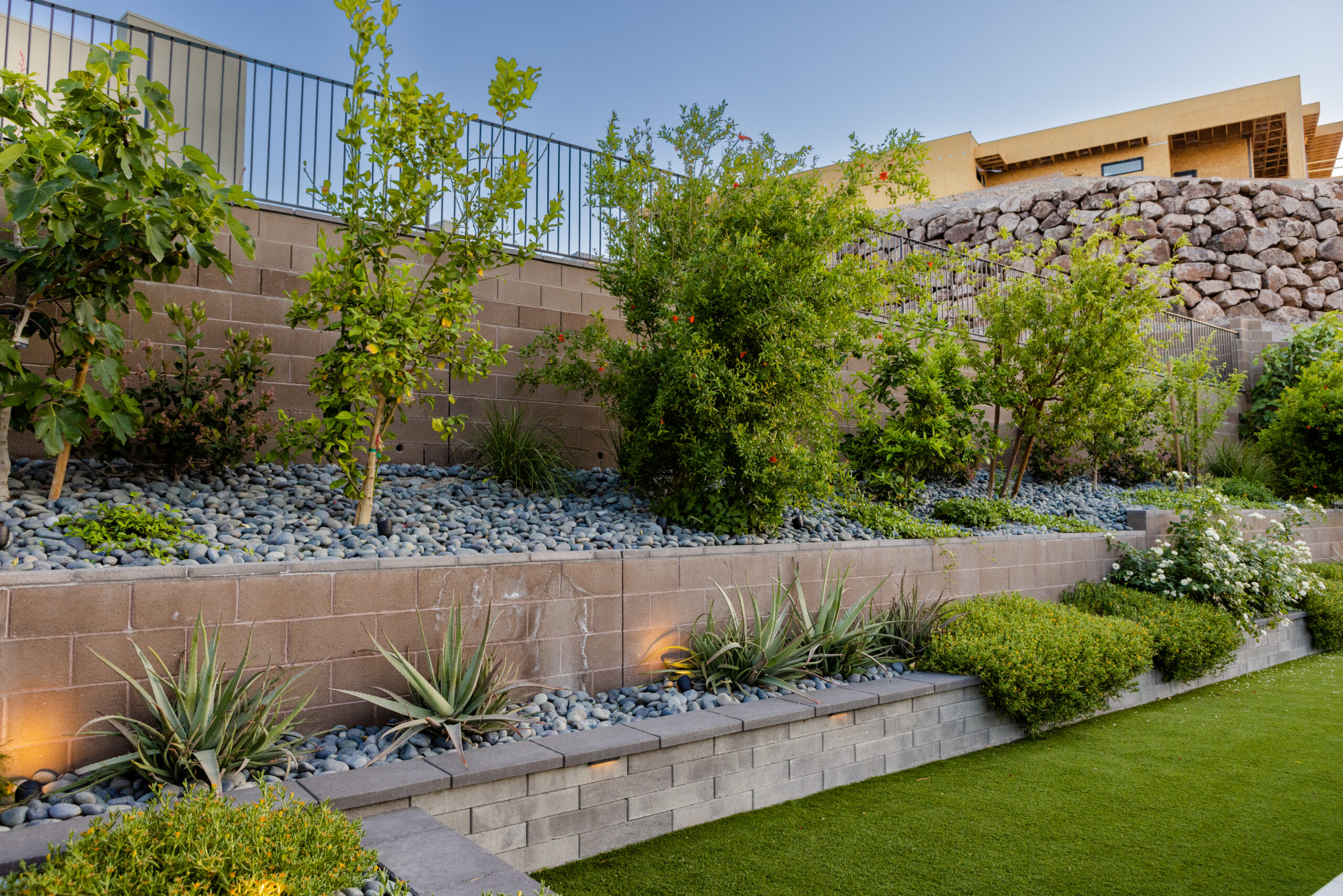
When it comes to transforming outdoor spaces, the dual concepts of hardscaping and softscaping play crucial roles, particularly in the unique climate and landscape of Las Vegas. As the city thrives in the embrace of the Mojave Desert, with its sun-drenched days and minimal rainfall, understanding the balance between hardscaping—using non-plant elements like stone, concrete, and wood—and softscaping, which encompasses greenery and organic materials, becomes essential for even the most basic garden design.
In Las Vegas, where the allure of the desert meets the need for vibrant outdoor enjoyment, the integration of hardscape and softscape can evoke a sense of tranquility reminiscent of a Zen garden. Picture a serene oasis where precisely placed stones blend harmoniously with thoughtfully curated plant life—a sanctuary that offers respite from the hustle and bustle of urban living. It’s here that the art of landscaping transcends mere aesthetics, inviting us to create spaces that promote peace and mindfulness.
As we delve into the intricacies of hardscaping versus softscaping, the contrasts and collaborations between these two elements will emerge. This guide aims to equip you with the knowledge needed to design your own outdoor retreat in Las Vegas, embracing both the durability of hard surfaces and the delicate beauty of soft plant life. From the elegant lines of a stone pathway to the gentle sway of ornamental grasses, understanding these components will empower you to cultivate an outdoor experience that not only stands the test of time but also nurtures the spirit.
Design Principles of Hardscaping and Softscaping
The design principles of hardscaping and softscaping are fundamental to creating an aesthetically pleasing and functional outdoor space, particularly in a unique environment like Las Vegas. Hardscaping refers to the non-plant elements of landscaping—such as patios, walkways, walls, and decks—while softscaping pertains to the living elements, including trees, shrubs, flowers, and grasses. Balancing these two components is crucial in achieving harmony within a landscape design.
In a city like Las Vegas, where the desert climate poses challenges for both plant growth and water conservation, integrating hardscaping into landscape designs offers significant advantages. Hardscaping provides structure and functionality, allowing for outdoor spaces that can be utilized for various activities, from social gatherings to quiet contemplation. Materials like stone, concrete, and gravel not only serve practical purposes but can also enhance the visual appeal of a garden.
On the other hand, softscaping adds life and vibrancy to hardscaped areas. The selection of plants that thrive in arid conditions is essential. Incorporating plants with a delicate Zen aesthetic can create a tranquil atmosphere reminiscent of traditional Japanese gardens. These gardens prioritize simplicity, natural lines, and a sense of peace, which can be achieved through careful selection of plants alongside well-placed hardscaping features.
In Las Vegas, the interplay between hardscaping and softscaping can lead to an exquisite landscape that adheres to the principles of Feng Shui and Zen design philosophy. By ensuring that hardscaping elements like paths and seating areas are harmoniously integrated with softscaping elements, such as serene water features, raked gravel, and strategically placed flora, homeowners can create a Zen garden feel that serves as a tranquil escape from the city’s bustling lifestyle. The result is an outdoor sanctuary that invites relaxation and reflection, enhancing both the aesthetic and experiential qualities of the space.
Water Efficiency and Desert Landscaping
When it comes to landscaping in arid environments like Las Vegas, water efficiency is a crucial consideration. The desert landscape’s natural dryness demands careful planning and innovative techniques to conserve precious water resources. This involves selecting appropriate plants, hardscaping elements, and irrigation systems that optimize water use and promote sustainability. In this region, desert landscaping is often characterized by xeriscaping principles, which emphasize minimal water use through thoughtful design and plant selection.
In a Las Vegas context, water-efficient landscaping solutions often include the use of native and drought-resistant plants that thrive in the desert climate. These plants not only require less water but also create a beautiful and harmonious landscape that resonates with the surroundings. Grass lawns, often seen as a traditional feature, are typically minimized or used judiciously. Instead, alternatives such as ground covers, gravel, and decorative rocks help create spaces that are visually appealing without wasting water.
Additionally, hardscaping features in desert landscaping play a pivotal role in enhancing water efficiency. Paths, patios, and walls made from materials like stone, concrete, or pavers can reduce water runoff and increase the effectiveness of the irrigation system. By incorporating permeable materials, landscape designers can allow rainwater and irrigation to soak into the ground, reducing the need for additional watering.
Creating a Zen garden feel in a desert landscape harmonizes beautifully with these principles. Zen gardens often feature elements like stones, sand, and minimalist plant arrangements that evoke calm and tranquility. Integrating water-efficient design with the aesthetic appeal of a Zen garden can create a serene outdoor space that invites mindfulness and relaxation. Through thoughtful planning, incorporating hardscaping elements that reflect simplicity and elegance while ensuring minimal water usage can lead to a sustainable and visually captivating landscape that flourishes in the arid Las Vegas climate.
Plant Selection for Zen Aesthetics
When it comes to creating a Zen garden feel, plant selection is one of the most crucial aspects of both hardscaping and softscaping in Las Vegas. Zen gardens, often characterized by minimalism and tranquility, require plants that embody simplicity while enhancing the overall aesthetic. In this context, choosing the right plants means opting for species that thrive in the arid climate of the desert while providing visual interest, texture, and calm. Native plants such as agave, succulents, and ornamental grasses are particularly well-suited for creating a serene environment. These plants not only adhere to the principles of Zen philosophy but also require minimal water, aligning well with sustainable practices and desert landscaping techniques.
The use of color and texture plays a vital role in shaping the overall atmosphere of a Zen garden. For instance, the silvery hues of certain succulents can contrast beautifully against the warm, earthy tones of gravel or stone, often used in hardscaping elements. Furthermore, clustering plants of various heights and forms creates depth and dimension that invites contemplation. In a fiercely sunny environment like Las Vegas, selecting drought-resistant species ensures that the garden remains vibrant without excessive maintenance or water demands. Additionally, layering plants—placing taller varieties at the back and shorter ones at the front—can emulate the richness of natural landscapes, aiding in achieving that desired tranquil aesthetic.
When considering hardscaping in tandem with plant selection, pathways and stone arrangements should complement the selected plants rather than overshadow them. The interplay between natural elements and engineered features is key to establishing a harmonious Zen garden. Softscaping elements should flow seamlessly with the hard surfaces, allowing for a serene journey through the space. Creating areas for meditation, seating, or contemplation that are surrounded by thoughtfully chosen plants can further enhance the Zen experience. With the right combination of strategic plant selection and hardscape design, a garden can embody a true sense of peace and reflection, an oasis of calm amidst the bustling urban environment of Las Vegas.
In summary, plant selection for a Zen garden feel in Las Vegas involves prioritizing low-maintenance, drought-resistant species that align with the goals of minimalism and tranquility. By thoughtfully combining these elements with hardscaping features, one can create a peaceful, sustainable environment that embodies the essence of a Zen garden while thriving in the unique conditions of the desert landscape. This careful balancing of hardscaping and softscaping ultimately cultivates a serene retreat that reflects the principles of Zen philosophy.
Maintenance Requirements and Sustainability
When it comes to landscaping in a desert environment like Las Vegas, understanding the maintenance requirements and sustainability of both hardscaping and softscaping is crucial. Hardscaping typically involves the use of non-plant materials, such as stone, concrete, and wood, which require minimal ongoing maintenance. These elements can provide structure and durability to a landscape design, reducing the need for frequent upkeep. For example, a well-constructed stone pathway or a patio made from pavers may only require occasional cleaning and sealing to maintain its appearance, making it an attractive option for busy homeowners or commercial property managers.
On the other hand, softscaping, which involves living elements such as plants, requires a different level of care and attention. In the context of a Zen garden, the plants selected should be drought-resistant and require minimal water to thrive, thereby enhancing the sustainability of the garden. Regular maintenance tasks may include pruning, fertilizing, and monitoring for pests or diseases. However, choosing native or adapted plants can significantly decrease the time and resources needed for maintenance.
In Las Vegas, where water conservation is paramount, a sustainable landscape should leverage xeriscaping techniques. This approach combines the strategic use of hardscape materials with drought-tolerant plants to create a visually appealing yet low-maintenance environment. By thoughtfully planning the layout and selecting materials that harmonize with the natural desert surroundings, homeowners can create a Zen garden that promotes tranquility while reducing their ecological footprint. Features such as gravel paths and rock gardens can complement the plants, reflecting a natural aesthetic while also minimizing water use.
Ultimately, the choice between hardscaping and softscaping comes down to the desired balance between aesthetic appeal and maintenance responsibilities. A successful landscape design in Las Vegas should aim to harmonize these elements, ensuring that the garden not only serves as a sanctuary of peace and mindfulness but also adheres to the principles of sustainability.
Integration of Natural Elements and Stone Features
The integration of natural elements and stone features is a captivating aspect of landscaping that harmonizes with the essence of a Zen garden, particularly in a unique environment like Las Vegas. This desert climate welcomes creativity through the thoughtful incorporation of both man-made materials and organic designs. When designing a landscape, integrating natural stone features such as boulders, gravel paths, and water elements creates a serene atmosphere that embodies the tranquility often sought in Zen philosophy.
Natural stone can be used to create focal points in the landscape, serving as both aesthetic enhancements and functional components. For instance, large rock formations can hold significant visual weight, anchoring spaces and drawing the eye. Pathways made of flagstone or decomposed granite invite walking while enhancing the connection to the surrounding nature. This approach not only provides a tactile experience but also encourages mindfulness as individuals navigate through the space.
Incorporating soft elements—like strategically placed shrubs or low-maintenance succulents—against these stone features introduces a dynamic of contrast that is both visually appealing and calming. The interplay between hardscaping (the stone) and softscaping (the plants) contributes to the overall balance and harmony of the landscape. It invites an appreciation for the natural beauty of the environment while recognizing the need for thoughtful design.
In a place like Las Vegas, where water conservation is paramount, careful selection of stone features can serve practical purposes as well. Properly laid out, they can control runoff, manage erosion, and contribute to the landscape’s overall sustainability. Additionally, creating contemplative spaces with bamboo, gravel, and carefully chosen stones can amplify the Zen experience, leading to areas vibrant with textures and soothing sounds. The marriage of these elements reflects not only the beauty of the landscape but also the philosophy of peaceful coexistence with nature, a fundamental tenet of Zen garden design.