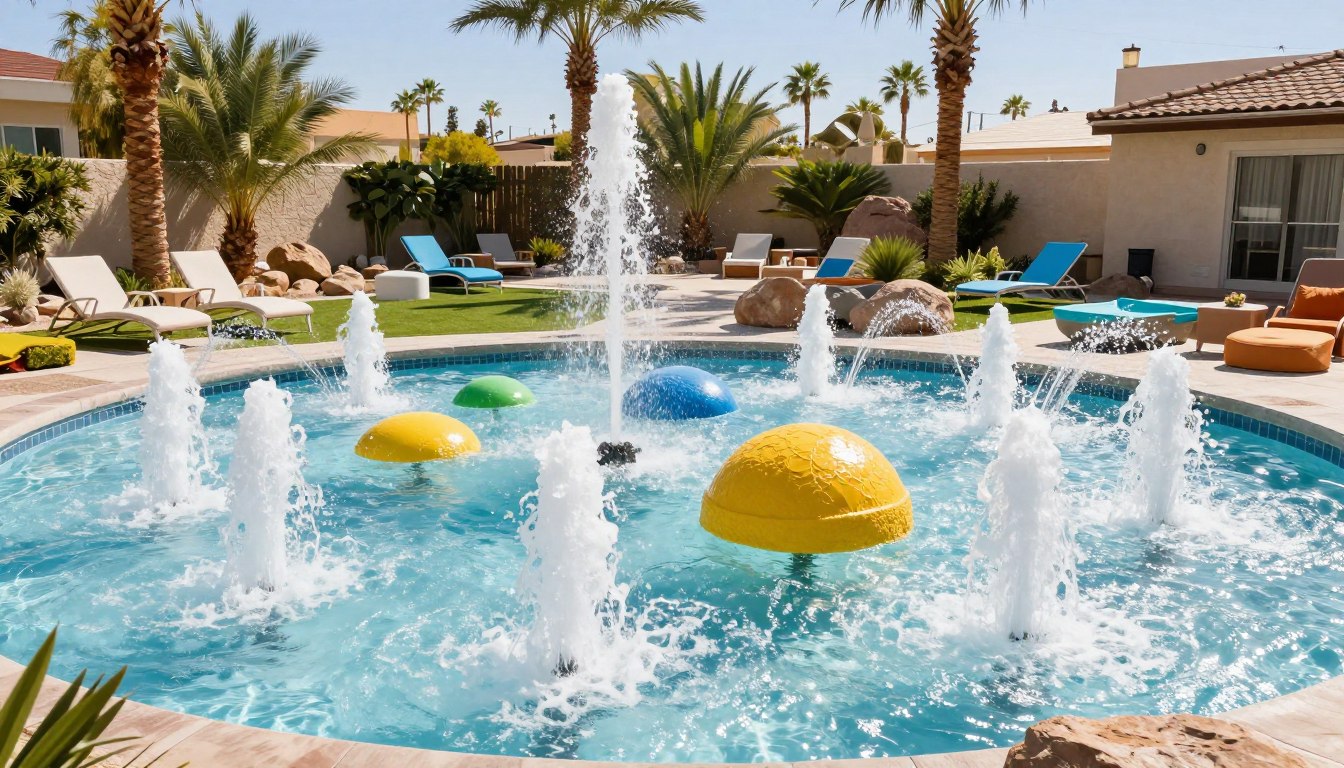
As we look toward the gardening and landscaping trends of 2026, one cannot overlook the profound influence of reclaimed stone on contemporary landscape design. With an increasing emphasis on sustainability and ecological integrity, reclaimed stone has emerged as a cornerstone of modern landscaping practices, offering a unique blend of aesthetic appeal, historical significance, and environmental consciousness. Gardeners and designers alike are redefining traditional concepts of beauty by integrating natural materials that tell a story, evoke a sense of place, and minimize environmental impact.
In recent years, the push for sustainability has transformed how we approach outdoor spaces. The trend of utilizing reclaimed materials, particularly stone, reflects an overarching commitment to reducing waste and promoting eco-friendly practices. Reclaimed stone not only reduces the demand for new quarrying but also repurposes materials that may otherwise contribute to landfill overflow. As we enter 2026, this trend has gained momentum, with landscaping projects increasingly featuring stone salvaged from old buildings, historical sites, and various other sources, allowing designers to create landscapes that are not only visually striking but also rich in character and history.
Moreover, as urbanization continues to reshape our living environments, the challenge of integrating nature into cityscapes has never been more pressing. Reclaimed stone serves as an effective solution, providing durable, natural elements that facilitate harmonious interactions between built and natural environments. The unique textures, colors, and forms of reclaimed stone offer designers an array of creative possibilities—from rustic pathways to elegant water features—transforming gardens into reflection of both natural landscapes and human history. In this evolving landscape of ideas and practices, reclaimed stone stands out as a vital component of innovative and responsible landscape design, making its mark on the world of gardening as we enter a new era of environmental awareness and aesthetic exploration.

Sustainability and Environmental Impact
In recent years, the focus on sustainability in landscaping has become increasingly pronounced, and by 2026, the influence of reclaimed stone on modern landscaping is substantial. Reclaimed stone, which refers to the reuse of stone materials from old buildings, pavements, and other structures, epitomizes the principles of sustainable design by reducing waste and minimizing the carbon footprint associated with new material production. Utilizing reclaimed stone not only lessens the demand for virgin resources but also promotes the responsible use of materials, which is essential for preserving the planet’s ecosystems.
The environmental impact of reclaimed stone extends beyond its sourcing; it plays a crucial role in the overall lifecycle of landscaping projects. By integrating reclaimed stone into modern designs, landscapers promote biodiversity and support eco-friendly practices. For instance, stones can help create natural habitats for local wildlife when used thoughtfully in gardens and public spaces. By choosing materials that have a lower impact on the environment, designers encourage clients and the public to appreciate and prioritize sustainability in all aspects of landscape architecture.
In 2026, as urban areas continue to expand, the need for sustainable solutions becomes even more critical. The application of reclaimed stone in both residential and commercial landscaping showcases innovative approaches to hardscaping that marry form and function while advocating for ecological preservation. This trend often leads to the incorporation of other sustainable elements, such as rain gardens or permeable paving that allow for effective water management without compromising aesthetics. The synergy between recycled materials and modern design trends such as minimalism and naturalism inspires a fresh wave of landscaping that harmonizes with nature and the environment. Ultimately, the commitment to using reclaimed stone reflects a broader cultural shift towards prioritizing sustainable development and responsible consumption in every facet of life.
Aesthetic Trends and Design Inspirations
In 2026, the integration of reclaimed stone into modern landscaping is characterized by a rich interplay of aesthetic trends and design inspirations that reflect both a respect for nature and a nod to historical aesthetics. The use of reclaimed stone allows landscape architects and homeowners alike to create visually striking spaces that have a story to tell. The textures, colors, and unique imperfections of reclaimed stone offer a distinct contrast to the uniformity often found in new materials, providing depth and character to outdoor environments. This is particularly appealing in an age where personalization and individuality in design are highly valued.
The versatility of reclaimed stone has led to a resurgence in styles that blend rustic charm with contemporary minimalism. Designers are embracing the organic forms of stone, using it in pathways, garden walls, and water features to create focal points that harmonize with the natural landscape. This trend is not just about aesthetics; it reflects a broader societal shift towards valuing authenticity in design. The presence of reclaimed stone in landscaping is often perceived as more sustainable and environmentally friendly, appealing to the increasingly eco-conscious consumer. This aligns perfectly with the 2026 trends that prioritize sustainability, where aesthetics are complemented by a commitment to preserving the environment.
Furthermore, the influence of reclaimed stone extends beyond just the physical characteristics of landscape design. It serves as a source of inspiration that encourages creativity in pairings with other materials such as wood, metal, and glass. In 2026, landscapes are becoming collaborative canvases that invite the blending of old and new elements, leading to innovative designs that can transcend traditional boundaries. For example, a reclaimed stone patio can seamlessly integrate with sleek modern furniture or lush green plantings, creating a juxtaposition that speaks to both historical reverence and current trends. This dynamic interplay not only enriches the visual appeal of landscapes but also promotes a deeper connection between people and their outdoor spaces, reinforcing the notion that our environments can convey stories, histories, and a sense of place.
Overall, the trend of incorporating reclaimed stone in landscaping in 2026 highlights an evolving perspective on design—one that prioritizes aesthetic value alongside sustainability and cultural appreciation. It symbolizes a landscape that not only serves practical functions but also reflects the character and values of its inhabitants, thereby ushering in an era where design choices are thoughtful, intentional, and infused with meaningful narratives.
Cost-Effectiveness and Resource Management
In recent years, the concept of cost-effectiveness and resource management in landscaping has become increasingly important, especially as sustainability initiatives gain traction. As we approach 2026, the integration of reclaimed stone into landscaping practices reflects a significant shift towards more economical and responsible resource use. Reclaimed stone, taken from deconstructed buildings, old pathways, and other structures, offers a dual benefit: it reduces the demand for newly quarried materials, thereby conserving natural resources and lowering greenhouse gas emissions associated with stone production.
One of the primary advantages of using reclaimed stone is its economic potential. Utilizing these materials often results in substantial cost savings for landscapers and homeowners. Not only do they avoid the higher costs of new stone, but reclaimed materials can often be sourced locally, reducing transportation expenses. Additionally, the unique character of reclaimed stone adds an aesthetic appeal that can enhance property values, making it a prudent investment in terms of long-term financial returns. In a world grappling with the challenges posed by climate change, economical resource management is paramount. By opting for reclaimed stone, landscapers play a vital role in promoting adaptive reuse and reducing waste, leading to more environmentally balanced landscaping practices.
Furthermore, the trend of merging traditional materials, like reclaimed stone, with modern landscaping techniques showcases a versatile approach to design. As landscape architects become more focused on sustainability, they are increasingly incorporating reclaimed materials into their designs to create visually striking and historically rich spaces. By blending these authentic elements with contemporary landscaping innovations, designers can create harmonious environments that tell a story while also adhering to budget constraints. This not only highlights the craftsmanship and heritage associated with reclaimed stone but also encourages a more thoughtful approach to resource management in the landscaping industry.
In 2026 and beyond, with the ongoing focus on sustainable living, we can expect the cost-effectiveness and resource management benefits of using reclaimed stone to have a lasting influence on landscaping practices. This trend promotes not only economic savings but also stewardship of the environment, aligning modern landscaping with broader ecological goals. As society increasingly values sustainable practices, the role of reclaimed materials in creating beautiful and functional landscapes will undoubtedly continue to grow, shaping a more responsible approach to outdoor design.
Integration with Smart Landscaping Technologies
In 2026, the integration of reclaimed stone in landscaping is significantly influenced by advancements in smart landscaping technologies. As environmental consciousness grows, reclaiming and repurposing stone not only mitigates the destructive impact of quarrying new materials but also aligns with the technological trends that prioritize efficiency and sustainability. Smart landscaping technologies, incorporating IoT (Internet of Things), artificial intelligence, and automated systems, create a seamless blend with reclaimed stone, enhancing both functionality and aesthetics in outdoor spaces.
Smart landscaping systems can monitor environmental conditions—like soil moisture, light levels, and weather patterns—allowing for optimized water usage, which is particularly beneficial when using porous materials like reclaimed stone. This technology allows landscapes to adaptively respond to the needs of plants and ecosystems, promoting healthier growth while conserving resources. For example, strategically placing reclaimed stone to enhance drainage in certain areas not only adds natural beauty but also supports smart irrigation systems that ensure plants receive just the right amount of water, thus reducing waste.
Moreover, the aesthetic appeal of reclaimed stone serves as a backdrop for technological enhancements. Garden designers are increasingly using reclaimed stone not just for pathways and walls but as integral parts of interactive installations that might feature lighting, sound, or even temperature regulation through smart materials. These stone elements can be embedded with sensors or integrated into smart furniture, creating multifunctional spaces that harmonize with nature and technology.
The merging of reclaimed stone with innovative technologies also highlights a cultural shift towards valuing craftsmanship and sustainability. In 2026, homeowners and landscape designers are likely to prioritize designs that tell a story—one of history, locality, and ecological responsibility. By integrating reclaimed stone, landscapes can narrate their past while demonstrating a commitment to modern ecological ideals. Thus, the thoughtful fusion of these materials with smart technology not only enhances the functionality of landscapes but also reflects a broader societal movement towards sustainable living and ecological mindfulness.
Preservation of Historical and Cultural Aspects
The preservation of historical and cultural aspects in modern landscaping has taken on renewed significance, especially in 2026, as communities and designers increasingly recognize the importance of connecting with the past while shaping serene outdoor spaces. By incorporating reclaimed stone into landscaping projects, designers pay homage to historical architecture and local heritage. Reclaimed stone not only tells a story of its previous life but also serves as a bridge between past and present, allowing for a more profound appreciation of local history.
In contemporary landscaping, reclaimed stone can be utilized in various ways—such as pathways, walls, and seating areas—to evoke a sense of durability and timelessness. This practice promotes a unique aesthetic that blends seamlessly with both classic and modern designs, creating versatile environments that resonate with local cultural narratives. By doing so, landscape architects can foster a deeper sense of place, encouraging community engagement and pride. The character inherent in reclaimed stone signifies craftsmanship and sustainable practices, both highly valued in today’s design landscape.
Furthermore, as urban areas continue to evolve and evolve, integrating historical elements becomes crucial for maintaining cultural identity amid rapid development. Reclaimed stone serves as a reminder of collective memory, enhancing outdoor spaces with visual storytelling that can intrigue and educate residents and visitors alike. Beyond practical applications, the influence of reclaimed stone in landscaping promotes a dialogue about heritage—allowing present generations to appreciate and learn from the environmental and cultural footprints left by those who came before them.
Thus, in 2026, the integration of reclaimed stone within landscaping is not merely about aesthetics; it is a conscious effort to honor history, promote sustainability, and reshape how communities interact with their built environments. By valuing and preserving these cultural aspects, modern landscaping creates greener, more meaningful spaces that encourage reflection on the past while fostering a sustainable future.