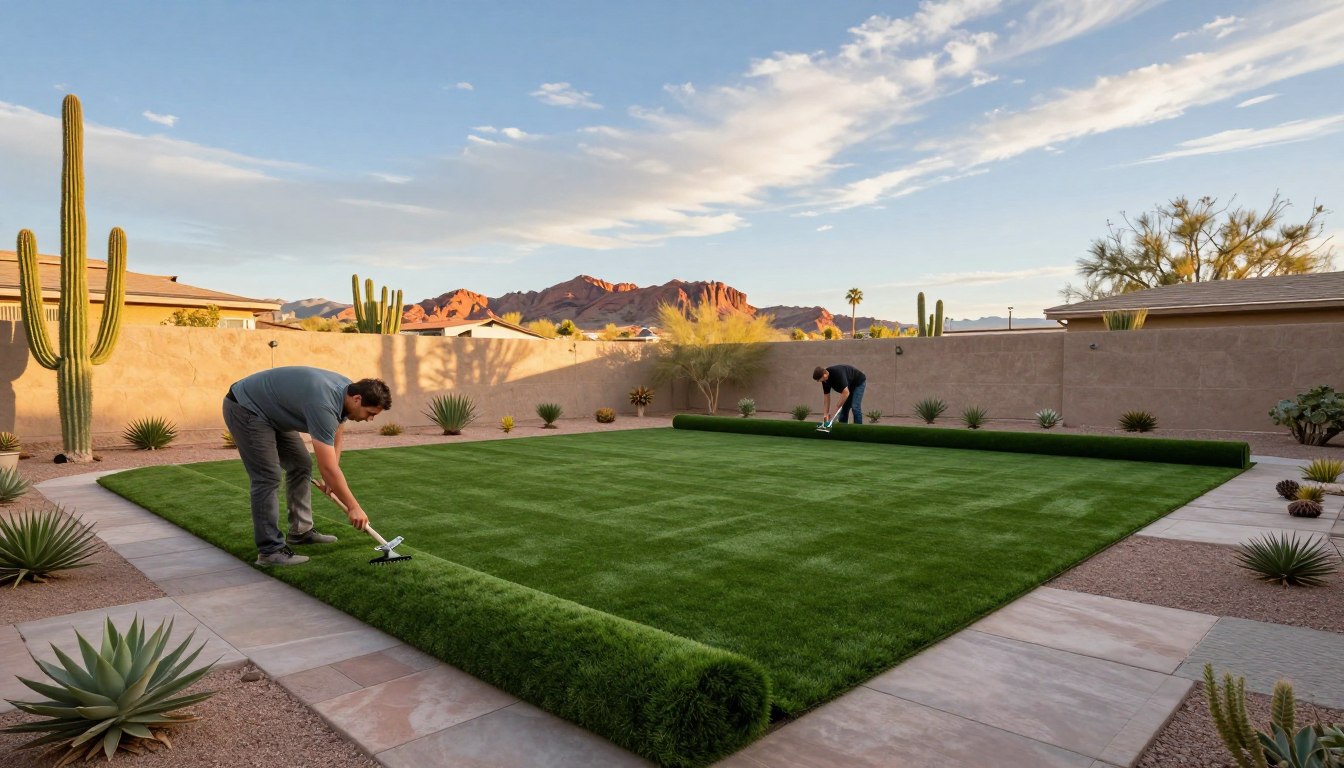
Designing a low-maintenance yard in a desert environment presents both challenges and opportunities for creativity and elegance. With the harsh climate characterized by extreme temperatures and limited rainfall, the traditional lush garden may not thrive. However, it is possible to achieve a stunning outdoor space that reflects the unique beauty of the desert landscape while minimizing upkeep. The key lies in the thoughtful integration of stone features, which not only resonate with the natural aesthetic of the arid terrain but also require minimal maintenance compared to organic materials.
Incorporating elegant stone elements into a desert yard goes beyond mere aesthetics; it serves practical purposes as well. Stones can act as natural barriers against erosion, define spaces, and provide a balance to the harshness of the environment. From elegant pathways and decorative boulders to stunning retaining walls and artistic sculptures, these features can create visual interest and cohesion in your outdoor space. The strategic use of drought-resistant plants and native flora can further enhance the design, emphasizing low water needs while basking in the resilience of nature.
As we explore the essentials of creating a low-maintenance desert yard adorned with stone, we will discuss the principles of sustainable landscaping, the selection of appropriate materials, and the importance of planning for seasonal variations. With the right approach, your outdoor sanctuary can be a seamless blend of functionality and beauty, allowing you to enjoy the tranquility of desert life without the burden of frequent maintenance. This article will guide you through the steps to achieve a harmonious and elegant low-maintenance landscape that not only thrives in the desert but also adds lasting value to your home.
Selecting Appropriate Stone Materials
Designing a low-maintenance yard in the desert involves not only a careful selection of plants and landscaping techniques but also the strategic use of stone materials. The right choice of stone can significantly enhance the aesthetic appeal of the outdoor space while reducing the need for ongoing maintenance. When selecting stone materials, various factors come into play, such as durability, color, texture, and how well the stone integrates with other design elements.
Desert environments are typically characterized by harsh conditions, including extreme heat, minimal rainfall, and intense sun exposure. Therefore, selecting stone that can withstand these elements is crucial. Some popular choices for desert landscapes include flagstone, lava rock, and decomposed granite. These materials are not only resilient but also come in various shades and textures that can complement the natural surroundings. Flagstone, for instance, can create stunning pathways and patios, adding a rustic charm to the yard. Lava rock, on the other hand, serves both aesthetic and functional purposes by providing excellent drainage and helping to retain moisture in the soil.
In addition to durability, it’s important to consider the color palette that will harmonize with the desert landscape. Earthy tones, such as tans, browns, and muted reds, work well, as they blend seamlessly with the natural elements of the region. Accent stones or gravel can also be used strategically to create focal points, such as in a dry creek bed or as a border around plant beds. These features not only enhance visual interest but also assist in managing runoff and improving soil health by allowing water to permeate the ground rather than wash away.
Finally, the installation of stone features should take into account both functionality and design. Paths, seating areas, and outdoor living spaces can be constructed using stone to provide durable surfaces that require minimal upkeep. The thoughtful arrangement of stones can create a seamless flow throughout the yard, guiding visitors while also highlighting the lush vegetation and creating shaded spots. Overall, selecting the appropriate stone materials is a foundational step in designing a low-maintenance desert yard that remains elegant and inviting. By prioritizing durable and aesthetically pleasing options, homeowners can achieve a stunning landscape that requires minimal effort to maintain while celebrating the natural beauty of the desert.
Water-Efficient Landscaping Techniques
Designing a low-maintenance yard in the desert requires keen attention to water-efficient landscaping techniques, as these strategies not only save water but also enhance the elegance of the outdoor space through clever design. The arid climate presents unique challenges for landscaping, primarily the scarcity of water and the extreme temperature fluctuations. Therefore, selecting appropriate strategies to minimize water usage becomes essential.
One effective technique is the implementation of xeriscaping, which focuses on using drought-resistant plants and landscape materials that require little to no irrigation after the initial establishment. This involves grouping plants according to their water needs—placing low-water plants together and ensuring that high-water plants are positioned in areas where they can receive shade or moisture retention from the surrounding landscape features. Additionally, mulching is a vital water-efficient technique that conserves soil moisture, suppresses weeds, and maintains a more stable soil temperature. Organic mulches, such as wood chips or bark, can also add an aesthetic component, contributing to the overall elegance of the landscape while functioning practically.
Another way to enhance water efficiency in a desert landscape is through the strategic use of specific irrigation systems, such as drip irrigation. This system allows for precise watering directly to the plant’s roots, reducing waste through evaporation and runoff. Coupling this system with smart timers or moisture sensors can further optimize water usage, providing an automatic adjustment based on current weather conditions or soil moisture levels. Furthermore, incorporating rainwater harvesting systems can be an elegant solution by capturing natural rainfall and utilizing it for irrigation purposes, thus reducing reliance on municipal water sources.
In addition to these techniques, creating microclimates in your yard can significantly improve water efficiency. For instance, planting trees or using stone structures can provide shade to surrounding plants, decreasing their water needs. Strategic placement of rocks and stones can absorb heat during the day and release it during the night, moderating the local environment. Elegantly designed stone features can complement these techniques; not only do they provide beauty and structure, but they also assist in water management by directing runoff and allowing for the collection of moisture.
In summary, by employing water-efficient landscaping techniques, you can create a desert yard that thrives without constant attention and maintenance while maintaining a sophisticated look. These strategies reduce water wastage, promote sustainability, and showcase elegant stone features that are both functional and visually appealing, ensuring a harmonious balance between beauty and practicality in your landscaping design.
Native Plant Selection
When designing a low-maintenance yard in the desert, the selection of native plants plays a crucial role in creating an ecosystem that thrives in the arid climate while requiring minimal irrigation and care. Native plants are adapted to the local environment, making them more resilient to drought, pests, and diseases compared to non-native species. They not only reduce the need for supplemental watering but also help to promote biodiversity by providing habitats and food for local wildlife, including beneficial insects, birds, and other fauna.
Incorporating native plants into a desert landscape offers aesthetic appeal as well. Many native species exhibit stunning flowers, unique textures, and vibrant colors that can create visually striking arrangements. For example, plants like desert marigold, California poppy, and agave not only add beauty but also reflect the natural charm of the region. Furthermore, the use of native species encourages a naturalistic design that harmonizes with the surrounding landscape, enhancing the overall elegance of the garden.
To effectively plan for native plant selection, homeowners should consider grouping plants according to their water needs and sunlight exposure. By arranging plants with similar requirements together, the landscape can function efficiently while minimizing waste. Additionally, native plants often have established relationships with local pollinators and wildlife, making them more imperative for ecological balance. This approach allows for less maintenance overall; native plants generally require less pruning, fertilizing, and pest control, leading to a serene and sustainable outdoor space.
Finally, when designing a low-maintenance yard with elegant stone features, proper placement of these plants can accentuate the beauty of the stonework. For instance, using low-growing native ground covers around flagstones or boulders can soften hard edges while creating contrast between earthy natural elements. Similarly, strategically placed upright native grasses can frame pathways or entryways, guiding visitors through the property while maintaining a cohesive design. By thoughtfully selecting and arranging native plants, homeowners can achieve a landscape that is both beautiful and resilient in the unforgiving desert climate, all while significantly reducing maintenance efforts.
Soil Preparation and Drainage Solutions
Designing a low-maintenance yard in the desert requires a thoughtful approach to soil preparation and drainage. The unique challenges of desert environments, such as poor soil quality, inadequate organic matter, and extreme water evaporation, necessitate a proactive strategy. Proper soil preparation is paramount, as it sets the foundation for your plants and stone features to thrive. Start by testing your soil to determine its pH levels and nutrient content. Desert soils are often sandy or rocky, which can lead to insufficient moisture retention. Amending the soil with organic materials like compost can enhance its structure, improve moisture retention, and provide the necessary nutrients for plant growth.
In addition to amending the soil, it’s crucial to address drainage solutions to prevent waterlogging, which can be detrimental even in arid climates. Incorporating stone features strategically can aid in managing water runoff and drainage effectively. For example, creating a slight slope or incorporating gravel beds allows rainwater to flow away from plant bases, minimizing the risk of root rot and promoting healthier growth. Furthermore, utilizing permeable materials for paths and patio areas can enhance drainage while allowing rainwater to seep into the ground, replenishing the soil slowly.
Combining stone elements with effective drainage solutions not only adds to the aesthetic appeal of your yard but also creates a low-maintenance environment. Elegant stone pathways and seating areas can be interspersed with drought-resistant plants, creating a harmonious blend of hardscaping and landscaping. By prioritizing soil preparation and drainage, you’ll create a sustainable, visually striking outdoor space that reflects the subtle beauty of the desert while minimizing upkeep, allowing you more time to enjoy your sanctuary rather than tending to it.
Minimalist Design Principles for Elegance
Designing a low-maintenance yard in the desert can be beautifully achieved by embracing minimalist design principles. Minimalism emphasizes simplicity, functionality, and the beauty of open spaces, all of which resonate well with the harsh desert environment. By limiting the number of elements in your garden, you can create a serene landscape that requires far less care and offers elegant aesthetics. The use of clean lines, geometric shapes, and a restrained color palette allows for the integration of stone features that harmonize with the natural surroundings.
Incorporating stone features in a minimalist design can manifest through pathways, seating areas, and decorative rock gardens. Natural stones, such as flagstone, cobblestones, or desert granite, can create structured yet organic shapes that look appealing while being durable in the dry climate. Such stonework can act as a visual anchor in your yard, providing focal points that draw the eye without overwhelming the space. Additionally, fewer plants mean less upkeep; however, carefully chosen accents such as succulents or ornamental grasses can enhance the beauty of the stone without requiring extensive maintenance.
To optimize the overall design, it’s crucial to consider scale and proportion. Large boulders or slabs can serve as statement pieces, while smaller stones can be used to define spaces or add texture. The interplay between negative space (areas devoid of plants or features) and positive space (where the stones and plants reside) creates balance and enhances the overall appeal. Furthermore, choosing a limited but harmonious color palette can unify the design and reinforce a sense of tranquility. By strategically positioning these elements, homeowners can achieve an elegant, low-maintenance yard that reflects an appreciation for both nature and modern design sensibilities.
Ultimately, minimalist design principles in a desert landscape not only provide a stylish and sophisticated outdoor space but also align seamlessly with sustainability. When combined with other strategies such as water-efficient landscaping and the use of native plants, a minimalist approach results in a yard that thrives while requiring minimal intervention, perfectly suiting the conditions of arid environments.