
As the demand for sustainable landscaping solutions continues to rise in response to climate change and water scarcity, Xeriscaping has emerged as a vital practice for homeowners and landscape designers alike. This innovative approach emphasizes the use of drought-resistant plants and efficient water management techniques to create beautiful, low-maintenance gardens that thrive in arid conditions. In 2025, the integration of hardscaping elements into Xeriscape designs has proven to be a game changer, enhancing both aesthetics and functionality while further promoting ecological balance.
Hardscaping refers to the non-plant elements of landscaping, such as patios, walkways, retaining walls, and decorative stone features. By incorporating these structures into Xeriscape landscapes, homeowners can define spaces, improve accessibility, and create focal points that complement the surrounding flora. The key to successfully marrying hardscaping with Xeriscaping lies in thoughtful design and careful selection of materials that align with sustainable practices. This article will delve into the best strategies and insights for effectively incorporating hardscaping into your Xeriscape landscape design, ensuring that your outdoor space is not only visually striking but also resource-efficient and resilient.
In 2025, with advancements in technology and design methodologies, there are numerous options available for integrating hardscaping elements into your desert-friendly landscape. From permeable paving solutions that allow rainwater infiltration to natural stone features that blend seamlessly with native plants, the possibilities are expansive. Moreover, the recent trends in eco-friendly materials and sustainable construction practices provide an opportunity to further reduce environmental impact while enhancing the overall appeal of your yard. Join us as we explore the essential techniques and expert tips for achieving a harmonious balance between hardscaping and Xeriscaping, setting the stage for a landscape that is both practical and beautiful.
Choosing Sustainable Hardscape Materials
When it comes to Xeriscaping—an innovative landscaping approach that minimizes water usage—incorporating hardscaping is essential. Hardscaping refers to the non-plant elements of landscaping, such as stone, pebbles, patios, and pathways. In 2025, sustainable hardscape materials are more important than ever as homeowners and landscape designers increasingly prioritize eco-friendliness and resource conservation. The choice of hardscape materials can significantly influence the overall sustainability and functionality of a Xeriscape design.
When selecting sustainable hardscape materials, it is crucial to consider their environmental impact, durability, and aesthetics. Natural stone, recycled concrete, and sustainably sourced wood are excellent choices that align with both sustainability and functionality. For instance, natural stone has a long lifespan and blends seamlessly with the natural surroundings, creating a harmonious landscape that requires minimal upkeep. On the other hand, recycled materials can significantly reduce the carbon footprint associated with new production and transportation, allowing for an eco-conscious design that doesn’t sacrifice style. By using permeable pavers or gravel as hardscape surfaces, designers can also enhance water infiltration, naturally managing drainage and reducing runoff, which is a pivotal element in Xeriscaping.
Incorporating hardscaping effectively into Xeriscape designs involves understanding the site’s natural characteristics and utilizing materials that complement the local climate and soil conditions. A well-thought-out hardscape can help delineate plant zones, create inviting walkways, and even provide seating areas that encourage outdoor activities—thereby enhancing the usability and enjoyment of the space. Utilizing sustainable materials not only contributes to the overall environmental health of the landscape but also fosters a sense of connection with nature. In 2025, as the trends continue to shift towards sustainability, choosing the right hardscape materials will remain paramount for landscape designers and homeowners seeking to create functional, beautiful, and ecologically responsible Xeriscape environments.
Furthermore, planning the layout with careful attention to aspect, shade, and exposure will ensure that the incorporation of hardscaping into Xeriscape presentations seamlessly integrates with the native flora. Always consider how these hardscape features can provide structural support for water management strategies, further promoting sustainability while adhering to the principles of Xeriscaping.
Design Principles for Integrating Hardscaping
Integrating hardscaping into a Xeriscape landscape design requires a thoughtful approach to ensure that both elements—hard elements like patios, paths, walls, and soft elements such as plants and soil—coexist seamlessly. In 2025, when environmental considerations are more critical than ever, adhering to specific design principles will enhance the functionality and aesthetic appeal of the landscape.
One fundamental principle is the concept of harmony. This involves choosing materials, colors, and textures that complement the natural surroundings. For instance, opting for earthy tones in pavers or stones can help tie the hardscape to the landscape’s natural features. Additionally, consider the scale and proportion of hardscaping elements, ensuring they are not overpowering but rather enhance the overall layout of the garden. For pathways, using materials that allow for natural growth of surrounding plant life, or interspersing planting areas within concrete or stone features, can create a cohesive look.
Another critical principle is functionality. Hardscaping should not only serve aesthetic purposes but also practical needs. Integrating spaces for seating, gathering, or outdoor cooking can make a Xeriscape design more user-friendly. Features like retaining walls can assist in soil management while defining the landscape’s structure and overall organization. Moreover, incorporating permeable materials in hardscaping can facilitate rainwater absorption and reduce runoff, aligning with Xeriscaping’s goals of water conservation.
In 2025, sustainable practices will dominate the conversation around landscape design. Using recycled or locally sourced materials will be increasingly important. These materials not only reduce your carbon footprint but often offer unique textures and colors that enhance a garden’s appeal. Additionally, integrating native plants that require minimal water alongside hardscaping can yield a beautiful, low-maintenance landscape. This creates a symbiotic relationship where hardscaping supports the health and vitality of the ecosystem.
In summary, successfully incorporating hardscaping into your Xeriscape landscape design necessitates careful attention to harmony, functionality, and sustainability. As we move into 2025, these principles will guide gardeners and landscape designers towards creating beautiful, ecologically responsible spaces that respect and enhance our natural environment.
Water Management Strategies in Hardscape Areas
Incorporating effective water management strategies into hardscape areas is crucial for creating a sustainable Xeriscape landscape. In the context of Xeriscaping, which aims to minimize water usage through strategic planning and design, hardscaping can play a vital role in managing water efficiently. In 2025, as climate change continues to impact water availability, it becomes even more imperative to integrate these strategies into hardscaped spaces.
One of the primary approaches to water management within hardscapes involves the use of permeable materials. Permeable pavements allow rainwater to infiltrate through the surface, reducing runoff and promoting groundwater recharge. This not only helps to manage excess water but also mitigates erosion and reduces the burden on stormwater systems. When designing hardscape areas, consider using permeable pavers, gravel, or porous concrete. These materials can easily blend with the surrounding landscape while allowing for effective water drainage.
Additionally, incorporating features such as rain gardens or bioswales in conjunction with hardscape areas creates natural filtration systems that slow down and redirect water. By strategically placing these features near hardscaped surfaces like patios or walkways, you can enhance their functionality while also adding a layer of aesthetic appeal. In the design process, it’s important to evaluate the natural topography of your space to ensure that these elements collect and channel water appropriately. Utilizing native plants adjacent to hardscape areas can further aid in water absorption and provide habitat for local wildlife.
Another strategy is to strategically position hardscape elements to guide water flow. For instance, slight slopes can be integrated into patios or pathways, directing rainwater toward desired areas like garden beds or rain barrels. This not only enhances the practicality of the hardscape but also contributes to an efficient irrigation system that captures and utilizes water where it is needed most. In 2025, as homeowners seek to create more sustainable and resilient landscapes, careful planning of water management within hardscape areas will be essential. By combining thoughtful design elements with ecological principles, you can create a Xeriscape that thrives while minimizing water consumption.
The Role of Hardscaping in Soil Erosion Prevention
In the context of Xeriscape landscape design, hardscaping plays a critical role in preventing soil erosion, which can be a significant concern in areas with limited vegetation. Hardscaping refers to the non-plant elements integrated into a landscape, such as patios, walkways, retaining walls, and decorative stones. By strategically placing these features, you can create barriers that protect the soil from the forces of nature, particularly wind and water. Implementing hardscaping elements not only minimizes soil loss but also establishes a stable environment for plant growth and enhances the overall resilience of a landscape.
One of the key ways to incorporate hardscaping for erosion control is through the use of retaining walls. These walls, typically made from stone, brick, or concrete, can hold back soil on sloped terrains, preventing it from sliding or washing away during heavy rains. When designing such features, it’s essential to consider the height and inclination of the slope, as well as the type of materials used to ensure they can withstand the pressure of the earth behind them. In addition to retaining walls, installing paths and walkways can help minimize soil compaction and runoff by directing foot traffic away from vulnerable soil areas. Permeable paving is another innovative hardscaping element, allowing water to filter through, which reduces runoff and promotes groundwater recharge.
In 2025, as climate considerations and sustainable practices become increasingly vital, the integration of hardscaping in Xeriscape design should focus on using eco-friendly materials that blend with the natural environment. Utilizing recycled materials or locally sourced stones can minimize environmental impact and further enhance the structure’s strength. Moreover, using a layered approach by combining hardscape elements with native plantings will not only help in controlling erosion but also create a bio-diverse ecosystem that supports local wildlife. This harmonious balance between hardscape and softscape elements will ensure a sustainable, aesthetically pleasing landscape that serves to protect the soil while conserving water.
Ultimately, when planning Xeriscape landscapes, consider the multifunctional benefits of hardscaping in soil erosion prevention. It offers a practical solution to manage environmental challenges while reinforcing the beauty and functionality of outdoor spaces. As you embark on your landscape design, remember that each hardscaping feature can serve a dual purpose: aesthetic enhancement and soil protection, leading to healthier ecosystems for the future.
Enhancing Aesthetic Appeal with Hardscaping Features
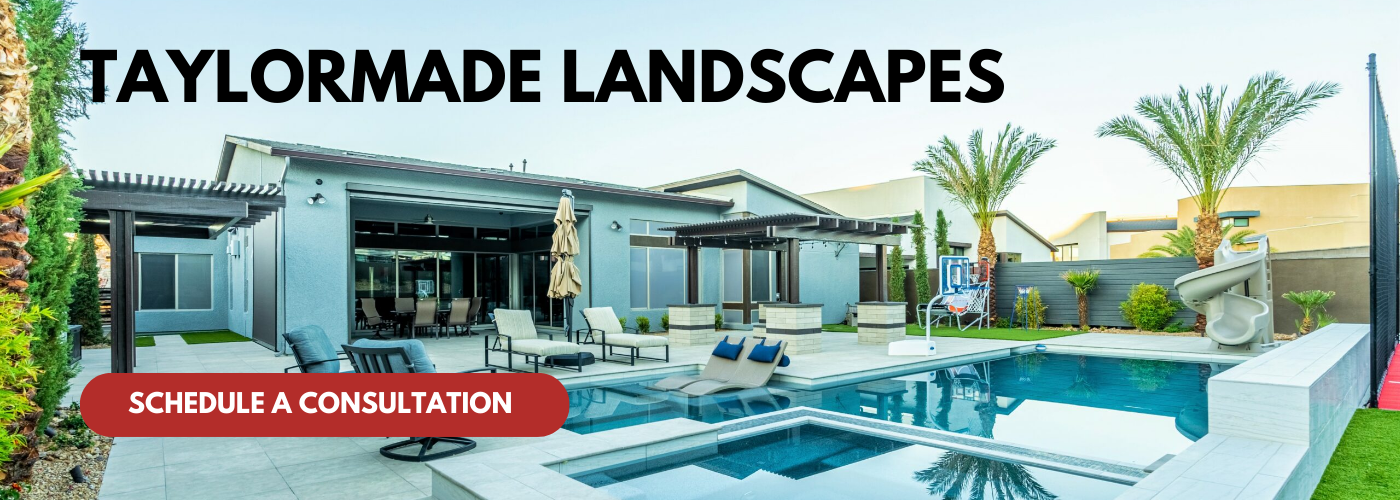
Incorporating hardscaping features into a Xeriscape landscape design significantly elevates the overall aesthetic appeal while reinforcing the principles of sustainability. Hardscaping encompasses the non-plant elements such as patios, walkways, walls, and decorative stones, and these can be strategically used to create visually stunning yet functional outdoor spaces. In 2025, as more homeowners seek to balance beauty with ecological responsibility, the thoughtful integration of hardscaping will play a crucial role in achieving a harmonious landscape.
When enhancing aesthetic appeal through hardscaping, it’s important to consider both the materials and design features. For instance, using local stones and recycled materials not only blends seamlessly with the natural environment but also supports sustainability by reducing the environmental footprint associated with transporting materials. Features such as boulders, gravel paths, and retaining walls can be designed to complement the native plants and minimize water usage, creating a cohesive look that emphasizes the dry climate’s natural beauty. Furthermore, decorative elements like fire pits or seating areas can become focal points that invite social interaction while adding to the visual richness of the Xeriscape.
Moreover, hardscaping can enhance the landscape’s functionality, providing essential spaces for relaxation, entertainment, and recreation. By delineating areas for different activities and ensuring that these spaces are appropriately shaded and sheltered, homeowners can maximize their outdoor enjoyment while adhering to the principles of water conservation. The strategic placement of hardscape features can also direct rainfall to permeable areas, allowing water to infiltrate the ground and sustain nearby plants, thus marrying aesthetic appeal with ecological value. In 2025, as landscape design continues to evolve, the importance of hardscaping in Xeriscape landscapes will be underscored by its ability to unify beauty and sustainability, making outdoor spaces not only visually appealing but also environmentally resilient.

