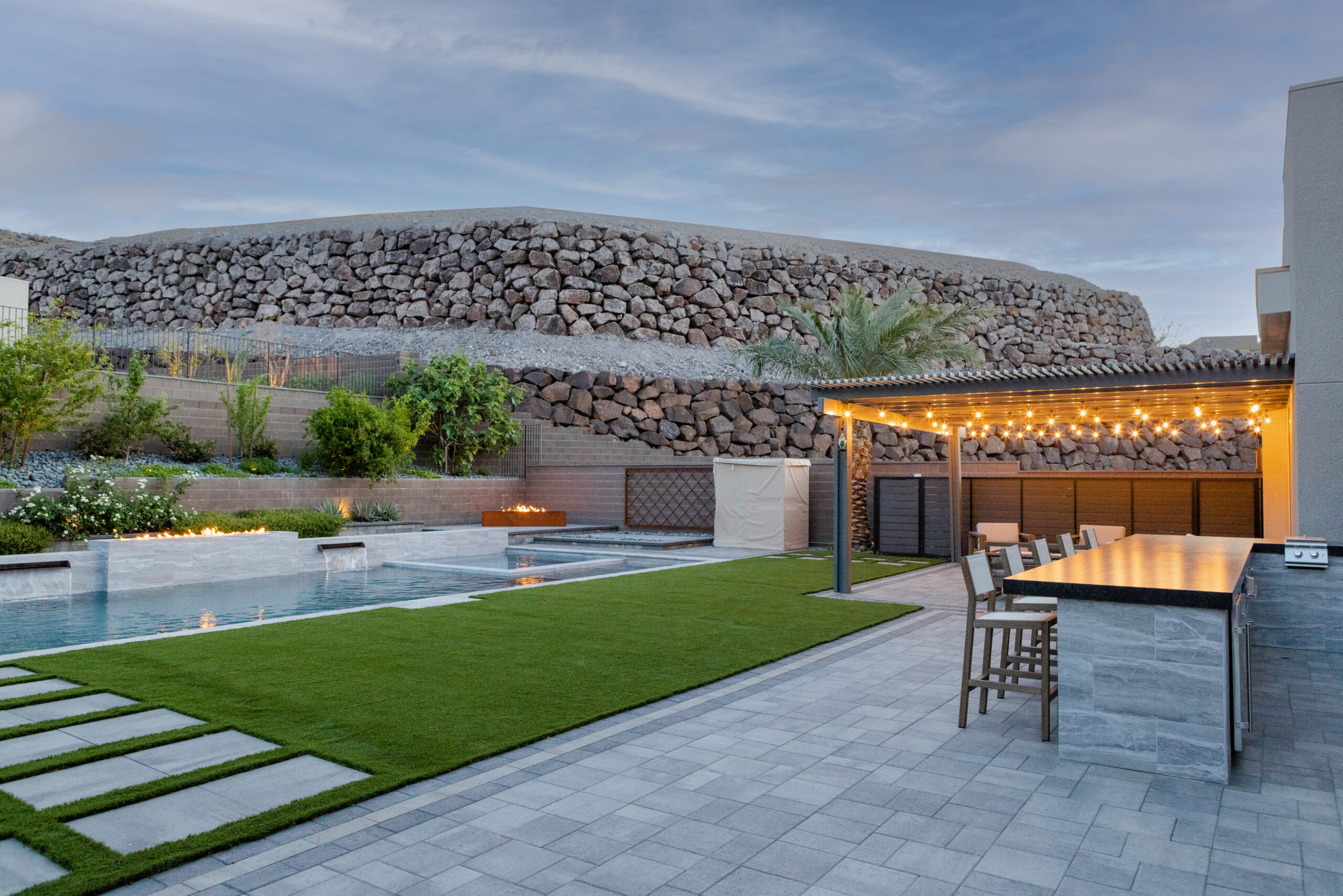
As urbanization continues to expand in 2025, many homeowners are seeking innovative ways to integrate urban landscaping into their yard designs. This growing trend reflects an increasing awareness of environmental sustainability, biodiversity, and the need for green spaces in densely populated areas. Urban landscaping not only enhances the aesthetic appeal of a property but also serves practical purposes, such as improving air quality, reducing urban heat islands, and promoting mental well-being through nature connection. This article will explore various strategies and techniques that homeowners can utilize to seamlessly blend urban landscaping into any yard layout, ensuring that even the smallest spaces can flourish with life.
In this era of precision design and thoughtful environmental stewardship, the integration of urban landscaping extends beyond the mere placement of plants and flowers. It encompasses a holistic approach that considers functionality, accessibility, and the ecological impact of landscaping choices. From selecting native plants that thrive in urban environments to implementing water-efficient irrigation systems and creating multifunctional spaces for relaxation and recreation, there are a myriad of ways to invigorate a yard’s layout. By embracing these principles, homeowners can transform their outdoor spaces into thriving ecosystems that cater to both their lifestyle and the local environment.
As we delve into the specifics of urban landscaping integration, we will offer practical tips and showcase innovative examples that resonate with diverse aesthetics and preferences. Whether you have a sprawling garden or a compact balcony, our guide will empower you to reimagine your outdoor space. By the end of this article, you will be equipped with the knowledge and inspiration necessary to create a vibrant urban landscape that harmonizes with nature, enhances your quality of life, and contributes positively to the community at large.
Sustainable Plant Selection and Native Species
Sustainable plant selection and the use of native species have emerged as significant strategies in landscaping, particularly as environmental concerns continue to rise. In 2025, integrating these principles into urban landscaping not only contributes to ecological balance but also enhances the aesthetic value and practical function of any yard layout. Sustainable plants, which include native species, are well adapted to local conditions, thus requiring fewer resources such as water, fertilizers, and pesticides. By opting for flora that naturally thrives in their environment, homeowners can cultivate resilient gardens that withstand regional challenges, such as drought or pests, while promoting biodiversity.
When planning an urban landscape, the first step is to assess the local climate, soil conditions, and existing ecosystems. Understanding these factors allows homeowners to select plants that will not only survive but thrive with minimal intervention. For instance, native plants such as coneflowers, wildflowers, and ornamental grasses can attract local wildlife, including pollinators like bees and butterflies, which are crucial for a balanced ecosystem. By introducing these species, urban landscapes can serve as vital habitats while enhancing the overall beauty of the yard. Furthermore, native plants often have deep root systems, which can improve soil health and reduce erosion, thereby supporting sustainable land management practices.
In 2025, integrating sustainable plant selection and native species into a yard layout goes beyond mere planting. It involves creating thoughtful designs that consider the overall ecological impact. Homeowners can pair native plants with features like rain gardens or bioswales, which manage stormwater effectively while also nurturing plant life. These designs not only conserve water but also provide aesthetic appeal and functionality. In addition, the use of sustainable materials for hardscaping, such as recycled or locally sourced stones and wood, complements the natural plant selections to create a cohesive, eco-friendly landscape.
Education and community involvement play an integral role in this process as well. As urban areas evolve, sharing knowledge about the benefits of sustainable, native plant selections can inspire others to adopt similar practices. Community workshops and events can facilitate learning and encourage collaborative efforts to transform the neighborhood’s aesthetic and ecological footprint. By focusing on sustainable plant selection and native species, urban landscapes can thrive sustainably, serving as models for future landscape designs that prioritize environmental health and resilience.
Water Management Techniques and Irrigation Systems
Water management is a vital component of urban landscaping, particularly as cities continue to grow and face challenges linked to climate change and population density. To effectively integrate water management techniques and irrigation systems into any yard layout by 2025, homeowners and landscape designers must prioritize efficiency, sustainability, and adaptability. The evolution of technology, coupled with an increasing awareness of water conservation, provides numerous strategies for efficient water use in urban landscapes.
One prominent approach is the adoption of smart irrigation systems. These systems utilize sensors, weather data, and timers to optimize the amount of water delivered to plants, reducing waste and ensuring that plants receive only what they need. In 2025, such technology is expected to be more accessible and user-friendly, allowing homeowners to monitor and control their irrigation methods from their smartphones or similar devices. By customizing watering schedules based on real-time weather conditions and soil moisture levels, these systems can significantly enhance the efficiency of irrigation practices in urban landscapes.
Moreover, incorporating rainwater harvesting techniques can further enhance water management in urban yards. Homeowners can install rain barrels or cisterns connected to their roofs to collect and store rainwater for later use in irrigation. This not only conserves potable water but also reduces the burden on stormwater systems during heavy rainfall, mitigating flooding risks in urban areas. In 2025, integrating native plantings with efficient irrigation systems and sustainable rainwater capture will likely be a popular method to create resilient landscapes that thrive in varying weather conditions.
The integration of permeable paving and landscaping solutions also offers a multifaceted approach to water management. Permeable surfaces allow water to infiltrate the ground rather than run off, replenishing groundwater supplies and minimizing erosion. By strategically utilizing these materials in pathways and driveways, homeowners can effectively manage water runoff while creating visually appealing outdoor spaces. Coupled with well-designed bioswales or rain gardens, which are engineered to absorb stormwater, the urban landscape can become more functional and ecologically balanced.
As cities navigate the complexities of urbanization, integrating effective water management techniques and irrigation systems into yard layouts will become not just a consideration but a necessity for achieving sustainability. By 2025, embracing these innovative strategies will foster greener, more resilient urban environments that can withstand environmental pressures while providing beautiful, functional landscapes for community enjoyment.
Vertical Gardening and Space Optimization
Vertical gardening is a transformative approach that not only maximizes limited outdoor space but also enhances the visual appeal of urban environments. In 2025, as urbanization continues to intensify, the need for innovative landscaping solutions becomes increasingly critical. Vertical gardening involves growing plants upward rather than outward, utilizing walls, fences, and specially designed structures. This method is particularly beneficial in densely populated areas where traditional gardening is constrained by lack of land area. By integrating vertical gardens into any yard layout, homeowners can create lush green spaces that provide aesthetic value, reduce heat, and improve air quality, all while using minimal ground space.
To successfully implement vertical gardening in urban landscapes, one must first assess the available vertical surfaces. This can range from installing trellises and wall-mounted planters to employing hydroponic systems that allow for the growth of plants in unconventional settings. Homeowners can select a variety of plants suited to vertical gardening, including herbs, vegetables, and ornamental flowers, taking care to consider factors like sunlight, soil type, and moisture levels. The integration of vertical gardens should also be guided by an understanding of how these structures interact with the surrounding environment; for instance, placing a vertical garden near a sunny wall can help to harness heat for slower-growing plants, while also serving as a natural sound barrier from the noise of the city.
In addition to aesthetic benefits, vertical gardens offer numerous ecological advantages. They can serve as natural air filters, capturing pollutants and dust while releasing oxygen. Furthermore, these gardens contribute to biodiversity by providing habitat for various species, from insects to birds. Integrating vertical gardening into urban landscapes also encourages community engagement as individuals share their designs, plant selections, and gardening techniques with neighbors. In 2025, residents can embrace this trend not only to enhance their own yards but also to foster a greater sense of community and environmental stewardship in their neighborhoods. As interest in urban gardening continues to grow, vertical gardens will undoubtedly become a staple of modern landscape design, proving that even in the smallest spaces, nature has a vital role to play.
Multi-Functional Outdoor Spaces and Design
In the context of urban landscaping, creating multi-functional outdoor spaces has become increasingly important, especially as more city dwellers seek to optimize their limited yard space. In 2025, we can expect a stronger focus on designs that serve multiple purposes, integrating aesthetics, utility, and environmental sustainability. Multi-functional spaces can engage all senses, providing areas for relaxation, recreation, food production, and even community gatherings. To accomplish this, designers will need to consider how various elements work together, incorporating pathways, seating, gardens, and performance areas in a cohesive manner.
One key aspect of achieving multi-functional outdoor spaces is careful planning and zoning. Different areas of a yard can be tailored for specific activities, such as cooking, playing, or relaxing. For instance, a central gathering area can be enhanced with an outdoor kitchen and seating, while a nearby corner might feature a small vegetable garden or flower bed that adds beauty and productivity. This not only maximizes the use of space but also encourages interaction among family members and neighbors. The versatility of the area can further foster social connection and community engagement, enhancing the overall quality of urban life.
To integrate urban landscaping effectively into any yard layout, it is essential to embrace a holistic design approach that addresses the unique characteristics of each space. In 2025, designers are likely to utilize innovative and sustainable materials alongside natural elements to create inviting environments. Using permeable surfaces encourages water infiltration, while raised planter beds can facilitate gardening even in small or irregular plots. Additionally, incorporating native plants fosters biodiversity and strengthens the ecological health of the space, aligning with ongoing sustainability trends.
Moreover, the integration of technology can play a crucial role in maximizing functionality in outdoor spaces. Smart irrigation systems optimize water usage, while outdoor lighting can extend usage into the evening, making the space more inviting at any hour. These advancements harness both comfort and efficiency, enhancing the overall user experience. As we move towards 2025, the emphasis on creating multi-functional outdoor spaces will continue to be a guiding principle in urban landscaping, allowing for personal expression and sustainable living in crowded urban environments.
Community Engagement and Participatory Design Processes
Community engagement and participatory design processes are becoming increasingly vital in the context of urban landscaping, particularly as we approach 2025. These processes not only empower residents but also ensure that the spaces being developed truly reflect the needs and desires of the community. This approach can significantly enhance the quality of life for residents and foster a sense of ownership over their environment. Community engagement allows for input from diverse demographics, leading to more inclusive and representative design solutions that enhance a neighborhood’s aesthetic and functional aspects.
To integrate urban landscaping effectively into yard layouts, it is essential to involve community members from the very onset of the design process. Organizing workshops, focus groups, or public meetings can help gather ideas and feedback on what residents envision for their shared spaces. Engaging community members in the planning phase cultivates collaboration and encourages local stewardship of the space. For instance, when designing community gardens or green spaces, involving residents ensures that the plants selected are not only visually appealing but also suitable for the local climate and the community’s growing preferences. This co-creation process leads to designs that are more relevant and cherished by those who utilize them.
In addition to engagement in the design phase, fostering ongoing participation in the maintenance and use of these landscaped spaces is crucial. This could mean establishing volunteer programs or community-led events that celebrate the upkeep of green spaces. Residents can be encouraged to take part in planting days or seasonal clean-ups, which can forge stronger community bonds and promote a sense of pride in their environment. As communities become more engaged, there is a higher likelihood of enhancing environmental stewardship, with individuals taking responsibility for the longevity and health of their shared landscapes.
In 2025, as cities continue to evolve and adapt, the successes of community engagement and participatory design will be highlighted by the creation of vibrant, sustainable urban landscapes that are reflective of their inhabitants. Urban planners and landscape architects will increasingly rely on these collaborative practices to not only design physical spaces but also to weave the social fabric that holds communities together. In essence, prioritizing community engagement in urban landscaping fosters inclusive, functional, and aesthetically pleasing environments that can truly enhance urban living.