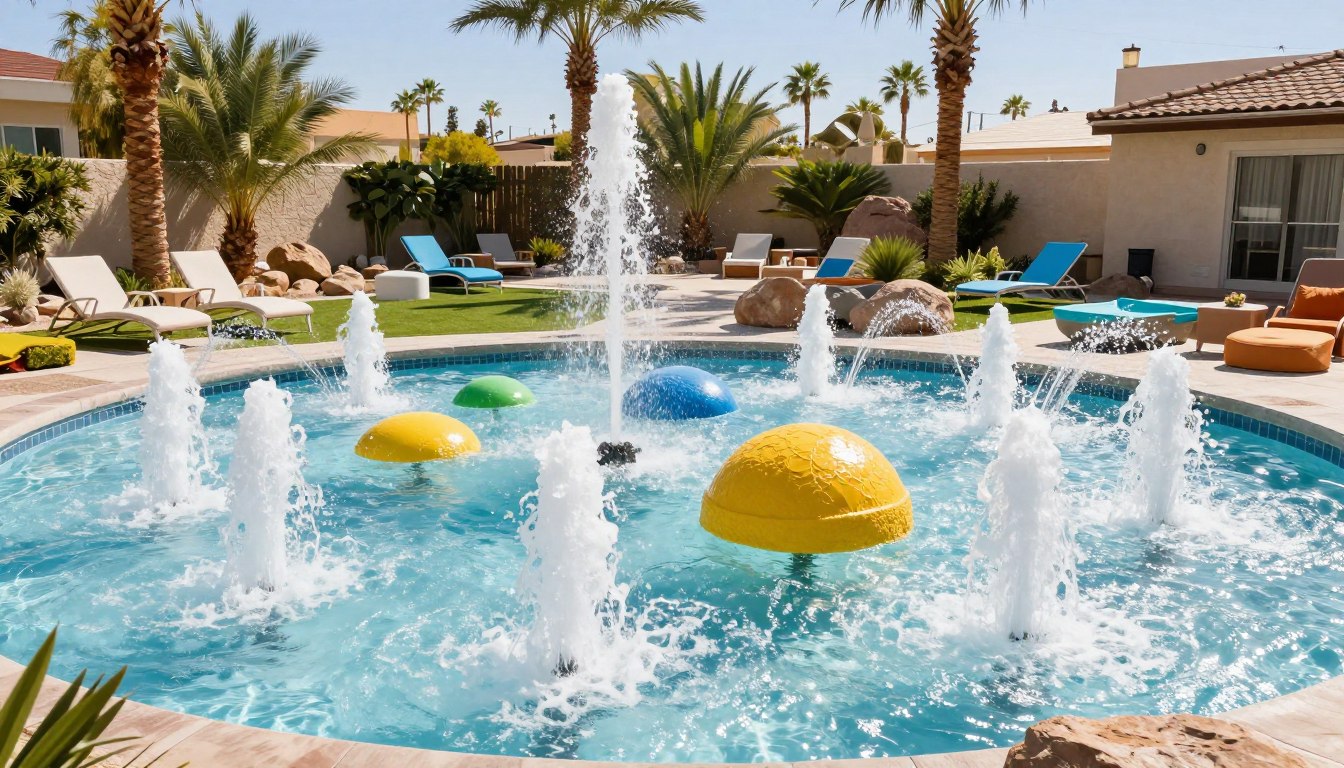
As we approach 2026, the urgent need to address climate change becomes increasingly clear, prompting a shift in how we design our outdoor spaces. Climate-adaptive landscaping is not just a trend, but a necessary evolution in horticulture and landscape architecture aimed at promoting sustainability, biodiversity, and resilience in the face of escalating environmental challenges. This innovative approach recognizes the changing climate patterns and seeks to create landscapes that can withstand extreme weather events, prolonged droughts, and shifting ecosystems.
The best climate-adaptive landscaping practices encompass a variety of strategies, including the selection of native and drought-resistant plants, the implementation of smart irrigation systems, and the incorporation of permaculture principles. These practices not only mitigate the impacts of climate change but also enhance the aesthetic and ecological value of gardens, parks, and urban spaces. In 2026, as communities strive to cope with the consequences of climate adaptation, these landscape designs will prove invaluable in fostering a harmonious relationship between human habitation and natural ecosystems.
Furthermore, the integration of technology in landscape design, such as data-driven environmental monitoring and irrigation management, will play a pivotal role in shaping climate-resilient landscapes. As we delve into the specifics of the best climate-adaptive landscaping strategies for 2026, we will explore not only what plants and technologies are leading the charge but also how individuals and communities can implement these ideas to create sustainable environments that thrive despite climatic uncertainties. Whether in residential gardens, urban developments, or public parks, the future of landscaping promises to be both innovative and essential in our fight for a more resilient planet.

Drought-Tolerant Plant Selection
Drought-tolerant plant selection is an essential strategy in climate-adaptive landscaping, especially as the challenges posed by climate change continue to rise. As regions experience more frequent and severe droughts, the importance of utilizing plants that require minimal water becomes increasingly paramount. Drought-tolerant plants have adapted to thrive in arid conditions, using less water while still maintaining beauty and functionality in landscapes.
When selecting drought-tolerant plants, it is critical to consider native species, which have evolved alongside the local climate and soil conditions. These plants often exhibit deeper root systems, enabling them to access moisture in the soil more efficiently. Moreover, they typically require little to no fertilizers and pesticides, further reducing the environmental impact of landscaping efforts. Horticultural experts recommend choosing a mix of perennials, shrubs, and ground covers that can provide year-round interest while also being resilient to prolonged dry spells. Plants such as succulents, lavender, and ornamental grasses not only add visual appeal but also support local wildlife, including pollinators, thereby promoting biodiversity.
In enhancing climate-adaptive landscaping measures for 2026 and beyond, the focus will likely shift towards even more innovative plant selections and combinations that elevate resilience against climate variations. There is a growing interest in xeriscaping, a landscaping method that integrates drought-tolerant plants into designs that reduce the need for irrigation. This approach is gaining traction in urban areas where water conservation is a priority. Further, advancements in plant breeding may yield new varieties that boast greater drought resistance and resilience against pests and diseases, making it easier for individuals and landscapers to adopt sustainable practices.
As communities embrace the need for climate resilience, programs that educate homeowners and landscape professionals on the benefits of drought-tolerant plants will be vital. Over the coming years, we can expect an increase in local initiatives aimed at promoting these plant selections, thereby fostering sustainable practices that align with the imperative of adapting to a changing climate. By prioritizing drought-tolerant landscaping, we can create thriving ecosystems that withstand environmental stresses while providing aesthetic, social, and ecological benefits.
Native and Indigenous Plant Use
Using native and indigenous plants in landscaping is an effective strategy for adapting to climate changes, particularly as environmental conditions become increasingly erratic. Native plants are species that have evolved in a specific region, making them well-suited to the local climate, soil, and ecosystem. These plants typically require less water, fertilizer, and maintenance than non-native species, as they are already accustomed to the local conditions and have developed natural defenses against local pests and diseases. By incorporating native plants into landscaping, homeowners and communities can create resilient landscapes that thrive even amid unpredictable weather patterns and climate stressors.
In 2026, the push for climate-adaptive landscaping will likely emphasize not only the aesthetic benefits of native plants but also their ecological significance. Incorporating indigenous plant species fosters biodiversity by providing habitat and food sources for local wildlife, including pollinators such as bees and butterflies that are critical to ecosystem health. This approach aids in the restoration of local ecosystems, which can improve soil quality, bolster water retention, and reduce erosion. As urbanization continues to encroach upon natural habitats, preserving and promoting native and indigenous plants will be essential for maintaining ecological balance and supporting local biodiversity.
Moreover, the cultural relevance of native plants cannot be overstated. Many indigenous communities hold deep historical and spiritual connections to local flora, and utilizing these plants in landscaping honors and preserves that heritage. In 2026, landscape designs that incorporate these plants will likely integrate educational aspects, raising awareness about the ecological functions of native species and the importance of protecting local ecosystems. Community engagement in planting and maintaining native gardens can foster a sense of stewardship, encouraging people to take an active role in shaping their environment while also addressing climate variability. Overall, landscaping with native and indigenous plants in 2026 represents a holistic approach to environmental resilience, aesthetic beauty, and cultural preservation, reinforcing the interconnectedness of nature and humanity in an era of climatic uncertainty.
Rainwater Harvesting Techniques
Rainwater harvesting techniques represent an innovative and effective method to manage water resources, particularly as climate change exacerbates periods of drought and unpredictable rainfall patterns. This approach involves the collection and storage of rainwater from surfaces such as roofs, pavements, or other structures for later use, reducing dependence on traditional water supply systems. Implementing these techniques not only conserves water but also encourages sustainable landscaping practices that can enhance resilience in the face of climate change.
In 2026, the integration of rainwater harvesting systems into landscaping practices is expected to gain more traction. These systems can range from simple rain barrels positioned under downspouts to more complex underground cisterns capable of storing larger volumes of water. This versatility allows homeowners and landscape architects to choose solutions that best fit their specific environment, aesthetic preferences, and budget. The stored rainwater can be used for irrigation, reducing the need for potable water for gardening and landscape maintenance. Moreover, incorporating these systems helps to mitigate stormwater runoff, which can pollute local waterways and contribute to flooding.
As landscapes evolve to adapt to climate challenges, efficient rainwater harvesting techniques will likely incorporate smart technology. For example, smart irrigation systems could be programmed to utilize stored rainwater efficiently, watering plants based on real-time weather data and moisture levels in the soil. This not only ensures that plants receive the right amount of hydration but also optimizes water use within the landscape. Additionally, educational programs offering guidance on proper installation and maintenance of these systems will be crucial, as they will equip homeowners with the knowledge needed to maximize the benefits of rainwater harvesting.
Ultimately, as society becomes increasingly aware of the necessity for sustainable practices, the popularity of rainwater harvesting techniques in landscaping will rise. By leveraging these innovative strategies, communities can take significant strides towards climate resilience, promoting water conservation, enhancing biodiversity, and enriching natural ecosystems while simultaneously enjoying more sustainable and aesthetically pleasing outdoor spaces.
Soil Health and Management Practices
Soil health and management practices are critical components of climate-adaptive landscaping, particularly as we move toward 2026 and beyond. Healthy soil is the foundation for robust plant growth, meaning that a focus on improving soil quality can have far-reaching benefits for both gardens and the environment as a whole. To begin with, maintaining soil health involves a variety of practices aimed at enhancing the physical, chemical, and biological properties of the soil. These practices not only support plant vitality and resilience but also play a significant role in carbon sequestration, a crucial element in combating climate change.
One of the primary practices for improving soil health is the application of organic matter, such as compost or well-rotted manure. Organic matter enriches the soil with nutrients, improves its structure, and enhances its water-holding capacity. This is especially important as climate patterns become more unpredictable, resulting in periods of both heavy rainfall and drought. Implementing crop rotation and polyculture can also contribute to soil health by preventing nutrient depletion, reducing soil erosion, and minimizing pest and disease pressures. Cover crops can further improve soil structure and fertility while providing habitat for beneficial insects.
In the context of climate adaptation for 2026, it’s essential to consider how management practices can be tailored to local conditions, including variations in climate, soil type, and plant species. Utilizing soil tests can help gardeners and landscapers determine the specific nutrient needs of their soil and apply amendments accordingly. Additionally, implementing practices such as reduced tillage can help maintain soil integrity and structure, reduce erosion, and preserve beneficial microbial communities essential for nutrient cycling.
As we look toward 2026, the most effective landscape designs will likely prioritize soil health as a central tenet of their overall strategy. This means integrating advanced soil management techniques, fostering biodiversity within the soil ecosystem, and promoting the use of organic methods. Not only will this lead to healthier landscapes that can better withstand climatic stressors, but it will also contribute to enhanced food security and environmental sustainability. Investing in soil health today is not just beneficial for the landscape; it’s an investment in a more resilient and sustainable future.
Sustainable Hardscaping Solutions
Sustainable hardscaping solutions play a critical role in creating resilient landscapes that can withstand the challenges posed by climate change. Hardscaping refers to the non-plant elements of landscaping, including pathways, walls, patios, and other structures made from materials like stone, concrete, and wood. The goal of sustainable hardscaping is to design these features in a way that minimizes environmental impact while maximizing functionality and visual appeal.
One approach to sustainable hardscaping involves using eco-friendly materials that are recycled or sourced sustainably. For instance, permeable paving stones allow rainwater to seep through, reducing runoff and helping recharge groundwater supplies. This is essential in areas prone to flooding or water scarcity. Similarly, using reclaimed materials not only reduces waste but also lends character to the landscape. Installation techniques that conserve existing natural features and soils should be prioritized to minimize disruption to the local ecosystem.
In addition to material selection and installation methods, incorporating green infrastructure into hardscaping can enhance ecological benefits. Features like bioswales and rain gardens can be integrated within hardscape designs to manage stormwater more effectively. These systems not only help improve water quality by filtering pollutants but also provide additional plant habitats, contributing to biodiversity. By planning hardscape elements to work synergistically with the surrounding environment, we can create landscapes that are not only visually appealing but also environmentally sound.
Looking towards 2026, the best climate-adaptive landscaping will likely emphasize resilience and sustainability. As climate extremes become more pronounced, the importance of hardscaping that facilitates water management and contributes to urban cooling will grow. The integration of native plants within hardscaped areas can create microclimates that support local wildlife while needing less maintenance and water. Furthermore, designs will increasingly incorporate flexible, multifunctional spaces that can adapt to changing environmental conditions, allowing for greater community use and engagement. As urban areas become more prevalent, prioritizing sustainable hardscaping solutions will be paramount in the development of climate-resilient landscapes.