

In recent years, landscape design has undergone a significant transformation, reflecting broader shifts in aesthetic preferences, environmental consciousness, and a desire for personal connection with outdoor spaces. Among the most captivating trends emerging in this evolutionary landscape is the increasing popularity of curved pathways. As we look toward 2025, this design choice is not just a fleeting fashion—it’s a thoughtful response to the intricate narratives that gardens and landscapes can tell. Curved pathways are now celebrated for their ability to create a sense of movement, enhance visual interest, and foster a deeper engagement with the natural world.
One of the primary drivers of this trend is the growing recognition of the psychological and emotional benefits that well-designed outdoor spaces can bring. Curved pathways invite exploration and spontaneity, drawing the eye down meandering routes that encourage wander rather than the rigid, direct lines of traditional straight paths. In a time when urbanization is rampant and nature feels increasingly distant, these organic forms hold the promise of reconnecting individuals with their surroundings, turning every stroll into an adventure. Landscape designers are increasingly tasked with creating therapeutic environments that nurture wellbeing, and curved pathways serve as both a functional and aesthetically pleasing solution to this demand.
Moreover, environmental considerations play a pivotal role in the embrace of curved pathways in contemporary landscape design. As ecological awareness grows, designers are responding with solutions that promote sustainability and biodiversity. Curved pathways can seamlessly integrate with the natural contours of the land, minimizing disruption to existing ecosystems and allowing for better water drainage and soil preservation. This harmonious approach reflects a shift toward landscapes that not only please the eye but also respect and enhance the ecological context in which they’re placed.
As we move further into 2025, the popularity of curved pathways is set to rise, capturing the imaginations of designers, homeowners, and city planners alike. This trend speaks to our innate desire for beauty, connection, and sustainability in outdoor spaces, offering a fresh perspective on how we envision, engage with, and experience our environments. The future of landscape design is not just about creating visually striking spaces; it’s about crafting meaningful pathways that lead us on journeys of exploration and discovery—both in nature and within ourselves.
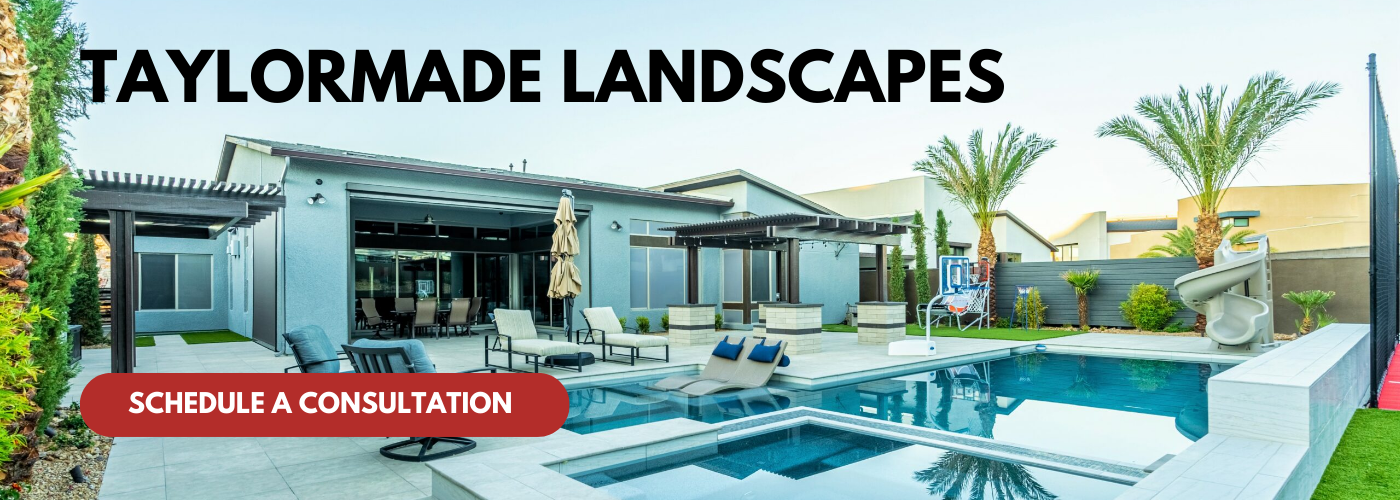
Enhanced Aesthetics and Visual Interest
In landscape design, aesthetics play a crucial role in how spaces are perceived and interacted with. Curved pathways are gaining popularity in 2025 primarily due to their ability to enhance visual interest in outdoor environments. Unlike straight pathways that can appear rigid and monotonous, curved pathways create a more dynamic and fluid appearance that can transform any landscape. They guide the viewer’s eye along their meandering lines, providing a sense of movement and discovery as one navigates through the space. This visual intrigue not only beautifies the landscape but also invites exploration, encouraging people to engage more deeply with their surroundings.
Curved pathways also complement a variety of design styles, from contemporary gardens to traditional estates. They can frame planting beds, create focal points around statues or water features, and define outdoor rooms in an organic way. Landscape designers are increasingly recognizing the versatility of curved pathways in creating distinct zones within a garden while maintaining a cohesive flow throughout the space. This adaptability allows them to integrate these pathways into a range of projects—be it residential, commercial, or public spaces—enhancing the overall aesthetic appeal.
Another factor contributing to the popularity of curved pathways is the psychological benefit they provide. Environments that incorporate natural, flowing lines often feel more inviting and comfortable. Research has shown that individuals tend to prefer spaces that have softer, more organic shapes, which evoke a sense of tranquility and promote relaxation. In our increasingly stressful world, the appeal of inviting, aesthetically pleasing spaces resonates strongly, making curved pathways an attractive choice for designers aiming to create environments that foster well-being and connection with nature. As we look towards 2025, the integration of curved pathways into landscape design is not just a trend; it’s a reflection of our desire for beauty, harmony, and a more enriching outdoor experience.
Improved Flow and Navigation
In contemporary landscape design, the concept of improved flow and navigation is becoming increasingly significant as we approach 2025. Curved pathways have emerged as a key element that enhances the experience of movement through outdoor spaces. Unlike straight pathways, which can often create a sense of rigidity and formality, curved pathways invite exploration and foster a more organic interaction with the environment. This design choice not only accommodates various types of foot traffic but also encourages a more relaxed pace among visitors, allowing them to fully immerse themselves in the surrounding nature.
One of the fundamental advantages of curved pathways is their ability to guide individuals through landscapes in a way that feels intuitive and natural. The gentle bends and flowing lines can lead visitors to focal points, such as gardens, seating areas, or water features, creating a journey rather than merely a destination. As people walk the curves, they become more engaged with the environment, drawing their attention to the plants, textures, and colors that might be missed when traversing a straight path. This immersive experience is especially valuable in parks and public spaces, where the aim is not only to provide functionality but also to enhance the aesthetic enjoyment of the landscape.
Furthermore, as urban areas continue to develop and expand, landscape architects are recognizing the importance of creating safe and accessible spaces. Curved pathways offer practical benefits in terms of navigation by facilitating smoother transitions between different areas, reducing bottlenecks and crowding. They can also be designed to accommodate people of all ages and abilities, making outdoor environments inclusive for everyone. This is particularly crucial in city parks, where diverse populations interact, and intuitive movement is necessary to ensure comfort and safety.
As we move forward, the popularity of curved pathways in landscape design can be attributed not only to their aesthetic contributions but also to their practicality. They symbolize a shift towards designs that prioritize user experience and accessibility, reflecting contemporary societal values that prioritize well-being, inclusivity, and connection with nature. The rising interest in landscape spaces that promote improved flow and navigation underscores a broader trend of creating environments that harmonize human activity with the natural world, setting a hopeful tone for the landscape designs of 2025 and beyond.
Integration with Natural Elements
The integration of curved pathways with natural elements is steadily gaining traction in landscape design as we approach 2025. This trend stems from a broader understanding of how landscapes can harmonize with their surroundings, contributing to both aesthetic appeal and ecological balance. Curved pathways, as opposed to rigid, straight lines, naturally mimic the fluidity found in nature. They promote a seamless transition between different elements in a landscape, such as trees, shrubs, water features, and other natural formations. This organic design approach fosters a sense of unity, creating spaces that feel both inviting and natural.
One of the key reasons for the rising popularity of curved pathways in landscape design is their ability to enhance visual interest and create dynamic views. Unlike straight paths that can appear monotonous or harsh, curves introduce unexpected twists and turns that can draw the eye and encourage exploration. As landscape architects and designers work to create immersive experiences, these pathways guide individuals through various sensory landscapes, inviting them to enjoy the surroundings at a more leisurely pace. The natural flow of curved paths often leads to discoveries, whether it’s a hidden garden nook, a beautifully arranged flower bed, or captivating vistas, thereby encouraging deeper interactions with the environment.
Moreover, the incorporation of natural elements alongside curved pathways bolsters environmental sustainability. By integrating materials and plants that are native to the area, designers can create habitats that support local wildlife and promote biodiversity. This symbiotic relationship helps to maintain the ecological balance while enriching the way people experience nature. The use of curves allows for innovative planting designs that can accommodate different types of flora, leading to a varied ecosystem. Additionally, as landscapes become more focused on sustainability in 2025, the importance of creating spaces that promote native species and minimize maintenance will further solidify the appeal of curved pathways.
As society grows increasingly aware of the mental and emotional benefits of nature, the integration of natural elements in landscape design—including the use of curved pathways—also serves to enhance psychological well-being. Paths that wind gently through gardens or natural settings evoke feelings of serenity and tranquility, offering spaces for reflection and pause away from the chaos of daily life. This healing power of nature reinforces the value of incorporating curves and natural elements into our landscapes, encouraging mindful experiences that promote connection with the environment and the inherent beauty around us. As we move forward into 2025, this trend is likely to inspire many more landscape designs that elevate both aesthetics and well-being through thoughtful integration with nature.
Support for Biodiversity and Sustainability
In recent years, the emphasis on biodiversity and sustainability within landscape design has grown considerably, and this trend is expected to gain even more traction in 2025. Curved pathways play a significant role in promoting these principles. Unlike traditional straight paths, which often create rigid and artificial environments, curved pathways foster a more organic feel to landscapes, allowing them to integrate seamlessly with their surroundings. This design method not only enhances the aesthetic appeal of outdoor spaces but also facilitates the creation of diverse habitats that support local flora and fauna.
One of the foremost advantages of curved pathways is their ability to connect different ecosystems within a landscape gently. By incorporating winding trails, designers can work to preserve existing natural areas while enhancing connectivity between them. Consequently, these pathways can serve as vital corridors for wildlife, encouraging movement and migration across fragmented habitats. The resulting network of lush vegetation helps to sustain various species, including pollinators, birds, and beneficial insects, all of which contribute to a balanced ecosystem.
Moreover, the adoption of curved pathways promotes the incorporation of native plant species and natural materials, aligning with sustainability goals. Curved pathways can lead to thoughtfully designed garden spaces that prioritize native plants, which require fewer resources in terms of water and maintenance while also providing essential habitats for native wildlife. As communities aim to reduce their carbon footprint and promote environmental stewardship, the integration of curved pathways becomes a practical and beautiful solution for modern landscape design.
Finally, as public awareness increases regarding the impact of climate change and habitat loss, the push for biodiversity and sustainability in landscape design will continue to amplify in popularity. Curved pathways offer a tangible way to enact these values in residential, commercial, and public spaces. By prioritizing biodiversity and sustainable practices, designers not only contribute to healthier ecosystems but also create environments that invite people to engage with and appreciate the beauty of nature. This shift in landscape design is poised to redefine outdoor spaces in 2025 and beyond, as communities prioritize ecological health alongside aesthetic values.
Increased Psychological Benefits and Well-Being
The growing recognition of psychological benefits associated with landscape design is shaping trends as we move into 2025. In particular, the incorporation of curved pathways in gardens and public spaces is increasingly popular due to their profound impact on mental well-being. Research shows that natural environments substantially influence emotions, reducing stress and anxiety while promoting relaxation and joy. Curved pathways, often seen in parks and residential landscaping, serve to facilitate these benefits by creating a more inviting and organic flow through the landscape. Unlike straight, rigid paths that can feel confining or monotonous, curves invite exploration and engagement with the environment, promoting a sense of discovery.
One of the key psychological advantages of curved pathways is their ability to invoke a sense of serenity and tranquility. The gentle bends and turns of a pathway can engage viewers’ peripheral vision, making the landscape appear more dynamic and alive. This design encourages users to slow down, explore, and take in their surroundings, fostering mindfulness and presence—the core elements of well-being in today’s fast-paced world. Moreover, studies indicate that outdoor spaces that utilize curves can enhance mood and cognitive function, providing an escape from daily stresses and contributing to overall mental health.
As the design industry moves towards more holistic approaches to landscape architecture, there is a notable shift towards integrating more humane considerations into urban planning. Curved pathways not only enhance beauty and functionality but also address the innate human desire for connection with nature. They can serve as a physical representation of a journey, evoking feelings of nostalgia or freedom associated with exploration. As urban environments become increasingly concrete and sterile, the psychological benefits derived from using these more naturalistic design elements promote a collective need for healing spaces that enhance community well-being. Therefore, blurred lines—both literally and figuratively—between the built environment and nature are becoming essential in promoting a balanced, fulfilling life as we step further into 2025.


