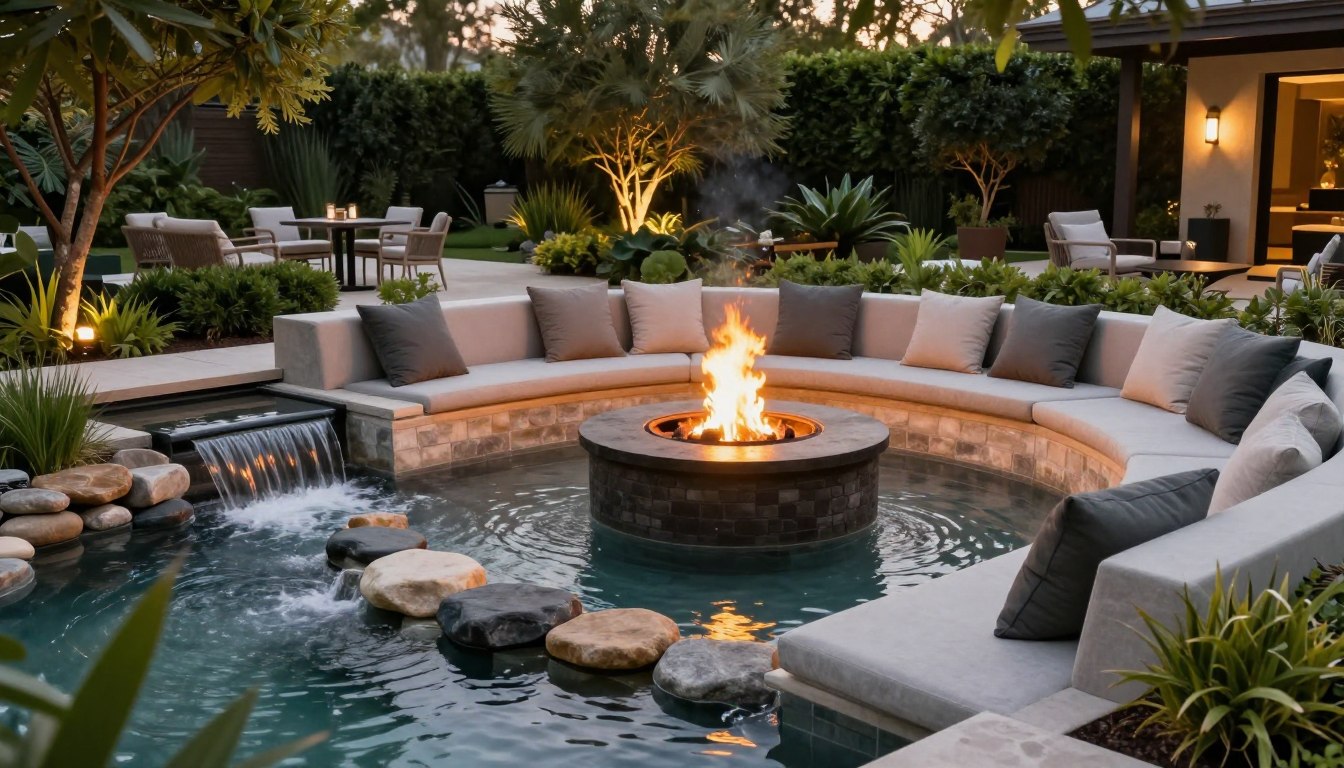
How to Install Pool Fire Features
You stood at the backyard edge and imagined evening gatherings. You wanted a clear plan, fire pool features that offered controlled warmth, and a visible focal point.
Start by defining your goal. Decide if one accent or several will mark the pool area and adjacent space. Measure clearances and confirm gas or propane as a safe source.
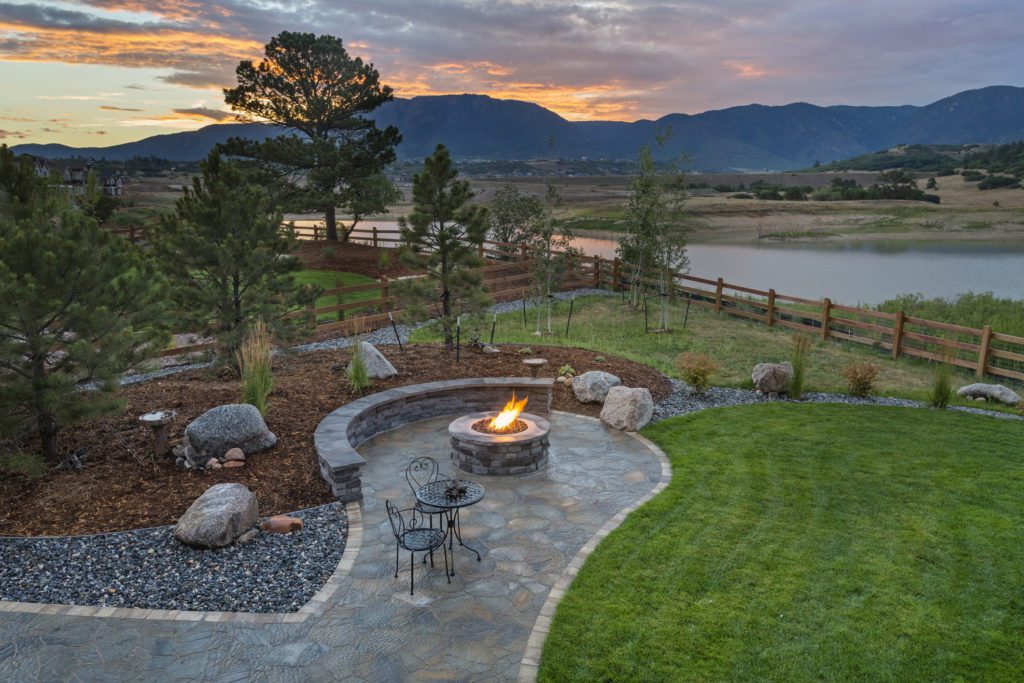
Typical units use a burner and igniter. You get adjustable flame height, easy maintenance, and added property value without tending wood. Expect pricing to start around $2,500 for a bowl and $5,000–$8,000 with installation for complex jobs.
Plan for permits, contractor licensing, and HOA rules. Shortlist bowls and brands like Taylormade Landscapes. Sequence excavation, gas rough-in, inspection, and final set to avoid rework.
Why add pool fire features to your outdoor space
A single flame source can redefine how you use outdoor living space after dusk. It extends usable hours and adds targeted warmth for guests.

Fire bowls create a cozy, inviting atmosphere for entertaining. They give steady flames without wood or constant tending.
Place a unit near seating to anchor conversations. The controlled flame height lets you switch from a soft glow to a bold statement.
Boosting backyard value and guest experience
Well-integrated elements read as resort-style design. Homeowners report higher appeal when the feature complements decking and coping.
- Extend after-dark use with added warmth.
- Balance flame light with low-voltage landscape lighting.
- Choose bowl sizes and location to scale with the pool area and guide traffic around the yard.
Compared with wood pits, gas units start fast and keep the area clean. That reduces upkeep and improves the guest experience at night.
Popular fire feature types for pools and spas
Choosing a type affects look, cost, and maintenance. Decide if you want a pure flame or a combined water-and-flame assembly.

Standalone bowls vs. water-and-flame bowls
Standalone fire bowls deliver simplicity. They start fast and need fewer plumbing connections.
Bowls that combine water add sound and motion. They require pump sizing and scupper flow checks.
Materials: GFRC, copper, and powder-coated steel
GFRC is durable and lighter than cast concrete. It resists weather and lets you pick textured finishes.
Copper offers a high-end look and develops a patina. Powder-coated steel gives crisp lines and modern colors.
Shapes and design options
Round bowls soften geometry. Square bowls support contemporary layouts. Tall vase styles add vertical interest.
Scupper-integrated units deliver coordinated water features and flame. Scale each unit to deck width and seating paths.
- Verify burner BTU range, ignition kit, and media compatibility.
- Check anchoring, lids, wind guards, and maintenance needs by material.
- Use pairs to frame sightlines around pool and spa areas.
| Material | Strength | Maintenance |
| GFRC | Light, durable | Periodic sealing |
| Copper | Premium look | Patina care |
| Powder-coated steel | Clean lines | Chip inspection |
Fuel choices and ignition: natural gas vs. propane
Select the right gas source to ensure consistent flames and safe operation. Decide early. The choice affects line sizing, concealment, and controls.
Gas line planning, tank concealment, and flame control
Use natural gas when a plumbed line is available. It gives steady output and fewer tank concerns. Choose propane when natural gas is not reachable. Plan for a properly sized tank and regulator.
- Choose fuel based on availability. Use natural gas when you can plumb a line; select propane with a sized tank otherwise.
- Size the gas line to meet BTU demand. Confirm run length, pipe diameter, and regulator specs.
- Conceal propane tanks in ventilated cabinets or built-in lockers that meet clearance rules.
- Pick ignition: match-lit, push-button, or electronic for automation and remote control.
- Install an accessible shutoff key valve. Route lines away from high-traffic paths and protect runs in conduit.
- Add a wind guard to stabilize flames and reduce lift in breezy areas.
Schedule professional installation and inspections. Verify pressure tests, tune the air shutter and gas flow, and document maintenance intervals for long-term safety.
Codes, clearances, and safety essentials around the pool
Confirm code compliance before you buy or site any flame-producing unit in your backyard. Check local building rules for setbacks, permits, and required inspections. This reduces rework and inspection delays.
Key clearances and installation basics
Keep the unit on a stable, level base. Maintain manufacturer minimum distances from combustibles and structures. Install a shutoff that is visible and reachable.
- Verify local building permit needs before purchase.
- Keep units away from handrails and the pool edge to avoid tripping and heat exposure.
- Use only approved fuel and components from the original source.
- Plan for prevailing winds to prevent flame blowout or backdrafts.
| Concern | Minimum | Action |
| Clearance from structures | Manufacturer spec (typ. 3–6 ft) | Measure and mark before siting |
| Base | Level, noncombustible pad | Pour concrete or use rated pavers |
| Inspection | Initial + annual | Check ignition, burner ports, media |
Train household members on emergency steps and keep a fire extinguisher and shutoff info posted. Never leave a lit unit unattended. For all work, hire a licensed pro who follows local building codes and documented safety procedures.
Planning your pool area layout and design
Start by sketching a simple site plan that shows doors, seating, and walk lines. Mark gates, steps, and utility zones. This prevents surprises during installation.
Place units where people gather. Align a pool fire feature with lounge groupings so the flame is visible but not uncomfortably close. Keep clear circulation from doors to seating areas and pool entries.
Positioning near seating areas, paths, and boundaries
Use symmetry to frame key views. Pair bowls at spa corners or opposite sides to balance the pool area. Respect setbacks from fences and utilities. Do not block sightlines or walk paths.
Balancing flame with water elements and overall design
Coordinate scupper flow and the sound of water with the visual rhythm of flame. Match bowl finishes to coping and decking for a cohesive style. Stagger heights on pedestals to add depth.
- Map circulation first. Keep walking paths clear.
- Right-size the units for the available space.
- Plan service access for valves and igniters.
Step-by-step installation overview for a fire bowl by the pool
Start the install by preparing a stable, level pad sized for the bowl and expected load. Excavate as needed. Compact the base and confirm the pad meets the manufacturer’s weight rating.
Site prep and level base setup
Place temporary marks for clearances and service access. Use compacted gravel or a concrete pad. Verify the pad is level and cure time is complete before setting heavy materials.
Gas and water line rough-in and inspections
Run the gas line in approved conduit sized to the BTU demand. Locate and install the keyed shutoff per the plan.
If you use a combined water-and-flame bowl, run a dedicated water supply with isolation valves. Pressure-test both gas and water lines. Schedule the required inspection and regulator verification before covering lines.
Setting the bowl, burner, and media
Set the bowl on the pad and anchor per manufacturer instructions. Install the burner assembly and confirm orifice sizing matches the gas source.
Add media such as lava rock or tempered glass per spec. Keep burner ports clear to ensure even distribution of flames.
Ignition, flame tuning, and final safety checks
Connect the ignition system and protect electrical connections from moisture. Purge air from the line, then test ignition and steady operation.
Adjust the air shutter and gas flow to minimize soot and lift while keeping a steady flame. Complete final checks: clearances, valve labeling, and on-site user instructions for the pool area.
| Step | Key action | Verification |
| Site prep | Excavate, compact, pour pad | Level check, weight rating |
| Rough-in | Run gas/water in conduit | Pressure test, inspector sign-off |
| Install | Set bowl, anchor, add media | Anchor torque, clear burner ports |
| Commission | Ignition, purge, tune | Stable flames, labeled shutoff |
Budgeting and pricing: from entry to luxury fire features
Estimate costs early so your design choices match the budget and timeline.
Entry bowls sell for about $700–$750. Many curated models start near $2,500 before labor. Mid-range water-and-flame bowls fall around $2,438–$2,506. Premium copper options reach $6,399 or more.
Include professional installation. Expect total projects to commonly land in the $5,000–$8,000 range for complex runs, inspections, and concealment.
What drives price
- Materials: copper costs more; GFRC and powder-coated steel cost less.
- Size and BTUs: larger bowls and higher-output burners require bigger lines and add to labor.
- Automation and ignition: electronic systems and smart controls raise electrical and hardware costs.
- Water integration: scuppers need pumps, valves, and additional plumbing labor.
- Site work and permits: trenching, pedestals, coring, and fees add time and expense.
| Item | Typical cost | Notes |
| Entry bowl | $700–$750 | Basic concrete or simple scupper |
| Mid-range bowl | $2,400–$2,600 | Water-and-flame options, refined finishes |
| Premium copper bowl | $6,000–$6,500 | High-end material, longer lead time |
| Professional install | $5,000–$8,000 | Gas runs, inspections, concealment |
Reserve a contingency of 10–15%. Plan permits and inspection timelines into your schedule. Label budgets for materials, labor, and unexpected site conditions.
Notable brands, models, and options to consider
Match product families so multiple units read as a single, intentional design. Review Sedona, Maya, and Cazo lines for cohesive scale and finish choices. Use the same family to simplify parts and aesthetics.
Design-forward picks and sizing
Consider Luxe vases when you need vertical presence. A 24″x36″ tall vase runs near $2,499. A 30″ Luxe lists around $2,299.
Style ideas to inspire your pool fire feature
Anchor seating with a raised bowl. Use scale to match your deck and the home’s lines.
Corner accents, symmetry, and island focal points
Place paired bowls at opposite corners to create balanced sightlines. Mirror heights so the horizon reads level.
Create an island platform for a vase bowl when you need a central focal point. Keep safe offsets from the water edge and walking paths.
- Pair bowls at corners for symmetry and guided views.
- Use a raised vase to elevate flames above water for a strong focal point.
- Place compact bowls along paths to mark routes while preserving clearance.
Feature walls, scuppers, and landscape lighting
Combine scupper flows with burners for layered sensory effect. Tune water volume so sound does not drown the flame.
Backlight steps and walls with low-voltage lamps. Keep glare off the viewing axis so the flame remains visible at night.
| Layout | Best use | Material tips |
| Paired corners | Symmetry, sightlines | Match finishes; mirror heights |
| Island bowl | Central focal point | Use a vase; secure platform |
| Feature wall | Layered light and water | Coordinate scuppers and lighting |
Conclusion
Close your design loop by confirming safety, budget, and service access before final commissioning.
Verify fuel selection and ignition. Size gas runs correctly. Hire a licensed installer for pressure tests and inspections.
Set realistic costs. Include equipment, permits, labor, and a 10–15% contingency. Expect pro installs to add several thousand dollars to equipment price.
Complete a systems test. Tune the flame for stability. Inspect media, burners, and igniters. Schedule seasonal checks.
Document manuals, permits, and service contacts. Keep operation steps and shutoff locations accessible. Maintain records for warranty and resale value.
Follow codes and maintain routines. That protects your backyard area and preserves long-term performance.
Ready to move forward? Take the next step—consult a certified fire feature professional to finalize your design and start your installation with confidence.