
When it comes to landscaping in the arid climate of Las Vegas, homeowners and landscape designers face a unique set of challenges and opportunities. The stark contrast between hardscaping and softscaping plays a crucial role in creating a functional and visually appealing outdoor space. Hardscaping refers to the non-plant elements of landscaping, such as patios, walkways, retaining walls, and decorative stonework, while softscaping encompasses the living components, including trees, shrubs, flowers, and grasses. In the bustling desert oasis of Las Vegas, understanding the interplay between these two facets is essential for maximizing both aesthetic appeal and environmental sustainability.
In a city characterized by its scorching summers and minimal rainfall, the choice of materials and plant life becomes especially important. Hardscaping provides the durability and low-maintenance advantages needed for surviving these harsh conditions, enabling homeowners to create inviting outdoor living areas that withstand the test of time. Meanwhile, softscaping offers the opportunity to introduce life and color into the landscape, but it’s crucial to select desert-friendly trees and plants that thrive in such an environment. By carefully balancing hardscaping elements with the right selection of drought-tolerant softscaping, homeowners can cultivate outdoor spaces that are not only beautiful but also practical and environmentally conscious.
This article serves as a comprehensive guide to navigating the dynamic relationship between hardscaping and softscaping in Las Vegas. We will explore the benefits and drawbacks of each approach, provide insights on selecting the best landscaping materials and design elements, and highlight desert-friendly trees that can thrive in the local climate. Whether you are looking to redesign your existing yard or start from scratch, understanding these principles will empower you to create an outdoor paradise that reflects the beauty of the Mojave Desert while promoting sustainability and water conservation.
Key Differences Between Hardscaping and Softscaping
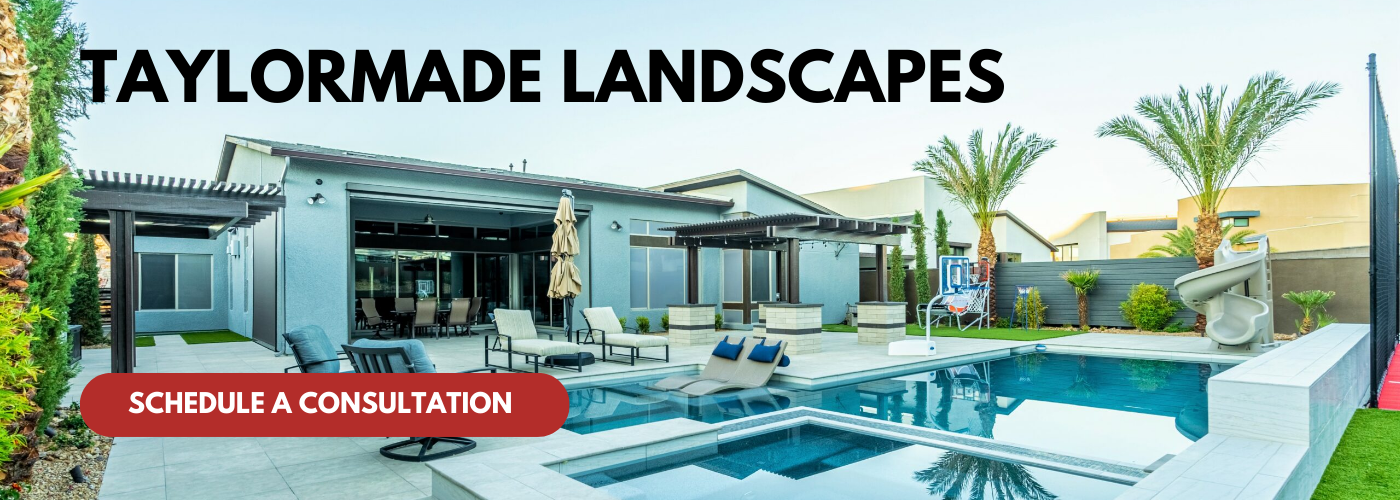
When it comes to landscaping, understanding the distinct elements of hardscaping and softscaping is crucial, especially in a unique environment like Las Vegas. Hardscaping refers to the non-plant elements of landscape design, which can include patios, walkways, retaining walls, and other structural features constructed from materials such as stone, concrete, or wood. These features provide functionality and help define the space, making outdoor areas more usable and aesthetically pleasing.
On the other hand, softscaping encompasses the living elements of landscaping, particularly plants, trees, flowers, and lawns. In Las Vegas, where the climate is arid and challenging for many traditional plants, selecting the right vegetation is vital. Desert-friendly trees and plants are designed to withstand harsh sun and minimal water availability. Thus, softscaping plays an integral role in adding life, color, and texture to the hard surfaces introduced through hardscaping.
Understanding the balance between hardscaping and softscaping can significantly impact the overall design, functionality, and sustainability of outdoor spaces. For instance, hardscaping provides essential features for navigating outdoor areas and can create microclimates that may support certain types of softscaping. Conversely, softscaping not only beautifies the environment but also contributes to the ecosystem, including improved air quality and potential wildlife habitation.
In Las Vegas, the interplay between hardscaping and softscaping is particularly important due to the area’s challenging climate. Homeowners and landscape designers must consider not only aesthetic preferences but also the practicality of materials and plants suitable for the desert environment. Selecting desert-friendly trees and plants that thrive in heat while minimizing water usage can enhance the design and sustainability of an outdoor space. This harmony between hardscaping and softscaping ultimately leads to a more functional, beautiful, and environmentally-resilient landscape.
Benefits of Hardscaping in Desert Environments
Hardscaping refers to the use of non-plant elements in landscaping, such as patios, walkways, retaining walls, and other structures, which can be particularly beneficial in desert environments like Las Vegas. One of the primary advantages of hardscaping is its durability and low maintenance requirements. In a desert climate, where water is scarce and intense heat can pose challenges for plant growth, hardscaping materials such as stone, concrete, and brick can endure the elements without needing frequent replacement. This resilience makes hardscaping an attractive option for homeowners looking to create functional outdoor spaces that require minimal upkeep.
In addition to its low maintenance nature, hardscaping plays a crucial role in water management in arid regions. By incorporating features such as permeable pavers or structured drainage systems, homeowners can manage runoff effectively and reduce water wastage. The strategic design of hardscaped areas can also create shaded zones that provide relief from the harsh sun, enhancing the comfort of outdoor spaces. Moreover, well-planned hardscaping can contribute to energy efficiency by reducing the urban heat island effect, thereby lowering the need for air conditioning indoors.
Another important aspect of hardscaping in desert environments is its aesthetic versatility. Hardscaped elements can complement the natural landscape and architectural styles of homes in Las Vegas, allowing for creative expression in outdoor design. From modern, minimalist patios to rustic, natural stone walkways, the options are vast. By integrating different textures and colors, homeowners can create visually appealing landscapes that are both functional and beautiful. Furthermore, hardscaping can define spaces for recreation, dining, or relaxation, moving beyond mere decoration to enhance the overall lifestyle and enjoyment of outdoor living.
When considering hardscaping in conjunction with softscaping, such as the selection of desert-friendly trees, it is essential to create a balanced landscape that maximizes both beauty and functionality. By choosing the right mix of both elements, homeowners can design spaces that not only resist the challenges posed by a desert environment but also thrive within them, allowing for sustainable and enjoyable outdoor living.
Selecting Desert-Friendly Trees for Softscaping
When it comes to landscaping in the arid climate of Las Vegas, selecting the right trees for softscaping is crucial. The desert environment poses unique challenges, including high temperatures, low rainfall, and soil that may not provide the nutrients many trees require. Therefore, selecting trees that have adapted to such conditions is not just a matter of preference but a necessity to ensure sustainability and vitality in outdoor spaces. Desert-friendly trees often have features such as deep root systems to access underground water, a tolerance for heat, and minimal water needs to thrive in the desert’s fluctuating climate.
Popular choices for desert-friendly trees include species like the Desert Willow (Chilopsis linearis), which is known for its beautiful flowers and drought resistance. Another excellent option is the Mexican Fan Palm (Washingtonia robusta), which provides shade and aesthetic beauty while thriving under the harsh sun. Additionally, Mesquite trees (Prosopis spp.) are celebrated for their ability to support local wildlife and their nitrogen-fixing capabilities, which improve soil health. These trees not only enhance the visual appeal of your landscape with their unique shapes and textures but also contribute to the overall ecology by encouraging biodiversity.
When incorporating these trees into softscaping, it’s essential to plan for their space requirements. Many desert-friendly trees can grow to significant heights, and their canopies can shade a broad area. Proper placement can help maximize shade for other plants, optimize energy efficiency in homes, and create comfortable outdoor gathering spaces. Furthermore, combining these trees with native shrubs and ground covers can create a layered, lush landscape that minimizes water use while still providing a vibrant outdoor environment.
In considering hardscaping versus softscaping in Las Vegas, desert-friendly trees play a pivotal role in creating a balanced landscape. Hardscaping elements like patios, walkways, and retaining walls can provide structure and functionality, while the strategic incorporation of softscaping through trees and other plants softens these hard features, providing contrast and enhancing the overall aesthetic appeal. By carefully selecting the right trees and integrating them into the design, homeowners can create a sustainable, low-maintenance landscape that honors the unique beauty of the Nevada desert. This harmony between hardscaping and softscaping not only reflects thoughtful design but also promotes an eco-friendly approach to landscaping that benefits both the environment and the residents who enjoy it.
Maintenance Considerations for Hardscaping and Softscaping
When designing outdoor spaces in arid climates like Las Vegas, understanding the maintenance implications of hardscaping and softscaping is crucial. Hardscaping refers to the non-plant elements of landscape design, including patios, walkways, retaining walls, and fountains. These structures are typically built from durable materials such as concrete, stone, and brick. While hardscaping elements can be low-maintenance and require little day-to-day attention, factors such as wear over time, potential settling, and seasonal weather conditions can necessitate repairs or adjustments. Regular cleaning, sealing, and assessment are essential to maintain their aesthetics and functionality.
On the other hand, softscaping focuses on the live components of landscaping, including trees, shrubs, and flowers. In a desert environment, selecting the right plants is vital for successful softscaping. Desert-friendly trees and plants not only enhance the visual appeal but also contribute to the local ecosystem by providing shade, habitat, and food for wildlife. However, they do require ongoing maintenance such as watering, pruning, and pest management, particularly during the establishment phase. One of the advantages of softscaping in the desert is that many native and drought-resistant plants require minimal water once established, making them easier to maintain than one might expect.
In Las Vegas, combining hardscaping and softscaping effectively can create a harmonious and sustainable outdoor environment. By strategically placing hardscape features to complement softscape components, homeowners can enhance the usability and aesthetic value of their outdoor spaces while minimizing maintenance efforts. Using materials that blend well with the natural desert landscape, such as sandstone or flagstone, for hardscaping can create an integrated look that requires less frequent upkeep. Meanwhile, incorporating drought-tolerant and native trees, like mesquite or palo verde, not only beautifies the landscape but also ensures that the softscaping remains manageable over time. Understanding the balance between these two aspects is key to achieving a functional, attractive landscape that thrives in the challenging conditions of a desert climate.
Design Trends for Outdoor Spaces in Las Vegas
Las Vegas is renowned for its vibrant lifestyle and unique climate, which play significant roles in shaping the design trends for outdoor spaces. Given the desert environment, homeowners and landscape designers in this region are focusing on creating functional, aesthetically pleasing spaces that blend seamlessly with both hardscaping and softscaping elements. One prevalent trend is the use of mixed materials, where stone, concrete, and wood are thoughtfully combined to create striking and inviting outdoor areas. These combinations allow for a contemporary look while ensuring practicality and durability in the harsh desert climate.
Another trend gaining momentum is the incorporation of eco-friendly and desert-adapted plants in landscape designs. With water conservation becoming a critical concern in arid regions, the use of native foliage and xeriscaping principles is not only stylish but also essential. Homeowners are increasingly drawn to plants that require minimal irrigation, pairing them strategically with hardscaping features like patios, walkways, and raised beds. This integration of softscaping with hardscaping helps to enhance the natural beauty of the area while promoting sustainability.
Additionally, outdoor living spaces are being designed as extensions of the home, emphasizing comfort and functionality. Features such as outdoor kitchens, fire pits, and seating areas are prevalent, catering to the desire for entertainment and relaxation. These areas often incorporate durable materials that withstand the elements, alongside lush landscaping that provides a soft contrast to hard surfaces. The accessibility and visual integration of these spaces cater to the dynamic social culture of Las Vegas, where outdoor gatherings are a common occurrence.
In summary, the design trends for outdoor spaces in Las Vegas reflect a blend of practicality and aesthetics, emphasizing the need for durability amidst the desert climate while allowing for creativity and personal expression. By integrating hardscaping features with desert-friendly plants and thoughtful design, homeowners can achieve beautiful, sustainable landscapes that enhance their outdoor living experience.


