
What keeps a planting project on track when your vision meets the realities of your property? Hiring professional plant installation services begins with clear questions about site fit, project scope, plant care, and price. Your space should support your goals and fit your life, whether you want more privacy, seasonal color, or a welcoming entrance.
Key Takeaways
- Match plant choices to site conditions.
- Clarify preparation and installation scope.
- Agree on care and warranty terms in writing.
- Compare itemized estimates with the same scope.
Before you hire, make sure you can explain what matters most and understand what the landscape contractor will do. Clear answers help you compare providers without assuming that every project includes the same work.
Start with the goals for your property, then consider the plants and growing conditions that can shape a suitable design.
Which Plants Fit Your Site and Design Goals?

Suitable plants depend on your property’s growing conditions and priorities, not appearance alone. A landscape contractor should match trees, shrubs, flowers, and groundcovers to the site and the way you want to use it.
A site assessment is a review of the property’s soil, sunlight, drainage, and other site conditions before plants are selected. It helps reveal whether a plant can thrive where you plan to place it.
Match Plant Choices to Soil, Sun, and Water
Ask how soil type, sunlight, climate, and water access affect the proposed planting. A sunny bed with fast-draining soil has different needs from a shaded, damp corner. Your contractor should also consider water quality and drainage, not just the plants’ appearance.
Native or drought-resistant plants may suit some properties and help reduce water use or maintenance. They still need to fit the site’s conditions. UF/IFAS explains these factors in its plant selection and siting guide.
Plan for Mature Size, Seasonal Color, and Privacy
Ask about each plant’s mature height and spread, not only its size at delivery. Proper spacing gives roots and branches room to grow and can reduce crowding and frequent pruning. Trees and shrubs can also screen views or provide a windbreak when placed for their mature size.
Seasonal choices can bring color and interest across the year. Discuss which months matter most to you, how much maintenance you want, and whether the planting should offer shade, privacy, or an open view.
Check Plant Compatibility Before Combining Varieties
Plants in the same bed should have compatible needs for light, water, and soil. A grouping can look balanced on paper but struggle if one variety needs dry soil while its neighbor needs steady moisture. Ask how the proposed mix will grow together over time.
Use this checklist to prepare for a consultation:
- Sun exposure throughout the day
- Soil or drainage concerns
- Water availability
- Desired mature height and spread
- Preferred color or care level
Apply the same site-fit and care questions to flower planting services near me as you would to other planting work. Suitable selections still need proper preparation and installation.
What Happens During Site Preparation and Planting?
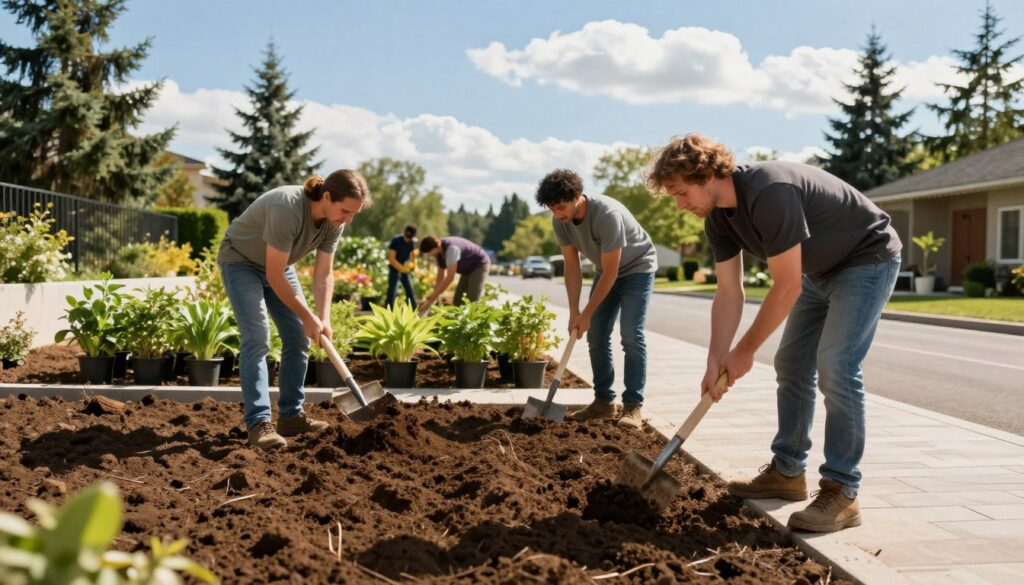
A homeowner may expect planting to include removal of an old hedge, then learn that removal was never included in the agreed scope. A clear project plan states what the landscape contractor handles and what needs a separate scope or estimate.
A typical process moves from an initial consultation and site review to a custom design plan, soil preparation, and installation. The written details should name each task, so you know what the team will do before work begins.
Confirm Removal, Soil Preparation, and Access
Ask who will remove old or unwanted plants, prepare the soil, and add any soil amendments. Confirm whether clearing debris and cleanup are part of the work. If you have a narrow gate, stairs, or limited parking, explain those access limits before the crew arrives.
Soil work can differ from one bed to another. Make sure the scope identifies the areas being prepared and any known obstacles, such as buried features or compacted ground.
Coordinate Plant Layout and Irrigation
Review the layout before planting starts. Confirm plant locations, spacing, and how the design accounts for paths, windows, and existing features. If irrigation is needed, list the line layout and timer settings in the scope.
Ask whether drip lines, irrigation changes, or rock and mulch refreshing are included or priced separately. A well-planned system should fit plant water needs and site conditions. Learn how professional irrigation planning can guide water delivery across a landscape.
Agree on the Installation Sequence
Ask what happens first and how the work will affect access to your home or business. The team may need clear paths for equipment and materials. Confirm who will protect nearby surfaces and remove leftover material when the job ends.
Hidden site conditions can delay installation or require a changed scope after work begins. Agree on how the landscape contractor will explain a new issue, document added work, and get your approval before proceeding.
Once installation is complete, clear care instructions and written support help you manage the new plantings.
What Plant Care and Warranty Support Should You Confirm?
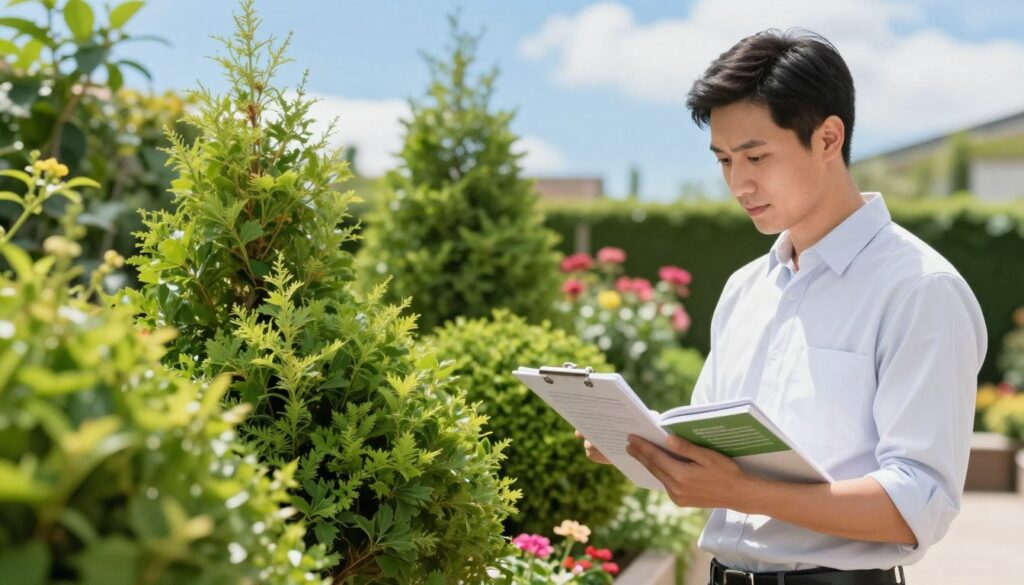
New plantings need clear care instructions and agreed responsibilities after installation. Before work begins, ask what plant care you must provide and what written warranty or workmanship terms apply.
The plant establishment period is the early time after planting when new plants are developing roots and need attentive care. Their needs vary by plant and site conditions, so ask for specific instructions rather than a general schedule.
Request guidance for watering, fertilizing, and pruning each type of plant. Ask who handles ongoing maintenance, including any planned visits, and what support is available if a plant struggles. Clear communication can help you spot a concern early.
Get any warranty terms in writing. Confirm its duration, exclusions, reporting process, and stated remedy. Do not assume that a replacement, set coverage period, or survival guarantee applies unless the written terms say so.
Plant health problems linked to care or site conditions may differ from workmanship concerns. Ask how the provider distinguishes them and what each type of issue means for your project. These questions help set expectations without assuming either issue is covered.
With aftercare responsibilities clear, compare the provider’s written scope and itemized estimate before committing.
How Much Do Plant Installation Services Cost?

Plant installation services cost depends on the plants and the work your property needs, so a tailored, itemized estimate is the useful basis for comparison. The estimate should make it clear what each part of the project covers.
Request the same scope from each provider. When the work differs, a lower total may leave out tasks or materials that another estimate includes.
Identify the Main Estimate Factors
Cost can vary with plant type and quantity, site access, soil preparation, old-plant removal, irrigation, labor, and design scope. For example, a site that needs clearing and new irrigation has different work from a prepared bed with easy access.
Ask the landscape contractor to explain any broad line item and name the work it covers. A useful estimate helps you see where your investment goes and how the proposed solutions meet your project goals.
Compare Written Scopes, Not Just Totals
An itemized estimate makes differences easier to spot. Check whether plant sizes and quantities are listed, and whether materials, preparation, and cleanup appear as separate tasks. Ask how the team will handle work that falls outside the agreed scope.
| Estimate line item | What it may cover | Question to ask |
|---|---|---|
| Plants and materials | Selected plants, delivery, and planting supplies | Are size and quantity listed? |
| Site preparation and removal | Soil work and clearing unwanted plants | What removal or amendments are included? |
| Irrigation | Line layout or timer adjustments | Is irrigation work included or separate? |
| Design and labor | Planning and installation work | Who handles each task? |
Use this checklist to compare estimates with the same project details:
- Plant names and quantities
- Preparation and removal
- Irrigation and materials
- Labor and cleanup
- Payment schedule and change-order terms
Check the Contractor’s Experience and Communication
Searches for plant installation services near me can turn up nearby teams, but distance alone does not show whether they fit your project. Compare service area, local site knowledge, communication, and a clear written scope.
During a consultation, notice whether the expert asks about the property and listens to your vision. Ask who will lead the work, how the team shares updates, and how it records changes. These details can help you judge the working relationship as well as the design.
Request a consultation and a tailored estimate based on your space and goals. Sharing those details gives the team a useful starting point for its plan.
Conclusion
The best choice is the provider who can explain how the design, installation, and care plan fit your property. A site-appropriate plan and a written scope give you a clear basis for decisions about your living spaces.
Share your property, intended use, design preferences, and project goals with Taylormade Landscapes® to discuss design services. Contact Taylormade Landscapes® to request a custom consultation or project estimate for plant color, garden designs, and the spaces you want to enjoy.
FAQ
Can you get trees planted for free?
Does Home Depot provide landscaping services?
What is the 3-5-7 rule in landscaping?
What is the 3 inch edging rule?
What plants should not be planted beside each other?
What are the worst perennials to plant in a backyard?
What three plants grow well together?
What not to put together in a garden?
Ultimately, the right plant installation services can make a significant difference in your landscaping project.
Good communication is key when working with plant installation services to achieve the desired results.
Understanding your space will help plant installation services tailor their recommendations to your needs.
Consult with plant installation services about the potential long-term benefits of your chosen plants.
Professional plant installation services can guide you in making informed choices about your garden design.
Inquire about the types of plants that work well together when meeting with plant installation services.
Plant installation services can also provide insights on seasonal care and plant health management.
Discussing your ongoing maintenance needs with plant installation services is essential for plant longevity.
Understanding the different types of plants can enhance your discussions with plant installation services.
Always communicate your expectations clearly to the plant installation services you select.
When hiring plant installation services, don’t forget to inquire about their experience with similar projects.
Plant installation services can help reduce your workload by taking care of all aspects of planting.
The selection of plants can influence the overall project, which is why consulting with plant installation services is vital.
Trustworthy plant installation services will provide a clear timeline for your project to keep you informed.
Plants should be chosen based on compatibility, which is something that plant installation services can help with.
Get in touch with plant installation services that are known for their customer satisfaction and quality work.
Ensure that the plant installation services you choose offer follow-up support and guidance after installation.
Regular maintenance of the installed plants is often recommended by plant installation services to ensure a thriving garden.
Be clear about your budget when discussing options with plant installation services.
It’s essential to discuss your goals with plant installation services to ensure they align with your vision.
Ask for recommendations for plant installation services from friends and neighbors to improve your chances of finding reliable help.
Not all plant installation services are created equal; do your research before hiring.
Inquire about the warranties offered by plant installation services to protect your investment.
Using local plant installation services can also ensure that your plants are suited for your area’s climate.
Consider asking about the qualifications and training of the team from your selected plant installation services.
Choosing experienced plant installation services can save you time and money in the long run.
Professional plant installation services help ensure that plants are placed according to their specific needs.
Plant installation services can greatly enhance the aesthetics and functionality of your outdoor space.
Research local plant installation services to find those with good reviews and solid references.
Look for plant installation services that provide a detailed plan that outlines all project phases.
Getting detailed estimates from multiple plant installation services can help you find the best fit.
When considering your options, remember that hiring quality plant installation services is crucial for the success of your project.

