Las Vegas, known for its striking desert landscapes and vibrant nightlife, is a unique city that also presents distinct challenges for homeowners looking to cultivate lush, beautiful yards. The extreme arid climate, characterized by scorching summers and scant rainfall, requires a thoughtful approach to gardening that not only conserves water but also enhances the natural beauty of the landscape. Enter drought-tolerant plants—resilient flora adapted to thrive in low-water environments, making them an ideal choice for Las Vegas residents seeking sustainable gardening solutions without compromising on aesthetics.
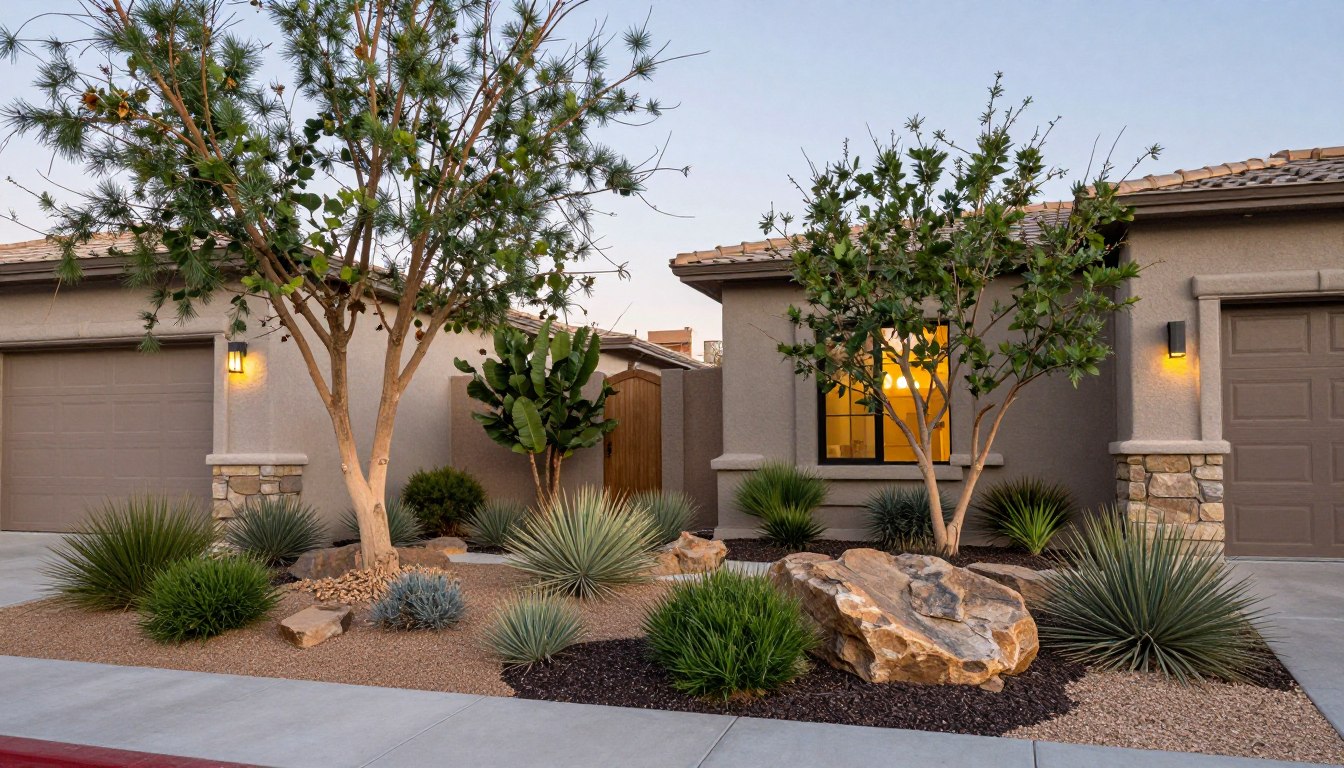
Embracing drought-tolerant plants not only beautifies your yard but also contributes to environmental conservation in a city that grapples with water scarcity. By selecting native and adaptive species, homeowners can create stunning gardens that mimic the natural desert beauty of the region while using local materials to enhance soil quality and landscape design. Incorporating elements such as native rock formations, gravel pathways, and organic mulch not only improves the overall health of the garden but also promotes biodiversity by attracting native pollinators and wildlife.
In this article, we will explore a variety of drought-tolerant plants perfectly suited for Las Vegas yards, focusing on their unique characteristics, benefits, and how they interact harmoniously with the local environment. We will also provide practical tips on sourcing local materials to create an eco-friendly garden that resonates with the city’s desert charm. Whether you are an experienced gardener or a novice looking to create an inviting outdoor space, this guide will equip you with the knowledge and inspiration needed to cultivate a sustainable, drought-resilient yard in the heart of the Mojave Desert.
Native Drought-Tolerant Plants Ideal for Las Vegas
Las Vegas, situated in the arid desert of Nevada, faces unique challenges when it comes to landscaping. The harsh climate, characterized by intense heat, minimal rainfall, and dry soil, makes it crucial for homeowners and landscapers to select plants that can thrive in these conditions. Native drought-tolerant plants are particularly well-suited to the Las Vegas environment; they’ve evolved to withstand the region’s unpredictable weather patterns while requiring minimal water and care.
Utilizing native plants not only supports the local ecosystem by providing habitat and food for native wildlife, but also significantly reduces water consumption and maintenance costs. Some popular choices for drought-tolerant landscaping in Las Vegas include species such as the Nevada Sagebrush, Desert Marigold, and Red Yucca. These plants exhibit a range of colors and textures, contributing to an aesthetically pleasing landscape that requires little to no supplementary irrigation once established. Their deep root systems help them reach groundwater, making them resilient options for arid settings.
Incorporating local materials further enhances the sustainability of landscaping efforts. Using gravel, crushed stone, and locally sourced boulders can help with drainage and prevent erosion while adding visual interest to the yard. Mulching around plants can help retain moisture in the soil and also suppress weeds, which compete for water and nutrients. Creating a landscape design that emphasizes native drought-tolerant plants while integrating hardscapes made from local materials not only beautifies Las Vegas yards but also fosters an environmentally responsible approach to gardening in a desert climate. Homeowners can take pride in creating a low-maintenance, water-efficient landscape that aligns with the natural beauty of their surroundings.
Soil Preparation Techniques for Arid Environments
When it comes to establishing a thriving landscape in the arid climate of Las Vegas, proper soil preparation is critical. The native soil in the region is typically sandy and poorly structured, which means it drains quickly and lacks essential nutrients. One of the foundational techniques to prepare soil for plant growth involves improving its structure and nutrient content. This can be achieved through the addition of organic matter, such as compost or well-rotted manure, which not only enriches the soil but also enhances its capacity to retain moisture—an essential factor in such a dry environment.
Additionally, it’s important to consider the pH of the soil, as arid soils can often be on the alkaline side. Testing the soil’s pH level will inform gardeners if amendments are necessary. If the soil is too alkaline, incorporating elements like sulfur can help lower the pH and create a more hospitable environment for various plant species. The introduction of a mulch layer on the soil surface can also help reduce evaporation, insulate the soil, and suppress weed growth, thus keeping the soil moisture-retentive while minimizing competition for the plants.
For a sustainable landscape that thrives in the Las Vegas heat, using local materials for soil amendments is an excellent strategy. Many plants native to the area, such as desert wildflowers or native grasses, have adapted to the local soil conditions over time. By utilizing more local and native organic materials, gardeners not only reduce their environmental footprint but also cultivate plants that are already suited to the regional climate and soil conditions. By integrating effective soil preparation techniques with a deep understanding of the local environment, homeowners can establish vibrant, drought-tolerant gardens that require less maintenance and water in the long run.
Water Conservation Strategies for Landscaping
Water conservation is a critical aspect of landscaping, especially in arid regions like Las Vegas, where water scarcity can significantly impact both the environment and local communities. Implementing effective water conservation strategies not only helps to manage limited water resources but also promotes sustainability and resilience in landscaping practices.
One of the foundational strategies to consider is the concept of xeriscaping, which involves designing landscapes that require little to no irrigation once established. This approach focuses on selecting drought-tolerant plants that naturally thrive in arid climates. In Las Vegas, utilizing native species like desert marigold, red yucca, and agave can enhance the aesthetic appeal of your yard while minimizing water needs. These plants are adapted to local conditions, enabling them to withstand extreme temperatures and prolonged dry spells with minimal care.
Another vital strategy is the implementation of efficient irrigation systems. Techniques such as drip irrigation and soaker hoses deliver water directly to the root zones of plants, reducing evaporation and runoff. Unlike traditional sprinkler systems, these methods concentrate water application precisely where it’s needed. Moreover, incorporating smart irrigation controllers can optimize watering schedules based on weather conditions, ensuring that plants receive the right amount of moisture without waste.
Furthermore, utilizing mulch around plants can significantly reduce water evaporation from the soil. Organic mulches like wood chips or shredded bark not only enhance soil health as they decompose but also create a thermal barrier that helps keep the soil cooler, further conserving moisture. In addition to mulch, rainwater harvesting systems can be implemented to collect and store rainwater from rooftops, providing an additional water resource for maintaining gardens during dry periods.
In sum, the combination of xeriscaping principles, efficient irrigation techniques, and the use of local materials can lead to a sustainable and water-conscious landscape in Las Vegas. By establishing a yard that thrives on minimal water input while showcasing the natural beauty of the desert environment, homeowners can contribute to water conservation efforts while enjoying a vibrant and resilient outdoor space.
Incorporating Hardscape Features with Local Materials
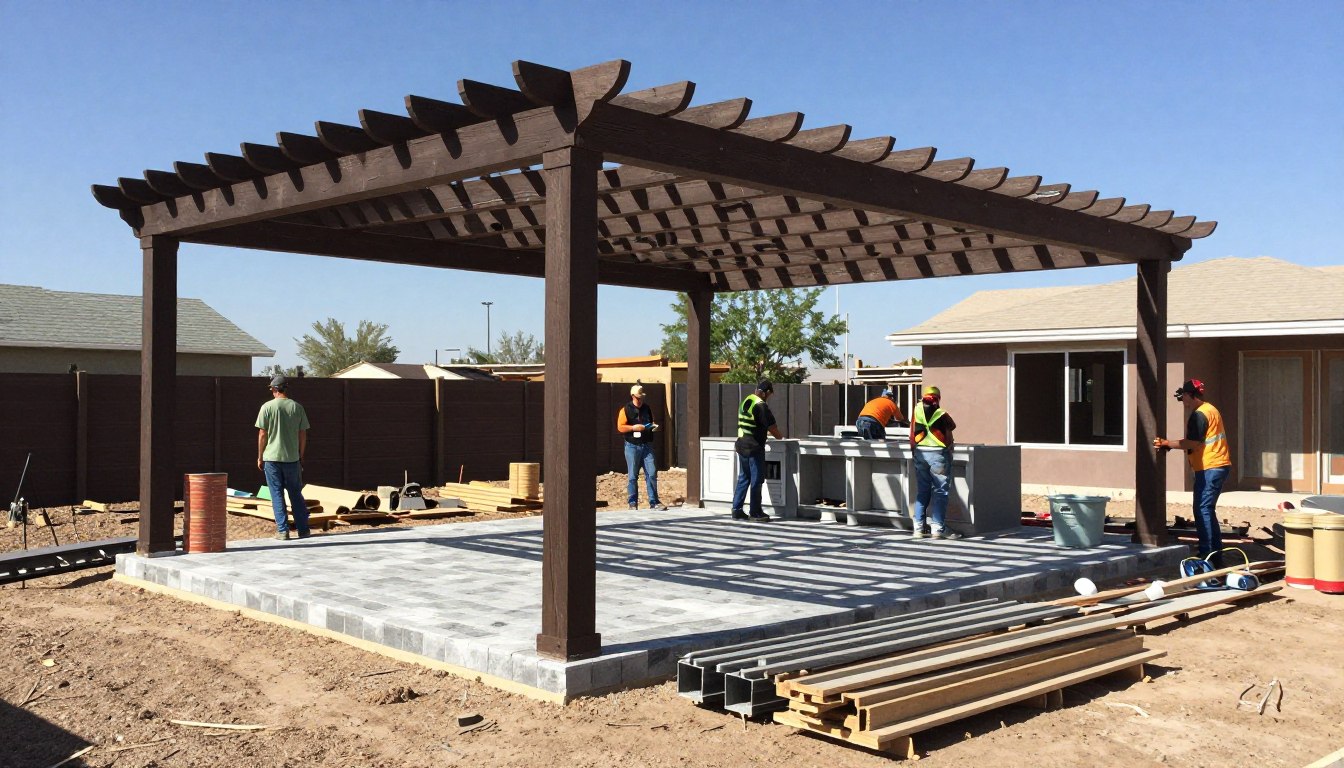
Incorporating hardscape features into your landscaping design not only enhances the aesthetic appeal of your yard but also plays a critical role in improving the functionality and sustainability of the outdoor space, especially in arid climates like Las Vegas. Hardscape refers to the non-plant elements of landscaping, such as pathways, patios, retaining walls, and decorative stones. By utilizing local materials in these hardscape features, you can achieve a cohesive and environmentally friendly design that minimizes the need for resource-intensive treatments and maintenance.
Las Vegas and the surrounding regions offer a variety of locally sourced materials that are not only durable but also blend seamlessly with the natural landscape. For instance, using native stone or gravel for pathways, patios, or rock gardens can create a natural look while reducing the necessity for water. These materials help to retain heat during cooler months and allow for effective drainage, which is particularly important in areas that experience sporadic heavy rains. Integrating elements like decomposed granite or flagstone can lead to hardscapes that are both functional and visually appealing, enabling homeowners to design outdoor spaces that withstand both the heat and the occasional moisture.
Moreover, hardscape features can serve as focal points or functional spaces that enhance daily outdoor activities. A well-placed patio can act as a gathering spot for family and friends, while retaining walls can create tiered gardens that optimize space and sunlight. Incorporating fire pits or outdoor kitchens using local stone materials promotes outdoor living, which is ideal for the warm Las Vegas climate. These aspects not only encourage outdoor enjoyment but also support water conservation efforts, as they replace traditional grass lawns and high-water-use plantings with manageable, hardscape-dominated designs.
Ultimately, focusing on hardscapes made with local materials allows homeowners in Las Vegas to create an environmentally sustainable landscape that is low-maintenance, attractive, and compatible with the natural desert environment. By thoughtfully incorporating these features, property owners can establish beautiful yards that reflect the local ecosystem while also addressing the challenges posed by heat and limited water resources.
Seasonal Maintenance for Drought-Resistant Yards
Maintaining a drought-resistant yard in Las Vegas involves understanding the unique climate and seasonal changes that affect plant life and landscaping. The key to an effective seasonal maintenance strategy lies in observing the needs of your plants throughout the year while optimizing water efficiency. During the cooler months, it is essential to check for any frost damage, as some tender drought-resistant plants may need protection from unexpected freezes. This might include covering sensitive foliage or moving potted plants into more sheltered areas.
In spring, the temperatures begin to rise, and this is a critical time for preparing your yard for the hotter months ahead. Proper watering techniques are vital; even drought-tolerant plants require some moisture as they transition into the growing season. In this context, deep watering is preferable to shallow watering, allowing roots to grow deeper and making plants more resilient to dry spells. Also, applying a layer of mulch around plants not only helps retain soil moisture but also reduces the growth of weeds that can compete for water and nutrients.
As summer peaks, regular maintenance checks become increasingly vital. Observing your plants closely will help you spot any signs of stress, such as wilting or browning leaves, which could indicate that they are not receiving adequate water. During this time, it’s also beneficial to reduce mowing frequency and to adjust the heights at which you mow to promote deeper root growth in grass, if present, and minimize drought stress. Checking and adjusting your irrigation systems (such as drip irrigation) is crucial to ensure that water is being used efficiently.
Finally, as autumn approaches, gardeners should focus on preparing their yards for the cooler months while ensuring that plants have sufficient energy reserves to weather the winter. This could involve cutting back certain types of foliage to allow for better air circulation and prevent disease, which can be exacerbated by stagnant moisture. Using local materials in the maintenance process, such as compost or organic fertilizers, can enrich the soil and support plant health. Seasonal maintenance in a drought-tolerant yard not only helps to keep the landscaping looking vibrant year-round but also contributes to water conservation efforts vital in the Las Vegas area. By aligning maintenance practices with seasonal changes, homeowners can enjoy a lush, attractive landscape while staying true to sustainable landscaping principles.