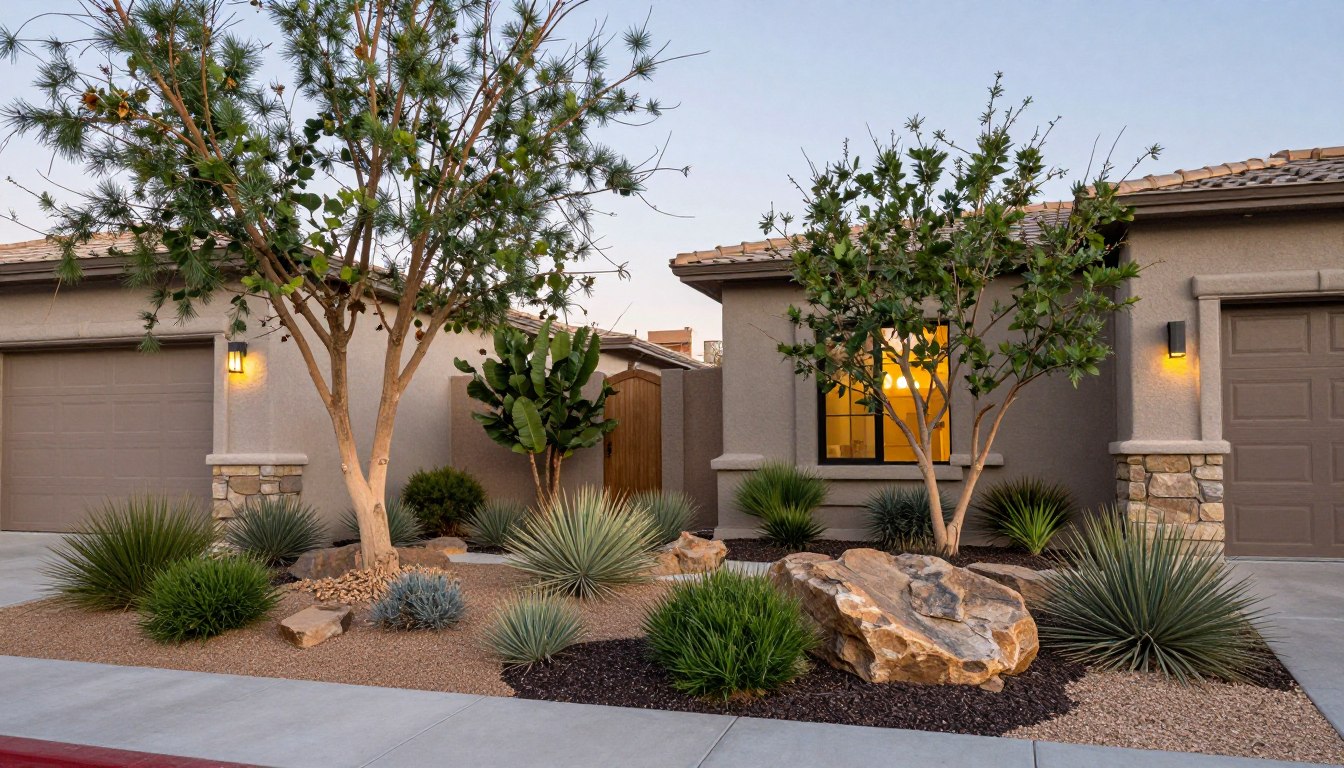
Have you ever wondered how has computerized design improved landscaping? Technology has transformed the way outdoor spaces are planned, visualized, and built. The integration of digital tools in landscaping has revolutionized the industry, making projects more efficient, accurate, and visually appealing. Professional landscaping in North Las Vegas has undergone significant changes since 1993, largely due to advancements in technology.
Before the 1990s, landscape designs relied heavily on hand-drawn sketches. Today, modern digital platforms allow landscape professionals to create detailed 2D and 3D renderings, helping clients visualize the final result before construction begins. This evolution has transformed the landscaping industry, enabling the creation of precise site plans that ensure a seamless transition from concept to reality while reducing errors and improving project outcomes.
By utilizing digital tools, firms can now present homeowners with a clear vision of their property before any physical work begins. This shift not only improves the quality of designs but also enhances client satisfaction. As technology continues to advance, the landscape industry will likely see even more innovative practices emerge.
Key Takeaways
- Digital tools have replaced hand-drawn sketches in landscaping.
- Modern technology enhances the accuracy of site planning.
- Homeowners receive a clear vision of their projects before construction.
- Client satisfaction is prioritized through advanced design methods.
- The landscape industry continues to evolve with new technological advancements.
Understanding Computerized Design in Modern Landscaping
Today’s technology plays a pivotal role in revolutionizing outdoor space planning. Professionals now rely on specialized software to create intricate digital models. Programs like DynaSCAPE and SketchUp Pro allow designers to visualize the future state of landscapes with remarkable accuracy.
The integration of Geographic Information Systems (GIS) enhances the design process significantly. GIS data provides essential insights into soil composition and local climate conditions. This information is vital for ensuring that every design aligns with the environmental context.
Advanced tools, such as LiDAR technology, facilitate precise 3D scanning of existing landscapes. This technology ensures that digital models reflect real-world terrain accurately. Additionally, drone technology captures high-resolution aerial data, further aiding in the creation of accurate landscape design plans.
Overall, these advancements have improved the efficiency of site analysis. Designers can now consider complex environmental factors before any physical work begins. Effective collaboration between software and hardware ensures that the overall precision of the project is maintained from the start.
how has computerized design improved landscaping?

The integration of technology into landscape planning is reshaping our outdoor environments. Modern design platforms have replaced traditional hand-drawn sketches and blueprints, allowing for innovative features in outdoor spaces.
Designers now have access to advanced tools that enable experimentation with complex elements, such as:
- Water features that enhance aesthetics and functionality.
- Intricate hardscaping layouts that complement natural elements.
- Digital plant libraries that provide insights into growth patterns.
By relying on accurate data, designers can make informed decisions. This ensures the long-term health of plants and the structural integrity of projects. The speed of the design process has also seen a boost, allowing multiple creative ideas to be presented to clients in record time.
Advanced visualization technology fosters better collaboration between homeowners and designers. Clients can see how their outdoor spaces will evolve, leading to a more satisfying experience. For more insights on this topic, check out key innovations in computerized design.
Enhanced Visualization and Client Communication

The evolution of visualization technology in landscaping enhances how clients engage with their projects. Realistic 3D models allow clients to visualize their future landscape. This significantly increases satisfaction by ensuring the final result matches their expectations.
Interactive tools enable designers to make real-time changes based on client feedback. This ensures that the project aligns with the homeowner’s vision. By using seasonal overlays, designers can show how plants will look throughout the year. This provides a clear view of long-term growth and aesthetic changes.
Advanced visualization technology improves communication. Virtual walkthroughs help clients understand the scale and features of their new outdoor spaces. This collaborative process ensures that the final project reflects the client’s desires, leading to higher levels of overall project success.
Improved Accuracy and Technical Precision

The precision offered by modern tools transforms the landscape design process. Digital technologies ensure exact measurements and detailed topographical mapping. These elements are essential for the successful execution of complex landscape projects.
Furthermore, the accuracy of infrastructure planning is greatly enhanced. Designers can now precisely map underground utilities, drainage systems, and irrigation lines. This level of detail prevents costly mistakes and ensures a smoother construction phase.
By automating material calculations, professionals can significantly reduce waste. This efficiency leads to better cost estimations for clients throughout the design process. Advanced software also guarantees that every landscape element aligns perfectly with property boundaries.
Such technical precision is crucial for large-scale projects. Even minor changes in elevation or material placement can impact the overall success. By integrating these technologies, designers deliver high-quality landscapes that are both structurally sound and visually appealing.
Boosting Creativity in Landscape Design

The creative possibilities in landscape projects have expanded dramatically with modern technology. Designers can now develop multiple creative concepts in the time it once took to produce a single hand-drawn plan. This rapid iteration allows for exploration of various ideas, making it easier to innovate.
Additionally, the ability to experiment with complex features, such as custom water elements or intricate hardscaping, gives designers more freedom. By utilizing digital plant libraries, they can visualize how different plants will look together. This ensures that the final landscape design is both beautiful and sustainable.
This technology not only saves time but also allows designers to focus more on the creative aspects of their projects. Clients benefit from this increased creativity, as they are presented with a wider range of options tailored to their preferences. Overall, the efficiency gained through computerized methods enhances the creative output of firms, leading to unique landscapes that stand out.
| Benefits of Modern Technology | Impact on Design | Client Experience |
|---|---|---|
| Rapid Iteration | Multiple ideas can be explored quickly | More options for clients |
| Complex Features | Enhanced innovation and creativity | Tailored designs |
| Digital Plant Libraries | Better visualization of plant combinations | Sustainable landscape designs |
| Time Efficiency | Focus on creativity over manual drafting | Faster project turnaround |
Environmental Analysis and Sustainable Practices

Environmental considerations are becoming increasingly vital in the realm of landscape planning. Advanced software now allows professionals to perform essential tasks like sun/shade mapping and water flow analysis. These tools are crucial for creating sustainable outdoor environments that thrive over time.
By utilizing microclimatic modeling, designers can select plants that are well-suited to the specific soil and climate conditions of each property. This targeted approach enhances plant growth and ensures long-term sustainability.
Moreover, these tools help in calculating the energy impact of a landscape. This allows designers to create environmentally responsible spaces. Choosing eco-friendly materials, such as permeable pavers, improves drainage and reduces runoff, which is beneficial for the ecosystem.
Clients appreciate the emphasis on water conservation, as it leads to lower maintenance costs and a more resilient garden. By simulating growth patterns and environmental factors, designers can create landscapes that provide lasting value and beauty.
Streamlined Project Management and Implementation
The modern landscape of project management in landscaping is evolving with the aid of technology. Digital tools play a vital role in enhancing collaboration and efficiency among all parties involved. This transformation ensures that projects run smoothly from start to finish.
Key benefits of these advancements include:
- Digital collaboration tools facilitate easy sharing of plans between designers, contractors, and clients, streamlining the entire project management process.
- On-site mobile access allows teams to view complete plans via tablets, ensuring that installations match the approved designs with high precision.
- Future modification planning is simplified by archiving digital designs, allowing for seamless updates as landscapes mature.
- Progress tracking through digital comparisons helps keep projects on schedule and within budget.
- Using these tools, professionals can manage complex projects more effectively, reducing the time needed for communication and adjustments.
- Clients feel more engaged when they can see real-time progress tracked against the original digital plans.
Overall, the integration of technology throughout the project lifecycle leads to a successful and stress-free experience for homeowners. For more insights on project management in landscaping, visit AI in project management.
Conclusion
Technology’s impact on the landscape industry is profound. It enhances accuracy, creativity, and client satisfaction across all projects. Designers now leverage advanced software to create sustainable outdoor spaces tailored to local climate and soil conditions.
Visualizing projects through 3D models and virtual walkthroughs empowers clients. They can make informed decisions before construction begins. As technology evolves, the integration of AI and AR will further enhance how professionals select plants and manage water resources.
This shift towards digital methods has streamlined the entire process. Homeowners working with professionals using these advanced tools can expect precision and personalized results. Ultimately, the future of landscape creation looks bright and innovative.