

### Transforming Your Backyard: The Power of DIY Landscaping in 2026
As we step further into 2026, the concept of home and outdoor living has evolved dramatically, with gardens and backyards taking center stage as essential extensions of our living space. The devastating impacts of the recent pandemic propelled many individuals to reevaluate their homes, resulting in a surge of interest in landscaping and outdoor aesthetics. DIY landscaping has emerged as an empowering trend, enabling homeowners to take control of their outdoor environments and transform them into personal sanctuaries. With the right tools, creativity, and knowledge, you can cultivate an enchanting backyard that not only reflects your personality but also enhances your quality of life.
In today’s world, the importance of a well-designed outdoor space cannot be overstated. Backyards are no longer just patches of grass; they are envisioned as vibrant ecosystems that foster relaxation, recreation, and community. DIY landscaping offers a sustainable alternative to hiring professionals, allowing homeowners to engage directly with nature while also saving costs. In 2026, social media platforms and online resources have made it easier than ever for enthusiasts of all skill levels to explore innovative ideas, from xeriscaping and vertical gardens to creating cozy outdoor living rooms and wildlife habitats. These creative ventures not only beautify your surroundings but also contribute to environmental well-being, promoting biodiversity and responsible land use.
This article delves into practical DIY landscaping tips that are set to transform your backyard into an inviting haven. From selecting the right plant combinations to implementing eco-friendly practices, we will guide you through the essential steps to curate an outdoor space that meets your functional and aesthetic desires. Whether you’re seeking a tranquil escape, a vibrant entertainment area, or a playful space for children, the DIY landscape design movement of 2026 empowers you to reimagine your backyard, making it an extension of your home and lifestyle. Unleash your creativity, roll up your sleeves, and discover how simple changes can lead to remarkable transformations in your outdoor sanctuary.
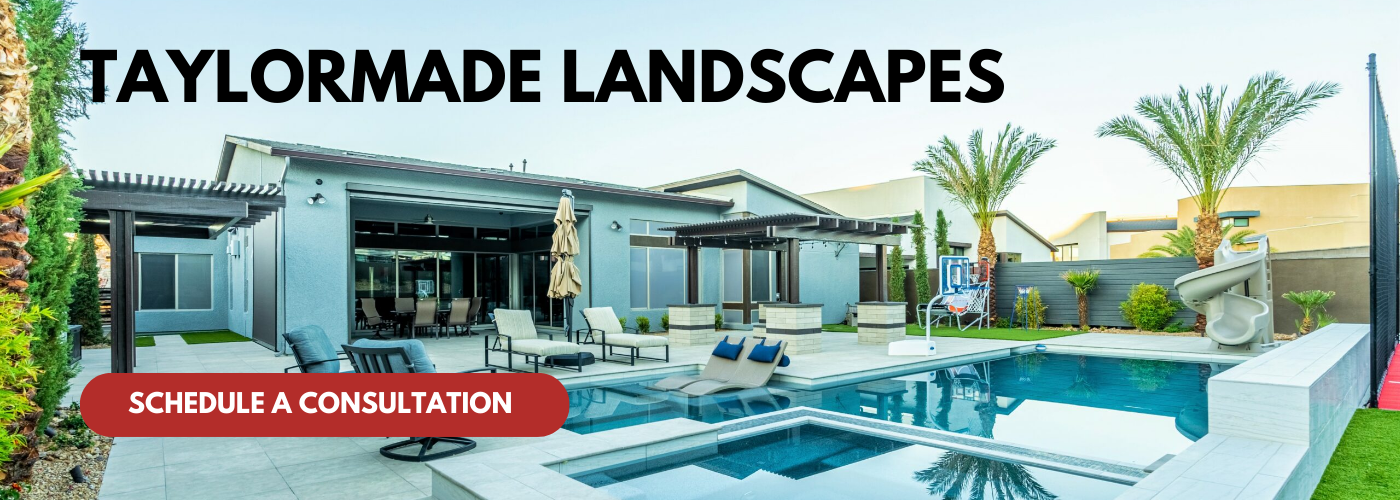
Sustainable Landscaping Practices
In 2026, sustainable landscaping practices will become increasingly essential for transforming backyards into eco-friendly havens. As environmental concerns continue to rise, homeowners are seeking ways to minimize their ecological footprints and enhance their outdoor spaces through sustainable methods. Sustainable landscaping focuses on creating landscapes that are not only beautiful but also harmoniously integrated with the local ecosystem, promoting the health of the environment while providing functional outdoor areas.
One of the key aspects of sustainable landscaping is the use of native plants. Native species are naturally adapted to local climates and soil conditions, making them more resilient and less resource-intensive than non-native varieties. By selecting native plants for their gardens, homeowners can reduce the need for chemical fertilizers and pesticides, as these plants generally require less maintenance. This practice not only conserves water through drought-resistant species but also supports local wildlife, creating a balanced ecosystem that attracts pollinators like bees and butterflies.
Another crucial component of sustainable landscaping is the implementation of efficient water management practices. Techniques such as rain gardens, permeable paving, and xeriscaping can help homeowners manage stormwater runoff, reduce erosion, and minimize water usage. In 2026, the integration of these practices will be more accessible to DIY enthusiasts, as instructional resources, kits, and community workshops will be widely available. This democratization of knowledge will empower homeowners to take charge of their landscapes, transforming them into productive and environmentally-friendly spaces.
Additionally, composting and organic gardening will become essential elements of sustainable landscaping. Homeowners can turn kitchen scraps and yard waste into valuable compost, enriching their soil without relying on synthetic fertilizers. This practice encourages a cycle of sustainability, where waste is minimized, and the health of the garden is prioritized. By adopting these sustainable practices, homeowners will not only enhance the aesthetic appeal of their backyards but also contribute positively to the environment, setting a precedent for future generations to follow.
In summary, the importance of sustainable landscaping practices will be highlighted in 2026, as homeowners understand the impact of their choices on the environment. By embracing native plants, efficient water management, and organic gardening, DIY enthusiasts can create beautiful, functional outdoor spaces that reflect a commitment to environmental stewardship. This shift towards sustainability will not only transform individual backyards but also contribute to a larger movement toward greener living in communities around the world.
Innovative Plant Selection for 2026
In 2026, innovative plant selection is set to revolutionize the way homeowners approach landscaping. The focus will shift toward incorporating native and drought-resistant plants that not only require less maintenance but also support local ecosystems. This shift is driven by the growing awareness of climate change and the necessity to protect biodiversity. Homeowners will increasingly seek out plants that are not only aesthetically pleasing but also resilient and adaptable to their local environment. With advances in horticulture and hybridization, new plant varieties will emerge that offer unique colors, textures, and growth habits, allowing for more creative and personalized landscapes.
Furthermore, the integration of vertical gardening using innovative plant varieties will create stunning visual impacts, especially in urban areas where space is a premium. Vertical gardens can utilize a mix of flowering plants, herbs, and edible varieties that offer both beauty and utility. Innovative plant selection will allow for year-round gardening, with carefully chosen plants that thrive in different seasons, creating a dynamic and ever-changing outdoor space. This approach will encourage more sustainable practices, like composting and organic gardening, as homeowners become more engaged in knowing the origins of their plants and how to care for them in eco-friendly ways.
Additionally, as technology continues to improve, the accessibility of plant information through apps and online platforms will empower DIY landscapers with knowledge about the best plants suited for their specific conditions, such as soil type and sunlight exposure. This ease of access encourages experimentation with various plant pairings and encourages creativity in design. As a result, homeowners in 2026 will be able to curate unique garden spaces that reflect their personal style while also fostering a greater connection with the environment.
DIY landscaping, when combined with innovative plant selection, can greatly transform backyards into inviting outdoor retreats. Not only does it allow for customization, but it also promotes a healthier ecosystem in the community. By selecting the right plants and implementing smart landscaping techniques, people can create a backyard that is both beautiful and functional, striking a perfect balance between aesthetics and environmental responsibility. As we move forward, the focus on innovative plant selection promises to inspire a new wave of creativity and sustainability in gardening, paving the way for greener, more vibrant communities.
Smart Garden Technology and Automation
In recent years, smart garden technology and automation have emerged as revolutionary elements in the realm of landscaping, significantly enhancing the way homeowners interact with their outdoor spaces. This technology encompasses a wide range of tools and systems designed to streamline gardening tasks, promote sustainable practices, and foster an efficient flow of maintenance activities. In 2026, the integration of smart technology in landscaping is set to transform backyards by providing tailored solutions that cater to individual environments and user needs.
One of the key components of smart garden technology is the use of IoT (Internet of Things) devices that monitor and control garden environments in real-time. These systems can include smart irrigation controllers that adjust watering schedules based on weather patterns and soil moisture levels, thus conserving water while ensuring that plants receive the appropriate amount of hydration. For example, sensors placed throughout the yard can communicate data to a central hub, allowing homeowners to manage their landscaping remotely via smartphone apps. This level of automation not only simplifies garden care but also supports more sustainable landscaping practices by minimizing waste and optimizing resource usage.
Moreover, the anticipated advancements in smart garden technology in 2026 promise increased accessibility and affordability for the average homeowner. DIY landscaping enthusiasts can take advantage of cost-effective smart solutions that are easy to install and operate. For instance, low-maintenance, automated lighting systems can create ambiance or deter pests, while smart plant care devices can provide gardening insights and alerts for plant health. These innovations enable individuals to take pride in their backyard without investing extensive time or resources.
Additionally, the shift toward smart technology encourages environmentally friendly practices in landscaping. By implementing automated systems that promote efficient resource use, homeowners can reduce their carbon footprints and contribute to a more sustainable future. This evolution in gardening solutions not only breathes new life into outdoor spaces but also fosters a greater appreciation for nature and biodiversity. As we embrace smart garden technology and automation in our backyards, we can expect a significant transformation in how we design, maintain, and experience our outdoor living areas in 2026 and beyond.
Designing Functional Outdoor Spaces
In 2026, as homeowners increasingly prioritize both aesthetics and practicality in their backyards, the concept of designing functional outdoor spaces has become paramount. This approach goes beyond mere decoration; it involves creating areas that serve specific purposes while enhancing the overall utility of the property. By integrating various elements—such as outdoor kitchens, seating areas, play zones for children, and peaceful gardens for relaxation—homeowners can fully utilize their outdoor spaces, making them an extension of their indoor living areas.
Functional outdoor design focuses on optimizing space to suit the needs of the family. For instance, a small yard can be transformed into a multi-functional area with vertical gardens, portable furniture, and smart storage solutions. By incorporating different levels, such as raised beds or sunken seating areas, one can create visual interest while maximizing usability regardless of the yard size. In an age where families strive for more time outdoors, these thoughtfully designed spaces allow for gatherings, entertaining guests, and enjoying family time al fresco.
Classically, outdoor spaces have been utilized merely for their aesthetic appeal. However, the shift toward functionality is also influenced by trends in sustainability and self-sufficiency. Homeowners are now looking for ways to incorporate vegetable gardens and pollinator-friendly plants as part of their outdoor functional spaces. This not only supports local ecosystems but can also provide a source of fresh produce right from the backyard. Incorporating features such as compost bins or rainwater barrels can contribute to efficient water management and waste reduction, promoting an eco-friendly lifestyle.
In 2026, DIY landscaping tips are essential for anyone looking to transform their backyard into a functional oasis. Simple projects, such as creating a fire pit area with seating, installing a pergola for shade, or building a trellis for climbing plants, can enhance the usability of the garden space. Homeowners are encouraged to think creatively, blending practicality with personal style to develop an environment that reflects their lifestyle needs while being enjoyable and visually appealing. With the right planning and a bit of elbow grease, transforming a backyard into a well-designed, functional outdoor space is not only realistic but also immensely rewarding.
Cost-Effective DIY Landscaping Ideas
Cost-effective DIY landscaping ideas can radically transform a backyard, turning it from an uninspiring space into a vibrant oasis without breaking the bank. The trend towards DIY landscaping has surged as homeowners seek to personalize their outdoor spaces while also managing costs effectively. With a bit of creativity, resourcefulness, and a willingness to get hands-on, anyone can create a beautiful landscape that enhances their property’s appeal and functionality.
One of the most significant benefits of DIY landscaping is the opportunity to repurpose materials. Items that might otherwise be discarded can serve as the foundation for unique garden features. For example, old bricks can be used to create charming paths or edging, while unwanted wooden pallets can be transformed into vertical gardens or rustic furniture. Upcycling not only saves money but also adds a unique character to the landscape, showcasing a personal touch that pre-made solutions lack. Additionally, sourcing local plants and flowers can cut costs while ensuring that selections are well-suited to the local climate, enhancing the likelihood of growth and sustainability.
Moreover, incorporating simple design principles can create a cohesive and aesthetically appealing backyard. Strategies such as layering plants according to height and bloomtime, defining spaces using borders or hedges, and creating focal points like a fire pit or a water feature can bring sophistication to DIY projects. In 2026, with an increasing focus on eco-friendly practices, homeowners will find that utilizing native plants not only reduces maintenance costs but also supports local wildlife and promotes biodiversity. This approach not only enhances the backyard’s beauty but also resonates with larger environmental values, making the DIY project both cost-effective and socially responsible.
In summary, DIY landscaping is not merely a trend but a savvy approach to creating a desirable outdoor space. As homeowners embrace creativity and sustainability, cost-effective methods transform backyards into personalized retreats. With 2026 on the horizon, the integration of environmentally friendly plants and efficient designs will allow more individuals to enjoy the beauty of their outdoor spaces while making thoughtful choices for the planet.

