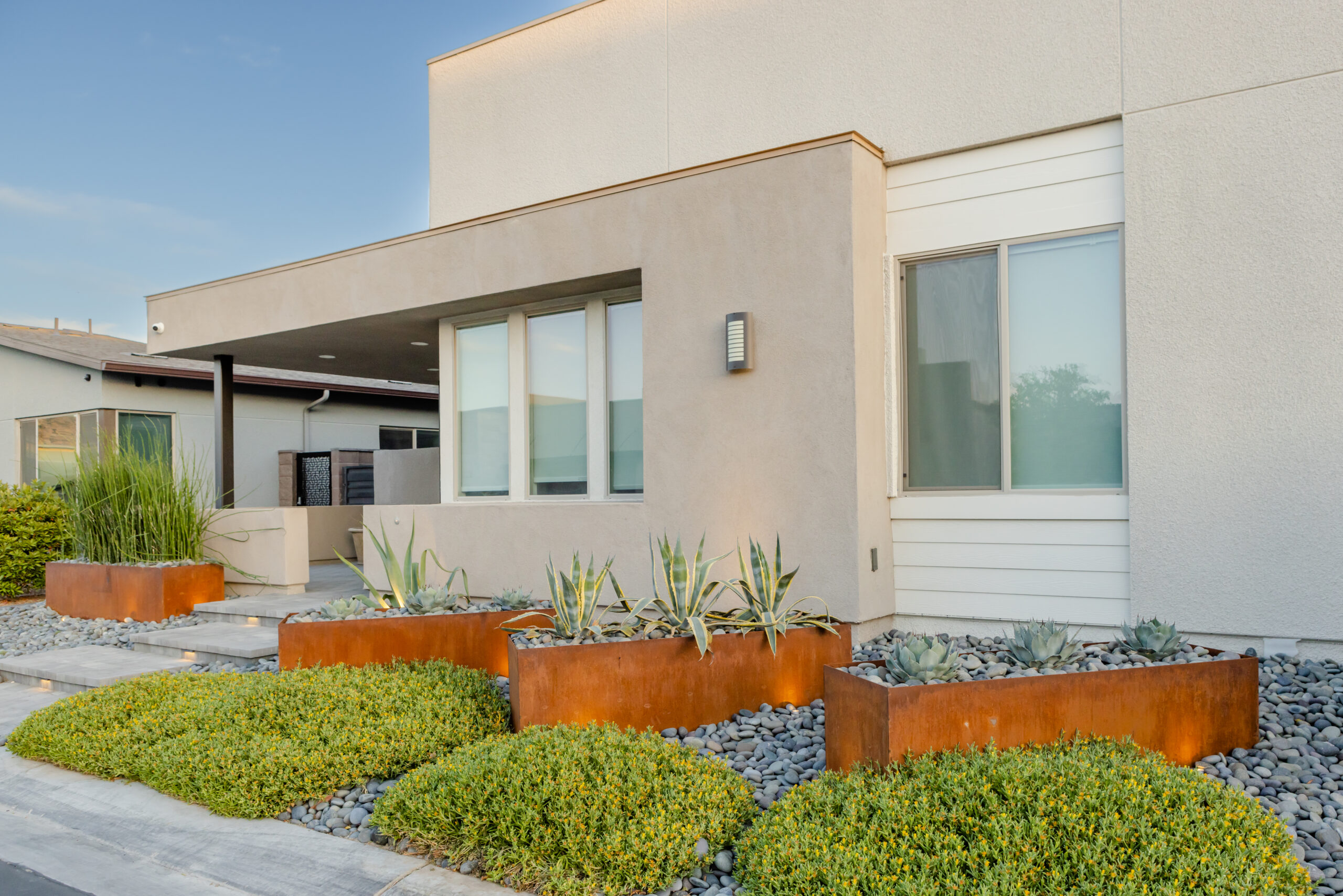
As we step into 2025, the world of garden design continues to evolve, offering innovative ways to harmonize nature with personal expression. Among the most intriguing trends is the integration of custom garden borders into various yard layouts. These borders not only serve as a functional element that defines pathways and bed lines, but they also add a unique aesthetic touch that can elevate an entire landscape. Whether you have a sprawling estate or a cozy urban plot, incorporating custom garden borders can transform your outdoor space into a personal oasis that reflects your individual style and enhances the beauty of your environment.
In this article, we will explore the multifaceted approaches to integrating custom garden borders into your yard layout. From understanding your space’s unique characteristics to selecting materials, colors, and designs, we will provide a comprehensive guide that caters to both seasoned gardeners and novices alike. The design possibilities are endless, as these borders can range from classic stone walls to modern raised beds, and even repurposed materials that offer sustainability without sacrificing style. By outlining practical steps and creative ideas, we aim to inspire you to delineate your garden space while nurturing an ecosystem that thrives in harmony with your vision.
Moreover, as the popularity of sustainability grows, so does the importance of integrating eco-friendly materials and practices into our garden designs. In this evolving landscape of gardening, we will also delve into how to choose sustainable options for your borders and seamlessly incorporate them into existing or new gardens. With soil health, biodiversity, and water conservation in mind, we will highlight innovative techniques and design principles that not only beautify your yard but also promote a healthier environment for generations to come. Join us as we embark on this journey of creativity and sustainability, unveiling the art of integrating custom garden borders into any yard layout in 2025.
Selecting the Right Materials for Custom Borders
When it comes to enhancing the aesthetic appeal of a garden, custom borders play a pivotal role. Choosing the right materials for these borders is essential in both functionality and design. In 2025, the variety of materials available for custom garden borders has expanded significantly, allowing homeowners to reflect their personal style and match the borders to their existing yard layout. Whether you prefer the rustic charm of wood, the durability of stone, or the sleek look of metal, the choice of material should align with not only your design vision but also the environmental conditions of your garden.
Durability and maintenance are critical factors in material selection. For instance, composite materials, which mimic the appearance of wood without the inherent maintenance issues, are becoming increasingly popular due to their resistance to rot and pests. Natural stones like slate and granite offer longevity and a timeless appeal, but their installation can require additional labor and expertise. Alternatively, recycled materials are an excellent choice for eco-conscious gardeners, providing a sustainable way to craft unique borders while minimizing environmental impact.
Once the appropriate materials have been chosen, integrating custom borders into any yard layout can transform a chaotic garden into an organized haven. The key to successful integration is ensuring that the borders complement the other elements of the landscape. This can be achieved by considering color palettes, textural contrasts, and the scale of both the borders and the surrounding plants. For instance, bold, large stone borders can create a dramatic focal point, while softer, more delicate materials may help to visually expand smaller spaces.
Implementing these borders involves more than simply placing them around the garden; it requires careful planning for both aesthetic balance and functionality. When strategically installed, borders can define spaces, guide guests through the landscape, and enhance the overall flow of the garden. In 2025, utilizing design software and digital tools can aid homeowners in visualizing how different border materials and placements will look in their actual yard, allowing for easier decision-making and creativity in design.
Ultimately, selecting the right materials for custom borders is a foundation upon which the garden’s overall appeal is built. Through thoughtful integration, these borders can not only delineate spaces but also enrich the entire gardening experience, making any yard a more exciting and personal canvas.
Design Techniques for Harmonizing Borders with Plants
Integrating custom garden borders into any yard layout requires thoughtful design techniques that harmonize borders with existing plant life. In 2025, as landscaping continues to prioritize aesthetics and ecological balance, utilizing design strategies that complement both the borders and the surrounding flora can lead to a visually appealing and cohesive outdoor space.
One effective technique is to use color theory to inform border choices. By selecting borders that either contrast or complement the existing plants, garden designers can create a striking visual experience. For instance, a garden filled with lush green foliage may benefit from borders in vibrant colors or softer pastel tones to enhance the plant’s beauty. Another approach involves selecting materials that either mimic the textures of nearby plants or offer a pleasant contrast—smooth stone borders beside rough-leaved plants can create a dynamic textural interplay that draws the eye.
Virtual design tools are also becoming increasingly popular in 2025, allowing homeowners and landscape professionals to visualize how different border styles would integrate with their plants before making a final decision. Using 3D modeling, designers can experiment with various shapes, sizes, and colors of borders, adjusting their designs in real-time to see how they harmonize with the surrounding landscape. This technology not only saves time and resources but also provides insights into how various elements work together to create an inviting atmosphere.
Moreover, utilizing native plants in combination with custom garden borders can enhance both the aesthetic appeal and the ecological functionality of a yard. By carefully selecting borders that feature natural colors and materials found in the local environment, homeowners can create a seamless integration that respects the surrounding ecosystem. This approach not just beautifies the yard but also supports local wildlife, promoting a healthier environment long-term.
Incorporating different heights and layers into border designs can further enhance their relationship with plants. For example, low borders may be paired with taller plants to create depth and dimension, guiding the viewer’s eye through the landscape. Conversely, taller borders can frame shorter plants or pathways, creating secluded garden spaces that offer visual interest and intimacy. By considering the growth patterns and seasonal changes of plants, designers can plan borders that evolve with the garden, ensuring a harmonious and dynamic landscape throughout the year.
Overall, the integration of custom garden borders into any yard layout in 2025 will continue to focus on balance, harmony, and sustainability, ensuring that each element of the garden works in concert with the others to create an inviting and beautiful outdoor experience.
Landscape Styles and Border Integration Strategies
Integrating custom garden borders into various landscape styles requires a thoughtful approach that considers both aesthetics and functionality. In 2025, as landscaping trends continue to evolve, the integration of borders into yard layouts is increasingly viewed through the lens of sustainability and creativity. Different landscape styles—such as modern, Cottage, Zen, or Mediterranean—each offer unique opportunities and challenges for border integration, making it essential to tailor your approach according to the style of the landscape.
For instance, in a modern landscape style characterized by clean lines and minimalistic designs, the borders can be sleek and geometric. Using materials like polished stone or metal can enhance a contemporary theme while providing a clear definition to garden beds or pathways. This can be achieved through raised beds or linear edging that delineates space without overwhelming the overall design. In contrast, a Cottage garden invites the use of more organic and textured materials, such as reclaimed wood or natural stones, which can enhance the charming, eclectic feel typical of such gardens. Here, the borders can be undulating and irregular, creating a seamless transition between plantings and walkways.
To successfully integrate borders regardless of the landscape style, it’s crucial to consider the scale and proportion of elements. For larger gardens, substantial borders made from brick or larger stones can act as an anchor point, while smaller plots benefit from finer edges that harmonize rather than compete with plantings. Additionally, using color and texture that match or complement the plants and surroundings can create a cohesive look. For example, colorful ceramic tiles can brighten up a Mediterranean style garden, offering both durability and visual interest.
In recent years, the trends have shifted towards more personalized and environmentally sustainable landscapes, calling for flexible strategies in border integration. Homeowners are encouraged to incorporate native plants into their borders, blending aesthetics with ecological benefits. This approach not only promotes biodiversity but also reduces maintenance needs, as native plants are well adapted to local conditions. Emphasizing a more naturalistic approach can help borders appear as a vital part of the landscape, rather than as an afterthought.
In summary, the integration of custom garden borders into any yard layout in 2025 is all about style, material choice, and ecological mindfulness. By understanding the principles of the prevalent landscape styles and sustainably sourcing materials, homeowners can create inviting, functional, and aesthetically pleasing garden spaces that enhance their outdoor environments.
Eco-Friendly and Sustainable Border Options
In recent years, the demand for eco-friendly and sustainable landscape solutions has gained significant traction as gardeners and homeowners become more aware of their environmental impact. When it comes to creating custom garden borders, there are several innovative and sustainable options to consider. These options not only enhance the aesthetics of your yard but also contribute positively to the local ecosystem.
One popular approach is to utilize reclaimed or recycled materials. For instance, using repurposed bricks, stones, or wood can create unique and visually appealing borders that tell a story. These materials often require less processing and energy to produce, making them a sustainable choice for landscape design. Incorporating natural stone or locally sourced materials further minimizes the carbon footprint associated with transporting materials. For a modern touch, consider utilizing concrete alternatives—such as bamboo or other agrifiber products—that are biodegradable and have a lower environmental impact than traditional concrete.
Another sustainable option is integrating living plant borders, such as low-maintenance ground covers, shrubs, or perennial flowers. These living borders can help reduce soil erosion, provide habitats for beneficial insects, and support biodiversity in your garden. When selecting plants, focus on native species that are adapted to your local climate and soil conditions. Not only do these plants require less water and maintenance, but they also thrive in their natural environment, fostering a robust and resilient ecosystem.
To integrate these eco-friendly border options into your yard layout in 2025, it’s essential to consider the overall design and functionality of your garden. Start by assessing the zoning and flow of your outdoor space, then strategically place your borders to enhance the natural contours of your garden. For instance, living borders can be employed along pathways to guide foot traffic while providing a vibrant display of color and texture. Reclaimed materials can be easily incorporated to create raised beds or define garden sections, establishing clear visual boundaries without artificial products.
Additionally, comply with current environmental regulations and best practices to ensure your garden remains sustainable. Stay informed about new developments in eco-friendly landscaping techniques and materials as these innovations emerge, allowing you to regularly update your designs to be more responsible for the environment. By thoughtfully integrating these eco-friendly and sustainable border options, you can create a beautiful, functional, and environmentally conscious garden space that is sure to thrive for years to come.
Maintenance Tips for Long-Lasting Garden Borders
Maintaining custom garden borders is essential for ensuring their longevity and visual appeal. One of the key tips for upkeep is to regularly inspect the borders for any signs of wear or damage. This includes checking for cracked stones, rotting wood, or shifts in materials that may affect the overall structure of the border. Regularly removing debris such as leaves, grass clippings, or weeds that accumulate around the border can prevent plant overgrowth and potential shelter for pests, which can detract from the border’s aesthetic. A clean border helps to maintain an intentional separation between the garden beds and the surrounding lawn or paths.
Watering is another crucial aspect of maintenance, particularly for living borders composed of plants. Ensuring that these plants receive adequate water will promote healthy growth and prevent them from becoming overrun by weeds. This is particularly important during periods of drought when the surrounding plants may be stressed. Mulching around the base of border plants not only retains moisture but also helps suppress weed growth, making ongoing maintenance easier. Additionally, depending on the type of plant materials used, pruning may be necessary to prevent encroachment into pathways or other garden areas.
In 2025, integrating custom garden borders into any yard layout can be accomplished with forward-thinking design and maintenance strategies. Homeowners and landscape designers are increasingly utilizing technology to map out yard layouts, allowing for 3D visualizations before implementing physical changes. This innovative approach enables one to visualize how border materials and plants will interact with existing features of the yard, ensuring greater harmony. Choosing low-maintenance materials not only enhances the efficiency of upkeep but also caters to today’s busy lifestyles. Incorporating smart irrigation systems can further streamline watering practices, creating efficient care routines that support sustainable gardening.
Lastly, incorporating seasonal changes into the maintenance routine can enhance the appeal and functionality of custom borders. Transitioning with the seasons means periodically refreshing annuals or adjusting perennials according to their growth cycles. This practice can keep the border dynamic, contributing to the overall beauty of the garden while ensuring the integrity of the border structure is maintained. In 2025, this adaptable and tech-savvy approach to border integration represents a forward-thinking method of creating engaging and lasting gardens that respond to the environment and preferences without compromising aesthetics or functionality.