As we step into 2025, the art of landscaping has evolved into a more personalized and creative venture, with homeowners increasingly seeking to transform their outdoor spaces into reflections of their tastes, lifestyles, and environmental consciousness. Contrary to the past, where traditional landscaping often dictated rigid designs and generic plant choices, today’s DIY landscaping encourages creativity and individual expression. The integration of DIY techniques not only allows for customized yard layouts but also promotes sustainability and cost-effectiveness, making it an appealing option for many.
This guide aims to explore practical and innovative DIY landscaping tips that can be seamlessly integrated into any yard layout, regardless of size or style. Whether you have a sprawling estate, a cozy urban garden, or a minimalistic balcony, these tips will help you reimagine your outdoor space, focusing on functional design, aesthetic appeal, and ecological balance. By tapping into the principles of landscaping—from understanding your soil type to selecting the right plants and materials—you can create a cohesive and harmonious environment that enhances your property’s value while providing a sanctuary that reflects your unique vision.
Incorporating these DIY landscaping strategies not only empowers homeowners to take charge of their outdoor aesthetics but also fosters a deeper connection with nature. As we navigate the challenges of climate change and urbanization, engaging in DIY projects that embrace sustainable practices, such as xeriscaping, native planting, and resource recycling, is more crucial than ever. Join us as we delve into practical insights and creative ideas to elevate your yard into a welcoming oasis tailored to your desires, while ensuring that it harmonizes beautifully with the surrounding ecosystem. Whether you’re a seasoned gardener or a novice just starting out, this article will equip you with the knowledge and inspiration needed to embark on your DIY landscaping journey in 2025 and beyond.
Assessing Your Yard’s Unique Features and Potential
Assessing your yard’s unique features and potential is a crucial first step in creating a thriving and aesthetically pleasing landscape. Every yard possesses distinctive characteristics, such as topography, existing flora, sunlight patterns, and drainage capabilities, which can greatly influence landscaping decisions. In 2025, understanding these elements will not only involve traditional observation methods but also the integration of technology, such as drones or landscape design software, to visualize and plan efficiently. This assessment allows homeowners to make informed choices that enhance the natural beauty and functionality of their outdoor spaces.
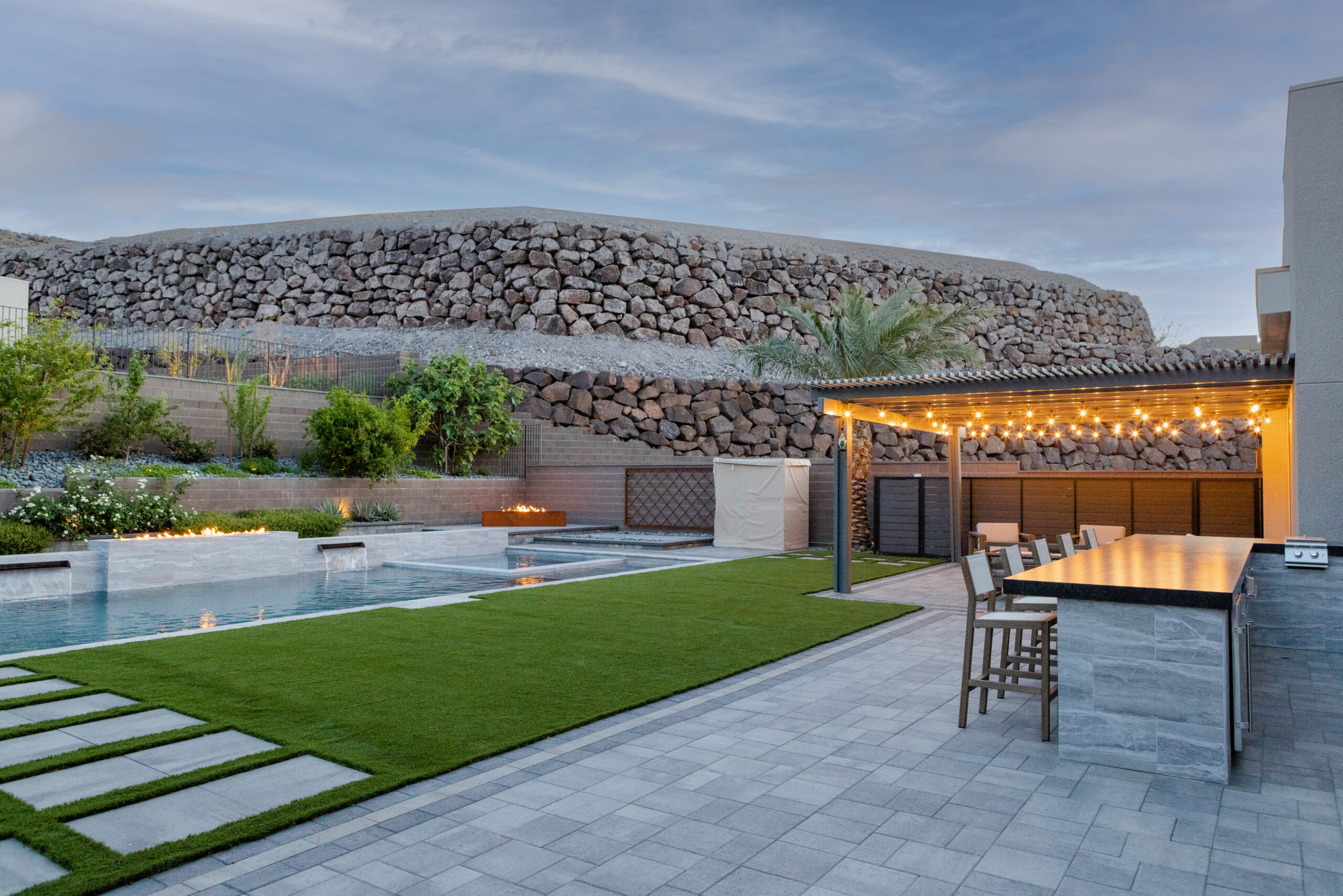
Recognizing the unique aspects of your yard can lead to a personalized approach to landscaping. For instance, you might identify a sunny spot that is perfect for a vegetable garden or a shaded area that can accommodate shade-loving plants. The natural elements present in your yard should inspire your design. If you have a slope, consider implementing terracing to create usable space that also controls erosion. Water features may be integrated if you have the right drainage, while existing trees can be leveraged to enhance the layout. In 2025, as homeowners become more environmentally conscious, integrating the natural contours of the land into the design will promote sustainability and biodiversity.
To effectively integrate DIY landscaping tips into any yard layout, it is essential to start from a comprehensive assessment. First, map out your yard, noting measurements and locations of existing plants, structures, and utilities. Then, create challenges and opportunities based on this information. For example, if a particular area struggles with water retention, consider incorporating a rain garden or a bioswale that embraces native plant life while improving drainage. Utilizing modular elements like raised garden beds or patio pavers can offer flexibility, allowing for modifications as you expand your landscaping ideas. By taking the time to fully understand your yard’s potential, you set the stage for a tailored landscape that reflects both beauty and practicality, paving the way for ongoing creativity in outdoor design.
Sustainable Materials and Eco-friendly Practices
In today’s landscaping projects, the emphasis on sustainability and eco-friendly practices has become paramount. As we move into 2025, homeowners are increasingly looking for ways to reduce their environmental footprint while creating beautiful outdoor spaces. Integrating sustainable materials into landscaping not only benefits the environment but also enhances the aesthetic and functional appeal of any yard.
Sustainable materials can include reclaimed wood, recycled pavers, and permeable surfaces that allow rainwater to seep through, reducing runoff and promoting groundwater recharge. Using native plants in landscaping is another eco-friendly practice that can significantly contribute to the sustainability of a yard. Native plants are adapted to local climates and require less water and maintenance than non-native species, making them an ideal choice for the environmentally conscious homeowner. As we look forward to 2025, the trend toward incorporating more native plants and sustainable materials into landscaping designs ensures that yards are not only beautiful but also environmentally responsible.
In addition to utilizing sustainable materials, adopting eco-friendly practices such as rainwater harvesting and composting can greatly enhance the health of the yard. By installing rain barrels to collect runoff from roofs, homeowners can use this water to irrigate gardens and lawns, thus conserving water. Composting organic waste provides nutrient-rich soil amendments that help reduce the need for chemical fertilizers, which can be harmful to the environment. With the rise of technology, smart irrigation systems that adjust watering schedules based on weather forecasts can be easily integrated, further minimizing water waste.
As DIY landscaping becomes more popular, homeowners can look to online resources, community workshops, or local extension services for guidance on how to incorporate these sustainable materials and practices into their designs. Whether planning a small garden bed or a more extensive landscape overhaul, the principles of sustainability can be flexibly adapted to fit any yard layout. By focusing on eco-friendly practices and materials, gardeners can create a lasting impact on their outdoor spaces while contributing positively to the environment. In 2025, embracing sustainability in landscaping is not only a trend but a necessity for future generations.
Innovative Plant Selection for Year-Round Appeal
When it comes to creating a vibrant and inviting outdoor space, innovative plant selection is paramount. Choosing the right plants can significantly enhance the aesthetic appeal of your landscape while ensuring that there is visual interest throughout the year. In 2025, this approach will likely focus on a diverse mix of perennial and flowering plants, along with evergreens that can provide structure and color in all seasons. Incorporating native plants will also be beneficial, as they are well-adapted to the local climate and require far less maintenance than non-native species.
To seamlessly integrate these plants into any yard layout, careful consideration of location and microclimate is key. Grouping plants based on sun and shade preferences, moisture needs, and growth habits can create a harmonious design. Additionally, layering plants by height can add depth and dimension to the landscape. In 2025, technology may also play a significant role in plant selection; using augmented reality apps, homeowners can visualize how different plants will look in their garden before making a commitment.
Furthermore, an emphasis on year-round appeal means selecting plants that bloom at different times and exhibit various foliage colors throughout the seasons. For example, early spring bloomers such as crocuses and daffodils can be combined with mid-summer favorites like coneflowers, while an array of autumn-hued ornamental grasses can keep the garden attractive as the leaves fall. Evergreens like junipers or hollies can provide backbone structure even in winter months, ensuring that the landscape remains lively regardless of the season.
To elevate the overall impact of plant selection, consider integrating companion planting principles, which not only enhance aesthetics but can also improve plant health by naturally repelling pests and attracting beneficial insects. In 2025, gardeners may also turn to technology, such as soil health monitoring systems, to diagnose issues and ensure that plants thrive within their selected environments. Ultimately, through thoughtful and innovative plant selection, homeowners can create a diverse landscape that changes beautifully throughout the year while remaining low maintenance and sustainable.
DIY Hardscaping Techniques for Functional Spaces
DIY hardscaping involves the strategic incorporation of non-plant elements into your landscape design, enhancing both functionality and aesthetics. Hardscaping elements include pathways, patios, retaining walls, and other structures made from materials such as stone, brick, concrete, or timber. These features allow for creative expression while providing practical benefits, such as improved drainage, navigable spaces, and structured gatherings. In 2025, the integration of these techniques into any yard layout can transform ordinary outdoor areas into inviting environments tailored to personal lifestyles and preferences.
To implement DIY hardscaping effectively, one must first consider the unique features of their yard, including any slopes, existing structures, and usage patterns. Creating a functional space means understanding how different areas will be used—whether for entertaining, recreation, or quiet reflection. For instance, if your yard tends to get muddy during rainy seasons, installing a gravel pathway can provide a sturdy foundation that prevents erosion and maintains accessibility. By choosing materials that complement the home’s architecture and existing landscaping, homeowners can create cohesive designs that enhance overall curb appeal.
In 2025, trends in DIY hardscaping will likely reflect a continued emphasis on sustainability and environmental impact. Homeowners are increasingly opting for permeable materials that allow water to infiltrate the ground rather than run off. This is not merely an aesthetic decision; such installations can alleviate water management issues and contribute to a healthier ecosystem. Additionally, incorporating decorative elements such as fire pits, seating walls, and garden trellises into hardscaping can create multifunctional areas that serve both practical and social purposes. As DIY landscaping becomes more accessible through technology, tools and workshops will empower homeowners to tackle these projects with confidence.
Ultimately, the key to successful DIY hardscaping lies in planning and execution. Using detailed sketches, measuring accurately, and selecting appropriate materials based on climate and local regulations can all help ensure a project’s success. Emphasizing personalization and practicality will allow DIY enthusiasts to express their style while creating spaces that meet their needs. With the right techniques and a thoughtful approach, hardscaping can significantly elevate any yard layout, providing long-lasting beauty and utility in 2025 and beyond.
Design Trends and Technology Integration in Landscaping
In 2025, landscaping design trends will increasingly highlight the meld of aesthetics and technology, transforming outdoor spaces into dynamic environments tailored to modern lifestyles. As homeowners seek to create functional, beautiful yards, they’ll incorporate smart technologies that enhance the overall landscape experience. For instance, incorporating automated irrigation systems can optimize water usage while maintaining lush greenery, reflecting an eco-conscious ethos. Similarly, integrating outdoor lighting systems that are controllable via smartphone apps will not only elevate ambiance but also enhance safety and security around homes.
Moreover, design trends are shifting towards multi-purpose spaces that cater to diverse activities, from relaxation to gardening and entertainment. Outdoor kitchens and fire pits are expected to be a staple, facilitating year-round use of backyard spaces. Layouts will promote easy flow between interior and exterior, blurring boundaries and encouraging social interaction. Use of modular furniture that can be easily rearranged will further support this trend, allowing homeowners to adapt their environments to suit various gatherings or personal preferences.
DIY landscaping tips will play a crucial role in implementing these trends effectively. By starting with a clear design blueprint, homeowners can carve out zones within their yards that serve specific purposes. This can involve creating dedicated areas for dining, recreational activities, and serene retreats, each reflecting individual needs and tastes. By using smart technology strategically, such as sensors for monitoring plant health or weather-adaptive systems for lawn care, landscaped areas can thrive with minimal maintenance, ensuring that they remain inviting throughout the year.
To integrate these design trends and technologies into any yard layout, individuals can begin by conducting a thorough assessment of their existing space. This involves understanding the yard’s sun and shade patterns, soil types, and unique features. Armed with this knowledge, DIY enthusiasts can select appropriate plants that complement their vision of a sustainable and harmonious landscape. They can also experiment with innovative hardscaping techniques to define different areas effectively, incorporating features like paths, retaining walls, and seating zones. By marrying contemporary design with practical technology, anyone can create a personalized, stylish outdoor space that resonates with the prevailing landscaping ethos of 2025 and beyond.