

As we inch closer to 2025, the concept of urban landscaping continues to evolve, reshaping our understanding of outdoor spaces and their role in our lives. Urban landscaping is not just a trend; it represents a fundamental shift towards creating sustainable, aesthetically pleasing, and functional environments that enhance our well-being. In a world where urban areas are experiencing significant population growth and environmental challenges, the desire for personal green spaces is more urgent than ever. Transforming your backyard into an urban oasis can provide a much-needed respite from the hustle and bustle of city life, while also contributing positively to the local ecosystem.
In 2025, innovative landscaping techniques and sustainable practices are expected to dominate the backyard landscape. From vertical gardens that maximize limited space to native plant selections that support local biodiversity, these strategies not only beautify your surroundings but also promote environmental stewardship. Advances in technology, such as smart irrigation systems and eco-friendly materials, will further enable homeowners to create vibrant green spaces that require less water and maintenance, aligning with sustainability goals. As a result, urban landscaping is set to empower individuals to take an active role in combatting climate change while enjoying the benefits of nature in their own backyards.
Moreover, the social dynamics of urban living invite a rethinking of how backyards are designed and utilized. As more people embrace the idea of community spaces, backyards can serve as venues for gatherings, food production, and collaborative projects that encourage interaction among neighbors. By integrating multifunctional landscapes that blend aesthetics with purpose, homeowners can cultivate a sense of community and belonging, turning their backyards into both personal sanctuaries and communal hubs. In this article, we will explore the myriad ways urban landscaping can transform your backyard in 2025, highlighting innovative designs, sustainable practices, and the profound impact on both individual lives and urban communities.
Sustainable landscaping practices
Sustainable landscaping practices represent a revolutionary approach to designing outdoor spaces that are not only aesthetically pleasing but also environmentally responsible. As we look forward to 2025, these practices are poised to redefine how we interact with our backyards, emphasizing ecological harmony and resource conservation. At its core, sustainable landscaping encourages the use of native flora, which is well-adapted to local environments, requiring less water and maintenance than exotic species. By focusing on plants that thrive naturally in the area, homeowners can create resilient gardens that flourish with minimal input, ultimately saving time, money, and reducing environmental impact.
Implementing sustainable landscaping also involves adopting practices such as composting, rainwater harvesting, and organic gardening techniques. These methods promote soil health and fertility while minimizing waste. For example, composting kitchen and garden scraps returns nutrients to the soil, while rainwater harvesting systems can capture and store rainfall for irrigation, ensuring that gardens remain lush without drawing heavily on municipal water supplies. The integration of these practices helps foster a robust ecosystem, encouraging beneficial insects, birds, and other wildlife, which enhances the biodiversity of the backyard environment.
In addition to environmental benefits, sustainable landscaping can have profound positive effects on mental and physical well-being. Nature has a recognized impact on health, contributing to reduced stress levels and improved mood. A well-planned sustainable landscape can provide tranquil spaces for relaxation and recreation, such as shaded seating areas, thriving vegetable gardens, or flower beds that attract pollinators. Moreover, as communities increasingly embrace sustainability in their urban planning, having a backyard that reflects these values can elevate property desirability and community engagement.
As society moves towards a more sustainable future, homeowners are encouraged to consider these practices when transforming their backyards. By prioritizing sustainability in landscaping choices, individuals can contribute to a larger global effort to mitigate climate change and preserve natural resources while enjoying beautiful, functional backyards that enrich their lives. In 2025, the expectation is not just to have a garden, but to have a garden that thrives in harmony with nature, reflecting a commitment to both personal well-being and the health of the planet.
Smart technology integration
Smart technology integration in urban landscaping is poised to revolutionize how we approach our backyards by 2025. As innovations in technology continue to advance, homeowners are increasingly looking for ways to enhance their outdoor spaces while also improving environmental sustainability. This integration can take many forms, from automated irrigation systems and smart lighting to landscape design apps that allow for real-time adjustments and monitoring.
One of the most significant impacts of smart technology in urban landscaping is the efficiency it brings to managing natural resources. For example, smart irrigation systems use sensors to monitor soil moisture levels, weather conditions, and plant types, allowing for precise watering schedules that conserve water while ensuring plants receive the care they need. This not only saves on water bills but also contributes to a more sustainable environment. By reducing water waste, homeowners can play a pivotal role in addressing broader ecological concerns such as water scarcity and urban heat islands.
Moreover, the integration of smart technology also enhances the overall functionality of backyards, prompting homeowners to rethink how they use their outdoor spaces. Smart lighting systems can create dynamic environments for gatherings or relaxation, adapting to the time of day or mood through customizable settings. Additionally, weather sensors can alert homeowners to approaching storms, enabling them to take preventive measures to protect plants and outdoor structures, which showcases the practical benefits that technology can offer.
As we look towards 2025, the trend of smart technology integration in urban landscaping is likely to gain momentum. Homeowners will increasingly seek features that promote not just aesthetic appeal but also practicality and environmental stewardship. By leveraging these advancements, urban landscaping can create spaces that are not only visually stunning but also resilient and responsive to the needs of both the homeowner and the environment. This transformation will contribute to healthier urban ecosystems, ultimately leading to greener, more sustainable living environments.
Native plant selection and biodiversity
In recent years, native plant selection has become an increasingly important component of urban landscaping, particularly in the context of enhancing biodiversity. Native plants, which are species that naturally occur in a particular region, are better adapted to local climates and soils, requiring less water and maintenance compared to non-native species. By selecting native plants for landscaping, homeowners can create a more sustainable environment that fosters local wildlife, including pollinators, birds, and beneficial insects. This focus on biodiversity not only supports the ecosystem but also adds natural beauty and variety to the landscape, attracting diverse flora and fauna that enrich the backyard experience.
As we look towards 2025, the integration of native plant selection in urban landscaping is poised to revolutionize backyards across cities. Homeowners are becoming increasingly aware of the importance of sustainability and environmental conservation. By prioritizing native plants, they can reduce their ecological footprint, enhance the resilience of their outdoor spaces, and contribute to a larger movement toward greener urban environments. Native plants can help mitigate stormwater runoff, as they are better at absorbing rainfall and preventing soil erosion; this is particularly crucial in urban settings where impervious surfaces dominate.
Furthermore, the trend toward native plant selection is often coupled with a growing awareness of the significance of biodiversity in combatting climate change. As urban areas expand, habitats are frequently disrupted, leading to a decline in local species. By creating backyard ecosystems with native plants, homeowners are playing a role in restoring these habitats, which can have broad implications for the surrounding environment. This not only aids in preserving local flora and fauna but also promotes ecological education and engagement with the community.
In essence, the future of urban landscaping is one where native plant selection is at the forefront, fostering biodiversity and creating vibrant outdoor spaces. As urban dwellers increasingly seek ways to connect with nature amidst the concrete jungle, the backyard becomes a sanctuary filled with life and color, aligning with the principles of sustainable living and environmental stewardship. This transformative shift not only enhances individual properties but also contributes to the overall health and vitality of urban ecosystems in 2025 and beyond.
Outdoor living spaces and functionality
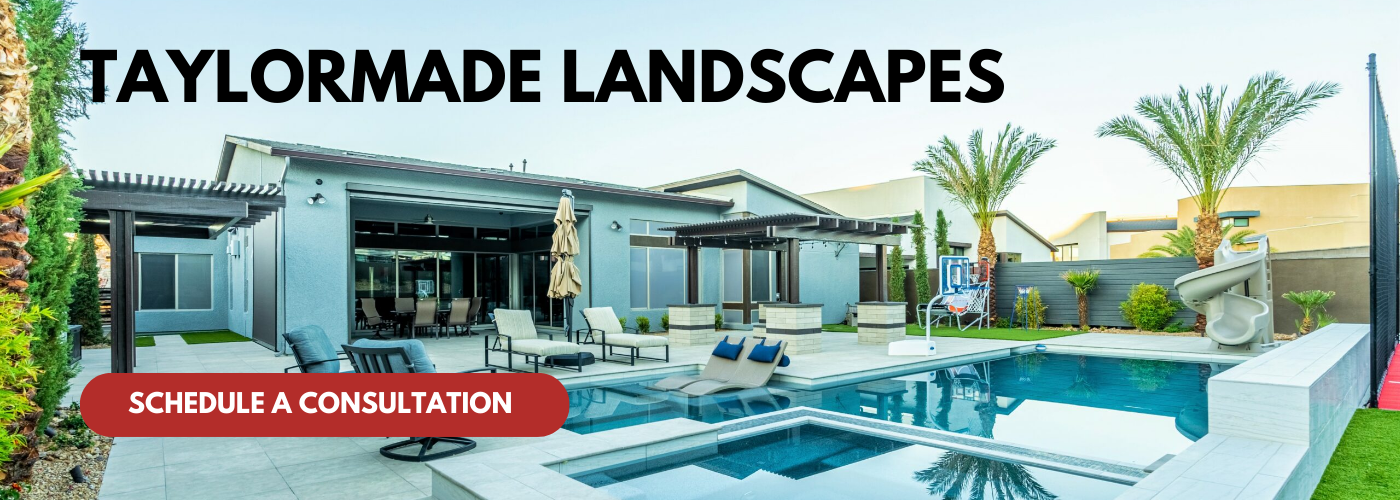
In recent years, the concept of outdoor living spaces has gained significant traction, and by 2025, this trend is poised to evolve even further. Outdoor living spaces encompass a range of features designed to enhance the usability and aesthetic appeal of backyards. These can include patios, decks, outdoor kitchens, fire pits, and comfortable seating areas—all aimed at creating an inviting and functional environment for relaxation and socializing. The integration of these elements not only expands the living area of a home but also encourages a deeper connection with nature and the outdoors.
The outdoor living space plays a crucial role in redefining functionality within a yard. As urban areas continue to densify, people are looking for ways to maximize the utility of smaller plots of land. Transforming a backyard into an outdoor living area allows homeowners to take full advantage of their property. For instance, an outdoor kitchen equipped with modern appliances can facilitate entertaining guests while providing a unique cooking experience. Similarly, incorporating comfortable seating and shelter options, such as pergolas or gazebos, can create a cozy retreat for both daytime relaxation and evening gatherings.
In 2025, the outdoor living concept will likely incorporate sustainable practices with an emphasis on eco-friendliness and minimal maintenance. Homeowners will increasingly opt for materials that are not only durable but also environmentally responsible. Green technologies, such as solar lighting and rainwater harvesting systems, will become common features in these spaces, promoting energy efficiency and reducing environmental impact. Furthermore, integrating landscaping elements like native plants and green walls can enhance biodiversity while providing a serene backdrop that attracts pollinators and birds.
As part of creating these multifunctional outdoor spaces, there is a rising awareness about the importance of aesthetic appeal along with practicality. The design focus will increasingly shift towards personalization — reflecting individual tastes and lifestyles. Homeowners will seek to cultivate engaging outdoor spaces that are not just functional but also visually appealing, effectively blurring the lines between indoor and outdoor living. Landscapes will be strategically arranged to foster relaxation, recreation, and connection to nature, ultimately transforming backyards into vital extensions of the home.
Climate resilience and adaptation strategies
Climate resilience and adaptation strategies in urban landscaping are becoming increasingly essential as cities face the challenges posed by climate change. In 2025, urban landscapes will likely need to incorporate innovative methods that can withstand the shifting climate patterns, extreme weather events, and rising temperatures. This transformation is not just about preparing for the future; it’s also about enhancing the immediate environment of backyards, making them not only more sustainable but also more enjoyable for homeowners.
One of the key components of climate resilience in urban landscaping is the strategic selection of plants that are well-suited to local conditions. This involves choosing species that can thrive in a changing climate, such as those that are drought-resistant or can tolerate heavy rainfall. By incorporating native plants into backyard designs, homeowners can create a biodiverse ecosystem that not only supports local wildlife but also minimizes the need for water and chemical inputs. In 2025, this native plant selection is expected to gain even more focus, not only for its environmental benefits but also for its aesthetic value.
Moreover, urban landscaping in 2025 will likely emphasize the importance of green infrastructure elements such as rain gardens, permeable paving, and living walls. These elements can help manage stormwater runoff more efficiently, reduce urban heat islands, and improve air quality. For instance, a backyard featuring a rain garden can capture excess rainwater, allowing it to seep gradually into the ground, thus preventing flooding and reducing pressure on stormwater systems. Such adaptations not only help individual homeowners mitigate climate impacts in their outdoor spaces but also contribute to the resilience of the broader urban environment.
Finally, fostering community involvement and awareness about climate issues will be crucial in urban landscaping in 2025. Neighborhood initiatives focused on climate resilience can empower residents to take ownership of their outdoor spaces, resulting in collective benefits. Shared community gardens, educational workshops on sustainable practices, and collaborative landscaping projects can help build a sense of connection and responsibility toward the environment. As urban areas continue to grapple with climate challenges, promoting a culture of adaptability in backyards will be integral to creating a landscape that is not just beautiful but also robust and enduring.

