
As the sun shines brightly over the vibrant landscape of Las Vegas, property owners are presented with both a unique challenge and an exceptional opportunity when it comes to designing their outdoor spaces. The city’s arid climate, characterized by scorching summers and limited rainfall, demands landscaping solutions that not only enhance aesthetic appeal but also promote sustainability and cost-efficiency. For owners of vacation homes, where creating inviting outdoor environments for guests is paramount, incorporating artificial turf into landscaping plans has emerged as an innovative and practical choice.
Artificial turf, often regarded as a game-changer in the realm of landscaping, provides a lush, green aesthetic that mirrors natural grass while offering a plethora of advantages. This low-maintenance alternative is particularly appealing in a city like Las Vegas, where the demands of upkeep can detract from the enjoyment of a home away from home. By utilizing artificial turf, property owners can enjoy vibrant, inviting outdoor spaces year-round, unhindered by issues of watering, mowing, or pest control that come with traditional grass. Moreover, in an era where environmental considerations and water conservation are at the forefront of community initiatives, the use of synthetic grass aligns perfectly with sustainable landscapes, significantly reducing water usage and the carbon footprint associated with landscaping maintenance.
Incorporating artificial turf into the landscaping of vacation homes in Las Vegas not only enhances the visual appeal of the property but also provides an opportunity for innovative outdoor living spaces that cater to leisure and entertainment. Whether it’s creating serene lounging areas, dynamic play zones for children, or stylish retreats for adults, artificial turf offers versatility that traditional landscaping may struggle to match. This article will explore the myriad benefits of artificial turf, delve into design ideas that can transform vacation homes, and provide practical insights on installation and maintenance, ultimately guiding homeowners toward a sustainable, aesthetically pleasing outdoor environment that embodies the spirit of Las Vegas living. As we navigate through the intricacies of incorporating this modern landscaping solution, it becomes clear that the future of vacation home landscapes in Las Vegas is not only green but also tremendously inviting.
Environmental Impact of Artificial Turf in Arid Climates
The environmental impact of artificial turf in arid climates, such as those found in Las Vegas, is a subject of considerable importance and debate. As urban areas expand and water scarcity becomes an increasing concern, many homeowners are seeking sustainable landscaping options. By opting for artificial turf, vacation homeowners can significantly reduce their water consumption, which is critical in regions that frequently experience drought conditions. Traditional grass lawns require substantial amounts of water, especially in desert environments where evaporation rates are high. In contrast, artificial turf does not require irrigation, thus preserving precious water resources.
Another notable advantage of artificial turf is its contribution to reducing carbon emissions linked to lawn maintenance. Conventional lawns often require gas-powered mowers and other equipment that emit greenhouse gases. The use of artificial turf eliminates the need for these maintenance practices, thereby lowering the overall carbon footprint associated with maintaining green spaces. Additionally, artificial turf is typically made from recycled materials, offering a second life to plastics and reducing landfill waste. This element aligns with the broader goal of creating sustainable energy solutions and minimizing the environmental burden many vacation homes impose on their surroundings.
However, it’s essential to consider some potential drawbacks of artificial turf in terms of temperature regulation and heat absorption. In arid regions, artificial turf can absorb and radiate heat, possibly leading to higher ambient temperatures around the home. This phenomenon can necessitate increased efforts to cool surrounding areas, potentially counteracting some environmental benefits. Installing eco-friendly underlayments or shades can help mitigate this thermal effect, making artificial turf a more balanced choice.
In summary, while the benefits of artificial turf in arid climates like Las Vegas are prominent, especially concerning water conservation and reduced maintenance emissions, it’s crucial for homeowners to weigh these advantages against potential environmental challenges. Careful selection and installation practices can ensure that artificial turf serves as a sustainable alternative, promoting eco-friendly landscaping solutions in desert regions.
Cost-Benefit Analysis of Artificial Turf Installation
The cost-benefit analysis of installing artificial turf in vacation homes, particularly in arid climates like Las Vegas, reveals multiple advantages that can make it an attractive option for many homeowners. Initial costs of installation can be significant. For instance, depending on the quality and brand of the turf, installation can range from $5 to $20 per square foot. However, these upfront investment costs can be countered by the long-term savings. Artificial turf eliminates the need for regular watering, which is particularly beneficial in regions where water conservation is a priority, like Nevada. With the ongoing drought conditions and increasing water prices, homeowners can save substantially on their water bills.
In addition to savings on water, artificial turf reduces the need for regular lawn maintenance, such as mowing, fertilization, and pest control. This can translate into further financial benefits, especially for vacation homeowners who may not have the time or resources to regularly maintain a traditional lawn. The reduced maintenance needs also mean that homeowners can enjoy their landscapes without the stress of keeping up with upkeep. With less time spent maintaining the lawn, homeowners can focus on enjoying their vacation homes, making it a more appealing investment.
Furthermore, the lifespan of quality artificial turf is often upwards of 15 to 20 years, which makes it a cost-effective choice over time. While the initial installation may be a deterrent for some, the longevity and minimal upkeep costs can provide substantial financial returns when compared to the ongoing expenses of natural grass. Additionally, artificial turf adds value to vacation properties in Las Vegas. Homebuyers are increasingly looking for low-maintenance options that are environmentally friendly and aesthetically pleasing. The use of artificial turf can make a property stand out in the competitive vacation rental market, potentially leading to higher rental income and occupancy rates.
In conclusion, while the initial costs of installing artificial turf in vacation homes can be high, the long-term financial and practical savings, combined with aesthetic advantages, present a favorable cost-benefit scenario. For homeowners in Las Vegas, where water scarcity and maintenance costs are paramount concerns, artificial turf not only promotes a sustainable landscaping solution but also enhances the overall appeal and value of their investment properties.
Maintenance and Care for Artificial Turf in Vacation Homes
Maintaining artificial turf in vacation homes, particularly in a climate like Las Vegas, offers a host of advantages but also requires some specific care strategies to ensure longevity and aesthetic appeal. Unlike natural grass, artificial turf eliminates the need for mowing, watering, and heavy seasonal maintenance, making it an attractive choice for property owners who may not be at their vacation homes year-round. However, some degree of upkeep is still necessary to preserve the quality and appearance of the turf, especially given the rigorous conditions of the desert environment.
One of the primary aspects of maintenance is regular cleaning. Dust and debris can accumulate on the surface of artificial turf, particularly during the windy Las Vegas summers, which might require periodic brushing or rinsing. A leaf blower can be useful for clearing off leaves and small debris, while hosing down the turf can help remove dust and any potential residues. Additionally, pet owners should be especially vigilant about removing pet waste promptly, as it can lead to odors or staining if not dealt with quickly. While synthetic materials resist some stains, a quick rinse with mild soap can help mitigate any lingering mess.
Temperature fluctuations in Las Vegas can also play a role in the care of artificial turf. In extreme heat, the surface can become quite hot, potentially making it uncomfortable for both human feet and pets. Ensuring adequate shading with landscaping elements such as umbrellas, pergolas, or shade trees can help to reduce heat buildup. Moreover, periodic inspections for signs of wear and tear, including checking for seams or tears and ensuring that the infill material is evenly distributed, are critical steps in maintaining the integrity of the turf. This diligence helps ensure that the turf continues to look appealing and serves its purpose effectively, even when the property is not in regular use.
In summary, while artificial turf requires significantly less maintenance than natural grass, vacation homeowners in Las Vegas should adopt a proactive approach to keep it in the best condition. Regular cleaning, temperature management, and visual inspections go a long way in preserving the aesthetic and functional qualities of synthetic grass. By investing a bit of time and effort into these maintenance practices, owners can enjoy a lush, green landscape that enhances the appeal and usability of their vacation homes, providing a serene retreat in the heart of the desert.
Aesthetic Design Considerations for Artificial Turf Landscapes
When incorporating artificial turf into the landscaping of vacation homes, particularly in a visually dynamic environment like Las Vegas, aesthetic design becomes a paramount consideration. Vacation homes are often seen as personal retreats, which means the landscaping should evoke feelings of relaxation and pleasure. Artificial turf offers a versatile option for creating visually appealing outdoor spaces that stand out in the vibrant climate of the desert.
One of the most significant advantages of artificial turf is its ability to maintain a lush and vibrant appearance all year round, regardless of the extreme heat or drought conditions typical in Las Vegas. This consistency allows homeowners and landscape designers to express creativity and create a stunning visual narrative that aligns with the luxurious and leisure-oriented lifestyle that vacation homes often represent. For instance, artificial turf can be seamlessly integrated with various landscaping elements, such as native desert plants, water features, and decorative hardscapes, to create a cohesive look that enhances the overall appeal of the property.
In designing with artificial turf, it’s also crucial to consider different textures and shades. Modern artificial turf products come in a variety of colors and textures, which means homeowners have the flexibility to choose options that best match their personal style and blend with the surrounding environment. For example, selecting turf that mimics the look of natural grass can provide a refreshing contrast when paired with colorful flowers or natural stone pathways. With thoughtful planning, artificial turf can enhance not just the visual aesthetics of outdoor spaces but also provide functional areas for relaxation and entertainment.
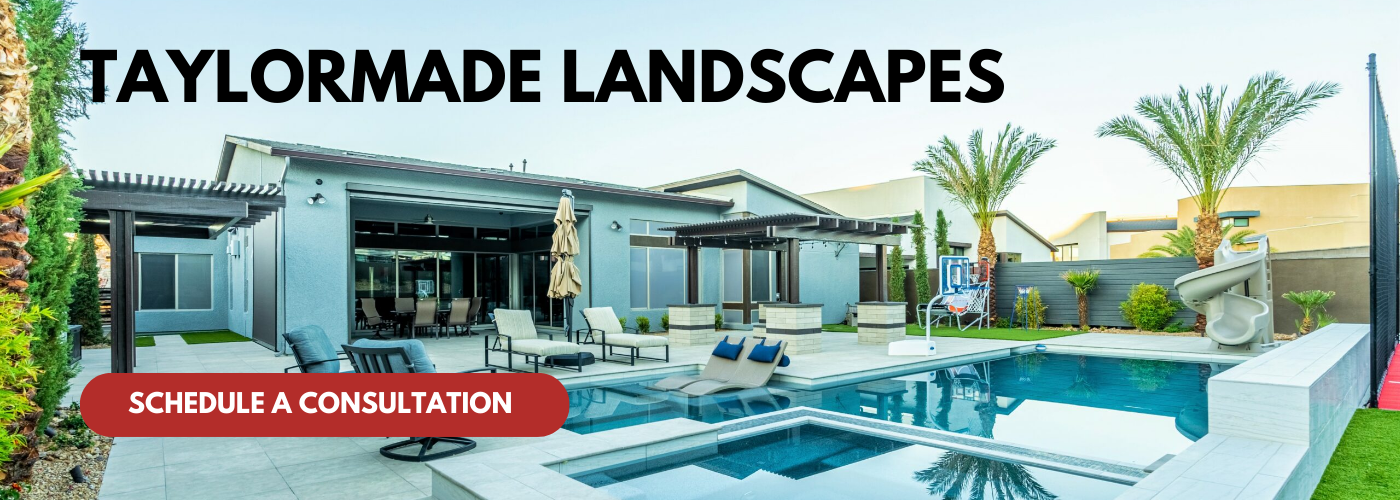
Furthermore, the aesthetic possibilities of artificial turf extend beyond just lawns. Designers can also incorporate it into patios, poolside areas, and play zones. This multifunctional aspect of artificial turf contributes to a holistic outdoor experience that can accommodate gatherings, recreational activities, or peaceful solitude. Overall, when carefully considered and skillfully integrated, artificial turf can transform outdoor spaces in Las Vegas vacation homes into beautiful, sustainable, and low-maintenance landscapes that cater to the needs and desires of homeowners and their guests alike.
Local Regulations and Guidelines for Artificial Turf Use in Las Vegas
Incorporating artificial turf into landscaping for vacation homes in Las Vegas is not just a matter of aesthetics and functionality; it must also adhere to local regulations and guidelines. Las Vegas, located in a desert climate, encourages the use of water-efficient landscaping solutions to mitigate the impacts of drought and conserve precious water resources. As a result, the local government has established specific rules to manage the use of artificial turf to ensure it is used appropriately and sustainably.
Before installation, homeowners should familiarize themselves with the guidelines enforced by the City of Las Vegas and Clark County regarding artificial turf. These regulations often stipulate that artificial turf should mimic natural grass in appearance and feel, promoting environmental harmony. The guidelines may also define acceptable types of materials, installed surface areas, and other aesthetic requirements to ensure that the artificial turf integrates well into the surrounding landscape. For instance, areas visible from the street may have stricter requirements to maintain community standards and visual appeal.
Moreover, homeowners should be aware that certain permits may be required for installation, especially if the project involves significant alterations or construction of hardscaping elements. Engaging with local authorities can simplify this process, helping homeowners to understand the necessary documentation and approvals required. Also, homeowners should confirm whether any homeowner association (HOA) policies apply, as these might impose additional restrictions on the type and amount of artificial turf one can use.
Finally, it is crucial to consider potential impacts on property values. Communities in Las Vegas with cohesive landscaping that adheres to local guidelines typically have more stable property values. By obtaining the right permits and ensuring compliance with local regulations, homeowners can not only enrich their vacation homes with beautiful artificial turf landscapes but also contribute positively to the overall appeal and value of their properties. This due diligence ultimately fosters a sense of community while promoting sustainable landscaping practices in the face of a challenging arid climate.

