

Las Vegas, a city known for its sprawling desert landscapes and vibrant nightlife, has seen a significant evolution in its landscaping design trends. As more residents seek to create serene outdoor spaces that offer both beauty and functionality, the demand for innovative landscape designs has surged. The unique combination of the arid climate, diverse cultural influences, and urban development has led to a distinctive approach to landscaping that merges sustainability, aesthetics, and practicality—all integral components for quick and effective transformations.
In recent years, landscape designers in Las Vegas have embraced modern techniques and materials that reflect the region’s dynamic character while promoting eco-friendliness and water conservation. Whether it’s the incorporation of xeriscaping principles, native plant selections, or the use of smart technology, these trends are not just about enhancing curb appeal; they focus on creating lasting environments that harmonize with the natural surroundings. As homeowners increasingly recognize the importance of outdoor spaces—especially in a city like Las Vegas, where outdoor living is a year-round pursuit—being informed about the latest landscape design trends can empower individuals to upgrade their properties swiftly and effectively.
From minimalist designs that highlight clean lines and simple plantings to vibrant, tropical-inspired gardens that transport you far from the desert, the possibilities for landscape transformation are endless. Understanding these trends not only aids in aesthetic enhancements but also in cultivating spaces that reflect personal style and suit the practicalities of life in the desert. In this article, we will explore the hottest landscape design trends in Las Vegas, delving into ideas that promise both immediate visual impact and long-term benefits for homeowners looking to refresh their outdoor spaces.
Sustainable Landscaping Practices
Sustainable landscaping practices are increasingly becoming a significant trend in Las Vegas, as the city’s unique climate and environmental challenges necessitate a thoughtful approach to outdoor design. By prioritizing sustainability, homeowners and landscape designers are not only enhancing the aesthetic appeal of properties but also contributing to the conservation of resources and the promotion of biodiversity. In an environment traditionally marked by extremes in temperature and limited water availability, sustainable landscaping encourages homeowners to focus on practices that minimize environmental impact while still creating beautiful and functional outdoor spaces.
One of the core principles of sustainable landscaping is the integration of efficient water use strategies. This includes the installation of drip irrigation systems, rainwater harvesting, and smart irrigation controllers that adjust watering schedules based on weather conditions and soil moisture levels. These techniques are vital in a region like Las Vegas, where water is a precious resource. By adopting sustainable practices, homeowners can mitigate the effects of urban heat islands, reduce runoff, and promote healthier soil and plant ecosystems. Additionally, the use of organic fertilizers and non-toxic pest control methods helps maintain the health of the landscape without harming the surrounding environment.
Another aspect of sustainable landscaping is the emphasis on using local materials and minimizing waste. This not only supports the community but also reduces the carbon footprint associated with transporting materials over long distances. Sustainable practices also encourage the preservation of existing trees and natural features, which play a crucial role in providing shade, improving air quality, and supporting local wildlife. By incorporating these strategies into their landscaping plans, homeowners in Las Vegas are taking proactive steps to create resilient outdoor spaces that stand the test of time while enhancing their property’s overall value.
In addition to environmental benefits, sustainable landscaping can enhance the quality of life for residents. Well-designed green spaces can provide areas for recreation, relaxation, and social interaction. As more individuals seek to connect with nature and promote wellness, inviting landscapes that incorporate sustainability principles can serve as valuable extensions of the home. By staying attuned to these trends, those looking to transform their landscapes in Las Vegas can create stunning, environmentally friendly spaces that align with a growing commitment to sustainability and responsible land stewardship.
Water-Efficient Designs
Water-efficient designs are becoming increasingly important in landscape design, particularly in arid environments such as Las Vegas, where water scarcity is a significant concern. This trend is a proactive response to ongoing drought conditions and aims to create beautiful, sustainable outdoor spaces with minimal water usage. By utilizing innovative water-saving techniques and technologies, homeowners and landscape designers are adopting responsible practices that not only enhance the visual appeal of properties but also contribute to the overall conservation efforts in the region.
One of the most effective strategies for achieving water-efficient landscapes involves the implementation of xeriscaping. This practice emphasizes the use of drought-resistant plants that require little to no supplemental irrigation once established. Plants like succulents, cacti, and certain perennials thrive in the Las Vegas climate, allowing gardeners to create lush, attractive landscapes that complement the local ecosystem while reducing water consumption. In addition, incorporating features such as mulch, which retains moisture in the soil, can further decrease the need for watering and keep plants healthy.
Irrigation systems also play a pivotal role in water-efficient designs. Advanced drip irrigation systems deliver water directly to the roots of plants, minimizing evaporation and runoff. These systems can be automated with smart timers and weather sensors, ensuring that water is delivered only when necessary, thereby optimizing usage. Rainwater harvesting is another valuable technique being integrated into water-efficient designs, allowing homeowners to collect and use rainwater for irrigation purposes. These methods are not only cost-effective in the long run but also reduce the strain on municipal water supplies.
Homeowners in Las Vegas are increasingly looking to outdoor design as an extension of their living space. By incorporating water-efficient designs, they not only contribute to sustainability but can also elevate their home’s aesthetic appeal and market value. Through the thoughtful selection of materials, native plant species, and irrigation techniques, landscape designers are creating spaces that are both beautiful and environmentally responsible. As the trend for water-efficient landscaping continues to grow, it reflects a broader commitment to sustainable living practices that resonate with the values of the Las Vegas community.
Use of Native Plants
The use of native plants in landscape design has become a significant trend, particularly in regions like Las Vegas, where the environment presents unique challenges. Native plants are species that naturally occur in a specific region and have adapted to the local climate and soil conditions over time. By incorporating these plants into landscaping, homeowners not only create beautiful and diverse gardens but also support local ecosystems and wildlife. In Las Vegas, where water conservation is paramount, native plants offer the perfect solution. They generally require less water than their non-native counterparts, making them an ideal choice for a region characterized by its arid climate.
Moreover, native plants can thrive with minimal maintenance. This is particularly beneficial for homeowners who prefer low-maintenance landscapes that do not compromise on aesthetics. Plants such as desert marigold, Nevada bluegrass, and red yucca can add vibrant color and texture to gardens while being resilient to the harsh conditions of the Las Vegas desert. By selecting native species, landscapers and homeowners can create lush, thriving environments that align with sustainable practices and reduce the need for chemical fertilizers and pesticides, further enhancing the health of the local ecosystem.
Another critical aspect of using native plants is the promotion of biodiversity. In an area where urbanization is pushing wildlife and plant species out of their natural habitats, using these plants helps restore balance. Native plants provide essential habitats and food sources for local pollinators, bird species, and other wildlife, contributing to a healthier and more vibrant ecosystem. This trend not only reflects a growing awareness of ecological responsibility among landscape designers and homeowners but also emphasizes the importance of creating outdoor spaces that nurture and support indigenous flora and fauna.
Incorporating native plants into landscape design in Las Vegas represents a shift towards more respectful and sustainable land management practices. This approach aligns beautifully with the overall goals of modern landscaping, which seek to blend human activity with natural processes, creating spaces that are both functional and aesthetically pleasing. As the demand for sustainable landscaping rises, the use of native plants stands out as an effective, practical, and environmentally friendly solution for transforming outdoor spaces quickly.
Outdoor Living Spaces
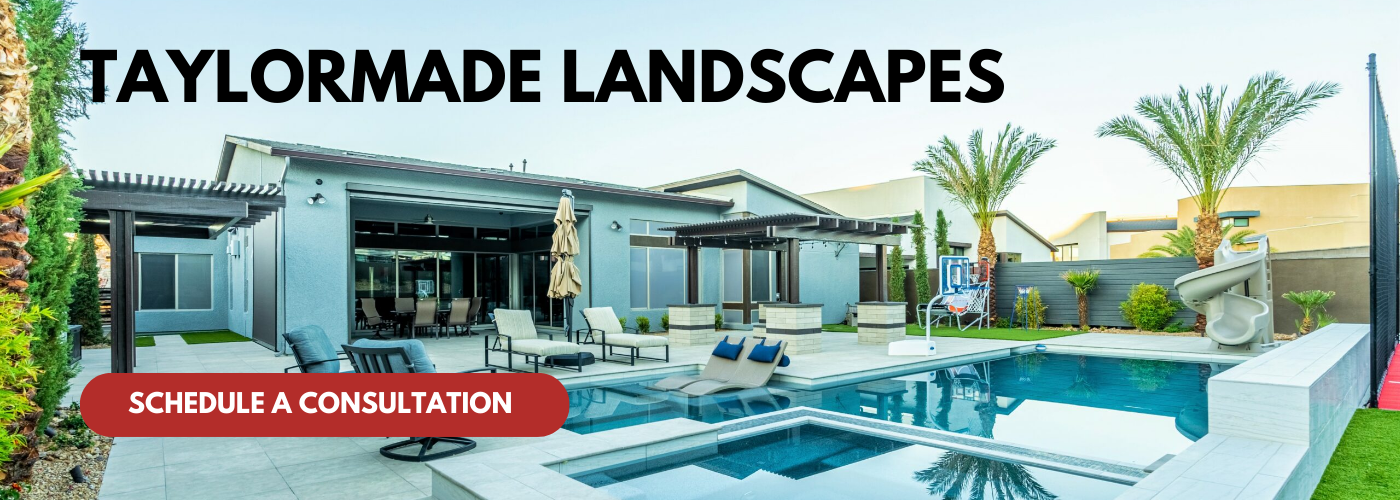
In the vibrant landscape of Las Vegas, the trend towards outdoor living spaces has gained significant momentum, reflecting a shift in lifestyle preferences that blend leisure, comfort, and functionality. Homeowners are increasingly choosing to extend their living areas outdoors, taking advantage of the city’s warm climate and scenic surroundings. This trend encompasses the creation of inviting patios, fully equipped kitchens, cozy fire pits, and even luxurious pools, positioning outdoor spaces as essential extensions of the home rather than mere afterthoughts.
A well-designed outdoor living space not only enhances the aesthetic appeal of a property but also promotes healthy lifestyles and social interactions. Las Vegas homeowners are investing in features that facilitate gatherings, such as built-in seating and shaded areas, allowing them to entertain friends and family comfortably throughout the year. Moreover, the integration of outdoor cooking stations and dining areas transforms backyards into vibrant venues for hosting summer barbecues or intimate dinners under the stars.
Additionally, incorporating elements such as lighting, landscaping, and fire features elevates these spaces from simple patios to multi-dimensional areas for relaxation and enjoyment. Landscape designers in Las Vegas are focusing on creating seamless transitions between indoor and outdoor environments, often utilizing large glass doors and expansive windows that open up to the backyard. This extension of living space not only maximizes property value but also increases the usable area of the home, catering to a desire for more versatile living options.
As the trend continues to evolve, innovative materials and designs are making outdoor living spaces more durable and low-maintenance. Homeowners are opting for weather-resistant furniture, composite decking, and sustainable landscaping options that stand up to the harsh Nevada sun. The incorporation of technology, such as smart outdoor lighting and irrigation systems, adds another layer of convenience and customization, allowing for tailored outdoor settings that cater to individual lifestyles and preferences. In conclusion, the rise of outdoor living spaces represents a fundamental shift in how homeowners in Las Vegas view their properties—transforming them into multifunctional retreats that promote relaxation, entertainment, and a deeper connection with the outdoors.
Incorporation of Technology in Landscape Design
The incorporation of technology in landscape design is revolutionizing how outdoor spaces are conceptualized, executed, and maintained. As urban environments like Las Vegas evolve, so too do the tools and methods used by landscape designers. This trend aligns closely with the fast-paced lifestyle of contemporary homeowners seeking innovative solutions to enhance their outdoor areas quickly and effectively. Technological advancements not only streamline the design process but also allow for a more personalized and immersive client experience.
One compelling element of this trend is the use of design software and applications that enable homeowners and designers to visualize their projects in real-time. Augmented reality (AR) and virtual reality (VR) tools allow clients to walk through their future landscapes before any physical work begins. By seeing how different elements—like plants, trees, lighting, and hardscapes—will interact in their space, homeowners can make informed decisions and alterations, reducing the time and costs associated with redesigning an incomplete project. Furthermore, 3D modeling tools enhance this interactive design process, helping to simulate factors such as sunlight exposure and seasonal changes which are particularly important in a desert climate like Las Vegas.
Automated irrigation systems and smart technology also significantly contribute to contemporary landscape design. These systems can adjust water output based on real-time weather conditions, ensuring that landscapes remain vibrant and sustainable without wasting resources. The integration of smart controllers can manage lighting, water features, and even outdoor sound systems remotely via smartphones, providing homeowners with the flexibility to customize their outdoor environments effortlessly. This technological synergy emphasizes the trend of creating outdoor spaces that not only look stunning but also function optimally with minimal effort from the homeowner.
Moreover, incorporating technology into landscape design resonates well with the growing emphasis on sustainability. By using smart technology to monitor and manage water usage, homeowners can significantly reduce their ecological footprint, while still enjoying lush and aesthetic outdoor environments. As Las Vegas continues to develop, the intersection of landscape design and technology will likely deepen, paving the way for innovative solutions that meet the demands of both beauty and practicality in outdoor living spaces. Overall, technology is reshaping the landscape of Las Vegas, ensuring that outdoor areas are not just functional but also enriching and harmonious extensions of indoor life.

