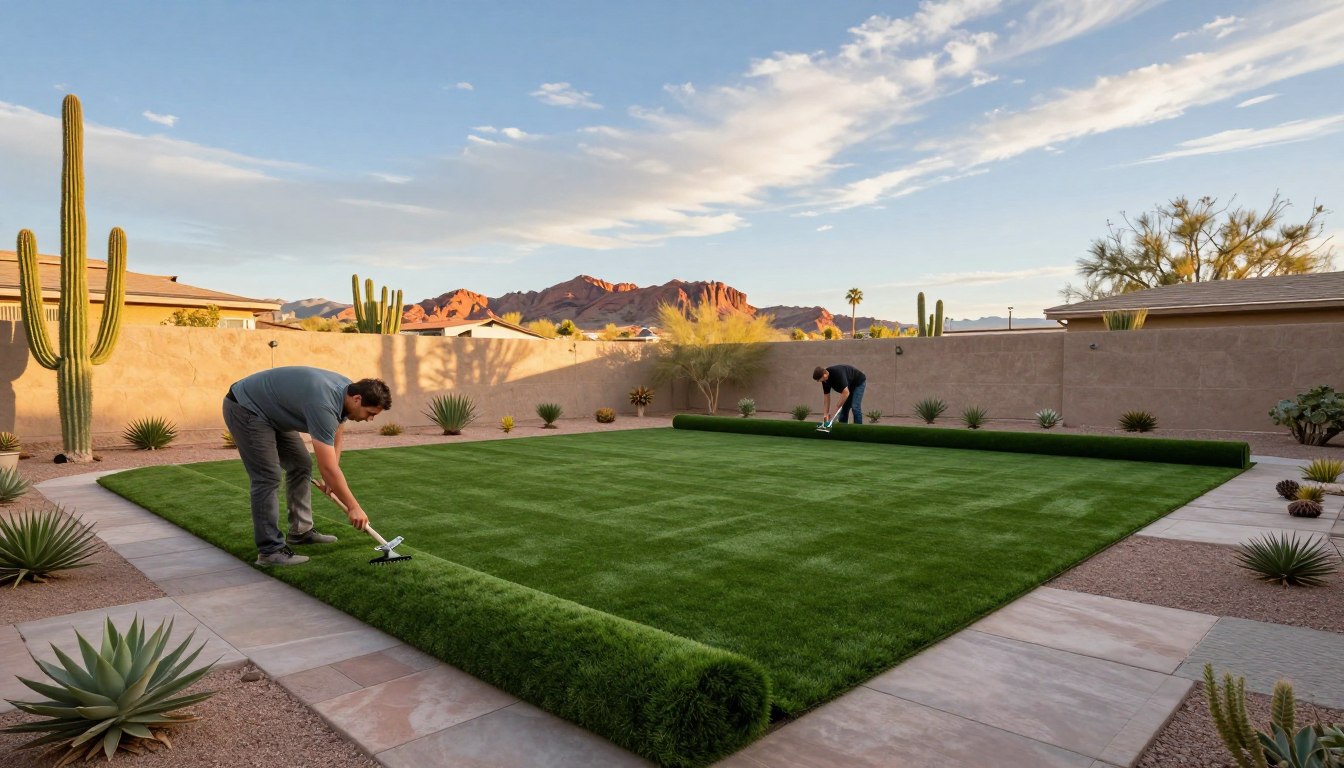
As we approach 2025, gardening enthusiasts and landscape design professionals alike are increasingly captivated by the concept of minimalism, a philosophy that extends well beyond simplistic aesthetics and dives deep into sustainability and mindful living. Minimalist garden styles, characterized by their clean lines, uncluttered spaces, and thoughtful plant selections, have seen a surge in popularity as people seek to create serene outdoor sanctuaries that echo their desire for simplicity and tranquility in an increasingly fast-paced world.
This shift in gardening trends reflects a broader societal inclination toward sustainability, where less truly becomes more. In the pursuit of functional beauty, minimalist gardens prioritize native, low-maintenance plants and the efficient use of space, allowing individuals to cultivate environments that require less upkeep while promoting biodiversity and ecological health. As we look forward to 2025, several key trends are emerging within the minimalist garden movement that promise to shape the way we approach our outdoor spaces.
From the integration of natural materials and the embrace of asymmetrical design to the use of technology for water conservation and smart gardening, the future of minimalist gardens exemplifies innovation rooted in simplicity. In the coming years, we can expect to see a fusion of modern aesthetics with eco-friendly practices, resulting in gardens that are not only visually striking but also deeply connected to their natural surroundings. This article will explore the top trends in minimalist garden styles to watch in 2025, providing insights into how to create spaces that reflect our contemporary values while celebrating the beauty of nature.
Sustainable Materials and Practices
In recent years, the focus on sustainability in gardening has intensified, leading to an increased interest in sustainable materials and practices for garden design. This shift reflects a broader societal awareness of environmental issues and the urgent need for eco-friendly solutions in every aspect of our lives, including gardening. Sustainable gardening encompasses the use of renewable resources, waste reduction strategies, and practices that support biodiversity and ecosystem health. In 2025, this trend is expected to advance significantly, promoting a holistic approach to garden design that aligns with sustainable values.
One of the critical aspects of incorporating sustainable materials is the use of recycled or upcycled items in the garden. Many gardeners are opting for reclaimed wood for raised beds, recycled metal for garden art or trellises, and even repurposed containers for plants. This not only reduces the demand for new materials but also adds a unique character to garden spaces. Another trend is implementing eco-friendly practices such as organic composting, rainwater harvesting, and permaculture techniques, which are designed to create self-sustaining ecosystems. The emphasis on lower carbon footprints encourages gardeners to consider the entire lifecycle of the materials they use, fostering a deeper connection to their environment.
Looking ahead to 2025, it is anticipated that gardens will increasingly incorporate technology that enhances sustainability. For instance, smart irrigation systems that optimize water use, solar-powered lighting, and green roofs may become commonplace features. These technological advancements, combined with traditional sustainable practices, will create gardens that not only meet aesthetic desires but also contribute positively to the planet. As consumers become more environmentally conscious, the demand for gardens that reflect personal values while being sustainably viable will continue to grow.
In terms of minimalist garden styles, the emphasis on sustainability dovetails beautifully with simplicity. Minimalism in garden design is about creating spaces that are aesthetically pleasing yet require lower maintenance, which aligns well with sustainable practices. By selecting native plants and incorporating simple structures made from sustainable materials, gardeners can design spaces that are both functional and visually calming. In 2025, we are likely to see an even more pronounced integration of minimalist principles with sustainable practices, resulting in gardens that embody both beauty and responsibility. As these trends converge, they provide an exciting opportunity for gardeners to innovate while making positive contributions to the environment.
Biophilic Design Integration
Biophilic design integration refers to the practice of incorporating natural elements into architectural and landscaping projects, promoting a deeper connection between human beings and nature. This design philosophy is grounded in the understanding that direct exposure to natural environments positively influences well-being, productivity, and overall mental health. In the context of gardening, biophilic design encourages the use of organic shapes, natural materials, and plant life in ways that create serene and restorative spaces. Gardeners are increasingly focusing on how to harmonize indoor and outdoor areas, blending architecture and nature to create seamless transitions.
In 2025, biophilic design will likely expand in minimalist garden styles, which emphasize simplicity and tranquility. This minimalism will not just focus on reducing clutter or limiting plant choices; instead, it will strive to incorporate fundamental elements of nature within compact spaces. This might take the form of vertical gardens that maximize green space in urban environments or the inclusion of water features that provide both aesthetic beauty and auditory tranquility. As urban areas continue to grow and green spaces diminish, homeowners and designers will seek innovative ways to bring nature into smaller, confined areas.
Additionally, the intermingling of indoor and outdoor spaces will be a prominent trend. This could manifest through large, transparent sliding doors that open up to a garden oasis or strategic plant placement that merges with indoor spaces—think planters with lush foliage that flows onto patios or balconies. Such integration not only creates visually pleasing environments but also enhances air quality and provides an array of health benefits. These trends reflect a growing recognition of the significance of nature in our everyday lives and how essential it is to nurture and protect our natural surroundings, even within our personal green spaces.
The minimalist garden style will reflect a conscious decision to prioritize well-being through biophilic designs. Common practices will include the selection of plants that require low maintenance yet contribute to the aesthetic value of the space and the environment as a whole. Furthermore, garden structures will be thoughtfully designed to support and enhance the natural landscape rather than dominate it. The overall outlook for gardens in 2025 will be characterized by a deeper appreciation for nature, a commitment to sustainability, and a recognition of the therapeutic benefits of green spaces, all of which fall under the umbrella of biophilic design integration.
Edible Landscaping
Edible landscaping is an innovative approach to gardening that combines aesthetic design with the production of food. This trend allows individuals to cultivate fruits, vegetables, herbs, and even edible flowers within their ornamental gardens, resulting in a dual-purpose space that enhances both the visual appeal and functionality of the landscape. In a world where the demand for locally sourced food and sustainable living practices is rising, edible landscaping enables homeowners to take an active role in their food production while fostering a deeper connection to their environment.
In 2025, we can expect edible landscaping to evolve further, incorporating diverse planting strategies that emphasize companion planting and permaculture principles. These methods promote biodiversity, resilience, and health of the garden ecosystem. Home gardeners will likely be integrating native edible plants that flourish in local climates, minimizing the need for chemical fertilizers and pesticides. This shift not only supports local wildlife and pollinators but also encourages a more balanced approach to gardening.
Additionally, aesthetics will remain a key focal point in edible landscaping. Designers and homeowners are increasingly interested in blending edible plants seamlessly with ornamental elements. Future gardens may feature vibrant berry bushes nestled among ornamental grasses, herb spirals that double as design focal points, and vertical gardens that optimize space while producing fresh produce. As the concept of outdoor living spaces grows, expected trends will include the incorporation of edible landscaping in patios and terraces, transforming urban areas into productive green spaces.
Moving forward, the integration of technology into edible landscaping will also be a significant trend. Smart irrigation systems and soil sensors may become commonplace, allowing for precise climate-responsive gardening practices that conserve water and optimize plant health. Overall, the future of edible landscaping promises not just a delicious bounty but also an inviting environment that celebrates the beauty and utility of garden spaces. This evolving trend invites us to rethink how we interact with our surroundings, encouraging a lifestyle that prioritizes sustainability and personal well-being through homegrown nourishment.
Low Maintenance Plant Choices
Low maintenance plant choices are becoming increasingly popular among gardeners looking to create beautiful yet sustainable landscapes without the burden of intensive upkeep. The appeal lies in the ability to enjoy a lush garden while investing minimal time in daily care or frequent maintenance. This trend aligns perfectly with the fast-paced lifestyle of many individuals today, where time is often limited. By selecting plants that require less attention, gardeners can cultivate green spaces that flourish with little intervention, which is particularly beneficial for those residing in urban areas or with busy schedules.
The selection of low maintenance plants often includes native species that are well adapted to the local climate, soil conditions, and ecosystem. Native plants tend to thrive with minimal watering, are often resistant to pests, and require little to no fertilization, as they naturally coexist with the local flora and fauna. Furthermore, these plants can enhance biodiversity, attracting beneficial insects, birds, and other wildlife, contributing to a healthier garden environment.
As we look toward 2025, the trend for minimalist garden styles is expected to evolve further, focusing not only on maintenance levels but also on aesthetic simplicity and functionality. Minimalist gardens often emphasize clean lines, open spaces, and a limited plant palette, enabling the beauty of each individual plant to stand out. This approach to gardening encourages the use of hardy varieties that can endure various weather conditions without constant care, prioritizing resilience and sustainability.
In addition to ornamental grasses and drought-tolerant succulents, the future may see an increase in the popularity of perennial combinations that thrive year after year with minimal intervention. Gardeners might also incorporate innovative landscaping techniques that minimize soil disturbance and promote natural growth cycles. Overall, adopting low maintenance plant choices and embracing minimalist garden styles can lead to an aesthetically pleasing garden that coexists harmoniously with nature while allowing individuals to enjoy the beauty of their surroundings with minimal effort.
Modular and Adaptable Garden Structures
Modular and adaptable garden structures are rapidly gaining traction in landscape design, particularly as we approach 2025. As urban living spaces become more compact, the need for multifunctional outdoor areas is more pronounced than ever. Modular gardens—those that can be easily assembled, disassembled, or reconfigured—offer flexibility that traditional structures lack. Gardeners and homeowners are increasingly seeking solutions that allow them to tailor their outdoor spaces to meet specific needs, whether that involves hosting gatherings, creating privacy, or incorporating vertical gardening elements.
One of the core advantages of modular garden structures is their ability to maximize small spaces. These structures can include vertical planters, movable raised beds, and even adaptable seating arrangements that can be rearranged as required. This modularity allows gardeners to utilize every inch of their outdoor areas efficiently, creating sustainable environments that enhance the overall aesthetic while also maintaining functionality. As we transition into 2025, there’s likely to be an increasing focus on the use of recyclable materials in these modular designs, promoting sustainability alongside versatility.
Additionally, the trend towards modular garden designs comes hand-in-hand with an emphasis on technology and smart gardening solutions. With the integration of smart irrigation systems, weather-responsive materials, and mobile apps for garden management, modular structures will become even more beneficial for gardeners. This technological advancement will offer opportunities for gardeners to monitor and adjust their gardens based on environmental conditions automatically, catering to the specific needs of various plants while conserving water and resources.
As minimalist garden styles become more popular, the simplicity and clean lines of modular structures align perfectly with this trend. The minimalist approach emphasizes functionality and aesthetics, focusing on the beauty of form and the idea of ‘less is more.’ As a result, expect to see more garden structures that reduce clutter while maximizing space and efficacy, enhancing both the visual appeal and usability of outdoor environments. In 2025, modular and adaptable garden structures will not only reflect a growing desire for sustainability and efficiency but also represent a shift toward a more thoughtful, lifestyle-oriented approach to gardening.