

As the world continues to navigate financial uncertainties and evolving consumer preferences, the demand for budget-friendly design solutions is more pronounced than ever in 2026. Home décor, fashion, user interface design, and interior architecture are increasingly influenced by the need for affordability without sacrificing style or functionality. With rising costs in materials and labor, designers and consumers alike are prioritizing innovative and resourceful approaches that encapsulate the essence of affordability while still capturing the essence of contemporary aesthetic trends.
In recent years, the spirit of minimalist design has gained substantial traction, encouraging a simpler, more thoughtful approach to aesthetics. As individuals seek to create inviting and inspiring environments on a limited budget, the emphasis is shifting toward versatile, multi-functional pieces that maximize space and impact. This shift not only fosters creativity but also promotes sustainability by encouraging the reuse of materials and reducing waste.
Additionally, the integration of technology in design practices is revolutionizing how we approach budget constraints. From DIY solutions inspired by virtual platforms to the rising trend of collaboration among designers and local artisans, innovative strategies are emerging to make stylish designs accessible to all. In this article, we will explore some of the best budget-friendly designs for 2026, highlighting key trends, practical advice, and inspiring examples that prove that style and sensibility can coexist beautifully in a financially conscious world. Whether you are redecorating your home, refreshing your wardrobe, or developing a new product, we aim to equip you with the insights needed to navigate the intersections of cost-effectiveness and design excellence.
Sustainable Materials and Eco-Friendly Designs
As we approach 2026, the push towards sustainability in design continues to shape how we create and interact with our environments. Sustainable materials and eco-friendly designs are more than just trends; they represent a significant shift in consumer values and priorities. This movement is largely driven by growing awareness of environmental issues, resource scarcity, and the impact of climate change. Designers and consumers alike are increasingly seeking products that minimize harm to the planet, utilize renewable resources, and promote a circular economy.
Budget-friendly designs that integrate sustainable materials are making their mark by focusing on local sourcing and innovative use of recycled components. For instance, reclaimed wood, bamboo, and recycled metals are gaining popularity as affordable yet stylish options for furniture and decor. These materials not only reduce waste but also often possess unique aesthetic qualities that add character to spaces. Additionally, the adoption of biodegradable materials and low-impact production methods is becoming more commonplace, offering consumers eco-conscious choices without the premium price tag traditionally associated with green products.
Moreover, transparency in the sourcing and manufacturing processes is increasingly important to budget-conscious consumers. In 2026, many companies will likely highlight their practices, allowing consumers to make informed purchasing decisions. Brands that can balance sustainability, affordability, and style will find themselves favored by a growing demographic that values environmentally responsible living. This shift is further propelled by advancements in technology, which streamline production and reduce costs associated with sustainable materials. As a result, we can anticipate a robust market for eco-friendly designs that do not compromise on quality or aesthetics, making sustainable living accessible to all.
Overall, the landscape of design in 2026 will reflect a harmonious blend of innovation and responsibility, where sustainable materials and eco-friendly designs are not just aspirational, but achievable for everyone, paving the way for a new standard in interior and product design.
Minimalist Aesthetics and Functional Spaces
Minimalist aesthetics emphasize simplicity and functionality, making them an appealing choice for budget-friendly designs in 2026. This design philosophy values the idea that less is more, focusing on decluttering spaces and utilizing design elements that serve multiple purposes. In a world where consumers are increasingly valuing efficiency and sustainability, minimalist designs resonate well with practical aspirations while being cost-effective.
One of the core principles of minimalism is the use of neutral color palettes and clean lines, which can easily be achieved without the need for costly materials or elaborate decorations. For homeowners on a budget, opting for functional furniture that combines style and utility is crucial. For example, a coffee table that doubles as storage or a sofa bed can maximize space while keeping the home organized and visually uncluttered. Furniture with simple designs not only reduces costs but also offers flexibility in how spaces can be arranged and utilized.
In 2026, the trend toward minimalist aesthetics is likely to be complemented by an ever-increasing emphasis on functionality. Space-saving designs will be particularly in demand, as urban living continues to evolve. Small apartments and tiny homes require strategic planning, and minimalist furnishings can make these spaces feel larger while allowing for a more open flow. Multi-functional areas, such as a living room that can be transformed into a workspace, will become increasingly popular, as consumers seek adaptable solutions that suit their evolving lifestyles.
Moreover, the rise of DIY culture enhances the appeal of minimalist designs, allowing individuals to create inexpensive yet stylish items. Upcycling old furniture into minimalist pieces offers dual benefits: it contributes to sustainability and keeps costs low, demonstrating how individuals can embrace this aesthetic without financial strain. In summary, minimalist aesthetics, with their emphasis on functional spaces and clever designs, will undoubtedly shape the interior design landscape in 2026, making it accessible and appealing for those on a budget.
DIY and Upcycling Trends
As we progress into 2026, DIY and upcycling trends are gaining momentum as sustainable solutions for home decor and design. The creativity inherent in DIY projects allows individuals to personalize their living spaces while also considering environmental impact. Upcycling, in particular, emphasizes the transformation of old or discarded materials into new, functional, and aesthetically pleasing items. This not only reduces waste but also reflects a growing desire for uniqueness and personal expression in home styling.
In 2026, budget-friendly DIY projects are expected to incorporate readily available materials. Thrift stores, garage sales, and online marketplaces will continue to be prime sources for affordable raw materials. Homeowners and enthusiasts will likely engage in projects like repurposing old furniture, creating custom art pieces from scrap materials, or designing unique home accessories. For example, an old wooden pallet could be transformed into a chic coffee table, while glass jars can find new life as stylish vases or storage containers.
Moreover, the DIY and upcycling trends encourage community involvement through workshops, online tutorials, and social media sharing. The popularity of platforms like Pinterest and Instagram fosters an environment where individuals can showcase their projects, inspire one another, and exchange tips on affordable techniques. This growing community aspect not only amplifies creativity but also builds a sense of connection among like-minded individuals who are passionate about sustainable living.
Ultimately, the focus on DIY and upcycling in 2026 represents a shift toward more conscious living. By exploring innovative and budget-friendly designs, individuals can curate spaces that are not only beautiful and functional but also steeped in personal history and environmental mindfulness. With creativity as the cornerstone of home design, this trend exemplifies how one can achieve stylish living on a budget while contributing positively to the planet.
Smart Technology Integration on a Budget
As we venture into 2026, smart technology integration continues to reshape the landscape of home design and functionality, embodying a trend towards enhanced convenience and efficiency. Integrating smart technology doesn’t have to break the bank; numerous budget-friendly options make it possible for homeowners to enjoy the benefits of a high-tech lifestyle without a hefty price tag. With the rising accessibility of smart gadgets and devices, even those on a budget can incorporate automation into their homes, leading to a more streamlined and convenient daily life.
One of the most appealing aspects of affordable smart technology is its democratization. Over the past few years, various companies have emerged offering reliable devices at competitive prices. Essential areas where homeowners can easily incorporate smart technology include lighting, security, and heating or cooling systems. For instance, smart bulbs that can be controlled via smartphone apps allow users to adjust lighting for ambiance or save energy by remotely turning off lights when not needed. Similarly, affordable smart plugs let you control power to non-smart devices, helping homeowners manage energy use and lower bills.
Moreover, security is a primary concern for many, and budget-friendly smart cameras and doorbells make it easier for homeowners to monitor their property. These devices typically offer intuitive installation and app support, allowing for immediate peace of mind without the financial strain of a full-scale security system. Smart thermostats and energy monitors are also becoming more accessible, allowing efficient temperature control and energy tracking, which can lead to significant savings on utilities over time.
As stylistic preferences evolve, smart technology can seamlessly blend into the home’s aesthetic. Many affordable devices come in sleek designs that complement various decor styles without being obtrusive. This integration of functionality and style elevates the living experience while affirming the practicality of embracing technology on a budget. In 2026, the emphasis on smart technology integration will likely continue to grow, encouraging homeowners to explore the diverse range of devices available, all while ensuring their homes remain both cutting-edge and budget-conscious.
Affordable Outdoor and Indoor Living Solutions
As we venture into 2026, the demand for affordable outdoor and indoor living solutions is more relevant than ever. With urban spaces becoming increasingly compact and the lifestyle shift toward multifunctional areas, it is crucial to optimize every inch while remaining budget-conscious. Homeowners and renters alike are focusing on solutions that enhance their living experience without incurring prohibitive costs. These designs aim to create comfortable, aesthetically pleasing spaces that also embrace a sense of nature and community.
For indoor living, multifunctional furniture plays a significant role in budget-friendly design. Sofas that transform into beds, extendable dining tables, or ottomans with hidden storage can maximize space without sacrificing style. In addition, using room dividers or bookcases to delineate spaces can create a sense of intimacy in larger rooms while maintaining an open feel in smaller ones. Textiles that feature light, airy colors contribute to a welcoming atmosphere, and incorporating plants can improve air quality and add a natural touch to the indoor environment.
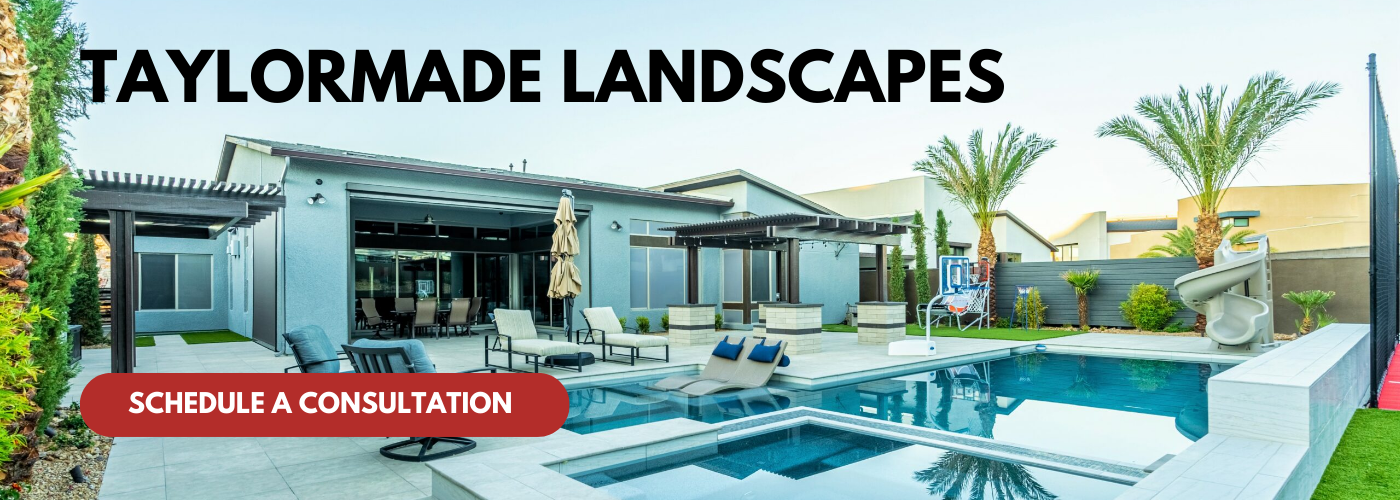
Outdoor living spaces are equally important, with trends leaning towards creating mini-retreats that are functional yet cost-effective. Simple additions such as outdoor rugs, fairy lights, and inexpensive furniture can transform a balcony or garden into an inviting escape. Vertical gardens or container gardening not only beautify small outdoor areas but also enable individuals to engage in sustainable practices, all while being budget-conscious. Resources like reclaimed wood for raised garden beds or DIY fire pits made from repurposed materials can further enhance these spaces without breaking the bank.
Finally, incorporating elements such as solar-powered lighting and natural shade solutions, like pergolas or outdoor umbrellas, can enhance the comfort of these spaces while maintaining a sustainable approach. With thoughtful planning and a focus on versatility, 2026’s affordable outdoor and indoor living solutions can cater to diverse needs while ensuring that financial limitations do not detract from the quality of living environments.

