

As we step into 2025, the realm of softscape design is poised to undergo transformative changes, reflecting not only evolving aesthetic preferences but also a deepening awareness of environmental sustainability and wellness. Softscape, the living elements of landscape design including plants, trees, shrubs, and ground cover, is an essential component of creating harmonious outdoor spaces that resonate with both beauty and functionality. In an era marked by rapid urbanization and a growing appreciation for nature, the trends in softscape design are increasingly shaped by the interplay of innovation, resilience, and ecological stewardship.
One of the foremost trends gaining momentum is the emphasis on native and drought-resistant plant selections. As climate change continues to intensify, there is a heightened need for landscaping that conserves water and fosters biodiversity. Homeowners and landscape designers alike are recognizing the benefits of integrating plants that are well-adapted to local conditions, which not only reduces maintenance and resource consumption but also supports local wildlife. This shift reflects a broader societal inclination towards sustainable practices, as more people seek to create outdoor spaces that are both beautiful and ecologically responsible.
Emotional well-being and mental health considerations are also influencing softscape design trends. In 2025, the connection between nature and physical and psychological health is more paramount than ever. Landscapes designed with mindfulness in mind—incorporating elements that promote relaxation, mindfulness, and social interaction—are becoming highly sought after. Features such as sensory gardens that engage all five senses, outdoor spaces for yoga and meditation, and community gardens that encourage collaboration and connection are on the rise, reflecting a holistic approach to landscape architecture.
Furthermore, the integration of technology into softscape design is set to enrich the experience of outdoor spaces. Smart irrigation systems, soil sensors, and plant health monitoring apps are increasingly being employed to optimize plant care and enhance sustainability. These innovative solutions allow homeowners and landscape designers to make informed decisions that promote healthy growth, reduce water waste, and maintain the vibrancy of softscapes.
In this article, we will delve deeper into the top trends in softscape design for 2025, exploring the paradigm shifts that are redefining the way we approach our outdoor environments. From sustainable plant choices to mental health-focused landscapes and technological advancements, 2025 promises to be an exciting year for softscape design, as we strive to create spaces that are not only visually stunning but also environmentally conscientious and emotionally uplifting.
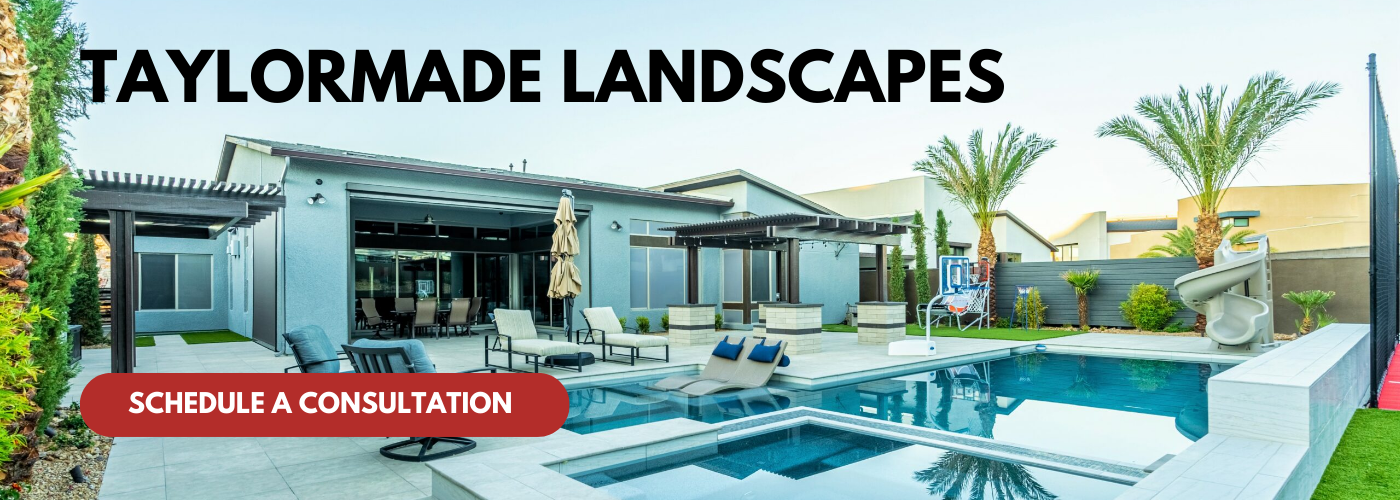
Sustainable Plant Selection
Sustainable plant selection is becoming increasingly vital in landscape design, especially as environmental concerns rise and climate change impacts our ecosystems. This approach focuses on choosing plants that are not only aesthetically pleasing but also resilient and appropriate for the local environment. Sustainability in plant selection involves selecting species that require minimal water, pest control, and maintenance, reducing the overall ecological footprint of landscaping projects. With a significant push toward eco-friendly practices, designers are prioritizing plants that thrive naturally in their surroundings without the need for intensive resources.
In 2025, the trends related to sustainable plant selection will likely revolve around enhancing biodiversity and supporting local wildlife. Landscape professionals will be incorporating a broader variety of native and adaptive plants that are well-suited to their specific climates. This practice not only helps in conserving water but also reduces reliance on chemical fertilizers and pesticides, fostering healthier soil and ecosystems. Additionally, the trend will involve integrating plants with multi-seasonal interest to create landscapes that are vibrant and appealing throughout the year, minimizing the need for plant replacements and increasing the lifecycle of landscaping projects.
Sustainable plant selection also considers the life cycle of materials used in landscaping. By emphasizing native species, designers can create environments that support local fauna, including pollinators like bees and butterflies, resulting in a thriving ecosystem. The overarching goal is to create landscapes that harmonize with nature rather than impose on it. As we move towards 2025, an even stronger emphasis on climate resilience will reflect in the choices made by landscape architects and gardeners alike as they consider how plant selection impacts not just aesthetics but also environmental health and sustainability.
In conclusion, the emphasis on sustainable plant selection represents a paradigm shift within the landscape design community as practitioners seek to balance beauty, functionality, and ecological responsibility. The integration of innovative practices and a deeper understanding of ecological principles will drive exciting developments in softscape design, shaping the future of outdoor spaces for generations to come.
Edible Landscaping
Edible landscaping is rapidly gaining popularity as more people seek to combine beauty with functionality in their outdoor spaces. This trend revolves around integrating food-producing plants into traditional landscaping designs, creating attractive gardens that not only fulfill aesthetic desires but also provide fresh produce. Gone are the days when vegetable patches were merely tucked away in the backyard; now, fruits, vegetables, and herbs are seamlessly woven into front yards, patios, and borders, enabling homeowners to enjoy the dual benefits of a lovely landscape and their own homegrown food. This approach to gardening fosters an appreciation for sustainability and encourages a more hands-on approach to food sourcing.
As we look forward to 2025, several top trends in edible landscaping are emerging. One prominent trend is the use of dwarf and compact fruit trees, such as mini apple or peach trees. These varieties allow urban dwellers with limited space to grow fruit without compromising their landscape’s appeal. Vertical gardening is another growing trend, where various edible plants are efficiently cultivated on walls or trellises, maximizing limited space while adding visual intrigue.
Another trend is the increased focus on permaculture principles, which emphasize creating self-sustaining ecosystems. This can involve using companion planting, where certain plants are grown together to enhance growth, deter pests, and improve soil health. Furthermore, integrating pollinator-friendly flowers alongside edible plants not only supports biodiversity but also enhances the gardening experience by attracting bees, butterflies, and other vital insects.
Moreover, there’s a rising awareness of the environmental impacts of food production, making locally-sourced and home-grown food increasingly desirable. This trend aligns with the growing movement towards organic gardening practices, where natural methods are prioritized over chemical inputs. Home gardeners are also encouraged to experiment with heirloom varieties, adding uniqueness and flavor to their gardens while preserving ancient agricultural traditions.
In summary, edible landscaping is not just a method of planting; it is a holistic approach that intertwines aesthetic design with sustainable food practices. As we transition into 2025, the incorporation of innovative gardening techniques, a rise in interest for unique plant varieties, and an ongoing commitment to sustainability will shape the future of landscape design, making it an exciting time for garden enthusiasts and professionals alike.
Native and Drought-Tolerant Species
In the realm of softscape design, native and drought-tolerant species are emerging as a focal point for 2025, driven by an increasing awareness of climate change and sustainability. Native plants not only support local ecosystems by providing habitat and food for native wildlife but are also adapted to the local climate and soil conditions. As a result, they generally require less water, fertilizer, and maintenance compared to non-native species. This aligns with a growing trend towards environmental sustainability within garden design, promoting biodiversity and reducing the environmental impact of landscaping efforts.
Drought-tolerant species, which can thrive with minimal water, are particularly valuable as many regions face water scarcity due to climate variability. These plants have adapted to survive with limited moisture, making them ideal for drought-prone areas or for landscape enthusiasts looking to create sustainable gardens that require fewer irrigation resources. By integrating these species into softscape designs, homeowners and landscape designers are not only addressing water conservation challenges but are also creating spaces that reflect the natural beauty of the local flora.
In 2025, the trend towards native and drought-tolerant species will likely be further fueled by technological advancements in landscape design, including tools that help identify the best plants for specific environments. This will enable designers to create aesthetically pleasing landscapes that are resilient and functional. Moreover, public awareness and education about the benefits of native plants are expected to increase, paving the way for community initiatives focused on the preservation of local ecosystems. As these trends gain momentum, we can anticipate a shift in how gardens and public parks are designed, moving towards more sustainable, eco-friendly options that celebrate native biodiversity.
Overall, the integration of native and drought-tolerant species stands out as a key trend in softscape design, responding to both environmental challenges and the aesthetic desires of homeowners, while fostering a deeper connection between human-designed spaces and the natural world.
Biophilic Design Principles
Biophilic design principles center around the idea of integrating natural elements into the built environment, promoting a connection between individuals and nature. This design philosophy is rooted in the understanding that humans have an innate desire to affiliate with the natural world, stemming from our evolutionary history. In softscape design, biophilic principles manifest through the use of living plants, natural materials, and features that evoke a sense of nature. Elements such as green walls, rooftop gardens, and water features are common in biophilic designs, as they not only enrich aesthetic appeal but also provide benefits such as improved air quality and enhanced mental well-being.
As we look ahead toward 2025, the emphasis on biophilic design principles is set to grow even stronger. With increasing urbanization and the challenge of creating green spaces in densely populated areas, designers are exploring innovative ways to seamlessly integrate nature into urban landscapes. This includes a focus on creating multi-functional green spaces that offer recreational opportunities while also supporting biodiversity. For example, community gardens and urban forests are being designed not just for their beauty, but as vital habitats for wildlife, thus promoting ecological balance.
Moreover, the psychological benefits of biophilic design cannot be overstated. Studies have shown that exposure to natural elements can reduce stress and anxiety, enhance mood, and even increase productivity. In workplaces and educational institutions, implementing biophilic principles can lead to more inspiring environments that foster creativity and collaboration. Future trends will likely see advancements in the incorporation of technology, such as smart irrigation systems and plant health monitoring, that improve the maintenance of these biophilic spaces, ensuring they remain vibrant and sustainable over time.
Ultimately, biophilic design principles are more than just a trend; they reflect a fundamental shift in how we perceive our relationship with nature within our environments. As designers and communities continue to recognize the importance of nature in enhancing quality of life, we can expect to see a proliferation of biophilic elements in softscape design in the years to come. The future will undoubtedly bring innovative ways to bridge the gap between urban living and ecological preservation, creating spaces that are not only visually stunning but also health-promoting and ecologically sound.
Technology Integration in Plant Care and Design
As we navigate the rapidly evolving landscape of landscape architecture and garden design, the integration of technology in plant care and design stands at the forefront of softscape innovation. In recent years, technology has not only enhanced the aesthetic qualities of outdoor spaces but has also streamlined maintenance practices, improved sustainability efforts, and fostered a more dynamic relationship between individuals and their environments.
One of the most significant trends is the use of smart irrigation systems that automate watering schedules based on weather conditions, soil moisture levels, and plant needs. These systems utilize sensors and data analytics to minimize water waste, ensuring that plants receive just the right amount of hydration. Moreover, advancements in plant health monitoring have made it possible for gardeners and landscape professionals to identify plant stressors early on. Devices such as soil sensors and drones equipped with imaging capabilities can assess plant health by analyzing factors like nutrient levels and pest infestations. This data-driven approach not only enhances the overall health of the plants but can also lead to significant cost savings in maintenance.
The rise of augmented reality (AR) and virtual reality (VR) technologies is also reshaping how we design and visualize softscapes. Designers can now create immersive experiences that allow clients to virtually walk through proposed gardens before implementation. This ability to visualize designs in a collaborative way promotes more informed decisions, ensuring the final outcomes align with clients’ visions. Additionally, applications that provide guidance on plant care and maintenance based on local climates and conditions empower homeowners to manage their gardens effectively.
Looking ahead to 2025, the focus on technology in softscape design is expected to expand, with an increasing emphasis on automation and sustainability. We might see further integration of artificial intelligence (AI) in garden management systems, predictive analytics to anticipate plant needs or environmental changes, and innovative uses of biotechnology in developing new plant varieties that thrive in specific climates. Overall, the integration of technology in plant care and design not only amplifies the efficiency and aesthetic appeal of landscapes but also contributes to a more sustainable and enjoyable gardening experience.

