
As we approach 2025, the landscape design industry is experiencing a paradigm shift that reflects the evolving priorities and aspirations of homeowners. Among these changes, luxury yard upgrades are gaining remarkable popularity, transforming outdoor spaces into opulent retreats. This trend is not merely about aesthetics; it’s about creating environments that foster relaxation, promote well-being, and enhance the overall quality of life. As societal values shift toward embracing outdoor living and personal wellness, the outdoor space has become an extension of the home, deserving of the same level of attention and investment.
The surge in popularity of luxury yard upgrades can be attributed to several key factors. First and foremost, there is an increasing recognition of the mental and physical health benefits associated with spending time outdoors. With the pandemic highlighting the importance of personal space, more people are seeking to create serene and inviting outdoor environments where they can unwind and connect with nature. High-end landscaping features such as custom water installations, elaborate fire pits, and lush, curated gardens are becoming essential components of residential design, offering homeowners an escape from the hustle and bustle of daily life.
Moreover, technological advancements are making luxury upgrades more accessible and tailored to individual preferences. Innovations in landscaping—from smart irrigation systems to automated lighting—allow homeowners to design their ideal outdoor sanctuaries with efficiency and ease. This intersection of technology and nature fosters a landscape that is not only visually stunning but also functional, enhancing the overall experience of outdoor living. As we delve deeper into 2025, the allure of luxury yard upgrades will continue to captivate homeowners, driving a landscape revolution that prioritizes both beauty and utility.
Increased Focus on Outdoor Living Spaces
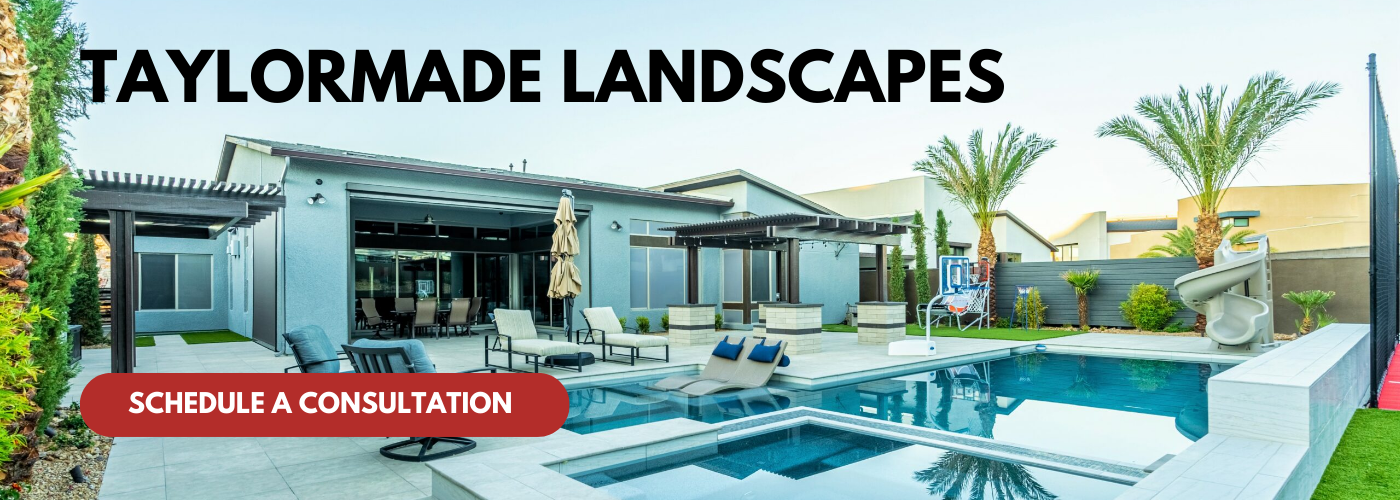
As we move into 2025, one of the most prominent trends in landscape design is the increased focus on outdoor living spaces. Homeowners are prioritizing their backyards and outdoor areas as extensions of their homes, creating luxurious spaces that serve multiple functions and enhance their quality of life. This emphasis on outdoor living is driven by a desire for comfort, leisure, and connection with nature, fostering an environment ideal for relaxation and entertainment.
This trend reflects broader lifestyle changes. After spending extended periods at home due to the pandemic, many individuals have recognized the value of outdoor spaces for both mental well-being and social engagement. Backyards have transformed into retreats, featuring inviting lounges, fully-equipped kitchens, dining areas, fire pits, and even outdoor theaters. This evolution allows homeowners not only to enjoy nature but also to host gatherings and create memorable experiences in a comfortable and safe environment.
The appeal of these luxury yard upgrades is further amplified by their potential for increasing property value. A well-designed outdoor living space can be an attractive feature for prospective buyers, making homes with such amenities stand out in a competitive market. As more homeowners invest in high-quality outdoor upgrades, the landscape design industry responds with innovative solutions that merge aesthetics with functionality, offering custom features that cater to individual tastes and lifestyles.
Furthermore, this trend is closely linked to a growing focus on personalized outdoor environments. Homeowners are seeking to express their unique identities through their landscapes, incorporating bespoke elements that reflect their style and preferences. Designers are increasingly offering customized solutions that go beyond traditional landscaping, including features like outdoor art installations, bespoke garden designs, and tailored lighting, solidifying the increasing popularity of luxury yard upgrades in landscape design for 2025.
Rise in Home Value and Investment
As homeowners increasingly seek to enhance their properties, the rise in home value and investment, particularly through luxury yard upgrades, is gaining significant traction in landscape design as we move into 2025. Investing in high-end outdoor living spaces and landscape features is becoming a priority for many, as individuals recognize the long-term financial benefits associated with these enhancements. A well-designed landscape not only improves the aesthetic appeal of a property but also considerably boosts its market value. In a competitive real estate market, properties that showcase mature gardens, outdoor kitchens, and well-executed hardscaping often command higher sale prices and attract discerning buyers who are willing to pay a premium for quality outdoor spaces.
Additionally, the pandemic has shifted perspectives on home investments. With remote work becoming more ubiquitous, homeowners have allocated more time and resources to making their living environments not just functional but also enjoyable and luxurious. The outdoor space, once relegated to basic maintenance, is now viewed as an extension of the home—a place for relaxation, entertainment, and even productivity. Feature-rich yards that include fire pits, water features, or outdoor offices can significantly enhance the quality of life for homeowners, reflecting their desire for comfort and luxury right outside their back doors. This change in lifestyle priorities has led to a surge in the demand for customized landscape designs that align with personal aesthetics and lifestyle needs.
Moreover, statistics consistently show that investments in outdoor upgrades yield high returns upon resale. According to various real estate studies, properties featuring elaborate landscaping can see upwards of a 15% return on investment. As such, homeowners are increasingly viewing luxury yard upgrades not merely as expenditures but as strategic investments that will pay off in the long run. This mindset is bolstering the trend toward sophisticated, high-end landscaping, as property owners are eager to elevate their homes’ values while simultaneously enjoying the perks of an enriched outdoor atmosphere. This duality of benefit is central to the rise in luxury yard upgrades, firmly placing them at the forefront of landscape design trends for 2025.
Emphasis on Customization and Personalization
The trend of customization and personalization in landscape design is transforming outdoor spaces into unique expressions of individual style and preference. Homeowners are increasingly looking to create outdoor areas that not only function well but also reflect their personalities and lifestyles. This growing emphasis means that landscape architecture is moving away from the one-size-fits-all approach, allowing for tailored solutions that cater to specific desires, including the choice of plants, layout configurations, colors, and materials.
One of the primary reasons for the popularity of customized outdoor spaces is the desire for a personal retreat. As more people prioritize their mental well-being, the outdoors becomes a sanctuary for relaxation and self-expression. A customized yard can be a peaceful haven, hosting bespoke features such as water elements, fire pits, or custom seating areas that resonate with the homeowner’s vision. This level of personal touch not only enhances the aesthetics but also provides functionality that suits how residents use their outdoor space.
Moreover, the rise in personalization options is heavily influenced by advancements in technology. With the availability of design software and online tools, homeowners can visualize their ideas before they come to life, making the process of designing a personalized landscape much more accessible. Landscaping companies are embracing this shift, offering bespoke design services and consultation to cater to the specific needs and requirements of each client. They understand that personal investment in a yard upgrade fosters emotional connections with the space, leading to higher satisfaction and loyalty.
As we move towards 2025, these trends are expected to continue growing, with a focus on creating outdoor environments that resonate deeply with homeowners. The ability to customize not only enhances the visual appeal of landscapes but also elevates property values, making these personalized landscape designs an investment for the future. Homeowners are recognizing that a unique and personalized yard adds significant value and distinction to their properties, ultimately transforming how landscapes are envisioned and executed in the coming years.
Sustainability and Eco-Friendly Features
The shift toward sustainability and eco-friendly features in landscape design is becoming increasingly pronounced, particularly as we approach 2025. Homeowners are more conscious of their environmental impact, and this awareness is influencing how they design and upgrade their outdoor spaces. The integration of sustainable practices, materials, and designs not only helps protect the environment but also aligns with a growing market preference for green living solutions. This trend reflects a broader societal movement towards sustainability, as consumers seek to minimize their carbon footprint and contribute positively to the planet.
One significant aspect of this trend is the use of native and drought-resistant plants. These species are better suited to local climates and require less water, which is becoming a crucial consideration in areas afflicted by water scarcity. Additionally, sustainable landscaping features such as rain gardens, permeable paving, and green roofs are gaining traction. These elements not only enhance the aesthetic appeal of the yard but also promote biodiversity and support local ecosystems. Homeowners are increasingly recognizing the benefits of incorporating these features, seeing them not only as responsible choices but also as unique design opportunities that set their properties apart.
Moreover, sustainable landscaping often equates to lower maintenance costs and energy efficiency. By incorporating solar lighting, efficient irrigation systems, and organic gardening techniques, homeowners can reduce waste and energy consumption. This pragmatic approach not only makes environmental sense but also appeals to the financial sensibilities of those looking to enhance the lasting value of their properties. Eco-friendly upgrades are therefore seen not just as a trendy addition, but as a smart investment in both personal comfort and sustainability.
As we move toward 2025, the popularity of sustainable yard upgrades is anticipated to continue rising, reflecting broader trends in architecture, urban planning, and consumer preferences. The modern homeowner is likely to prioritize landscape designs that are not only beautiful but also contribute positively to the environment. This dual focus on aesthetic appeal and sustainability is likely to redefine landscape design, creating outdoor spaces that resonate with the values of the next generation, thereby solidifying these features as essential components of contemporary landscape architecture.
Integration of Technology and Smart Features
In recent years, the integration of technology and smart features into landscape design has gained remarkable traction, and this trend is expected to elevate further in 2025. Homeowners are increasingly interested in creating outdoor environments that align with their tech-savvy lifestyles. Smart irrigation systems, automated lighting, advanced outdoor entertainment setups, and landscape management software are just a few examples of how technology is enhancing outdoor spaces. This movement toward a technologically integrated landscape not only improves functionality but also enhances the overall experience of outdoor living.
One of the primary drivers behind the popularity of tech in landscaping is convenience. Homeowners can now manage their gardens and outdoor areas from their smartphones, controlling everything from watering schedules and lighting conditions to security features and sound systems. This level of control makes it easier to maintain a beautiful outdoor space without the traditional burdens of rural upkeep. Automated systems also contribute to more efficient resource use, especially regarding water, aligning with broader sustainability goals. As climate concerns continue to shape consumer behavior, tech-based landscape solutions that promote efficiency are becoming essential.
Moreover, the appeal of smart technology extends beyond functionality; it also speaks to a sense of luxury and modernity that homeowners are eager to embrace. High-end features such as integrated speakers for music, smart fire pits, and outdoor cooking appliances provide not just enhancements to usability but elevate the aesthetic and experiential quality of outdoor spaces. As outdoor areas become extensions of the home—used for entertaining, relaxing, and even remote work—having sophisticated technology integrated seamlessly into these environments reflects a homeowner’s lifestyle and values.
As we head further into 2025, the integration of technology and smart features in landscape design is not merely a trend but a reflection of evolving homeowner needs and aspirations. This focus on creating functional, customizable, and sustainable outdoor spaces is set to define the next frontier in landscaping, merging the best of natural beauty with the convenience and innovation of modern technology.

