Have you ever wondered how to keep your backyard trampoline safe and functional? An in-ground trampoline can provide endless fun for kids, but without a proper drainage plan, it can quickly turn into a soggy mess. Water accumulation in the pit is a common concern for many owners.
Investing in an in-ground trampoline is a fantastic way to enhance your outdoor space. However, ensuring that your trampoline remains dry and usable requires careful planning. Proper drainage is not just an afterthought; it is essential for the longevity of your investment.
As Ben Jordan noted, a well-constructed 15′ trampoline can support a family of six. This highlights the importance of having a solid foundation, which includes considering local soil types and drainage solutions. By addressing these factors, you can enjoy a safe and fun experience for years to come.
Key Takeaways
Proper drainage prevents water accumulation, ensuring safety and functionality.
Consider local soil types when planning your trampoline installation.
A high-quality in-ground trampoline can support multiple users.
Investing in drainage solutions is essential for long-term enjoyment.
Explore more tips on effective drainage solutions here.
Understanding the Importance of Proper Drainage
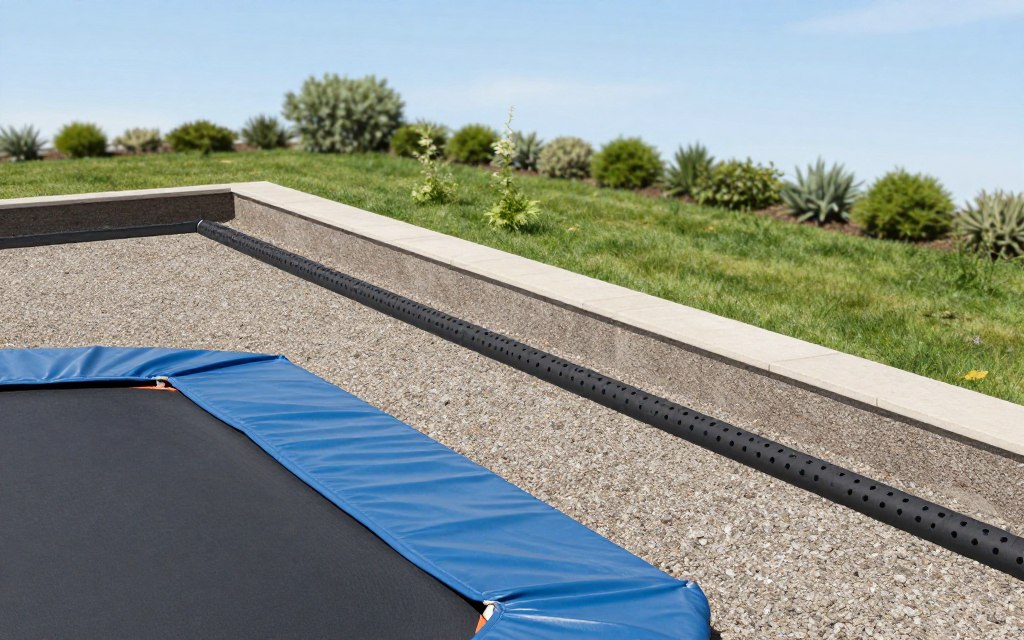
Understanding how to manage water around your backyard setup is crucial for safety. Proper drainage is vital for maintaining the structural integrity of your in-ground trampoline. Without it, water can accumulate, leading to corrosion of the steel frame components located in the pit.
Additionally, our vented safety pad system allows water to drain beneath the foam. This helps maintain the structural integrity of your setup while ensuring a safe jumping experience for the whole family. By managing water effectively, you extend the life of your trampoline, ensuring that the mat and frame last for many years.
Moreover, proper drainage is a critical safety feature. It prevents water accumulation, which could otherwise damage the jumping mat over time. We offer a wide selection of in-ground trampoline accessories on sale, including drainage kits that simplify the installation process for any backyard size.
In Ground Trampoline: Key Safety and Quality Considerations
The right in-ground trampoline should emphasize safety and durable design. When selecting a trampoline, the construction of the frame is crucial. Our frames are crafted from 12-gauge, 55,000 psi steel pipes. This material is galvanized and powder-coated, ensuring unmatched strength in any conditions.
Another important aspect is the jumping mat. It features 35lb UV-resistant thread and supports a weight limit of 600 lbs. This design provides a safe and durable experience for all users, making it suitable for families.
Additionally, a comprehensive warranty is essential for long-term performance. We offer a lifetime warranty on our retaining wall system, ensuring your investment is protected for years to come. Our in-ground trampolines are built to withstand harsh weather, providing peace of mind for every jump.
Lastly, the enclosure design is a critical safety component. It prevents falls and ensures that every jump remains contained within the designated area. This attention to detail enhances the overall safety of your backyard setup.
Essential Installation and Maintenance Tips
Creating a robust drainage plan is essential for a safe and enjoyable backyard experience. Whether you choose professional installation or opt for DIY guidance, ensuring proper drainage is crucial for the longevity of your setup.
If you encounter a page blocked extension, please try disabling extensions to access our installation resources and sale items. We offer the Classic Bundle for $2,797.00, which includes everything you need for a high-quality setup.
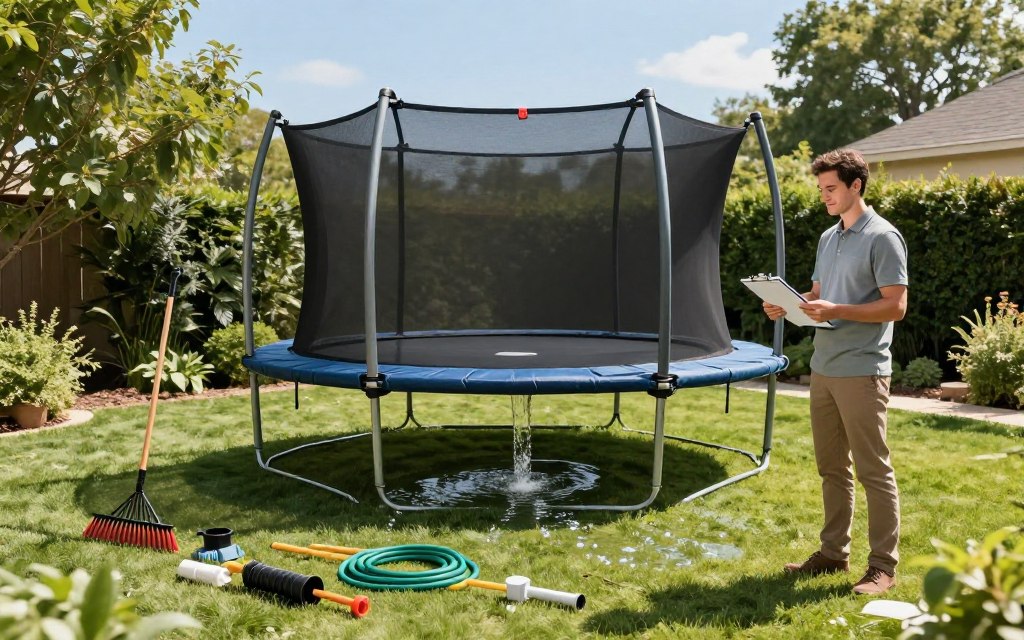
Our network of contractors across the US can assist with trampoline hole digging, ensuring your installation meets all safety and drainage requirements. Regular maintenance of your in-ground trampolines is also vital. Periodically check the drainage system to ensure water flows away from the frame and mat.
We provide a wide selection of tools and guides to help you complete your installation on time and within budget. Plus, our shipping lower states and free shipping options ensure that your materials arrive safely for a seamless project.
Enhancing Backyard Experience with a Smart Drainage Plan
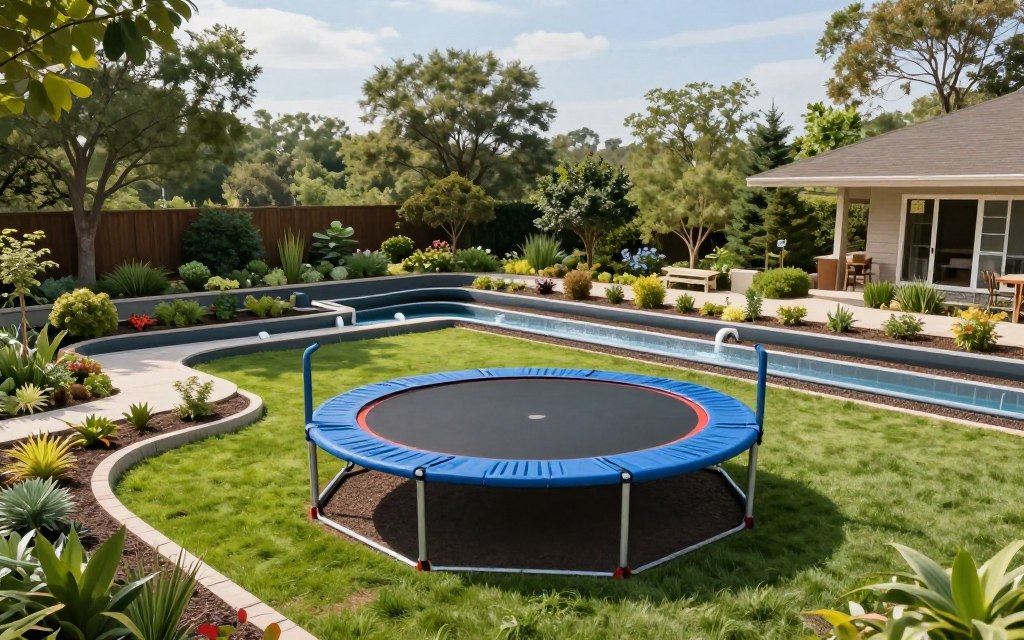
Transforming your backyard into a vibrant space requires thoughtful planning. An in-ground trampoline not only adds fun but also enhances the overall aesthetics of your yard. For instance, a 14′ round model can replace about 150 square feet of lawn, significantly reducing water usage and maintenance time.
Our in-ground trampolines blend seamlessly into the landscape, providing a superior backyard experience compared to traditional models. By choosing an inground system, you minimize lawn care in the area directly beneath the trampoline, which helps preserve your ground.
If you encounter a page blocked extension or a blocked extension, please try disabling extensions to view our tips on ground preservation and design. Proper drainage plans not only protect your equipment but also ensure that the surrounding ground remains healthy and free from water-related damage.
We offer a wide selection of inground trampolines on sale, ensuring that you can find the perfect size to fit your specific backyard layout. Our commitment to quality means that every in-ground trampoline we provide is designed to look good and perform safely for many years.
Feature
Standard Trampolines
In-Ground Trampolines
Water Usage
Higher
Lower
Aesthetics
Less Integrated
Seamless
Maintenance
Regular Care Needed
Reduced
Safety
Higher Risk of Falls
Lower Risk
Conclusion
A well-planned drainage system is vital for ensuring your backyard remains a safe and enjoyable space. By addressing water collection early, you can protect your investment and ensure that your family enjoys every jump for years to come. We provide a wide selection of trampolines on sale, offering high-quality components for a successful installation.
With the right drainage plan, your in-ground trampoline will not only deliver endless fun but also maintain the beauty and integrity of your outdoor space.
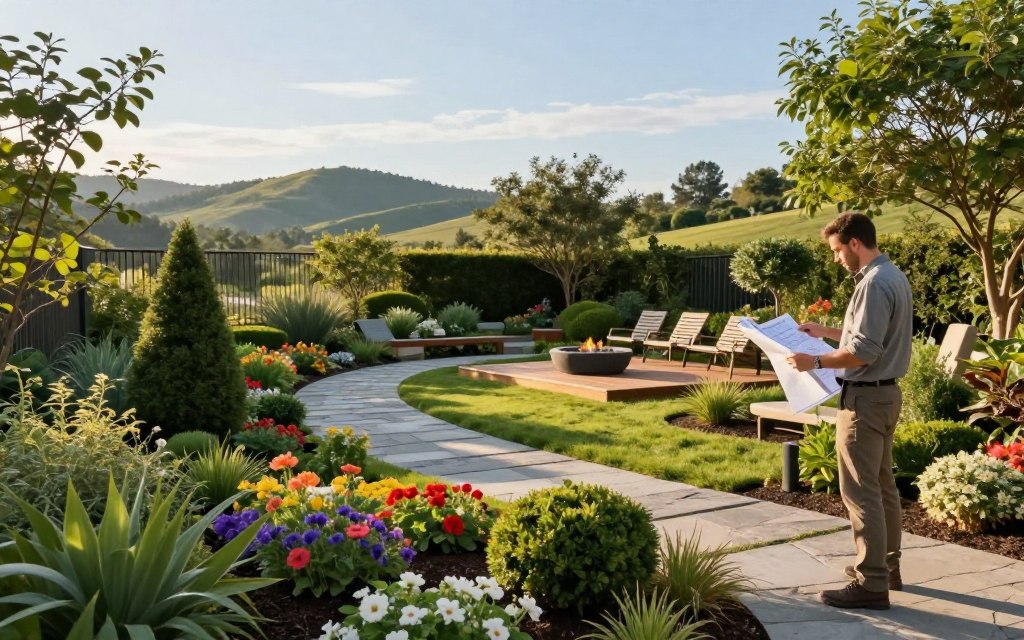
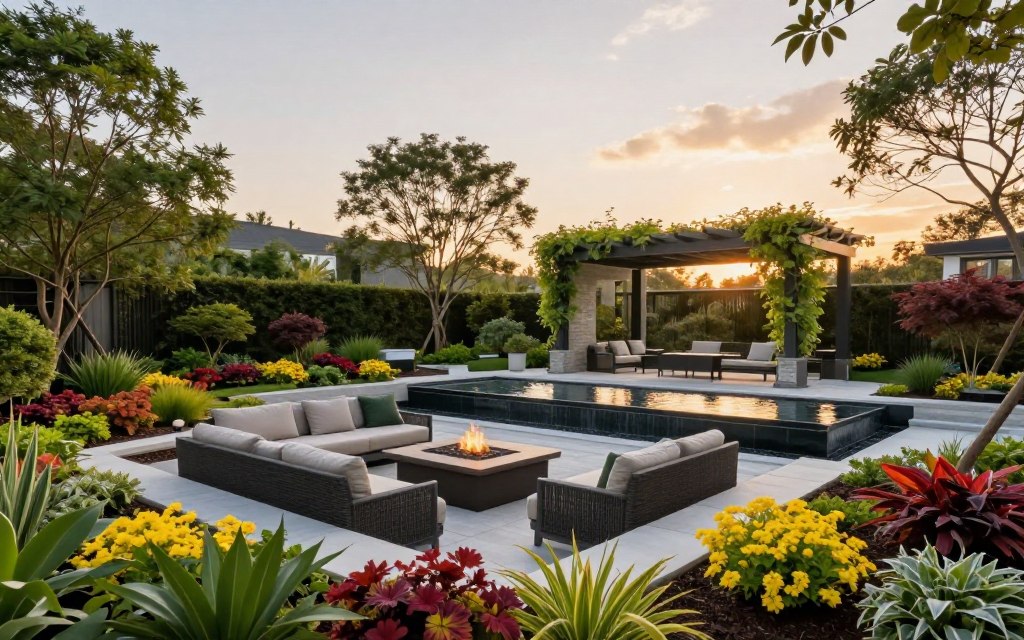
Have you ever wondered how to transform your outdoor space into a stunning retreat that you can enjoy all year round? The secret lies in expert landscape design build services that cater to your unique vision and lifestyle. Creating a beautiful outdoor area requires careful planning and a deep understanding of your needs.
Our team is dedicated to providing a professional experience that turns your dreams into reality. With a commitment to quality, we ensure that every project results in a breathtaking transformation of your property. Whether you’re looking to enhance your home or create a functional space for gatherings, we are here to help.
Imagine a paradise right outside your door, designed to be enjoyed in every season. Our goal is to make your property an extension of your living space, blending beauty with functionality. Reach out to us at (650) 505-2095 for a professional project estimate and take the first step toward your outdoor oasis.
Key Takeaways
Expert services can transform your outdoor spaces into breathtaking retreats.
Quality commitment ensures outstanding transformations for your home.
Creating functional outdoor areas enhances your lifestyle and property value.
Professional experience turns your outdoor dreams into reality.
Focus on your unique goals for a stunning extension of your living space.
Overview of Landscape Design Build Services
An exceptional outdoor environment reflects your personality and enhances your lifestyle. Modern landscaping focuses on creating functional and beautiful outdoor areas tailored to the homeowner’s unique style. Our approach is comprehensive, ensuring that we turn your outdoor dream into reality with precision and passion.
Our services are dedicated to crafting stunning and functional landscapes. Each project we undertake is designed to enhance the overall beauty and value of your property. We prioritize your specific vision, capturing your outdoor dreams in the final installation.
By employing innovative techniques, we guarantee that your landscaping exceeds expectations. Our professional care and attention to detail are evident in every aspect of our work. With creative ideas integrated into each project, we help you realize the full potential of your outdoor environment.
Innovative Landscape Design for a Four-Season Outdoor Room
Imagine enjoying your outdoor area no matter the season, with thoughtful planning that enhances its beauty and functionality. Innovative design allows for the creation of outdoor spaces that remain inviting throughout the year. This approach requires careful consideration of weather patterns and plant growth cycles.
Our focus is on crafting outdoor spaces that provide comfort and aesthetic appeal, whether you are savoring a summer evening or a crisp autumn day. By selecting the right materials and plants, we ensure that your garden remains vibrant all year long.
Here are some key seasonal design considerations:
Season
Design Focus
Plant Selection
Spring
Colorful blooms and fresh greenery
Perennials and annuals
Summer
Shaded areas for relaxation
Trees and shrubs
Autumn
Warm hues and harvest themes
Ornamental grasses and fall-blooming plants
Winter
Evergreen structures and lighting
Conifers and winter-blooming plants
Innovative strategies enable us to transform your garden into a versatile retreat that adapts to the needs of every season. For more insights on selecting the best plants for your outdoor spaces, check out this guide.
Landscape Design Build: Integrating Design and Construction
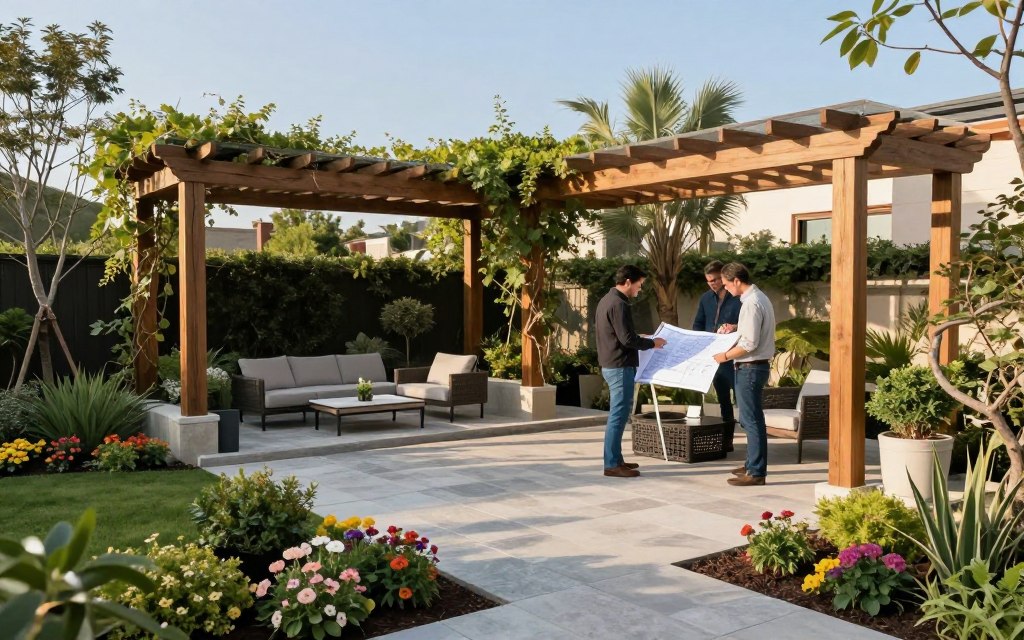
The journey to an inviting outdoor environment begins with a well-coordinated approach to planning and construction. This process ensures that every aspect of your project is aligned with your vision. It combines the creativity of architects with the practical skills of construction teams.
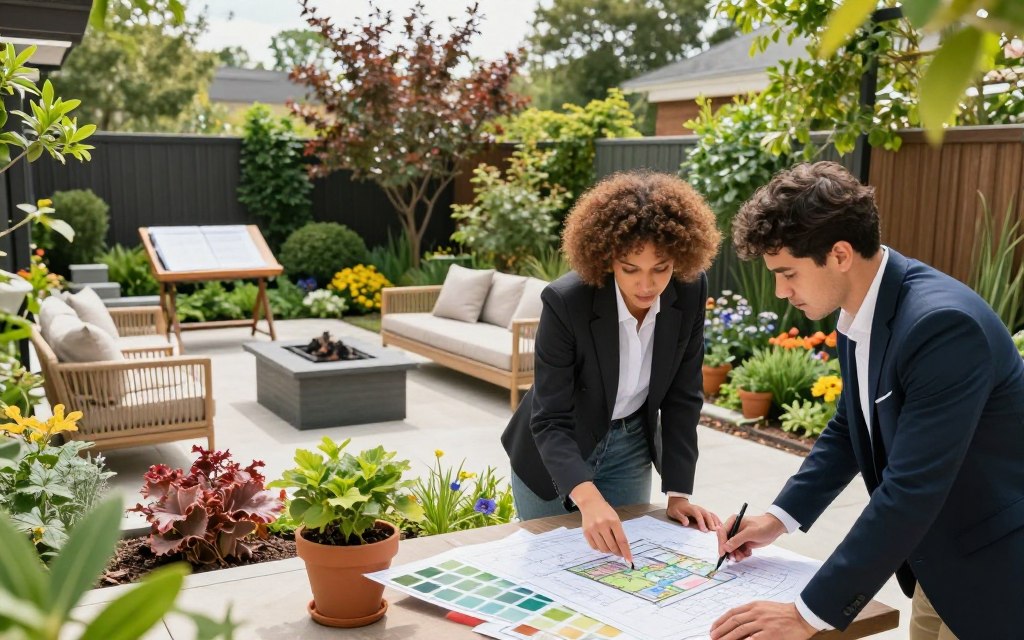
In this collaborative design process, our architects and construction crews work in harmony. This teamwork guarantees a seamless and high-quality finished product. By integrating design construction into one unified workflow, we eliminate the need for separate contractors. This approach significantly reduces the risk of project delays.
Barry Schneider, President of Surrounds, emphasizes the importance of having architects and builders on the same team. This setup allows for better control over the construction process. Our in-house expertise means that the same professionals who create the design are also responsible for the final construction and installation.
This collaborative approach ensures that every detail of the design is executed with precision, reflecting the original vision of our clients.
Benefits of the Design-Build Approach in Landscaping
Choosing a design-build approach for your outdoor project can lead to numerous advantages. This method streamlines the process, allowing for a cohesive vision from start to finish. It combines both planning and construction under one roof, which can save you time and money.
One of the key benefits is budget efficiency. Value engineering plays a significant role in this approach, enabling us to maintain your budget while delivering high-quality results. By estimating construction costs during the design phase, we can adjust materials and designs to fit your financial plan.
Our teams prioritize communication between design and construction departments. This ensures that we find cost-effective solutions throughout the project. A seamless project delivery occurs when the design-build team manages all aspects of construction, maintaining consistent quality.
Additionally, by focusing your budget on high-impact features, we maximize the value of your investment. This strategy helps avoid unnecessary expenses during construction.
Expert Team and Seamless Communication in Landscape Projects
The key to achieving your ideal outdoor space lies in seamless teamwork and communication. Martin and his expert team are known for their ability to execute complex visions while keeping clients informed throughout the process.
Our local team ensures that every project benefits from coordinated implementation strategies. This approach keeps all parties updated and on schedule. Regular field consultations are conducted to verify that construction aligns with the design plans and meets our high-quality standards.
Clear communication is the foundation of our process. It allows us to address any questions or concerns as the project progresses. By fostering a strong relationship between our team and clients, we ensure that the final construction reflects your personal preferences and needs.
We provide professional services that prioritize transparency. You will be updated on every phase of the project from start to finish.
Common Challenges and Solutions in Landscape Projects
Navigating the complexities of outdoor projects can present unique challenges that require effective solutions. Miscommunications often arise when multiple parties are involved, leading to potential delays and unforeseen costs.
To address these issues, we maintain an integrated approach that minimizes the risk of miscommunication between teams. If a construction issue arises, our team acts quickly to provide troubleshooting and adaptation, ensuring the project remains on the right track.
Keeping the client informed throughout the construction phase is crucial. This way, any necessary changes to the design or materials are handled efficiently. Our proactive approach to problem-solving allows us to navigate obstacles that might otherwise cause delays in your project.
We take full responsibility for the project outcome, ensuring that every challenge is met with a professional solution that satisfies the client. For more insights on transforming your outdoor space, visit this guide.
Conclusion
Embarking on the journey to transform your outdoor area is an exciting venture. By opting for a cohesive process that combines planning and construction, you ensure that your vision comes to life with precision. This approach not only saves time but also guarantees high-quality results that enhance your property’s value.
Scheduling a consultation with a professional is the first step to realizing your dream outdoor environment. Remember, the design process typically takes 2 to 6 months before construction begins. Our commitment to excellence means your outdoor space will become a lasting investment that enriches your daily life.
If you have questions about our services, please reach out at (702)-233-2379. We’re here to help you create a beautiful retreat tailored to your needs. For more information, visit this link.
Have you ever wondered how the right techniques in plant installation can enhance the biodiversity of your outdoor space? This comprehensive guide reveals how expert methods can transform your garden into a thriving ecosystem. By selecting the right plants, you can create a resilient landscape that nurtures more than just pollinators.
Understanding the unique characteristics of your landscape is essential. It allows you to design a space that remains beautiful and functional for years. Every plant you choose contributes to the overall health of your property, fostering a vibrant environment that adapts with the seasons.
Plant expert emphasizes that proper installation is vital for long-term success. Following this guide ensures your efforts lead to a sustainable sanctuary that benefits both your home and local wildlife.
Key Takeaways
Expert techniques can significantly boost local biodiversity.
Choosing the right plants is crucial for a resilient garden.
Understanding your landscape enhances design and functionality.
Every plant contributes to the overall health of your space.
Following a guide ensures sustainable practices that support wildlife.
Getting Started: Planning and Site Preparation
Starting your journey towards a vibrant landscape begins with careful planning and preparation. Assessing your site is the first step to ensure that trees thrive in their new environment. Understanding the specific needs of your area will guide you in making the best choices for your landscape.
A well-thought-out design helps organize your materials and guarantees that every plant has ample space to grow. Before you dig, visualize your layout by placing pots in your yard. This way, you can ensure proper spacing and arrangement.
Proper site preparation is crucial. Leveling the ground and removing debris creates a solid foundation for your garden. Additionally, consider incorporating permanent features like patios or walkways to enhance your property’s value.
Always double-check your project plan to mark your irrigation system and other utilities before digging any hole. Using container plants allows flexibility, enabling you to experiment with different layouts until you find the perfect arrangement.
Incorporating compost into your soil during preparation provides a nutrient-rich base for healthy growth for many years. Taking the time to prepare your site effectively will streamline the planting process and reduce future maintenance issues.
Selecting Biodiversity-Friendly Plants
Understanding the importance of local flora is key to a successful landscape. Choosing native species ensures that your garden thrives with minimal intervention. These plants are well-adapted to local soil and climate conditions, making them resilient and low-maintenance.
When selecting shrubs, consider their mature size. This will prevent overcrowding and allow each plant to flourish in your landscape. Proper evaluation of soil drainage is also essential. It helps avoid root rot during wet seasons, ensuring healthy growth.
For those plants that may struggle in the heat of summer, mixing compost into the soil around the root ball can retain moisture. Always inspect the root ball of container plants before planting to ensure they are healthy and not root-bound.
By diversifying your selection of trees and shrubs, you create a habitat that supports beneficial wildlife year-round. Researching each plant’s specific needs can save you time and effort in the long run. A well-chosen plant establishes roots quickly, leading to a resilient garden.
Soil, Watering, and Irrigation Essentials
Establishing a healthy landscape hinges on mastering soil and irrigation fundamentals. The quality of your soil is crucial for plant growth. When preparing it, avoid over-tilling, as this can damage its natural structure and drainage capabilities. Adding compost can enhance soil health, providing essential nutrients.
Proper watering practices are vital for your garden’s success. Newly established plants require consistent moisture, especially during their first summer. Digging a hole that is twice as wide as the root ball allows roots to anchor into the surrounding soil effectively. This practice ensures that your plants have the best chance for healthy growth.
Applying a layer of mulch around your shrubs helps retain moisture and suppress weeds. If your soil is heavy clay, choose plants that thrive in such conditions instead of trying to alter the soil. Using high-quality materials for your irrigation system ensures that your landscape receives the right amount of water without waste.
Monitoring your plants for signs of wilting or pale leaves is essential. This helps you adjust your watering schedule to meet their specific needs. For more information on effective watering techniques, check out this guide on watering practices. Additionally, consider installing a drip irrigation system to deliver water directly to the roots, as suggested by Ross NW Watergardens.
Effective Plant Installation: Techniques and Tips
To create a thriving landscape, understanding effective planting techniques is essential. Proper installation ensures that your plants establish well and contribute to a vibrant garden. Here are some key practices to follow for successful planting.
Proper Planting Depth and Handling of Root Balls
When planting, position the root ball slightly high to avoid burying the plant too deep in the soil. Gently tamp the soil around the root ball to eliminate air pockets without damaging the delicate roots of your shrubs. If using container plants, loosen any bound roots before placing them into the hole.
Best Practices for Digging Holes and Mulching
Use a pointed shovel to dig a hole that is twice as wide as the root ball. This encourages roots to spread horizontally, promoting healthy growth. Additionally, avoid piling mulch against the trunk of a tree, as this can lead to decay and potential plant death. Remember to water your plants immediately after installation to help settle the soil and provide necessary hydration.
Practice
Benefit
Position root ball slightly high
Prevents over-burying
Loosen bound roots
Encourages healthy establishment
Dig a wide hole
Promotes root spread
Avoid mulch against trunk
Prevents decay
Water immediately after planting
Helps recovery from transplant shock
Taking the time to properly space your trees or shrubs ensures that your garden remains healthy and vibrant for many years to come. For more insights on common mulching mistakes, check out this guide on mulching practices.
Integrating Biodiversity into Landscape Design
Creating a diverse landscape requires thoughtful design and strategic choices. One effective way to enhance biodiversity is by designing your yard with layers and groupings of plants. This approach not only looks appealing but also provides shelter and food for local wildlife.
By integrating an automated irrigation system, you ensure that your garden remains a reliable source of water for birds and other living creatures. Avoid planting in rigid rows; instead, use asymmetrical groupings to create a more organic and biodiverse space in your yard.
Creating Layers and Groupings for a Natural Look
Incorporating various layers in your landscape design can attract a wider variety of beneficial wildlife, including pollinators and other helpful insects. Adding decorative accents like birdbaths or statues can enhance the appeal of your property while providing functional benefits for visiting wildlife.
Attracting Pollinators and Beneficial Wildlife
Regularly monitoring your site allows you to identify which plants are thriving and which may need additional care. A well-designed landscape that includes a variety of shrubs and trees will support a healthy ecosystem for many years to come.
Feature
Benefit
Layered plantings
Provides habitat for wildlife
Automated irrigation system
Ensures consistent water supply
Asymmetrical groupings
Creates a natural aesthetic
Decorative accents
Enhances property appeal
Regular monitoring
Maintains plant health
Using mulch to define borders is a simple way to keep your garden looking polished while protecting the soil around your plants. Remember that your garden is a living, evolving space, and small updates over time will keep it looking its best for your enjoyment. For more information on landscape maintenance, visit this guide.
Conclusion
Building a successful ecosystem in your yard is a journey that starts with informed choices. Successful techniques for enhancing biodiversity require careful planning, soil preparation, and consistent watering. By following the methods outlined in this guide, you can cultivate a vibrant landscape that nurtures pollinators and other wildlife.
Each plant has its own unique needs, so take the time to observe your garden over the seasons. Investing in a reliable irrigation system and quality compost can significantly boost the resilience of your shrubs. Your dedication to thoughtful design and maintenance will create a beautiful, functional outdoor space that you can enjoy for years to come.
Have you ever wondered why homeowners are increasingly opting for pondless outdoor water features in their backyards? In 2026, the trend is soaring as individuals seek to create tranquil spaces that offer both beauty and serenity. These installations not only enhance the aesthetic appeal of a garden but also provide a soothing atmosphere without the complexities of traditional setups.
Modern designs often utilize premium materials like cast stone, ensuring that each fountain stands the test of time. With minimal upkeep required, these elegant choices are perfect for those who want the charm of flowing water without the hassle of maintenance. As you explore the latest trends, you’ll discover how a well-placed fountain can transform any space into a luxurious escape.
Key Takeaways
Demand for water features has surged as homeowners seek tranquility in their backyards.
Modern designs often use durable materials for lasting beauty.
Minimal upkeep makes pondless designs a popular choice.
A high-quality fountain can elevate the aesthetic of any area.
Choosing the right feature balances design with the calming sound of water.
Introduction: A New Wave of Garden Serenity
The allure of serene gardens is drawing homeowners to modern water installations. In 2026, the trend of incorporating stylish fountains continues to rise. These installations create a peaceful escape, transforming any standard garden into a luxurious retreat.
Minimal upkeep is a key factor in the popularity of these modern designs. Homeowners appreciate the ease of maintaining a fountain without the labor-intensive tasks often associated with traditional setups. This allows them to enjoy their garden space without constant worry.
Additionally, selecting the right fountain can significantly enhance the overall value of your outdoor living area. A well-placed outdoor water features not only adds aesthetic appeal but also contributes to a calming atmosphere. If you experience a page blocked extension, try disabling extensions to view the details on how to maintain your new garden fountain.
Designing Your Garden Oasis with Pondless Features
A thoughtfully designed garden oasis starts with the perfect water fountain. A well-placed fountain acts as a primary focal point, drawing the eye and creating a sense of balance. This can transform your outdoor space into a tranquil retreat.
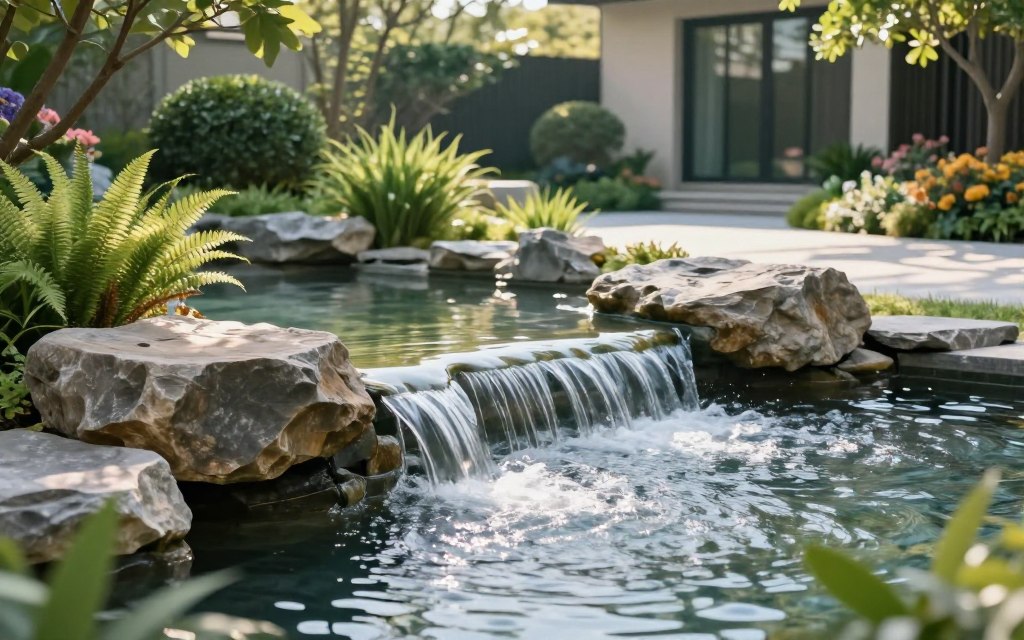
Pondless designs allow for creative landscape integration. These fountains do not require a large basin, making them ideal for modern, space-conscious gardens. They provide the beauty of flowing water without the extensive maintenance of traditional setups.
When selecting a fountain, consider its size and style to ensure it complements your existing landscape. Proper positioning is crucial to maximize visual impact. If you encounter a page blocked extension, try disabling extensions to view the details on how to integrate a fountain into your backyard space.
Our experts suggest that a well-chosen fountain can elevate any small garden area. This minimal effort can significantly enhance both beauty and value. By integrating a modern water feature, you create a stunning focal point that brings your garden to life.
The Rise of Outdoor Water Features in 2026
As we move through 2026, many are discovering the benefits of adding elegant water installations to their landscapes. The demand for unique fountains has surged, as homeowners seek to create serene spaces that enhance their gardens.
Key trends are driving this popularity. For instance, the use of sustainable materials like cast stone is appealing to eco-conscious buyers. These durable options not only look stunning but also withstand various weather conditions.
Additionally, Outdoor Fountain Pros has been a leader in this industry for over 16 years. They provide expert guidance in selecting the perfect water fountain for your needs. If a page blocked extension occurs, try disabling extensions to view the page details and explore their latest collection of outdoor fountains.
With free shipping and no sales tax on most orders, finding the right fountain has never been easier. Their wide range of innovative options allows you to customize the design to fit your space perfectly.
Various Styles: Bubbling, Pouring, and Cascading Fountains
The growing trend of unique fountain designs is captivating homeowners across the nation. With a variety of styles available, selecting the right one can enhance your garden’s ambiance.
Bubbling fountains often resemble bird baths, making them a charming addition. They typically feature a central stream that adds a simple yet effective touch to any outdoor space.
Pouring fountains recycle water through multiple bowls, creating a soothing sound that enhances the atmosphere. These designs not only look beautiful but also provide a calming experience.
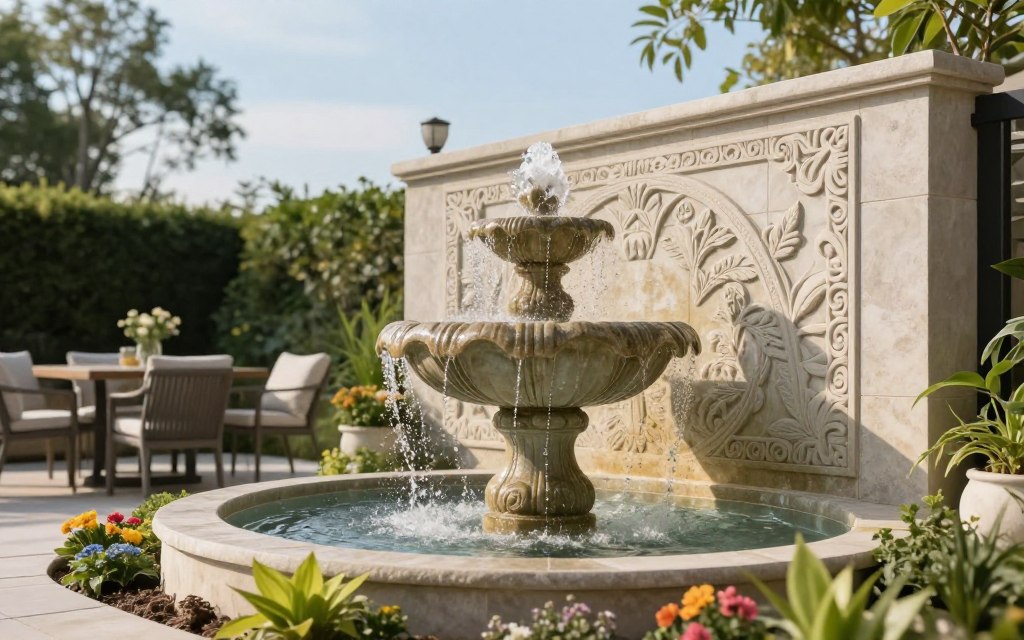
For those interested in tiered options, the Caterina and Williamsburg fountains are classic examples. Crafted from durable cast stone, they showcase timeless elegance and are perfect for any garden setting.
Here’s a comparison of the various styles available:
Fountain Style
Design Features
Material
Sound
Bubbling
Central stream, simple design
Various
Gentle bubbling
Pouring
Multiple bowls, continuous flow
Cast stone
Soothing flow
Cascading
Tiered levels, elegant
Cast stone
Soft cascade
We provide the details you need to compare different styles. Whether you prefer a cascading design or a simple bubbling fountain, we have the options to help you create your dream garden. If you wish to explore more, view our collection for additional insights.
Maximizing Space with Wall and Patio Fountain Options
For those with limited outdoor areas, choosing the right fountain can create a stunning focal point. Wall fountains are an excellent solution, designed specifically to save space while enhancing the beauty of your garden.
The Bird Element Wall Fountain exemplifies this concept, making it perfect for small patios or cozy courtyards. These fountains feature a flat-back design, allowing them to sit flush against walls, which is ideal for compact spaces.
Our collection of wall fountains includes various styles, from classic cast stone to contemporary designs. If you view our selection, you’ll find that these compact fountains provide the same soothing sound as larger options without occupying valuable floor space.
We provide the details on how to install your wall fountain correctly, ensuring the pump is positioned for optimal water flow. Crafted from durable stone and high-quality materials, these fountains are built to last, remaining beautiful features in your garden for years to come.
Our experts can assist you in selecting the right size and style to complement your existing decor. With a wide range of options, even the smallest outdoor area can benefit from the charm of a high-quality fountain.
Creating a Calming Ambiance with Soothing Water Sounds
The soothing sound of a fountain can transform your outdoor space into a serene retreat. The M-Series Bird Fountain is a perfect example of how a small tabletop design can bring a calming effect to intimate areas like balconies or patios.
Natural soundscapes created by a high-quality fountain can effectively drown out street noise. This turns your garden into a peaceful, private sanctuary where you can unwind.
We provide the details on how to select a fountain that produces the specific water sound you desire for your living space. If you view our collection, you will find various options that combine beautiful stone materials with reliable pump performance.
Our wall fountains and tiered designs are engineered to create a consistent, soothing sound. This enhances the overall ambiance of your garden, making it a perfect escape.
We offer a range of sizes to ensure that your fountain fits perfectly in your space, whether it is a large yard or a small patio. The durability of our cast stone fountains ensures that you can enjoy the calming sound of water for many years to come.
Our team is here to help you choose the right water feature to create the perfect Zen-like atmosphere in your own backyard.
Material Choices: Cast Stone, GFRC, and More
The right material can transform a simple fountain into a stunning centerpiece for your garden. Choosing between cast stone, GFRC, and other options can impact both durability and aesthetic appeal.
The Savannah Fountain, crafted from cast stone, is a customer favorite. Its classic elegance and timeless design make it perfect for any garden setting.
For a more contemporary look, consider the Long Beach Fountain. Made from GFRC, it combines strength with a lightweight construction, ideal for modern spaces.
The Alegre Fountain showcases glazed ceramic, adding vibrant color and flair to your collection. Each material has unique benefits, ensuring your fountain remains a beautiful feature regardless of the weather.
If you view our catalog, you will find a wide range of stone and composite options. Our experts can help you understand the benefits of each material, ensuring you choose the best for your needs.
Proper maintenance, including checking the pump, is essential for longevity. We are committed to providing the best options for your garden, ensuring your fountain is both beautiful and built to last.
Maintenance Tips and Pump Performance for Longevity
To maintain the beauty of your garden fountain, regular upkeep is essential. Simple tasks can keep your fountain looking stunning and functioning well for years. Start by cleaning your fountain with mild soap and water. This helps prevent algae buildup and keeps the stone looking fresh.
Checking the pump regularly is also crucial. A well-maintained pump ensures your fountain operates at peak performance. If you encounter issues, we provide the details you need to troubleshoot common problems. This way, you can avoid the need for professional repairs.
Our collection includes various accessories, such as lights and covers, to help protect your fountain from the elements. We offer nationwide shipping to states like Pennsylvania, California, Texas, Florida, and New York, ensuring your fountain arrives safely at your home.
Conclusion
Investing in a high-quality fountain can significantly enhance the value and tranquility of your home. With a diverse range of styles, materials, and sizes available, you can easily find the perfect addition to your unique space. Regular maintenance and pump checks will ensure that your garden fountain remains a stunning centerpiece for years to come.
We hope this guide has provided the details you need to make an informed decision about your next water feature purchase. Explore our full collection today to view the latest designs and discover the ideal piece for your backyard or patio oasis. Whether you opt for a classic cast stone tiered fountain or a sleek wall fountain, you are sure to enjoy the soothing sound of flowing water.
For more insights on enhancing your garden with water features, visit this link.
Have you ever wondered how to keep your garden thriving while using less water? The answer lies in efficient lawn irrigation services. Many homeowners overlook the importance of a well-designed system, which can conserve resources and maintain lush landscapes.
In Houston, Texas, a properly engineered sprinkler system is essential for ensuring that your plants receive the right amount of hydration. With over 20 years of experience, Houston Landscape Pros offers professional installation that considers the unique needs of your property. Their licensed irrigators specialize in creating solutions that balance efficiency and effectiveness.
By transitioning from traditional sprinklers to advanced drip lines, you can significantly reduce water usage. This method delivers water directly to the roots, ensuring that every drop counts. Curious about how to optimize your watering methods? Discover more about effective watering techniques here.
Key Takeaways
Efficient irrigation systems conserve water while keeping landscapes healthy.
Professional installation is crucial for tailored solutions.
Drip lines can significantly reduce water waste.
Experienced technicians ensure optimal system performance.
Upgrading to advanced systems can enhance property value.
Overview of Efficient Irrigation Solutions
How can you adapt your watering practices to meet the needs of your garden? Modern irrigation needs require a sophisticated approach. This ensures that every landscape receives the optimal amount of water throughout the changing seasons.
Since 2007, professional irrigation options have evolved to prioritize eco-friendly practices. These methods help keep gardens vibrant and healthy all year round. Traditional sprinkler systems often waste water by spraying over sidewalks or driveways. In contrast, modern drip solutions deliver water directly to the root zone, minimizing evaporation.
Understanding the differences between these systems is crucial. A drip irrigation system is particularly effective in areas where water is scarce or costly. Efficient watering solutions also prevent the common mistake of treating landscape beds, trees, and grass areas with the same irrigation station.
Benefits of Converting Sprinklers to Drip Lines
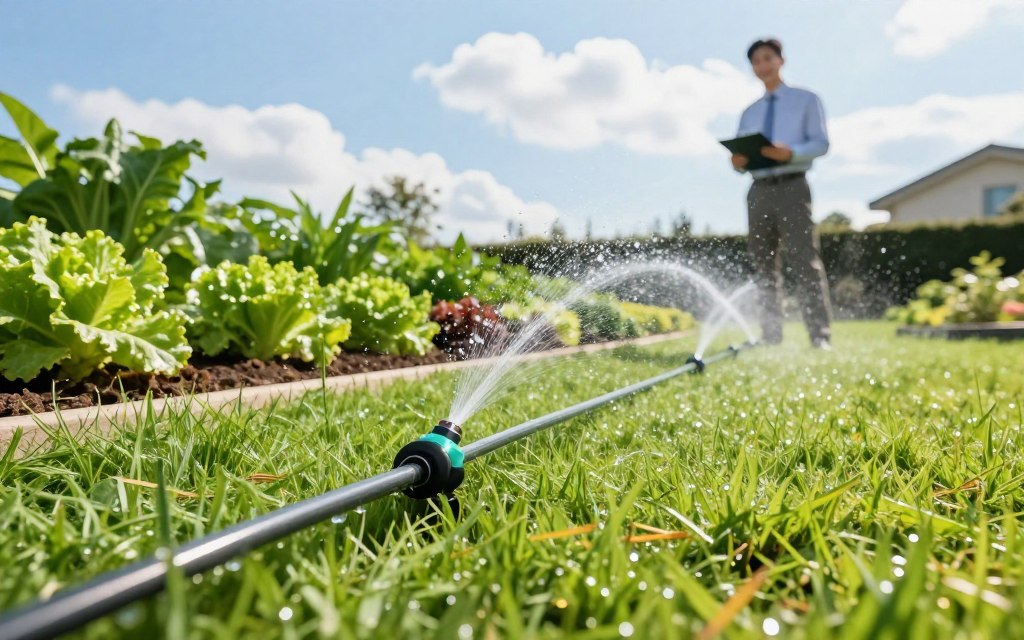
Transforming your watering methods can lead to a more sustainable garden. One of the most significant advantages of switching to a drip system is water conservation. Drip irrigation delivers water directly to the roots, minimizing evaporation and ensuring that every drop is used efficiently.
Moreover, using a drip system can lead to cost savings. Homeowners can lower their utility bills by preventing overwatering, which often occurs with traditional sprinklers. The MP Rotator nozzle is an excellent example of a cost-efficient option that maintains a consistent water rate, reducing waste.
By directly watering the roots, this method also enhances plant health. It helps prevent diseases that can arise from wet foliage, particularly in the evening. This targeted approach ensures that plants receive exactly what they need without excess moisture.
Feature
Drip Irrigation
Traditional Sprinkler System
Water Efficiency
High
Moderate
Cost Savings
Significant
Low
Plant Health
Improved
Variable
Overwatering Risk
Low
High
To learn more about effective watering practices, check out this resource on converting your sprinkler to drip irrigation. Additionally, understanding when to water your garden can further enhance your watering strategy; find more information here.
Professional Lawn Irrigation Services for Modern Yards
Are you looking for ways to enhance your outdoor space with professional expertise? Choosing expert installation for your watering system can make a significant difference. Quality work ensures that your system operates efficiently and effectively.
Utilizing commercial-grade components is essential. These parts last longer and perform better than those found in typical retail stores. Although a quote may be slightly higher, the long-term savings in water usage and repairs offer superior value.
Many contractors cut corners during installation. They might use larger pipes to avoid calculating the correct water pressure. An expert service provider will ensure that different areas of your yard are set up with separate stations, accommodating their unique needs.
High-quality work by licensed professionals guarantees reliable operation for over ten years. This investment in quality pays off in the long run.
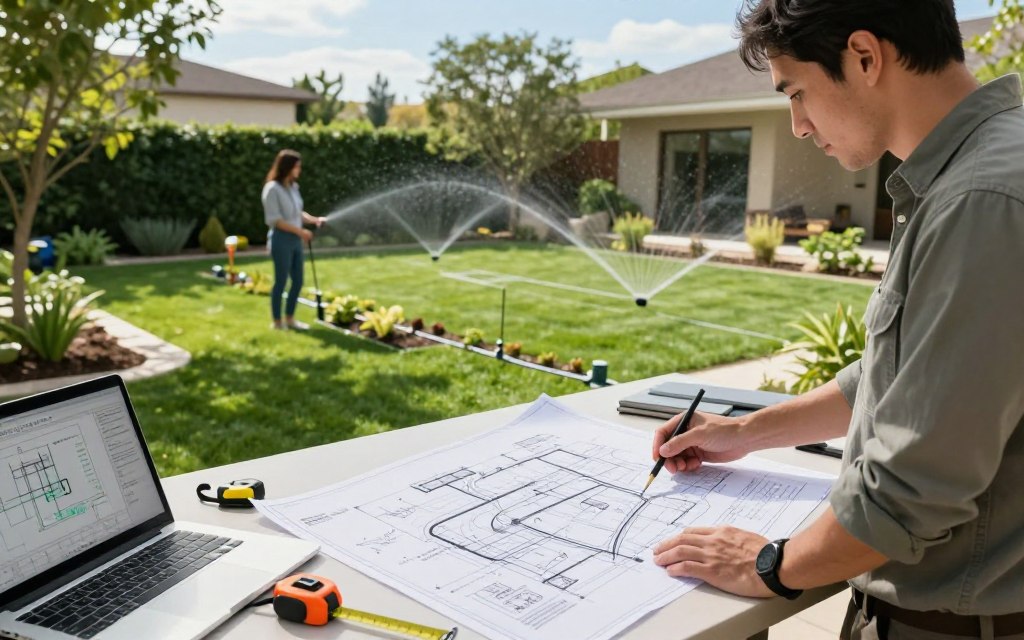
Creating a tailored irrigation system can significantly enhance your garden’s health. This process begins with a thorough site assessment to understand the unique needs of your yard. A custom layout ensures that every component is strategically placed to cover only the intended green areas.
A detailed design should consider the specific requirements of your grass, trees, and plants. This approach avoids the waste caused by spraying sidewalks or driveways. Strategic zone placement allows for customized watering, ensuring flowers receive more water than the surrounding areas.
Professional installation services include a comprehensive assessment to comply with local regulations. For instance, Texas law prohibits using pop-up heads in areas less than 48 inches wide bordered by concrete. By mapping out your yard beforehand, you can also plan for future additions like pools or patios without disrupting your watering system.
Installation Techniques and Long-Term Repair Solutions
What steps can you take to ensure your watering system remains efficient and effective over time? Quality installation and maintenance are crucial for preventing common issues.
Using high-quality, commercial-grade parts is essential. These components help avoid problems like cracked pipes or leaking valves. Proper installation can significantly reduce the need for repairs down the line.
Scheduled maintenance is vital. This includes winterizing the system to prevent damage from freezing temperatures. Technicians should shut off valves, turn off timers, and drain water to protect your property.
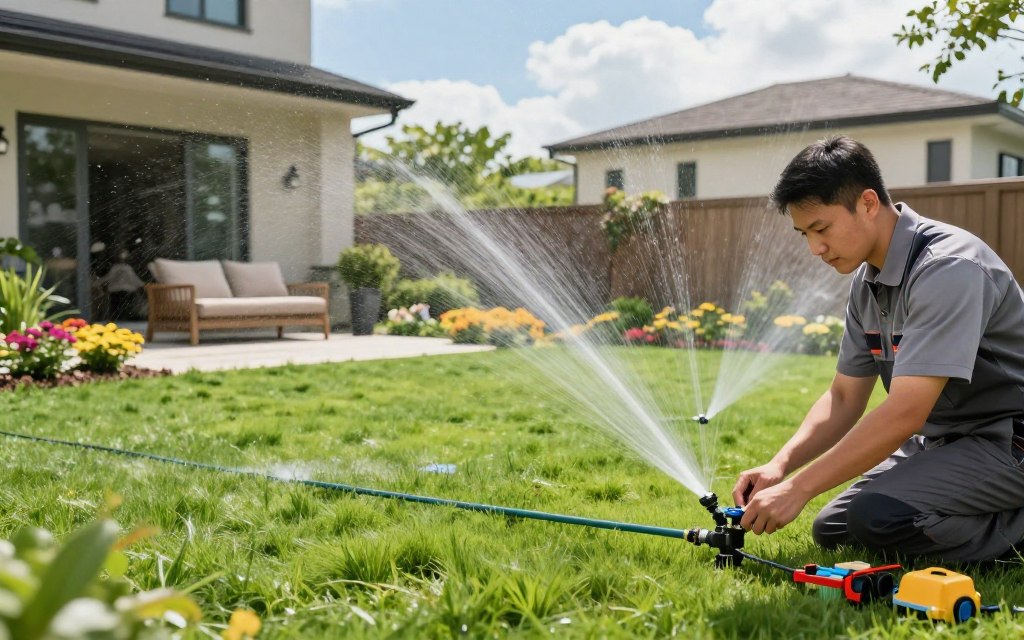
Expert technicians will revisit homes one week after installation. They inspect nozzles and ensure that sprinkler heads are properly positioned. If any heads shift due to loose soil, maintenance teams will make necessary adjustments.
Feature
Expert Installation
Standard Installation
Component Quality
Commercial-grade
Retail-grade
Longevity
10+ years
5 years
Water Efficiency
High
Moderate
Maintenance Frequency
Regular
Infrequent
Smart Watering Technologies and Controller Options
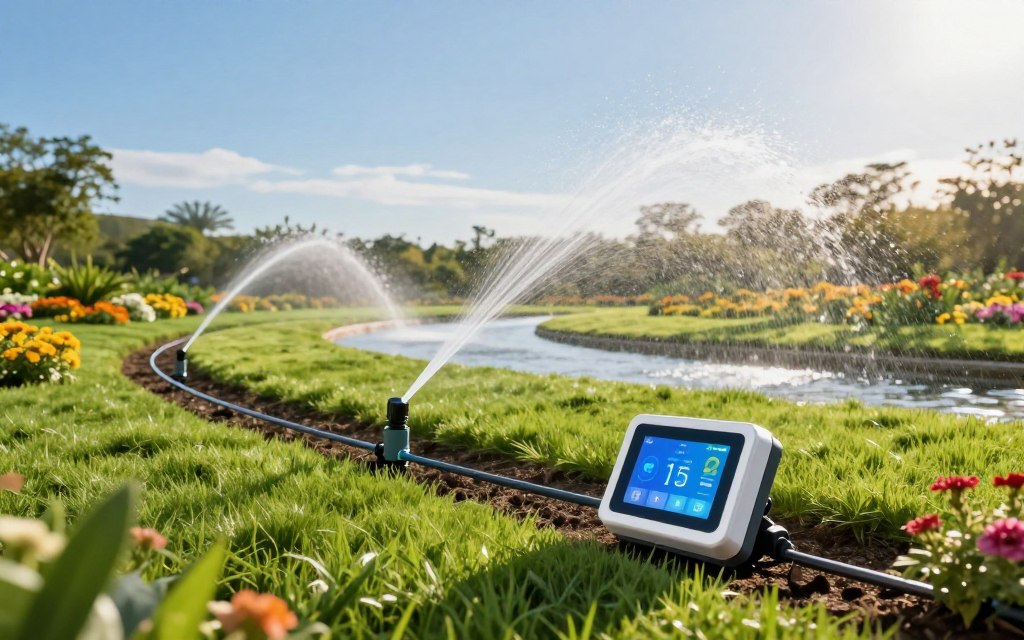
Discover how smart controllers can revolutionize your watering practices. These innovative devices, such as the Rachio, allow homeowners to set their watering schedules and forget about them. This is particularly useful in regions like Houston, where January requires 36% less water than June, highlighting the importance of seasonal programming.
Homeowners can program their system for the entire year, eliminating the need for manual adjustments.
Wi-Fi enabled controllers provide remote access, allowing you to manage your sprinkler system from anywhere using a smartphone or tablet.
By automatically adjusting to local weather data, these controllers save money on water bills and prevent common issues related to over-watering during rainy periods.
Programming your system to deliver the right amount of water based on the season is essential for maintaining a healthy garden without constant manual intervention.
Advanced controllers can integrate with rain sensors to suspend irrigation during storms, optimizing the efficiency of your entire watering system.
Feature
Smart Controller
Traditional Controller
Remote Access
Yes
No
Seasonal Programming
Automatic
Manual
Weather Adjustment
Yes
No
Cost Savings
High
Low
Transitioning from Sprinklers to Drip Lines: What to Expect
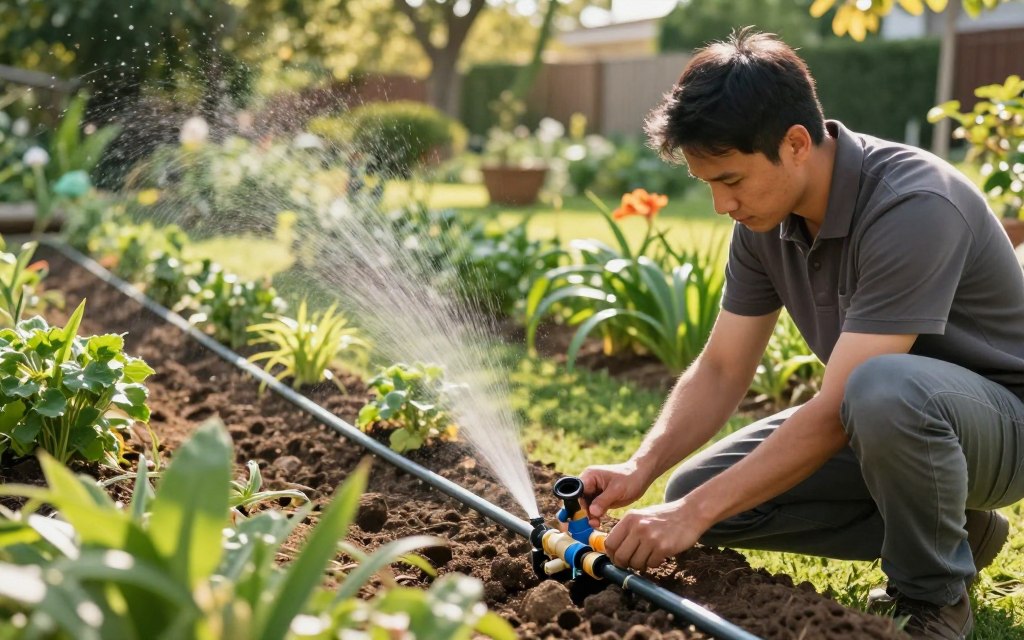
Transitioning to a more efficient watering method can significantly improve your garden’s health. The process of converting from a traditional sprinkler system to drip lines involves several steps. First, existing zones are modified to target specific landscaping beds.
During this conversion, technicians typically replace standard sprinkler heads with drip emitters. These emitters deliver water directly to the soil surface, minimizing waste. This method also helps prevent damage caused by water hitting fences or concrete.
To ensure optimal performance, a dedicated valve for the drip zone is installed. This allows your flowers and shrubs to receive the precise amount of water they need at the right time. While installing drip lines may require more labor than standard sprinkler installation, the long-term benefits for your landscaping are significant and measurable.
Service Areas and Tailored Solutions in the United States
Understanding the unique needs of your property can enhance your landscape experience. Southwest Irrigation Systems has been serving the greater Houston area for over 35 years. Our expertise spans residential, commercial, and HOA common areas.
We provide a wide range of tailored solutions to meet every customer’s needs. From single-family homes to large commercial sites, our team ensures that your watering system is efficient and effective.
Our services include:
Drainage maintenance to prevent water accumulation.
Sprinkler repair to fix any issues promptly.
New system installation tailored to your property.
Every job is handled by licensed professionals who offer transparent quotes. This way, you know the costs of repairs or installations upfront. Our team specializes in caring for plants, valves, and sprinkler heads, ensuring your landscape thrives year-round.
Whether you need a quick repair for a broken valve or a full-scale drainage overhaul, we are dedicated to providing the best service experience possible.
Service Type
Description
Benefits
Drainage Maintenance
Preventing water accumulation
Protects your landscape from damage
Sprinkler Repair
Fixing broken components
Ensures efficient watering
System Installation
New irrigation systems
Customized for your property
Conclusion
Investing in efficient watering solutions can significantly enhance the vitality of your outdoor space. Transitioning to a more effective system not only conserves water but also protects your landscape for years to come.
By upgrading your sprinkler heads and integrating drip lines, you ensure that your plants receive the precise hydration they need to thrive. Professional repair and irrigation maintenance services keep your system running smoothly, helping you avoid costly emergency repairs.
Whether managing a home or a larger property, modernizing your watering technology is the most effective way to meet your landscape needs. Contacting an expert for your next sprinkler installation or system repair provides peace of mind that your yard is in good hands.
Have you ever wondered how modern splash pads manage to provide endless fun for kids while being eco-friendly? Today, the integration of smart technology in these water play areas is revolutionizing how families enjoy their time during the hot summer months. At the heart of this innovation lies a focus on sustainability, ensuring that water usage is optimized without sacrificing the enjoyment of children and families.
For instance, the iconic Union Station in downtown Denver features 92 programmable pop-jets, offering a refreshing escape from the heat. These jets are not just for show; they are part of a sophisticated system that employs advanced piping and precision controls to manage water flow efficiently. This allows thousands of visitors to enjoy the fountains while minimizing waste.
As summer temperatures rise, smart splash pad installations are becoming essential for families looking to beat the heat in a safe and fun environment. The innovative features of these installations ensure that water conservation is at the forefront, making every splash a step towards a more sustainable future.
Key Takeaways
Modern splash pads integrate smart technology for enhanced water conservation.
Union Station’s 92 programmable jets provide a unique water play experience.
Advanced systems manage water flow efficiently, reducing waste.
These installations offer a safe way for kids to stay cool during summer.
Families can enjoy fun while knowing their water usage is optimized.
Innovative Features and Water-Saving AI Technology
The future of water play areas is being shaped by innovative technology. These advancements are designed to enhance the experience for children and families while promoting water conservation. At the heart of this evolution are smart systems that use AI algorithms to monitor water usage in real-time.
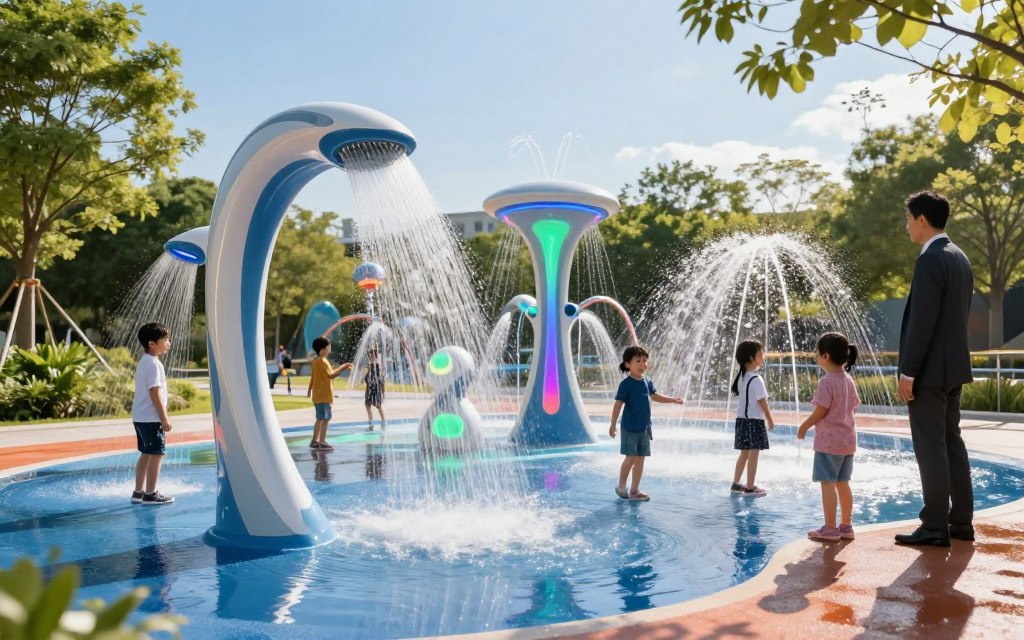
By partnering with Waterplay by MAKR, designers have created engaging spaces that keep kids entertained for hours. The splash pad at 5951 Monaco St exemplifies this with its interactive features. Motion-activated fountains provide fun while ensuring that water is only used when children are present.
Families can enjoy the park splash area, which is thoughtfully designed with shade and seating. This makes it a perfect spot for relaxation while kids play. The layout encourages children of all ages to interact, ensuring everyone has a great time.
Feature
Description
Benefits
AI Monitoring
Real-time water usage tracking
Reduces waste and optimizes use
Motion-Activated Fountains
Fountains that activate with movement
Encourages play while conserving water
Interactive Water Elements
Features that engage kids
Promotes fun and social interaction
Smart Installation Process and Design Insights
The evolution of water play areas reflects a commitment to blending fun with sustainability. Key to this transformation are advanced piping systems and precision controls. These elements ensure that every splash pad installation is both durable and functional, especially in busy public parks.
For instance, the Buchanan Rec Center in Evergreen, CO, recently upgraded its plumbing to enhance its water features while preserving its mountain charm. This thoughtful approach ensures that the facilities remain appealing and functional for families.
Similarly, Centennial Center Park features a large splash pad alongside naturalistic playground elements. Here, kids can enjoy climbing and interactive water play for hours, making it a favorite spot for families during the summer.
Feature
Description
Benefits
Advanced Piping
Durable systems designed for high traffic
Ensures longevity and reliability
Precision Controls
Smart technology for water management
Reduces waste and enhances user experience
Naturalistic Elements
Integration of rocks and finishes
Creates engaging spaces for children
Families appreciate the careful planning that goes into these installations. They provide plenty of shade and fun activities, making them ideal for a full day out. Each splash pad is designed to be a central hub for community activities, fostering connections among families.
For more insights on effective lawn watering devices, visit this link.
Exploring splash pads Across the United States
Splash pads are emerging as the go-to solution for families seeking summer enjoyment without the hefty price tag. Across the United States, these vibrant water play areas provide a fun and affordable way to beat the heat.
In the Denver metro area, families can explore a list of 12 budget-friendly splash pads. One notable location is Benedict Park, which features a durable Sandscape finish, ensuring safety for kids as they play. Another popular spot is Centennial Center Park, known for its large splash pad and extensive playground areas, perfect for children of all ages.
Many community parks now boast a spray park or splash pad, offering free water play year-round. These spaces are designed to be inclusive, allowing kids to enjoy interactive fountains and other features safely. Families can enjoy a fun day out without the costs associated with traditional water parks.
Often, downtown areas host splash pads that serve as central gathering spots for families seeking quick relief from the summer heat. Each location on our list is chosen for its accessibility, safety, and commitment to providing quality outdoor activities.
For more insights on landscape installation and maintenance, visit this link.
Conclusion
As we embrace innovative technology, smart splash pad installations are redefining summer fun for families. These water play areas not only offer a refreshing escape from the heat but also prioritize water conservation.
By selecting a local splash pad from our curated list, families can enjoy a delightful day while staying cool. These interactive features provide a safe space for kids to play and connect with their community.
Whether visiting a large spray park or a simple fountain area, the benefits of these splash pads installation are evident. We encourage you to explore the various options available in your area to maximize your outdoor activities this summer.
Investing in smart water play systems ensures that these cherished spaces remain accessible for future generations. For more insights on community investments in water features, check out this article.
Have you ever wondered if the grass in your yard could be safer for your family and pets? With the rise of artificial grass, many homeowners are considering a shift to this innovative solution. This guide will provide you with essential insights into safe synthetic turf installation for 2026.
Artificial grass offers a non-toxic, pet-friendly, and kid-friendly alternative to traditional lawns, lasting up to 15 years with proper care. Choosing non-toxic materials is crucial for ensuring a safe environment for your loved ones. Understanding the installation process is vital to maintaining the beauty and durability of your new lawn.
In this guide, we will cover everything from site preparation to the final grooming of your new grass surface. By following these professional guidelines, you can enjoy a lush, green yard without the constant need for watering or chemical fertilizers. For more information on safe materials, check out lead-free options and installation tips.
Key Takeaways
This guide offers a comprehensive overview of synthetic turf installation for homeowners.
Choosing non-toxic materials is essential for family and pet safety.
Proper installation ensures long-lasting beauty and durability.
Detailed instructions cover all steps from preparation to grooming.
Achieve a green look without constant watering or chemicals.
Introduction to Non-Toxic Turf Solutions
What if the grass in your yard could offer a healthier environment for everyone? The benefits of modern artificial grass are significant. Extensive testing shows no elevated health risks for children or adults playing on contemporary turf fields. This means you can enjoy a safe space for your family and pets.
Today, many homeowners are prioritizing non-toxic installation methods. In 2026, it’s crucial to ensure your yard remains a healthy environment. Modern artificial grass is made from non-toxic nylon or plastic materials, making it safe for everyone to enjoy.
Choosing the right product helps avoid past concerns related to older crumb rubber infill. A well-planned project provides a durable, low-maintenance surface, eliminating the need for harmful pesticides or herbicides. Always select high-quality materials that meet current safety standards for both residential and commercial landscapes.
Preparing Your Yard for a Synthetic Turf Project
Is your yard ready for a transformation into a vibrant, green space? Preparing your outdoor area is essential for a successful project. Start by removing all existing grass and weeds. This ensures a clean, level surface for your new lawn.
Next, it’s important to cap any unused irrigation pipes at the pipe level. This prevents future water leakage that could damage your installation. When working with electrical wiring or sprinkler lines, move them six to eight inches inward from the hardscape. This will help avoid accidental damage during the project.
Properly grading the soil is also crucial. This allows for better drainage and prevents low spots that can collect water. Lastly, applying a weed barrier or treatment can help stop unwanted weeds from growing through your new grass surface.
Laying a Solid Turf Base and Ensuring Proper Drainage
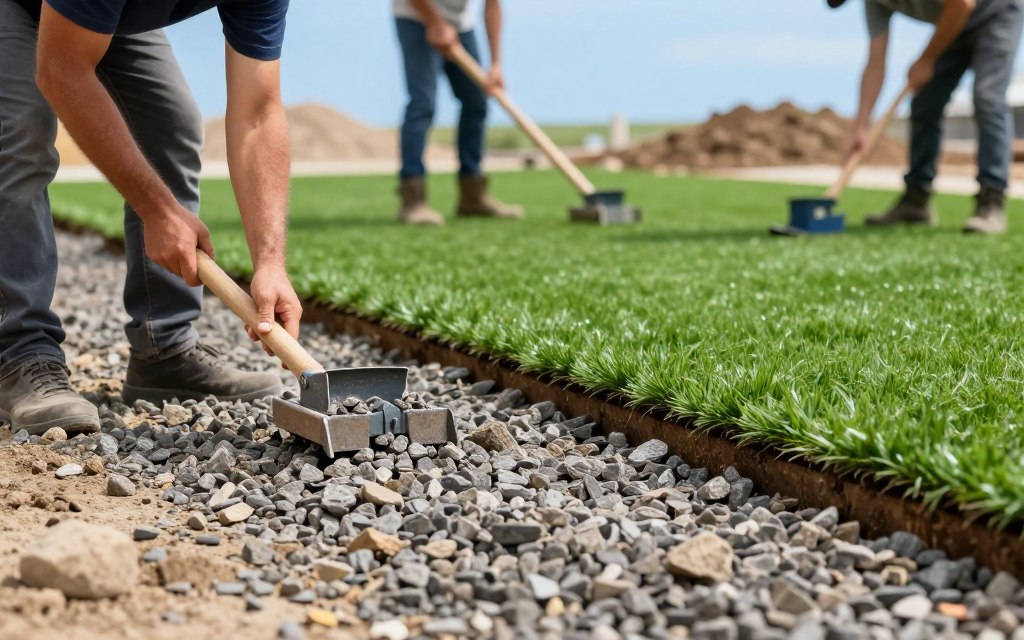
Are you ready to create a strong foundation for your new lawn? A reliable base is essential for a successful project. Start by installing a three-inch layer of gravel and sand mixture. This will provide a firm, well-draining surface for your grass.
After spreading the base material, it’s crucial to level and compact it properly. Use a plate compactor or heavy-duty roller to ensure the base is even and firm. This step prevents any uneven areas that could affect the appearance of your new lawn.
Additionally, make sure the base slopes away from living areas and directs water toward designated drainage points. Wetting the base material before final compaction helps it settle into a stable surface. Always double-check for any high or low spots after compacting to ensure a smooth finish.
Mastering Synthetic Turf Installation Techniques
Are you excited to take your lawn project to the next level with effective installation techniques? Installing artificial grass can be a rewarding DIY project if you follow the right steps. A well-executed process not only enhances the look of your yard but also ensures durability.
Here are some essential steps to consider:
When you install artificial grass, ensure all rolls are laid in the same direction for a consistent and natural look.
The installation process requires careful planning, especially when measuring your yard to minimize waste and ensure a perfect fit for every piece.
After unrolling the turf, let it sit for three hours to allow the material to relax and settle flat against the prepared surface.
If you are a DIY enthusiast, following each step of the installation guide will help you achieve a professional-looking result without hiring contractors.
Always verify that the backing of the turf is not tight against walls or fences to allow for natural expansion and contraction over time.
To further enhance your understanding, here’s a table summarizing the key steps:
Step
Description
Time Required
Preparation
Measure and clear the area for installation.
1-2 hours
Unrolling
Unroll the grass and let it settle.
3 hours
Alignment
Ensure all rolls are aligned correctly.
30 minutes
Final Adjustments
Check for tightness against walls.
1 hour
Precision Cutting, Seaming, and Edge Tucking
Achieving a seamless look for your lawn starts with careful trimming. Proper cutting and securing of edges is vital for a polished finish. You want your grass to look natural and inviting, so precision is key.
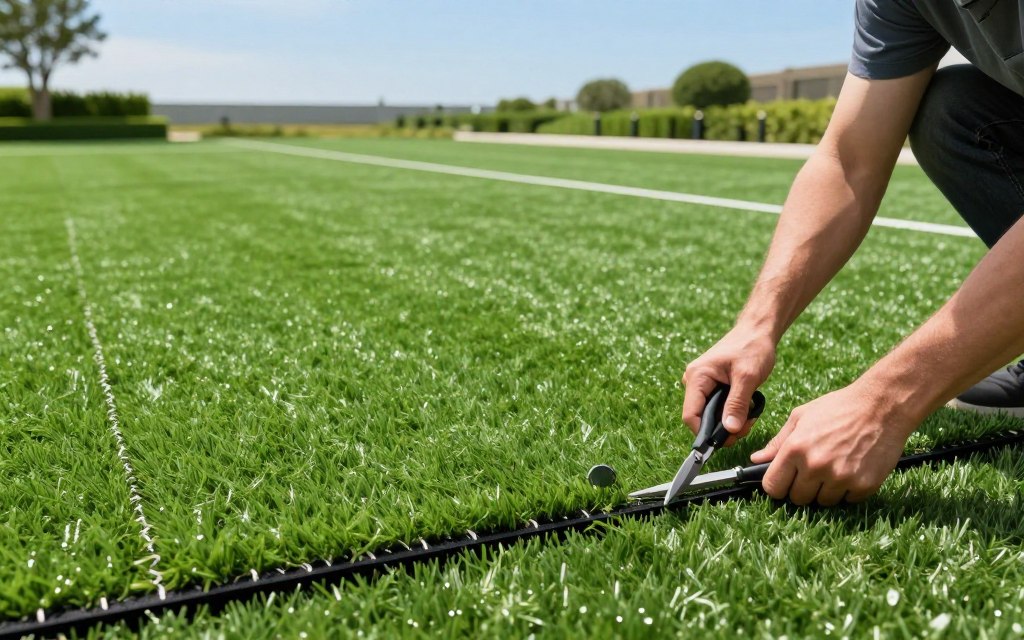
Use a sharp utility knife to trim the edges of your grass, ensuring you leave a small gap of 1/8 inch from any hardscape. This will help maintain a clean, professional fit. When you seam two pieces together, utilize a seaming tool to butt the edges tightly. Secure them with U-nails every six inches for stability.
For the best results, drive nails down three-quarters of the way into the ground. Be sure to separate the grass blades so the nails remain hidden. For commercial applications, place nails three to five inches on center to provide extra stability along high-traffic perimeter edges.
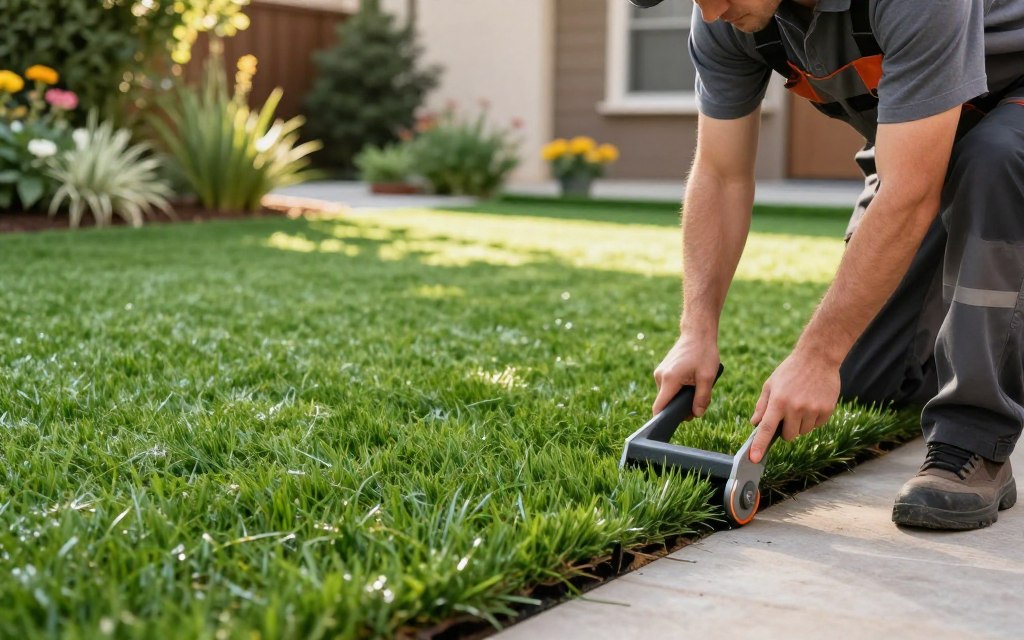
Tucking the grass against a border using a wonder bar creates a clean, plush look that hides the backing and raw edges. This finishing touch is essential for achieving a seamless appearance.
For more tips on combining irrigation with your grass project, check out this guide.
Applying Infill and Grooming for a Natural Look
Transforming your lawn into a vibrant green space requires careful attention to detail. One critical step in this process is applying infill. This material adds weight to the grass and helps the blades stand upright, enhancing the overall appearance.
For optimal results, apply approximately 1 lb of infill per square foot. Use a grain shovel to distribute it evenly across the surface, ensuring complete coverage of the area. This will help the grass maintain its natural look.
Choosing the Right Infill Material and Application Tips
A power broom is an excellent tool for grooming your grass. Brush against the grain to help the infill settle deep into the backing. This technique ensures stability and a lush appearance. Be gentle; firm downward pressure is enough to fluff the blades without damaging them.
Using Power Brooms to Achieve a Lush Appearance
After the initial application, lightly brush the surface again. This will ensure the infill is settled properly and that your grass looks fresh and inviting. With these steps, your lawn will not only look great but also feel comfortable for your family and pets.
Tools and Materials for a Flawless Turf Installation
Are you equipped with the right tools to make your grass installation seamless? Having the essential tools and materials is crucial for a successful project. Start by gathering high-quality artificial grass and appropriate infill. These are the first steps toward a beautiful lawn.
Essential tools include:
A rake for leveling the surface.
A hammer and utility knife for cutting and securing edges.
A wheelbarrow to transport heavy materials.
A compactor to ensure a solid base.
A power broom for final grooming.
When preparing for installation, consider these safety tips:
Use galvanized nails or U-staples to secure the grass firmly.
Always wear gloves when handling sharp tools.
Keep the work area clear of debris to prevent accidents.
Maintenance and Long-Term Care for Your Turf
To keep your yard looking its best, regular maintenance is essential. Artificial grass can last up to 15 years with proper care. This includes weekly rinsing and monthly brushing to keep the blades upright and vibrant.
Weekly Upkeep Routines
Weekly maintenance involves lightly rinsing your lawn with a hose. This helps remove dust, dirt, and any debris that may have accumulated. If you have pets, be sure to clean up waste promptly and hose down the area to keep the grass fresh and sanitary.
Monthly Strategies for Freshness
Monthly upkeep requires using a broom to sweep against the natural grain of the grass. This helps keep the blades standing tall. Regularly inspecting the perimeter edges for loose nails or shifting grass ensures your project remains safe and secure over time.
By following these simple maintenance routines, you can enjoy a beautiful, low-maintenance lawn that stays clean and pest-free for many years. For more information on landscaping options, check out this resource.
Conclusion
Imagine transforming your outdoor space into a beautiful, low-maintenance oasis for your family. Installing artificial grass is a straightforward process that can greatly enhance your yard’s appeal. Proper planning and preparation are essential steps to ensure a successful project.
In 2023, the average cost for professional installation ranged from $10 to $13 per square foot, including labor. Whether you choose to tackle the installation yourself or hire a professional, selecting the right materials is crucial. Remember to choose the appropriate infill and follow each step of this guide to maintain a safe and durable lawn.
With the right tools and a bit of effort, you can achieve a stunning landscape that will last for years. We hope this guide has equipped you with the knowledge to confidently embark on your artificial grass project.
Have you ever wondered how the choice between electric and gas equipment can transform your outdoor space? When it comes to maintaining your property, understanding the nuances of these tools is essential. This is especially true for businesses in New York, where a well-kept exterior can significantly enhance curb appeal. Professional commercial andscape maintenance services are not just about aesthetics; it’s about creating an inviting atmosphere for clients and visitors. With over 1,000 clients relying on expert assistance, the demand for quality outdoor management is clear. A beautiful lawn can be the first impression that shapes a visitor’s experience.
In this guide, we will delve into the advantages and disadvantages of electric versus gas equipment. We aim to help you make informed decisions tailored to your unique needs. By investing in the right tools, you ensure that your property reflects the pride and attention to detail that your business stands for.
Key Takeaways
Choosing the right equipment can impact operational efficiency.
A well-maintained lawn enhances the professional image of your business.
Understanding local soil and plant health is crucial for optimal care.
Electric tools may offer sustainability benefits over gas alternatives.
Quality service is an investment in your property’s long-term value.
Introduction to Landscape Maintenance Options
The right tools can significantly enhance the beauty and functionality of your outdoor areas. Understanding the latest trends in landscaping is essential for maintaining a vibrant property.
Current trends emphasize sustainable practices that minimize environmental impact while ensuring high aesthetic standards. Professional teams, trusted by over 1,000 clients, bring extensive experience to manage the unique needs of diverse outdoor spaces.
These experts ensure that every lawn receives the precise care it requires. Modern strategies focus on proactive planning to tackle challenges in high-traffic environments throughout the seasons.
Effective service delivery balances visual beauty with the functional needs of businesses. By prioritizing consistent work and attention to detail, property managers can keep their outdoor spaces safe, clean, and appealing for all visitors.
For more information on hiring professional help, check out this guide.
Electric vs. Gas: Key Differences in Landscape Maintenance
Understanding the differences between electric and gas tools can significantly influence your lawn care choices. Each type of equipment has its own strengths and weaknesses, making it essential to assess your specific needs.
Overview of Electric Lawn Equipment
Electric lawn equipment offers a quieter alternative for maintenance. This is especially beneficial for properties in urban areas or near office buildings. With advancements in battery technology, electric tools are now capable of handling more demanding tasks than ever before.
Overview of Gas-Powered Equipment
On the other hand, gas-powered equipment provides the raw power necessary for extensive lawn care tasks. It remains a reliable choice for large-scale projects. Choosing the right equipment requires balancing the benefits of noise reduction against the performance needed for your property.
Professional teams leverage their expertise to determine which tools will deliver the best results for your lawn. This ensures that every corner of your space is effectively managed.
Benefits of Electric Commercial Landscape Maintenance
Utilizing electric tools can revolutionize the care of your outdoor spaces. These tools are designed to enhance efficiency while being environmentally friendly. They play a crucial role in maintaining a peaceful atmosphere, especially in bustling commercial districts.
Environmental Impact and Noise Reduction
One of the key benefits of electric equipment is its zero direct emissions during use. This greatly reduces the environmental impact of your landscaping efforts.
Moreover, noise reduction is essential for properties where quiet operation is necessary. This ensures that the daily work of office tenants and visitors is not disrupted.
Efficiency in Urban Settings
In dense urban areas, electric tools allow for quicker completion of lawn care tasks. There’s no need for frequent refueling or extensive maintenance.
Professional teams can seamlessly integrate these eco-friendly tools into existing schedules. This ensures that all properties receive consistent and effective service.
By choosing electric options, businesses not only demonstrate a commitment to sustainability but also enhance the overall value of their outdoor spaces.
Advantages of Gas-Powered Equipment for Heavy-Duty Tasks
When tackling heavy-duty landscaping tasks, gas-powered equipment stands out for its unparalleled performance. These machines are designed to handle rigorous demands, making them essential for extensive projects.
Gas-powered engines deliver the high-torque performance required for clearing overgrown areas or managing large-scale lawn projects. Their ability to maintain power over extended periods is unmatched.
Additionally, the durability of gas engines ensures they withstand the rigors of daily use in demanding environments. This reliability provides consistent results for every project.
Professional teams rely on the proven performance of gas tools to tackle tough conditions efficiently. While electric options are growing, gas remains the preferred choice for extensive projects where power output and runtime are crucial.
Expertise in handling gas-powered machinery allows our team to maintain high standards of safety and performance across all properties we serve.
Feature
Gas-Powered Equipment
Electric Equipment
Power Output
High torque for heavy-duty tasks
Lower torque, suitable for light tasks
Durability
Designed for demanding use
Less durable under heavy use
Runtime
Extended operation without recharging
Limited by battery life
Noise Level
Higher noise output
Quieter operation
Choosing the Right Equipment for Your Outdoor Space
Selecting the ideal tools for your outdoor space can greatly impact its overall appeal and functionality. The first step in this process is assessing your project requirements. This involves evaluating the size of your property and the specific type of lawn you have.
Operational considerations, such as how often you need lawn care, are also crucial. Our team leverages their expertise to help you choose between electric and gas options, ensuring that your investment aligns with your long-term goals.
Balancing initial equipment costs with potential long-term savings is essential. By understanding the unique needs of your property, we can recommend a tailored approach that keeps your lawn in excellent condition throughout the year.
Consideration
Electric Equipment
Gas Equipment
Initial Cost
Generally lower
Higher upfront investment
Maintenance
Lower maintenance needs
Regular servicing required
Environmental Impact
Zero emissions
Higher emissions
Noise Level
Quieter operation
Louder operation
For more insights on selecting the best equipment for your yard, check out this guide.
commercial landscape maintenance services: Expertise and Innovation
Expertise in lawn care is essential for creating inviting outdoor spaces that reflect your brand. Our approach to maintenance is customized to meet the unique needs of your property.
We focus on ongoing strategies that ensure your outdoor areas remain professional and appealing throughout the seasons. Our experienced team implements innovative techniques to enhance plant health and visual appeal.
Customized Service Approaches
Our tailored solutions address the specific requirements of your business environment. By understanding your landscape, we can deliver the right care to keep your property thriving.
Ongoing Maintenance and Seasonal Strategies
Seasonal strategies are crucial for managing lawn growth and garden beds effectively. This proactive approach helps prevent issues before they escalate, ensuring your spaces remain in top condition.
Our commitment to high-quality service reflects the vision and identity of every property we manage. For professional consultations regarding your property, contact our team at 646-679-9943 to schedule a free estimate for your commercial site.
Enhancing Curb Appeal Through Strategic Landscaping
A well-designed outdoor space can greatly enhance the attractiveness of your property. Strategic landscaping plays a crucial role in creating a positive first impression for visitors. This involves careful selection of design elements that not only draw attention but also reflect your brand’s identity.
Choosing the right plants is essential for ensuring that your landscape remains vibrant and healthy throughout the year. Our team focuses on selecting species that thrive in your specific environment, enhancing the overall aesthetic appeal.
Incorporating seasonal decor and floral arrangements keeps your property looking fresh and intentional. This reflects both the current season and your brand identity, showcasing your commitment to quality.
Our expertise allows us to design outdoor spaces that are both beautiful and functional. By paying close attention to detail, we ensure that every aspect of your landscape contributes to a cohesive and welcoming atmosphere for all guests.
Installation and Irrigation: Vital Components of Landscape Care
An efficient irrigation setup is a key factor in sustaining healthy landscapes and conserving resources. Proper irrigation installation ensures water efficiency, which is essential for maintaining plant health while adhering to local conservation regulations.
Expert installation techniques form the foundation of a successful landscape. They guarantee that every plant and hardscape element is placed for long-term durability. This expertise helps to avoid common pitfalls that can lead to costly repairs or replacements.
Best practices in irrigation system setup involve regularly monitoring and adjusting water flow. This ensures optimal health for your lawn and garden beds, preventing over or under-watering.
Our local team provides professional installation that minimizes disruption to your daily operations. We focus on delivering high-quality results for your outdoor spaces.
Effective irrigation management is crucial for landscape care. It helps conserve water and reduces costs for property owners. By prioritizing precision and quality, we ensure your irrigation system supports the continued growth and beauty of your landscape.
Technology and Sustainability in Landscape Services
In today’s world, technology plays a vital role in enhancing outdoor care. By leveraging advanced tools and sustainable practices, we can create beautiful and efficient spaces. Our network of over 200 locations across the U.S. and Canada ensures that we deliver innovative solutions tailored to your needs.
Smart irrigation technology is a game changer. It allows for precise water management, ensuring your lawn receives just the right amount of water. This not only minimizes waste but also reduces the environmental impact of your landscaping efforts.
We also focus on integrating eco-friendly equipment into our maintenance strategies. This helps businesses achieve their sustainability goals without compromising the quality of their outdoor spaces. Sustainable landscaping approaches include using locally-grown plants and organic fertilizers, which support the local ecosystem.
Our team of experts stays at the forefront of industry technology. This enables us to provide innovative solutions that enhance the value of your property. By adopting these modern practices, we help you create a landscape that is both beautiful and responsible, reflecting the values of your business.
Regional Insights: Commercial Landscaping in New York
Navigating the complexities of outdoor care in New York requires specialized knowledge and attention. The city’s unique environment presents both challenges and opportunities for effective landscaping.
Urban areas often face limited soil volume and high foot traffic. These factors can hinder plant growth and overall landscape quality. To address these issues, we implement specialized care and high-quality installation techniques tailored to urban settings.
Our service areas span the entire New York region, including Brooklyn, Bronx, Long Island, Queens, Manhattan, Staten Island, Hoboken, Jersey City, Weehawken, and West New York. We ensure compliance with NYC Local Laws 92 and 94, which govern green space requirements.
By adapting our strategies to the specific size and requirements of each property, we help grass and plants thrive in this bustling environment. Our local expertise enables us to navigate the unique conditions of New York, delivering outstanding results for all our clients.
Electric vs. Gas: Cost, Efficiency, and Business Impact
Evaluating the costs and benefits of electric and gas equipment is crucial for optimizing your lawn care. The investment in professional landscaping can vary widely, ranging from $320 to $20,000 based on project scope and design needs.
Understanding these costs helps businesses make informed decisions. A detailed cost analysis ensures that each project delivers long-term value. This approach not only safeguards your investment but also enhances the overall appeal of your property.
Cost Analysis and Investment Considerations
By choosing the right equipment, businesses can significantly reduce the total cost of ownership. Electric tools often require less maintenance, leading to lower operational expenses over time.
Maintenance Efficiencies and Long-Term Value
Operational benefits such as reduced noise and improved sustainability can directly enhance curb appeal. This positively impacts the professional image of your business to all visitors.
Operational Benefits for Businesses
We collaborate with you to design a project that meets your specific needs and vision. This ensures that the final result aligns with your budget and goals, while also protecting the long-term life of your landscape.
Conclusion
Choosing the best equipment for lawn care is essential for maintaining an attractive and functional outdoor space. The right approach protects your property value and enhances curb appeal. With the expertise of professionals, your outdoor areas can remain vibrant and well-kept year-round.
By collaborating with a dedicated team, you can implement sustainable strategies tailored to your specific needs. Consistent care and proactive planning are vital for creating a landscape that reflects the quality of your business.
We invite you to reach out to our team to discuss your landscaping needs and explore how our services can transform your outdoor environment today.
Have you ever wondered how to create a stunning outdoor living space that seamlessly blends natural materials with modern technology? As homeowners increasingly seek to extend their living areas, the combination of stone, wood, and innovative features can elevate any backyard. With thoughtful design, your outdoor area can become a functional extension of your home, perfect for entertaining or relaxation.
Consider the impressive remote-controlled louvered roof system used by Todd Hale and Connie Shaw, which allows them to manage sunlight effortlessly. This example illustrates how technology can enhance comfort in outdoor environments. Similarly, Daniels Homes showcases a spacious porch as a modern take on outdoor living, providing inspiration for homeowners looking to transform their backyards.
This guide will explore various ways to create an inviting outdoor area that feels just as welcoming as your indoor spaces. From integrating kitchens to cozy lounging zones, there are countless opportunities to maximize your available space effectively.
Key Takeaways
Mixing natural materials like stone and wood with modern technology can enhance outdoor spaces.
A well-planned area can serve as a primary gathering spot for family and friends.
Many homeowners are creatively integrating kitchens and lounging zones into their outdoor areas.
Prioritizing comfort and utility is essential for creating an inviting retreat.
Simple upgrades can significantly improve the functionality of your outdoor space.
Innovative Material Combinations for Outdoor Living Spaces
The secret to an appealing outdoor area lies in the creative fusion of stone, wood, and advanced features. Combining natural materials like stone and wood creates a timeless style that anchors any outdoor space while providing necessary structural durability.
Riepenhoff Landscape, LTD has effectively demonstrated this by utilizing metal, wood, and stone to craft an expansive pavilion with a striking fireplace. This combination not only enhances the aesthetic but also ensures functionality.
Moreover, stainless steel appliances are frequently paired with rustic stone or brick in outdoor kitchen designs. This pairing offers both durability and visual appeal, making it ideal for harsh weather conditions.
Designers often explore innovative ways to mix textures. For instance, rough-sawn cedar beams can be combined with limestone fireplaces to create a warm and sophisticated environment. However, integrating high-tech elements requires careful planning to protect electronics from the elements while keeping them accessible.
The contrast between modern metal materials and traditional stone masonry provides a unique visual appeal that defines contemporary outdoor living. Professional design teams emphasize that selecting the right materials is crucial for ensuring your outdoor space remains beautiful for years. For more insights on maximizing small areas, check out this guide on outdoor furniture for small living.
Designing Spaces for All Seasons
Creating an outdoor area that remains enjoyable in every season is essential for homeowners. This involves incorporating features that can adapt to various weather conditions. A well-planned outdoor living space allows for comfortable use throughout the year, whether it’s a sunny summer day or a chilly autumn evening.
Weather-Resistant Features and Adaptability
Incorporating weather-resistant features like louvered roof systems enables homeowners to control sunlight and airflow during the hottest summer months. These systems provide shade when needed, ensuring a pleasant atmosphere for gatherings. A three-season screened-in porch, such as the one designed by Robert Lucke Remodeling, offers an adaptable living space for cooler autumn days, enhancing usability.
Remote-Controlled Elements and Automated Systems
Automated systems provide a convenient way to adjust your outdoor living space environment. This ensures comfort regardless of the current weather conditions. By installing smart technology, you can manage features with a simple remote, making your backyard more functional. Modern outdoor spaces require elements that transition seamlessly from sunny afternoons to evenings spent by the fire.
Feature
Benefit
Seasonal Adaptability
Louvered Roof System
Controls sunlight and airflow
Summer, Spring
Screened-In Porch
Protects from insects and weather
Fall, Spring
Smart Technology
Convenient control of features
Year-Round
Designing for all seasons ensures that your investment in an outdoor living space provides value and enjoyment throughout the entire calendar year. For more tips on enhancing your outdoor area, check out this guide on selecting plants that complement your design.
Best Ideas for Outdoor Living Spaces
Transforming your backyard into a culinary haven can redefine your outdoor experience. A modern outdoor kitchen is a key feature that allows for seamless entertaining. It serves as a fully functional area where family and friends can gather and enjoy delicious meals.
Many homeowners opt for multifunctional lounging and dining zones. These spaces maximize the outdoor area by creating distinct areas for relaxation and meals. Including a bar area near the pool is also a popular choice, providing easy access to snacks and drinks during summer gatherings.
Professional design teams often integrate the outdoor kitchen directly into the main house structure. This ensures easy access to indoor utilities, enhancing convenience. Moreover, a dedicated dining area with comfortable furniture makes your outdoor living space feel like a true extension of your home.
These design concepts blend utility with aesthetics, ensuring that every square foot of your outdoor area serves a specific purpose. For more inspiration on enhancing your outdoor area, check out this guide on landscape design solutions.
Creative Uses of Structures and Shades
Designing a captivating outdoor area involves more than just furniture and decor. Thoughtful structures and shade options can significantly enhance your outdoor experience. They create inviting spaces while offering protection from the elements.
Pergolas and pavilions are excellent choices for adding architectural interest. They define the boundaries of your outdoor area while providing a stylish shade solution. For instance, Design Workshop used maples to create a natural canopy over seating areas in a Denver property, offering both beauty and functionality.
Additionally, innovative canopy designs, such as louvered roofs, allow you to adjust the shade according to the sun’s position. This flexibility makes them a popular option for modern outdoor living.
Landscaping with mature trees can also provide natural shade. They enhance the overall landscape design and contribute to a cooler environment during hot days. A pavilion-style structure can serve as a peaceful retreat, especially when placed near a garden or pool.
Creative ideas for structures include using cedar beams or metal roofs. These materials can add architectural flair to your outdoor bar or dining area. By selecting the right shade structures, you can create a comfortable outdoor space that remains enjoyable even in peak summer.
Bringing the cozy feel of indoor spaces to your outdoor area can transform your lifestyle. A well-designed outdoor living space integrates plush furniture and a fireplace, creating a seamless experience between inside and out. This approach allows you to enjoy your backyard as an extension of your home.
Smart entertainment systems are becoming increasingly popular. Weather-protected televisions enhance the functionality of your outdoor dining and lounging areas. With these features, hosting gatherings becomes effortless and enjoyable.
An outdoor kitchen and bar area can rival any high-end restaurant. It provides the perfect setting for dinner parties and casual get-togethers. Incorporating a fireplace into your outdoor living space offers a cozy focal point, encouraging family members to spend more time outside.
Professional design teams focus on creating outdoor rooms that mirror the layout of the main house. This ensures a cohesive aesthetic throughout your property. By prioritizing comfort, your backyard can become the most popular room in your entire house.
Embracing Nature with Landscaping and Furnishings
Integrating nature into your outdoor environment can create a serene escape right at home. Thoughtful landscaping combined with greenery can transform any outdoor space into a peaceful garden sanctuary. Using plants, flowers, and trees not only enhances beauty but also promotes relaxation.
Choosing durable and stylish outdoor furniture is essential. This ensures your seating areas remain comfortable and inviting for many years. A central fire pit or fireplace serves as a gathering spot, providing warmth and a cozy atmosphere for your outdoor room.
Incorporating natural elements like stone paths and garden beds softens the transition between your home and the surrounding landscape. Many modern outdoor living space designs include dedicated garden areas featuring fragrant flowers and productive herb patches. By selecting high-quality furniture that matches your personal style, you can create a cohesive outdoor room that feels like a natural extension of your home.
Conclusion
Creating a harmonious outdoor environment can transform your backyard into a cherished retreat. This rewarding project not only enhances your home’s value but also increases enjoyment for your family.
By blending stone, wood, and modern technology, you can design a versatile area that caters to your needs throughout every season. Whether you prioritize a gourmet kitchen or a tranquil garden, personal comfort should always be the focus.
We hope these design concepts inspire you to embark on your backyard transformation journey today. Remember, successful outdoor living projects balance beauty with practical functionality.
Start planning your dream outdoor space now, ensuring you have a beautiful area to enjoy for many years to come. For more tips, check out this guide on landscape design.
Have you ever wondered how the right landscape lighting installation can transform your outdoor space? In 2026, the trends are shifting towards smart integration and energy efficiency, making it easier than ever for homeowners to enhance their properties. With advancements in technology, installing outdoor lights has become more intuitive and effective.
As you consider your options, think about how professional installation can boost your home’s curb appeal and security at night. This guide will walk you through the essential steps for a successful project, ensuring your outdoor areas shine with style and precision. You’ll discover how modern systems allow you to control your environment effortlessly, turning your home into the envy of the neighborhood.
Planning is key to avoiding common pitfalls while maximizing the beauty of your property. Whether you’re a DIY enthusiast or prefer professional results, understanding the basics is crucial for success.
Key Takeaways
Smart integration and energy efficiency are key trends for 2026.
Professional installation enhances curb appeal and security.
Modern systems offer seamless integration with home automation.
Proper planning is essential for a successful lighting project.
Understanding the basics is important for both DIY and professional approaches.
Introduction to Landscape Lighting Installation
Creating an inviting outdoor atmosphere starts with effective nighttime illumination. Properly designed outdoor lights can significantly enhance your home’s appeal and safety. A well-planned system not only showcases your property but also allows you to enjoy your outdoor spaces long after the sun sets.
According to This Old House Magazine, effective landscape lighting highlights architectural features and prized plantings. This thoughtful approach helps create a cohesive and inviting nighttime environment. The main goal of any installation is to achieve a balanced look that accentuates your property’s best features while minimizing glare and light pollution.
Modern lighting systems are designed to be energy-efficient and easy to manage. By carefully selecting fixtures and planning their placement, you can ensure your home remains beautiful and safe throughout the year. Understanding how light interacts with your home, trees, and pathways is essential for creating depth and dimension in your outdoor areas.
Key Principles
Description
Highlight Features
Use lights to emphasize architectural elements and landscaping.
Energy Efficiency
Choose modern systems that reduce energy consumption.
Safety
Proper placement ensures safe navigation in outdoor spaces.
Minimize Glare
Aim for a balanced look without excessive brightness.
We will guide you through the fundamental concepts that define a high-quality landscape lighting installation, ensuring your project meets your specific needs. For more information on how to install landscape lighting, continue reading.
Planning Your Outdoor Lighting Design
A strategic approach to outdoor illumination can elevate your home’s aesthetic and safety. Start by creating a detailed map of your property. This foundational step, recommended by experts like Mark Piantedosi, allows you to visualize where to place your lights effectively.
Next, consider defining focal points that draw attention to your home’s best features. Using bullet lights with 12-degree beam spreads can help highlight architectural details. Additionally, to avoid a runway effect, strategically position your path lights to guide visitors safely through your garden.
Highlighting trees and plants requires a layered approach. Use various fixtures to illuminate both the trunk and the canopy effectively. Your plan should cater to the specific needs of different areas, ensuring both beauty and functional safety.
Choosing durable materials like brass or copper for your fixtures is crucial. This ensures your lighting system lasts for years in outdoor conditions. Remember, the goal is to create depth and interest, rather than just continuous illumination across your yard.
Key Considerations
Description
Mapping
Create a detailed layout of your property for effective planning.
Focal Points
Identify features to highlight with specific lighting.
Fixture Selection
Choose durable materials to withstand outdoor conditions.
Layering
Use different fixtures for comprehensive illumination.
Choosing the right fixtures for your outdoor areas is essential for both beauty and functionality. There are three main types of lighting systems to consider: solar, low-voltage, and line-voltage. Each type has its unique characteristics that can enhance your outdoor experience.
Solar, Low-Voltage, and Line-Voltage Options
Solar lights are eco-friendly and require no wiring, but they need at least six hours of direct sunlight daily to function properly. Low-voltage systems operate on 12 volts, making them safer and easier to install. They require a transformer to convert standard household current into the lower voltage needed for operation. Line-voltage systems provide more power for larger areas but typically need a licensed electrician for installation.
By understanding these differences, you can select the best system to achieve your desired effects while keeping your setup safe and cost-effective.
Preparing Your Yard for Installation
Preparing your yard for a successful lighting setup is essential for achieving the best results. Start by clearing any debris and vegetation from the area. This ensures a smooth and safe process for your project.
Next, always contact your local utility company to mark underground cables and pipes. This step is crucial to avoid dangerous electrical shocks. Use brightly colored flags or paint to mark your cable routes, ensuring that they remain at least 6 inches underground.
Proper preparation prevents obstacles during the installation. It allows you to focus on placing your fixtures exactly where they are needed. Identifying hidden obstacles through careful planning saves time and protects your irrigation lines or existing electrical infrastructure.
A well-prepared area simplifies the subsequent steps of your project. You will have a clear visual of where your wires will run. Safety is the top priority when digging, so always wear protective gear and follow local guidelines for marking lines.
By taking the time to prepare your yard, you ensure that your lighting system is installed securely and will function reliably for years.
Preparation Steps
Description
Clear Debris
Remove any obstacles from the yard to facilitate installation.
Mark Utilities
Contact utility companies to mark underground cables.
Flag Cable Routes
Use flags or paint to indicate where cables will run.
Check Depth
Ensure cables are buried at least 6 inches deep.
How to Master “landscape lighting installation”: A DIY Guide
To successfully tackle your outdoor lighting project, start by gathering the essential tools and materials. Having the right equipment is crucial for a smooth installation process. You will need a trenching shovel, wire fish tape, and a reliable wire trenching tool.
Begin your DIY journey by mapping out your design. It’s essential to install the transformer near a GFCI-protected outdoor outlet to ensure electrical safety. Next, run a 10-gauge cable from the transformer to your planned lighting locations. Take advantage of natural hiding spots like flowerbeds to conceal the cable.
Modern fixtures typically come with ground stakes, simplifying the installation for homeowners familiar with basic electrical work. Connect your fixtures to the main cable using the provided connectors, ensuring each connection is secure to prevent future system failure.
Once connected, bury your cable at least 6 inches deep to protect it from lawn mowers and other potential hazards in your yard. The final step is setting up your controls, such as timers or photocells, to automate your new system. If you ever feel uncomfortable with the electrical aspects, don’t hesitate to hire a professional to ensure the work is done correctly.
Installing Low-Voltage Systems: Components and Connections
A well-structured low-voltage system can make a significant difference in the effectiveness of your outdoor lights. Understanding the components involved is essential for achieving the best results. The transformer acts as the heart of your system. It should be sized based on the total wattage of all lights multiplied by 1.25.
When assembling your fixtures, carefully follow the manufacturer’s instructions. This ensures that all seals are tight, preventing water from entering the housing. Use a hub system to connect your cables effectively. Start with a 10-gauge cable to a junction box, then branch out with 12-gauge cable to the individual fixtures.
Secure your transformer to a wall or mounting plate in a dry, well-ventilated area. This prevents overheating and ensures long-term reliability. Pay meticulous attention to detail when making connections, as loose wires can lead to flickering lights or complete system failure over time.
Always use the recommended connectors provided with your landscape lighting kits. This guarantees that your system components are properly joined and protected from the elements. By organizing your cables and connections systematically, you make it much easier to troubleshoot or expand your lighting system in the future.
Trenching and Laying Out Your Wiring
When it comes to setting up your outdoor lights, trenching is a vital step. Properly laying out your wiring ensures that your system functions efficiently and safely. A well-planned approach not only enhances your yard’s aesthetics but also guarantees reliable power delivery to your lights.
Before you start digging, it’s essential to follow effective techniques and safety measures. Use a narrow-blade shovel to minimize soil disturbance. This protects the surrounding plants and keeps your garden looking pristine. Always maintain a distance of at least 12 inches between your lighting wires and other electrical sources, such as phone lines or irrigation systems. This helps prevent interference and ensures the safety of your installation.
Digging to a depth of 6 inches is the standard requirement for burying cables. This depth protects them from accidental damage during yard work. Use wire fish tape to guide your cables through the trench, keeping your layout organized. Safety is paramount; wear gloves and eye protection while digging to avoid injuries from hidden rocks or sharp tools.
Routing your wires along the most direct path possible is crucial. Utilize natural hiding spots, like garden beds, to maintain a professional appearance. If you encounter hard soil or roots, take your time to clear the path properly. Rushing can lead to damage. Proper trenching and layout are the backbone of a reliable system, ensuring consistent power across all your outdoor lights.
Testing, Troubleshooting and Adjusting Your Lights
After setting up your outdoor lights, it’s crucial to ensure everything functions correctly. Start by performing an initial test. Turn on your system and walk through your yard. This allows you to inspect each light for proper operation.
If you notice any flickering or dim lights, check your transformer. Ensure all connections are secure, as voltage drop is a common issue that can affect performance.
Next, fine-tune your lighting design. Adjust the angles of your fixtures to highlight specific features like trees or statues. For a warm and inviting look, opt for bulbs with a color temperature between 2,700K and 3,000K. This mimics the glow of traditional incandescent lights.
If a light isn’t working, troubleshoot by swapping the bulb or checking the wiring diagram. Remember, the goal of your outdoor setup is to create ambiance. Experiment with different spreads to find the perfect balance for your unique space.
Additionally, periodically adjust your fixtures to account for plant growth. This ensures your lighting remains effective as your garden evolves over the seasons. Always turn off the power before making any adjustments to your system for safety.
Safety Tips and Best Practices for DIY Installations
When embarking on a DIY project, safety should always be your top priority. Implementing the right precautions can help ensure a successful and worry-free experience. Here are some essential tips to keep in mind while working on your outdoor lighting setup.
First, always use a voltage tester to confirm that the circuit is dead before starting any work. This simple step can prevent electrical accidents. When selecting bulbs, prioritize energy efficiency by choosing LEDs. These lights can last up to 40,000 hours, offering significant long-term savings.
Keep children and pets away from the installation area to avoid accidents involving tools or exposed electrical components. Additionally, follow the manufacturer’s instructions for every part of your system, as these guidelines are designed to ensure both safety and optimal performance.
Remember to measure twice and dig once to avoid damaging underground utilities, which is a common mistake for DIY installers. Planning for future expansion by selecting a transformer with extra capacity will allow you to add more lights as your needs change.
By following these best practices, you can enhance the beauty and value of your property while ensuring a safe installation process. For more tips, check out this helpful guide on the dos and don’ts of installing backyard.
Conclusion
Successfully enhancing your outdoor space involves careful planning and execution. This guide has equipped you with essential steps to master your project, from initial planning to adjusting your spotlights. By following these tips, you can install a system that beautifies your home and illuminates walkways effectively.
Choosing the right transformer and connectors is crucial for long-term energy efficiency and reliability. Whether you highlight trees or architectural features, a well-executed plan ensures your outdoor area remains safe and stunning for years. We hope this guide empowers you to tackle your own DIY project, transforming your yard into a captivating nighttime environment.
Always prioritize safety and quality when selecting fixtures, as these choices will define the overall success of your outdoor lighting experience.