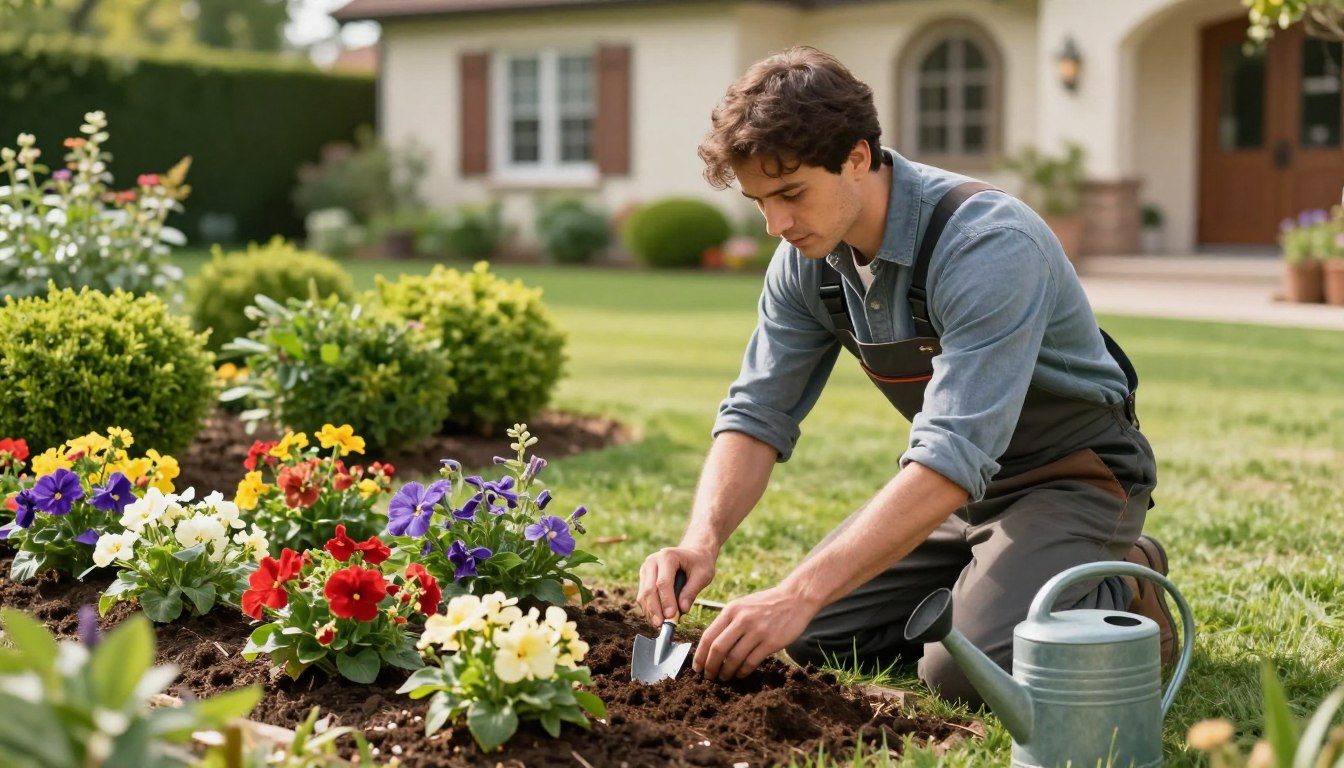
Have you ever wondered how the right techniques in plant installation can enhance the biodiversity of your outdoor space? This comprehensive guide reveals how expert methods can transform your garden into a thriving ecosystem. By selecting the right plants, you can create a resilient landscape that nurtures more than just pollinators.
Understanding the unique characteristics of your landscape is essential. It allows you to design a space that remains beautiful and functional for years. Every plant you choose contributes to the overall health of your property, fostering a vibrant environment that adapts with the seasons.
Plant expert emphasizes that proper installation is vital for long-term success. Following this guide ensures your efforts lead to a sustainable sanctuary that benefits both your home and local wildlife.
Key Takeaways
- Expert techniques can significantly boost local biodiversity.
- Choosing the right plants is crucial for a resilient garden.
- Understanding your landscape enhances design and functionality.
- Every plant contributes to the overall health of your space.
- Following a guide ensures sustainable practices that support wildlife.
Getting Started: Planning and Site Preparation
Starting your journey towards a vibrant landscape begins with careful planning and preparation. Assessing your site is the first step to ensure that trees thrive in their new environment. Understanding the specific needs of your area will guide you in making the best choices for your landscape.
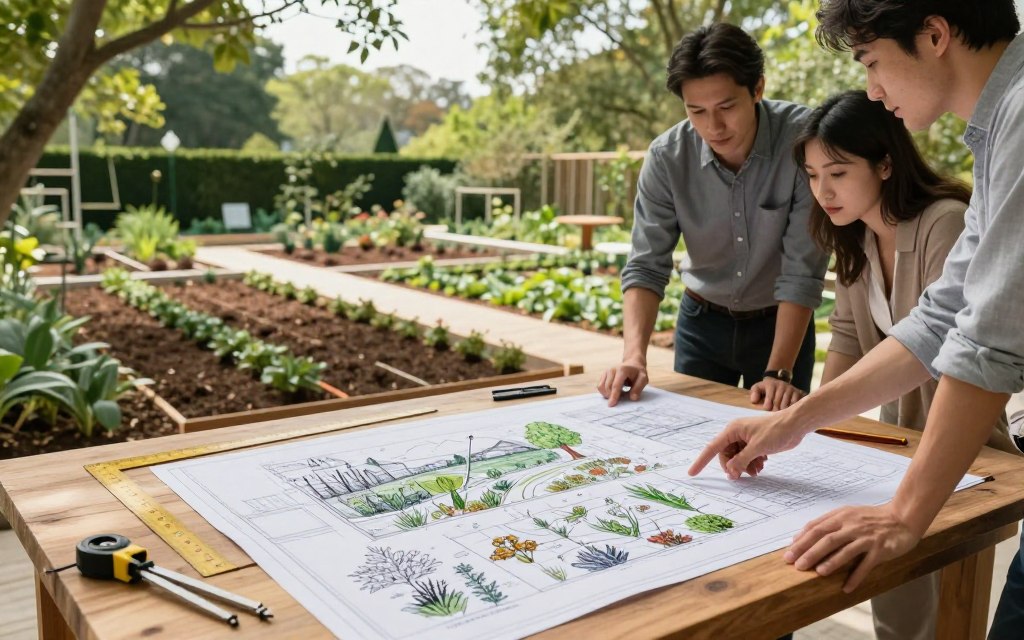
A well-thought-out design helps organize your materials and guarantees that every plant has ample space to grow. Before you dig, visualize your layout by placing pots in your yard. This way, you can ensure proper spacing and arrangement.
Proper site preparation is crucial. Leveling the ground and removing debris creates a solid foundation for your garden. Additionally, consider incorporating permanent features like patios or walkways to enhance your property’s value.
Always double-check your project plan to mark your irrigation system and other utilities before digging any hole. Using container plants allows flexibility, enabling you to experiment with different layouts until you find the perfect arrangement.
Incorporating compost into your soil during preparation provides a nutrient-rich base for healthy growth for many years. Taking the time to prepare your site effectively will streamline the planting process and reduce future maintenance issues.
Selecting Biodiversity-Friendly Plants
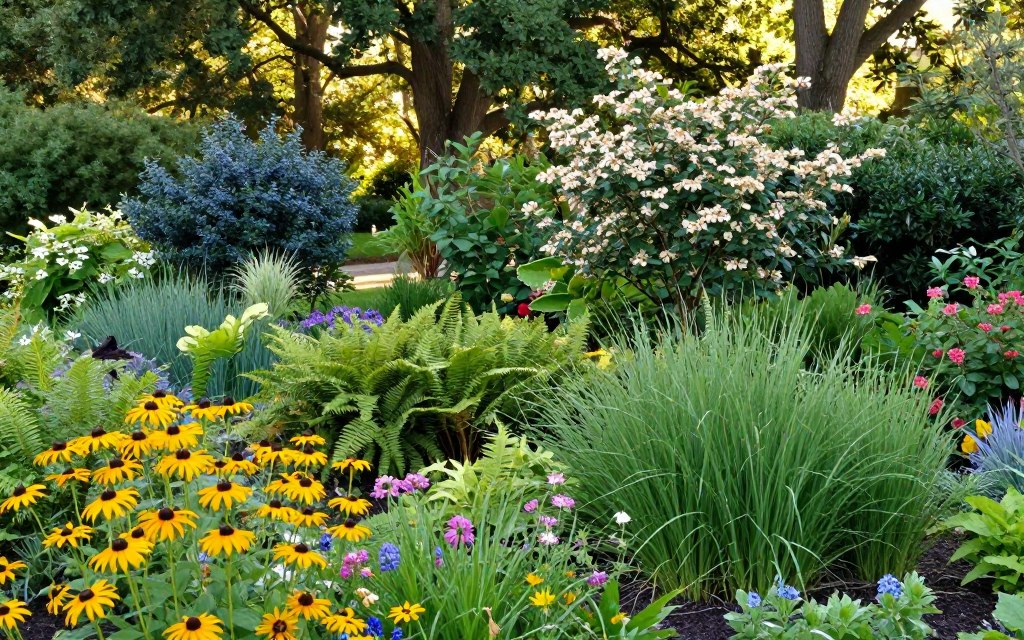
Understanding the importance of local flora is key to a successful landscape. Choosing native species ensures that your garden thrives with minimal intervention. These plants are well-adapted to local soil and climate conditions, making them resilient and low-maintenance.
When selecting shrubs, consider their mature size. This will prevent overcrowding and allow each plant to flourish in your landscape. Proper evaluation of soil drainage is also essential. It helps avoid root rot during wet seasons, ensuring healthy growth.
For those plants that may struggle in the heat of summer, mixing compost into the soil around the root ball can retain moisture. Always inspect the root ball of container plants before planting to ensure they are healthy and not root-bound.
By diversifying your selection of trees and shrubs, you create a habitat that supports beneficial wildlife year-round. Researching each plant’s specific needs can save you time and effort in the long run. A well-chosen plant establishes roots quickly, leading to a resilient garden.
Soil, Watering, and Irrigation Essentials
Establishing a healthy landscape hinges on mastering soil and irrigation fundamentals. The quality of your soil is crucial for plant growth. When preparing it, avoid over-tilling, as this can damage its natural structure and drainage capabilities. Adding compost can enhance soil health, providing essential nutrients.
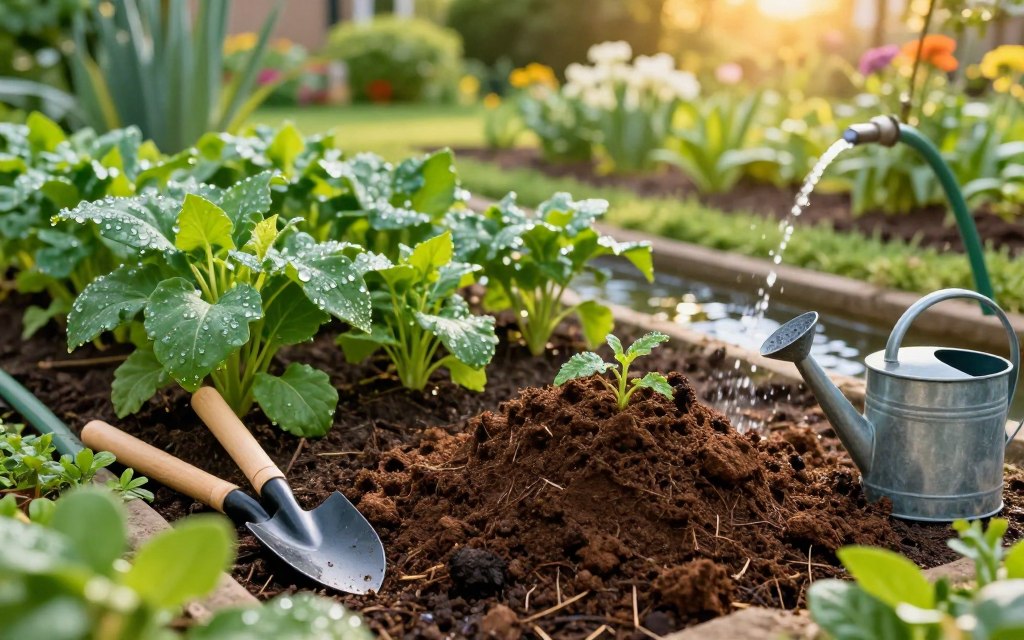
Proper watering practices are vital for your garden’s success. Newly established plants require consistent moisture, especially during their first summer. Digging a hole that is twice as wide as the root ball allows roots to anchor into the surrounding soil effectively. This practice ensures that your plants have the best chance for healthy growth.
Applying a layer of mulch around your shrubs helps retain moisture and suppress weeds. If your soil is heavy clay, choose plants that thrive in such conditions instead of trying to alter the soil. Using high-quality materials for your irrigation system ensures that your landscape receives the right amount of water without waste.
Monitoring your plants for signs of wilting or pale leaves is essential. This helps you adjust your watering schedule to meet their specific needs. For more information on effective watering techniques, check out this guide on watering practices. Additionally, consider installing a drip irrigation system to deliver water directly to the roots, as suggested by Ross NW Watergardens.
Effective Plant Installation: Techniques and Tips
To create a thriving landscape, understanding effective planting techniques is essential. Proper installation ensures that your plants establish well and contribute to a vibrant garden. Here are some key practices to follow for successful planting.
Proper Planting Depth and Handling of Root Balls
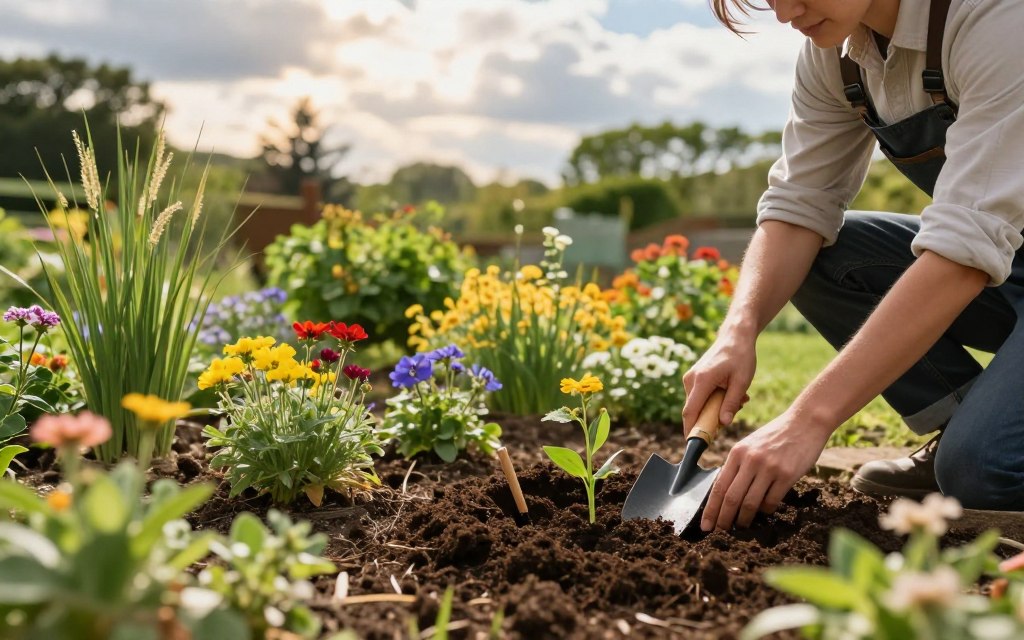
When planting, position the root ball slightly high to avoid burying the plant too deep in the soil. Gently tamp the soil around the root ball to eliminate air pockets without damaging the delicate roots of your shrubs. If using container plants, loosen any bound roots before placing them into the hole.
Best Practices for Digging Holes and Mulching
Use a pointed shovel to dig a hole that is twice as wide as the root ball. This encourages roots to spread horizontally, promoting healthy growth. Additionally, avoid piling mulch against the trunk of a tree, as this can lead to decay and potential plant death. Remember to water your plants immediately after installation to help settle the soil and provide necessary hydration.
| Practice | Benefit |
|---|---|
| Position root ball slightly high | Prevents over-burying |
| Loosen bound roots | Encourages healthy establishment |
| Dig a wide hole | Promotes root spread |
| Avoid mulch against trunk | Prevents decay |
| Water immediately after planting | Helps recovery from transplant shock |
Taking the time to properly space your trees or shrubs ensures that your garden remains healthy and vibrant for many years to come. For more insights on common mulching mistakes, check out this guide on mulching practices.
Integrating Biodiversity into Landscape Design
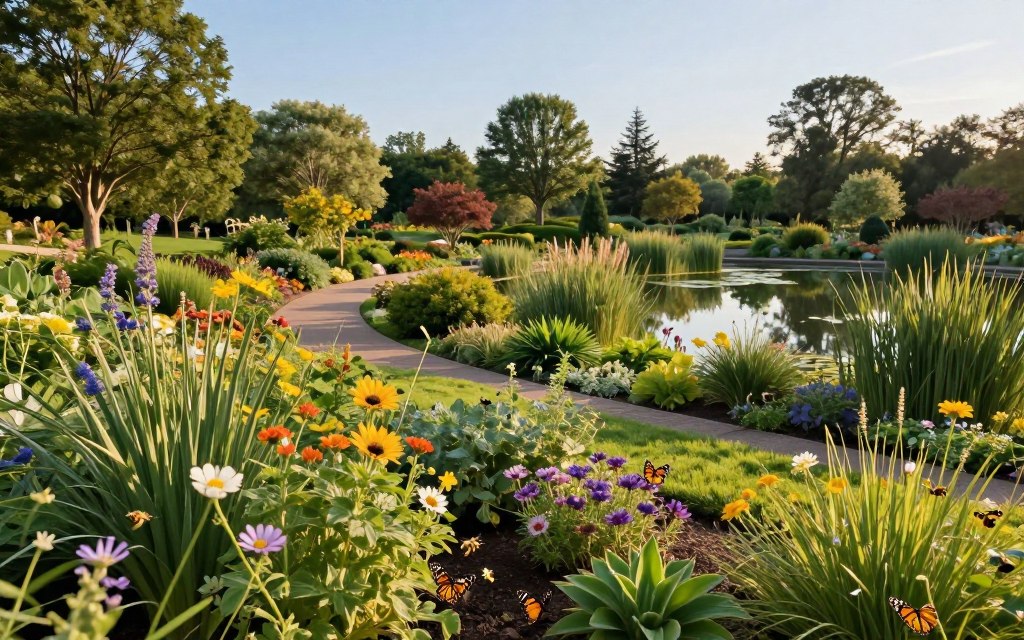
Creating a diverse landscape requires thoughtful design and strategic choices. One effective way to enhance biodiversity is by designing your yard with layers and groupings of plants. This approach not only looks appealing but also provides shelter and food for local wildlife.
By integrating an automated irrigation system, you ensure that your garden remains a reliable source of water for birds and other living creatures. Avoid planting in rigid rows; instead, use asymmetrical groupings to create a more organic and biodiverse space in your yard.
Creating Layers and Groupings for a Natural Look
Incorporating various layers in your landscape design can attract a wider variety of beneficial wildlife, including pollinators and other helpful insects. Adding decorative accents like birdbaths or statues can enhance the appeal of your property while providing functional benefits for visiting wildlife.
Attracting Pollinators and Beneficial Wildlife
Regularly monitoring your site allows you to identify which plants are thriving and which may need additional care. A well-designed landscape that includes a variety of shrubs and trees will support a healthy ecosystem for many years to come.
| Feature | Benefit |
|---|---|
| Layered plantings | Provides habitat for wildlife |
| Automated irrigation system | Ensures consistent water supply |
| Asymmetrical groupings | Creates a natural aesthetic |
| Decorative accents | Enhances property appeal |
| Regular monitoring | Maintains plant health |
Using mulch to define borders is a simple way to keep your garden looking polished while protecting the soil around your plants. Remember that your garden is a living, evolving space, and small updates over time will keep it looking its best for your enjoyment. For more information on landscape maintenance, visit this guide.
Conclusion
Building a successful ecosystem in your yard is a journey that starts with informed choices. Successful techniques for enhancing biodiversity require careful planning, soil preparation, and consistent watering. By following the methods outlined in this guide, you can cultivate a vibrant landscape that nurtures pollinators and other wildlife.
Each plant has its own unique needs, so take the time to observe your garden over the seasons. Investing in a reliable irrigation system and quality compost can significantly boost the resilience of your shrubs. Your dedication to thoughtful design and maintenance will create a beautiful, functional outdoor space that you can enjoy for years to come.