
As the world continues to evolve, so do our preferences and priorities when it comes to our living spaces. In 2026, the concept of luxury yard upgrades has transcended mere aesthetics, becoming an essential aspect of creating a harmonious indoor-outdoor living experience. Homeowners and design enthusiasts alike are increasingly recognizing the value of investing in outdoor enhancements that not only elevate their property’s appeal but also promote well-being, sustainability, and functionality.
This year, luxury yard upgrades are characterized by innovative design trends that blend sophistication with practicality. From eco-friendly landscaping and water-efficient irrigation systems to state-of-the-art outdoor kitchens and smart home technology, the possibilities are endless. As outdoor spaces become extensions of our homes, the demand for high-quality materials, modern conveniences, and personalized touches continues to rise. Homeowners are seeking expert advice to navigate the complex landscape of luxury outdoor improvements, ensuring that their investments yield not only immediate enjoyment but also long-term value.
Whether you’re considering a complete transformation of your existing yard or exploring subtle enhancements to elevate your outdoor space, understanding the latest trends and best practices is crucial. In this article, we’ll delve into expert insights on the most desirable luxury yard upgrades for 2026, offering guidance on design principles, sustainable choices, and investment strategies that cater to both current tastes and timeless elegance. Join us as we explore how to create a luxurious outdoor haven that reflects your style, enhances your lifestyle, and adds undeniable value to your home.
Sustainable Luxury Materials
In recent years, sustainable luxury materials have risen to prominence, and this trend is expected to continue into 2026. The growing awareness of environmental issues and the global push toward sustainability are driving homeowners to seek out high-quality, eco-friendly materials that also exude elegance and sophistication. Luxury materials such as reclaimed wood, bamboo, and recycled metal not only reduce the environmental impact but also provide unique aesthetic qualities that can enhance outdoor spaces. When selecting materials, homeowners should focus on durability and maintenance, as sustainable luxury should not compromise on longevity.
Using sustainable luxury materials in your yard can create an inviting atmosphere that reflects both style and environmental consciousness. For example, decks made from composite materials derived from recycled plastics and wood fibers offer a sustainable alternative to traditional wood, providing a beautiful and long-lasting solution for outdoor entertainment areas. Additionally, features like permeable pavers allow for enhanced drainage while utilizing recycled materials, making them an optimal choice for eco-friendly landscaping.
In terms of expert advice for integrating these materials into your outdoor spaces in 2026, homeowners should prioritize materials that maximize sustainability without sacrificing aesthetics or functionality. Collaborating with landscape architects and designers who specialize in sustainable practices is a sound approach. They can help curate a cohesive design that effectively combines luxury with environmental responsibility. Moreover, sourcing materials locally can significantly reduce the carbon footprint at the construction or renovation phase, as well as support local economies.
To ensure that these sustainable luxury materials truly shine, it’s essential to consider the overall design theme and how each material complements the other elements in your yard. Incorporating sustainable luxury materials into outdoor furnishings, pathways, and even garden features can bring a cohesive harmony that enhances the overall experience of the space. Additionally, brands increasingly offer innovative product options that blend sustainability with high-end design, making it easier for homeowners to elevate their yards while making a positive impact on the environment. As trends evolve, maintaining a clear vision of sustainability paired with luxury will undoubtedly make outdoor spaces both beautiful and meaningful.
Smart Technology Integration
Smart technology integration in outdoor spaces is becoming increasingly essential as homeowners look to enhance convenience, security, and energy efficiency in their yards. By 2026, the implementation of smart technology will transform traditional landscaping into a seamless outdoor extension of the home, where advanced systems provide not only ease of use but also sophisticated environmental monitoring. Smart irrigation systems, for example, can optimize water usage by adjusting the schedule based on local weather conditions. This results in significant savings on water bills while promoting sustainable landscaping practices.
Another critical aspect of smart technology integration is security. Homeowners can install smart cameras, motion detectors, and lighting systems that can be easily controlled through smartphone applications, providing enhanced surveillance and peace of mind. Additionally, automated outdoor lighting can not only enhance the aesthetic appeal of a yard after dark but also improve safety and security. These technologies enable homeowners to create customizable outdoor environments that can cater to various activities or settings, from casual get-togethers to elegant evening soirees.
For homeowners looking to invest in luxury yard upgrades, expert advice would include focusing on systems that not only offer comfort and security but are also user-friendly and scalable. As technology continues to evolve, choosing smart devices that can integrate with existing home automation systems is paramount. Additionally, investing in energy-efficient devices can further reduce utility costs and increase property value. It is also crucial to consider the compatibility of smart devices with the outdoor environment, as they must withstand elements such as rain, humidity, and varying temperatures.
As you navigate the world of smart technology in landscaping, understanding the specific needs of your outdoor space and how technology can enhance them is key. Homeowners should work with landscape architects or designers who are experienced in implementing these technologies to ensure that all systems are functional, optimized, and aesthetically pleasing. By focusing on a thoughtful integration of smart technology, homeowners can create a luxury outdoor experience that is both practical and significantly enhances their lifestyle.
Outdoor Living Spaces Design
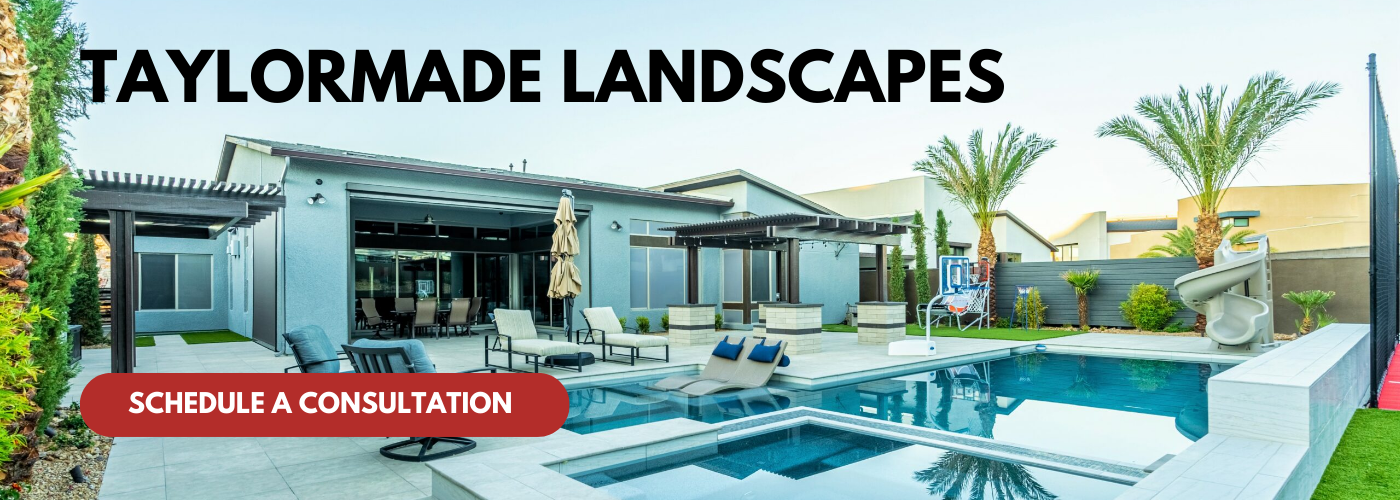
In 2026, the design of outdoor living spaces continues to evolve, becoming an extension of the home that prioritizes comfort, functionality, and a seamless blend with nature. The focus on outdoor living areas reflects a broader lifestyle shift toward enjoying expansive, functional spaces that can accommodate both relaxation and social gatherings. Homeowners increasingly see their backyards as additional rooms, built to foster connections with nature and neighbors while providing a refuge from the hustle and bustle of daily life.
An essential aspect of designing outdoor living spaces is the thoughtful integration of aesthetic elements and practical features. This balance often includes creating zones for cooking, dining, lounging, and recreation. High-quality outdoor furniture, durable surfaces, and aesthetically pleasing design concepts are indispensable in building a cohesive outdoor atmosphere. Stone patios, wooden decks, and pergolas have become common, providing structure and style while encouraging outdoor activities year-round. Fire pits and outdoor kitchens have also gained popularity, transforming backyards into vibrant entertainment venues suitable for gatherings with family and friends.
As luxury outdoor spaces develop, sustainability remains a pressing concern for many homeowners. The materials used in the construction of these spaces are increasingly sourced from sustainable options, ensuring the reduced environmental impact of outdoor projects. Luxurious yet eco-friendly choices, such as reclaimed wood or composite decking made from recycled materials, allow homeowners to enjoy high-end aesthetics without compromising on their commitment to sustainability.
When planning outdoor living spaces in 2026, homeowners should consider expert advice to maximize functionality and visual appeal. Engaging a landscape designer or architect who specializes in outdoor living can be invaluable. These professionals can help tailor designs based on specific property dimensions, climate considerations, and individual preferences. Furthermore, employing smart technologies, such as outdoor lighting systems that adjust based on time of day or occupancy sensors for heaters, can enhance both convenience and enjoyment while reducing energy consumption.
Overall, the evolution of outdoor living spaces in 2026 signals a continuing trend towards sophistication and practicality, where luxury and environmental consciousness coexist harmoniously. By thoughtfully designing these areas, homeowners can create not just beautiful spaces but also functional places that enhance their lifestyle and connect them with nature.
Water Conservation Features
As the importance of sustainability continues to rise, especially in the context of climate change, water conservation features have become a pivotal aspect of luxury yard upgrades. In 2026, homeowners are increasingly aware of their environmental footprint, and incorporating systems that minimize water usage can both enhance the aesthetic appeal of their yards and promote eco-friendliness. Features such as rainwater harvesting systems, drought-resistant plants, and permeable paving are gaining popularity in upscale landscaping projects. These elements not only help to conserve water but also contribute to a sustainable landscape that thrives with minimal intervention.
Rainwater harvesting systems, for example, allow homeowners to collect and store rainwater for irrigation purposes. This method not only reduces reliance on municipal water supplies but also ensures that landscapes receive the natural hydration that they need. Drought-resistant plants, which are naturally adapted to arid conditions, require significantly less water, making them an ideal choice for luxury yards focused on sustainability. By integrating these features, homeowners can create beautiful gardens that are also functional, striking a balance between luxury and conscientious living.
In addition to aesthetic considerations, it is essential to incorporate smart irrigation technologies into the design. In 2026, homeowners can benefit from automated systems that use sensors to detect soil moisture levels, adjusting watering schedules accordingly. This precision reduces waste and ensures that plants receive the proper amount of water needed for optimal growth. Utilizing smart technology in tandem with water conservation features enhances the overall efficiency of the yard’s maintenance while offering convenience for the homeowner.
Expert advice for those looking to invest in luxury yard upgrades rooted in water conservation emphasizes the importance of thorough planning. Homeowners should consider their local climate and water availability when planning their landscape design. Consulting with professionals who specialize in sustainable landscaping can help ensure that the chosen features are well-suited to the specific environment. Additionally, blending style with functionality is crucial; a well-designed yard incorporates water conservation features that are visually appealing and integrate seamlessly into the landscape. In summary, the trend toward water conservation in luxury yards is not just about sustainability but also about creating a beautiful and harmonious outdoor living space that meets the needs of both the environment and the homeowner.
High-End Landscaping Trends
As we move into 2026, high-end landscaping trends are evolving, becoming more sophisticated while embracing sustainability. A key focus in luxury landscapes is the integration of native plants, which are not only beautiful but also require less water and maintenance, aligning with eco-conscious values. This trend encourages homeowners to invest in their local ecosystems, creating spaces that contribute positively to the environment while enhancing property value. Additionally, the use of ornamental grasses and drought-resistant plants can lead to stunning visuals without the ongoing environmental costs associated with traditional landscaping.
Another trend gaining momentum is the incorporation of outdoor art and sculptural elements into landscaping designs. Sculptures, water features, and unique hardscaping materials can make a significant impact, elevating the aesthetic appeal of outdoor spaces. These artistic elements serve not only as focal points but also as conversation starters, enhancing the overall outdoor experience. Furthermore, luxury landscaping in 2026 will likely see an increase in personalized designs that reflect the homeowner’s style, with bespoke features crafted to resonate with individual aesthetics.
For homeowners looking to embrace high-end landscaping trends in 2026, expert advice suggests focusing on creating cohesive outdoor environments that function as extensions of their indoor spaces. This involves seamless transitions between interiors and exteriors through thoughtful design and material choices. The use of high-quality, durable materials that withstand the elements while maintaining visual appeal will be essential. Experts also recommend incorporating multiple zones within a landscape—areas for relaxation, entertainment, and even gardening—to maximize usability and enjoyment.
Lastly, the integration of smart technology within landscaping continues to emerge as a critical element. Automated irrigation systems, outdoor lighting that adjusts based on weather conditions, and systems for monitoring plant health contribute to a more efficient and sustainable garden ecosystem. By adopting these high-end landscaping trends, homeowners can create luxurious outdoor spaces that are not only aesthetically impressive but also environmentally responsible and technologically advanced.


