As urban areas grow denser and environmental concerns continue to rise, homeowners and landscape designers alike are increasingly turning to innovative gardening solutions tailored to the demands of modern living. One such solution gaining momentum is xeriscaping, a landscaping technique designed to reduce or eliminate the need for supplemental irrigation. As we step into 2025, the principles of xeriscaping have evolved not only to conserve water and promote sustainability but also to create serene, private outdoor spaces that serve as tranquil retreats from the hustle and bustle of everyday life.
Xeriscaping combines native plants, strategic planning, and thoughtful design to establish landscapes that thrive on minimal water while still offering lush beauty and diverse textures. This method emphasizes the importance of using drought-resistant plants, efficient irrigation systems, permeable ground coverage, and smart design elements, all of which contribute to a low-maintenance environment that enhances privacy and enjoyment. In an era where personal outdoor sanctuaries are more essential than ever—providing a space for relaxation, recreation, and dining—it is crucial to understand how to implement xeriscaping effectively.
In this article, we will explore the myriad benefits of xeriscaping for creating private outdoor spaces in 2025, focusing on practical steps and design strategies that homeowners can adopt to cultivate an oasis of serenity in their own backyards. From selecting appropriate native plants that offer both beauty and functionality to incorporating features like stone pathways, water-efficient lighting, and privacy-enhancing structures, we will dissect the elements of xeriscaping that transform common yards into thriving, self-sustaining ecosystems. By harmonizing ecological responsibility with aesthetic appeal, xeriscaping not only enriches our outdoor spaces but also contributes to a more sustainable future, making it a key trend for homeowners looking to innovate and personalize their landscapes in the years to come.
Designing For Privacy: Layout and Plant Selection
Designing for privacy in outdoor spaces is a critical aspect of creating an effective xeriscape environment, particularly as more homeowners seek to establish peaceful retreats in their backyards. In 2025, the concept of outdoor privacy is evolving alongside sustainable practices, requiring careful consideration of layout and plant selection. The goal is to create an intimate and secluded atmosphere while promoting water conservation through xeriscaping principles.
The layout of the outdoor space plays an essential role in fostering a sense of privacy. By strategically placing plant beds, trees, and shrubs, individuals can create natural barriers that shield from unwanted views and noise. For instance, dense shrubs or hedges can act as effective living walls, while taller, canopy-style trees can provide overhead cover. It’s advisable to incorporate layers of plants with varying heights; this not only enhances the aesthetic appeal but also promotes biodiversity and creates a more robust, self-sustaining ecosystem.
When it comes to plant selection, opting for native and drought-resistant species is paramount in a xeriscaping approach. In 2025, homeowners can benefit from an increasingly diverse array of options that are both aesthetically pleasing and low-maintenance. Using plants such as lavender, ornamental grasses, and succulents allows for the creation of lush, textural layers that enhance privacy. Additionally, features like vertical gardens can be integrated into the design to maximize space utilization while adding green elements.
Moreover, the selection of plants should consider their growth habits and foliage density. Plants that retain their leaves year-round, like evergreens, can provide consistent privacy and screening, whereas deciduous plants may offer seasonal benefits, allowing sunlight during the winter months while still serving their purpose in summer. Ultimately, designing for privacy while adhering to xeriscaping principles creates a refuge that fosters relaxation and enjoyment in one’s outdoor environment, enhancing the quality of life in urban or suburban settings.
By thoughtfully combining layout with suitable plant selection, homeowners can achieve a serene, secluded outdoor space that thrives on minimal water usage, aligns with sustainability trends, and meets the increasing desire for personal outdoor sanctuaries in the modern era.
Water-Efficient Plants and Their Role in Privacy
Water-efficient plants play a significant role in creating private outdoor spaces that are both aesthetically pleasing and sustainable. These plants are specifically chosen for their low water needs, resilience to drought, and ability to thrive in a variety of climates. In the context of Xeriscaping, which emphasizes water conservation through thoughtful landscape design, selecting the right plants becomes essential for creating an intimate environment while also managing resources efficiently.
When aiming for privacy in your outdoor space, incorporating a variety of water-efficient plants can significantly enhance natural screening. For instance, shrubs like native Texas sage or California lilac can grow tall and dense, acting as natural privacy fences while requiring minimal irrigation. Grasses such as blue fescue or decorative sedges are excellent choices to add texture and visual interest without demanding excessive water. Succulents and perennials can also contribute to a lush look without compromising on water usage, making them ideal for Xeriscaped gardens looking for both privacy and efficiency.
To optimize the use of these plants in a private outdoor space, it is crucial to understand their growth patterns and spacing requirements. By strategically grouping plants to form dense clusters or layered arrangements, you can create a secluded nook that feels intimate yet still welcomes the beauty of nature. For instance, taller plants can serve as a backdrop, while mid-height plants can fill in the middle, and groundcovers can soften the edges of the space. Incorporating features such as rock beds or mulch not only reduces evaporation but also helps differentiate various sections of the garden, further enhancing the sense of privacy.
As homeowners and designers look toward 2025, the focus on water-efficient landscaping will likely intensify in response to climate challenges. The integration of environmentally friendly practices in the landscape guidance is expected to increase, making water-efficient plants a focal point in privacy-oriented designs. These plants can create a serene oasis while highlighting sustainability, which is becoming an essential aspect of modern outdoor living. In addition, educating oneself and others about the benefits of these plants and their role in efficient landscaping will support the movement towards more responsible gardening practices, where privacy does not compromise environmental integrity.
Hardscaping Techniques to Enhance Seclusion
Hardscaping plays a pivotal role in creating private outdoor spaces, particularly when designing a xeriscaped garden. In 2025, as the trend towards sustainable living continues to gain momentum, incorporating hardscaping elements such as walls, pathways, and patios will not only enhance the aesthetic appeal but also significantly improve privacy. These structures can serve as both barriers to noise and visibility, allowing homeowners to create a tranquil environment amid an increasingly urbanized world.
When considering hardscaping techniques, using materials that blend with the surrounding landscape is essential. Natural stones, pavers, and environmentally friendly materials can form fences or low walls that act as visual shields without overwhelming the space. Additionally, raised beds can contribute to seclusion while providing opportunities to integrate water-efficient plants that thrive in xeriscaping. These structures define areas within the garden, fostering a sense of enclosure. For instance, incorporating a stone wall or a decorative fence can create an intimate nook for relaxation or gatherings, reducing distractions from the outside world.
In 2025, technology will likely play a more significant role in hardscaping decisions. Smart materials, such as permeable pavers, allow rainwater to filter through the surface, reducing surface runoff and promoting groundwater recharge while maintaining aesthetic appeal. Furthermore, integrating features like seating walls or built-in fire pits can enhance the usability of the outdoor space, inviting family and friends to enjoy the setting while ensuring privacy from neighbors.
Ultimately, the key to successful hardscaping in a xeriscaped garden lies in thoughtful planning and design. By considering how these features interact with landscape elements, homeowners can effectively create a secluded outdoor oasis. Understanding how hardscaping fits into the broader context of privacy and sustainability will allow individuals to make a lasting impact, transforming their outdoor spaces into serene retreats perfect for relaxation and enjoyment.
Utilizing Vertical Space for Enclosure
Utilizing vertical space for enclosure in outdoor spaces is an innovative approach to creating privacy in xeriscaping. By incorporating vertical elements such as trellises, fences, and living walls, homeowners can effectively establish secluded areas without consuming excessive ground space. In 2025, as urban settings continue to grow denser, leveraging verticality will be essential for creating intimate outdoor retreats that feel like personalized sanctuaries, even in populated environments.
Vertical gardening methods can be particularly beneficial when selecting water-efficient plants that thrive in xeriscaping. Climbing plants like vine species can be trained to grow up trellises, providing lush greenery that offers both aesthetic appeal and privacy. Additionally, using vertical structures to plant a variety of flowering plants can create a captivating visual barrier that not only shields private areas but also enhances biodiversity by attracting pollinators and other beneficial wildlife. In 2025, with advancements in sustainable gardening techniques and a focus on eco-friendly gardening solutions, the use of vertical gardening will be a go-to strategy for maximizing outdoor privacy.
Another aspect to consider in utilizing vertical space is the incorporation of hardscaping elements, such as walls and fences, which can be adorned with climbing plants or integrated with artful designs that suit the homeowner’s taste. These structures can serve not only as physical barriers but also as canvases for creative expression, allowing individuals to make a personal statement in their outdoor spaces. In this approach, barriers can take on unique shapes and sizes, providing dynamic options for designers seeking to create inviting yet secluded areas.
When planning a xeriscaped yard in 2025, it’s valuable to consider the interplay of light and shadow created by vertical spaces. Proper placement can ensure that certain areas receive enough sunlight for desirable plants while still offering shaded spots for comfort and relaxation. Meanwhile, pergolas or arbors can provide structured areas that also encourage social interactions while maintaining privacy levels. This layered enhancement of outdoor spaces can lead to a richer experience in residential gardens, encouraging people to retreat into their own private oasis amidst the bustle of everyday life. By masterfully using vertical space, those investing in xeriscaping can transform their outdoor areas into serene havens that cater to both privacy and sustainable practices.
Maintenance Strategies for Sustainable Privacy Solutions
Creating private outdoor spaces through xeriscaping involves not just the initial design and planting but also ongoing maintenance strategies to ensure that those spaces remain secluded, lush, and sustainable. Proper maintenance is crucial in promoting the longevity of xeriscaped areas while supporting the overall ecosystem health. In 2025, as climate challenges continue to evolve, having adaptable maintenance strategies will be instrumental for homeowners looking to foster private outdoor havens.
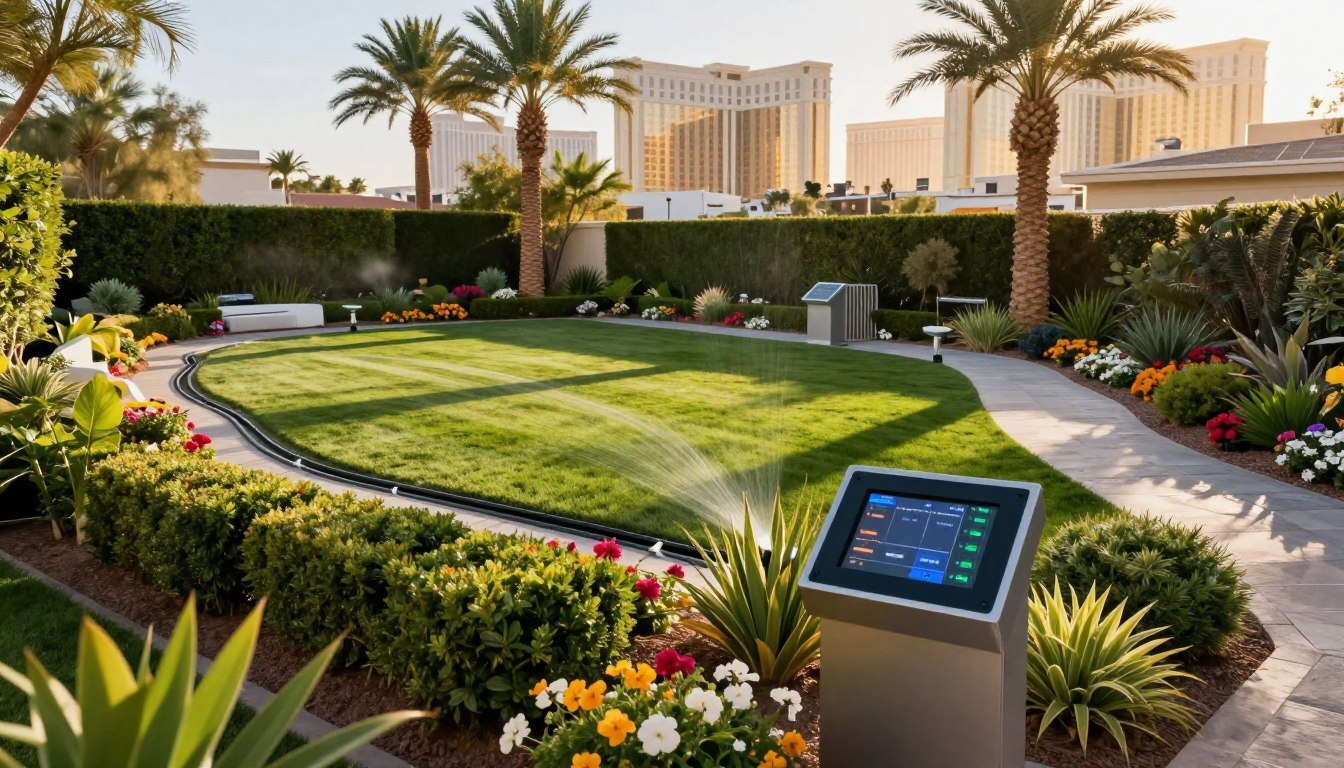
One of the key maintenance strategies for sustainable privacy solutions is effective watering management. Even in xeriscaped landscapes, some level of irrigation during critical growth periods is necessary. Implementing smart irrigation systems, such as drip irrigation or using moisture sensors, can significantly reduce water waste. Regularly checking soil moisture levels ensures that plants receive only the water they require, which helps promote deep root growth and resilience to dry conditions. Moreover, maintaining a watering schedule tailored to the specific plants in your garden can complement their natural growth cycles and encourage flourishing plant life, contributing to privacy and aesthetics.
Another vital aspect of maintaining a xeriscaped private space is to periodically check the health and growth of plants. This includes monitoring for pests and diseases, trimming overgrown vegetation, and replacing any plants that may not thrive in their environment. Regular pruning not only keeps plants within desired limits but also encourages bushier growth, enhancing the effectiveness of natural barriers for privacy. Integrating a diverse range of native plants can bolster the ecosystem, as they often require less maintenance once established, providing continuous cover and seclusion.
Soil health is another cornerstone of sustainable maintenance. Implementing organic mulches can help retain soil moisture, suppress weeds, and gradually enrich the soil as they decompose. Incorporating techniques such as composting can recycle kitchen and garden waste while improving soil structure, leading to healthier plants. Additionally, engaging in seasonal soil testing can assist in understanding nutrient levels, ensuring that plants receive the appropriate amendments to thrive.
In summary, while designing a xeriscaped outdoor space is essential for achieving the goal of privacy, ongoing maintenance strategies play a crucial role in ensuring these spaces stay effective and sustainable over time. Homeowners in 2025 can look to a blend of efficient watering practices, vigilant plant health management, and soil enrichment techniques as foundational elements in maintaining their beautiful, private outdoor spaces while supporting environmental stewardship. These strategies will not only promote solitude but also contribute to a thriving natural ecosystem, making sustainable privacy solutions both achievable and rewarding.