

Las Vegas, a city known for its stunning desert landscapes and vibrant lifestyle, presents unique opportunities and challenges for homeowners looking to enhance their outdoor spaces. With soaring temperatures and minimal rainfall, traditional gardening methods often fall flat in this arid climate. However, embracing the natural beauty of the desert can lead to lush, sustainable landscaping that not only showcases the region’s unique charm but also conserves precious water resources. As Las Vegas continues to flourish, the demand for innovative landscaping ideas that harmonize with the environment has never been more critical.
In this article, we delve into the top landscaping ideas specifically tailored for Las Vegas homes, focusing on desert-friendly trees that thrive in the hot, dry climate. From the striking silhouette of the iconic Joshua Tree to the lush canopies of mesquite and palo verde, we’ll explore how these native and drought-resistant species can transform your yard into an oasis of beauty and tranquility. By choosing the right trees, homeowners can create stunning focal points, provide shade, and enhance the overall aesthetic appeal, all while promoting sustainability in their gardening practices.
Furthermore, we’ll highlight design concepts that harmonize with the natural surroundings, including xeriscaping techniques, rock gardens, and the integration of colorful desert flora. Whether you are looking to boost your home’s curb appeal, create a serene retreat, or cultivate an environmentally friendly landscape, this guide will offer practical tips and inspiration for your landscaping project. Join us on this journey to discover the best strategies for designing a lush, desert-inspired landscape that not only withstands the elements but thrives amid the beauty of the Las Vegas desert.
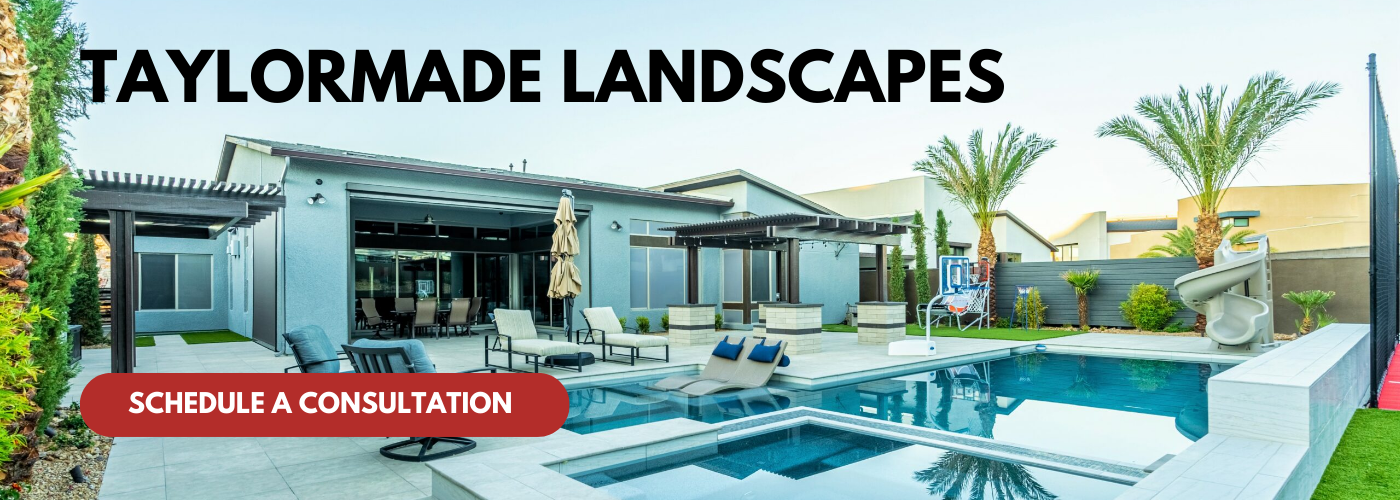
Best Desert-Friendly Trees for Las Vegas Climate
Las Vegas, situated within the Mojave Desert, presents unique challenges and opportunities for landscaping due to its arid climate. Selecting trees that are well-suited for this environment not only enhances the visual appeal of a property but also contributes to sustainability and water conservation efforts. The best desert-friendly trees for Las Vegas homes are those that can thrive on minimal water while providing vital shade and habitat.
Some of the top choices include the Desert Willow (Chilopsis linearis), which boasts beautiful trumpet-shaped flowers and can tolerate extreme heat and drought once established. Another excellent option is the Ironwood tree (Olneya tesota), known for its resilience and longevity, it provides essential shade and structures in yards while requiring little water. The Palo Verde (Parkinsonia spp.), recognized by its green bark and stunning yellow blossoms, is a popular choice, as it not only requires minimal irrigation but also provides nesting sites for local birds, enhancing the ecological value of a garden.
For homeowners in Las Vegas, incorporating such trees into their landscaping projects can create a beautiful, functional, and environmentally friendly outdoor space. Utilizing trees adapted to the local climate reduces water usage and lowers maintenance costs over time, making them ideal for those who want to enjoy a desert landscape that is both aesthetically pleasing and sustainable. When paired with native shrubs and other complementary vegetation, these trees can create an engaging and visually dynamic setting that thrives despite the challenging desert conditions.
Moreover, using strategically placed desert-friendly trees can help mitigate the heat in the summer months, keeping homes cooler and potentially reducing energy costs associated with air conditioning. The shade they provide not only enhances outdoor living spaces but also promotes biodiversity, as many of these trees attract essential pollinators and wildlife, creating a lively and active garden environment. In summary, selecting the best desert-friendly trees for Las Vegas not only fulfills aesthetic desires but also supports ecological balance and promotes sustainable water practices in this beautiful yet challenging desert landscape.
Water Conservation Techniques for Landscaping
In the arid landscape of Las Vegas, water conservation techniques play a crucial role in creating sustainable and resilient landscaping. Given the region’s limited rainfall and high evaporation rates, homeowners must adopt strategies that maximize water efficiency while still allowing their gardens to thrive. This commitment to conservation not only benefits the environment but also reduces water bills and promotes the longevity of garden aesthetics.
One effective technique for conserving water in landscaping is the use of xeriscaping. This method involves designing landscapes that require minimal watering, utilizing drought-tolerant plants, and incorporating mulch to retain soil moisture. By selecting appropriate native and desert-friendly species, homeowners can create vibrant green spaces that require far less water than traditional lush lawns. Additionally, grouping plants with similar water needs together, known as “hydrozoning,” ensures that watering schedules can be optimized, further minimizing waste.
Another vital technique is the implementation of efficient irrigation systems, such as drip irrigation or smart sprinklers. These systems deliver water directly to the plant’s root zone, significantly reducing evaporation and runoff. Smart technology can adapt watering schedules based on weather conditions, ensuring that plants receive the right amount of moisture without waste. In combination with rainwater harvesting systems, which collect and store rainwater for irrigation use, these methods can drastically reduce dependence on city water sources.
Finally, capturing and utilizing greywater from household activities, such as washing machines or sinks, offers another sustainable solution for watering plants. This approach not only recycles water but also helps homeowners decrease their overall water consumption. By integrating these water conservation techniques into their landscaping, Las Vegas homeowners can cultivate beautiful, sustainable gardens that thrive in the challenging desert climate.
When considering the broader context of landscaping ideas for Las Vegas homes, it’s essential to highlight the importance of choosing trees that are well-suited to the desert environment. Desert-friendly trees, such as the Mesquite or Palo Verde, not only enhance the aesthetic appeal of a property but also play a vital role in improving air quality and providing shade. Combining these tree selections with effective water conservation techniques creates a harmonious and functional balance within a desert landscape. By leveraging these dual pathways—sustainable landscaping practices and carefully chosen flora—homeowners can cultivate outdoor spaces that are both beautiful and environmentally responsible.
Native Plants and Their Importance in Desert Gardens
In the arid climate of Las Vegas, utilizing native plants in landscaping not only enhances the aesthetic appeal but also promotes ecological balance and sustainability. Native plants are adapted to the region’s unique environmental conditions, including temperature extremes, high evaporation rates, and limited rainfall. By incorporating these plants into desert gardens, homeowners can create vibrant, low-maintenance landscapes that require less water and support local wildlife.
The importance of native plants in desert gardens extends beyond their resilience. These species are a crucial component of the local ecosystem, providing habitats and food sources for various wildlife, including birds, insects, and small mammals. By fostering a diverse habitat, native plants help maintain biodiversity, which is essential for ecological health. Furthermore, they are often more resistant to local pests and diseases, reducing the need for chemical interventions and contributing to a safer environment.
When designing a landscape that incorporates native plants, it’s essential to consider their growth patterns, soil requirements, and seasonal blooming cycles. Popular native plants for Las Vegas gardens include desert willow (Chilopsis linearis), Nevada bindweed (Convolvulus californicus), and various species of agave and yucca. These plants not only survive in the harsh conditions but can thrive with minimal irrigation once established. Creating a landscape with a mix of textures, colors, and heights will add depth and interest while remaining true to the natural desert aesthetic.
In addition to their beauty and ecological benefits, native plants can influence the energy efficiency of a home. By strategically placing trees and shrubs to provide shade, homeowners can reduce cooling costs during the sweltering summer months. Overall, incorporating native plants into desert gardens in Las Vegas is a smart investment for the environment, the local wildlife, and homeowners seeking a sustainable and beautiful outdoor space.
Top Landscaping Ideas for Las Vegas Homes with Desert-Friendly Trees include features that highlight the natural resilience and beauty of both the plants and the landscape. Opting for trees such as the Palo Verde or the Mesquite provides shade while harmonizing with the surrounding desert environment. Pairing these trees with native shrubs and flowering plants creates a lush, vibrant area that conserves water and supports local wildlife. Utilizing rock formations, gravel paths, and boulders can further emphasize the natural look while minimizing water usage and maintenance, making for a stunning yet practical landscape suitable for Las Vegas’s unique climate.
Hardscaping Options to Complement Trees
When designing landscapes in Las Vegas, where the climate is arid and hot, the integration of hardscaping elements alongside planting trees is vital for creating both aesthetic appeal and functional outdoor spaces. Hardscaping refers to the non-plant elements of landscaping, including pathways, patios, retaining walls, and decorative structures. These features can significantly enhance the beauty of your desert landscape while providing practical solutions to challenges posed by the local environment.
Using hardscaping effectively can help conserve water by reducing the amount of lawn or vegetation that requires regular irrigation. Stone paths, gravel areas, and patios made of concrete or pavers are not just visually appealing; they minimize the soil area exposed to the sun, helping to reduce evaporation rates. Additionally, the use of non-permeable materials can foster shaded areas, creating microclimates that support the growth of nearby trees and plants. For instance, placing trees strategically amidst hard surfaces can provide them with shade, which mitigates heat stress during the hottest months.
Moreover, hardscaping allows for the creation of outdoor living spaces that enhance usability and comfort. Features such as benches, fire pits, or shaded pergolas not only offer homeowners a place to relax but also provide an opportunity to blend art and functionality within the landscape. When combined with desert-friendly trees, like the Mesquite or Palo Verde, hardscaping can amplify the natural beauty of the surroundings while ensuring that the overall design remains low-maintenance and eco-friendly.
In the context of landscaping in Las Vegas, utilizing hardscaping alongside well-selected trees offers a sustainable approach to outdoor aesthetics. These deliberate design choices help create a harmonious balance between beauty and resilience—crucial elements in a desert environment. Ultimately, thoughtful hardscaping supports the health of tree plantings and creates a visually striking landscape that thrives in the unique conditions of the Las Vegas climate.
Seasonal Care and Maintenance of Desert Landscaping
Maintaining a desert landscape, particularly in a climate like Las Vegas, requires a thoughtful approach to seasonal care. The unique environment, characterized by extreme temperature variations between seasons, means that landscaping strategies must adapt accordingly. During the winter months, landscape maintenance shifts focus to protecting plants from occasional frost and ensuring that soil remains adequately hydrated. Despite lower temperatures, it’s crucial to keep an eye on the moisture levels, as evaporation rates are still relatively high, especially when sunny days occur after cold spells. Proper mulching and strategic watering can prevent temperature fluctuations from stressing plants during this time.
As Spring rolls in and temperatures begin to rise, the sensitivity of desert plants to fluctuations in moisture becomes even more pronounced. This season is critical for pruning and deadheading; removing old or dead growth encourages new blooms and healthier foliage. It’s also the perfect time to apply a slow-release fertilizer that supports the specific nutritional needs of desert-adapted plants. Regular checks for pests and diseases should become routine, as the warmth of Spring can invite an array of garden invaders. Implementing integrated pest management practices can help minimize impact on the local ecosystem while ensuring plants thrive.
Summer, the peak of the Las Vegas heat, poses its own challenges. During these scorching months, watering schedules will need to be adjusted to avoid the hottest parts of the day. Deep, infrequent watering encourages deeper root growth, allowing many desert-friendly trees to withstand the high temperatures. Shade cloths or strategic placement of taller plants can provide necessary relief for younger or more sensitive plants that might struggle with excessive heat exposure. Pruning can reduce the wind resistance of trees and minimize water loss through transpiration, making this another critical task during the summer.
As fall approaches, another round of maintenance is necessary. This includes cleaning up fallen leaves and debris that can harbor pests and disease over the winter months. It’s also wise to assess the landscape and prepare it for colder temperatures, ensuring all plants are securely hydrated heading into the dormant season. Seasonal care is not just about surviving the day-to-day demands of gardening; it’s about nurturing a resilient ecosystem that flourishes despite the challenges of the climate.
When considering the entire picture, focusing on these maintenance tasks will go a long way in ensuring that your desert landscape thrives year-round. Each season brings with it unique needs that, if addressed properly, will yield a vibrant and sustainable outdoor space, full of character and beauty that complements the stunning desert backdrop of Las Vegas.

