

As we step into 2025, the world of interior design is evolving to accommodate the increasing demands of pet ownership. With surveys revealing that a significant percentage of households in many countries own pets, designers are prioritizing spaces that cater to the health and well-being of both residents and their furry friends. The focus on pet-safe design is more than just a trend; it reflects a growing awareness of the need for environments that foster harmony between lifestyle aesthetics and the practical requirements of pet ownership.
This shift towards pet-friendly spaces is driven by an understanding of the myriad challenges pet owners face, from maintaining cleanliness to ensuring safety. The integration of pet-safe materials, innovative furniture solutions, and thoughtfully planned layouts is transforming homes into havens for both humans and animals. In 2025, we can expect to see a surge in creative design approaches that not only prioritize functionality and durability but also incorporate elements that promote a seamless coexistence with pets.
Key trends on the horizon include the rise of multi-functional spaces that allow for easy pet access without compromising style, the use of natural and non-toxic materials, and the incorporation of technology to create smarter living environments. Additionally, outdoor spaces are being reimagined to provide safe and engaging areas for pets, ensuring that they can enjoy the fresh air while remaining secure and protected. As we explore the top trends in pet-safe design for 2025, it becomes evident that the future of home design is one where the joy and necessity of pet ownership are harmoniously celebrated within the fabric of everyday living.
Non-toxic materials and finishes
As pet ownership continues to rise, so does the demand for home environments that prioritize the health and safety of our furry companions. One of the most significant trends in pet-safe design is the increased emphasis on non-toxic materials and finishes. Homeowners are becoming increasingly aware of the risks posed by conventional paints, varnishes, and other finishing materials that often contain harmful chemicals. These substances can be detrimental to both human and animal health, leading to a rise in allergies, respiratory issues, and other health problems.
In 2025, the focus on non-toxic materials is expected to grow further, with architects and designers innovating with organic paints, low-VOC (volatile organic compounds) options, and non-toxic adhesives. Many manufacturers are now offering products that meet rigorous health standards, ensuring that what goes into our homes doesn’t negatively impact our pets. This includes not only paint and finishes but also flooring materials, upholstery fabrics, and even cleaning products. Many pet owners will seek out certifications or labels that indicate products are free from harmful toxins.
Additionally, the trend towards sustainable and eco-friendly materials will align with the push for pet-safe design. Natural fibers, recycled materials, and renewable resources will gain prominence, appealing to conscientious consumers who want their interiors to reflect their values. As awareness about the dangers of certain chemicals spreads, manufacturers will likely respond with a wider range of options that cater specifically to pet owners. The future of pet-safe design in residential spaces looks promising as these trends evolve, making homes more inviting for both pets and their human companions.
The intersection of health, safety, and aesthetics represents a significant evolution in interior design, pushing the boundaries of what we consider safe and livable environments. As this trend evolves, both the design and construction industries will likely be influenced by the overarching desire for not just beautiful homes, but spaces that promote wellness for all inhabitants.
Multi-functional furniture for pet owners
As urban living spaces continue to shrink, the demand for multi-functional furniture has surged, particularly among pet owners who seek to maximize their living areas while accommodating their furry companions. Multi-functional furniture can include pieces that serve more than one purpose, such as beds that convert into storage units, coffee tables with hidden compartments, or ottomans that double as pet beds. This versatility not only allows pet owners to organize their homes efficiently but also provides comfort and functionality for their pets. For instance, a stylish sofa can have an integrated dog bed, allowing pets to lounge close to their owners while maintaining the aesthetic quality of the living room.
In 2025, we can expect to see even more innovative designs that cater to both pets and their owners. The trend will move towards using smart technology to create adjustable furniture that can change shape or purpose based on the time of day or the needs of the occupants. For instance, a coffee table can be transformed into an elevated feeding station for pets, elevating their food and water bowls to a comfortable height. This reduces mess and allows for easy cleaning, while also enhancing the overall functionality of small living spaces.
Moreover, the desire for sustainable and eco-friendly designs will shape the development of multi-functional pet furniture. Manufacturers will likely focus on using non-toxic, recyclable materials that are safe for pets and for the environment. This trend aligns with the growing awareness of elevating pet care while being conscious of our ecological footprint. As more people embrace pet ownership, creating spaces that facilitate the relationship between humans and animals while also being mindful of design and environmental impact will be key to modern interior trends.
Another significant aspect to consider for 2025 is the integration of technology in multi-functional furniture. Smart pet products, like self-cleaning litter boxes or furniture that monitors pet activity, are likely to become indispensable within homes. This will lead to further innovations in furniture that not only adapts to users’ needs but also enhances pet care. The combination of stylish, practical, and tech-savvy designs will contribute to an environment that promotes harmony between people and pets, making life easier and more enjoyable for everyone’s members of the household.
Pet-friendly landscaping and outdoor spaces
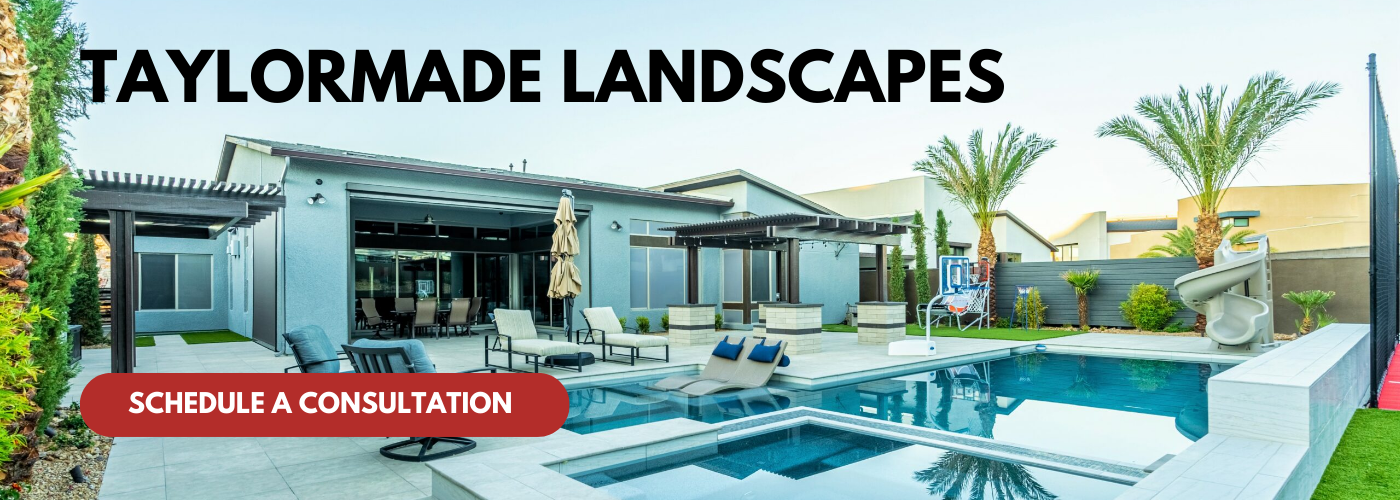
Creating pet-friendly landscaping and outdoor spaces has become an increasingly important consideration for homeowners in recent years. As more people bring pets into their lives and recognize their integral role in family dynamics, the need for outdoor areas that cater to pets while also looking aesthetically pleasing has risen significantly. When designing these spaces, the focus is not only on the enjoyment of pets but also on ensuring their safety and comfort.
One of the core elements of pet-friendly landscaping involves selecting the right types of plants. Homeowners should prioritize non-toxic flora to avoid any harmful effects on pets who might nibble, chew, or dig in the garden. For example, incorporating native plants can be advantageous as they often require less maintenance, reduce water dependency, and are less likely to attract harmful pests. Additionally, using durable materials for pathways and sitting areas that can withstand the wear and tear from pets can enhance longevity while keeping the area tidy.
Another aspect of pet-friendly outdoor spaces is creating designated zones for pets to play and relax. Consideration should be given to including features like shaded areas, comfortable resting spots, and even play structures specifically designed for pets. Pet-friendly landscaping can also incorporate fencing or natural barriers to create secure spaces for pets to roam freely without the risk of escaping. Incorporating water features can aid in keeping pets cool during warmer months, while proper drainage is essential to prevent any standing water that can breed mosquitoes or create muddy patches.
Looking towards 2025, several trends in pet-safe design are emerging, reflecting greater awareness and innovation in creating environments that prioritize the health and well-being of pets. For instance, the integration of technology to monitor pet activities outside, coupled with sustainable landscaping practices, is anticipated to rise. Homeowners are likely to embrace xeriscaping—designing landscapes that use drought-resistant plants and minimize water use. This aligns not only with eco-friendly principles but also goes hand-in-hand with creating a safe and enjoyable environment for pets.
Overall, by thoughtfully approaching pet-friendly landscaping, homeowners can create spaces that harmonize with nature, provide a safe haven for pets, and enhance the overall enjoyment of outdoor living. The trends moving into 2025 suggest a future where pets and their owners can cohabit more seamlessly with nature while benefiting from design elements that prioritize safety and sustainability.
Durable and easy-to-clean surfaces
When designing or renovating spaces for pet owners, the choice of surfaces is paramount. Durable and easy-to-clean surfaces are not just a matter of aesthetics; they are essential for maintaining a clean and safe environment for both pets and their humans. With the increasing integration of pets into our daily lives, the demand for surfaces that withstand wear and tear has surged. Pet owners often face challenges from shedding fur, scratches, and potential accidents. Therefore, selecting materials that can endure tough conditions while being convenient to clean is crucial.
In 2025, trends in pet-safe design are shifting toward materials that combine functionality with style. For instance, luxury vinyl tile (LVT) has gained popularity for its resilience and variety of designs, imitating wood or stone without the severe maintenance drawbacks. Additionally, ceramic and porcelain tiles are prominent choices, given their resistance to stains and ease of cleaning. Beyond traditional options, more manufacturers are beginning to develop fabrics and coatings that repel pet hair and are resistant to stains, ensuring that the home remains both stylish and practical.
Moreover, incorporating durable, easy-to-clean surfaces extends beyond flooring. Countertops and cabinetry are also seeing innovations tailored for pet owners. Quartz countertops, for example, offer a non-porous surface that is resistant to scratches and aids in easy upkeep. These advancements reflect a growing awareness among designers and homeowners that creating pet-friendly spaces does not have to come at the cost of elegance or comfort.
As we look ahead, it is clear that pet owners will continue to prioritize design choices that are both pet-friendly and eye-catching. The trend toward durable and easy-to-clean materials not only simplifies the lives of pet enthusiasts but also enhances the overall aesthetic of their living spaces. With a thoughtful approach to material selection, homeowners can create environments that are welcoming for pets while remaining functional and stylish.
Smart home technology for pet safety and care
Smart home technology is revolutionizing the way pet owners care for their furry friends, providing innovative solutions to enhance pet safety, health, and overall quality of life. As we look towards 2025, the integration of smart devices in pet care is poised to expand significantly, bringing with it a plethora of benefits that cater to both pets and their owners. Devices such as smart collars, automated feeders, and pet cameras are becoming increasingly prevalent, allowing pet owners to monitor and manage their pets’ needs from anywhere.
One of the key trends in smart home technology for pet safety is the rise of real-time monitoring systems. These systems include GPS-enabled collars that track a pet’s location, alerting owners if their pet wanders beyond a designated safe zone. Additionally, smart cameras equipped with two-way audio can allow pet owners to interact with their pets remotely, providing comfort to pets who may experience separation anxiety and allowing owners to check in on their pets while at work or away from home.
Moreover, the use of automated feeding systems is becoming more sophisticated, with some devices now offering customizable feeding schedules and portion controls that can be adjusted via smartphone apps. This technological advancement not only promotes healthier eating habits but also ensures that pets are fed on time, even when their owners are busy or away. Furthermore, smart litter boxes are emerging, utilizing technology to notify owners when a clean-out is needed and even tracking a cat’s health trends based on their elimination habits.
Looking at the broader picture, the pet industry is increasingly focusing on how technology can improve the lives of pets and their owners. As smart home technology continues to evolve, we can expect to see more innovations that will enhance pet safety, such as smoke and carbon monoxide detectors designed with pets in mind. This keen focus on pet safety ensures that owners can live with peace of mind, knowing their furry companions are protected by the latest in smart technology.
In conclusion, the future of pet-safe design is intertwined with advances in smart home technology. As we move towards 2025, the emphasis on integrating technology into pet care will likely expand, making life easier for pet owners while simultaneously enhancing the safety and happiness of pets. Innovations in this field present an exciting opportunity to create environments that prioritize the well-being of our four-legged family members.

