

As the boundaries between indoor and outdoor living continue to blur, the demand for luxurious yard upgrades is surging, driven by evolving lifestyle preferences and a renewed appreciation for nature. In 2026, landscape design is witnessing an unprecedented transformation, where homeowners are increasingly willing to invest in their outdoor spaces, turning them into personal sanctuaries that reflect their tastes and enhance their quality of life. This trend is not merely about aesthetics; it embodies a broader shift towards creating multifunctional environments that facilitate relaxation, entertainment, and even wellness.
One of the primary catalysts behind this rising popularity is the ongoing prioritization of home as a sanctuary. The recent global challenges have prompted many to seek solace in their surroundings, making outdoor spaces an extension of their living areas. Consequently, homeowners are eager to transform their yards into opulent retreats equipped with amenities such as outdoor kitchens, luxurious pools, and cozy fire pits. These enhancements cater to a desire for leisure and connection without the necessity of venturing far from home. As social gatherings become more intimate, the allure of outdoor entertaining has never been more appealing.
Moreover, the evolving concept of sustainability plays a crucial role in this trend. Modern luxury yard upgrades increasingly emphasize eco-friendly solutions, merging opulence with conscientious design. Homeowners are now more informed and discerning, seeking to integrate sustainable materials, native plantings, and smart technology into their landscaping choices. Such upgrades not only enhance the beauty and functionality of the space but also contribute to the well-being of the environment. As we look towards 2026, the intersection of luxury and sustainability is reshaping the landscape design industry, promising a future where elegance coexists harmoniously with ecological responsibility.
In summary, the burgeoning popularity of luxury yard upgrades reflects a broader cultural shift. As we move deeper into the mid-2020s, the outdoor living space is being redefined as a vital component of personal expression, comfort, and sustainability. This evolving landscape design trend invites homeowners to reimagine their yards not just as plots of land, but as vibrant extensions of their homes that encapsulate their desires for beauty, functionality, and environmental mindfulness.
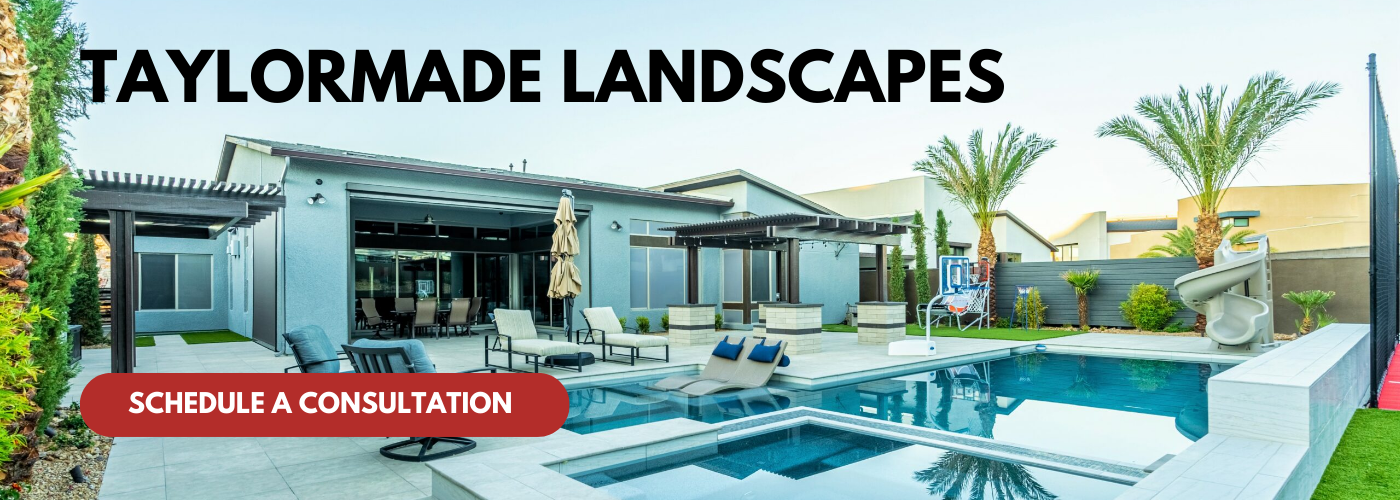
Increased Focus on Outdoor Living Spaces
As we move towards 2026, the trend of luxury yard upgrades is becoming increasingly pronounced, with a significant emphasis on enhancing outdoor living spaces. These transformative upgrades reflect a shift in how homeowners view their outdoor areas—not merely as backyards but as extensions of their homes that provide additional functional and aesthetic value. The pandemic has played a pivotal role in this transition, as people spent more time at home and sought ways to create comforting, versatile environments that allow for relaxation and entertainment minutes from their doorsteps.
Outdoor living spaces are now designed to cater to a dual purpose: leisure and functionality. Features such as expansive patios, outdoor kitchens, fire pits, and entertainment areas equipped with audio-visual systems are becoming staples in luxury landscape design. These sophisticated enhancements provide homeowners with the opportunity to socialize, dine, and unwind outdoors, making the yard a significant aspect of their lifestyle. Moreover, with the integration of comfortable seating areas and ambient lighting, outdoor spaces can be enjoyed at any hour, extending the living space into the exterior.
The growing popularity of these luxury yard upgrades can be attributed to several factors. Firstly, there is an increasing desire for private retreats that promote relaxation and physical well-being. Homeowners are investing in elements such as wellness gardens, water features, and shaded lounging spots that encourage activities like yoga and meditation, further encouraging a harmonious lifestyle. Secondly, as remote work becomes more entrenched in daily life, homeowners are looking to their outdoor spaces as a sanctuary for productivity—creating functional workspaces outside that blend the beauty of nature with professional needs.
Additionally, as environmental consciousness continues to rise, there’s a movement towards incorporating eco-friendly and sustainable design elements within these outdoor upgrades. Features like native plant landscaping, xeriscaping (landscaping that reduces the need for irrigation), and sustainable materials for outdoor structures align with the broader trend of environmental stewardship. By choosing sustainable materials and designs, homeowners are not just upgrading their spaces; they are making a statement about their values, reinforcing the notion that luxury can coexist harmoniously with nature.
Overall, the focus on luxury yard upgrades, especially the increased attention to outdoor living spaces, mirrors broader societal trends that prioritize comfort, sustainability, and functional design. As we progress into 2026, the importance of these elevated outdoor environments is poised to grow, transforming how people interact with their homes and the natural world around them.
Growth of Eco-Friendly and Sustainable Materials
The growth of eco-friendly and sustainable materials in landscape design is gaining significant traction as we approach 2026. This shift is primarily driven by a heightened awareness of environmental issues and a collective desire to minimize the ecological footprint associated with construction and landscaping. As consumers become more educated about the impact of traditional materials on the environment, they increasingly seek alternatives that not only offer aesthetic appeal but also promote sustainability. This trend is supported by advancements in technology and manufacturing processes that make sustainable materials more accessible and affordable.
Eco-friendly materials, such as recycled composites, sustainably sourced woods, and organic soil products, are increasingly being incorporated into landscape design. Homeowners are opting for permeable pavers that allow rainwater to seep into the ground, reducing runoff and the risk of flooding. Additionally, the use of native plants that require less water and maintenance helps to create landscapes that thrive in local conditions while conserving resources. This approach not only helps protect local ecosystems but also enhances the beauty and functionality of outdoor spaces. Furthermore, features such as rain gardens, green roofs, and living walls that utilize these materials are becoming more popular, adding an innovative edge to landscape designs.
The demand for eco-friendly and sustainable materials is also supported by changing regulations and incentives from government bodies aimed at promoting green building practices. As more municipalities adopt stricter building codes and provide tax benefits for environmentally responsible projects, homeowners and landscapers are encouraged to consider greener options. Additionally, this growing emphasis on sustainability aligns with consumers’ broader values, as many are now prioritizing ethical consumption and investing in products that contribute positively to the environment.
The popularity of luxury yard upgrades that utilize eco-friendly materials reflects a broader cultural shift towards responsible living and wellness. Homeowners increasingly recognize that their outdoor spaces are not just extensions of their homes but also interconnected with natural environments. As such, the landscape design of the future is poised to embody elegance, sophistication, and sustainability, enhancing not only personal enjoyment but also contributing positively to the community and ecosystem. By embracing this trend, landscape designers can create transformative spaces that are both luxurious and environmentally friendly, meeting the desires of a contemporary audience. Thus, the growth of eco-friendly and sustainable materials in landscape design presents a lucrative opportunity for those looking to innovate and align with the future’s vision of responsible living.
Rising Demand for Smart Home Integration
As we move into 2026, the landscape of landscape design is increasingly influenced by the integration of smart home technology. The rising demand for smart home integration signifies a transition towards more automated, efficient, and technologically advanced outdoor living environments. Homeowners are seeking the convenience of controlling their outdoor spaces from the ease of their smartphones or tablets, allowing for a seamless blend of technology and nature. This trend reflects a broader shift in consumer preferences, where convenience, security, and customization are paramount.
Smart technology can enhance outdoor living in various ways. Homeowners can now manage lighting, irrigation systems, and even temperature control for outdoor heating directly through their devices. This capability not only provides added comfort and control but also improves the efficiency of outdoor spaces. For instance, smart irrigation systems can monitor weather patterns and soil moisture levels, ensuring that gardens are watered only when necessary, thus saving water and reducing costs. Additionally, homeowners can set the ambiance for outdoor gatherings through smart lighting, shifting colors and intensities with a single command.
Moreover, the desire for security has also fueled this trend, leading to a rise in smart surveillance systems, outdoor motion detectors, and integrated security cameras. Homeowners are increasingly prioritizing safety, and having high-tech security measures in place contributes to that peace of mind, especially in outdoor spaces where families often gather.
As the integration of smart technology becomes more common, it not only improves the functionality and safety of outdoor areas but also enhances the overall aesthetic of these spaces. Landscape designers are recognizing this shift and are incorporating elements that accommodate these technologies seamlessly. This convergence of technology and natural elements resonates with a modern lifestyle and is likely to shape the future of landscape design, making outdoor spaces more innovative, functional, and enjoyable in the coming years.
Influence of Wellness Trends and Outdoor Health Benefits
As society becomes increasingly aware of the importance of health and wellness, the landscape design industry is adapting to reflect this shift. The influence of wellness trends on outdoor spaces has grown significantly, sparking a movement toward creating landscapes that promote physical and mental well-being. In 2026, this trend is poised to gain even more traction, driven by our collective desire to enhance the quality of life through well-designed outdoor environments.
One of the main reasons behind the rise of wellness-focused landscaping is the undeniable link between nature and health. Research has consistently shown that spending time outdoors can reduce stress, anxiety, and depression while boosting mood and overall mental health. Landscapes designed with wellness in mind often incorporate elements like gardens, serene water features, walking paths, and shaded seating areas that encourage relaxation and connection with nature. These features not only enhance personal well-being but also cater to a growing demographic that values lifestyle choices that prioritize health.
Moreover, the incorporation of native plants and biophilic design principles is becoming more prevalent in landscape design as awareness of their environmental benefits increases. Native plants typically require less water and maintenance, create habitats for local wildlife, and contribute to biodiversity, which appeals to homeowners looking for sustainable living solutions. This approach aligns with health and wellness by promoting interactions with the local ecosystem, encouraging individuals to embrace outdoor activities like gardening, walking, and mindfulness.
As the trend towards wellbeing in landscaping continues to evolve, homeowners are increasingly recognizing that their outdoor spaces can be transformed into sanctuaries that support both mental and physical health. By integrating features that encourage active living, such as fitness zones, meditation gardens, or spaces for socialization, landscape designers are enhancing the quality of outdoor environments. In doing so, they create not just aesthetically pleasing landscapes but also holistic spaces that contribute significantly to individuals’ overall well-being, making luxury yard upgrades an attractive investment for those aiming to enrich their lifestyles in 2026 and beyond.
Enhanced Property Value and Aesthetic Appeal
As homeowners increasingly see the value in their outdoor spaces, luxury yard upgrades are gaining significant traction in landscape design. These enhancements not only provide visual appeal but also contribute to the overall value of the property. In a competitive real estate market, an attractively designed landscape can be the key differentiator that sets a home apart. Potential buyers are now looking for homes that offer not only indoor comforts but also stunning outdoor aesthetics that reflect a lifestyle of luxury and leisure. This trend is especially relevant for 2026, as the dynamics of home buying continue to evolve.
The aesthetic value brought by luxury yard upgrades includes elements such as professionally manicured gardens, elaborate hardscaping, and the integration of features like outdoor kitchens, fire pits, and sophisticated lighting. These components create inviting environments that facilitate social gatherings and personal enjoyment, aligning with a broader societal shift towards valuing well-designed outdoor spaces. A well-executed landscape enhances the overall appearance of a property, often attracting buyers willing to pay a premium for homes that epitomize comfort and beauty.
Moreover, the increase in remote work has changed how homeowners view their living environments. With more time being spent at home, there is a growing emphasis on creating functional yet attractive outdoor areas that also contribute to lifestyle improvement. Properties featuring aesthetically pleasing landscapes with luxury upgrades not only offer immediate visual gratification but also promise long-term investment returns. As homeowners gravitate towards properties that enhance their lifestyle and provide escape from daily routines, investing in landscape design becomes an attractive strategy, further fueling the popularity of luxury yard upgrades. The fusion of property value enhancement with aesthetic appeal in the landscape design realm signifies a significant shift toward a more integrated approach to home and lifestyle design in 2026 and beyond.

