

As we move into 2025, the burgeoning field of landscape design is witnessing an unprecedented evolution, propelled by advancements in technology and an increasing demand for personalized outdoor spaces. Among the most dynamic methodologies reshaping this landscape is 3D landscape modeling, a powerful tool that allows homeowners, landscape architects, and garden designers to visualize their outdoor areas in immersive three-dimensional detail. This innovative approach not only enhances creativity but also facilitates more informed decision-making, making it an indispensable component of modern yard layout integration.
The integration of 3D landscape modeling into any yard design offers a myriad of benefits, from optimizing the use of space and resources to predicting how landscaping choices will interact with the natural environment over time. Utilizing software that combines geographic information systems (GIS), drone imaging, and interactive design tools, users can generate realistic representations of their properties, showcasing elements like terrain, plant growth, and water features with remarkable accuracy. In 2025, accessibility to these technologies is at an all-time high, allowing individuals without formal design training to engage with high-level modeling tools and create their ideal environments.
Furthermore, this comprehensive approach to landscape planning bridges the gap between imagination and reality. By integrating 3D modeling into the design process, users can experiment with various landscaping components—such as plants, pathways, trees, and garden structures—without the significant expense of trial-and-error in real life. This not only saves time and money but also provides a clearer understanding of how to harmonize features, achieve aesthetic balance, and ensure environmental sustainability.
In the forthcoming sections of this article, we will explore the steps to seamlessly integrate 3D landscape modeling into any yard layout. From selecting the appropriate software to detailed planning and execution, we will provide insights and practical tips to help you transform your outdoor spaces into exquisite, functional landscapes that reflect your personal style and enhance your property’s value. Whether you’re a seasoned designer or a curious homeowner looking to make changes, our guide will empower you to harness the full potential of 3D modeling in redefining your yard in 2025 and beyond.
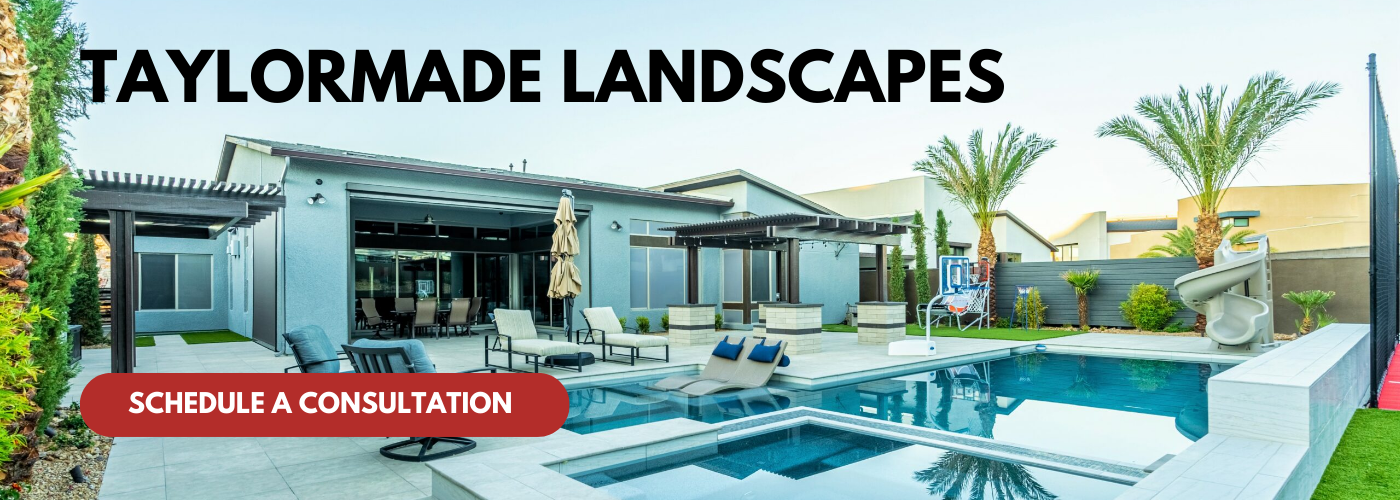
Emerging software and tools for 3D landscape modeling
As we approach 2025, the world of landscape design is rapidly evolving, driven by advancements in technology and software development. Emerging tools for 3D landscape modeling are at the forefront of this transformation, offering landscape architects and homeowners alike the capability to design and visualize outdoor spaces with remarkable accuracy and creativity. These tools leverage powerful graphics engines, intuitive interfaces, and sophisticated modeling features to create detailed and realistic representations of landscapes.
One significant trend in 3D landscape modeling software is the integration of artificial intelligence (AI) and machine learning algorithms. These technologies facilitate smarter design processes by analyzing input data—such as soil composition, climate conditions, and user preferences—to suggest optimal design layouts and plant selections. Furthermore, these advanced tools often come equipped with extensive libraries of plants, materials, and hardscape elements, enabling users to experiment with different configurations and aesthetic choices in a virtual space before committing to any physical alterations.
The integration of 3D landscape modeling into yard layouts can be incredibly beneficial for various reasons. Firstly, it allows for precise planning, ensuring that every inch of available space is utilized effectively. Homeowners can visualize the end result of their projects, assessing how different elements will harmonize with existing features and surroundings. Secondly, 3D modeling provides an invaluable aids in communication. For landscape designers, being able to present a client with a lifelike rendering makes it easier to convey ideas and receive feedback. As we look towards 2025, the increasing accessibility of these tools—through cloud-based platforms and user-friendly applications—will empower more individuals to engage with landscape design, regardless of their technical skill level.
In practical terms, integrating 3D landscape modeling into any yard layout can start with defining the goals of the project. Homeowners should consider elements such as desired functionality, aesthetics, and sustainability. Utilizing 3D modeling software, they can sketch their current yard layout and experiment with various configurations—all while visualizing landscaping features, such as gardens, pathways, and seating areas in real-time. This process also allows homeowners to evaluate how different seasons might affect the yard, helping them choose plant species that will thrive in their specific environment. As 3D landscape modeling tools become increasingly innovative, the potential for creating personalized, beautiful, and functional outdoor spaces will become more attainable, providing lasting value and satisfaction to homeowners.
Incorporating environmental sustainability practices
In recent years, incorporating environmental sustainability practices in landscape design has become paramount, not only for aesthetic purposes but also for ensuring ecological balance and promoting biodiversity. This practice involves using resources efficiently, reducing waste, and preserving natural habitats while creating functional and appealing outdoor spaces. The urgent need to address climate change has shifted the focus of many landscape architects and designers to integrate sustainable practices into their work, creating resilient environments that can withstand the impacts of growing urbanization and environmental degradation.
One key aspect of integrating sustainability into landscape layouts is the use of native plants. Native flora is inherently suited to the local climate and soil, requiring fewer resources for maintenance, such as water and fertilizers. In 2025, it will be increasingly vital for landscape designers to conduct thorough research to identify appropriate native species and consider their ecological role within the habitat. Additionally, implementing rain gardens and permeable paving can help manage stormwater runoff and improve water quality, providing dual benefits of enhancing the landscape and contributing to ecosystem health.
Moreover, sustainable practices in landscape design will heavily emphasize resource recycling and material efficiency. Designers will look for ways to repurpose materials from previous projects, thereby minimizing waste and energy consumption involved in producing new materials. Incorporating organic fertilizers and pest control methods further supports sustainability efforts, ensuring that the health of the environment is considered at every project stage. By designing multifunctional outdoor spaces that serve diverse purposes, such as community gardens or urban orchards, designers can extend the utility of the yard while engaging community members and fostering a connection to the environment.
In 2025, the integration of 3D landscape modeling technology will be instrumental in visualizing these sustainable practices within yard layouts. Designers can create immersive, detailed simulations that showcase how features like native plant gardens, water-saving irrigation systems, and sustainable materials can be combined effectively. By allowing clients to “walk through” their future landscapes virtually, 3D modeling helps communicate the benefits of sustainability in tangible terms, making it easier for homeowners to understand and commit to eco-friendly design choices. This progressive approach not only enhances the landscape experience but also reinforces the importance of environmental stewardship in modern yard design.
Utilizing augmented reality for design visualization
Augmented reality (AR) has revolutionized how landscape designers and homeowners visualize outdoor spaces. In 2025, utilizing AR technology in landscape design allows users to superimpose digital information and visual representations onto their physical environment, providing an interactive experience that helps bridge the gap between conceptual design and tangible reality. By integrating AR into the landscape design process, designers can create immersive experiences that allow clients to visualize their future yards in real time, ultimately improving communication and decision-making.
To effectively implement AR into any yard layout in 2025, landscape professionals can start by employing specialized AR software that renders 3D models of plants, hardscapes, and other design elements. This software can be accessed through smartphones, tablets, or AR glasses, enabling users to view their outdoor spaces as they will appear after the proposed changes. To create a seamless experience, designers should ensure that the AR overlays are accurate in terms of scale and placement. Clients can walk through their yard while observing the digital elements, enabling them to gauge spatial relationships and the overall aesthetic of the design without the need for physical installations.
Additionally, integrating AR into the design process encourages collaboration between clients and designers. As users interact with the augmented models, they can provide immediate feedback, request modifications, or explore alternative options. This iterative design process allows for a more personalized approach, ensuring that the final outcome aligns with the homeowner’s vision while still benefiting from professional insights. As AR technology continues to develop, including features such as environmental simulations (e.g., how sunlight or shade affects plant growth) and the ability to layer design options, the accuracy and appeal of visualizations will further enhance the landscape design experience.
In 2025, the combination of augmented reality with traditional landscaping practices offers exciting opportunities for creating dynamic yard layouts. By harnessing the power of AR, landscape designers can transform mundane design discussions into visually captivating experiences, encouraging clients to become actively involved in the design process. As augmented reality becomes more affordable and widely available, homeowners will increasingly adopt these innovative tools, ultimately leading to more successful landscape projects.
Integrating smart technology and IoT in landscape layouts
As we move into 2025, the integration of smart technology and the Internet of Things (IoT) into landscape layouts is set to revolutionize how we design, maintain, and interact with our outdoor spaces. Smart technology allows homeowners and landscape designers to create environments that not only look beautiful but also function efficiently. From automated irrigation systems that adjust based on weather conditions to smart lighting that can be controlled remotely, the possibilities are expanding rapidly.
One primary approach for integrating smart technology into landscape design is through the use of sensors and devices that monitor environmental conditions. For instance, moisture sensors can signal the need for watering when soil moisture drops below a certain threshold, helping to conserve water while ensuring plants receive the appropriate amount of hydration. Additionally, smart controllers for irrigation systems can optimize water usage based on real-time weather data, which can be accessed through a smartphone app. This level of automation not only enhances plant health but also significantly reduces water waste, aligning with contemporary sustainability goals.
Moreover, IoT technology offers the potential for real-time monitoring and feedback. Homeowners can use apps to track the health of their plants and receive alerts about the need for maintenance or potential pest infestations. These smart landscape systems can interact with other home automation devices, creating a seamless integration between indoor and outdoor living spaces. For example, outdoor lighting can be programmed to turn on as dusk falls, enhancing security while providing a welcoming atmosphere for evening gatherings.
To successfully implement these technologies, it’s essential to consider the initial design phase carefully. This can be achieved by employing 3D landscape modeling tools, which allow designers to visualize and plan the integration of smart technologies throughout the yard. By mapping out where sensors, controllers, and smart lighting will be placed, landscape designers can ensure that these elements complement the aesthetic while providing practical advantages. Furthermore, with the trend of increasing urbanization, integrating smart technology can make even small garden spaces functionally rich, promoting efficient use of resources and elevating the overall user experience.
In conclusion, the future of landscaping is undoubtedly tied to advancements in smart technology and IoT. By incorporating these technologies into landscape layouts, homeowners will not only enhance the functionality and maintenance of their yards but also contribute to environmental sustainability. As we move forward into 2025, embracing these innovations will be essential for creating versatile, responsive, and beautiful outdoor spaces that meet the needs of modern living.
Customization techniques for diverse yard styles and preferences
Customization in landscape design is crucial, especially in a world where individual tastes and personal expression are highly valued. In 2025, as technology advances, the ability to personalize yard layouts will be more accessible and efficient through innovative 3D landscape modeling tools. These tools allow homeowners and designers to not only visualize their projects in real-time but also tailor every aspect to fit various styles, aesthetics, and functional needs. Whether someone leans toward a minimalist garden or an eclectic yard with vibrant plant life, the ability to modify elements based on individual preferences is essential.
One of the primary techniques for customization is the use of dynamic templates within 3D modeling software. These templates can be adapted to different themes—such as traditional, modern, or tropical—allowing users to easily manipulate features like plant selections, hardscaping, and water features. Moreover, these models can reflect ongoing trends in landscape design, enabling homeowners to integrate popular elements seamlessly. For example, a user might start with a base template reflecting contemporary styles and further customize it by altering plant types, garden structures, and lighting features to align with their vision.
Incorporating 3D landscape modeling into yard layouts also engages users in a collaborative design process. Families can consider the input of all members, ensuring that the resulting outdoor space caters to everyone’s needs—from children’s play areas to relaxation zones for adults. Additionally, these modeling tools can help to simulate how different designs will age over time, depending on the plant species chosen and their growth patterns. This foresight allows for a yard that not only meets present-day preferences but also blossoms and evolves gracefully through the seasons.
As we move towards 2025, the capacity for customization grows not only from advanced software but also from a heightened awareness of local ecosystems. Users are becoming more committed to selecting native plants and implementing sustainable practices, which can be aided by algorithms within the modeling software that suggest the best options for specific locales. Ultimately, the seamless integration of these technologies into yard layouts provides myriad possibilities for personalization, resulting in spaces that are beautiful, functional, and uniquely reflective of each homeowner’s style and lifestyle.


