A Las Vegas heat spell makes a missed or uneven watering cycle more urgent for a lawn and its plants, which is why irrigation services matter. Could one dry patch point to a problem beyond that spot? In desert heat, working equipment helps deliver water where plants need it, instead of wasting it across the property.
A zone is a group of irrigation components controlled together. Leaks or poor coverage can waste water while stressing a landscape, even when some areas still look healthy. A timely response to visible problems, including Las Vegas sprinkler repair, can help you understand what is happening without assuming every fault needs the same fix.
This article will help you recognize trouble and decide on a repair next step. Start with the first visible clues that a system may not be working correctly.
What Are the Signs Your Irrigation System Needs Repair?
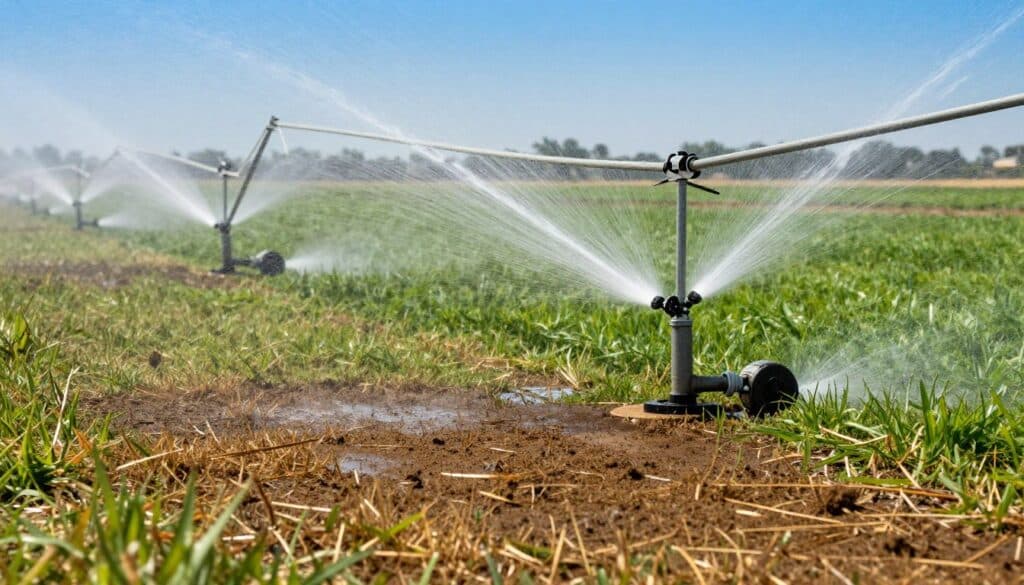
A sudden bill increase or a new patch of stressed grass can be the first sign of a problem. Common warning signs include changes in water use, uneven growth, and equipment that does not run as expected. A leak can waste water even when the rest of the lawn looks healthy.
Unusual bills and stressed lawn patches
Look for these five clues across your property. One symptom may affect only a small area, while another can point to a wider system issue. Note when the change began and where you see it, rather than assuming the whole schedule needs adjustment.
- Unusually high water bills without a clear change in use.
- Dead grass patches that remain dry during scheduled watering.
- Soggy spots that stay wet after nearby areas dry.
- Sputtering heads that spray unevenly or fail to operate smoothly.
- Low pressure that weakens water delivery across an area.
Dead grass does not always mean the lawn needs more watering. A dry patch can signal poor coverage from a head or zone, so increasing the whole schedule may waste water and leave the underlying problem in place.
Soggy ground, sputtering heads, and weak pressure
Waterlogged soil can point to excess flow or a leak, while sputtering heads may signal an interruption in delivery. Low pressure can affect how far water reaches, leaving plants short even when the controller runs. Record which parts of the yard change and whether the problem repeats.
These clues indicate where to look, but the cause needs to be checked before choosing a fix.
What Causes Irrigation Problems in Las Vegas?
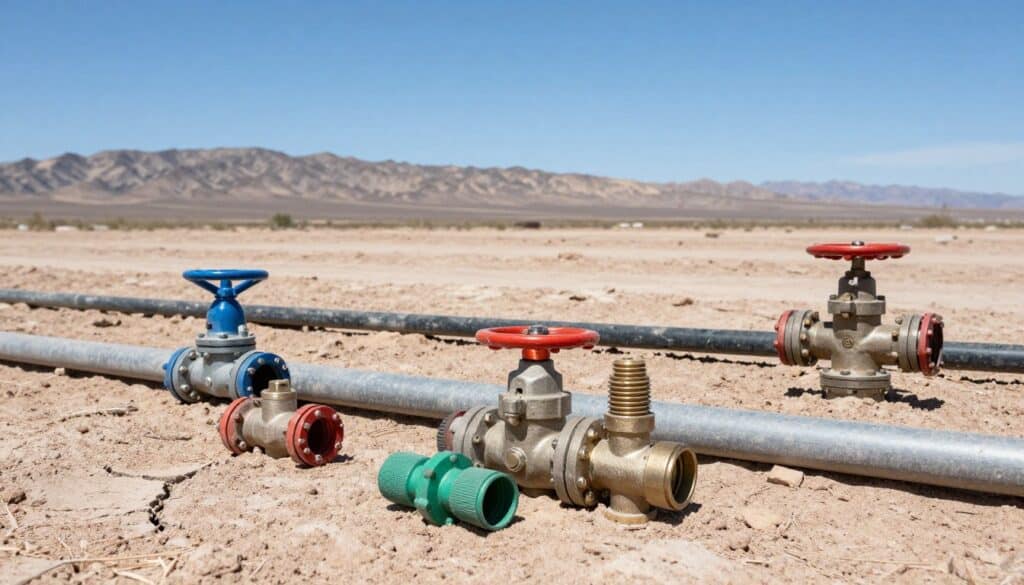
The same dry patch can result from a clogged head, a damaged line, or a coverage problem. Irrigation problems can arise from heat wear, hard-water mineral deposits, root damage, or soil shifting. A visible symptom alone does not prove which cause is responsible.
Heat and mineral buildup
Strong sun and heat exposure can wear exposed or aging irrigation components over time. Fittings may become brittle, and cracks can interrupt delivery. Hard water can also leave mineral deposits on heads or valves, restricting movement or flow and changing how water reaches the landscape.
These issues can overlap. A head that sprays poorly may need cleaning, adjustment, or a different repair, depending on its condition and the rest of the system. Routine maintenance can help identify changes, but it cannot make every symptom a simple wear issue.
Roots and shifting soil
Roots from established plants can press against buried lines or components. Soil movement can also damage or displace a line, or shift a head out of alignment. Soil composition, slope, sun exposure, plant type, and drainage all affect how water should be delivered across a property.
| Possible cause | Where it may show up | What to inspect |
|---|---|---|
| Heat wear | Exposed or aging components | Cracks or brittle fittings |
| Mineral deposits | Heads or valves | Restricted movement or flow |
| Root damage | Buried lines near established plants | Crushed or leaking line |
| Soil shifting | Buried lines or head alignment | Movement, settling, or uneven coverage |
Several different repairs may address similar symptoms, so identifying the affected part matters. Before arranging work, you can make a few safe observations without opening equipment or disturbing buried lines.
What Can You Check Before Booking a Repair?
A quick look at the controller and the affected area can help narrow down what changed. Simple observations can give an irrigation contractor useful context without requiring you to open the system or handle pressurized parts. Keep your checks to visible conditions and normal controller settings.
Write down what you find, including when the issue appears. These four checks can help you describe the watering problem clearly:
- Compare the controller’s current schedule with the affected area and its usual watering time.
- Note which zone has the symptom, especially if other zones appear normal.
- Look for visible leaks, pooling, or damaged heads without digging.
- Observe whether neighboring areas have normal pressure and coverage during a cycle.
A controller schedule can look correct while an individual area receives uneven water. Comparing nearby areas helps describe the difference, but it does not establish why the sprinkler or watering setup is behaving that way.
If water is actively flooding an area, stop the system to limit further flow. Do not dig for a buried line or dismantle pressurized components. A visible check is safer than disturbing equipment that may still hold pressure.
These observations are useful background for a service visit. A professional assessment can then establish what the system needs and what work may address the fault.
What Does Professional Irrigation Service Include?
An irrigation service is a visit to assess how a watering setup is operating and address identified problems. Residential irrigation services can include inspection, diagnosis, repair, coverage adjustments, controller checks, and maintenance, depending on the property’s needs.
Diagnosis and system assessment
An irrigation contractor can assess broken heads, leaks, coverage gaps, and controller problems. The review may consider head placement, zone planning, and water pressure, since each affects how well the system serves the landscape. A useful diagnosis connects the observed fault with a proposed scope of work.
An irrigation services list may include more than part replacement. It can cover a system inspection, controller checks, and adjustments when current coverage no longer suits the planting areas. The right work depends on what the assessment finds, not on one symptom alone.
Repairs, adjustments, and testing
Plants mature and property layouts change, so a design that once fit may need adjustments. A repair may restore a component, while a coverage adjustment can better match current planting. Those are different tasks, even when both improve how the system serves the landscape.
After installation or repair, the system should be tested. Testing can show whether repaired components operate and whether water reaches the intended areas. Maintenance can also help track changes over time, without assuming that every visit includes the same work.
The general repair process depends on which delivery parts serve the area. Sprinkler heads and drip components distribute water in different ways, so their checks differ.
Do Sprinkler and Drip Systems Need Different Repairs?
A spray head and a drip emitter deliver water differently, so the inspection depends on the component. Sprinkler performance depends on head placement, zone planning, and water pressure. Drip irrigation delivers water directly to planting areas.
Sprinkler heads and pressure
Spray and rotor heads need the right operation and reach for their placement. A head can move or spray poorly, while the surrounding area receives uneven coverage. An irrigation system assessment can check alignment, movement, and pressure before deciding whether adjustment or replacement is needed.
Installation choices matter too: a component must suit the zone and the area it serves. A repair that addresses only one head may not correct broader coverage if head placement or pressure also affects delivery.
Drip lines and planting areas
Drip lines and emitters serve plants close to their roots. A damaged or blocked emitter can interrupt delivery along a planting area, even if the rest of the irrigation systems operate normally. The inspection should consider whether water reaches the intended plants along the line.
| Component type | Typical concern | Repair check |
|---|---|---|
| Spray heads | Damaged or blocked head | Inspect movement, alignment, and coverage |
| Rotor heads | Poor rotation or uneven reach | Check operation and pressure |
| Drip lines | Damaged or blocked emitter or line | Inspect delivery along the planting area |
Irrigation supply companies near me may be useful when you need to source parts, but selling supplies differs from diagnosing and repairing a connected system. Hardware choices are one part of keeping delivery appropriate; water-use habits can also reduce waste and recurring problems.
For more on how drip irrigation and sprinkler coverage differ, explore these lawn irrigation system options.
How Can You Prevent Water Waste in a Desert Landscape?
A system can use water inefficiently even when every zone turns on. Matching the schedule, zoning, and hardware to plant needs can improve delivery without watering every area more. In desert landscaping, one dry spot should not automatically lead to extra water across the property.
Match watering to coverage and plant needs
Overwatering one zone to compensate for a dry patch elsewhere can waste water. The dry area may need a coverage adjustment rather than a longer schedule. Changes to watering time, zone layout, or hardware can better match delivery to the plants each area serves.
The 30/30 rule is a pause-and-resume approach sometimes used when water runs off before soaking in: water for 30 minutes, pause for 30 minutes, then resume if needed. It is not a universal Las Vegas schedule. Conditions and landscape needs differ, so the method should not replace attention to how water behaves on your property.
Keep the lawn decision in perspective
Lawn irrigation can be worthwhile when a lawn is an intentional part of your landscape. Ongoing water use and maintenance are tradeoffs to consider alongside its use and appearance. A lawn does not suit every property or every planting plan.
Some homeowners choose desert-adapted planting or less turf to reduce those demands. That choice can change which areas need irrigation and what coverage fits. A well-planned schedule serves the landscape you have, rather than forcing every area into the same pattern.
Learn more about options for lawn watering and water-conscious design.
Water-use choices affect how well a landscape is served, but they cannot correct damaged equipment. The next consideration is the cost and scope of repairing the system.
What Do Irrigation Services Cost in Las Vegas?
A single damaged head and a buried line leak are different jobs, so their estimates will not match. What you pay for irrigation depends on the diagnosed fault, parts, access, and repair extent. A property-specific estimate reflects the work needed, rather than one price that fits every system.
Minor component repairs
Replacing or adjusting a head is usually localized work. A valve issue may also affect one zone, though the diagnosis and component condition shape the task. The irrigation services estimate should describe the proposed repair and the part or adjustment involved.
Controller or wiring issues can vary by fault. Tracing the control problem and identifying affected zones can change how much work the repair requires. An estimate should state what will be checked, rather than grouping every control issue under one simple repair label.
Major line repairs
Finding and repairing a damaged buried line can involve a broader work area. Access, the leak location, and surface repair can affect the scope. A line repair may involve more than fixing the pipe itself if the surrounding landscape needs attention afterward.
| Repair category | Example work | Relative scope | What can change the estimate |
|---|---|---|---|
| Head repair | Replace or adjust a head | Localized | Part type and access |
| Valve repair | Inspect or replace a valve component | Localized to one zone | Diagnosis and component condition |
| Controller or wiring issue | Check control or electrical connection | Varies by fault | Tracing time and affected zones |
| Major line repair | Locate and repair a damaged buried line | Broader excavation and restoration | Leak location, access, and surface repair |
The amount irrigation companies charge per hour varies by provider and job. A written scope helps distinguish localized repairs from work that involves tracing, excavation, or surface restoration. Maintenance needs may be separate from the immediate repair.
Compare written scopes and choose a provider who can explain the diagnosis and proposed work.
How Do You Choose a Las Vegas Irrigation Repair Provider?
A useful estimate explains both the repair and what the technician will check after completing it. Compare the proposed work, system experience, and follow-up testing before deciding. A clear conversation can help you judge whether the services match your property’s needs.
Use these questions to compare irrigation services companies without relying on a broad claim such as “best irrigation services.” A nearby search for “irrigation services near me” can help you identify options, but the estimate and scope still need review.
- Confirm the provider handles the system type on your property.
- Ask for the diagnosis and proposed scope of work.
- Compare what each estimate includes, including testing.
- Clarify how access or landscape restoration is handled.
- Ask how the completed work will be checked.
Ask who will perform the work and how the team will communicate the findings. Experts should be able to describe the fault and the repair in plain terms. If your property is part of an HOA, clarify any access or approval needs before work begins.
To price irrigation jobs, a contractor needs to inspect the fault, identify the work and parts, and account for site access and any restoration. Comparing those details gives you a more useful basis than comparing totals alone.
Once you understand the proposed work, consider whether a targeted repair remains appropriate or the system needs broader attention.
Should You Repair, Upgrade, or Install a New System?
A system-wide review is worth considering when one repair will not resolve persistent coverage problems. A targeted repair can suit an isolated fault, while repeated failures or changed planting areas may call for a broader review. The right choice depends on how well the current setup serves the landscape.
When a targeted repair makes sense
A focused repair may fit when one component has failed and the rest of the system still meets your needs. Ask whether the proposed fix addresses the identified fault and whether testing will confirm operation. A clear scope can keep the decision tied to the actual problem.
If coverage remains uneven after a repair, look beyond the replaced part. Planting areas may have changed, or the layout may no longer serve the property as intended. Repeated failures can also make a broader review more useful than another isolated adjustment.
When to consider an upgrade or installation
An upgrade can address a mismatch between the existing system and current landscape needs. New irrigation installation may be appropriate when the layout cannot serve changed planting areas. Comparing irrigation companies and irrigation repair companies near me can help you understand whether they assess both repair and installation work.
The average cost of installing a lawn irrigation system depends on property size, zone layout, planting needs, site access, and the components required. Request a property-specific estimate, since each of these factors can change the scope. A national overview of sprinkler installation cost factors describes yard size, zones, soil conditions, and head type, but it is not a Las Vegas repair price.
Use the assessment to decide whether the existing system can meet your needs with focused work or requires a different design. From that repair-versus-replacement decision, take one clear next step: arrange a professional assessment of the system.
Conclusion
A prompt diagnosis can help prevent a small watering fault from continuing unnoticed. Do not treat one dry patch by increasing water everywhere. That can waste water while leaving the affected area short.
Get persistent leaks or poor coverage diagnosed before they cause more waste or landscape stress. A professional assessment can help you understand what the system needs and what work may address the problem.
Book professional irrigation services with TaylorMade Landscapes® to discuss help for your property. A clear next step can make it easier to care for your plants and keep the system working as intended.