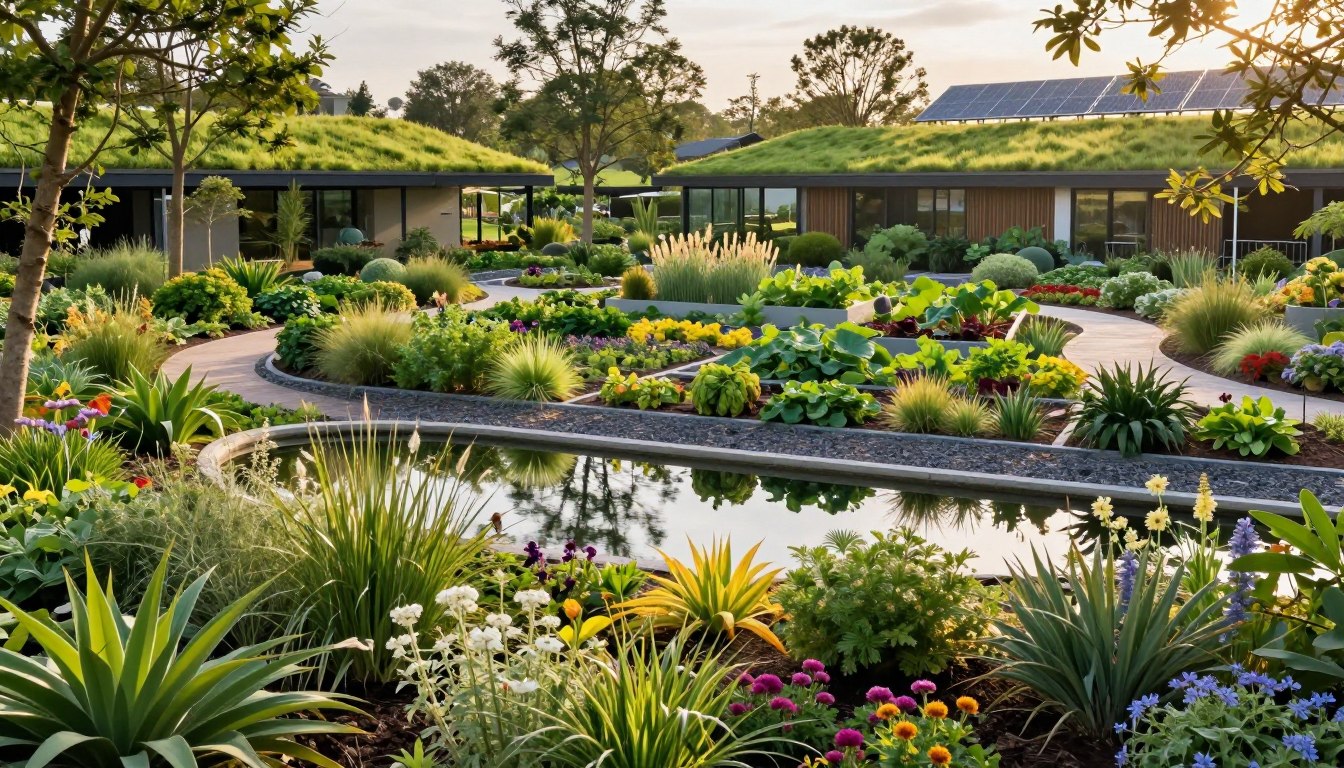
Have you ever wondered how to create stunning curb appeal in a dry climate? A thoughtfully designed curb appeal desert landscape front yard can transform the appearance of your home while thriving in harsh, arid conditions. Achieving a captivating desert landscape in your outdoor space is not just about aesthetics; it requires a thoughtful approach to design and sustainability. In places like Phoenix, Arizona, where the annual rainfall is a mere eight inches, traditional gardening methods often fall short.
Instead of struggling against the harsh conditions, why not embrace them? By focusing on sustainable design, you can cultivate a vibrant and inviting outdoor area that complements your home while conserving precious water resources. This guide will help you transform your space into a desert oasis, showcasing plants and materials that thrive in the intense sun and heat.
With the right strategies, you can enhance your property’s appearance and make it the envy of your neighborhood. Let’s explore how to achieve this high-end look while respecting the local environment.
Key Takeaways
- Creating an appealing outdoor space in arid climates requires a strategic approach.
- Traditional gardening may not work well in areas with limited rainfall.
- Sustainable design can help maintain beauty while conserving water.
- Choosing the right plants is crucial for a vibrant landscape.
- Professional design strategies can improve both aesthetics and resource management.
Understanding Desert Landscaping Trends
Creating an attractive outdoor space in arid regions requires a unique understanding of local conditions. In places like Phoenix, Arizona, where rainfall averages only eight inches a year, traditional lawns are often impractical. This reality drives homeowners to explore innovative landscaping options that thrive in dry climates.
Research shows that up to 70% of household water usage goes toward landscaping in these areas. This statistic highlights the urgent need for effective water conservation strategies. By prioritizing these methods, you can not only reduce your utility bills but also maintain a vibrant outdoor environment.
Many homeowners are shifting away from water-intensive grass, embracing desert landscaping techniques instead. These trends focus on working with nature, ensuring that properties remain resilient during extreme heat. By selecting native plants that require minimal care, you can create a lush and inviting space that flourishes in the desert sun.
Water-Wise Front Yard Tips

Effective watering techniques can make a significant difference in your outdoor space. By adopting smart practices, you can conserve water while keeping your plants healthy and vibrant.
One key strategy is to water at sunrise or after dark. This timing prevents evaporation caused by the intense sunlight of the day. Here are some additional tips to enhance your watering routine:
| Tip | Description |
|---|---|
| Avoid Afternoon Watering | Watering during the afternoon wastes resources due to evaporation. |
| Seasonal Adjustments | Modify your watering schedule based on seasonal plant needs. |
| Test Sprinkler Output | Regularly check to prevent over-saturation and waste. |
| Drip Irrigation | This system delivers moisture directly to roots, enhancing plant health. |
| Monitor Irrigation | Consistent checks help identify leaks or clogs to minimize water loss. |
Goodbye Grass, Embrace Alternate Lawn Options
Exploring alternatives to traditional grass can significantly enhance your outdoor experience. For homeowners in arid regions, artificial turf is a popular choice. It offers a green appearance without the constant upkeep of natural grass.
However, there are important considerations to keep in mind:
- Synthetic turf can reach temperatures up to 180 degrees F, which is much hotter than real grass at around 90 degrees.
- While it eliminates the need for mowing and watering, maintaining an artificial lawn requires occasional brushing and rinsing.
- Many homeowners opt for turf in smaller areas to add a splash of green without a full installation.
- It’s crucial to weigh the pros and cons, especially if children play in the area.
- Incorporating stone or brick borders around the turf can enhance the overall design of your home.
- With proper maintenance, artificial lawns can remain an attractive feature for years.
Adding Color Through Rocks and Gravel

Incorporating colorful rocks and gravel can dramatically enhance the visual appeal of your outdoor space. Using a variety of shades not only adds vibrancy but also complements the natural beauty of your environment.
One effective way to create focal points is by adding large boulders. These typically cost between $150 and $250 each and can introduce height and drama to your garden.
Mixing different textures and sizes of rocks allows you to define garden beds while maintaining a low-maintenance landscape. Decomposed granite or crusher fines are popular choices for creating natural-looking walkways that blend seamlessly with the surroundings.
Additionally, using colored gravel or red bark can break up the neutral tones often found in arid regions, adding personality to your home. Regularly raking your gravel will keep your space tidy and prevent weeds from taking over.
Choosing the right rock varieties is a creative process that reflects your style while conserving water. Below is a table showcasing various rock options and their benefits:
| Rock Type | Benefits |
|---|---|
| Boulders | Add height and serve as focal points. |
| Decomposed Granite | Creates natural walkways; low maintenance. |
| Colored Gravel | Enhances visual interest; breaks up neutral tones. |
| Red Bark | Adds color and texture; helps with weed control. |
| Crusher Fines | Ideal for pathways; blends with the landscape. |
Curb Appeal Desert Landscape Front Yard Ideas
Transforming your outdoor space into a stunning visual can be a rewarding endeavor, especially in dry climates. By incorporating both synthetic and natural elements, you can achieve a harmonious design that enhances your home’s charm.
Charlotte Trone, a top-selling agent in Albuquerque, New Mexico, suggests that adding small potted trees or fountains can significantly improve your home’s curb appeal desert landscape front yard You can create a balanced design by combining artificial turf with native plants that thrive in the heat.
Here are some key points to consider:
- Focus on hardscaping and drought-resistant greenery to avoid water-heavy lawns.
- Blend synthetic and natural features for a unique landscape that feels intentional.
- Ensure your design reflects the architectural style of your home for a cohesive look.
- Mixing materials adds visual interest, making your outdoor space a standout feature.
- These ideas show that a traditional lawn is not necessary for a stunning entrance.
| Element | Description |
|---|---|
| Potted Trees | Add height and greenery without requiring much water. |
| Fountains | Introduce a soothing water feature that enhances ambiance. |
| Artificial Turf | Provides a lush appearance with minimal maintenance. |
| Native Plants | Thrive in local conditions, requiring less water and care. |
| Hardscaping | Creates structure and reduces the need for water-intensive landscaping. |
Xeriscaping: Drought-Resistant Planting Options

Embracing drought-resistant plants can transform your outdoor area into a sustainable oasis. Xeriscaping focuses on using plants that thrive in dry conditions, ensuring a vibrant garden with minimal water usage.
Succulents, low-water cacti, Spanish Broom, and sage are excellent choices for your garden. Researching native plants is crucial, as they adapt well to local climates and require less maintenance.
Many cities offer incentives for homeowners who switch from traditional grass to xeriscaping, making it a smart financial choice. Adding low-water flowering accents like lavender or desert marigold can bring color to your space during cooler months.
Grouping plants with similar water needs maximizes irrigation efficiency. This approach not only conserves water but also creates a lush environment that attracts local pollinators.
With proper plant selection, your xeriscape can remain beautiful and healthy even in the hottest summer months.
Designing No-Water Riverbeds and Dry Creek Beds
Designing dry riverbeds can add a unique charm to your outdoor space. These features not only enhance aesthetics but also provide practical benefits. For instance, they help reduce soil erosion and divert rainwater away from your home’s foundation during desert storms.
Creating a no-water riverbed involves using smooth river rocks to mimic the natural flow of a creek across your yard. Here are some key points to consider:
- These dry creek beds reduce soil erosion and help direct rainwater away from your home’s foundation.
- Enhance the design by adding a small garden bridge over the riverbed for a charming focal point.
- Ensure the trench is properly sloped to allow water to flow away from the house, preventing pooling.
- Using various sizes of river rock adds texture and realism, making it blend seamlessly with the environment.
- This technique adds movement and interest to your yard without the need for additional water.
- Many homeowners find these features low-maintenance and effective for improving drainage.
| Feature | Benefits |
|---|---|
| Dry Riverbeds | Reduce soil erosion and manage rainwater effectively. |
| Garden Bridges | Add visual interest and charm to the design. |
| River Rocks | Provide texture and mimic natural water flow. |
| Proper Sloping | Prevents water pooling near the home. |
| Low Maintenance | Enhances curb appeal with minimal upkeep. |
Elevating Your Front Yard with Hardscaping

Transforming a flat area into a dynamic space can significantly enhance your home’s visual appeal. Elevating your outdoor space with hardscaping elements, such as small hills or mounds, creates visual drama that mimics the natural foothills of nearby mountains.
Natural stone can be effectively used to build retaining walls or define pathways. This adds structure and sophistication to your overall design. Elevation changes allow you to showcase plants at different levels, creating a layered effect that is both pleasing and dynamic.
Hardscaping features like concrete or terracotta pavers help create clear, defined spaces that guide visitors to your entrance. By incorporating these structural elements, you reduce the planting area, which lowers your overall water usage.
Choosing materials that complement your home’s colors and the surrounding environment is essential for a cohesive look. Professional hardscaping not only enhances beauty but also adds value to your property, ensuring your yard remains functional and attractive for years to come.
Modern Rock Gardens for Visual Impact
Rock gardens can serve as a stunning focal point in any outdoor setting, especially in arid regions. These gardens offer a unique way to add texture and dimension to your outdoor space. By mixing different rock textures and colors, you can create a high-impact look that captures attention.
Using larger boulders as focal points while scattering smaller stones around them creates a balanced appearance. Pairing these rocks with drought-tolerant plants, such as prickly pear cactus or blue fescue, adds layers of color and variety to your design.
Modern rock gardens are incredibly low-maintenance, requiring only occasional weeding and raking. This design approach is perfect for homeowners who want a stylish, modern aesthetic that respects the water-scarce nature of the environment.
By carefully selecting your materials, you can create a garden that feels like a work of art while remaining perfectly suited to the climate.
| Rock Type | Benefits |
|---|---|
| Boulders | Create striking focal points in the garden. |
| River Stones | Add smooth textures and natural beauty. |
| Crushed Gravel | Provide a low-maintenance ground cover option. |
Incorporating Relaxing Water Features

Adding soothing water features can elevate the ambiance of your outdoor space. Self-contained fountains are a fantastic option for homeowners looking to create a tranquil atmosphere. These fountains are eco-smart, requiring only 3 to 10 gallons of water to operate effectively through a recirculating pump.
When selecting a fountain, you can choose from various shapes and sizes to find one that complements your home’s style. For a budget-friendly alternative, consider a simple birdbath or a shallow container with a small solar-powered pump, which can be found for around $15.
It’s important to avoid high-spraying sprinkler heads in small basins, as they can lead to evaporation or splashing. Additionally, adding water plants to your fountain can introduce a splash of green, enhancing the natural beauty of your garden.
The gentle sound of trickling water not only provides a cooling effect but also creates a welcoming impression for potential buyers visiting your property.
| Feature | Description |
|---|---|
| Self-Contained Fountains | Require minimal water and enhance curb appeal. |
| Birdbaths | Budget-friendly option that attracts birds. |
| Water Plants | Add greenery and beauty to water features. |
| Solar-Powered Pumps | Eco-friendly and cost-effective water circulation. |
| Trickling Sound | Creates a soothing atmosphere in the garden. |
Integrating Outdoor Seating and Living Areas
Creating a welcoming outdoor area in your home can significantly enhance its charm. A well-designed seating space allows you to enjoy the beautiful fall and winter weather typical of dry climates.
Consider these ideas for your outdoor seating:
- Choose simple, durable furniture like Adirondack chairs or a bench under a tree to define your living area.
- Add colorful throw pillows and cushions to make the space inviting and comfortable.
- A well-placed seating area encourages potential buyers to imagine peaceful hours spent relaxing outdoors.
- Select weatherproof materials that withstand the intense sun and heat common in desert regions.
- This addition transforms your yard from a simple space into a functional living area that adds value to your property.
- By creating a serene environment, you make your home feel more welcoming and highlight the lifestyle benefits of living in the area.
Using Creative Shapes and Layers in Your Design
Crafting a visually captivating outdoor space involves innovative shapes and layered designs. This approach allows you to move away from flat, one-dimensional areas toward something more dynamic and engaging.
Consider designing garden beds with flowing curves. These curves contrast beautifully with the crisp, angular lines of modern hardscaping elements. Combining plants of varying heights, such as tall ocotillo and mid-sized shrubs, creates a layered effect that adds depth to your outdoor area.
Groundcovers like creeping thyme or sedum can fill in empty spaces, reducing exposed soil and enhancing the overall aesthetic. By varying the shapes and sizes of your plantings, you create a visually interesting environment that evolves as you navigate through the space.
These design techniques anchor your outdoor area, ensuring every part feels intentional and well-planned. This method is essential for creating a professional-looking garden that showcases the beauty of desert-adapted flora.
Conclusion
Revamping your outdoor space can be a fulfilling journey, especially in regions with dry climates. Professional landscaping can boost your home’s resale value by 15% to 20%, making these improvements a wise investment.
By selecting the right plants, rocks, and mulch, you can create a sustainable environment that thrives in arid areas. Implementing these ideas will help you manage water usage while enhancing your outdoor space’s charm.
Whether you choose to install artificial grass or embrace a rock-based design, your choices will define your home’s character. Don’t forget to provide adequate shade and incorporate succulents for added texture and color.
We hope this guide inspires you to transform your property into a stunning oasis. Taking these steps today will ensure your home remains attractive and environmentally responsible for years to come.
For more tips on enhancing your outdoor space, check out this comprehensive guide.