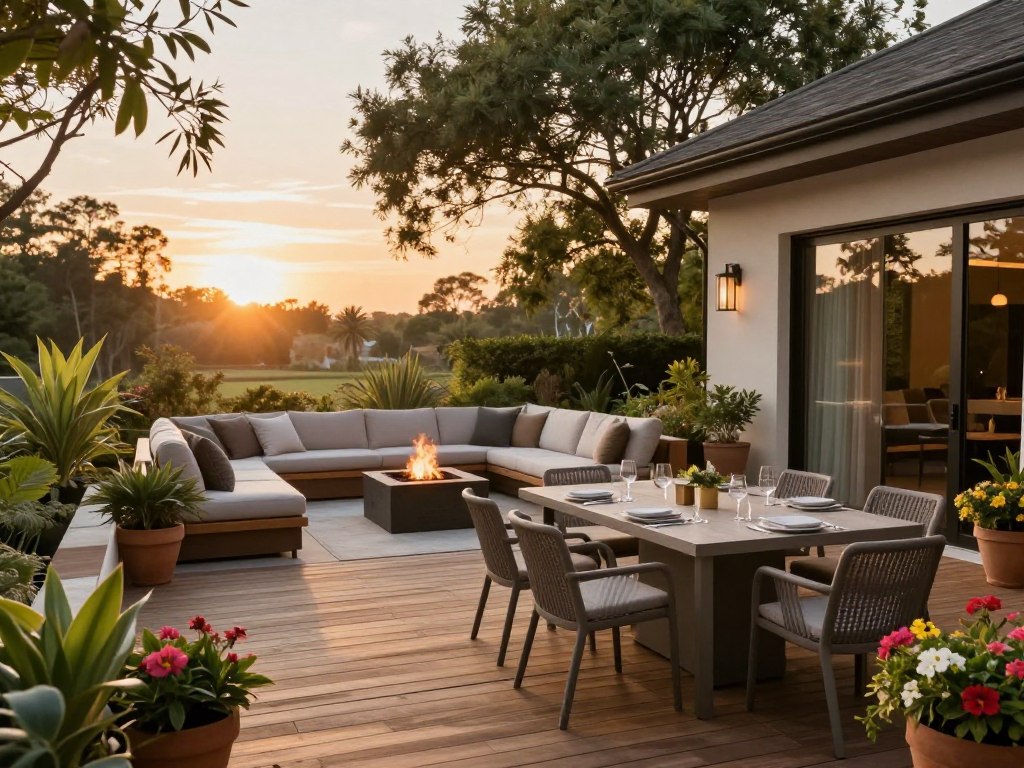
Did you know that nearly 40% of American homeowners feel their yard is too small for entertaining? This surprising statistic highlights a common frustration. Yet, a compact area holds immense potential to become a thoughtfully designed outdoor living space and a cherished extension of the home. Strategic design is the key to unlocking this potential. Small yards present unique opportunities to create intimate, functional outdoor living space that maximize every inch of available land. The goal is to extend the usable square footage of a property while enhancing comfort and usability.
Homeowners can transform even the tiniest patio or narrow side yard. The right approach prioritizes both aesthetics and functionality. This creates a beautiful retreat for morning coffee or intimate gatherings. Careful planning ensures each element serves a purpose. This guide explores practical steps and inspiring ideas. It helps homeowners maximize their small yard’s potential. The focus is on creating an area that feels spacious and comfortable. It should be perfectly suited to their lifestyle needs.

Key Takeaways
- Small yards offer unique opportunities for creating intimate and functional areas.
- Strategic outdoor living space design can maximize every inch of available space effectively.
- A well-planned yard serves multiple purposes, from relaxation to entertaining.
- Balancing elements like seating and greenery is crucial to avoid a cluttered feel.
- Thoughtful planning ensures every design choice contributes to the overall ambiance.
- The right approach can transform any compact area into a beautiful home extension.
Understanding Your Small Yard Potential

A small yard is not a limitation but a canvas for creative design. The initial step involves a careful evaluation of the available area. This process unlocks its true potential for becoming a functional extension of the home.
Assessing Space Limitations and Opportunities
Homeowners should start by taking precise measurements of their yard. It is crucial to note permanent features like trees or utility boxes. These elements can be integrated into the overall plan rather than seen as obstacles.
Analyzing sunlight patterns throughout the day is also essential. Identifying sunny and shaded areas helps decide the best spots for seating or planting. This thoughtful approach maximizes the comfort and usability of the entire space.
Compact yards offer distinct advantages over larger ones. They often require less maintenance and lower costs for materials. This allows for the creation of a cozy, intentionally designed atmosphere.
Setting Goals for a Multifunctional Outdoor Living Space Area
Defining primary uses for the yard is the next critical step. Will it be mainly for dining, relaxing, or entertaining? Prioritizing these functions ensures the design meets the homeowner’s lifestyle needs.
A successful plan makes smart use of vertical space. Wall planters and trellises add greenery without cluttering the ground. This strategy helps maintain an open, airy feeling in a compact area.
Every element should serve more than one purpose whenever possible. A storage bench, for example, provides seating and hidden storage. Creating distinct zones using different materials or furniture placement can effectively separate areas for different activities without walls.
- Start with accurate measurements of the entire yard.
- Map sunlight exposure to plan activities and plantings.
- Choose furniture and features that serve multiple functions.
- Use vertical elements to free up valuable ground space.
Choosing the Right Outdoor Furniture and Decor

The furniture selected for a compact yard plays a pivotal role in its overall success and daily enjoyment. It must balance durability, proportion, and personal style to create a cohesive and inviting area.
Selecting Weatherproof and Stylish Pieces
Durability is non-negotiable. Homeowners need pieces built to endure sun, rain, and wind. Materials like powder-coated aluminum, synthetic wicker, and teak offer long-lasting performance with minimal upkeep.
Scale is equally critical. Oversized items can overwhelm a small patio. Bistro sets, armless chairs, and slim-profile tables fit the space better. They maintain an open, airy feeling.
Multi-functional options are smart investments. A storage ottoman provides seating and hides cushions. A bench with a built-in planter combines greenery and relaxation. Every piece should serve a dual purpose.
Color and style inject personality. While earth tones may blend in, bold accents in bright blue or red create visual interest. The chosen style should reflect the home’s architecture and the homeowner’s taste.
Lightweight, flexible pieces allow for easy rearrangement. This adaptability is key for entertaining or simply following the shade. The right combination of these elements makes a small yard both practical and beautiful.
Incorporating an “Outdoor Living Space” Concept in Your Design
Creating continuity between a home’s interior and its exterior can dramatically enhance daily living. This approach transforms underutilized areas into valuable extensions of the property.
Expanding Your Home’s Functionality Outdoors
Modern design treats exterior areas as genuine extensions of interior rooms. This concept applies the same attention to comfort and style found inside.
Homeowners gain practical square footage for daily activities. The result is a cohesive environment throughout the entire property.
Creating a Seamless Indoor-Outdoor Connection
Large openings like sliding glass doors eliminate visual barriers. Matching floor heights and materials enhance the flow between areas.
A consistent color palette creates visual harmony. This thoughtful planning makes transitions feel natural rather than abrupt.
| Design Element | Indoor Application | Outdoor Strategy | Benefit |
| Flooring | Hardwood or tile | Durable porcelain stoneware | Visual continuity |
| Openings | Standard doors | Folding glass systems | Expanded connection |
| Color Scheme | Wall paint | Complementary accents | Harmonious flow |
| Furniture Style | Living room sets | Weather-resistant versions | Cohesive aesthetic |
These strategies create environments that feel intentionally planned. They maximize both comfort and functionality across the entire property.
Designing Functional Zones: Kitchens, Seating, and Lounge Areas
Zoning is a powerful strategy that brings order and function to a compact yard. Creating distinct areas for cooking, dining, and relaxing makes the entire space feel larger and more intentional.
Building an Open-Air Outdoor Kitchen
A well-planned kitchen becomes the social hub of the yard. It keeps the host from constant trips indoors. Even a simple setup with a grill and small counter makes a big difference.
Homeowners can add a compact refrigerator or a sink. This creates a fully functional cooking area. The pleasure of preparing meals in fresh air enhances any gathering.
Arranging Comfortable Seating for Entertaining
Strategic placement of furniture is key for social interaction. Chairs and sofas should face each other to encourage conversation. This setup feels more like a cozy room than a staged area.
A dining area works best near the kitchen for easy serving. Leave enough space for guests to move comfortably. Multiple seating options accommodate different activities throughout the day.
This thoughtful arrangement ensures everyone can enjoy their time together. It transforms a small yard into a perfect spot for hosting.
Enhancing Ambience with Lighting, Water Features, and Focal Points
Two elements can dramatically elevate a small yard’s appeal: strategic lighting and the gentle presence of water. These features engage the senses, transforming a simple area into a multi-sensory retreat. They extend its usability well into the evening, creating a beautiful and tranquil place.
Using Mood Lighting to Transform Evenings Outdoors
Good lighting design serves a dual purpose. It ensures safety by illuminating paths and steps. It also creates a magical atmosphere after the sun goes down.
A layered approach works best. Combine different light sources for depth and interest. This technique highlights the best parts of your garden.
| Lighting Type | Placement | Primary Effect |
| Uplighting | At base of trees/walls | Dramatic accent on architecture |
| Downlighting | Mounted above seating | Soft, cozy glow for ambiance |
| Path Lights | Along walkways | Safety and subtle guidance |
| String Lights | Overhead between points | Festive, general illumination |
This strategic use of light makes the area feel larger and more inviting. It turns every night into an opportunity to enjoy your special place.
Adding Water Elements for Tranquility and Style
The sound of moving water adds a layer of cool tranquility. A water feature provides soothing sounds that mask neighborhood noise. This instantly creates a more peaceful environment.
Even a compact garden can accommodate a water feature. Wall-mounted fountains or small, recirculating urns save valuable ground space. They become an instant focal point.
For a truly exotic touch, a small koi pond adds movement and color. The fish create a fascinating point of interest. These elements combine with lighting to enhance the natural beauty of the space all day long.
Utilizing Structures like Pergolas, Decks, and Pavilions
Structural elements transform undefined yards into organized extensions of the home. These built features create definition and purpose where there was once just open ground.
They establish clear zones for different activities. This approach maximizes functionality in compact areas.
Embracing Vertical and Horizontal Designs
Vertical elements like pergola posts draw the eye upward. This clever trick makes small yards feel more spacious.
Horizontal features such as deck platforms create level surfaces. They work well on sloped terrain where ground space is limited.
Modern louvered roof systems offer adjustable shade control. Homeowners can open slats for sunlight or close them for rain protection.
| Structure Type | Primary Benefit | Best For | Maintenance Level |
| Pergola | Partial shade & open feel | Defining seating areas | Low to moderate |
| Deck | Level surface creation | Uneven terrain yards | Moderate |
| Pavilion | Full weather protection | Year-round use areas | Moderate |
Strategic landscaping helps these features blend with the natural environment. Vines on pergola lattices add beauty and additional shade.
The right choice depends on specific needs and yard conditions. Each structure type offers unique advantages for different situations.
Conclusion
Ultimately, the success of a small yard lies in its ability to become a natural extension of daily life. Thoughtful planning transforms limitations into advantages, creating a cohesive and functional area.
Homeowners gain a valuable retreat for family time and entertaining. This investment enhances property value and personal enjoyment throughout the day.
Even the most compact garden can become a favorite place. It serves as a peaceful escape and a vibrant room for hosting guests. The right features and furniture ensure it meets evolving needs for years to come.
A well-designed yard proves that quality is not determined by size. It becomes a cherished part of the home, enriching every season. Start planning your ideal outdoor living space today and discover how even a small yard can deliver big lifestyle benefits. If you’re ready to transform your yard, contact a trusted local outdoor living space professional to design a solution tailored to your home, climate, and lifestyle.