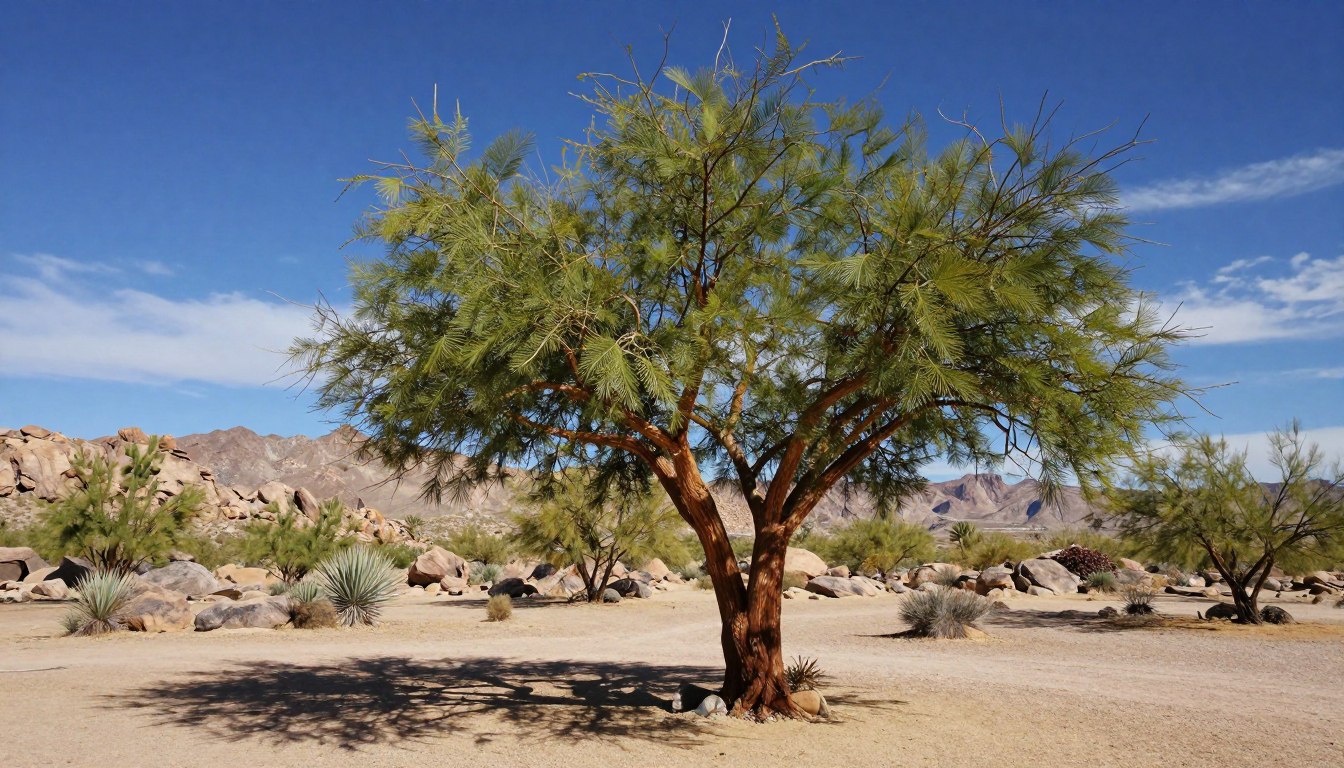
Front Yard Landscaping: Design & Build Guide
A well-designed front yard can raise a home’s value by up to 12%, says the National Association of Realtors—showing how essential a strong landscape design build plan is. This guide will show you how to turn your outdoor space into a beautiful, welcoming area.
By using this guide, homeowners can make their front yard look amazing. It will not only make their home look better but also increase its value.
The Fundamentals of Front Yard Design
The front yard landscape design build is key to making a great first impression. It can make a home look more inviting and attractive. This is important for both potential buyers and visitors.

The Impact of Curb Appeal on Home Value
Curb appeal greatly affects a home’s value. Homes with nice front yards tend to sell faster and for more money. This is because they look better and more welcoming.
Key Elements of Successful Front Yard Design
Good front yard design includes balance, proportion, focal points, and visual flow. These elements work together to create a beautiful space.
Balance and Proportion
A balanced design means no one thing takes over. It creates a peaceful look that’s pleasing to the eye.
Focal Points and Visual Flow
Focal points, like a standout piece or a beautiful garden, draw the eye. They help create a path for the viewer to follow, enhancing the yard’s look.
| Design Element | Description | Impact on Curb Appeal |
| Balance | Harmonious arrangement of elements | High |
| Focal Points | Attracts the viewer’s eye | Medium |
| Visual Flow | Guides the viewer’s eye through the yard | High |

By using these elements, homeowners can make their front yard more appealing. It becomes a welcoming outdoor space that adds value to their home.
Assessing Your Current Landscape
Understanding your current landscape’s strengths and weaknesses is key for a good landscape design build. This first step is crucial for a successful project.
Evaluating Existing Features and Plants
Start by looking at your current landscape features, like plants, trees, and hardscaping. Think about their condition, how well they work, and how they look. Make a list of what you want to keep, replace, or get rid of.
- Check the health and strength of your plants.
- Look at how well your hardscaping works.
- Find out which features don’t serve their purpose anymore.
Identifying Problem Areas and Opportunities
Then, find areas that need bettering or offer chances to get better. This might include spots that are not used well or things that make your landscape look bad.
Think about these points:
- Places with bad drainage or soil erosion.
- Spaces that could be used better.
- Chances to add new features or tech.
Analyzing Soil and Drainage Conditions
Soil quality and drainage are very important for a good Landscape Design Build. Look at your soil type, how it drains, and how it helps plants grow.

By carefully checking your current landscape, you can make a better Landscape Design Build plan. This plan will meet your needs and make your outdoor space better.
Setting Goals and Budget for Your Project
Setting clear goals and a realistic budget is key for a successful landscaping project. This step makes sure your project is well-planned and can be done.
Defining Your Landscape Objectives
Identifying what you want from your landscaping project is the first step. Do you want to boost curb appeal, create an outdoor living area, or make your space more functional? Knowing your goals helps shape the design and how it’s done.
Creating a Realistic Budget Framework
It’s important to have a budget that makes sense for your landscaping. Think about the cost of materials, labor, and any permits you might need. A good budget keeps your project on track and avoids going over budget.
Planning for Phased Implementation
Breaking your project into smaller stages can make it easier to manage. This way, you can budget better and avoid feeling overwhelmed by a big project.
By setting clear goals, making a budget, and planning in stages, you can have a successful and easy landscaping project.
The Complete Landscape Design Build Process
The landscape design build process is a detailed way to change outdoor areas. It covers many steps, from the first meeting to the final setup. This ensures a landscape that looks good and works well.
Initial Consultation and Site Analysis
The first step is the initial consultation. Here, experts check the site and talk about what the client wants. They look at the soil, drainage, and what’s already there.
Concept Development and Refinement
After checking the site, the next step is making a design. This design is based on what the client needs and the site’s features. The design is then improved based on feedback until it’s just right.
Construction Documentation
When the design is set, the next step is making detailed plans. This includes what materials to use, how much, and when to do it.
Implementation and Quality Control
The last step is making the design real. This means following the plans, putting in the landscaping, and checking the quality. It’s all about making sure it’s done right.
| Stage | Description | Key Activities |
| Initial Consultation | Assessing the site and discussing client objectives | Site analysis, client interviews |
| Concept Development | Creating a preliminary design and refining it | Design creation, feedback, revisions |
| Construction Documentation | Creating detailed plans and specifications | Plan drawing, material specification |
| Implementation | Executing the construction plans and ensuring quality | Construction, installation, quality control |
Knowing the whole landscape design build process helps homeowners. It makes sure their outdoor spaces are both beautiful and useful.
How to Design a Front Yard Landscape
Designing a front yard landscape is a fun process. It starts with understanding your outdoor space’s dimensions and layout. This step is crucial to turn an ordinary yard into something special.
Measuring and Mapping Your Space
First, measure your front yard’s size, including any features like trees or gardens. Then, make a detailed map of your space. This helps you see your design ideas clearly.
Creating Functional Zones
Split your front yard into different zones for better use. These zones can be for entrance areas, walkways, and privacy screens.
Entrance Areas and Walkways
Make your entrance welcoming with a nice pathway, lights, and plants. Walkways should be safe, lit well, and easy to walk on.
Privacy Screens and Boundaries
Use screens and boundaries to set your space apart. You can choose from fences, hedges, or plants to create privacy.
Developing a Cohesive Style
To look good together, pick a design theme that matches your home and surroundings. Use materials, colors, and plants that fit this theme. This way, your front yard will look beautiful and cohesive.
Selecting the Right Plants for Visual Impact
Choosing plants that do well in your area is key for a beautiful front yard. The right plants can make your yard look great, improve curb appeal, and even raise your home’s value.
Choosing Climate-Appropriate Plants
When picking plants, think about your local climate and soil. Climate-appropriate plants need less care, fight off pests and diseases well, and grow strong with little help. This saves water, cuts down on fertilizers and pesticides, and makes your yard sustainable.
Creating Year-Round Visual Interest
To keep your yard interesting all year, pick plants that change with the seasons. For example, choose plants with bright spring flowers, lush summer leaves, beautiful autumn colors, or interesting winter shapes. This way, your yard stays engaging all year.
Layering Plants for Depth and Dimension
Using different plants at different heights adds depth and interest to your yard. This means mixing plants of different sizes, textures, and colors to make a beautiful scene.
Trees as Anchors
Trees are like anchors in your yard, giving it height and structure. They help make your yard look mature and stable, even if it’s new.
Shrubs as Structure
Shrubs help with structure and can make borders, hedges, or ground cover. They come in many shapes, sizes, and textures, making them great for any yard design.
Perennials and Annuals for Color
Perennials and annuals add color and life to your yard. Perennials come back every year, while annuals let you change up colors and textures with the seasons.
| Plant Type | Characteristics | Benefits |
| Trees | Height, structure, shade | Anchors the landscape, provides shade |
| Shrubs | Varied shapes, sizes, textures | Adds structure, can be used for borders or hedges |
| Perennials | Recurring blooms, varied textures | Provides color, returns year after year |
| Annuals | Seasonal color, flexible | Allows for seasonal changes, adds vibrancy |
By picking and layering different plants carefully, homeowners can make a beautiful and lasting yard. This yard will not only look great but also be good for the environment, making your home more appealing and enjoyable all year.
Essential Hardscaping Elements for Front Yards
A well-designed front yard has many hardscaping elements. These elements make your home look good and work better.
Designing Welcoming Walkways and Pathways
Walkways and pathways are key. They help visitors move through your front yard. Use materials like brick, stone, or concrete for a strong and nice path.
Driveway Materials and Border Options
The driveway material affects your home’s look. You can choose asphalt, concrete, or pavers. Adding plants or decorations around your driveway makes it look even better.
Incorporating Decorative Features and Focal Points
Decorative features and focal points make your front yard interesting. Think about adding water features, lighting, and garden art for a special and welcoming space.
Water Features
Water features, like fountains or small ponds, make your front yard peaceful and calming.
Lighting Design
Good lighting shows off your home’s best parts and keeps it safe. Use pathway lights, spotlights, and ambient lights for a cozy and inviting atmosphere.
Garden Art and Structures
Garden art and structures, like sculptures or arbors, give your front yard personality and charm.
Sustainable Practices in Landscape Design Build
Transforming front yards into eco-friendly spaces is now possible. This change not only helps the environment but also makes homes look better and more valuable.
Water Conservation Strategies
Water conservation is a big part of sustainable landscaping. Using rainwater and drought-resistant plants cuts down on water use. Efficient irrigation systems also help save water.
Using Native and Adaptive Plants
Native and adaptive plants fit well in local climates. They need less care and water, which is good for the environment. They also support local wildlife.
Eco-Friendly Materials and Construction Methods
Choosing eco-friendly materials for hardscaping, like recycled concrete, is better for the planet. Using methods that don’t harm the soil or wildlife is also important.
Rain Gardens and Bioswales
Rain gardens and bioswales manage stormwater runoff in a smart way. They help drainage systems and create homes for wildlife. This makes landscapes more sustainable.
What Do Landscape Architects Design?
Landscape architects mix creativity with technical skills to change outdoor spaces. They work on everything from small gardens to big parks and corporate areas.
The Scope of Professional Landscape Design
They handle every design step, from the first meeting to the final build. They check the site, understand what you need, and make designs that look good and work well.
When to Hire a Landscape Architect
Think about hiring one for big outdoor changes or new projects. They help with rules, make sure it’s green, and boost your property’s worth.
| Project Type | Benefits of Hiring a Landscape Architect |
| Residential Garden Design | Custom outdoor spaces, better look |
| Public Park Development | Green design, community fun, places to play |
| Corporate Landscaping | Good image, happy workers, green benefits |
Collaborating with Landscape Professionals
Working well with them means sharing your goals and what you want. Talk about your budget, what you hope to get, and any special needs.
Understanding Design Fees and Services
They charge based on the project’s size and detail. Fees can be by the hour, a flat rate, or a percentage of the cost. Knowing what you get for the money is key to avoiding surprises.
Knowing what landscape architects do helps make better choices for outdoor spaces. Whether it’s a small garden or a big park, their design makes any area better.
Step-by-Step Front Yard Construction Guide
Turning your front yard into a stunning outdoor area takes careful steps. A good project needs solid planning, precise work, and knowing the process well.
Site Preparation and Grading
The first step is preparing and grading the site. This makes sure the ground is even and ready for the next steps.
Removing Existing Elements
The first task is to remove old plants, debris, or unwanted structures. This makes room for new things and avoids problems during building.
Soil Preparation
After clearing, it’s time to prepare the soil. This means testing the soil’s type, pH, and nutrients. Based on the test, you can add things to make the soil better for plants.
Installing Hardscape Features
With the site ready, it’s time to add hardscape features like walkways, patios, and driveways. These not only look good but also create useful outdoor spaces.
Planting Implementation
Planting is key in front yard construction. You need to pick the right plants for your climate, soil, and look. Planting correctly helps plants grow well in their new home.
Irrigation System Installation
An effective irrigation system is vital for plant health. It’s designed to water plants at their roots, saving water and ensuring they get enough moisture.
Final Touches and Cleanup
The last step is adding the final touches and cleaning up. This includes mulching, pruning, and checking everything to make sure it’s perfect.
By following these steps, homeowners can create a beautiful front yard. It will make their home look better and offer a welcoming outdoor space.
Maintaining Your New Front Yard Landscape
Keeping your new front yard landscape looking great is important. It needs regular care to stay beautiful and functional.
Seasonal Maintenance Schedule
Having a seasonal maintenance plan is key. It keeps your landscape healthy and lively all year. Tasks include:
- Spring: Cleaning up debris, pruning plants, and applying fertilizer.
- Summer: Watering regularly, mowing the lawn, and controlling weeds.
- Autumn: Leaf cleanup, preparing plants for winter, and dividing perennials.
- Winter: Protecting plants from frost, maintaining irrigation systems, and planning for the upcoming season.
Watering and Fertilizing Guidelines
Watering and fertilizing are vital for plant health. Deep watering helps plants grow strong roots. Fertilizing should match the needs of your plants.
Pruning and Plant Care
Pruning keeps plants looking good and growing well. Check your plants often for disease or pests. Act quickly if you find any.
Long-term Renewal Strategies
For a lasting beautiful landscape, plan for the future. You might replace old plants or update your hardscaping. This keeps your landscape fresh and in style.
Conclusion
A well-designed front yard is more than beauty; it shows your home’s personality and style. The process helps homeowners create a beautiful outdoor space. This space boosts your property’s curb appeal and value.
By following this guide, you can turn your front yard into a welcoming area. It should match your home’s architecture. Good front yard landscaping needs planning, creativity, and detail. This results in a space that looks great and is good for the environment.
When starting your landscape design-build company near me project, think about your climate, soil, and upkeep needs. This ensures your landscape thrives for a long time. With the right steps, your front yard will be a beautiful showcase for your home. It will impress everyone who sees it.
Ready to bring your dream front yard to life? Contact Taylormade Landscape, your trusted landscape company, and let’s transform your outdoor space today!
FAQ
What is the importance of curb appeal in front yard landscaping?
Curb appeal greatly affects your home’s value. A well-designed front yard is key for those selling or improving their property.
How do I assess my current landscape for a landscaping project?
Start by looking at what you already have. Check your plants and features. Find out what needs fixing and test your soil and drainage. This helps plan a successful project.
What are the key elements of successful front yard design?
Good design balances everything. It has proportion, focal points, and flow. These elements make your outdoor space welcoming and attractive.
How do I set a realistic budget for my landscaping project?
First, know what you want to achieve. Then, estimate costs and plan in stages. This way, you can manage your budget effectively.
What is the Landscape Design Build process?
It starts with a consultation and moves to concept development. Then, there’s construction documentation and implementation. It’s a full-service approach to landscaping.
How do I design my own landscaping?
Begin by measuring and mapping your yard. Create zones for function and style. This will help you design a beautiful and useful outdoor space.
What do landscape architects design?
They work on many outdoor spaces. This includes homes, parks, and commercial areas. They focus on looks and function.
How do I maintain my new front yard landscape?
Keep up with your yard with a seasonal plan. Water and fertilize right, prune regularly, and renew your space over time. This keeps it looking great.
What are sustainable practices in landscape design?
Sustainable design saves water and uses local plants. It also includes eco-friendly materials and features like rain gardens. These steps reduce environmental harm.
When should I hire a landscape architect?
Hire one for big projects or to follow local rules. They offer expert advice on design and how to bring it to life.